
The Ultimate Guide to Leave-In Conditioner Benefits for All Hair Types
Leave‑in conditioner is a lightweight, leave‑on treatment that keeps working after you step out of the shower — adding moisture, slip and protection by coating strands with humectants, emollients and, sometimes, proteins. In this guide we break down why leave‑ins help across hair types — from fine and oily to curly and coily — covering how they work, which ingredients matter, how to apply them, and how to pick the right product. If you struggle with daily tangles, humidity frizz, fading color or brittle ends, a well‑chosen leave‑in offers an easy, daily defense that complements salon care. Below you’ll find clear comparisons with rinse‑out and deep treatments, ingredient notes on hydration and repair, anti‑frizz strategies, detangling tips, and a simple framework to match formulations to your hair. We also include practical checklists, ingredient tables, and local guidance from Kylie Studio Salon in Bethesda, MD so you can integrate leave‑ins with in‑salon services. Read on to learn how to use leave‑ins as moisturizing sprays, detanglers, thermal protectants and everyday styling helpers to make hair healthier and easier to style.
What Is Leave-In Conditioner and How Does It Benefit Your Hair?
Leave‑in conditioner is a topical product you apply to damp or dry hair that continues to work between washes. It attracts and seals moisture, smooths the cuticle and improves comb‑through slip. The formula typically combines humectants (which draw water), emollients (which smooth and seal) and sometimes lightweight proteins (which support strand strength). Leave‑ins come as sprays, creams and serums to suit different porosities and styles, and their ongoing presence helps protect hair from mechanical damage and heat. Below is a quick comparison to help you decide when to choose a leave‑in versus a rinse‑out or a deeper treatment.
In short: leave‑ins act as everyday protective layers rather than quick rinses — ideal for styling, mid‑week refreshes and ongoing maintenance.
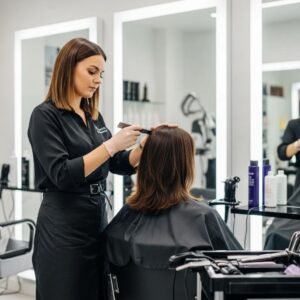
At Kylie Studio Salon, our stylists include leave‑in recommendations in consultations so your at‑home products reinforce the results of professional services and match your hair’s texture and porosity.
How Does Leave-In Conditioner Differ from Regular Conditioner?
Leave‑ins and rinse‑out conditioners serve different roles. Leave‑ins are lighter, designed to stay on the hair and provide ongoing moisture without weighing strands down; rinse‑outs are richer, work quickly during washing and are rinsed away. Functionally, rinse‑outs focus on immediate cuticle smoothing and detangling in the shower, while leave‑ins maintain hydration and reduce friction throughout the day. Choose rinse‑outs for in‑shower smoothing and use leave‑ins for daily manageability between appointments. Knowing the difference also helps you layer products effectively and save deep treatments for weekly repair.
What Are the Key Benefits of Using Leave-In Conditioner?
Leave‑in conditioner delivers several tangible benefits with simple application, targeting common hair challenges through specific mechanisms. They help hair keep moisture, increase slip for gentler detangling, and often contain thermal protectants and smoothing agents to limit heat damage and frizz. Look for these core advantages when selecting a leave‑in:
- Hydration maintenance: Helps hair hold moisture, reducing brittleness and split ends.
- Detangling and slip: Makes combing easier and lowers mechanical breakage.
- Frizz control and smoothing: Emollients and film formers smooth the cuticle against humidity.
- Heat protection and shine: Many formulas include thermal protectants and shine enhancers.
These attributes make leave‑ins a versatile daily tool. Next, we’ll look at the ingredients that deliver hydration and structural support.
How Does Leave-In Conditioner Improve Hair Hydration and Repair Dry, Damaged Hair?
Leave‑ins support hydration and repair by pairing humectants that draw water into the hair with emollients and proteins that smooth and strengthen the cuticle and cortex. Humectants like glycerin and panthenol attract moisture; oils and esters reduce moisture loss; and hydrolyzed proteins or keratin derivatives help rebuild tensile strength. Together these ingredients restore elasticity and reduce breakage, making leave‑ins a useful part of a repair routine. For severe damage, in‑salon Deep Conditioning or Keratin protocols work alongside daily leave‑ins to address structural issues that topical products alone can’t fully fix — especially useful in Bethesda’s changing seasons when hair can dry out more easily.
This map shows why balancing humectants, emollients and proteins matters: too much protein on low‑porosity hair can feel stiff, while lightweight humectants suit fine hair. The next section offers step‑by‑step application tips to maximize repair and hydration.
What Ingredients in Leave-In Conditioners Restore Hydration and Strength?
Effective leave‑ins mix humectants, emollients, proteins and protective agents, each with a clear role. Humectants (glycerin, panthenol) draw and hold moisture, improving elasticity. Emollients (natural oils, esters) smooth the cuticle and lock in hydration. Hydrolyzed proteins and keratin derivatives temporarily fill gaps in the cuticle and reinforce strand structure. Match these components to your hair’s porosity: high‑porosity hair often needs more protein and emollients, while low‑porosity hair responds better to lighter, humectant‑focused formulas.
How to Use Leave-In Conditioner Effectively for Dry and Damaged Hair?
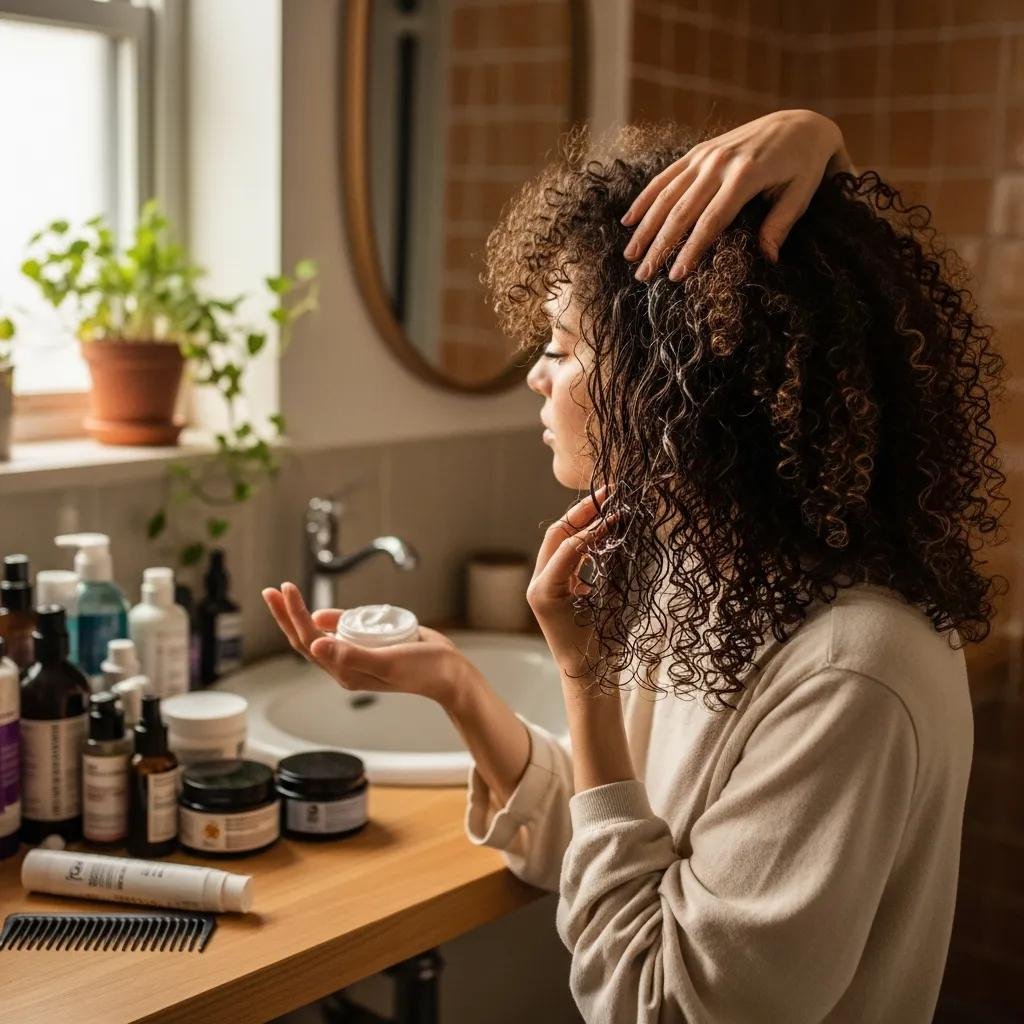
For best results, apply leave‑in conditioner to clean, towel‑dried hair, focusing on mid‑lengths and ends where damage is most common. Avoid heavy application at the roots unless your scalp is dry. Work the product through with your fingers or a wide‑tooth comb, then let hair air‑dry or use low heat with a diffuser so any heat protectants can activate without excess stress. For very damaged hair, pair daily leave‑in use with weekly deep‑conditioning masks or in‑salon Deep Conditioning sessions. Regular trims and periodic stylist check‑ins help keep your products and treatments working toward your repair goals.
How Can Leave-In Conditioner Control Frizz and Enhance Hair Smoothness?
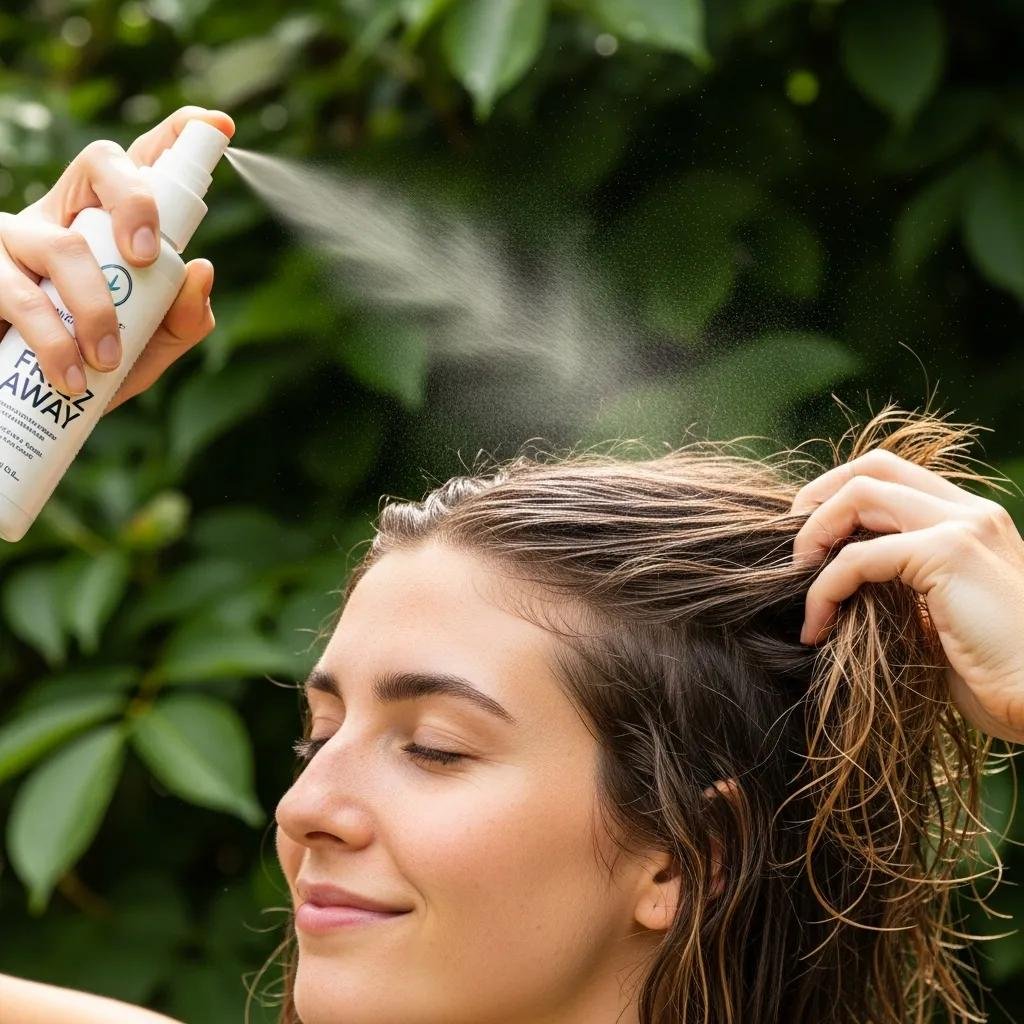
Leave‑ins tame frizz by depositing smoothing agents and lightweight film formers that align and seal the cuticle, reducing how much extra moisture the hair absorbs from humid air. The goal is a semi‑permeable barrier that balances internal hydration with cuticle integrity — silicones or modern alternatives smooth the surface while humectants keep the inside hydrated. When used alongside professional smoothing services like Keratin Treatment or Brazilian Blowout, leave‑ins help extend salon results by protecting the cuticle between visits. Knowing when to layer products and when to book a salon smoothing service will give you consistent smoothness without overloading your hair.
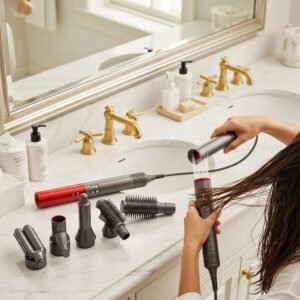
Smoothing works best with thoughtful drying and styling: apply leave‑in to damp hair, comb it through, then finish with controlled heat or cool air to set the cuticle. Use light serums or oils sparingly on the ends for extra polish and avoid heavy buildup at the roots so your hair keeps lift. The next section explains why leave‑ins are often the go‑to day‑to‑day anti‑frizz solution and how to maximize their effect.
Why Is Leave-In Conditioner the Best Solution for Frizzy Hair?
Leave‑ins are particularly effective for frizz because they provide continuous moisture balance and surface smoothing throughout the day — addressing the root causes of frizz like uneven moisture and lifted cuticles. Lightweight films reduce hair’s tendency to soak up humidity, while emollients smooth the feel of the strand and lower friction. Leave‑ins also improve slip, preventing mechanical frizz from brushing and combing, and many include heat protection for safer styling. For the best outcome, pair a leave‑in with a professional smoothing plan or a targeted serum and distribute product evenly to avoid patchy weight.
What Professional Treatments Complement Leave-In Conditioner for Frizz Control?
Professional services such as Keratin Treatment, Brazilian Blowout and deep‑conditioning therapies target structural causes of frizz, while leave‑ins maintain and extend those results at home. Keratin and Brazilian‑style treatments smooth cortex irregularities and seal the cuticle, creating a smoother base that leave‑ins protect from humidity and styling wear. Deep conditioning replenishes lipids and proteins that reduce frizz over time; your stylist will recommend a leave‑in to reinforce those gains between appointments. Locally, combining salon smoothing or restorative treatments with a salon‑recommended leave‑in at Kylie Studio Salon helps keep hair smoother longer and reduces daily styling effort.
What Are the Benefits of Leave-In Conditioner as a Hair Detangler Spray?
Used as detangler sprays, leave‑ins add instant slip and hydration that reduce knots, speed up combing and cut mechanical breakage by lowering friction between strands. The science is simple: film formers and lightweight silicones (or alternatives) coat hair so combs and brushes glide, while humectants improve elasticity so strands bend instead of snap. Detangling leave‑ins are especially helpful for textured and long hair where knots form quickly — spraying a detangler before you work through tangles turns a stressful chore into a gentle maintenance step.
- Reduced breakage: Better slip means less mechanical stress while combing.
- Faster styling: Easier comb‑through shortens styling time and reduces heat exposure.
- Improved manageability: Hydration and smoothing cut down on recurring tangles.
These benefits make detangler sprays a practical, everyday tool. The next section covers why slip and elasticity reduce breakage and how to detangle safely.
How Does Leave-In Conditioner Reduce Hair Breakage During Detangling?
Leave‑ins reduce breakage by adding lubricity and restoring elasticity so hair bends under tension instead of breaking. Lubricants and light silicones separate fibers and prevent painful tugging at knots, while humectants increase flexibility. In practice, work in small sections from ends to roots with a wide‑tooth comb or detangling brush to minimize stress on fragile mid‑shaft areas. If tangles are severe or detangling is painful, book a professional stylist — they can apply concentrated in‑salon detangling treatments to safely ease the process.
What Are the Best Practices for Using Leave-In Conditioner as a Detangler?
Start with an even, generous spray or application of a detangling leave‑in on damp hair, then gently separate knots with your fingers before combing. Use a wide‑tooth comb or detangling brush and work in small subsections, beginning at the ends and moving toward the scalp. Reapply product only where needed to avoid buildup. For fine or oily hair, choose a lighter spray and focus on mid‑lengths and ends to prevent weighing the roots down. Regular trims and periodic in‑salon detangling techniques learned during a consultation will reduce chronic matting over time.
How to Choose the Best Leave-In Conditioner for Your Specific Hair Type?
Choosing the right leave‑in means matching texture, active ingredients and application method to your hair’s thickness, porosity and styling habits. Viscosity and ingredient balance (humectants vs. oils vs. proteins) determine whether a spray, cream or serum is best. Fine or oily hair usually does better with lightweight sprays that deliver humectants without oil; curly and coily hair often benefits from richer creams with emollients and proteins to define and hydrate. Color‑treated hair should prioritize color‑safe leave‑ins with UV protectants and antioxidants, and anyone who uses heat regularly should look for thermal protectants. The table below maps common hair types to recommended formulations to help you choose.
This quick framework narrows your options; the following sections offer type‑specific tips and product cues for color‑treated and coily hair.
Which Leave-In Conditioners Work Best for Curly, Fine, and Oily Hair?
Curly and coily hair usually responds best to richer cream or balm‑style leave‑ins that pair emollients and humectants to define curls and control frizz — look for shea, jojoba and hydrolyzed proteins for elasticity. Fine or oily hair benefits from lightweight sprays or milky leave‑ins that deliver humectants without adding excess oil so volume stays intact. For oily scalps, apply leave‑ins sparingly to mid‑lengths and ends and use clarifying shampoos when needed. If you’re unsure, try sample sizes and consult a stylist for a porosity check to fine‑tune product choice and frequency.
How Does Leave-In Conditioner Benefit Color-Treated and Coily Hair?
For color‑treated hair, choose leave‑ins formulated to protect pigment — those with UV filters and antioxidants help prevent oxidative fading while humectants keep hair from drying and dulling. Coily hair, which tends to be drier and more fragile, gains from leave‑ins that prioritize deep hydration and curl definition using richer emollients and targeted proteins to preserve shape and reduce shrinkage. Avoid alcohol‑heavy formulas that dry hair; opt for color‑safe, sulfate‑free lines that work with salon color services. Regular use of the right leave‑in preserves vibrancy and coil integrity between salon visits.
How Does Kylie Studio Salon in Bethesda, MD Integrate Leave-In Conditioner Benefits into Professional Hair Care?
At Kylie Studio Salon, we weave leave‑in benefits into professional care by recommending targeted leave‑ins as part of personalized aftercare plans and using them during styling to lock in moisture and protect salon results. Our stylists assess hair type, porosity and recent chemical services during consultations and select salon‑grade leave‑ins that complement treatments like Keratin Treatment, Brazilian Blowout and Deep Conditioning. That integrated approach ensures your home routine supports salon work: clients leave with clear instructions on how much product to use, how often, and which styling steps pair best with their leave‑in. For local clients, an in‑person consultation with Ruth at the Bethesda studio creates a customized plan that combines salon services with the best at‑home leave‑in maintenance.
What Leave-In Conditioner Treatments Does Kylie Studio Salon Offer?
We pair leave‑in recommendations with core salon services — Keratin Treatment and Brazilian Blowout for smoothing, and Deep Conditioning for intensive repair — so you leave with salon‑applied protection and take‑home products that suit your hair. Stylists often apply professional leave‑ins as a finishing step to seal results and coach clients on using the same or similar formulas at home. We position these products as part of a maintenance plan, not a quick fix: regular in‑salon care plus the right leave‑in gives the best long‑term outcome. Book a consultation to identify the maintenance products and treatment combo that fit your hair goals.
How Can You Book a Personalized Consultation for Leave-In Conditioner Advice?
To book a personalized consultation, visit Kylie Studio Salon in Bethesda, MD and bring your hair history, current routine and any concerns. Your stylist will do a brief assessment — porosity check, texture evaluation — and recommend a treatment and leave‑in regimen tailored to you. Expect practical coaching on how to apply products so you leave with clear, actionable steps and product picks for at‑home care. Bringing photos of styles you like and a list of current products helps your stylist create the most effective, individualized plan.
Frequently Asked Questions
1. Can leave-in conditioner be used on all hair types?
Yes — leave‑in conditioner can work for all hair types, from fine to coily and color‑treated. The difference is choosing the right formulation. Fine hair usually needs lightweight sprays; curly and coily hair often benefits from richer creams. Always factor in porosity and texture when selecting a product for the best results.
2. How often should I apply leave-in conditioner?
Use leave‑in conditioner as needed. Those with dry or damaged hair often apply it after every wash. If your hair is fine or oily, you might apply less frequently and focus on mid‑lengths and ends to avoid weighing roots down. Adjust based on how your hair responds and on weather conditions like humidity.
3. Can leave-in conditioner replace regular conditioner?
Leave‑ins are a great complement but don’t fully replace rinse‑out conditioners. Rinse‑outs deliver quick smoothing during washing; leave‑ins maintain moisture and protection between washes. For best results, use a rinse‑out in the shower and follow with a leave‑in for ongoing manageability.
4. Are there any specific ingredients to look for in leave-in conditioners?
Look for humectants like glycerin and panthenol to attract moisture, emollients such as natural oils to smooth and seal, and hydrolyzed proteins for strengthening damaged hair. If you have color‑treated hair, consider UV filters and antioxidants to protect pigment. Check ingredient lists to match your hair’s needs.
5. How can I enhance the effectiveness of my leave-in conditioner?
Apply leave‑in to clean, towel‑dried hair and focus on mid‑lengths and ends. Use a wide‑tooth comb to distribute evenly and avoid heavy application at the roots. Using low heat when styling can help activate thermal protectants. Regular trims and pairing leave‑ins with periodic deep conditioning will improve overall hair health.
6. Is it safe to use leave-in conditioner on colored hair?
Yes — leave‑ins can help maintain color. Choose formulas made for color‑treated hair with UV filters and antioxidants to slow fading. Prefer sulfate‑free options to avoid stripping pigment and keep hair looking vibrant.
7. Can leave-in conditioner help with hair growth?
Leave‑ins don’t directly speed up hair growth, but by reducing breakage and keeping hair healthier they help you retain length. Some formulas include scalp‑nourishing ingredients that support a healthy environment for growth. For best results, combine proper product use with a balanced diet and gentle hair care habits.
Conclusion
Used consistently and chosen for your hair’s needs, leave‑in conditioner can make a noticeable difference — keeping hair hydrated, reducing frizz, and improving manageability across all hair types. It pairs especially well with professional treatments for longer‑lasting results. Explore our curated product picks or stop by Kylie Studio Salon for a personalized recommendation and find the perfect leave‑in to support your hair journey.