Keratin Treatment — Bethesda, MD | Expert Hair Smoothing & Frizz Control Near You
At Kylie Studio Salon in Bethesda, a keratin treatment smooths frizz, adds shine, and makes everyday styling simpler. This guide explains what keratin does to hair, how it changes the hair shaft, which textures respond best, and how to compare options like Brazilian Blowout–style services and formaldehyde-free formulas. In humid climates many people search for “frizz control near me” — targeted keratin smoothing builds a moisture-resistant surface that helps hair resist humidity and shortens styling time. Below you’ll find concise, practical sections on the science behind smoothing, a comparison of common service types, a clear step-by-step treatment workflow, price guidance, short safety and longevity answers, and why choosing a local provider matters. We organize information as mechanism → effect → result so you can pick the right service and arrive at your Bethesda consult prepared.
What Is a Keratin Treatment and How Does It Benefit Hair in Bethesda?
A keratin treatment is a professional smoothing service that deposits protein-based ingredients onto the hair shaft to fill gaps in the cuticle and seal the surface—resulting in smoother, glossier hair. Keratin or keratin-like polymers bond with textured or porous hair, lowering how much moisture the shaft absorbs from humid air and preventing the cuticle from lifting. For Bethesda clients, where humidity can trigger frizz, keratin smoothing delivers tangible benefits: quicker blow-dry times, less daily styling, and more predictable results on damp days. Knowing these benefits helps you decide whether you want maximum frizz control or a more textured, natural finish. The next sections outline exactly how keratin works and which hair types pair best with each smoothing approach.
How Does Keratin Treatment Reduce Frizz and Enhance Shine?
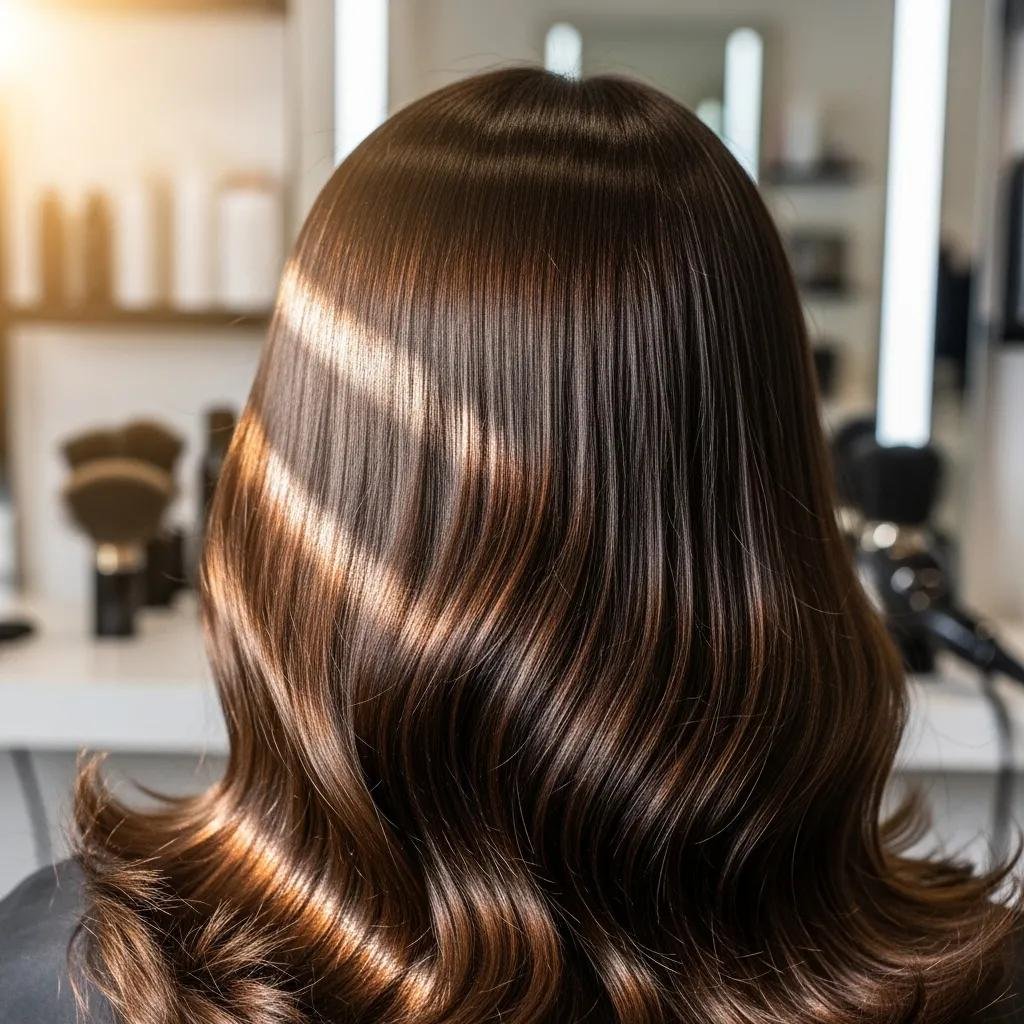
Keratin treatments tame frizz by smoothing and sealing the cuticle so strands reflect light more evenly—giving visible shine and a sleeker look. The proteins fill microscopic gaps in damaged or porous hair to form a smoother surface that resists humidity-driven swelling; that’s why treated hair stays sleeker when moisture rises. Visually, you’ll see fewer flyaways and a more uniform surface; to the touch, hair feels softer with less friction between strands. Before-and-after photos usually show clear reductions in frizz and improved shine—useful reference points when setting expectations. Understanding this mechanism helps you choose the treatment variant that fits your texture and styling goals.
What Hair Types Are Suitable for Keratin and Brazilian Blowout Treatments?
Keratin and Brazilian Blowout–style services can work on many textures—straight, wavy, curly, and chemically treated hair—when the stylist customizes product, timing, and heat. Coarser, thicker, or highly textured hair often benefits most from smoothing formulas that increase manageability and cut styling time. Fine hair may need lighter formulas or shorter processing to avoid becoming flat. Colored or relaxed hair can receive smoothing treatments with the right product choice and careful timing, but checking porosity and overall health is essential to prevent overprocessing. If you want to keep your curl pattern while reducing frizz, a Brazilian-style approach that smooths but preserves movement may be preferable. The best option is determined during a professional consultation that matches formulation, timing, and heat to your hair’s needs.
Which Keratin Treatment Services Does Kylie Studio Salon Offer in Bethesda?
Keratin-based smoothing services vary by formula, timing, and finish. Typical options include classic keratin treatments for smoothing and shine, Brazilian Blowout–style services that reduce frizz while keeping movement, and formaldehyde-free alternatives for clients with sensitivities. All target the cuticle with proteins or polymers that bond and seal, producing outcomes from sleek straightness to touchable, frizz-reduced texture depending on the technique. Below is a short comparison to help you see the differences in duration, ideal hair types, and primary benefits so you can decide what to discuss during your consult.
At Kylie Studio Salon we emphasize a personalized consultation and technique selection led by stylist Ruth, who tailors product choice and heat application to your hair. Our focus is enhancing natural beauty, improving manageability, and delivering lasting frizz control while protecting hair health. Bethesda clients can request a consultation to find the smoothing option that fits their styling priorities and maintenance preferences.
Introductory comparison of core service types:
This snapshot helps match each service to your hair goals and sets realistic expectations about results and upkeep. The next sections dig into key technical differences and show how stylist skill influences the outcome.
What Are the Differences Between Keratin Treatment and Brazilian Blowout?
Traditional keratin treatments focus on infusing proteins and sealing them with heat to create a straighter, glossy finish. Brazilian Blowout–style services often use different polymers that smooth the hair but preserve more natural movement and curl. Chemistries differ: some keratin formulas cross-link proteins with the cuticle to achieve stronger straightening, while Brazilian-style polymers form a smoothing layer without fully relaxing texture. Longevity and maintenance also vary—higher-protein approaches can produce longer-term straightening, while polymer-based services may offer quicker recovery and more styling flexibility. When choosing, consider whether you want maximum straightness or reduced frizz with texture left intact—your stylist’s product choice and technique will set the balance.
How Does Stylist Ruth’s Expertise Enhance Your Hair Smoothing Experience?
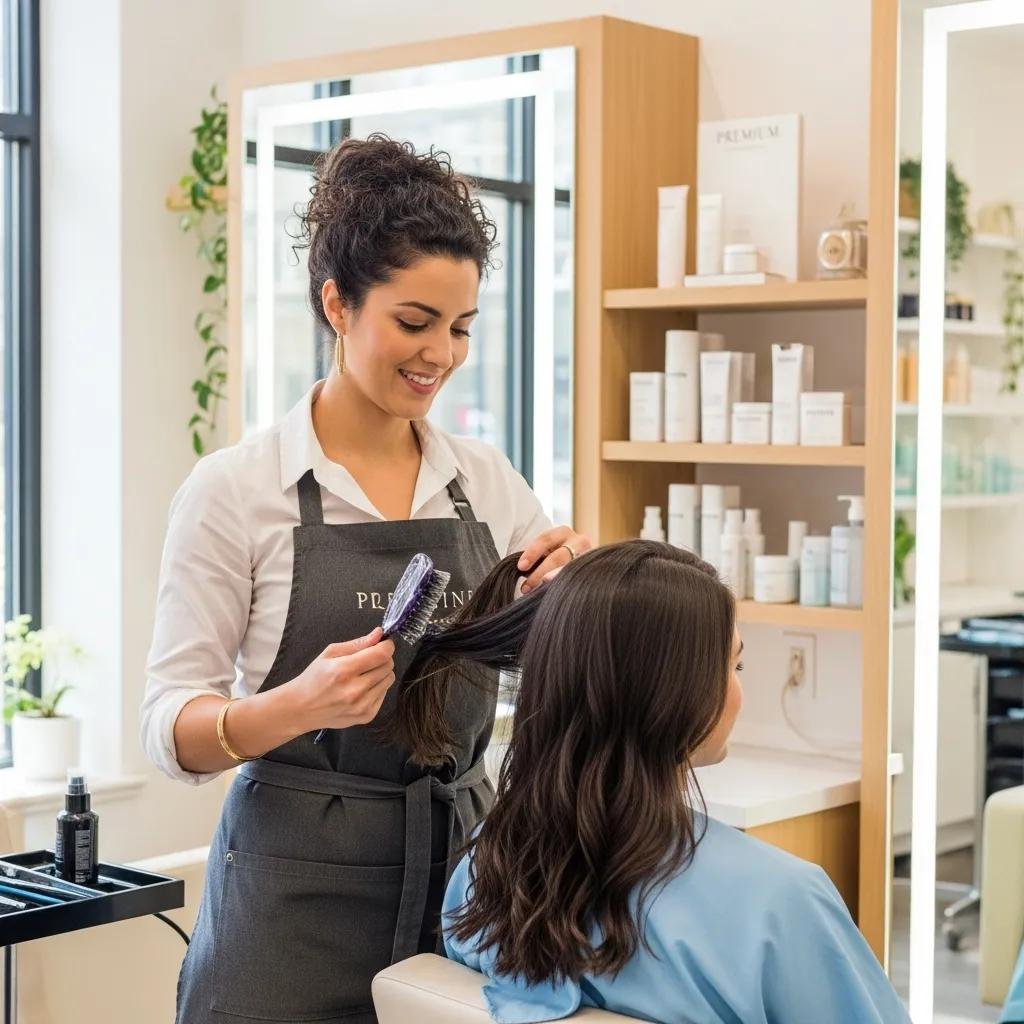
Ruth’s approach starts with a focused consultation that assesses porosity, chemical history, and styling goals—information that guides product selection and processing time. Her experience with sectioning, heat control, and application technique reduces the risk of overprocessing while maximizing the bond between smoothing agents and the hair shaft. Clients leave with tailored aftercare recommendations and realistic expectations about longevity, which leads to consistent, repeatable results. Ruth’s attention to personalized technique helps protect hair integrity and keeps your look healthy long-term.
What Is the Step-by-Step Keratin Treatment Process at Kylie Studio Salon?
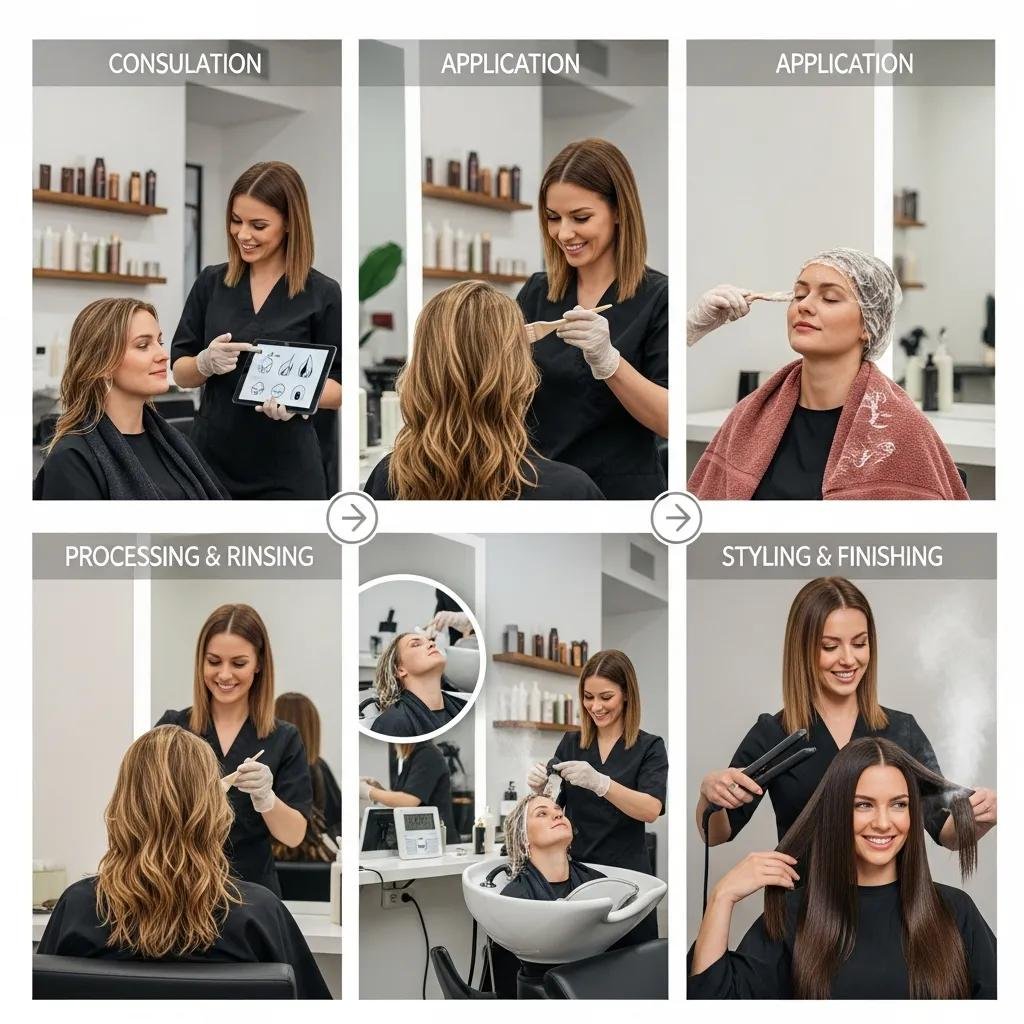
We follow a clear workflow so you know what to expect: consultation, preparation, product application, heat activation, and finishing with aftercare guidance. Consultation confirms hair history, desired outcome, and any sensitivities. Preparation typically includes clarifying shampooing to remove buildup and ensure even absorption. Application is done section-by-section so coverage is controlled. Heat activation—blow-drying and flat-ironing at the right temperature—seals the formula. Finally, we style and review aftercare steps to help you get the longest-lasting results.
To make timing and purpose clear, here’s a simple step-by-step overview of what happens and what you take away:
This sequence demystifies timing and each phase’s purpose so you arrive prepared and confident. The next section explains what to expect during the consultation and treatment itself.
What Should Clients Expect During Consultation and Treatment?
During the consultation, your stylist collects hair history, notes prior chemical services, clarifies desired results, and flags any sensitivity concerns—this creates a baseline for a safe, effective treatment. Based on the assessment, we recommend a product and estimate time; most treatments take about two to three hours depending on length and density. You can expect a comfortable salon setting and step-by-step explanations throughout. Your stylist will go over aftercare and may schedule follow-ups or touch-ups; following home care guidelines significantly affects how long results last. A structured consult reduces uncertainty and ensures the experience is client-focused and predictable.
How Is Aftercare Managed for Long-Lasting Frizz Control?
Aftercare is key to preserving your smoothing results. Immediate instructions usually include avoiding water and heavy perspiration for 48–72 hours and using sulfate-free shampoos afterward to protect the sealed cuticle. Long-term maintenance often includes nourishing masks, limiting frequent high-heat styling, and booking touch-ups when your natural texture begins to return. We recommend products with gentle surfactants and hydrating agents that won’t strip smoothing polymers from the hair shaft. Following these steps maintains the hydrophobic surface created by the treatment and extends the time between full re-treatments.
How Much Does Keratin Treatment Cost in Bethesda, MD, and What Are Pricing Options?
Pricing depends on hair length, density, the service variant you choose, and any add-ons like color services or premium products. A transparent consultation gives an accurate, personalized quote. Local price points typically start at a baseline for shorter hair and increase for long or very dense hair because of extra product and time; premium formulations or formaldehyde-free alternatives can also be priced higher. Below is a pricing guide showing common service variants, estimated ranges, and the main factors that influence cost to help you plan before booking a consult.
Introductory pricing guidance:
These ranges are guidance only; a consultation gives a tailored estimate based on your hair and any extra services you request. The next sections explain formaldehyde-free choices and how a consult refines pricing.
Are There Formaldehyde-Free Keratin Treatment Options Available?
Yes. Formaldehyde-free options use alternative cross-linking chemistries or lower-aldehyde formulations to reduce exposure concerns while still delivering meaningful frizz reduction. For clients with sensitivities, these formulas can be a good fit. The trade-off is often a difference in straightening intensity or longevity, so you’ll want to weigh safety preferences against how sleek you want the result to be. We’ll recommend a formaldehyde-free option during consultation if hair health and reduced irritation are priorities, and a patch test or scalp check further lowers risk.
What Is the Consultation Process for Personalized Pricing and Service Selection?
The consultation gathers hair length, density, chemical history, styling goals, and any sensitivities to build a custom service plan and written estimate—photos or reference images help clarify the desired result. After assessment, your stylist outlines the recommended variant, expected timing, aftercare needs, and any add-ons that affect price, ensuring transparency. You’ll get guidance on how product choice and technique shape outcome and longevity, and you can schedule the service with clear cost expectations. This consult-driven approach ensures final quotes reflect the actual work needed to reach your goals.
What Are Common Questions About Keratin Treatments in Bethesda?
Clients often ask about how long results last, safety for children or sensitive scalps, and best practices for maintaining results. Short, clear answers help set realistic expectations and point to a consultation when personalized advice is needed. The Q&A below covers the most searched questions so you can quickly find practical facts relevant to choosing a smoothing service.
Commonly asked items:
- How long do treatments typically last? Most treatments last about 2–4 months, depending on formula, aftercare, and hair porosity.
- Are treatments safe for sensitive scalps or children? Safety depends on the formula and individual sensitivity; we recommend patch tests and a professional consult.
- What maintenance preserves results longest? Use sulfate-free shampoos, avoid strong clarifying products, and follow the salon’s aftercare timeline for best longevity.
These brief answers give quick guidance; the following sections expand on duration and safety considerations.
How Long Does a Keratin Treatment Last on Different Hair Types?
Longevity varies with porosity, natural texture, washing frequency, and product choice. Many clients see two to four months of smoothing, but results can fade faster on very porous or highly textured hair that releases treatments more quickly. Fine, low-porosity hair can sometimes hold smoothing longer if it isn’t overprocessed, while chemically damaged hair may need touch-ups sooner. Using sulfate-free products and avoiding harsh clarifying treatments helps protect the bonded surface and extend results. Understanding these factors lets you plan maintenance to match your styling needs.
Is Keratin Treatment Safe for Children and Sensitive Scalps?
Safety should be individualized. Patch testing, scalp assessment, and choosing low‑irritant formulas are standard precautions for sensitive scalps and younger clients. Many stylists advise postponing stronger smoothing chemistries for children and selecting gentler, lower‑alkaline options when appropriate. Open communication during consultation about past reactions, allergies, and medical concerns allows your stylist to recommend safer alternatives or a trial approach. When in doubt, a consult-first path minimizes risk while keeping the option of improved manageability on the table.
Why Choose Kylie Studio Salon for Keratin Treatment Services Near Me in Bethesda?
Picking a local salon for keratin treatments means prioritizing stylist expertise, a personalized consultation, and visible proof of consistent results—factors that reduce risk and increase the chance of getting the outcome you want. Kylie Studio Salon is a Bethesda-based choice focused on individualized service, precise technique, and convenient booking. We highlight stylist Ruth’s client-first process, a before/after gallery that shows consistent frizz reduction and shine, and an easy online booking system that makes consultations and appointments simple to schedule.
Here are three compelling reasons to consider a local specialist:
- Personalized Consultation: A focused assessment creates a treatment plan tailored to your hair history and goals.
- Stylist Expertise: Professional technique controls heat and timing to protect hair integrity while maximizing smoothing.
- Convenience & Proof: A visual portfolio and straightforward booking make scheduling and expectation-setting easy.
These pillars—assessment, technique, and proof—work together to deliver dependable frizz control and easier styling for Bethesda clients.
What Do Client Testimonials and Before/After Galleries Reveal About Results?
Before/after galleries show measurable reductions in frizz, increased shine, and more predictable styling outcomes—evidence of proper technique and product choice. Testimonials often highlight less daily styling time, greater hair confidence, and satisfaction with texture results, providing social proof of the service’s effectiveness. Galleries that include a range of hair types help set realistic expectations for your own outcome. Reviewing examples during consultation helps match your desired look with the right service variant.
How Does Online Booking Enhance Convenience for Bethesda Clients?
Online booking simplifies scheduling, lets clients share pre-appointment details, and helps the salon prepare custom product plans ahead of your visit. Pre-consult forms can collect hair history and photos to speed in-salon assessments and make appointments more efficient. For busy Bethesda clients, this convenience reduces friction and ensures time is spent on the treatment itself. Our booking workflow also supports consistent follow-up and maintenance scheduling so you can keep up results over time.
Frequently Asked Questions
1. How often should I get a keratin treatment for optimal results?
We generally recommend every 2 to 4 months, depending on your hair type, porosity, and how you care for it at home. Fine or low-porosity hair can sometimes hold the effect longer, while highly porous or textured hair may need more frequent touch-ups. Talk with your stylist to set a schedule that fits your hair and lifestyle.
2. Can I color my hair before or after a keratin treatment?
Yes—timing matters. We usually recommend coloring before a keratin treatment so color can set properly. If you plan to color afterward, wait at least two weeks to let the keratin bond fully. Always discuss your color plans during the consultation so we can sequence services safely and protect both color and hair health.
3. What should I avoid after getting a keratin treatment?
Avoid washing your hair for 48–72 hours to allow the product to set. Also skip heavy sweating, chlorinated pools, and hair ties that create dents during that window. After that, use sulfate-free shampoos and conditioners to protect the treatment. Following these steps helps you get the most out of your smoothing service.
4. Are there any side effects associated with keratin treatments?
Keratin treatments are safe for most clients, but some people may experience temporary scalp irritation or an allergic reaction to certain ingredients. Tell your stylist about any sensitivities during the consultation. Also, improper high-heat use can damage hair, so follow the salon’s aftercare and styling guidance and reach out if you notice any issues.
5. How can I tell if a keratin treatment is right for my hair?
If you struggle with frizz, have coarse or textured hair, or want smoother, easier-to-style hair, a keratin treatment is often a good option. The best way to know is a professional consultation: we’ll assess your texture, history, and goals and recommend the right approach for your hair’s condition.
6. What is the difference between a keratin treatment and a deep conditioning treatment?
A keratin treatment focuses on smoothing and reducing frizz by infusing proteins into the hair for longer-lasting results. A deep conditioning treatment primarily hydrates and nourishes the hair temporarily. Both improve texture, but keratin smoothing delivers more durable frizz control and manageability.
7. Can I use regular shampoo after a keratin treatment?
It’s best to avoid regular shampoos that contain sulfates, as they can strip smoothing agents and shorten the treatment’s lifespan. Choose sulfate-free formulas designed for treated hair and consult your stylist for product recommendations tailored to your hair type.
Conclusion
Keratin treatments are an effective way to achieve smoother, more manageable hair by reducing frizz and boosting shine. Knowing your options—classic keratin, Brazilian-style smoothing, or formaldehyde-free alternatives—helps you choose the right path for your hair type and goals. To see how keratin can transform your routine, schedule a personalized consultation at Kylie Studio Salon in Bethesda. Let our team create a plan that fits your style and keeps your hair healthy and beautiful.