Coconut Oil for Hair: Benefits and How to Use for Healthy, Shiny Hair
Coconut oil is a simple, science-backed way to add moisture, help protect protein, and boost shine when used the right way. In this guide we explain how lauric and medium-chain fatty acids interact with the cuticle and shaft, why that matters for breakage and frizz, and safe, practical ways to use coconut oil at home. If you want an affordable DIY treatment for dry, damaged, or frizzy hair that won’t leave heavy buildup, coconut oil is a reliable option — especially when paired with professional care. Read on for clear benefits, step-by-step pre-wash and mask recipes, scalp tips for flaky skin, and which salon services at Kylie Studio Salon in Bethesda complement your at-home routine. We’ll also cover frequency, safety, and when to ask a stylist for a tailored plan.
What Are the Science-Backed Benefits of Coconut Oil for Hair?
Coconut oil works largely because of lauric acid and other fatty acids that can penetrate the hair shaft, reduce protein loss during washing, and lay down a protective lipid layer on the cuticle. That’s why it functions both as a deep moisturizer and an effective pre-wash barrier: it helps lock in internal moisture and binds to hair proteins, lowering damage from styling and wet-combing. Research shows measurable reductions in protein loss when coconut oil is applied before shampooing, which supports its role in strengthening hair and improving resilience. Together, these effects — better moisture retention, protein protection, frizz control, and mild antimicrobial properties — make coconut oil useful for a range of hair types and concerns.
Coconut oil offers several clear, evidence-backed benefits:
- Deep Moisturization: Fatty acids penetrate the shaft to help retain internal moisture.
- Protein Protection: Lauric acid helps reduce keratin/protein loss during washing and styling.
- Frizz Reduction and Shine: A smoother cuticle reflects light better and is easier to manage.
- Scalp Support: Mild antimicrobial and soothing effects can help with flaky, dry scalps.
- Damage Mitigation: A light lipid barrier reduces friction from combing and heat.
Using professional formulations or salon applications can amplify these benefits, which is why a blended at-home + in-salon approach often gives the best, longest-lasting results.
Quick look at coconut oil components and what they do:
How Does Coconut Oil Deeply Moisturize and Hydrate Hair?
Unlike heavier oils that only sit on the surface, coconut oil can move into the hair shaft and help restore internal lipids that keep the cortex hydrated. Lauric acid is small enough and has an affinity for keratin, so it can bind with hair proteins to reduce internal water loss and improve elasticity. That makes coconut oil especially helpful for porous or curly hair, where restoring lipids can revive curl definition. Fine hair can still benefit, but use lighter amounts and concentrate on mid-lengths to ends to avoid weighing strands down. Practical tip: warm the oil slightly for easier application, use minimal amounts for fine hair, and focus on the areas that need it most.
That internal replenishment is what also protects protein — explained next.
In What Ways Does Coconut Oil Strengthen Hair and Prevent Protein Loss?
Coconut oil helps preserve hair protein by binding to keratin and reducing the amount washed away by surfactants and mechanical stress. Lab studies show that a pre-wash application can lower soluble protein loss during shampooing, which translates into better tensile strength and fewer split ends over time. Chemically treated or heat-damaged hair often benefits from occasional, protein-sparing treatments combined with moisturizing routines, so coconut oil is a practical complement to restorative salon services. Stylists typically recommend pre-wash protective use about once weekly for dry or damaged hair and every 2–3 weeks for normal hair, with adjustments based on how your hair responds.
Once you understand the protective role, you can put together effective at-home rituals — see the steps below.
How Can You Effectively Use Coconut Oil on Your Hair at Home?
Using coconut oil at home is about choosing the right treatment — pre-wash, mask, light leave-in, or a scalp massage — and matching amount and method to your hair type and porosity. The golden rule is moderation: small, evenly distributed amounts give hydration and protection without buildup. Warm solid coconut oil until liquid for easier spreading. For dry or damaged hair, try DIY treatments 1–2 times weekly; for fine or oily hair, use them less often. Always follow heavier treatments with a clarifying or gentle shampoo to remove residue. Below are straightforward methods you can use safely.
Common at-home treatments and when to use them:
These options let you tailor a DIY routine that meets your goals while keeping residue and buildup to a minimum.
What Are the Steps for a Pre-Wash Coconut Oil Treatment?
A pre-wash treatment protects hair from surfactant-induced protein loss and provides deep conditioning before shampooing. Warm 1–2 teaspoons for short hair or 1–2 tablespoons for long hair until liquid but not hot. Section your hair and apply from mid-lengths to ends, avoiding the scalp if you tend to get oily. Cover with a shower cap and wait 30–90 minutes depending on damage; gentle heat can increase penetration. Shampoo twice with a gentle cleanser to remove oil, and finish with a lightweight conditioner on the ends if needed. Weekly use usually shows noticeable softness and fewer breakage points over time.
- Measure warm coconut oil by hair length and porosity.
- Apply through sections, focusing on mid-lengths and ends.
- Cover and wait 30–90 minutes; use gentle heat if desired.
- Shampoo thoroughly to remove residue and follow with conditioner.
Pre-wash treatments reduce protein loss and create a better base for styling or deeper masks.
How to Make and Apply DIY Coconut Oil Hair Masks?
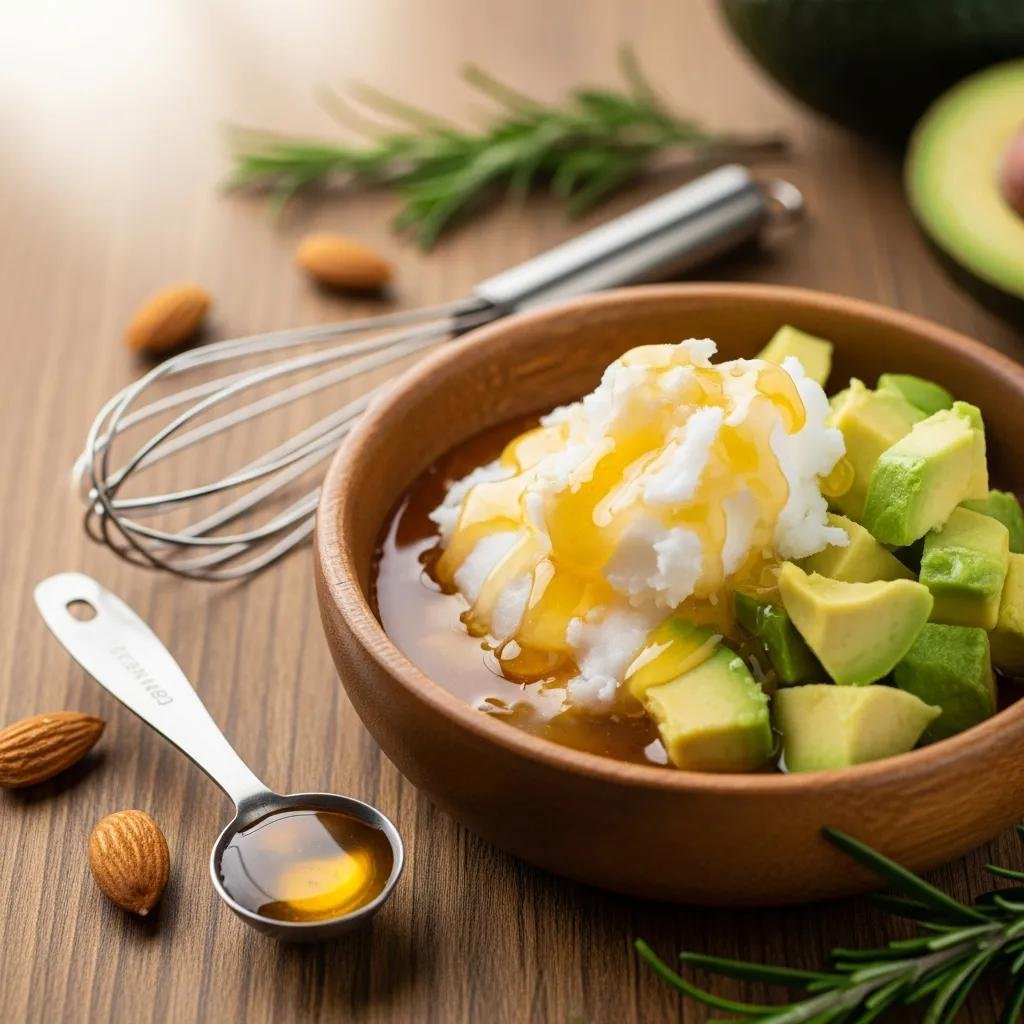
DIY masks pair coconut oil with humectants or nutrient-rich additions to target dryness, damage, or frizz. For a hydrating mask: mix 2 tablespoons coconut oil with 1 tablespoon honey, apply to damp hair, and leave 20–30 minutes before shampooing. For deep repair: blend coconut oil with mashed avocado and a scoop of yogurt, and leave 30–40 minutes. Apply to mid-lengths and ends, avoid the scalp if it gets oily, and rinse with warm water followed by a gentle shampoo. Use masks once weekly for very damaged hair, or every 2–3 weeks for maintenance.
Simple mask ideas:
- Hydration Mask: Coconut oil + honey — locks in moisture and shine.
- Repair Mask: Coconut oil + avocado — fatty acids and vitamins for repair.
- Protein-Moisture Balance: Coconut oil + yogurt — mild protein support plus conditioning.
Watch how your hair responds and tweak ratios; these masks are meant to complement—not replace—professional deep conditioning.
How Does Coconut Oil Improve Scalp Health and Reduce Dandruff?
Coconut oil can improve scalp health by restoring lipid balance and offering mild antifungal effects that reduce flaking for some people. The medium-chain triglycerides and lauric acid show antimicrobial activity against certain scalp fungi tied to dandruff, and replenishing lipids helps soothe dry, flaky skin by reducing transepidermal water loss. That said, coconut oil isn’t ideal for oily or highly inflamed scalps and may add buildup in those cases. When you use it in moderate, targeted amounts and follow with a good cleanse, coconut oil can be a helpful part of a scalp-care routine.
Below is a short primer on how coconut oil’s properties map to scalp outcomes.
What Are the Antifungal Properties of Coconut Oil for Scalp Care?
Coconut oil contains medium-chain fatty acids, including lauric acid, that have documented antifungal and antimicrobial activity against some scalp yeasts associated with dandruff. Studies show these fatty acids can disrupt microbial membranes and reduce fungal viability and inflammation, which for some people means less flaking and itch. In practice, apply small, focused amounts to dry patches and leave for 20–60 minutes before cleansing. Avoid heavy or frequent use on oily scalps to prevent clogged pores, and see a stylist or dermatologist if the condition persists or worsens.
That science leads nicely into a simple scalp routine you can try at home.
How to Use Coconut Oil for a Healthy, Hydrated Scalp?

For scalp hydration, perform a short, controlled massage to stimulate circulation and deliver lipids to dry skin. Rub a small amount between your fingertips and massage in gentle circular motions for 3–5 minutes, leave on 20–60 minutes depending on dryness, then shampoo thoroughly to remove residue. Repeat once weekly for dry scalps; reduce frequency for oily scalps. Pairing coconut oil massages with salon-recommended scalp cleansers can boost results. Stop use and consult a pro if irritation or increased flaking occurs.
A focused massage routine pairs well with an in-salon scalp evaluation for persistent concerns.
What Professional Coconut Oil Treatments Does Kylie Studio Salon Offer in Bethesda, MD?
At Kylie Studio Salon we combine salon-grade deep conditioning and gloss services that complement coconut oil home care, delivering deeper hydration, improved structure, and lasting shine. Our Deep Conditioning Treatment uses concentrated, natural-ingredient masks and expert application to reach further than most at-home methods, while our Hair Gloss seals the cuticle and instantly increases light reflection. Professional treatments differ in formulation, controlled heat and timing, and finishing techniques, which reduce residue and extend results. In Bethesda, stylist Ruth provides personalized consultations to recommend the best way to blend your at-home coconut oil routine with salon services for optimum health and appearance.
Below is a quick comparison of salon services and what to expect:
What Are the Benefits of Our Deep Conditioning Treatment with Natural Ingredients?
Our Deep Conditioning Treatment brings concentrated hydration and repair through professional-grade formulas and techniques that enhance coconut oil’s moisturizing and protein-sparing effects. You can expect smoother, easier-to-manage hair and stronger mid-lengths and ends after one session, plus a maintenance plan tailored to your needs. We use controlled heat and porosity assessment to maximize penetration while minimizing residue, and provide aftercare tips that align with your at-home coconut oil routine so you don’t overdo it. Pairing salon treatments with targeted home care helps sustain results between visits and reduces cumulative damage over time.
These professional benefits make a strong case for occasional in-salon reinforcement of DIY routines.
How Does a Professional Hair Gloss Enhance Shine and Hair Health?
A professional Hair Gloss smooths and seals the cuticle to boost light reflection and vibrancy without a full color service. Glossing locks in the effects of conditioning treatments by smoothing surface scales that trap dullness, leading to longer-lasting softness and manageability. After a gloss, avoid heavy oils at the root and use gentle, color-safe cleansers; periodic refreshes keep the sealed, shiny finish looking fresh. When combined with targeted deep conditioning, a gloss gives an immediate aesthetic lift while supporting longer-term hair health.
Glossing works well alongside coconut oil-based moisturizing when balanced to prevent excessive surface oil.
Why Choose Kylie Studio Salon and Stylist Ruth for Your Natural Hair Care Journey?
Kylie Studio Salon focuses on personalized natural-ingredient care and local expertise in Bethesda. Stylist Ruth offers hands-on recommendations that blend DIY and professional approaches, informed by years of experience with conditioning treatments and natural protocols. Ruth’s consultations include a full hair history and porosity check so she can design plans that respect your goals. We pair practical at-home coconut oil guidance with salon-strength treatments so you get immediate improvements and lasting health. Convenient local appointments, clear aftercare, and a customized schedule help you maintain results between visits.
What Expertise Does Ruth Bring to Natural Hair Treatments?
Ruth specializes in conditioning and natural-ingredient treatments, combining thorough consultations with expert application to address dryness, damage, and scalp concerns. She gives specific guidance on pre-wash treatments, DIY masks, and scalp massages — tailored to your hair type, porosity, and daily routine. Ruth advises on product amounts, timing, and how to balance coconut oil with salon services to avoid buildup. Her hands-on approach ensures your at-home efforts support the professional work we do in the chair.
This experience-driven model keeps care consistent from salon to home.
How Does Kylie Studio Salon Personalize Hair Care for Bethesda Clients?
We personalize care through an initial consultation that reviews hair history, porosity, scalp condition, and lifestyle before recommending treatment combinations and at-home protocols. From a targeted deep-conditioning schedule to periodic glossing or a customized pre-wash routine, recommendations reflect local factors like seasonal humidity and water hardness in Bethesda. Aftercare instructions and follow-up guidance help you maintain salon results with effective DIY practices.
Personalization makes each treatment more effective and avoids unnecessary products or conflicting routines.
What Are the Most Common Questions About Using Coconut Oil for Hair?
People often ask about frequency, overnight use, the best type of coconut oil, and how to avoid buildup. Below are concise, practical answers to help you adopt safe, effective routines. If you notice persistent dandruff, unusual shedding, or scalp irritation, book a consultation with a Kylie Studio Salon stylist for a personalized assessment.
Key FAQs at a glance:
- How often should coconut oil be applied? Weekly for dry or damaged hair; every 2–3 weeks for normal hair, adjusted by how your hair responds.
- Can coconut oil be left in overnight? Overnight use helps deep condition very dry hair but needs careful cleansing to avoid buildup and staining.
- Which coconut oil is best? Use virgin, cold-pressed coconut oil without additives for the cleanest fatty acid profile.
- How do I avoid residue? Use small amounts, focus on mid-lengths and ends, and shampoo thoroughly after treatments.
How Often Should You Apply Coconut Oil to Your Hair?
Match frequency to condition: once weekly for dry, damaged, or chemically treated hair to restore moisture and reduce breakage; every 2–3 weeks for normal hair as maintenance. Fine or oily hair may only need treatment monthly or targeted end-only applications to avoid limpness and buildup. Signs you’re overdoing it include lifeless hair, visible residue after washing, or loss of volume — if that happens, cut back or try lighter emollients. If you’re unsure, Ruth can help create a schedule that fits your hair and local conditions.
Next: safety and overnight use.
Can You Leave Coconut Oil in Hair Overnight Safely?
Overnight coconut oil can give an extra-conditioning boost for very dry or damaged hair, but it raises the risk of buildup, bedding stains, and tougher removal if you use too much. To limit risk, apply a small amount to mid-lengths and ends only, protect your pillow with a towel, and shampoo thoroughly the next morning with a gentle clarifying cleanser. Fine or oily hair should limit treatments to a few hours rather than overnight. Use overnight treatments sparingly and ask a stylist if you’re unsure about your hair’s tolerance.
Those precautions wrap up our FAQ guidance and point to professional help when needed.
Frequently Asked Questions
1. Can coconut oil help with hair growth?
Coconut oil can support hair growth indirectly by improving overall hair health. By reducing breakage and split ends through better moisture and protection, hair may appear fuller and healthier over time. Coconut oil can also nourish the scalp, creating a more favorable environment for follicles. That said, it isn’t a guaranteed hair-growth treatment — results depend on individual factors like genetics and overall scalp health.
2. Is coconut oil suitable for all hair types?
Coconut oil is versatile but not one-size-fits-all. Thick, curly, or coarse hair often benefits from its deep hydration and frizz control. Fine or oily hair should use coconut oil sparingly, focusing on ends to avoid weighing hair down. Tailor application method and frequency to your hair type and porosity for the best results.
3. How can I incorporate coconut oil into my hair care routine?
There are a few easy ways to use coconut oil: as a pre-wash treatment, a deep conditioning mask, or a tiny leave-in for ends. For most masks and treatments, apply to damp hair and focus on mid-lengths and ends. Adjust frequency to your needs — once a week for dry hair or every 2–3 weeks for normal hair — and always follow heavier treatments with a gentle shampoo to prevent residue.
4. Can coconut oil help with dandruff?
Coconut oil can help some cases of dandruff thanks to its moisturizing and mild antifungal properties. It helps rebalance scalp lipids and can reduce flaking linked to dryness or certain fungi. Apply to the scalp, massage gently, leave for a short period, then wash out with a gentle shampoo. If flakes persist, consult a stylist or dermatologist for a targeted plan.
5. What should I do if I experience irritation from coconut oil?
If you have irritation, stop using coconut oil and shampoo your hair with a gentle cleanser to remove any residue. Sensitivity or overuse could be the cause. If irritation continues, see a dermatologist or stylist for advice — they can help find a gentler alternative and identify any underlying scalp conditions.
6. How does coconut oil compare to other oils for hair care?
Coconut oil stands out for its high lauric acid content, which helps it penetrate the hair shaft and reduce protein loss. Other oils like argan or jojoba offer benefits too — often more surface-level conditioning or sebum-like balance — but may not penetrate as deeply. The best oil depends on your hair’s needs: coconut oil is particularly useful for porous or damaged hair.
7. Can I mix coconut oil with other ingredients for hair treatments?
Yes. Coconut oil mixes well with ingredients like honey, avocado, or yogurt to enhance hydration, repair, or protein balance. Start with small amounts to avoid buildup and always patch-test new DIY blends to rule out allergies before applying them to your whole scalp or hair.
Conclusion
Coconut oil is a versatile, research-supported tool for healthier-feeling hair: it moisturizes deeply, helps protect protein, and adds shine when used thoughtfully. This guide shows how to integrate coconut oil into a weekly routine or occasional treatment plan and how salon services at Kylie Studio Salon can reinforce those benefits. Start with small, targeted applications, watch how your hair responds, and consider booking a consultation with us to build a personalized at-home and in-salon plan. Explore our coconut oil–friendly services and products at Kylie Studio Salon to help keep your hair looking its best.