Debunking Common Hair Care Myths: Clear, Practical Advice for Healthy Hair
So many “hair rules” are habits passed along without science — this guide separates fact from fiction and gives straightforward, salon-tested advice you can use at home. You’ll learn how hair actually grows, why trims change appearance but not follicle activity, how to tailor washing to your scalp and lifestyle, safer brushing and styling methods, what water temperature really does to shine, ways professionals limit color damage, and effective approaches for dandruff and scalp care. We translate the science — the growth cycle, cuticle behavior, and Malassezia’s role in flaking — into daily steps and quick-reference answers. Each H2 begins with a concise takeaway, then expands with practical tips, trade-offs, and when a professional service from Kylie Studio Salon or stylist Ruth can help.
Does Cutting Hair Make It Grow Faster? The Simple Truth About Trims
Short answer: no. Hair length is driven at the follicle beneath the scalp, not at the ends you see. Trims don’t speed follicle activity; they improve appearance and prevent breakage by removing split ends that otherwise travel up the shaft. That cosmetic benefit makes hair look healthier and fuller, but actual growth depends on genetics, hormones, nutrition, and scalp health — not scissors. Use trims to maintain shape and reduce breakage while you focus on scalp care and lifestyle for real growth results.
What Really Controls Hair Growth, and Why Haircuts Don’t Change It
Each strand cycles through anagen (growth), catagen (transition), and telogen (rest/shedding). The visible hair shaft is dead tissue made of cuticle and cortex; cutting it removes damage but cannot affect the follicle’s cell division. Factors like nutrient status, thyroid and sex hormones, some medications, and chronic stress influence the follicle cycle. That’s why improving overall health and targeting the scalp will affect growth more than cosmetic trims. Thinking in terms of follicle health shifts your priorities to habits that actually matter.
How Regular Trims Reduce Split Ends and Keep Hair Strong
Split ends start as cuticle damage that moves into the cortex, causing strands to fray and break. Timely trims remove damaged tips and stop breakage from progressing up the hair. Regular maintenance also preserves shape and reduces tangling, which cuts down mechanical stress during brushing and styling. Trim frequency depends on your goals: for a precise shape, every 6–8 weeks; to hold length, every 8–12 weeks with small dustings; for curly or fragile hair, lean toward slightly longer intervals and focus on protective styling and moisture in between. The right schedule keeps hair looking healthy while you work on follicle-driven growth.
A quick comparison helps show why trims matter cosmetically even though they don’t affect growth.
This table highlights how short maintenance trims, larger cuts, and skipping trims differ in look and breakage risk.
Knowing when to trim leads naturally into choosing a washing routine that keeps your scalp balanced.
How Often Should You Wash Your Hair? Practical Shampooing Guidance
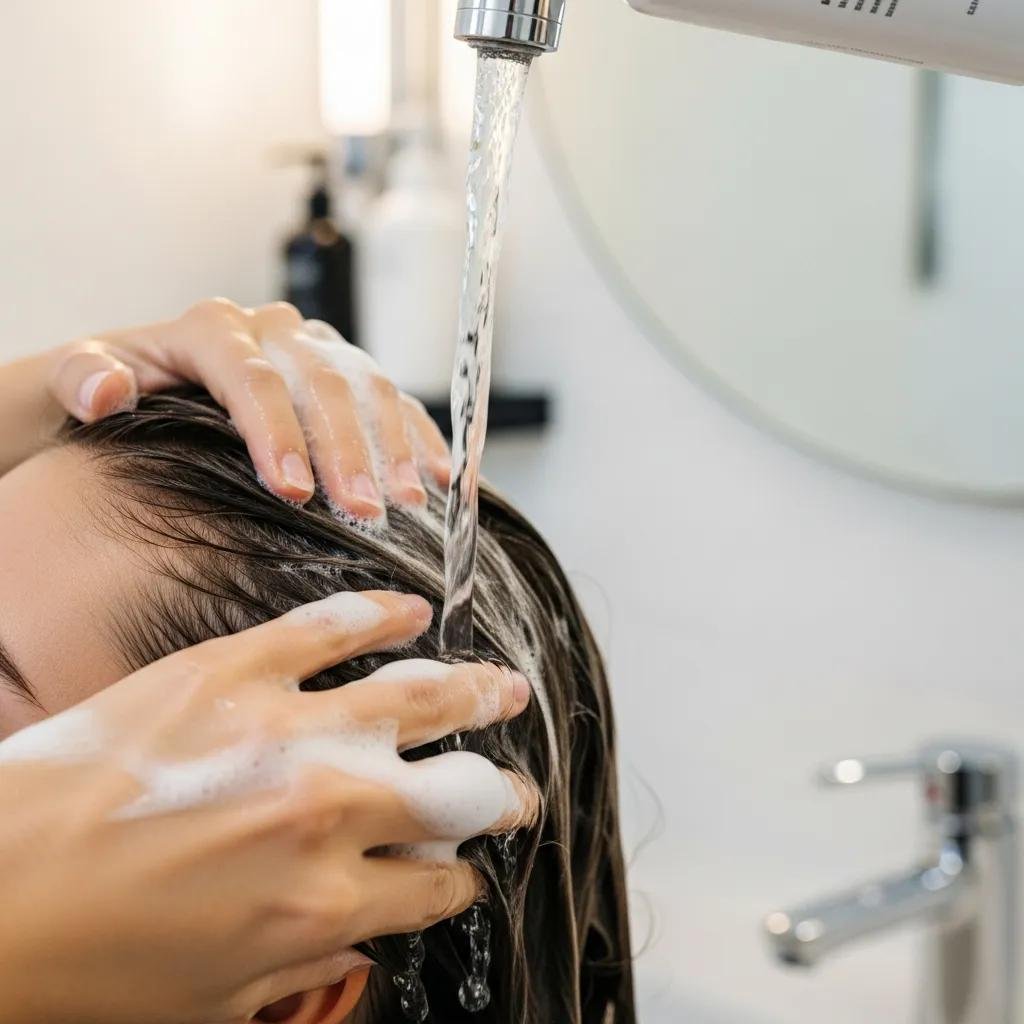
There’s no one-size-fits-all schedule. Your scalp’s oil production, hair texture, styling products, and daily activity set the rhythm. Sebum naturally protects the shaft and scalp — stripping it with harsh sulfates can roughen the cuticle and trigger rebound oil. On the flip side, skipping washes on very oily scalps can cause buildup and odor. The best rule: pick gentle, sulfate-free cleansers and match frequency to your hair and life, adding conditioning or targeted scalp treatments as needed.
Is Washing Your Hair Every Day Bad for It?
Daily washing can work for people who sweat a lot, use many styling products, or have oily scalps — but it risks drying hair and irritating the scalp if you use strong shampoos. Repeated stripping can increase cuticle porosity and make hair more prone to tangling and breakage, especially if it’s dry, curly, or chemically treated. If you need to wash daily, choose low-foam, sulfate-free options and alternate with co-washes or conditioner-only rinses to keep moisture balanced.
Use this short guide to match washing frequency to scalp and hair type.
- Oily scalp: Wash 3–7 times/week with a gentle clarifying, sulfate-free shampoo.
- Normal scalp: Wash 2–3 times/week; tweak for workouts or product use.
- Dry or curly hair: Wash 1–2 times/week; consider co-washes or hydrating cleansers.
- Color-treated or fragile hair: Wash 1–2 times/week with moisturizing, color-safe formulas.
These guidelines help you preserve sebum balance while lowering damage risk. Product choice follows naturally from knowing your washing rhythm.
Next is a quick reference showing frequency and product types for common scalp/hair needs.
If your scalp stays out of balance despite changes, a professional scalp consultation can help diagnose underlying causes and recommend in-salon treatments.
Kylie Studio Salon offers deep-conditioning and targeted scalp services to restore moisture and scalp balance. Stylist Ruth pairs in-salon treatments with product plans so clients can move away from overwashing habits and toward a healthier routine.
Is Brushing Hair 100 Times a Day Helpful? Brushing Myths Unpacked
Brushing a lot can do more harm than good. Repeated friction abrades the cuticle, stretches the cortex, and increases breakage rather than stimulating growth or lasting shine. Brushing does help detangle and spread sebum, but doing it excessively focuses tension at weak points and can cause hair to snap off. Gentle detangling, the right tools, and proper technique protect the shaft and preserve length.
How Over-Brushing Damages Hair
Too much brushing lifts the cuticle and creates micro-tears that show up as frizz and split ends. Harsh brushing can remove short, fragile fibers near the scalp and make some areas look thinner. Look for signs like persistent split ends despite trims, hair that breaks instead of stretching, or excess frizz — these often point to mechanical damage rather than a growth problem.
Gentle Brushing Techniques That Protect Your Hair
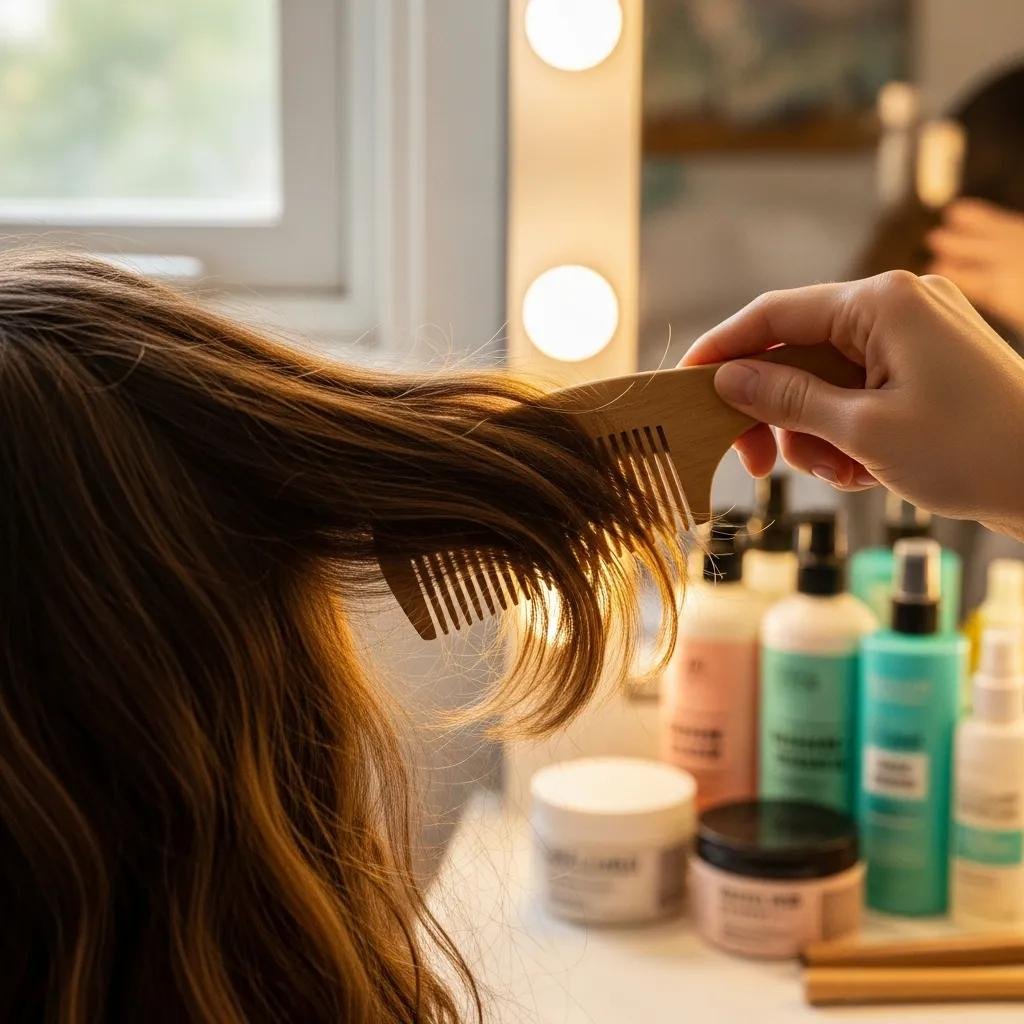
Detangle in stages: start at the ends, remove knots, then work upwards in small sections. On wet hair, always use a wide-tooth comb or a flexible detangling brush and apply a leave-in or detangling spray to give slip. Pick tools for your texture: paddle brushes for straight, thick hair; wide-tooth or flexible brushes for curls and fragile strands. These habits cut friction and breakage so your hair stays stronger, longer.
- Begin at the ends: Loosen knots gently before moving up.
- Section hair: Work small sections to avoid pulling at roots.
- Use the right tool: Wide-tooth combs for wet hair; soft or mixed bristle brushes for dry styling.
- Apply slip: Use conditioner or a leave-in to reduce friction.
Adopting these steps reduces damage and often lessens the need for corrective trims. Next we’ll look at whether cold water actually improves shine and what delivers lasting gloss.
Does Cold Water Make Hair Shinier? What Actually Improves Gloss
A cool rinse can temporarily smooth cuticle scales and make hair look shinier right after washing, but it doesn’t create lasting structural change. Cuticle orientation affects how light reflects — a flatter, smoother surface looks glossier. Lasting shine comes from consistent conditioning, repairing porosity, and treatments that restore cuticle health. Think of a cool rinse as a small finishing touch, not a cure-all.
How Water Temperature Affects Cuticle and Shine
Cold water can slightly close cuticle scales, reducing microscopic roughness and creating immediate shine that fades as hair dries and interacts with the environment. Hot water can lift the cuticle and speed color fade, temporarily increasing porosity and vulnerability to damage. If a cool rinse feels comfortable, finish that way — but rely on conditioning and protective products for durable shine.
Conditioning Treatments That Increase Gloss and Hair Health
Salon glosses and deep masks deposit smoothing agents and lipids that even out the surface and improve light reflection for weeks. Keratin treatments add structural protein and reduce frizz by smoothing the cuticle, giving longer-lasting gloss and manageability — especially useful for colored or unruly hair. At home, weekly deep masks with oils and silicone-free serums help, and always use heat protectant when styling. These approaches fix the causes of dullness rather than depending on water temperature alone.
Quick list of conditioning options and what they do:
- Deep-conditioning masks: Replenish moisture and temporarily fill porosity for smoother shafts.
- Gloss treatments: Add shine-enhancing polymers and refresh color tone.
- Keratin treatments: Strengthen and smooth the cuticle for prolonged gloss and reduced frizz.
From home treatments to salon services, these options offer graduated choices for lasting shine. Kylie Studio Salon provides tailored gloss and keratin services, and stylist Ruth will match treatment type and frequency to your hair history and goals.
Is Coloring Hair Always Damaging? How Pros Minimize Risk
Coloring alters hair chemistry and can increase porosity, but professional techniques, bond-repair protocols, and careful aftercare can keep damage low. Key variables are the method (lift vs. deposit), developer strength and timing, and the use of protective additives. Foiling or hand-painted highlights let pros control lightening; tonal glosses and semi-permanents add color without aggressive lift. With staged lightening and post-service conditioning, you can change color while preserving a healthy-looking structure.
How Salons Keep Color Healthy with the Right Care
Stylists assess porosity, hair history, and desired outcome, then choose gentler formulas and bond-building additives during the service to protect fiber cohesion. After color, routine care includes protein-balanced conditioners, periodic glossing, and hydrating masks to smooth the cuticle and keep color vibrant. Use heat protectants and limit hot-styling frequency to lower cumulative stress. Professional chemistry combined with sensible at-home maintenance gives the best long-term results.
Below is a straightforward comparison of common coloring approaches and their typical impacts.
Knowing these trade-offs helps you choose the safest route to your desired look. Next, learn which salon services protect hair during color.
Services at Kylie Studio Salon That Protect Hair During Coloring
At Kylie Studio Salon we offer Full Highlights, Partial Highlights, Face-Framing Highlights, and Keratin Treatments designed to preserve hair health. Our color services emphasize controlled lift, careful placement, and restorative finishes; face-framing options add brightness without full-head processing. Semi-permanent glosses refresh tone with minimal damage, while keratin treatments help seal and strengthen the cuticle after coloring. Stylist Ruth customizes maintenance plans and recommends eco-conscious product options to extend results. Book a consultation with Ruth for a tailored plan that balances color goals and hair integrity.
These service options bridge professional technique and post-care to minimize risk — next, we’ll cover scalp health and dandruff.
What Causes Dandruff and How Should It Be Treated? Scalp Health Explained
Dandruff often comes from an overgrowth of Malassezia yeast interacting with sebum and inflammation — not simply dry skin. Distinguishing dandruff from dry flakes matters: seborrheic conditions feature oily, inflamed scaling, while dry scalp gives small, powdery flakes. Effective care targets the microbial and inflammatory drivers with medicated shampoos and topical antifungals, plus in-salon scalp therapies that clear buildup and calm irritation. Identifying the cause tells you whether OTC products will help or if medical evaluation is needed.
Is Dandruff Just a Dry Scalp?
Dry scalp can cause flaking, but typical dandruff is driven by Malassezia feeding on scalp lipids and triggering inflammation and accelerated skin turnover. Red, itchy, or thickly scaling patches that don’t improve with moisturizers suggest a medical condition. If you have persistent inflammation, hair loss, or severe scaling, see a dermatologist to rule out seborrheic dermatitis, psoriasis, or eczema. Accurate diagnosis guides the right treatment.
Which Treatments Work Best for Dandruff?
Over-the-counter shampoos with zinc pyrithione, ketoconazole, or selenium sulfide are effective when used as directed, then continued on a maintenance schedule. For stubborn or severe cases, a doctor may prescribe stronger antifungals or topical steroids. Salon scalp treatments — targeted exfoliation and professional-strength medicated rinses — help reduce buildup and improve the action of active ingredients. A gentle routine, limited irritants, and periodic professional care support long-term control and scalp comfort.
Common active ingredients and when to reach for them:
- Zinc pyrithione: Good for mild-to-moderate dandruff and ongoing maintenance.
- Ketoconazole: Effective for fungal-driven, recurrent flaking.
- Selenium sulfide: Helpful for heavy scaling and very oily scalps.
These options clarify product choices and when to escalate care. Kylie Studio Salon offers scalp consultations and targeted in-salon treatments that combine professional exfoliation with recommended home products to manage dandruff and support scalp health.
With the right diagnosis and a mix of salon and at-home care, you can keep both scalp and hair looking their best.
Frequently Asked Questions
What are the best practices for maintaining healthy hair between salon visits?
Keep a simple, consistent routine: gentle cleansing, moisturizing conditioning, and protective styling. Use sulfate-free shampoos and conditioners matched to your hair type, and add a weekly deep-conditioning treatment. Limit heat styling and always use a heat protectant when you do. Choose low-manipulation or protective hairstyles to reduce breakage. Check your hair regularly and tweak products or frequency as its condition changes.
How can diet impact hair health and growth?
Diet matters. Hair needs protein, B vitamins, iron, zinc, and essential fats to stay strong and grow well. A balanced diet with lean proteins, fruits, vegetables, whole grains, and sources of omega-3s (fish, nuts, seeds) supports scalp and hair health. Staying hydrated helps, too. If you have concerns about deficiencies, consider consulting a nutritionist or your healthcare provider.
What are the signs of unhealthy hair to watch for?
Red flags include excessive dryness or brittleness, persistent split ends, and hair that tangles or breaks easily. Loss of shine, chronic frizz, and visible thinning or unusual shedding are also warning signs. If you notice these, reassess your routine, reduce heat and chemical stress, and consult a stylist or medical professional if it doesn’t improve.
Are there specific products to avoid for color-treated hair?
Avoid sulfates that strip color and moisture, and be cautious with alcohol-heavy styling products that can dry hair. Instead, choose sulfate-free, color-safe shampoos and conditioners, and use UV-protecting sprays or serums to guard against environmental fading. Minimize hot tools and use a heat protectant when you do style.
How can I tell if my scalp is healthy?
A healthy scalp feels comfortable with balanced oil — not overly greasy or constantly dry — and doesn’t have persistent itching, redness, or heavy flaking. Regular, gentle scalp massage can boost circulation. If you see redness, swelling, or stubborn dandruff, schedule a professional assessment with a stylist or dermatologist.
What role does stress play in hair health?
Stress can push hair into shedding phases (telogen effluvium) and worsen scalp conditions like dandruff. Managing stress with exercise, sleep, mindfulness, and support can reduce its impact on your hair. If stress-related hair changes are significant, consider speaking with a healthcare professional for targeted help.
Conclusion
Knowing the facts behind common hair-care myths helps you build routines that actually protect and improve your hair. Trims help appearance and reduce breakage, washing should match your scalp and lifestyle, gentle brushing protects the shaft, cool rinses are a finishing touch, and professional coloring plus good aftercare minimizes damage. For personalized plans, book a consultation at Kylie Studio Salon — stylist Ruth will recommend the right services and at-home regimen to meet your goals. Ready to take the next step? Explore our services and let us help you reach your healthiest-hair goals.