
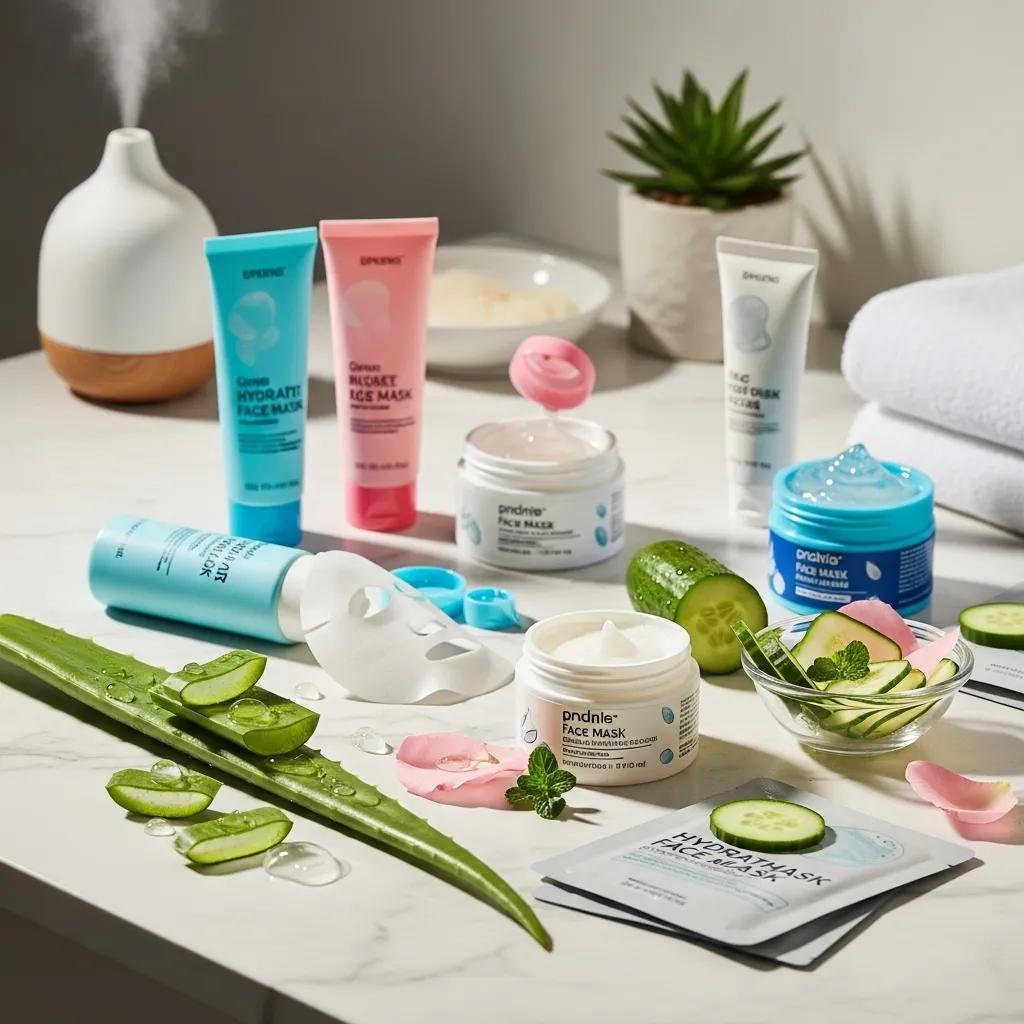
Best Hydrating Face Masks for Dry & Dull Skin — A Practical Guide to Moisturizing and Reviving Your Complexion
Dry, lackluster skin happens when your skin’s water and lipid balance slips—leaving a flat texture and that tight, uncomfortable feeling. Hydrating face masks help by restoring moisture, supporting the skin barrier, and bringing back a healthy glow through targeted ingredients and sealing layers. This guide walks you through why hydration matters, which actives actually work (from humectants like hyaluronic acid to barrier-repairing ceramides), and how to pick the right format—sheet, cream, gel or overnight—based on what you need. You’ll also learn how environment and lifestyle (including Bethesda’s seasonal shifts) increase transepidermal water loss, which masks give instant plumpness versus long-term barrier repair, and a step-by-step routine for safe, effective use. We include clear ingredient and format comparisons, practical buying tips, and local guidance for finding trusted masks near Bethesda, MD. Whether you want a quick glow before an event or a steady regimen to rebuild your skin barrier, this resource gives simple, evidence‑based steps to make hydrating masks work for you.
What Causes Dry and Dull Skin and Why Hydration Matters?
Dry, dull skin comes from lower water content and a weakened barrier, which increases transepidermal water loss and reduces the surface lipids that reflect light. Restoring hydration plumps cells, softens fine lines, and evens tone—so skin looks and feels better. Water and lipids together keep the barrier healthy and drive normal cell turnover; when they’re out of balance, skin becomes rough, flaky, and tired-looking. Knowing the causes helps you choose the right fix: humectant-rich masks for quick moisture, or ceramide formulas when you need barrier repair. The next section breaks down the most common environmental and lifestyle factors so you can match the right treatment to the problem.
How Do Environmental and Lifestyle Factors Affect Skin Hydration?
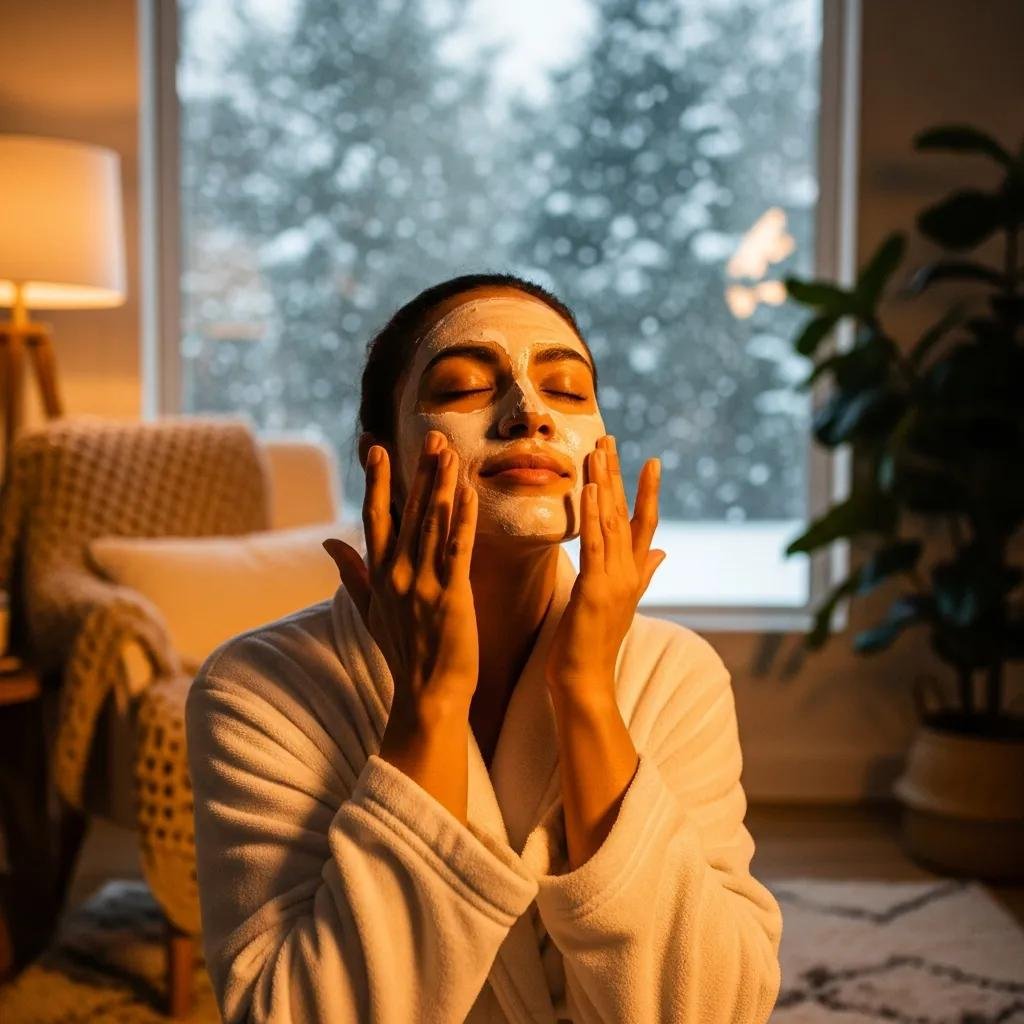
Outdoor conditions and daily habits speed up water loss and weaken the skin barrier by raising transepidermal water loss (TEWL) or stripping natural oils. Low humidity and indoor heating—common in Bethesda winters—pull moisture from the skin, while sun exposure damages lipids and speeds surface flaking. Lifestyle choices like low water intake, sugar-heavy diets, smoking, and poor sleep also impair repair and worsen dryness. Over-cleansing or frequent exfoliation can remove protective oils and disrupt the lipid matrix, so pairing gentle cleansing with regular hydrating masks helps restore balance. Knowing what’s driving your dryness tells you whether to prioritize humectants, emollients, or occlusives.
What Role Does the Skin Barrier Play in Dryness and Dullness?
The skin barrier—the stratum corneum made of corneocytes in a lipid matrix—controls water retention and shields against irritants. When lipids like ceramides are depleted, TEWL rises and the skin surface becomes rough and dull. A compromised barrier lowers natural moisturizing factors and enzyme activity, slowing desquamation and creating uneven, matte skin. Rebuilding the barrier with lipid-replacing ingredients (ceramides, squalane) and humectants (hyaluronic acid, glycerin) restores function and appearance. Watch for signs of barrier damage—persistent tightness, stinging, or heightened sensitivity—to decide between barrier-repair masks and occasional plumping treatments.
Which Key Ingredients Make Hydrating Face Masks Effective?
Effective hydrating masks layer humectants (to draw and hold water), emollients (to smooth), and occlusives (to seal moisture) so skin stays plump and radiant. Look for complementary actives—hyaluronic acid for immediate water-binding, glycerin for steady hydration, squalane for softening, ceramides for rebuilding the barrier, and niacinamide for tone and barrier support—to get both quick and lasting results. Keep safety and layering in mind: sensitive skin benefits from simpler formulas and lower concentrations, and pairing a hyaluronic acid mask with an occlusive moisturizer overnight helps retain the results.
Hydrating ingredient comparison table:
This chart helps you see which actives give quick hydration versus which ones support structural, longer-term repair—so you can choose the right hydrating mask for dry, dull skin.
How Do Hyaluronic Acid, Glycerin, and Squalane Boost Skin Moisture?
Hyaluronic acid (HA) and glycerin are humectants that draw and hold water in the epidermis; squalane is an emollient that smooths the lipid layer and helps prevent moisture loss. HA’s strong water-binding ability gives an immediate plumping effect—perfect for a pre-event glow—especially when you seal it with an occlusive overnight. Glycerin is well tolerated and provides steady, long-lasting moisture and is common in sheet and cream masks. Squalane replenishes lipids without heaviness and supports barrier repair when used alongside ceramide-containing products. Knowing these roles helps you layer masks and moisturizers and choose a frequency that balances short-term glow with long-term hydration.
What Are the Benefits of Ceramides and Niacinamide in Face Masks?
Ceramides rebuild the intercellular lipid matrix that holds water in and keeps irritants out, making ceramide masks ideal for chronically dry or compromised skin. Niacinamide complements ceramides by supporting lipid production, calming redness, and improving tone—so it tackles dullness while helping the barrier recover. Together, they boost resilience: lower TEWL, smoother texture, and a more even light reflection. Look for ceramides (often labeled ceramide NP/NS/AP) and niacinamide on the ingredient panel, and consider using these masks 1–3 times a week for gradual, cumulative repair.
What Types of Hydrating Face Masks Are Best for Dry and Dull Skin?
Pick the mask format based on whether you want instant plumping, calming hydration, or overnight barrier repair. Sheet masks deliver fast humectant infusion, cream masks bring occlusion and richer emollients, gel masks give lightweight, cooling hydration, and overnight masks combine occlusion with reparative actives. Each format varies in application time, intensity, and how often you should use it—matching that to your skin type and schedule will give the most consistent improvement in tone and texture.
Mask type comparison table:
This comparison makes it easier to choose a hydrating gel mask for a light refresh, a cream mask for richer moisture, or an overnight mask for ongoing repair.
How Do Sheet Masks, Cream Masks, and Gel Masks Differ in Hydration?
Sheet masks use a saturated sheet to deliver concentrated humectants and actives quickly, giving visible plumpness and glow in minutes—great for last-minute radiance, but follow with a moisturizer to lock results. Cream masks contain richer emollients and occlusives that slow water loss and nourish the lipid layer; used weekly, they improve texture and reduce flaking. Gel masks are lightweight and cooling, leaving a dewy finish; they often include soothing polymers and humectants that suit sensitive or combination skin. Alternating formats—sheet masks for instant plump, cream masks for barrier support, gel masks for a light boost—lets you address different needs without overdoing any one approach.
When Should You Use Overnight Masks for Maximum Moisturizing Benefits?
Overnight masks provide extended occlusion so humectants and barrier-repairing lipids work while your skin’s repair processes are most active. Use an overnight hydrating mask after a light serum or hyaluronic acid step to draw moisture in, then apply the overnight product to lock it all in. Frequency can range from once weekly for sensitive skin to 2–3 times weekly for severely dry skin. Avoid heavy overnight treatments right after strong professional procedures unless cleared by your provider, and patch-test first if you’re unsure. With consistent use, overnight masks can noticeably reduce flaking and improve tone over several weeks.
How to Choose and Apply the Best Hydrating Face Mask for Your Skin Type?
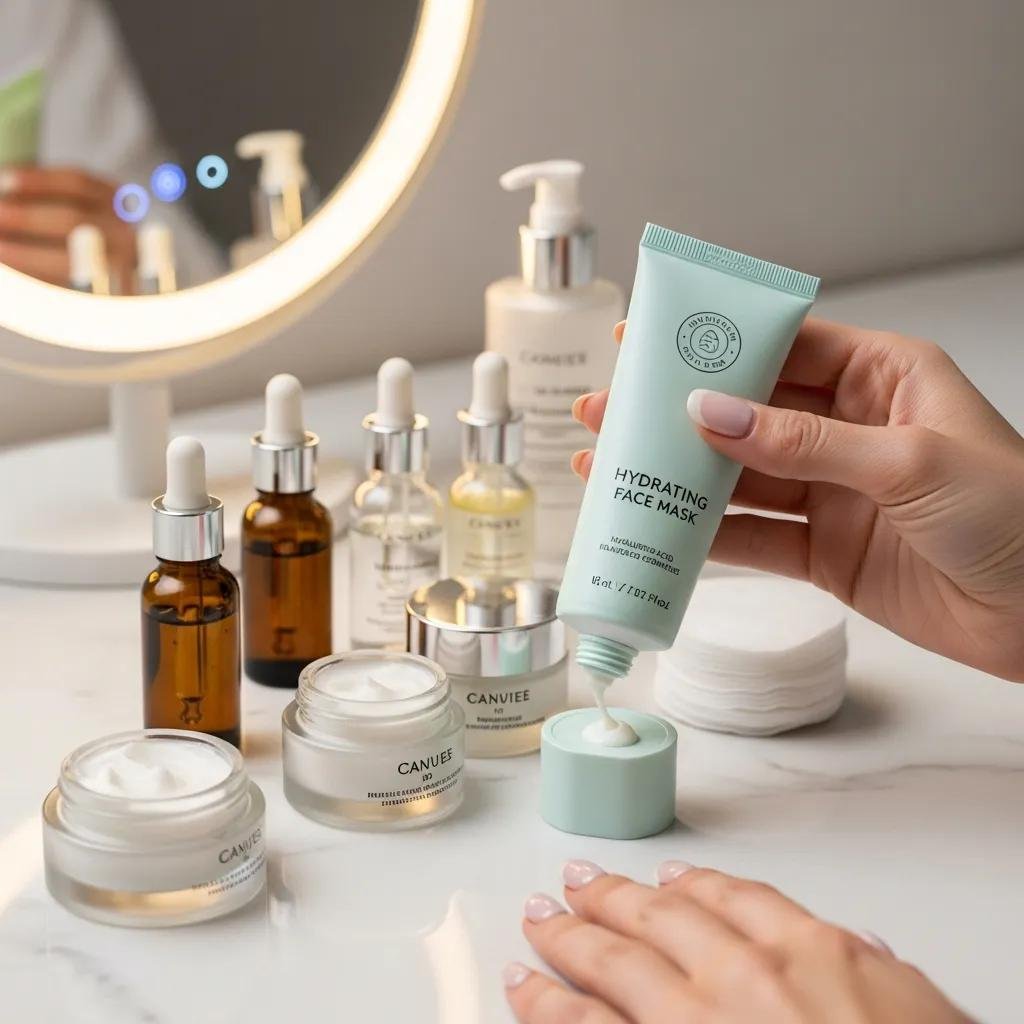
Start by assessing your skin type, sensitivity, and goals, then match ingredient actions to those needs—humectants for quick plumpness, emollients for smoothing, and ceramides for barrier repair. Think seasonally (heavier masks in winter), pick a texture you’ll actually use (cream vs. gel), and consider how a mask fits into your routine so you don’t overdo exfoliation. Application is straightforward: cleanse, apply the mask as directed, remove, and seal with a moisturizer or light occlusive for longer-lasting hydration.
Skin type decision table:
What Factors Should You Consider When Selecting a Hydrating Mask?
Evaluate an ingredient’s role (humectant vs. emollient vs. occlusive), the concentration of actives, whether the product is fragranced, and how it pairs with any current treatments or sensitivities. Think about packaging and preservatives—single‑use sheets lower contamination risk, while tubs need careful scooping. Avoid strong fragrances and high‑percentage acids if your barrier is compromised. Let seasonal and lifestyle factors (Bethesda’s dry months, for example) guide how rich your mask should be. Use the checklist below and always follow with a sealing moisturizer for best results.
Checklist for selecting a hydrating mask:
- Look for hyaluronic acid or glycerin listed near the top of the ingredient list.
- Choose ceramides or squalane when barrier repair is the goal.
- Avoid strong fragrances or high concentrations of exfoliating acids if your skin is sensitive.
What Is the Step-by-Step Guide to Proper Mask Application and Frequency?
Follow a consistent routine to get the most benefit and avoid irritation. Start with a gentle cleanser and optional mild exfoliation (avoid stronger AHA/BHA right before an occlusive mask), apply the mask to slightly damp skin so humectants can bind water, remove according to the label, and finish with a moisturizer or light occlusive—overnight masks serve as both treatment and sealant. Frequency typically ranges from 1–3 times per week depending on mask strength and tolerance; sensitive skin should begin with once weekly and increase slowly while watching for reactions. These simple steps help you get reliable results without overloading your skin.
- Prep: Cleanse with a gentle, non‑stripping cleanser and pat skin slightly damp.
- Apply: Use the recommended amount and follow the product timing.
- Remove: Gently remove or rinse; skip vigorous rubbing.
- Seal: Finish with a moisturizer or light occlusive to lock in hydration.
- Frequency: Start at 1× weekly and increase to 2–3× as tolerated, based on mask intensity.
How Can Hydrating Face Masks Complement Your Overall Beauty and Hair Care Routine?
Hydrated, luminous skin creates a clean, healthy canvas that makes haircuts and color look sharper and more polished. When your skin looks refreshed, a new cut or color reads as part of a cohesive, well‑groomed style. Time your mask treatments—use an intensive mask the night before an appointment for a visible glow, or follow a barrier-repair routine in the weeks before a major color service to help reduce sensitivity. Treating skin and hair as connected parts of your look gives a more finished result: healthy skin and healthy hair both reflect light better and convey vitality.
Why Is Skin Hydration Important for Enhancing Hair Health and Appearance?
Skin hydration influences how fresh and youthful your overall look appears, which changes how haircuts, color, and styling are perceived. A well‑hydrated complexion highlights facial contours and makes color contrasts pop, so hair choices read more strikingly. Beyond looks, regular self‑care that includes both skin and hair maintenance builds confidence and helps clients keep up with salon visits and styling plans. Coordinating mask use with salon timing—like using a gentle hydrating mask before a color appointment—can minimize temporary sensitivity and improve the overall transformation. A holistic approach to beauty—combining barrier repair masks with professional hair services—usually gives the best, longest‑lasting results.
Kylie Studio Salon takes that holistic approach seriously. We’re a local hair salon in Bethesda, MD offering haircuts, coloring, highlights, perms, and keratin treatments, and we encourage clients to pair salon services with sensible at‑home skin care. While we don’t offer skincare treatments or sell face masks at the moment, our owner‑stylist Ruth can suggest timing and simple prep so your skin complements your salon results. To coordinate a plan that pairs hydrated skin with professional hair services, book an appointment with Kylie Studio Salon and we’ll help you sync your at‑home routine with in‑salon treatments.
Where to Find Quality Hydrating Face Masks and Skincare Advice Near Bethesda, MD?
In Bethesda you’ll find trusted hydrating masks at local pharmacies, specialty beauty stores, and reputable online retailers that show full ingredient lists and have clear return policies. In store, staff can help with texture and suitability for dry skin—just check ingredient lists for humectants (hyaluronic acid, glycerin) and barrier lipids (ceramides, squalane), and skip high‑fragrance formulations if your barrier is fragile. Many people combine in‑person testing with online research to compare concentrations and read verified reviews. Below are the most useful local sources and what to look for when buying.
Places to source hydrating masks:
- Local pharmacies and drugstores for dependable moisturizing creams and masks.
- Specialty beauty boutiques for advanced formulas and ingredient-focused options.
- Authorized online retailers for broader selection and ingredient transparency.
Summary: Test texture and scent in person when possible, then verify ingredient concentrations online. Prefer single‑use sheets or well‑sealed tubs to lower contamination risk.
What Local Resources and Stores Offer Trusted Hydrating Masks?
Look for retailers that prioritize clear labeling and reputable brands. Pharmacies and beauty boutiques typically carry a range of hydrating gel masks, cream masks for dry skin, and sheet masks for quick hydration. When shopping, check ingredient order (actives listed higher mean a stronger presence) and packaging that protects the formula from air and contamination. Bethesda’s climate makes richer masks more useful in winter, so seasonal stock can guide choices—ask staff about ceramide and hyaluronic acid options if you’re unsure. Combining local purchases with a bit of online research helps you find the best masks for dull, dry skin and supports ongoing care.
How Can Kylie Studio Salon Support Your Beauty and Self-Care Journey?
Kylie Studio Salon is a Bethesda hair studio focused on professional hair services—cuts, color, highlights, perms, and keratin treatments—that work best when paired with a simple, skin‑first routine. Although we don’t provide facials or sell masks, our team, led by owner‑stylist Ruth, can recommend how to schedule hydrating face masks around your salon visit so you arrive looking and feeling your best. If you want a coordinated plan that aligns at‑home skincare with in‑salon styling, book with us and we’ll help you set a timeline that enhances both skin and hair results.
Frequently Asked Questions
1. How often should I use hydrating face masks for optimal results?
How often you mask depends on your skin type and the product’s intensity. Most people see benefits with 1–3 times per week. Start once weekly if you’re sensitive and slowly increase as tolerated. For very dry skin, 2–3 times weekly can speed recovery. Always watch how your skin responds and adjust to avoid irritation.
2. Can I layer different types of masks for enhanced hydration?
Yes—layering can work well. For example, use a sheet mask to deliver humectants, then follow with a cream mask to seal in moisture. Or try a cooling gel mask before an overnight mask for both immediate and longer‑lasting effects. Just make sure the ingredients play nicely together to reduce the risk of irritation.
3. Are there any specific ingredients to avoid in hydrating masks?
If your skin is sensitive or compromised, avoid strong fragrances, high concentrations of exfoliating acids (AHAs/BHAs), and drying alcohols. Instead, choose gentle hydrators like glycerin, hyaluronic acid, and ceramides. Always read the ingredient list and consider a patch test for new products.
4. How can I tell if a hydrating mask is effective?
An effective mask should leave your skin feeling softer and looking more radiant. Look for immediate signs like plumpness and a dewy finish, and longer‑term improvements such as less flaking and a stronger barrier with regular use. After removing the mask, your skin should feel hydrated, not tight or irritated.
5. Can hydrating masks help with skin conditions like eczema or psoriasis?
Hydrating masks can relieve tightness and flaking associated with eczema or psoriasis by restoring moisture and soothing the skin. Choose masks formulated for sensitive or reactive skin—look for ceramides, squalane, and gentle humectants. That said, always check with your dermatologist before adding new products if you have a chronic skin condition.
6. What is the best way to store hydrating masks to maintain their effectiveness?
Store masks in a cool, dry place out of direct sunlight. Keep sheet masks sealed until use to prevent drying. Tubs of cream or gel masks should be closed tightly and used with clean hands or a spatula to avoid contamination. If a product contains natural extracts, follow any specific storage notes on the label for best shelf life.
7. How do seasonal changes affect the choice of hydrating masks?
Seasons matter: cold, dry winter air usually calls for richer, more emollient masks, while warmer months often suit lighter gels that don’t feel heavy. Adjust your mask choice and frequency with the season and how your skin reacts to environmental changes.
Conclusion
Adding hydrating face masks to your routine can noticeably boost moisture, improve texture, and restore radiance to dry, dull skin. By learning which ingredients do what and choosing the right mask format for your needs, you can target both quick plumping and long‑term barrier repair. Explore your options, try a few formulas, and find the mask that fits your skin and schedule. Ready to refresh your routine? Start with one simple change and build from there—your skin will thank you.