Top Shampoos & Conditioners for Every Hair Type: A Practical Guide to Picking the Right Products
Picking the right shampoo and conditioner is the quickest way to make your hair healthier, easier to style, and longer-lasting between salon visits. This guide helps you identify your hair texture and scalp needs, explains which product families—moisturizing, clarifying, volumizing, sulfate-free—solve common problems, and highlights the active ingredients that support repair, shine, and color retention. You’ll find simple checks for texture, density, and porosity, clear “if you have X, try Y” rules for choosing cleansers and conditioners, and practical at-home routines that support salon treatments. We also compare eco-friendly versus professional-grade lines, explain when a salon service speeds results, and recommend products for dry/damaged, oily/fine, curly, and color-treated hair — plus local ways Kylie Studio Salon can help you put these choices into practice.
How do you identify your hair type and what it needs?
Start with three easy observations: strand texture (fine to coarse), pattern (straight to coily), and scalp behavior (dry, balanced, oily). Those factors determine how often you should wash, which surfactants and humectants will work best, and whether you need bond-building treatments or lightweight formulas. For instance, fine strands do better with low-viscosity conditioners applied only to the ends, while coarse curls benefit from high-slip, humectant-rich creams to reduce friction and frizz. Getting your diagnosis right prevents over- or under-treating hair and points you to the product systems and salon services that make the biggest difference.
At Kylie Studio Salon we offer local consultations to confirm your hair and scalp profile and translate that into a clear plan. A stylist’s assessment paired with product recommendations saves time and product waste by narrowing down the first systems to try, and it naturally leads to targeted in-salon treatments when needed.
What do common hair types look and feel like?
Each hair type has visual and tactile clues that guide product choice and routine timing. Straight hair often lies flat and shows oil more quickly from roots to mid-lengths, so volumizing shampoos and periodic clarifying can help keep lift. Wavy hair can frizz in humidity and responds well to light humectants and curl-defining conditioners that keep movement without weight. Curly and coily hair usually have tighter patterns, more breakage from detangling, and higher porosity, so sulfate-free, high-slip formulas and regular deep conditioning are essential. Fine hair has narrow strands that break more easily and can lose volume under heavy conditioners, so weightless conditioners and peptide-based boosters work better. Spotting these traits helps you target the biggest need—moisture, frizz control, or scalp oil balance—and the next section shows how scalp condition refines the choice.
How does your scalp condition change product selection?
Your scalp makes sebum, and its balance affects wash frequency and ingredient choice. An oily scalp usually benefits from clarifying shampoos with controlled surfactants or mild exfoliants (AHA/BHA) on a schedule that avoids over-drying mid-lengths and ends. A dry or sensitive scalp does better with gentle, pH-balanced cleansers and barrier-supporting ingredients like ceramides and hyaluronic acid. When you have oily roots and dry ends, use a scalp-focused cleanser and apply a hydrating conditioner from mid-lengths to ends only. Trialing products in small batches and adjusting frequency is the easiest way to dial in the right routine. Next, we cover moisturizing and repair-focused product classes for dry, damaged hair.
What are the best shampoos and conditioners for dry or damaged hair?
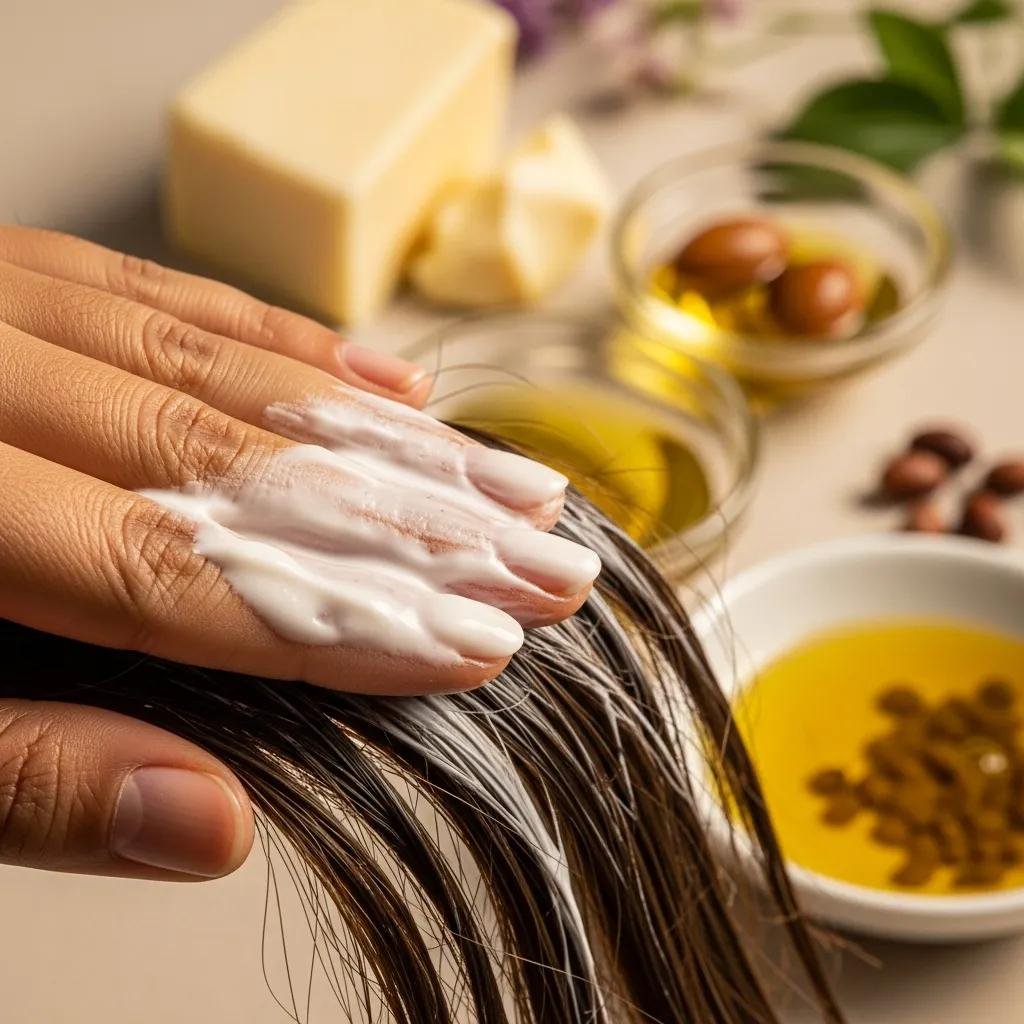
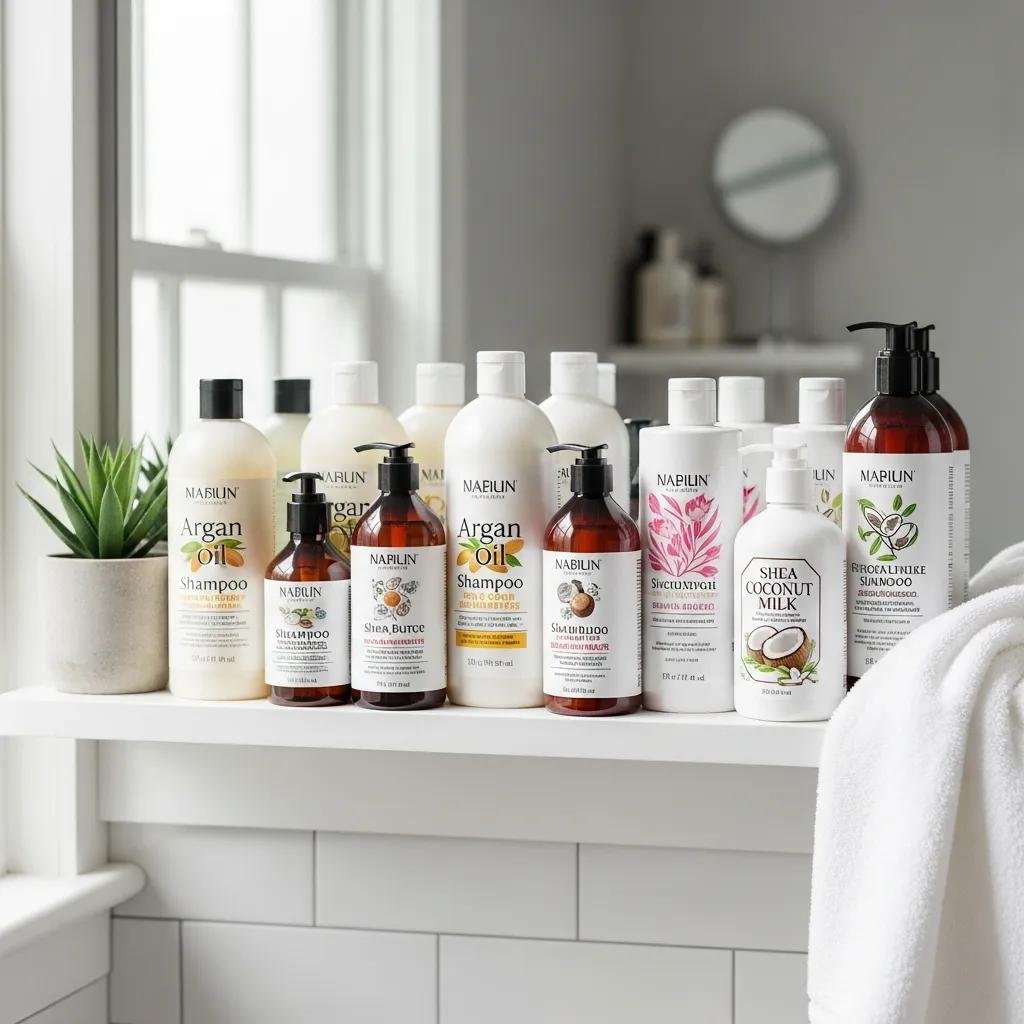
For dry or chemically/heat-damaged hair, choose products that prioritize hydration, cuticle sealing, and bond-repair to restore strength and reduce porosity. Moisturizing, sulfate-free shampoos use humectants and gentle surfactants to clean without stripping, while conditioners and masks deliver oils, emollients, and proteins to rebuild fibers. Bond-building technologies and a balanced protein–moisture approach are important to avoid making hair brittle from too much protein. Below is a quick guide to the product classes that speed repair and the ingredients they rely on.
Keep in mind that your shampoo sets the stage for conditioning: a gentle, hydrating cleanser preserves the cuticle so a restorative mask can penetrate, while an aggressive clarifying wash should be followed by an intensive conditioning treatment to rehydrate strands.
Using these types together—gentle cleansing, followed by a bond-building or hydrating conditioner and periodic deep masks—gives the most durable repair. Below we break down the shampoo and conditioner choices to prioritize at home.
Which moisturizing shampoos restore hydration?
Look for moisturizing shampoos that blend humectants, emollients, and mild surfactants so they lift dirt while preserving essential lipids. Prefer sulfate-free or very low-sulfate formulas that list glycerin, panthenol, or hyaluronic acid near the front—these ingredients attract and hold moisture while improving flexibility. Severely dry hair benefits from creamier cleansers with natural oils and cationic polymers for extra slip during detangling. Pair a pH-balanced cleanser with a protein- or ceramide-rich conditioner so the cuticle can reseal after a hydrating wash.
Which conditioners repair and strengthen damaged hair?
Repair-focused conditioners combine humectants, fatty alcohols/emollients, and carefully measured proteins to rebuild without stiffness. Deep masks with argan oil, shea butter, and hydrolyzed keratin boost elasticity and shine, while leave-ins with light film-formers protect between washes. Alternate moisturizing masks with protein treatments to avoid over-proteinizing. For everyday care, use a lighter rinse-out conditioner and reserve weekly deep treatments to maintain salon repair results and reduce future damage.
How to choose shampoos and conditioners for oily or fine hair?
For oily or fine hair, the trick is removing excess sebum while keeping volume and avoiding residue. Clarifying shampoos clear buildup and add lift, balancing formulas keep the scalp healthy without stripping, and weightless conditioners restore elasticity from mid-lengths to ends. Application matters: apply conditioner only to ends, use leave-in foams at mid-lengths, and add scalp-focused clarifying treatments only as needed. The table below matches product textures to use cases and offers a quick checklist to help you decide.
Don’t forget: over-clarifying can stress fine hair and trigger rebound oil production. Match product strength and frequency to your scalp’s sebum level and your lifestyle—frequent workouts usually mean more regular cleansing.
This table shows how texture and frequency match scalp behavior and fineness; choose lighter textures and targeted application points to preserve volume. The following sections explain clarifying ingredient choices and how to use lightweight conditioners for maximum lift.
What clarifying shampoos help balance oily scalps?
Clarifying shampoos rely on stronger surfactants or adsorbents like charcoal or clay, and controlled exfoliants, to remove sebum and product residue and restore natural lift. Tea tree oil offers mild antimicrobial benefits for occasional irritation, and AHAs/BHAs help clear follicle openings. Use clarifiers on a schedule—typically once a week for heavy product users and less for sensitive scalps—to avoid stripping protective lipids. If you over-clarify, follow with a hydrating mask on lengths and ends to restore softness and prevent breakage.
Which lightweight conditioners add volume without weighing hair down?
Weightless conditioners for fine hair use polymers, peptides, and low-viscosity emollients to smooth the cuticle without heavy oils. Look for terms like “weightless,” “volumizing,” or “quick-absorb,” and choose formulas that rinse clean. Apply conditioner from mid-lengths to ends, skip the roots, and consider a leave-in foam at the crown for extra lift. Paired with a root-lifting styling technique, these products help keep body and manageability between washes.
What are the top product picks for curly and color-treated hair?
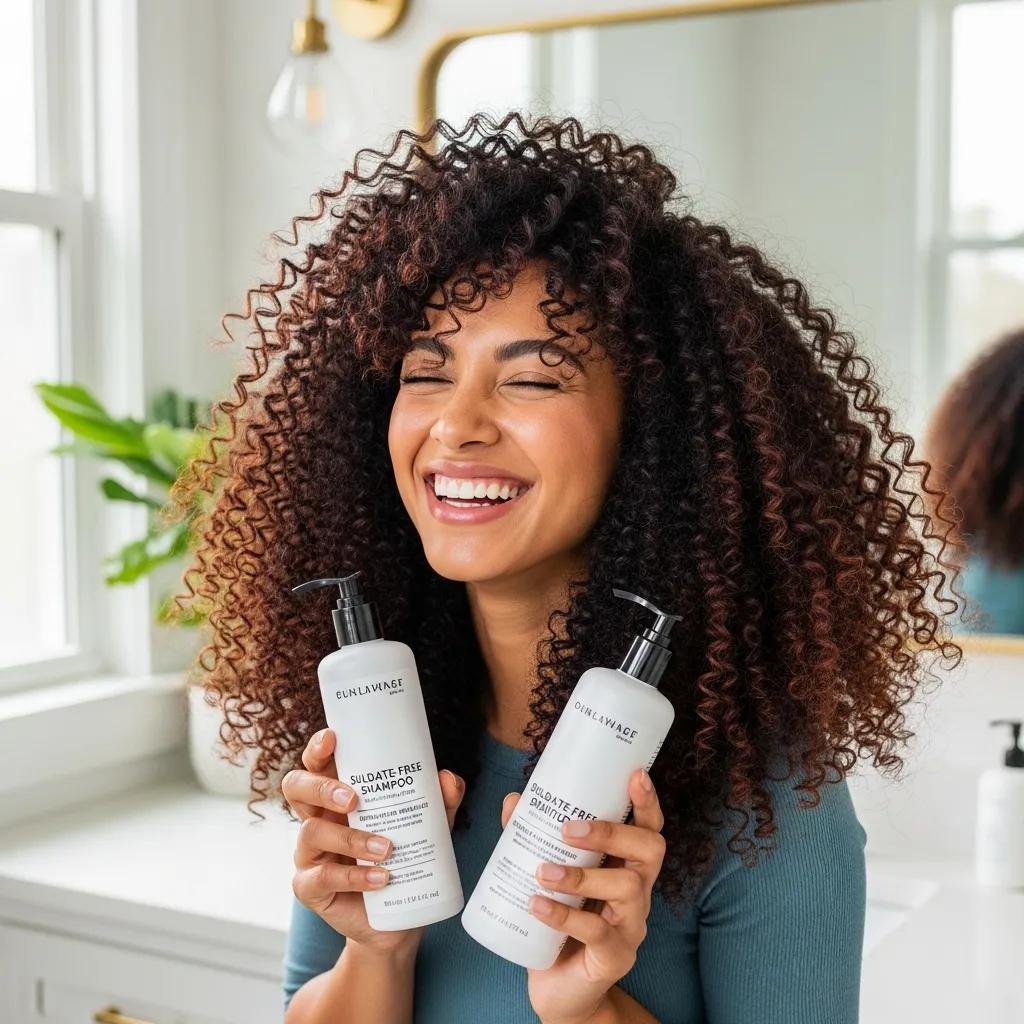
Curly and color-treated hair share a priority: protect structure and appearance while minimizing harsh surfactants and UV-driven fade. For curls, choose sulfate-free, high-slip products with humectants and film-formers to preserve pattern and reduce friction. For color-treated hair, use pH-balanced, sulfate-free cleansers with antioxidants, UV filters, and occasional color-depositing conditioners to maintain vibrancy. Bond-building technologies serve both goals by repairing damage from color services and preserving curl elasticity.
As a rule, sulfate-free systems are a good starting point for curls and color because they clean effectively with less disruption to oils and dye molecules.
This comparison shows how curl-friendly and color-safe features overlap and why choosing dual-purpose, sulfate-free systems often gives the best results for colored curls. The following subsections offer practical rules for choosing sulfate-free cleansers and ways conditioners protect color.
Which sulfate-free shampoos define and hydrate curly hair?
Sulfate-free shampoos use milder surfactants and commonly include glycerin, ceramides, or light oils to protect curl elasticity and reduce frizz. For curly hair, “slip” is essential—products that glide through hair reduce mechanical damage during detangling and encourage defined clumps. Pair these cleansers with rich conditioners and detangling creams, and avoid daily harsh washing; opt for co-washes or low-foam sulfate-free shampoos as needed. Balancing hydration and definition keeps curls shaped without weighing them down.
How do color-safe conditioners protect and maintain vibrancy?
Color-safe conditioners protect vibrancy by sealing the cuticle with film-formers, supplying antioxidants to fight oxidative fading, and maintaining a balanced pH that reduces dye loss. UV filters and antioxidant-rich botanicals limit environmental fading, and color-depositing conditioners or glosses refresh tone between salon visits. Using a color-safe shampoo and a supportive conditioner extends salon results and reduces how often you need corrective services. A weekly bond-building mask after chemical color helps preserve both color and internal structure.
Why do eco-friendly and professional products matter for every hair type?
Eco-friendly and professional-grade products matter because formulation strength, ingredient quality, and sustainability practices affect hair health, scalp safety, and environmental impact. Professional lines often contain higher concentrations of actives—bond builders, peptides, precise pH control—that deliver faster, more predictable results when used as a system. Eco-conscious features—sulfate-free surfactants, responsibly sourced botanicals, and reduced packaging—support cleaner-beauty goals and reduce long-term damage. Below are benefits and a short checklist to evaluate cleaner, professional haircare.
What are the benefits of choosing eco-friendly, sulfate-free hair care?
Eco-friendly, sulfate-free products lower exposure to harsh surfactants that strip lipids and speed color fade, and they often use biodegradable ingredients and responsible sourcing. These formulas typically favor scalp-friendly pH, fewer synthetic preservatives, and recyclable packaging—changes that support healthier hair and a smaller environmental footprint. People who switch to these products usually see gentler, longer-term improvements in moisture and color retention versus repeated use of aggressive cleansers. Use the checklist below when you shop.
- Choose formulas labeled sulfate-free and pH-balanced.
- Prefer products with proven humectants (glycerin, hyaluronic acid) and natural emollients.
- Pick brands that share sourcing details and use recyclable packaging.
This checklist narrows purchases to ingredient function and sustainability; next we explain how professional lines differ from drugstore alternatives.
How do professional products differ from drugstore brands?
Professional products generally contain higher active concentrations, delivery systems tailored to specific needs, and ingredient blends designed to produce measurable salon-grade results. They frequently include bond-building agents, targeted peptides, and more precise pH control to improve repair, manageability, and color longevity in fewer applications. Salons can also advise on the best way to pair shampoo, conditioner, and treatments, which maximizes cumulative benefits that one-off drugstore mixes rarely offer. Investing in professional-grade products and following a stylist-recommended regimen often reduces the need for corrective salon work by keeping hair healthier between appointments.
Kylie Studio Salon follows an eco-conscious product philosophy and offers professional-grade lines in-salon for clients who want concentrated actives and sustainable packaging. Our approach emphasizes scalp health and long-term vitality, using top-quality, eco-aware products to support both at-home routines and salon treatments. Clients who use professional systems at home receive clear guidance on sequencing and maintenance, which helps sustain and accelerate the in-salon results.
How can Kylie Studio Salon’s services enhance your hair routine?
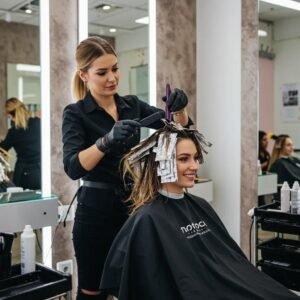
Kylie Studio Salon combines local, professional services with product guidance to turn at-home care into lasting results. We offer haircuts, styling, highlighting and coloring (full, partial, face-framing highlights, balayage, color correction), perms, blowouts, keratin treatments, Brazilian blowouts, deep conditioning, and hair gloss. These services pair with the right shampoos and conditioners—for example, color work is best maintained with sulfate-free, color-safe systems, while keratin services need keratin-safe, sulfate-free maintenance to prolong smoothness.
When you book a consultation, a stylist assesses your hair type, scalp condition, chemical history, and lifestyle to recommend products and treatments aligned with your goals. Our owner and stylist Ruth leads the team with hands-on expertise, crafting personalized regimens that may include professional-grade products and in-salon treatments to speed repair or preserve color. For appointments and consultations, our address is 4711 Montgomery Ln, Suite 2, Bethesda, MD 20814 and our phone is 301-922-7864.
Which deep conditioning and keratin treatments complement your homecare?
In-salon deep conditioning and keratin treatments deliver concentrated repair and surface smoothing that at-home products then maintain. Professional deep conditioners penetrate to rebalance moisture and lipids temporarily, while keratin treatments smooth cuticles and reduce porosity for longer styling intervals. After these services, use sulfate-free shampoos, pH-balanced conditioners, and bond-maintaining masks to protect the restored structure. Stylists recommend lighter home conditioning between salon visits and scheduled touch-ups to keep results consistent. Using the recommended professional products at home extends treatment longevity and reduces cumulative damage over time.
How does a personalized consultation help pick the best products for you?
A personalized consultation starts with an assessment of texture, density, porosity, scalp condition, and chemical history, then produces a tailored product and routine plan. Your stylist will show where to apply conditioner, how often to clarify, and which leave-ins to use so the routine fits your lifestyle and styling goals. Follow-up appointments or trial periods let us adjust the plan based on how your hair responds, ensuring the balance of moisture, protein, and protection without unnecessary layering. This stepwise approach cuts down on trial-and-error and delivers efficient, lasting improvements in hair health and manageability.
- Initial Assessment: Stylist evaluates hair and scalp to determine needs.
- Product Prescription: Personalized shampoo, conditioner, and treatment recommendations.
- Application Coaching: Demonstrations for preserving volume and reducing breakage.
- Follow-up Plan: Scheduled reassessments and maintenance guidance.
These steps show how professional guidance turns product knowledge into visible improvements in hair health and everyday styling.
Frequently Asked Questions
1. How often should I wash my hair based on my hair type?
Wash frequency depends on hair type and scalp. Oily scalps often need daily or every-other-day washing to control sebum. Dry or curly hair usually benefits from washing once or twice a week to preserve natural oils. Fine hair can be washed more often, but use a gentle, balancing shampoo to avoid stripping moisture. Pay attention to how your hair and scalp feel and adjust as needed.
2. What ingredients should I avoid in shampoos and conditioners?
Avoid strong sulfates, certain parabens, and heavy artificial fragrances if you have sensitive skin or color-treated hair—these can strip natural oils and irritate the scalp. High concentrations of drying alcohols can also dehydrate strands. Instead, look for nourishing oils, humectants, and quality proteins that support moisture and strength.
3. Can I use the same shampoo and conditioner for different hair types?
Sometimes, but it’s often not ideal. Each hair type has specific needs—fine hair benefits from lightweight formulas, while curly hair needs moisturizing, high-slip products. If you have mixed needs (oily roots and dry ends), try a scalp-focused shampoo and a mid- to end-focused conditioner to get the best of both worlds.
4. How can I tell if a product is eco-friendly?
Look for certifications like cruelty-free, organic, or biodegradable where applicable, and check ingredient lists for sustainably sourced or plant-based components. Recyclable packaging and brand transparency about sourcing and manufacturing are also strong indicators of eco-friendly practices.
5. What is the role of pH in hair care products?
Hair’s natural pH is slightly acidic (around 4.5–5.5). pH-balanced products help close the cuticle, boost shine, and reduce frizz. Alkaline products can lift the cuticle and cause dryness or damage, so favor formulas that support the hair’s natural acidity.
6. How can I maintain my hair color between salon visits?
Use sulfate-free, pH-balanced shampoos and conditioners labeled color-safe. Add a color-depositing conditioner or gloss to refresh tone, protect hair from UV exposure with hats or products that include UV filters, and do regular deep-conditioning treatments to keep color bright and hair healthy.
7. What are the benefits of personalized hair consultations?
Personalized consultations give you recommendations tailored to your hair, scalp, and goals, cutting down on guesswork and wasted products. A stylist can suggest precise application techniques and maintenance schedules, and follow-ups let you tweak the plan as your hair changes, leading to better long-term results.
Conclusion
Choosing the right shampoo and conditioner for your hair type makes a noticeable difference in health, manageability, and appearance. Learn your hair and scalp needs, pick products that address your priorities—moisture, volume, or color protection—and use salon expertise to fine-tune the plan. For tailored advice and professional product recommendations, book a consultation with Kylie Studio Salon. Let us help you upgrade your routine and enjoy the lasting benefits of thoughtful, expert care.
**