Essential Aftercare for Long-Lasting Hair Extensions: Expert Tips & Maintenance Guide
Looking after your hair extensions is a combination of everyday habits, smart washing and styling, and scheduled professional upkeep. When you care for extensions the right way, you cut down on tangles, prevent premature bond failure, and extend the life of your investment so your hair looks and feels natural. This guide shares practical, salon-backed steps for keeping extensions beautiful longer — from knowing different extension types to daily routines, washing and deep-conditioning, heat limits, maintenance intervals, and product suggestions. If you’re local to Bethesda, MD, stylist Ruth at Kylie Studio Salon offers personalized consultations to build a care plan that fits your extension type and lifestyle. Read on for clear how-tos, quick checklists, and easy salon tips that make upkeep straightforward and effective.
What Are the Different Types of Hair Extensions and Their Care Needs?
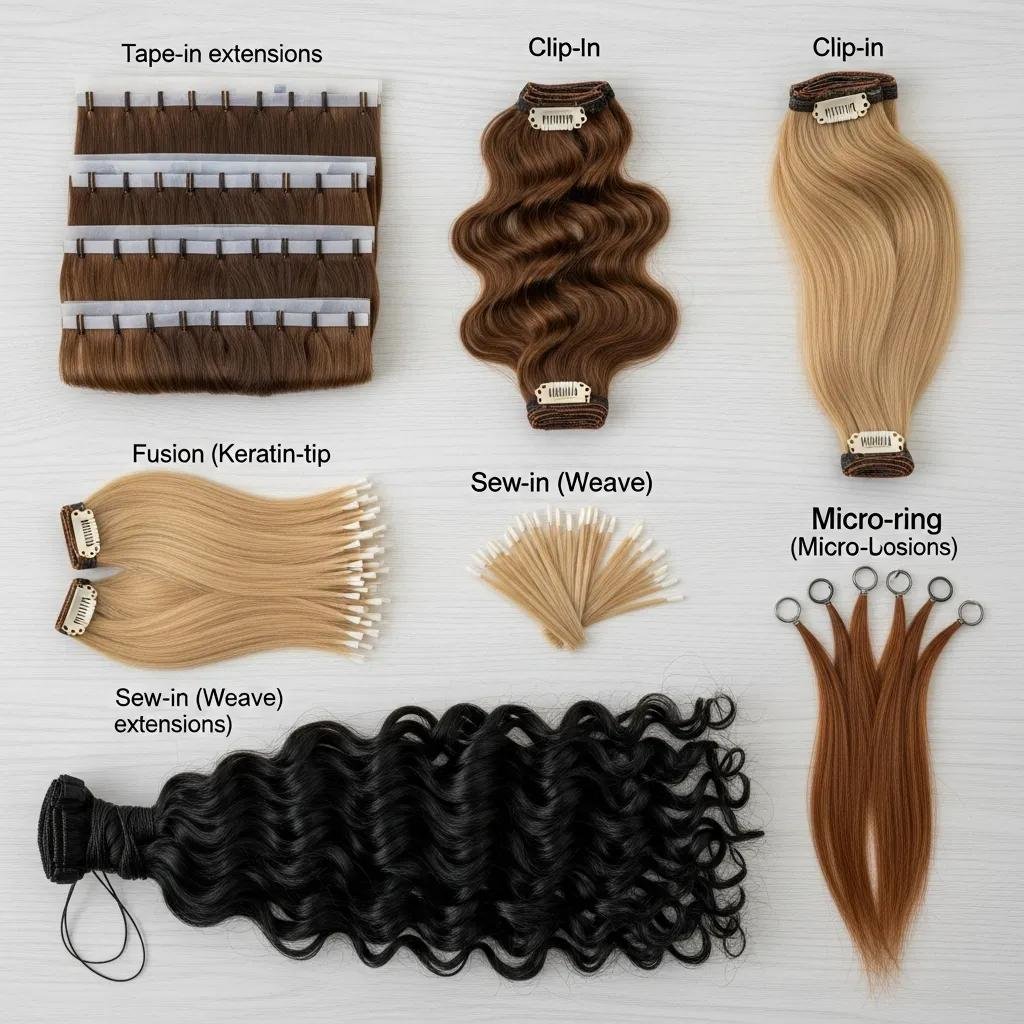
Tape-in, clip-in, fusion (bonded), sew-in, and micro/nano-ring extensions are installed differently and each needs slightly different care. Knowing those differences helps you protect attachment points — like tape tabs, bonds, and wefts — and keep the extension cuticle intact. Good care lowers mechanical stress on attachments and prevents root matting, which directly improves how long extensions look their best. The table below lays out installation method, typical lifespan, daily care needs, and recommended product traits so you can match your routine to the system you wear.
That comparison shows why product choice and mechanical handling vary by system — next we cover hands-on daily maintenance and brushing methods.
How Do Tape-In, Clip-In, and Fusion Extensions Differ?
Tape-ins, clip-ins and fusion extensions differ in how permanent they are, how visible they sit, and the everyday care they need. Tape-ins give a seamless look and quick salon application but need careful product placement and no heavy oils near the adhesive. Clip-ins are perfect for temporary wear — detangling and safe storage matter more than salon reapplication. Fusion (bonded) systems integrate for longer periods but require professional removal and stricter heat and chemical limits to protect bonds and your natural hair. Those installation differences change your brushing, washing around bonds, and reapplication schedule.
What Specific Aftercare Does Each Extension Type Require?
Each system benefits from a short checklist to protect attachments and hair health while avoiding common failures like tape lift or ring slip. Tape-ins: keep oil-based products away from roots, use a gentle sulfate-free shampoo, and have tapes repositioned on schedule. Clip-ins: detangle before and after wearing, store flat, and never sleep with clips in. Fusion: minimize heat near bonds, choose low-alcohol styling products, and always have a pro remove them. Sew-ins and micro-rings: focus on scalp hygiene, avoid tight styles that strain the base, and check for loosening or matting near attachment points. Following these do’s and don’ts reduces damage and extends usable life across systems.
How Can You Maintain Hair Extensions Daily for Longevity?
Your daily routine is the foundation of long-lasting extensions: preventing tangles, reducing friction, and protecting bonds from everyday wear. Simple, consistent habits — the right brush, keeping products away from attachment points, and gentle styling — lower mechanical wear and keep cuticles smooth. Below is a short daily checklist that targets common causes of premature failure and helps both extensions and your natural hair stay healthy. Following these every day saves time and salon stress later.
Top daily practices that significantly prolong extension lifespan:
- Brush gently from the ends up before styling to remove knots and reduce strain on bonds.
- Use sulfate-free, lightweight products; avoid oil-based serums at the root so adhesives hold.
- Reduce friction with silk accessories and skip tight hairstyles that stress attachment points.
- Pat and blot hair to dry instead of rubbing; use low heat and always a heat protectant.
- Check bonds and rings often for slippage or matting and book a pro check when you see issues.
Make these steps part of your routine and you’ll lower the chance of emergency fixes and keep extensions looking fresh.
What Are Gentle Brushing Techniques to Prevent Tangling?
Gentle brushing means keeping pressure off the bonds while removing tangles from the ends up in small sections. Start with your fingers to loosen big knots, then use a wide-tooth comb or loop brush from tips toward mid-lengths, holding the section near the bond to avoid tugging. Use slow, short strokes and a soft hand; brushing lightly morning and night prevents the dense matting that forms near roots. Brushes made for extensions or loop-style designs reduce pulling, letting you wash and style without risking attachments.
How Should You Protect Hair Extensions While Sleeping?
Nighttime protection stops overnight friction and tangles — common causes of morning matting and bond stress. Before bed, brush gently, spritz a light leave-in detangler on mid-lengths and ends, then loosely braid or put hair in a low, loose ponytail to contain it without tension. Sleep on a silk or satin pillowcase or wrap hair in a silk scarf to reduce friction and keep cuticles smooth. These small habits cut morning maintenance and protect your extensions day after day.
What Is the Proper Washing and Conditioning Routine for Hair Extensions?
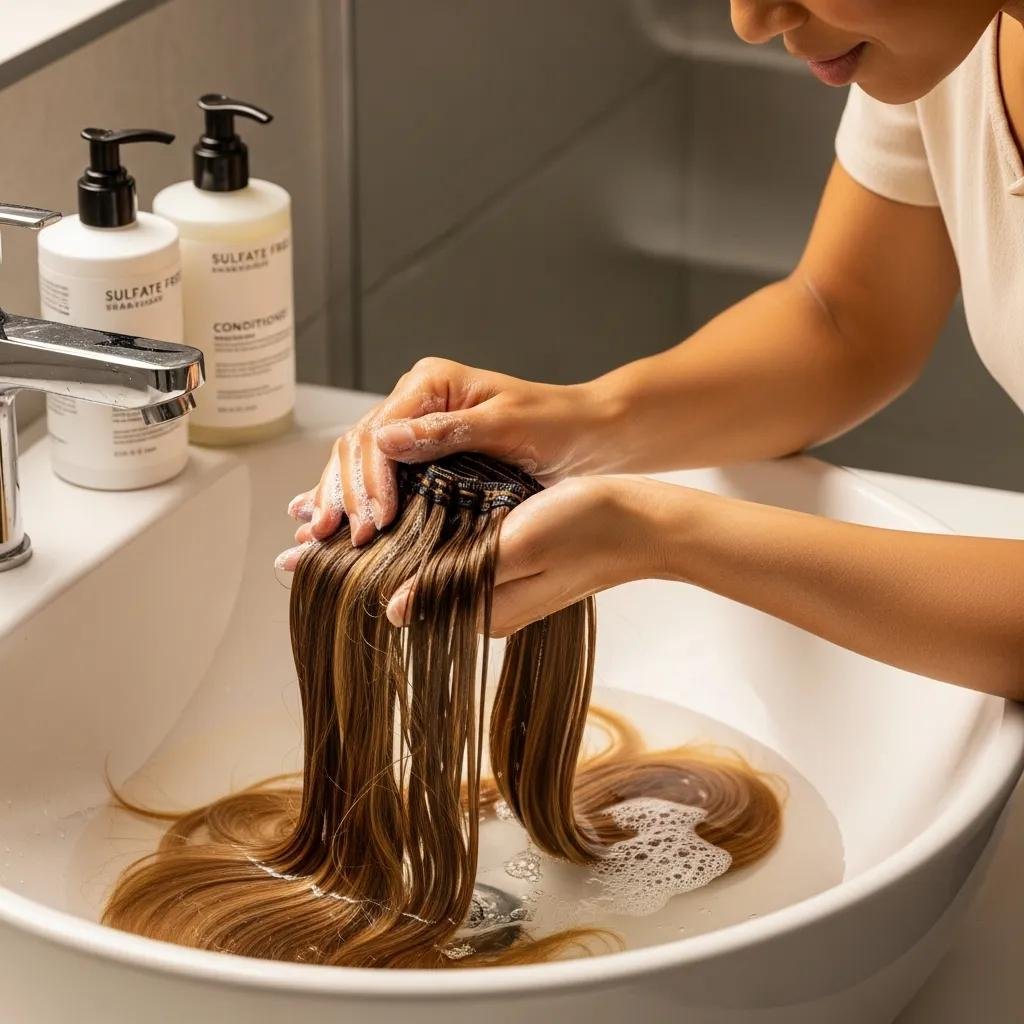
Washing extensions the right way protects attachments and keeps cuticles aligned — the basics are detangle first, use extension-safe formulas, and condition the lengths while avoiding saturation at the bonds. Lukewarm water, downward rinsing, and products without harsh sulfates or heavy oils help maintain adhesive strength and smooth cuticles. The table below explains product types, how often to use them, and why they help, followed by a step-by-step wash and deep-condition routine you can follow at home.
Use this as a shopping and routine guide; next is a simple, stepwise washing process you can do at home.
Which Sulfate-Free and Extension-Safe Products Should You Use?
Choose shampoos and conditioners labeled “sulfate-free,” “low alcohol,” and “lightweight” — these traits reduce adhesive softening and cut down on residue at the attachments. Avoid heavy, waxy silicones and oil-heavy formulas at the root; light silicones or dimethicone-free options can give slip without weight. Pick leave-in detanglers with humectants and light conditioning ingredients, and reserve serums or oils strictly for the ends to keep bonds secure. Focusing on product attributes rather than brands makes choices compatible across tape-in, fusion, and sewn systems.
How Do You Wash and Deep Condition Hair Extensions Correctly?
Start by detangling and sectioning to stop knots from moving toward bonds in the shower. Use lukewarm water and a small amount of sulfate-free shampoo at the scalp, washing in gentle downward motions so tapes and rings aren’t stressed. Rinse with the hair falling naturally to keep cuticles flat. Apply conditioner only from mid-lengths to ends, use a short deep-conditioning treatment on lengths when needed, and avoid soaking the bonds. After rinsing, blot with a microfiber towel, detangle softly, and air-dry when possible — or use low heat and a heat protectant.
How Do You Safely Style Hair Extensions to Avoid Damage?
Safe styling limits thermal, chemical, and mechanical stress on bonds and natural hair. Use heat protectant on lengths (not directly on tape tabs or rings), keep styling temperatures moderate, and choose protective styles that distribute weight without pulling. For chlorine, sun, or saltwater, pre-wet and condition before swimming, use UV-protectant sprays, and rinse promptly afterward. The list below covers key styling do’s and don’ts and offers numeric heat guidance to lower risk.
- Always use a heat protectant before thermal styling and avoid serums near bonds.
- Keep irons and curling tools at or below 350°F (175°C) for human-hair extensions.
- Choose low-heat techniques (roller sets, heatless curls) and protective upstyles to limit daily heat.
- Skip tight ponytails or styles that concentrate tension on the attachment row — pick loose braids or low buns instead.
- Rinse and condition after swimming or sun exposure to remove chemicals that can degrade fibers and adhesives.
These habits reduce thermal and mechanical wear; below we cover heat-styling tips and environmental precautions in more detail.
What Are the Best Heat Styling Practices for Extensions?
Limit heat to protect human-hair extensions and their bonds — 350°F (175°C) is a safe upper limit, with lower settings for fine or chemically treated hair. Always apply a heat protectant to lengths and ends, let it dry, and avoid directing heat at bond zones by using clips and sectioning. Use even-heating tools like ceramic or tourmaline plates and consider steam or hot rollers for volume without intense direct heat. Opt for heatless styles whenever possible and use thermal tools sparingly to extend extension life.
Which Environmental and Styling Factors Should You Avoid?
Stay away from prolonged chlorine or saltwater exposure, harsh chemical services, and constant high-friction humidity — these speed up cuticle roughening and damage adhesives or rings. Before swimming, wet hair with fresh water and apply conditioner; wear a swim cap if you can and rinse thoroughly after. Avoid tight elastics, heavy product buildup, and color processing at bonds, since these can cause slippage, matting, or weakening. Quick prevention and prompt care keep extensions and attachments stable.
Why Is Professional Maintenance Important for Hair Extensions?
Professional maintenance brings trained eyes, precise reapplication, and salon-grade products — all of which extend extension life beyond what at-home care alone can do. Stylists catch early bond fatigue, reposition wefts correctly, and use methods that minimize damage. Regular salon visits also keep the scalp healthy and natural hair trimmed to support extensions. Below we explain recommended visit intervals by system and how salon care lengthens usable extension life, with a note about Kylie Studio Salon’s tailored maintenance approach.
When Should You Schedule Salon Visits for Extension Care?
Visit frequency depends on the system: tape-ins usually need repositioning every 6–8 weeks, fusion may need checks and re-bonding every 6–8 weeks depending on growth, and micro/nano-ring systems often benefit from tightening or repositioning every 6–8 weeks. Warning signs to book an appointment include visible slippage, matting near bonds, uneven lengths, or scalp discomfort. A maintenance visit typically includes a bond inspection, selective removal and reapplication as needed, and personalized home-care tips. Proactive appointments prevent larger repairs and protect your investment.
At Kylie Studio Salon in Bethesda, MD, stylist Ruth offers consultations to assess bond integrity and set a maintenance schedule that fits your extension type and daily routine — focusing on longevity, comfort, and natural blending.
How Does Professional Care Extend Extension Lifespan?
Pros lengthen extension life through accurate repositioning, secure re-application, and salon-grade products that lower mechanical and chemical damage. Technicians can replace only the sections that need it rather than full sets, which is kinder to your hair and budget. They also check scalp health, trim and blend ends to stop splits from working into wefts, and give custom guidance on heat and product use for your specific install. Regular professional upkeep reduces premature bond failure and delivers a more natural, longer-lasting result than DIY fixes.
What Are the Best Hair Extension Aftercare Products Recommended by Experts?
Pick products that protect bonds, keep cuticles smooth, and reduce friction — think sulfate-free shampoos, lightweight conditioners, leave-in detanglers, light oils for ends, and low-residue heat protectants. Choosing by attributes prevents adhesive breakdown and keeps fibers smooth, which helps extensions last. Below is a simple product table and a short list of categories to look for when you shop or talk with your stylist.
Use these categories as your checklist when choosing products; the short list below highlights what matters most.
Recommended product categories and why they matter:
- Sulfate-free shampoos: preserve adhesive bonds while cleansing.
- Lightweight conditioners: hydrate without weighing down or gumming attachments.
- Leave-in detanglers: prevent matting and make daily brushing easier.
- Heat protectants: reduce thermal breakdown during styling.
Which Shampoos, Conditioners, and Oils Are Safe for Extensions?
Safe extension shampoos are sulfate-free and avoid heavy waxy agents that stick to tapes and rings. Condition from mid-lengths to ends and rinse thoroughly to prevent residue that attracts tangles. For oils, pick lightweight formulas and apply sparingly to the ends only to add shine and prevent splits without risking bond slippage. Check labels for low alcohol and avoid salty or clarifying products that can dry and roughen cuticles. These simple product principles keep fibers smooth and cut down on mechanical tangling.
How Do These Products Support Hair Health and Extension Longevity?
Products that hydrate cuticles, reduce friction, and add a light protective layer tackle the main causes of extension failure: tangling, split ends, and bond breakdown. Conditioners and masks smooth the cuticle to reduce inter-fiber friction, while leave-ins and heat protectants add barriers against mechanical and thermal stress. Light oils on ends prevent splitting that can work into wefts, and sulfate-free cleansers protect adhesives from premature softening. Regular, targeted product use turns good habits into longer-lasting extensions.
During maintenance appointments, the Kylie Studio Salon team will recommend specific products tailored to your extension type and routine so application zones and frequencies match professional best practices.
Frequently Asked Questions
1. Can I swim with hair extensions, and what precautions should I take?
Yes — you can swim with extensions, but take precautions. Wet your hair with clean water and apply a leave-in conditioner before entering chlorinated or saltwater to create a barrier. A swim cap helps when possible. After swimming, rinse thoroughly with fresh water and follow with a gentle shampoo and conditioner to remove chemicals. This routine preserves the extensions and minimizes damage.
2. How often should I deep condition my hair extensions?
Deep condition every one to two weeks, depending on your hair type and how the extensions feel. Apply the mask from mid-lengths to ends, avoid the bonds, and leave it on for 5–20 minutes before rinsing. Regular deep conditioning restores moisture, smooths the cuticle, and reduces breakage so extensions stay soft and manageable.
3. What should I do if my hair extensions start to tangle?
If tangles appear, work slowly and gently to avoid damage. Start with your fingers to loosen knots from the ends up, then use a wide-tooth comb or a brush made for extensions in small sections. Hold near the bond while you brush to prevent pulling. Consistent gentle brushing and proper storage help keep tangling from coming back.
4. Are there specific hairstyles I should avoid with hair extensions?
Yes — avoid very tight styles like high ponytails, tight braids, or solid buns that pull on attachment points and can cause slippage or breakage. Choose looser styles that spread weight evenly, and keep heavy products away from bonds. Protective, low-tension styles are best for preserving extension integrity.
5. How can I tell when it’s time to replace my hair extensions?
Consider replacing extensions when you see excessive tangling, persistent matting, visible bond damage, or if they no longer blend with your natural hair. Scalp discomfort can also signal it’s time. Regular professional maintenance extends life, but dull, rough-feeling hair is usually a sign you need a fresh set.
6. Can I color my hair extensions, and what should I know before doing it?
Yes — but only with high-quality human-hair extensions and with caution. Synthetic hair doesn’t take color well and can be damaged. Always consult a professional stylist to assess the extensions and pick the right products and method. Avoid coloring bonds or attachment points and do a strand test first to check the result.
7. What are the signs that my hair extensions need professional maintenance?
Book a maintenance visit if you notice bond slippage, matting near attachment points, uneven lengths, or scalp discomfort. Addressing issues early prevents further damage. A pro can fix the problem, offer tailored home-care advice, and restore a natural look.
Conclusion
Good aftercare makes a big difference — the right routine and products, plus regular professional check-ins, keep extensions looking natural and lasting longer. Follow these salon-tested tips, and if you want a custom plan, visit Kylie Studio Salon in Bethesda, MD for an in-person consultation with Ruth or our stylist team. Start protecting your investment and enjoy beautiful, worry-free hair.