
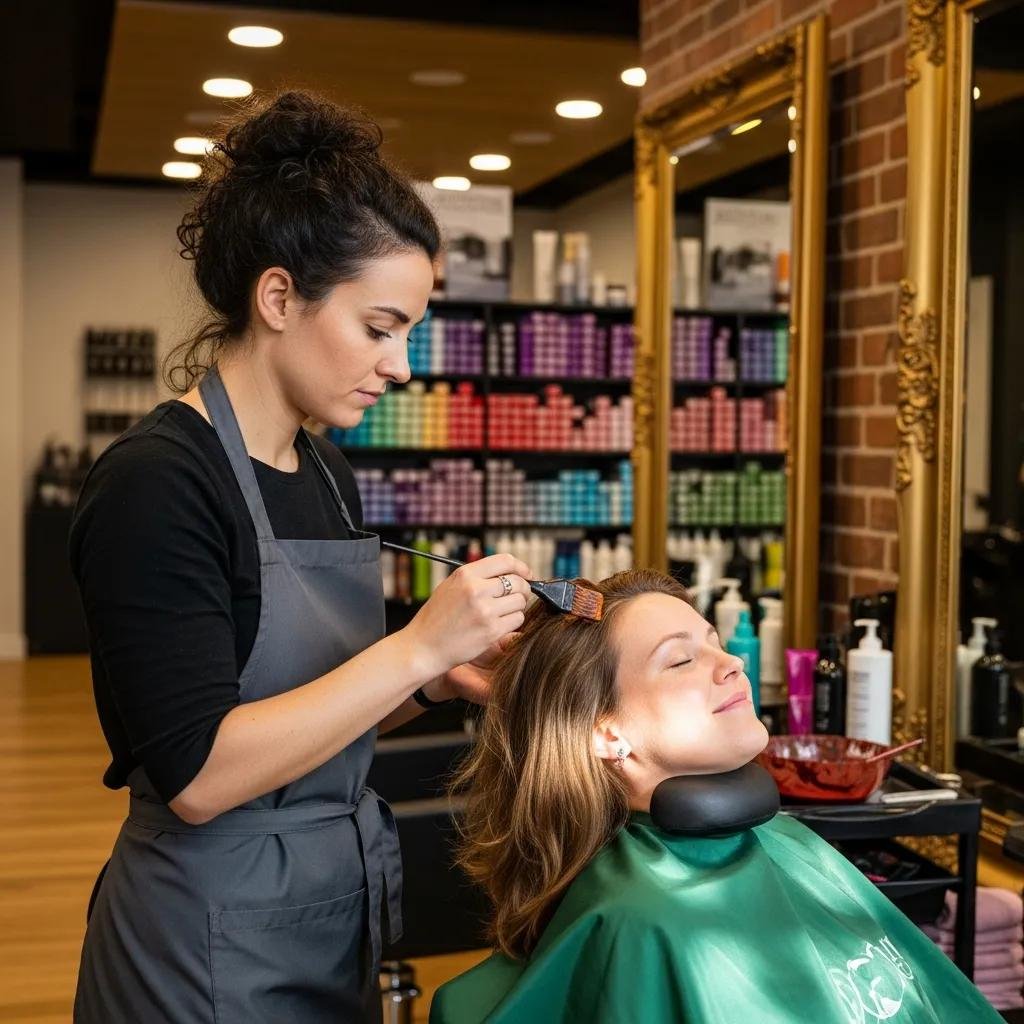
Demi-Permanent vs. Permanent Hair Color: Which Is Right for Your Hair in Bethesda?
Deciding between demi-permanent and permanent color starts with what you want your hair to look and feel like — and how much maintenance you’re willing to do. This guide breaks down the chemistry and the practical differences, compares longevity and gray coverage, and gives clear, actionable tips for people in Bethesda. Whether you’re testing a new shade or committing to a long-term change, we’ll help you weigh hair health, upkeep, and aesthetic goals so you can choose with confidence. You’ll learn how permanent color penetrates the hair shaft versus how demi-permanent formulas sit closer to the cuticle, see a side-by-side comparison of “demi permanent vs permanent hair color,” and get salon-tested advice to keep color looking fresh. At the end, there’s a local section on how Kylie Studio Salon approaches consultations and maintenance so you can book the right service with a stylist who understands your lifestyle.
What Is Permanent Hair Color and How Does It Work?
Permanent hair color changes your natural pigment by opening the hair cuticle and depositing dye inside the cortex, which produces long-lasting results. The process pairs a developer (hydrogen peroxide) with color precursors: the developer raises pH so new pigment forms and locks into the hair structure. That internal pigment is why permanent color lasts through many washes and is the preferred choice for reliable gray coverage or dramatic lightening. Because the dye penetrates the hair, expect more deliberate aftercare and routine root touch-ups — the very chemistry that makes it durable also creates a maintenance commitment. The table below sums up the main components and how they create lasting color.
Permanent color depends on a few core ingredients and actions to alter hair pigment permanently.
That chemistry explains why permanent color is the go-to when durability and lift are priorities — and why it calls for thoughtful upkeep afterward.
What Are the Key Benefits of Permanent Hair Color?
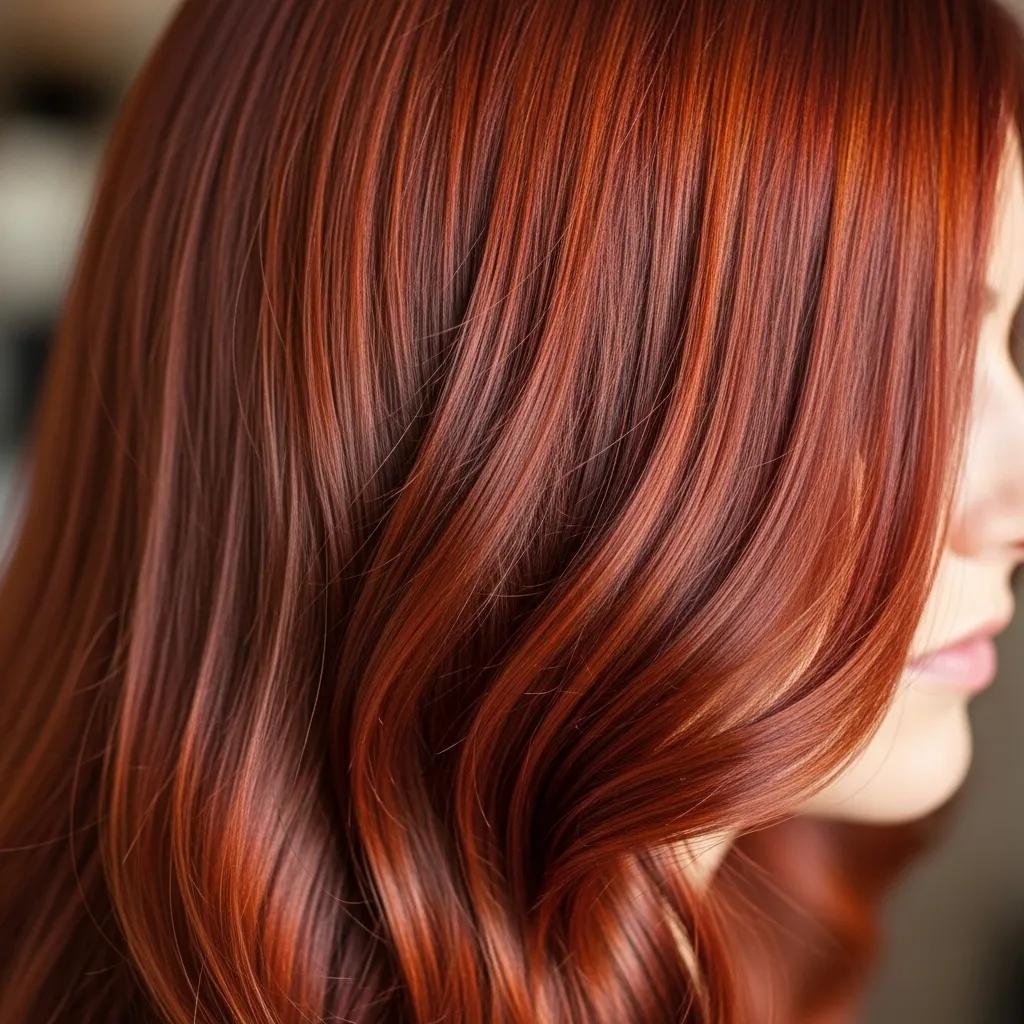
Permanent color gives consistent, long-lasting results — ideal if you want full gray coverage, a lighter shade, or a dramatic transformation. Because the pigment forms inside the cortex, color resists washout and keeps its tone through daily styling, meaning fewer full recolors over time. Many clients pick permanent dye when they want a one-and-done overhaul or predictable gray coverage. That said, the permanence also means planning for root touch-ups and targeted care to protect hair health.
- Durable transformation: changes natural pigment for long-lasting results.
- Reliable gray coverage: penetrates the cortex for near-complete concealment.
- Lightening capability: can lift natural pigment to achieve lighter shades.
Those strengths make permanent color a strong choice when longevity and lifting power matter most, but they also require you to factor in upkeep and hair health.
What Should You Consider Before Choosing Permanent Hair Color?
Before you commit, evaluate your hair’s condition, previous chemical history, and willingness to maintain roots. Permanent color opens the cuticle and alters internal pigment, so previously treated hair can behave unpredictably; a stylist will check porosity and prior services during your consultation. Also plan for root touch-ups and color-safe care — bond-building treatments and protective products help keep hair strong. If low maintenance or short-term experimentation is your priority, demi-permanent may be the safer starting point.
- Check hair health: look for breakage, porosity, and past color services before choosing permanent dye.
- Plan for maintenance: root touch-ups are commonly needed every 4–6 weeks depending on growth and contrast.
- Match goals to method: select permanent color for long-term change rather than a trial.
What Is Demi-Permanent Hair Color and Who Is It Best For?
Demi-permanent color sits between semi-permanent and permanent options. It uses a low-volume developer and deposits pigment mostly on the cuticle and just into the outer cortex, delivering rich tone and shine without full penetration. The result is a softer, less-committal update that enhances color, blends early gray, and refreshes faded tones while minimizing chemical stress. Because many demi formulas avoid strong alkalizing agents like ammonia, they’re gentler on the cuticle and a good pick for clients who want less damage, a subtler change, or a trial run before going permanent.
What Are the Benefits of Demi-Permanent Hair Color?
Demi-permanent color gives glossy, natural-looking results with lower chemical impact and flexible upkeep. It coats the hair shaft to smooth the cuticle and boost shine, and uses lower developer volumes so it’s easier on the hair than permanent dye. That makes demi color a smart choice for first-time color clients, people recovering from previous services, or anyone wanting to blend early gray or add depth without a major commitment. It’s also an effective periodic refresh between more intensive services.
- Lower chemical impact: smaller developer volumes reduce cuticle opening and potential damage.
- Natural-looking finish: coating action smooths hair and increases shine.
- Great for trials: ideal for testing a new shade or for first-time color clients.
When minimizing damage and keeping options open are priorities, demi-permanent is an excellent tactical choice.
What Are the Limitations of Demi-Permanent Hair Color?

Demi-permanent color won’t lighten natural pigment and generally fades over 4–12 weeks depending on porosity and washing habits. It provides limited gray coverage versus permanent formulas; thick or stubborn gray often requires an oxidative permanent dye for full concealment. Because demi pigments sit nearer the cuticle, they’re more vulnerable to frequent shampooing, sun exposure, and clarifying treatments, which can speed fading and prompt salon refreshes. If you need major lightening, complete gray coverage, or a permanent change, permanent color is the more reliable route.
- No lift: cannot lighten natural pigment to make hair lighter.
- Shorter lifespan: color typically fades over several weeks and needs periodic refreshes.
- Limited gray coverage: best for blending or partial gray, not full concealment of heavy gray.
How Do Demi-Permanent and Permanent Hair Colors Compare?
Weigh longevity, gray coverage, lightening ability, chemical impact, and use case to match the method to your priorities. Permanent dye penetrates the cortex for lasting pigment and can lift natural color; demi-permanent deposits pigment closer to the surface for shine and short-term tone changes. For most people, the choice comes down to whether you want durability and lift (permanent) or gentler refresh and flexibility (demi).
The table below gives a quick side-by-side comparison of the core differences to help you decide.
This comparison clarifies which method best fits different goals and leads into how longevity and chemistry affect results.
What Are the Differences in Longevity and Gray Coverage?
Demi-permanent color usually lasts 4–12 weeks under normal washing conditions; how long it stays depends on shampoo type, water temperature, and sun exposure. Permanent color resists washout because the dye molecules form inside the hair shaft, so color remains visible until hair grows out or you chemically alter it again — which makes root touch-ups the main ongoing task. For gray coverage, demi-permanent can soften and blend light or scattered gray, but dense white or coarse gray typically needs permanent oxidative color for dependable coverage. If you lead an active life or wash hair often, factor that into your maintenance plan.
- Demi-permanent: shorter timeline, good for blended gray.
- Permanent: long-term coverage, best for dense gray and lift.
- Maintenance impact: permanent color requires more predictable root upkeep.
Those differences come down to the formulas involved, which we cover next.
How Do Chemical Compositions Affect Hair Health and Color Results?
The presence of ammonia, developer strength, and the chemistry of color precursors determine whether a dye penetrates the cortex or mostly coats the cuticle, and that affects both hair health and final look. Ammonia or similar alkalizing agents raise pH to open the cuticle for permanent dye penetration — this enables lift but increases the risk of damage, especially at higher developer volumes. Demi-permanent formulas use lower-volume developers and are often ammonia-free, so they minimize cuticle disruption and deliver shine with less structural stress. Salons offset potential damage from permanent services with bond-repair treatments, targeted conditioning, and careful formula selection to balance lift with hair integrity.
- Ammonia/developer: allow penetration but increase structural risk.
- Coating vs. penetration: affects shine, durability, and fade pattern.
- Damage mitigation: bond-repair treatments and conditioning reduce long-term harm.
Knowing these trade-offs helps clients pick the method that fits their goals and tolerance for maintenance — which is why professional consultations matter.
At Kylie Studio Salon in Bethesda, we apply these principles to real clients. Stylists assess hair condition, desired lift, and gray-coverage goals; if a low-damage tone update will meet your needs, we often recommend a demi-permanent gloss, while permanent dye is chosen for full coverage or major lightening. If you want a tailored plan, book a consultation so a stylist can outline the recommended services and a realistic maintenance timeline for your hair.
How to Choose the Right Hair Color for You at Kylie Studio Salon Bethesda?
Choosing the right color is about balancing hair health, the change you want, how much upkeep you’ll do, and your day-to-day life. Start by naming the priority: full gray coverage, going lighter, or just richer tone and shine — then match that to how often you’ll return for touch-ups. A consultation evaluates porosity, previous chemical services, and overall hair strength to determine whether demi-permanent or permanent color will achieve your goal without unnecessary risk. Our process centers on a diagnostic conversation and a personalized plan that includes product suggestions and a maintenance cadence, so your color fits both your style and schedule.
What Factors Should Influence Your Hair Color Decision?
Practical factors to weigh: current hair condition and chemical history, how dramatic a change you want, how often you can visit the salon, and your styling habits. Hair that’s been lightened or chemically treated may need restorative steps before a permanent color service to avoid breakage. If you prefer lower maintenance, demi-permanent color or regular glosses can keep things looking fresh without a big commitment. Be honest about budget and time so your stylist can recommend a sustainable plan.
- Hair condition: dictates feasibility and risk of color services.
- Desired change intensity: lightening vs. subtle tone determines method choice.
- Maintenance capacity: how often you can schedule touch-ups and salon visits.
These points feed directly into our consultation flow and the tailored recommendations your stylist will make.
How Does Kylie Studio Salon’s Consultation Process Help You Decide?
Our consultations are hands-on and practical: we diagnose hair condition, review your color history, and talk through your goals to deliver a clear recommendation and maintenance plan. During the consult, your stylist checks porosity and elasticity, discusses past color services, and explains realistic outcomes — including when a demi-permanent gloss will do the job or when permanent dye is the better option. We leave you with a straightforward plan: suggested products, timing for follow-ups, and what to expect between appointments. To schedule a consultation, contact Kylie Studio Salon and ask for stylist Ruth — she’ll put together an individualized plan and next steps to reach your look.
What Are the Best Practices for Maintaining Your Hair Color?
Keeping demi-permanent or permanent color looking fresh relies on protecting pigment, minimizing cuticle abrasion, and booking targeted salon services for tone refreshes or bond repair. Daily habits — using a sulfate-free, color-safe shampoo, rinsing with cool water, limiting heat styling, and applying UV protection — extend color life by reducing pigment loss and cuticle wear. Salon treatments like glosses, demi-permanent refreshes, bond-repair services, and scheduled root touch-ups restore tone and fix structural issues. The table below pairs common maintenance actions with their benefits and suggested intervals so you can build a practical routine.
Use this action-to-benefit guide for salon and at-home care.
These practices support color retention and hair health, and they feed into the care advice below for demi-permanent and permanent color.
How to Care for Demi-Permanent Hair Color to Maximize Longevity?
To stretch the life of demi-permanent color, keep your at-home routine gentle and schedule occasional glosses at the salon. Use a sulfate-free, color-safe shampoo and try to limit washes to 2–3 times per week when possible; cooler rinses and leave-in UV protection reduce sun-related fading. Use color-safe conditioners and book salon glosses to restore vibrancy — a refresh every 6–8 weeks usually keeps tone steady depending on how quickly your color fades. These steps preserve demi-permanent results and often reduce the need for stronger chemical services.
- Gentle washing and color-safe products slow fading.
- Salon glosses refresh tone without harsh lift.
- UV protection and minimized heat styling help preserve intensity.
What Maintenance Is Required for Permanent Hair Color?
Permanent color needs planned touch-ups and protective care to keep results intentional through regrowth and environmental exposure. Root touch-ups are commonly scheduled every 4–6 weeks based on growth and contrast; consistent intervals help avoid banding and keep color uniform. Use bond-repair treatments after color processes and follow with professional conditioning to protect elasticity and shine. At home, choose color-safe shampoos, avoid frequent clarifying products, and use heat protectants — these habits lower cumulative damage and preserve vibrancy.
- Root touch-ups: every 4–6 weeks depending on regrowth visibility.
- Structural care: bond-repair and deep conditioning protect hair integrity.
- At-home regimen: color-safe products and heat protection reduce fading.
Kylie Studio Salon offers glosses and targeted maintenance services to help clients preserve both demi-permanent and permanent results — booking regular maintenance with your stylist ensures treatments match your color and lifestyle.
What Are Common Questions About Demi-Permanent and Permanent Hair Color?
This FAQ answers the most common questions about differences, gray coverage, longevity, and switching between color types with direct, practical responses. If anything here leaves you unsure about your hair’s condition or history, book a consultation at Kylie Studio Salon for a personalized assessment and recommendation.
What Is the Difference Between Demi and Permanent Hair Color?
The main difference is how the color works: demi-permanent deposits pigment near the cuticle using lower developer volumes, while permanent color opens the cuticle and builds pigment inside the cortex for lasting change. That means demi fades gradually and is gentler on hair, while permanent dye holds longer and offers reliable gray coverage and lift. In short: demi is great for trials and refreshes; permanent is best for full coverage or lightening.
- Mechanism: coating vs. penetration.
- Outcome: gradual fade vs. long-term retention.
- Use-case: trial/refresh vs. full coverage and lightening.
Does Demi-Permanent Hair Color Cover Gray Hair Effectively?
Demi-permanent color can blend and soften light or scattered gray by reducing contrast, but it’s usually not enough for dense or stubborn gray. For broad or coarse gray coverage, permanent oxidative color is typically the recommended route. A stylist can tell you whether a few demi sessions or a permanent approach will get the coverage you want with the least damage.
How Long Does Demi-Permanent Hair Color Last?
Demi-permanent color generally lasts 4–12 weeks depending on how often you wash, your hair’s porosity, sun exposure, and the products you use. People who wash less frequently, use sulfate-free products, and avoid too much sun usually see the longest retention. Salon glosses are an easy way to refresh faded tones without a full recolor.
Can You Switch from Permanent to Demi-Permanent Hair Color?
You can switch from permanent to demi-permanent, but results depend on existing pigment, porosity, and any prior lightening. Sometimes a staged approach is safer to avoid uneven tone. If your hair was lightened previously, a demi-permanent gloss can often blend and refresh without lifting, but corrective steps may be needed for certain neutralizing effects. A professional consultation will map the safest transition plan and whether pre-conditioning or corrective services are required.
- Feasibility: generally possible with a professional assessment.
- Precautions: porosity and prior lift affect results.
- Recommended approach: staged, professional plan to avoid surprises.
For tailored guidance on moving between color types and to build a maintenance plan for your hair, Kylie Studio Salon in Bethesda offers consultations and follow-up services — schedule time with a stylist who can review your history and recommend the safest path forward.
Kylie Studio Salon is located at 4711 Montgomery Ln, Suite 2 in Bethesda, MD and offers professional color services including highlights, demi-permanent glosses, and permanent applications. To book a consultation with stylist Ruth or schedule a maintenance appointment, call us at 301-922-7864 or stop by the studio to discuss options and timing.
Frequently Asked Questions
What is the best choice for someone with damaged hair: demi-permanent or permanent color?
If your hair is damaged, demi-permanent color is often the safer choice. It uses lower developer strengths and frequently skips harsh alkalizing agents like ammonia, which reduces cuticle disruption and the risk of further damage. Demi-permanent applications enhance shine and vibrancy without the commitment of permanent color. That said, if you need significant gray coverage or a dramatic change, consult a stylist to assess hair health and recommend the safest route.
How can I maintain my hair color between salon visits?
Maintain color by using sulfate-free, color-safe shampoos and conditioners, limiting washes to 2–3 times per week where possible, and rinsing with cool water to help seal the cuticle. Use UV protection and minimize heat styling to preserve vibrancy. Regular salon glosses refresh tone, and bond-repair treatments support hair integrity after chemical services. Together, these habits help color last longer and keep hair healthier.
Can I use regular shampoo on colored hair?
Regular shampoo isn’t ideal for colored hair because many contain sulfates that strip color and moisture. Choose sulfate-free, color-safe shampoos formulated to preserve pigment and nourish hair. Look for products with conditioning ingredients to support shine and overall hair health.
How often should I schedule touch-ups for permanent hair color?
Touch-ups for permanent color are typically scheduled every 4–6 weeks, depending on your growth rate and the contrast between your natural color and the dyed shade. Regular touch-ups keep your look consistent and prevent noticeable regrowth. Lighter shades or heavy gray coverage may call for more frequent visits; your stylist can recommend the ideal cadence.
Is it possible to lighten hair with demi-permanent color?
No — demi-permanent color cannot lift natural pigment. It deposits color on the hair shaft and near the surface, so it enhances existing shades rather than lightening them. If you want to go lighter, a permanent color service is required to penetrate deeper and lift natural pigment.
What should I do if I experience an allergic reaction to hair dye?
If you suspect an allergic reaction, stop using the product immediately and rinse the area with mild soap and water. Seek medical attention for serious symptoms like swelling, severe itching, or breathing difficulty. Always perform a patch test 48 hours before applying any dye, and tell your stylist about any sensitivity history — there are hypoallergenic or ammonia-free options that may be safer for you.
Conclusion
Choosing between demi-permanent and permanent color comes down to your goals, hair health, and how much maintenance you want. Permanent color offers long-lasting coverage and lift, while demi-permanent provides a gentler, flexible option for tone and shine. Talk with a stylist at Kylie Studio Salon to find the approach that fits your life and keeps your hair healthy. Ready to explore your options? Schedule a consultation today and let us help you plan the next step.