Dandruff vs. Dry Scalp: Your Bethesda Guide to Identifying and Treating an Itchy, Flaky Scalp
It’s easy to mistake dandruff for dry scalp—both cause flakes and itch—but the root causes and fixes are very different. This guide helps you tell dandruff from dry scalp, explains why a correct diagnosis speeds relief, and outlines when to book a professional scalp check in Bethesda. You’ll learn to spot flake characteristics, judge scalp oiliness and irritation, and choose targeted at‑home or medicated options. We also cover Malassezia’s role, how barrier breakdown creates dryness, and a step‑by‑step self‑assessment to point you toward the right next step. Later, find local professional options—diagnostic consultations, hydrating treatments, and scalp detoxes—plus maintenance tips and product guidance to prevent flares. Throughout, helpful search terms like itchy scalp remedies, flaky scalp causes, and scalp health consultation Bethesda appear naturally in practical advice so you can act with confidence or book a focused treatment plan with a local specialist.
What Are the Key Differences Between Dandruff and Dry Scalp?
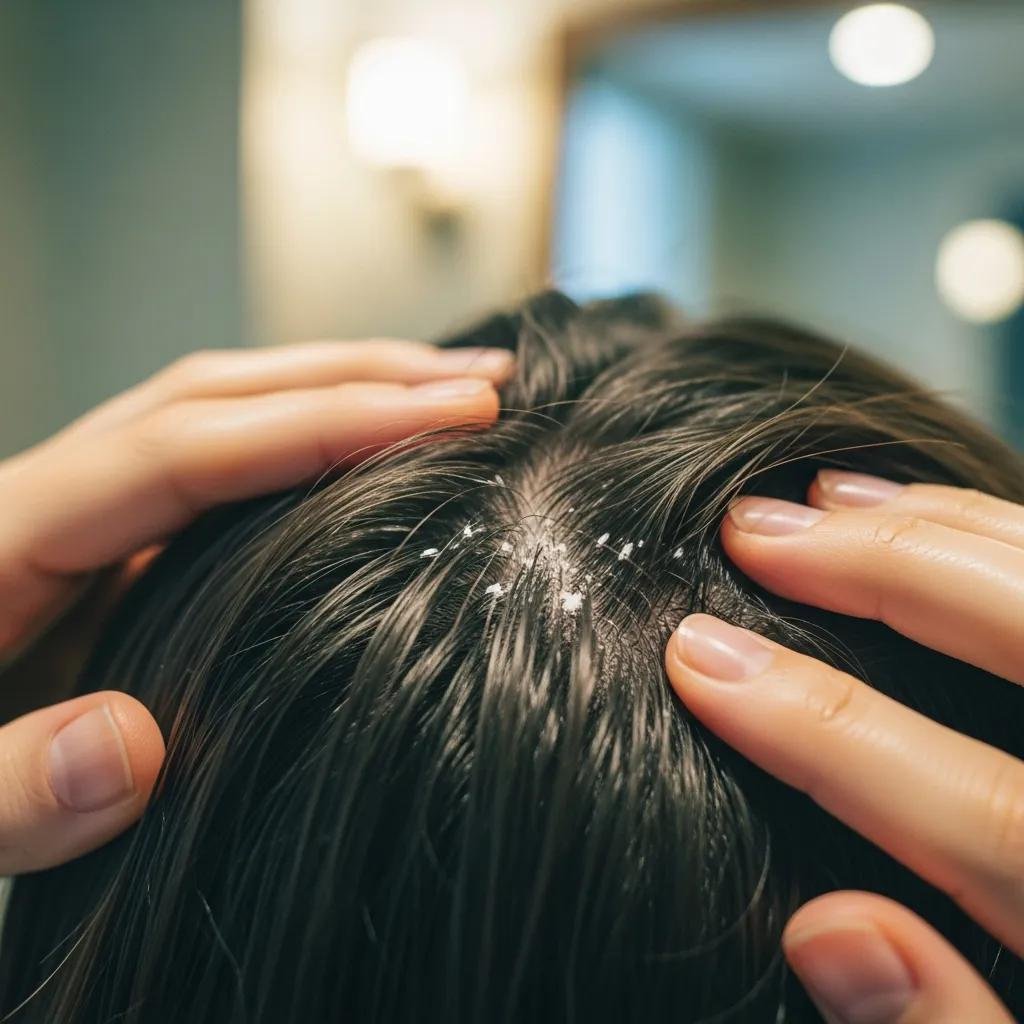
Dandruff is usually tied to an oilier scalp and a yeast‑driven inflammatory reaction, producing larger white to yellowish flakes that can look greasy. Dry scalp comes from low moisture and a damaged barrier, creating small, white, powdery flakes. Why this matters: dandruff responds to anti‑fungal, sebum‑regulating actives, while dry scalp improves with hydration and barrier repair. Spotting the right pattern gets you to effective ingredients and routines faster.
Use the quick comparison below when you notice flakes or itch—it’s a fast way to narrow which approach to try first.
This table highlights the most practical visual and symptomatic differences so you can match your signs to the likely cause.
This comparison helps you decide whether to trial anti‑dandruff actives or focus on moisturizing and barrier repair—cutting down on trial‑and‑error and getting relief sooner.
How Do Dandruff Symptoms Differ from Dry Scalp Symptoms?
Dandruff often shows persistent itch, visible flakes that collect at the hairline, and occasional redness from inflammation. It’s driven by an overgrowth of Malassezia interacting with sebum, which speeds skin shedding. Dry scalp, in contrast, feels tight, sheds very small, dust‑like flakes, and rarely appears oily—symptoms commonly worsen in low‑humidity seasons or after strong clarifying shampoos strip natural lipids. For example: flakes that reappear on an oily scalp after a few days point toward dandruff; light, powdery flakes and tightness after a flight or in winter usually indicate dryness. Noticing these patterns helps you choose between an anti‑fungal wash and a moisturizing scalp protocol.
What Causes Dandruff and Dry Scalp Conditions?
Dandruff starts when the scalp microbiome shifts—Malassezia, a lipid‑loving yeast, feeds on sebum and produces byproducts that irritate skin, causing excess shedding and inflammation. That’s why anti‑fungal treatments and sebum‑managing routines tend to help. Dry scalp stems from transepidermal water loss and barrier damage caused by cold, low humidity, or over‑cleansing; the skin can’t hold moisture and flakes result. Other contributors for both include product buildup, hormonal shifts, and skin conditions that can mimic either pattern. Identifying whether a cause is fungal, environmental, or product‑related helps you prioritize treatments and avoid counterproductive habits.
How Can You Identify the Causes of an Itchy, Flaky Scalp?
The quickest way to narrow the cause is a simple checklist: note flake type, check scalp oiliness, review recent products or routine changes, and track environmental factors. This diagnostic flow separates fungal‑driven dandruff from dryness or contact irritation and guides whether to try an anti‑fungal shampoo, a moisturizing protocol, or a pro assessment. A clear self‑check also helps you communicate useful observations to a clinician or stylist for a faster, more accurate in‑person consult.
Follow this numbered checklist to self‑assess an itchy, flaky scalp before picking treatments or booking a visit.
- Observe Flakes: Look at size, color, and whether flakes feel greasy or powdery.
- Assess Oiliness: Run fingertips across the scalp—are there oily patches or a uniformly dry feel?
- Review Routine Changes: Note any new shampoos, styling products, or treatments in the past month.
- Consider Environment: Account for seasonal dryness, recent travel, or frequent swimming that may affect moisture.
This checklist helps you form a working hypothesis—fungal, dry, or irritant—and supports targeted action, like trying a medicated wash or switching to gentler moisturizing care. If consistent self‑care doesn’t help after a few weeks, professional analysis is the next step.
What Role Does Malassezia Yeast Play in Dandruff?
Malassezia is a lipid‑loving yeast that normally lives on the scalp; when it overgrows it breaks down sebum into irritating byproducts that trigger inflammation and rapid skin turnover. That explains why dandruff often appears on oilier scalps and why anti‑fungal actives such as ketoconazole or zinc pyrithione reduce flaking by lowering yeast levels and calming inflammation. Signs of fungal involvement include persistent greasy flakes, quick recurrence after brief relief, or only partial improvement with moisturizers. Managing Malassezia typically involves cyclical use of anti‑fungal shampoos or in‑salon treatments that combine cleansing, topical anti‑fungals, and follow‑up monitoring.
How Does Scalp Dryness Lead to Flaking and Irritation?
Dryness starts with barrier disruption: the stratum corneum loses lipids and bound water, increasing transepidermal water loss and making the skin prone to flaking and sensitivity. Cold, dry air and overuse of strong surfactants speed this process, while a lack of supporting lipids (ceramides, fatty acids) slows recovery. Immediate soothing steps—gentle, pH‑balanced cleansers, leave‑on hydrating serums, and sparing occlusives—help restore moisture and reduce flakes. Over time, rebuilding the scalp’s moisture barrier and avoiding irritants prevents recurrence and improves comfort.
What Professional Scalp Care Treatments Are Available in Bethesda?

Professional scalp care brings diagnostic clarity and in‑salon therapies that combine cleansing, targeted actives, and barrier repair—often delivering faster relief than home routines alone. Common options include a detailed scalp analysis, anti‑fungal protocols for dandruff, hydrating barrier‑repair sessions for dry scalp, and scalp detoxes to remove buildup and rebalance the microbiome. Benefits of professional care include precise diagnosis, access to higher‑strength topicals, and the ability to coordinate scalp therapy with color or smoothing services to avoid disruption.
Below is a quick introduction to typical salon services and what to expect so you can weigh professional help against self‑care.
How Does Kylie Studio Salon Diagnose and Treat Dandruff?
At Kylie Studio Salon we start with a focused consultation: we record symptoms, inspect flake morphology, and review your hair and product history, then recommend a tailored plan. In‑salon protocols commonly pair a clarifying cleanse to reduce sebum and buildup with topical anti‑fungal applications or medicated shampoos applied in a controlled session, plus clear at‑home follow‑up to prevent relapse. Our diagnostic approach emphasizes visible signs and client history to differentiate Malassezia‑driven dandruff from other scalp conditions, so treatments target the root cause. This structured method shortens the path to relief and supports lasting scalp health when paired with consistent home care.
Kylie Studio Salon’s owner and stylist, Ruth, leads with hands‑on expertise and consultative care. Her approach blends practical follow‑up and personalized support so clients have a clear, effective plan for managing dandruff.
What Are the Hydrating Solutions for Dry Scalp at Kylie Studio Salon?
Our hydrating scalp sessions focus on replenishing lipids and restoring the moisture barrier through gentle cleansing, nutrient‑rich masks, and leave‑on serums applied in stages for better absorption. These treatments provide immediate relief—reducing tightness and fine flaking—and include a short maintenance plan to rebuild long‑term barrier function. We pair in‑salon care with targeted at‑home product recommendations and suggested follow‑up timing so results last. Clients who combine salon barrier repair with a tailored home routine typically see faster, more durable improvement than with home care alone.
Kylie Studio Salon also coordinates scalp health with hair services like deep conditioning or keratin treatments, allowing you to get cosmetic and therapeutic benefits in one visit when appropriate.
How Can You Maintain a Healthy Scalp to Prevent Flaking and Itching?
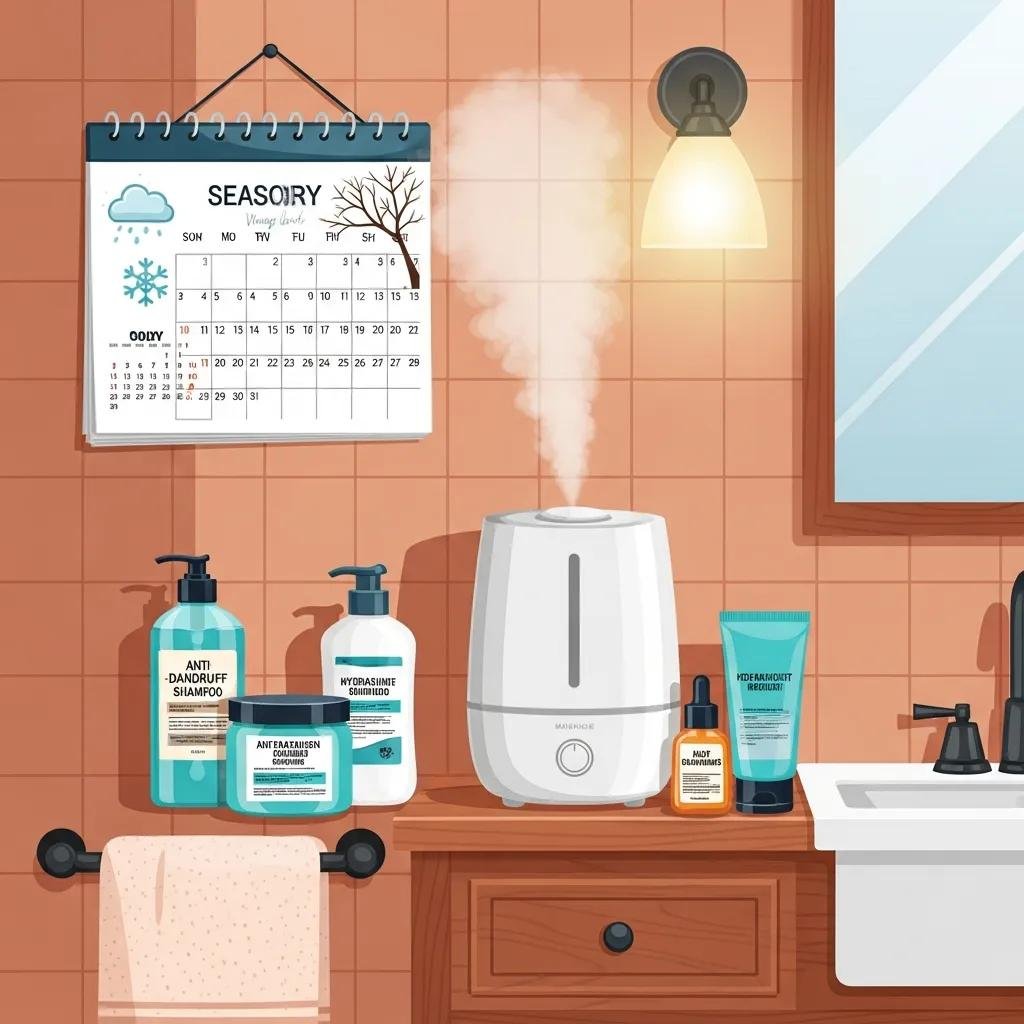
Maintenance is a mix of gentle daily care, weekly targeted treatments, and small lifestyle changes that support the scalp’s moisture barrier and microbial balance. A straightforward routine—adjusted shampoo frequency based on oiliness, regular hydrating serums or masks, and occasional anti‑dandruff maintenance—cuts flare‑ups and keeps the scalp comfortable. Preventative steps include avoiding harsh surfactants, limiting hot water, and using a humidifier in dry climates to reduce transepidermal water loss.
Use the product matrix below to match actives to benefits and suggested frequency for simple, evidence‑based home care.
What Are Effective Scalp Dryness Remedies and At‑Home Care Tips?
To repair a dry scalp, prioritize barrier support and gentle cleansing: switch to sulfate‑free shampoos, use leave‑on hydrating serums with glycerin or hyaluronic acid, and apply an occlusive oil or balm sparingly to lock in moisture. Avoid daily clarifying products and reduce heat styling that strips lipids. Simple habits—lukewarm rinses, spacing chemical services, and protecting the scalp from harsh weather—help recovery and lower relapse risk. If consistent home care doesn’t improve symptoms, a professional scalp consultation can reveal overlooked triggers or conditions needing stronger treatment.
Which Products Support Long‑Term Scalp Health and Flake Prevention?
Long‑term scalp health relies on rotating targeted anti‑dandruff actives with hydration‑focused formulas so you control flares without chronically drying the scalp. Anti‑dandruff ingredients (zinc pyrithione, ketoconazole) address Malassezia, while humectants (glycerin, hyaluronic acid) and barrier lipids (ceramides, fatty acids) restore moisture. Gentle exfoliation helps product penetration and removes buildup but should be used sparingly to avoid barrier disruption. When choosing products, focus on ingredient purpose, avoid stacking harsh surfactants, and patch‑test new items—this approach preserves the scalp microbiome while preventing both fungal overgrowth and moisture loss.
When Should You Seek Professional Help for Scalp Issues?
See a professional if symptoms are severe, persistent, or come with hair loss, open sores, or marked redness—these signs need expert evaluation beyond self‑care. A professional scalp analysis offers magnified inspection, a focused history, and access to stronger topical options and in‑salon treatments not available over the counter. Early intervention can prevent worsening, reduce recurrences, and let us integrate scalp therapy with other salon services to protect hair integrity. The short decision checklist below helps you know when to move from home care to an expert consultation.
Use this quick decision list to spot signs that mean it’s time to book a professional scalp analysis.
- Severe or worsening itching that doesn’t improve after consistent home care for 2–4 weeks.
- Noticeable hair thinning or shedding happening alongside flaking or scalp inflammation.
- Redness, open sores, or pain on the scalp that could indicate infection or an inflammatory condition.
If any of these are present, a focused professional analysis can pinpoint causes and create a customized plan to restore scalp and hair health.
What Are the Signs That Indicate a Need for Expert Scalp Analysis?
Seek expert assessment when symptoms persist for several weeks despite appropriate over‑the‑counter care, when itching is intense or visible inflammation is present, or when hair thinning or breakage accompanies flaking. Other red flags include treatment resistance—if common anti‑dandruff shampoos or moisturizing routines don’t help—and atypical symptoms that may signal a dermatologic condition. Professional analysis distinguishes between scalp dermatoses, allergic contact reactions, and fungal or seborrheic patterns so you get a targeted plan. If symptoms interfere with daily comfort or styling, scheduling a consultation is a practical next step.
How Does Personalized Scalp Treatment Improve Hair and Scalp Health?
Personalized plans match the right actives to your scalp type with a tailored schedule and monitoring, which cuts recurrence and improves hair manageability. Plans may include anti‑fungal cycles for dandruff, staged barrier‑repair sessions for dry scalp, and coordination with scalp‑safe hair services so color or keratin work can continue without compromising recovery. Ongoing monitoring lets us adjust—alternating medicated and hydrating products as needed—to keep benefits while protecting hair structure. Personalized follow‑up treats root causes, not just symptoms, and aligns scalp therapy with your styling goals for better long‑term results.
If you’re ready for expert care, Kylie Studio Salon in Bethesda, MD offers scalp‑focused consultations and targeted in‑salon treatments led by owner/stylist Ruth. We diagnose the scalp condition, recommend an evidence‑based plan—whether anti‑fungal protocols for dandruff or hydrating barrier repair for dryness—and schedule follow‑up to track progress and prevent recurrence.
- Book a scalp health consultation with a licensed specialist to get an evidence‑based diagnosis and treatment plan.
- Prepare a treatment history including product use and a symptom timeline to speed diagnostic accuracy.
- Follow the prescribed maintenance plan and book recommended follow‑ups to sustain improvements.
Kylie Studio Salon positions its consultation as a decision‑stage step for clients who want targeted solutions—combining diagnosis, in‑salon therapy, and maintenance planning into one clear path back to a comfortable, flake‑free scalp.
Frequently Asked Questions
What lifestyle changes can help prevent dandruff and dry scalp?
Small lifestyle shifts make a big difference. Eat a balanced diet with nutrients that support skin health (omega‑3s, zinc), drink water regularly, and use a humidifier in dry indoor spaces. Limit harsh styling products and frequent heat styling, which strip scalp oils. Gentle scalp massage can improve circulation and overall scalp health. These habits support both prevention and recovery.
How often should I wash my hair to maintain scalp health?
Washing frequency depends on your scalp. For oily scalps prone to dandruff, 2–3 times per week with an appropriate anti‑dandruff shampoo often helps control oil and flakes. For dry scalps, washing about once a week with a gentle, hydrating shampoo usually prevents over‑drying. Pay attention to how your scalp feels and adjust as needed, and always use conditioner to maintain moisture balance.
Can stress contribute to dandruff and dry scalp issues?
Yes—stress can worsen scalp issues. It can change hormones that affect oil production and skin health, and lead to behaviors like scratching or neglecting care. Managing stress with mindfulness, exercise, and good sleep helps scalp recovery. If stress is a major driver, consider discussing it with a healthcare professional for more support.
Are there any natural remedies for treating dandruff and dry scalp?
Some natural options can help. Tea tree oil has antifungal properties—dilute it in a carrier oil before use. Aloe vera soothes and hydrates. Coconut oil can moisturize and reduce flaking for some people. Always patch‑test natural remedies before broad use, and see a pro if symptoms persist or worsen.
What should I do if over‑the‑counter treatments are not effective?
If OTC treatments don’t help after a few weeks, seek professional help. A dermatologist or specialized salon can perform a thorough scalp analysis to uncover issues that don’t respond to standard care and can recommend prescription options or in‑salon therapies tailored to your condition.
How can I tell if my scalp condition is serious enough to see a professional?
See a pro if you have severe itching, persistent redness, open sores, or noticeable hair thinning or shedding with flaking—these may indicate infection or inflammatory disease. Also consult a specialist if you don’t see improvement after 2–4 weeks of appropriate home care or if you notice unusual changes in your scalp or hair.
Conclusion
Knowing the difference between dandruff and dry scalp is the first step to faster, more reliable relief. Accurately identifying your pattern lets you choose the right remedies or professional options here in Bethesda. If you’re unsure or home care isn’t helping, book a scalp health consultation for personalized guidance. Take the first step toward a comfortable, flake‑free scalp today.