Build a Natural Hair Care Routine for Black Hair — A Practical Guide to Moisture, Styling, and Growth
Creating a natural hair care routine for Black hair means following a clear, repeatable sequence of cleansing, moisturizing, protecting, and styling steps that keep curls and coils hydrated, minimize breakage, and support healthy growth. Because afro-textured hair tends to be drier and more delicate, a routine that prioritizes moisture retention, porosity-aware products, and low-manipulation styling will give the best results. This guide walks you through practical wash-day and between-wash habits, explains how porosity informs product choice, highlights product classes to prioritize, outlines protective styles that reduce tension, and shares scalp and growth practices that preserve length. You’ll get hands-on techniques — pre-pooing, co-washing versus sulfate-free shampooing, LOC/LCO moisturizing sequences, deep-conditioning protocols, and safe protective-style maintenance — that work well for 3C–4C and coily textures. Below, we map essentials, explain porosity with an easy comparison, review product selection with ingredient-focused notes, offer protective-style care tips, and point out when professional support can help you transition and maintain healthy natural hair.
What are the essential steps in a natural hair care routine for Black hair?
A dependable routine centers on a simple wash-day structure and consistent between-wash care: know when to cleanse, when to deep condition, and how to keep moisture between appointments. The underlying goals are the same: protect the cuticle, restore moisture, and limit mechanical stress so your hair breaks less and holds onto length. A predictable cycle helps reduce buildup, improves manageability, and makes it easier to evaluate what each product and step actually does for shine and elasticity. Below are practical, repeatable stages you can adapt to your hair’s porosity and your daily life.
Use this short sequence to frame wash day and daily upkeep:
- Pre-poo and detangle gently to lower breakage before wetting hair.
- Cleanse the scalp with a co-wash or a sulfate-free shampoo based on your needs.
- Deep condition—use heat or extended time to restore moisture and elasticity.
- Apply a leave-in, follow a LOC or LCO routine to lock moisture, then style with low-tension methods.
Think of these steps as a baseline: adjust frequency and product choices to match your porosity, activity level, and seasonal humidity so strands stay hydrated and strong.
How to prepare and cleanse natural Black hair effectively
Good cleansing starts with a pre-poo and finishes with a rinse that protects natural oils while removing residue. A light oil or conditioner during the pre-poo coats the shaft and makes detangling gentler, which protects cuticles from friction. Choose co-washing for light refreshes and sulfate-free shampoos when you need deeper cleansing or to remove product buildup — both are kinder to natural oils than harsh sulfates. Detangle with your fingers or a wide-tooth comb on wet, conditioned hair, working in sections from ends to roots to prevent snapping. That sets you up for conditioning and sealing steps that lock in the benefits of a gentle cleanse.
What are the best moisturizing and sealing techniques for curly and coily hair?
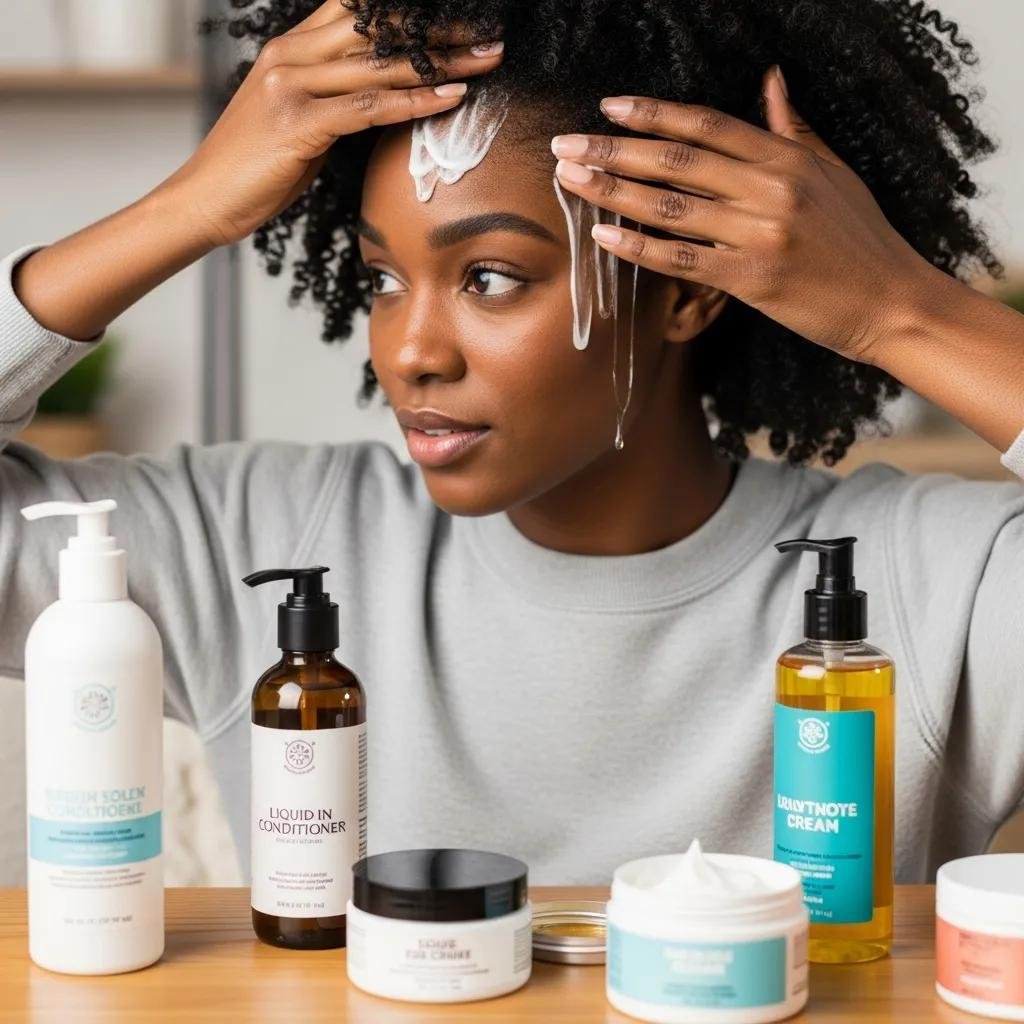
Moisture retention depends on a repeatable sequence — usually LOC (leave-in, oil, cream) or LCO (leave-in, cream, oil) — that layers a water-based product, an emollient or humectant, and a sealant to slow moisture loss. Humectants like glycerin or aloe draw water in; lighter oils (jojoba, argan) and heavier ones (castor) act as seals depending on porosity and texture. For low-porosity hair, pick lighter leave-ins and light oil seals to avoid buildup. For high-porosity hair, add periodic protein treatments and richer creams to rebuild and retain moisture. Shift the routine with the seasons: richer creams in winter, lighter layers in humid months, so you keep manageability without heaviness.
How does hair porosity affect your natural hair care routine?
Hair porosity describes how easily hair absorbs and holds moisture — and it’s central to product choice, conditioning strategy, and how often you need protein versus moisture treatments. Low-porosity hair resists absorption, medium-porosity hair balances uptake and retention, and high-porosity hair soaks up moisture fast but loses it fast too, often needing both proteins and humectants. Knowing your porosity helps you pick the right textures and decide whether to add heat during deep conditioning to open the cuticle for better product penetration. The table below makes it quick to match porosity to care suggestions.
The following table summarizes typical characteristics and routine recommendations for each porosity level.
This practical comparison shows how porosity shapes product textures and treatment frequency so you can build a routine that fits your hair’s absorption and retention profile.
How to identify low, medium, and high porosity hair types
Start with simple observations and gentle home tests, and remember they’re guides — a professional assessment is more precise if you’re unsure. Low-porosity hair often resists wetting, shows buildup, and does well with lighter products. Medium porosity dries predictably and responds to standard conditioners. High-porosity hair soaks up water quickly, dries unevenly, and benefits from regular protein treatments. You can try a cautious float or wet-comb test for clues, but focus on handling signals — elasticity, drying time, and how products perform — to fine-tune your routine. If dryness or rapid product loss persists, consider a salon porosity check for targeted care.
What products and treatments suit each hair porosity type?
Match humectants, emollients, and protein content to your porosity to restore structure and moisture. Low-porosity hair generally needs light, humectant-rich leave-ins and occasional heat-assisted deep conditioning. Medium porosity benefits from balanced leave-ins and regular deep conditioning. High-porosity hair does best with richer creams, consistent sealing oils, and scheduled protein treatments to repair cuticle gaps. Professional salon options — targeted protein fillers, moisture-binding deep conditioners, or in-salon heat treatments — can speed recovery when home care stalls. Watch shine, elasticity, and detangling ease to decide how often to treat.
Which products are best for maintaining healthy natural Black hair?
Long-term health for curls and coils depends on choosing the right product classes: gentle cleansers, nutrient-rich deep conditioners, humectant-forward leave-ins, and suitable natural oils. Sulfate-free shampoos remove buildup without stripping oils, deep conditioners restore strength, and leave-ins with humectants make daily styling easier. Focus on ingredient roles rather than brand names: humectants (glycerin, honey, aloe) attract moisture, proteins rebuild structure, and oils (jojoba, castor, argan) seal and add slip. The table below helps you compare product types by core ingredients and which hair profiles they serve best.
This ingredients-and-benefits table outlines common product categories and why they matter.
Use this breakdown to prioritize product classes that address moisture and strength where your hair needs them most.
If you’d like faster results, consider in-salon support for product choice and treatment application. Kylie Studio Salon offers consultations and in-salon treatments — like deep conditioning and targeted repair services — that complement at-home routines. A professional assessment can pair your porosity profile with a tailored regimen and recommend product textures to avoid common issues like buildup or under-conditioning.
What are the benefits of sulfate-free shampoos and natural oils?
Sulfate-free shampoos use gentler surfactants that lift dirt and buildup while leaving more of the hair’s natural lipids intact, so the cuticle gets less stripped and textured hair keeps more moisture. Natural oils each play a role: jojoba mimics sebum for light scalp conditioning, castor thickens and helps seal ends, and argan adds lightweight shine and slip for easier styling. Skipping sulfates reduces over-drying, and applying oils mainly to mid-lengths and ends avoids scalp congestion while protecting fragile tips. Start with small amounts of oil to judge response, and make oils the final sealing step in your moisturizing routine.
How to choose leave-in conditioners and deep conditioners for moisture retention
Read ingredient lists and match application technique to porosity and damage level. For leave-ins, favor balanced humectants and lightweight emollients for daily use. For deep conditioners, look for humectants plus fatty alcohols and appropriate proteins for your porosity, and use heat when safe to help penetration. Deep-condition with steady heat or extended processing (typically 20–45 minutes depending on the product) and judge improvement by how the hair stretches and combs after rinsing. Track results over 4–6 weeks to decide whether a product becomes a staple or needs swapping.
What are protective styles and how do they benefit natural Black hair?
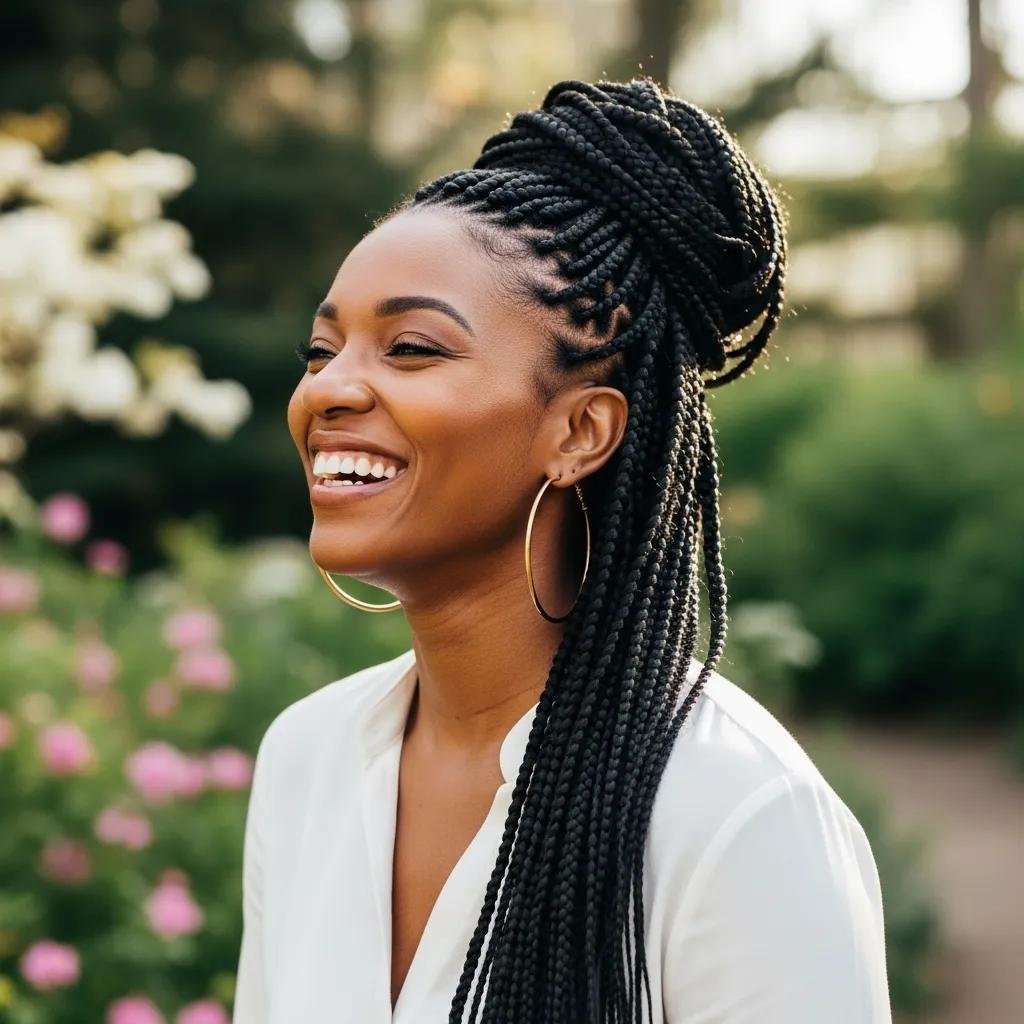
Protective styles are low-manipulation looks that shield ends, reduce daily friction, and help retain moisture by cutting down on frequent detangling and heat. The benefit is straightforward: less mechanical stress and environmental exposure mean less breakage and better length retention — especially when you keep up a consistent moisturizing and scalp-care plan. Choosing low-tension installations and following careful removal and restoration steps prevents traction and damage, so protective styles become a strategic part of long-term growth.
Common protective styles that balance tension control and hair health include:
- Box braids — distribute weight and protect ends when installed gently.
- Two-strand twists — gentle, versatile, and easy to refresh at home.
- Bantu knots and flat twists — great scalable options for short-to-medium lengths.
- Wigs and sew-ins — offer versatility when fitted and attached with low tension to protect the hairline.
Each style has different longevity and upkeep; choose based on your hair density, length, and how you’ll maintain scalp hygiene while wearing extensions.
Which protective styles are ideal for curly and coily hair?
Look for styles that minimize root tension, protect ends, and allow scalp access for cleaning and moisturizing. Two-strand twists and bantu knots are easy to refresh and work well for short to medium lengths. Box braids and loose cornrows serve longer hair when installed loosely. Wigs and sew-ins are versatile but must be attached carefully to avoid traction alopecia — take breaks and use low-tension methods. When choosing a style, factor in density, desired wear time, and whether you can follow a maintenance routine that includes scalp care and gentle nighttime protection.
How to maintain and care for protective styles to promote hair growth
Good maintenance is predictable: weekly scalp cleansing, targeted moisturizing, and timely refreshes to prevent matting and tension. Use diluted cleansers or light co-washes at the scalp and mist with a lightweight leave-in to hydrate without soaking extensions. Nightly satin or silk coverage reduces friction; gentle re-tensioning or partial refreshes keep styles neat without over-manipulating. Remove protective styles at recommended intervals — usually every 6–8 weeks depending on the style — and follow with restorative deep conditioning and a careful trim to remove weakened ends before reinstalling.
How can you promote natural hair growth and scalp health?
Promoting growth is mostly about reducing breakage, supporting scalp circulation, and keeping a steady moisture/protein balance so your existing hair can reach its potential. Scalp care — regular, targeted cleansing to avoid buildup, brief massages to improve circulation, and topical nutrient support — creates a healthier foundation for stronger strands. Deep conditioning improves strand resilience and lowers mechanical breakage, helping you retain length over time. Lifestyle factors like balanced nutrition, stress management, and protective nightly routines also support a scalp environment that favors productive growth cycles.
Try these scalp and growth practices weekly or daily to support retention and overall hair health.
- Gentle scalp cleansing: Clean the scalp every 1–2 weeks or as needed to remove buildup without overdrying.
- Scalp massage: Five minutes of regular scalp massage stimulates circulation and supports follicle health.
- Targeted treatments: Use focused deep-conditioning and occasional protein sessions according to porosity and damage.
Doing these consistently reduces breakage and amplifies the benefits of moisturizing and protective strategies.
What are effective scalp care practices for Black hair?
Balance cleanliness, gentle stimulation, and light nourishment to avoid clogging follicles while supporting a healthy scalp. Cleanse based on your lifestyle and product load, concentrating cleansers on the scalp and letting conditioner focus on lengths. Massage with your fingertips several times a week to encourage circulation without irritation. For issues like dryness or sensitivity, choose soothing formulations and avoid heavy oils that trap residue near the follicle; consult a professional if symptoms continue.
How does consistent deep conditioning support hair growth?
Regular deep conditioning strengthens strands by replenishing moisture, smoothing the cuticle, and improving elasticity — all of which reduce breakage and help hair retain length. Deep conditioners with the right mix of humectants and emollients restore pliability, while periodic protein treatments patch structural gaps in high-porosity hair so strands don’t snap under tension. Protocols vary: medium porosity often benefits from deep conditioning every 2–3 weeks, high porosity may need weekly sessions until stronger, and low porosity usually needs heat-assisted occasional treatments. Measure success by improvements in shine, elasticity, and detangling over a few cycles.
If at-home care isn’t giving the improvements you want, consider a professional consult. Kylie Studio Salon in Bethesda, MD offers personalized consultations and in-salon deep conditioning and treatments that assess porosity and scalp health. Ruth, our stylist and natural-hair specialist, can evaluate your hair in person, recommend a tailored regimen, and perform professional treatments and careful protective-style installs to support growth and manageability.
When to Seek Professional Hair or Scalp Advice
Consider professional guidance when you are dealing with persistent breakage, scalp discomfort, chemical damage, or a major texture transition. Choose a stylist whose current service menu and demonstrated experience match your needs, and consult a licensed medical professional for ongoing scalp symptoms or unexplained hair loss. Kylie Studio Salon’s current booking menu lists haircuts, color, smoothing, perms, blow-dry services, and special occasion styling; it does not list protective-style installation or a dedicated natural-hair treatment program.
Frequently Asked Questions
Why is scalp health important in a natural hair care routine?
A healthy scalp supports healthier hair growth and helps prevent dryness, flaking, and irritation. Keeping the scalp clean removes buildup, while gentle massages can boost circulation to the follicles. Using targeted treatments for specific scalp concerns (dryness, sensitivity) helps maintain a balanced environment for hair growth. Prioritizing scalp care makes a real difference in long-term hair health.
How often should I deep condition based on porosity?
Deep-conditioning frequency depends on porosity. Low-porosity hair usually needs occasional deep conditioning — about once a month with heat for better absorption. Medium porosity benefits from deep-conditioning every 2–3 weeks. High-porosity hair often needs weekly treatments until strength and moisture balance improve. Adjust based on how your hair responds: look for better elasticity, shine, and easier detangling.
What signs show I should change my hair care products?
Consider switching products if your hair becomes drier, breaks more, or loses manageability. If strands feel brittle, tangle easily, or don’t respond to your routine, your products may not fit your type or porosity. Excessive buildup or dullness are other signs. Regularly check how your hair behaves and tweak products when outcomes stall.
Can people in the same household use the same products across different porosity types?
Some products work across porosities, but it’s best to match products to individual needs for optimal results. Low-porosity hair does better with lightweight, water-based formulations; high-porosity hair often needs richer creams and protein treatments. If household members have different porosities, keep a small range of products so everyone gets the right care.
What role does nutrition play in hair health and growth?
Nutrition matters: hair follicles rely on vitamins, minerals, protein, and healthy fats to function well. A balanced diet with protein, vitamins A, C, D, E, and minerals like zinc and iron supports hair strength and growth. Foods like leafy greens, nuts, fish, and lean proteins help, and staying hydrated supports overall moisture balance. Good nutrition complements your topical hair care routine.
How can I safely transition from chemically treated hair to natural hair?
Transitioning safely involves either gradual trims or the big chop, plus a consistent routine focused on moisture and protective styling to reduce breakage. Regularly check your porosity and update product choices as needed. Consulting a natural-hair specialist provides personalized guidance and support through the process to protect hair health and encourage growth.
Conclusion
Building a natural hair care routine for Black hair gives you better moisture retention, less breakage, and stronger growth potential. Understanding your porosity and choosing products that match it lets you create a regimen that supports your unique texture. For faster, more reliable results, consider professional guidance to refine your approach and address specific issues. Ready to start? Explore our services at Kylie Studio Salon and book a consultation to get a personalized plan for healthier natural hair.