
Ultimate Dry Shampoo Guide: Use It Right + Find the Best Brands for Your Hair
Dry shampoo is a leave-in styling product that soaks up excess oil and gives instant texture — a fast fix for busy mornings and a great way to stretch a salon blowout. This guide breaks down what dry shampoo is, the science behind how it works, and practical application steps so you get the most freshness and volume with the least residue. You’ll learn the main formats — aerosol, powder, and mousse — plus stylist-approved brand suggestions and ingredient tips for oily, fine, dark, curly, and sensitive scalps. We also compare dry shampoo to traditional shampoo and explain when to choose each for scalp health and color care. Throughout, salon insights from Kylie Studio Salon and Ruth translate these tips into real-world routines you can use at home or between appointments in Bethesda.
What Is Dry Shampoo and How Does It Work to Refresh Hair Without Washing?
Dry shampoo is formulated to lift oil from the scalp without water, using tiny powders or suspended particles that bind sebum and suspend it away from hair shafts. Common absorbers like rice or tapioca starch attach to surface oil so shine is reduced and hair feels cleaner. Beyond oil control, dry shampoo adds friction between strands, creating instant lift and better styling grip — a helpful trick for fine or limp hair. It’s not a replacement for washing but a leave-in styling aid that extends the life of blowouts and salon finishes. Knowing how these ingredients behave helps you pick the right format and apply it to avoid visible residue, especially on darker hair.
These cosmetic benefits shape when and how often you should reach for dry shampoo, which the next section covers in practical detail.
What Are the Different Types of Dry Shampoo: Aerosol, Powder, and Mousse?

Dry shampoo typically comes as an aerosol spray, a loose or shaker powder, or a mousse/foam. Each format has clear benefits and trade-offs. Aerosols deliver fine particles quickly and evenly, which makes them convenient for fast touch-ups but they usually use propellants. Powders give precise root targeting and are often non-aerosol — a good pick for sensitive scalps or anyone avoiding sprays. Mousse-style products combine absorbent agents with conditioning polymers to add texture while leaving less visible dust, which can be helpful for color-treated or curly hair.
Pros and cons to keep in mind:
- Aerosol: Fast, even coverage and instant lift; watch for propellant and environmental concerns.
- Powder: Targeted application and non-aerosol option; may need more blending.
- Mousse: Built-in texture with less visible residue; typically absorbs slightly less oil than powders.
Pick the format that matches your styling goals and environmental preferences — the next section explains how absorbent ingredients translate into volume and texture.
How Does Dry Shampoo Absorb Oil and Add Volume to Hair?
Dry shampoos use absorbers such as rice or tapioca starch, and sometimes charcoal or clays, to grab oil at the scalp. Those particles collect at the roots, increasing friction between strands and creating noticeable lift. Many formulas also include texturizing polymers to help hold volume longer and botanical extracts like oat or aloe to soothe the scalp while absorbing oil. The main trade-off is visible residue: light powders can leave a white cast on dark hair, so tinted options or very finely milled, talc-free starches are often better for deeper shades.
Knowing which ingredients prioritize lift versus invisibility helps you choose products for your color and texture — the application steps ahead show how to get the best results from each formula.
How to Use Dry Shampoo Correctly: Step-by-Step Application Techniques for Best Results
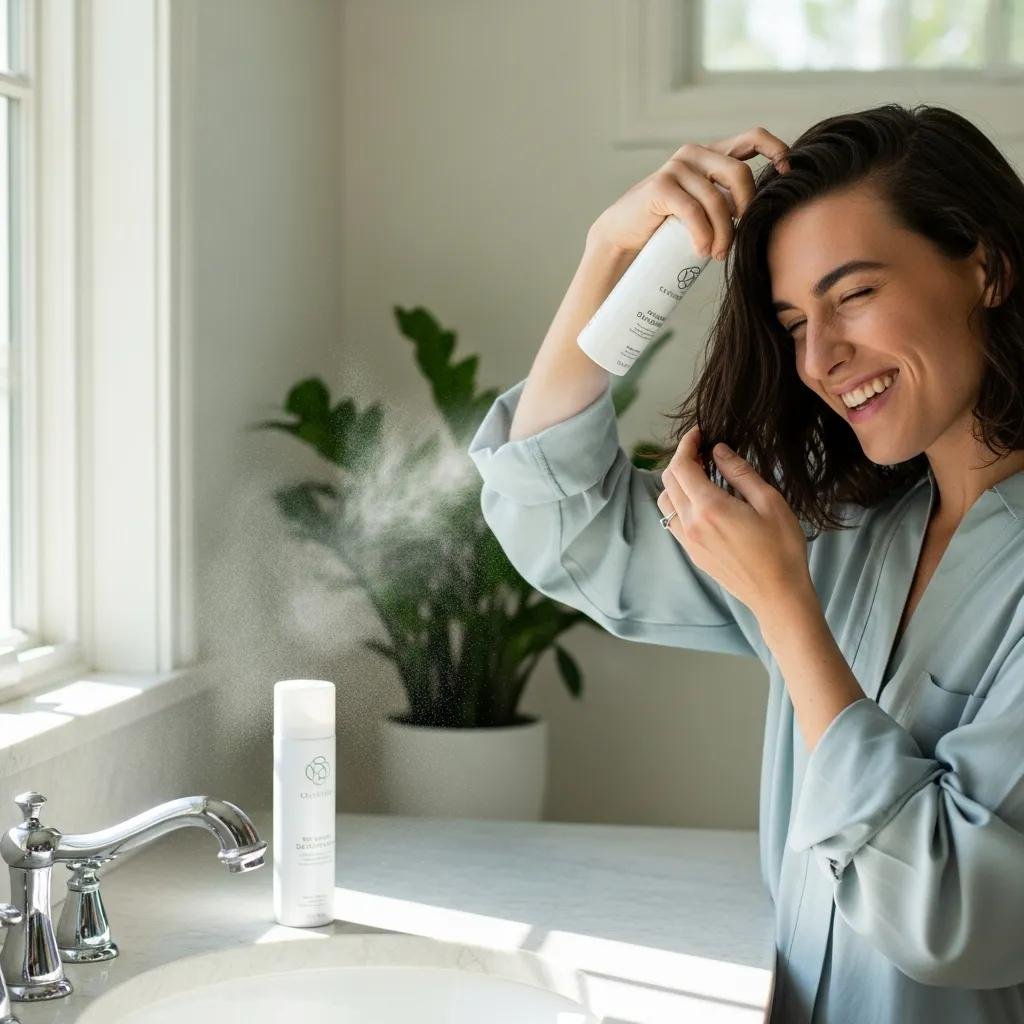
Correct application starts with prep, targeted spraying or dusting, gentle working-in, and a finishing step that preserves your style without buildup. Section hair and hold an aerosol or pump bottle about 6–8 inches from the scalp; for powders, sprinkle or tap into partings near the roots. Apply short bursts to oily zones rather than blanketing the whole head, let the product sit for a minute so particles can bind oil, then massage gently with your fingertips to redistribute and loosen any residue. Finish with a quick cool blast from a blow-dryer or a soft brush-through to blend and shape — that friction converts powder texture into smooth volume.
These tips focus on control and minimal residue. Below is a clear how-to sequence you can repeat at home.
Remember: dry shampoo works best alongside periodic wet washes and routine scalp care to prevent buildup and keep your scalp healthy.
What Are the Essential Steps for Applying Dry Shampoo to Maximize Freshness and Volume?
Follow this short how-to for reliable refreshes and lift without washing.
- Preparation: Section hair and find shiny, oily zones. Hold sprays 6–8 inches from your head for even coverage.
- Application: Use short bursts aimed at roots or partings for sprays; tap powders into sections and avoid soaking one spot.
- Wait and work-in: Let the product settle for 30–60 seconds, then massage gently with fingertips to absorb oil and break up clumps.
- Finish: Blend with a cool blow-dryer blast or a brush-through to transform texture into smooth volume and shape.
These steps emphasize targeted application and blending to prevent white cast and buildup. Next we cover common mistakes to avoid so your scalp stays healthy.
What Common Mistakes Should You Avoid When Using Dry Shampoo?
Use dry shampoo as a styling tool, not a full replacement for washing. The most common mistake is overuse — daily application without wet cleanses causes buildup and can trap impurities. Don’t apply to damp or wet hair; dry shampoo needs a dry surface to work properly and can clump on damp strands. And always work the product in — skipping massage or blending leaves visible residue, especially on darker hair. A quick brush or short blow-dry after application makes a big difference.
Understanding these pitfalls helps you plan rinses and salon visits, and it connects with ways stylists recommend using dry shampoo to extend professional services.
For hands-on guidance, consider asking your stylist to show you how to integrate these steps with your next salon blowout.
At Kylie Studio Salon, our stylists regularly coach clients on using dry shampoo to stretch blowouts and protect color. Booking a blowout consultation with the team gives you a tailored plan that pairs product choice with salon technique. We focus on personalized styling and maintenance so your hair looks its best between visits — ask about targeted root application and color-safe tinted options during your appointment.
Which Are the Best Dry Shampoo Brands Recommended by Stylists for Different Hair Types?

Stylists choose dry shampoos based on performance for specific concerns: high-absorbency options for oily scalps, lightweight formulas for fine hair, tinted products for dark hair, and fragrance-free choices for sensitive scalps. Below is a curated list of stylist-approved picks by hair concern, followed by a quick comparison table that highlights key ingredients and trade-offs. These are the kinds of products we test in-salon to extend finishes while protecting color and the scalp.
Use the compact table for a quick comparison, then read the notes for application tips and how to ask your stylist for a recommendation.
Introductory comparison of stylist-recommended products:
This table clarifies how different designs meet specific needs and why stylists favor certain textures over others.
Stylist picks usually come with usage tips: sprays for mid-day touch-ups, powders for precise root volume, and tinted options for invisible refreshes. Ruth at Kylie Studio Salon often recommends discussing your product choice during a color or blowout service so the stylist can demonstrate application and fine-tune technique for your hair.
What Are Stylist-Approved Dry Shampoo Picks for Oily, Fine, Dark, and Curly Hair?
Stylists match dry shampoos to how formulas interact with hair structure and color. For oily scalps, reach for an absorbent spray that disperses quickly to clear shine without weighing hair down — apply at the roots and wait before working in. Fine hair does best with ultra-light powders or mousses that lift without stiffness; use sparingly at the crown and blend well. Dark hair benefits from tinted or micronized formulas to avoid a white cast — always spot-test for a shade match. Curly hair usually needs gentler, conditioning dry shampoos or foams that absorb oil while preserving curl definition and moisture.
Stylist tip: start with small doses, build coverage as needed, and bring your stylist into the process during a blowout or color service to test tints and technique.
How Do Brand Ingredients Influence Suitability for Sensitive Scalps and Color-Treated Hair?
Ingredients determine whether a dry shampoo is gentle enough for sensitive scalps or safe for color-treated hair. Look for gentle absorbers like tapioca or rice starch and calming botanicals such as oat extract or aloe if your scalp is reactive; avoid heavy fragrances and drying alcohols. For color-treated hair, choose products labeled color-safe with non-bleaching pigments and finely milled powders that minimize frictional color fade. Brands that use talc-free bases and avoid harsh propellants tend to be kinder for long-term scalp comfort and color retention.
If you’re unsure, ask your stylist to review ingredient lists or to do a small on-salon test during your next service.
How to Choose the Best Dry Shampoo for Your Hair Type: Oily, Fine, Dark, Curly, and Sensitive Scalp
Choosing the right dry shampoo means matching format, ingredients, and finish to your hair goals: oil-prone scalps need high-absorbency sprays or powders; fine hair needs weightless lift; dark hair benefits from tinted options; curly hair needs moisture-preserving textures; and sensitive scalps do best with fragrance-free, gentle formulas. Use the decision table below to map hair types to ingredients and product forms — a quick way to narrow down your options. When relevant, prioritize talc-free or color-safe claims.
This guide helps you shop with purpose and aligns purchases with stylist-recommended application techniques.
This table clarifies which ingredients and formats best match common goals and makes shopping decisions easier.
Quick ingredient lists to guide you:
Key ingredients to prioritize:
- Rice starch or tapioca starch for effective oil absorption.
- Micronized pigments for invisible finish on dark hair.
- Soothing botanicals (oat milk, aloe) for sensitive scalps.
Ingredients to avoid or use cautiously:
- Coarse talc or heavy clays that can leave visible residue.
- Strong synthetic fragrances and high levels of drying alcohol on sensitive scalps.
- Propellants if you prefer non-aerosol or more sustainable options.
Checking these clusters against product labels cuts down on trial-and-error.
What Ingredients Should You Look for or Avoid in Dry Shampoo for Healthy Hair and Scalp?
Seek absorbers like rice or tapioca starch and lightweight texturizers that boost volume without coating hair in heavy buildup. Helpful additives include soothing extracts (oat, aloe) and UV-protectant polymers for color-treated hair. Less desirable components are coarse talc, which can cling, and fragranced alcohols that may dry or irritate the scalp. Talc-free alternatives typically use finely milled starches or silica blends that stay invisible on darker hair. If you have scalp sensitivity, patch-test fragrance-free options and consider non-aerosol formulas to reduce inhalation and irritation risk.
Understanding what each ingredient does helps you choose the right form and determine a safe application frequency for your scalp.
How Do Tinted and Talc-Free Dry Shampoos Benefit Specific Hair Types?
Tinted dry shampoos are great for dark or richly colored hair — tiny pigments hide white cast and blend with your natural tone for an invisible refresh. Talc-free formulas replace talc with natural starches or silica to reduce respiratory concerns and improve biodegradability; they also often feel lighter on the hair while still absorbing oil. For color-treated hair, tinted, talc-free options preserve appearance and reduce visible residue. Choose a tinted product that closely matches your shade and a talc-free formula with fine particles for best results.
Those choices help avoid common visibility and health trade-offs while supporting longer-lasting salon finishes.
What Are the Benefits and Limitations of Using Dry Shampoo Compared to Regular Shampoo?
Dry shampoo delivers convenience, instant oil control, and volume without water — perfect for quick refreshes and stretching a blowout. But it doesn’t remove sweat, pollution, or product buildup and shouldn’t replace regular wet shampooing. Benefits include time savings, styling support, and fewer wet washes to protect color; limitations include potential buildup, scalp irritation with overuse, and the need for periodic clarifying washes. The table below shows common use cases and when dry shampoo helps versus when you need a traditional wash.
Using dry shampoo strategically lets you extend between-wash intervals while still prioritizing regular cleansing and salon care.
This comparison helps you decide when dry shampoo supports your look and when a wet cleanse is necessary for hygiene and scalp health.
How Can Dry Shampoo Extend Salon Blowouts and Maintain Hair Color Between Washes?
Dry shampoo extends professional blowouts by absorbing root oil and restoring body and shape — usually adding one to three extra days of wearable style depending on hair type and activity. For best results, stylists recommend targeted root application rather than full-head coverage, blending thoroughly, and using a light restyle with cool air to reform shape. To protect color, cut back on wet washes that strip pigment, choose color-safe dry shampoos, and schedule color touch-ups based on visible root growth and fading rather than frequent washing. When in doubt, consult a stylist for a personalized plan that pairs in-salon finishing products with at-home maintenance.
These strategies bring salon expertise into your daily routine and point to when a wet cleanse should take priority.
When Should You Use Dry Shampoo Versus Regular Shampoo for Optimal Hair Health?
Use dry shampoo between regular washes to manage oil and keep styles fresh, but wash with water when your scalp signals the need: persistent itchiness, flaking, heaviness, or odor all mean it’s time for a wet cleanse. As a guideline, avoid relying solely on dry shampoo for more than a few consecutive days; alternate with a regular shampoo routine that includes gentle scalp cleansing and occasional clarifying treatments. If you have oily or dandruff-prone skin, increase wet-cleanse frequency and consult your stylist for targeted treatments. Regular salon check-ins help you monitor scalp health and adjust both salon services and at-home dry shampoo habits.
Paying attention to how your scalp responds ensures you enjoy dry shampoo’s convenience without compromising health.
What Are the Latest Trends and Expert Tips on Dry Shampoo Usage from Bethesda Stylists?
Current trends emphasize clean-beauty formulations, non-aerosol and refillable packaging, and performance upgrades like micronized pigments and talc-free bases. Bethesda stylists are also focused on personalized application techniques and blending rituals that turn texture into natural-looking volume without buildup. Sustainable packaging and gentler formulas are popular with clients who want strong results and a smaller environmental footprint. These trends shape how stylists recommend products and teach clients to use dry shampoo at home to protect salon results and scalp health.
Local stylist insights often come as practical Q&A you can apply to your routine.
How Does Kylie Studio Salon’s Owner Ruth Recommend Integrating Dry Shampoo into Your Hair Care Routine?
Ruth tells clients to treat dry shampoo as a styling ally, not a daily stand-in for washing. She recommends targeted root application and careful blending to protect color and the scalp. For blowouts, she suggests using dry shampoo on day two to soak up oil, then a quick cool blow-dry to reshape. Return to the salon for a professional refresh when the style or color needs it. Ruth also favors tinted or talc-free formulas for clients with dark or sensitive scalps and demonstrates application in-salon so clients can replicate the technique at home. This hands-on approach fits Kylie Studio Salon’s focus on enhancing natural beauty with practical maintenance plans between visits.
Ruth’s advice helps clients balance convenience with healthy habits and encourages booking follow-ups for personalized product coaching.
What Are Emerging Clean Beauty and Sustainable Dry Shampoo Options to Consider?
Emerging options prioritize waterless formulations with biodegradable starches, refillable packaging, and non-aerosol dispensers to cut propellant use and inhalation concerns. Clean-ingredient trends include talc-free bases, minimal synthetic fragrance, and botanical soothing agents to lower irritation risk. Refillable and bulk systems reduce waste for frequent users, and non-aerosol powder applicators offer precise placement with less environmental impact. Many local salons and boutiques carry these choices, and stylists can recommend products that balance performance with sustainability.
Choosing sustainable formats reduces environmental and health trade-offs while still delivering the absorbency and texture you need between washes.
For personalized recommendations or to try application techniques in person, book a consultation or appointment with Kylie Studio Salon at 4711 Montgomery Ln, Suite 2, Bethesda, MD 20814. Our stylists can demonstrate application, match tinted options to your color, and build a maintenance plan tailored to your hair and lifestyle.
Frequently Asked Questions
Can dry shampoo be used on all hair types?
Yes — most hair types can use dry shampoo, but results vary. Oily scalps need higher-absorbency formulas, fine hair benefits from lightweight options that add lift without weight, dark hair usually does best with tinted or micronized products to avoid white cast, and curly hair often prefers conditioning formulas that preserve curl shape. Choose a product that matches your needs for optimal results.
How often should I use dry shampoo?
Dry shampoo is a helpful styling tool but shouldn’t replace regular washing. Use it sparingly between wet washes to manage oil and extend styles. Overuse can cause buildup and scalp irritation. A practical rule is to limit dry shampoo to a few consecutive days, then follow with a full wash. If you notice itchiness or flaking, it’s time for a wet cleanse.
What are the signs that I need to wash my hair instead of using dry shampoo?
Wash your hair when you see persistent itchiness, flaking, heaviness, or an unpleasant odor. If your scalp still feels greasy after using dry shampoo, that’s a clear sign you need a thorough wash. Regular wet cleansing removes sweat, product buildup, and impurities for a healthy scalp.
Can I use dry shampoo on wet hair?
No — dry shampoo needs dry hair to work. Applying it to damp or wet hair reduces effectiveness and can cause clumping. Make sure hair is completely dry before application for the best absorption and lift.
Are there any health concerns associated with using dry shampoo?
Dry shampoo is generally safe, but there are considerations. Overuse can cause scalp irritation and buildup, and aerosol products carry a higher inhalation risk. If you have sensitive skin, choose talc-free, fragrance-free formulas and follow usage instructions. When in doubt, ask your stylist for product recommendations that suit your scalp and health concerns.
How can I make my dry shampoo last longer?
To stretch your product, apply sparingly and strategically — focus on roots and oily zones rather than spraying your entire head. Let it sit for a minute before massaging in so it absorbs oil efficiently. Non-aerosol powder formulas often give more control and can be more economical. Store products with the cap closed to keep them fresh.
Conclusion
Used well, dry shampoo can simplify your routine by extending styles, adding volume, and managing oil between washes. Learn the different types and application techniques so you can pick the right product for your hair and keep your scalp healthy by balancing dry shampoo with regular cleanses. For tailored advice and hands-on demos, book a consultation with one of our stylists — we’ll help you build a simple, effective maintenance plan.