
Benefits of Natural Oils for Hair Health & Shine: How Hair Oils Promote Growth and Radiance
Natural hair oils come from plants and are rich in lipids, vitamins and antioxidants that support both the hair shaft and the scalp. Some oils penetrate the fiber, others sit on the surface — together they help seal the cuticle, balance moisture and reduce porosity. That decreased porosity plus a smoother surface lowers mechanical damage and improves shine and manageability. This guide breaks down how oil chemistry translates into stronger strands, why scalp health matters for growth, and how to use oils effectively without buildup. You’ll find the main benefits, which oils are most useful for growth, how to add oils to your routine, an overview of common oils and safe-use tips. We also tie these recommendations to current research on fatty acids (lauric, oleic, linoleic) and vitamin E, and show how a salon consultation can help tailor oil care to your hair.
What Are the Key Benefits of Using Hair Oils for Hair Health?
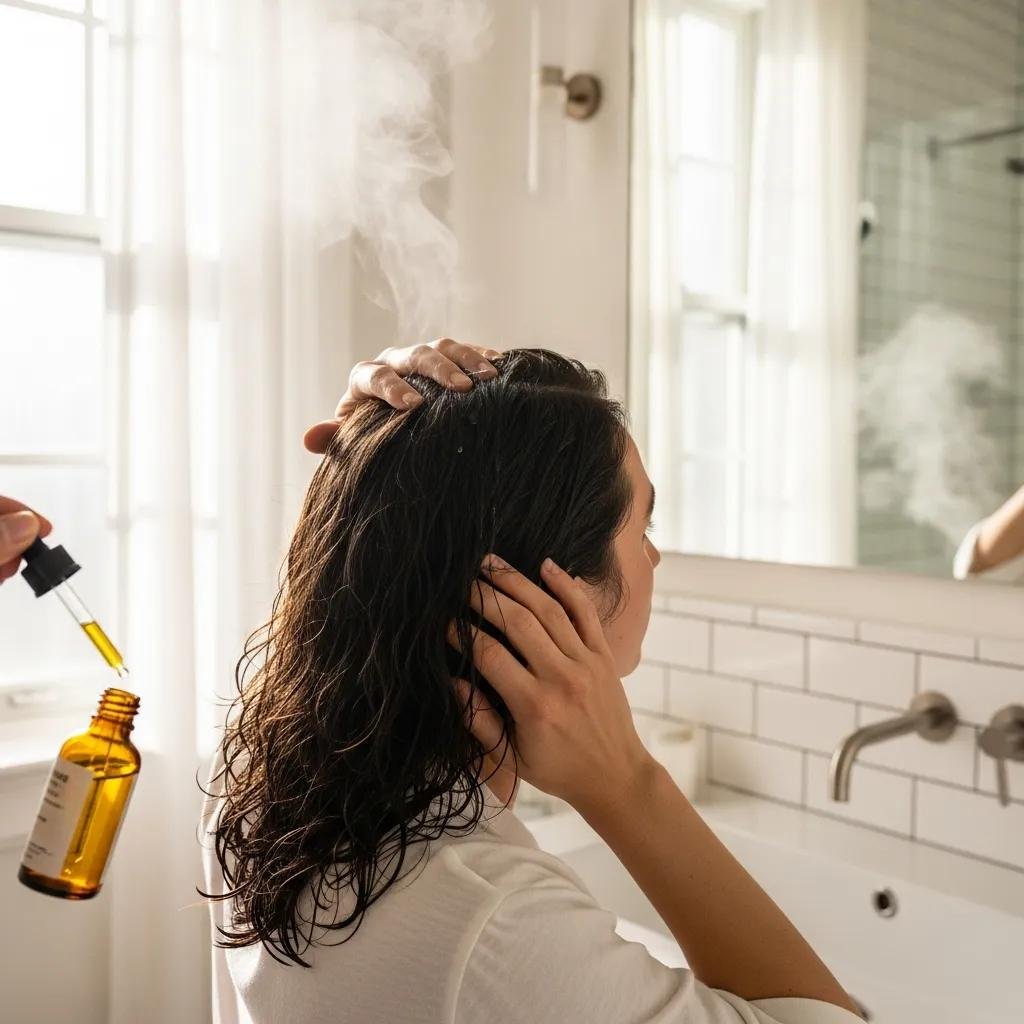
Hair oils serve as nutrient carriers and cuticle sealants: they help restore lipid balance, reduce friction and improve strength and shine. Oils with penetrating fatty acids can reach the cortex to lower protein loss, while surface oils smooth the cuticle to reduce tangles and breakage. Many oils also bring anti-inflammatory or antimicrobial compounds that support a healthier scalp — and a healthier scalp supports stronger, steadier growth. Below is a clear list of the main, research-backed benefits you’ll see when oils are used thoughtfully.
- Nourishment and cuticle sealing: Oils replace lost lipids and smooth the cuticle to lower porosity and protein loss.
- Better shine and light reflection: A smoothed cuticle reflects light more evenly, making hair look glossier without heavy styling products.
- Scalp environment support: Oils with antimicrobial or anti-inflammatory qualities help maintain a balanced scalp and reduce irritation.
- Protection from breakage: By reducing friction and temporarily sealing split ends, oils lower mechanical breakage during brushing and styling.
These effects work together: sealing and reduced friction mean less breakage and easier styling, while scalp support encourages a healthier growth environment. If you want a personalized plan, Kylie Studio Salon can assess your hair’s porosity and scalp condition and recommend targeted in-salon treatments and home routines. A short consultation helps us match oil selection to your hair type and goals while minimizing the risk of buildup or product mismatch.
How Do Natural Oils Nourish and Strengthen Hair?
Oils strengthen hair through their fatty-acid profiles and micronutrients, either by penetrating the shaft or forming a protective film on the cuticle. Oils high in lauric acid (a medium-chain fatty acid) tend to penetrate the cortex more effectively and reduce protein loss, while oleic- or linoleic-rich oils add emollience and flexibility. Antioxidants like vitamin E protect structural lipids and proteins from oxidative damage, helping hair resist breakage. Penetration, film formation and antioxidant protection together improve strand resilience during everyday styling and grooming.
Knowing how an oil interacts with the hair helps you use it smartly: a penetrating oil before shampooing can cut down on wash-related protein loss, while a light surface oil after styling can reduce friction and tame split ends. The next section looks at how these actions translate into visible shine and easier styling.
Can Hair Oils Improve Shine and Manageability?
Yes. Oils smooth raised cuticle scales and even out the hair’s surface, which boosts specular reflection and gives hair a glossier appearance. Lightweight oils in small doses work well as serums to control frizz on low-porosity or fine hair, while heavier oils offer lasting control and definition for coarse or curly textures. Dose carefully: start with a pea-size amount for short or fine hair and increase slightly for longer or drier hair to avoid greasiness. When you pick oils for both feel and optical effect, styling is simpler and hair looks healthier without piling on products.
Using the right method prevents weighed-down hair and keeps the finish you want. The next section compares oils commonly linked to growth and explains the science behind those choices.
Which Natural Oils Are Best for Hair Growth and Why?
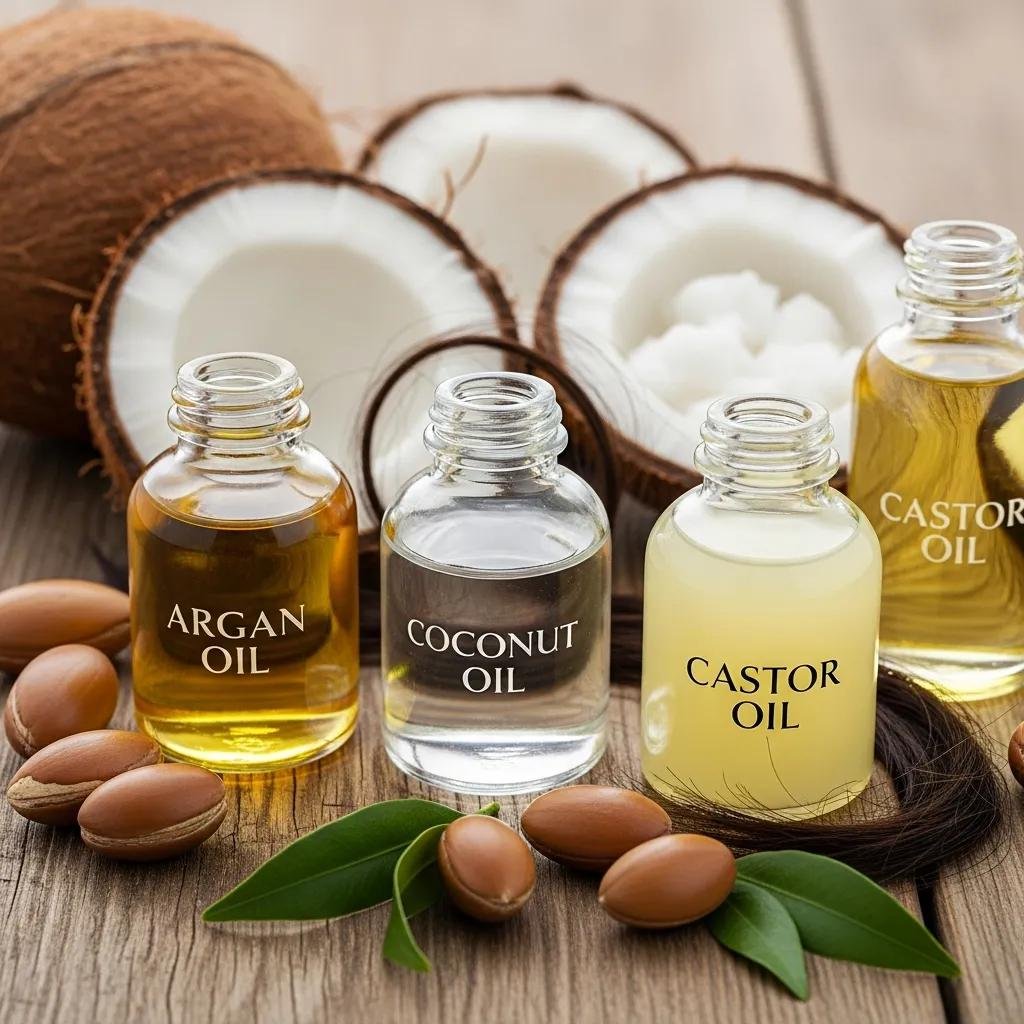
Some oils are favored for growth-supporting routines because of their molecular makeup and scalp benefits that help maintain the anagen phase. Argan, coconut and castor oils are common choices: argan brings vitamin E and essential fatty acids for scalp health; coconut penetrates the cortex to limit protein loss; castor, rich in ricinoleic acid, is thick and often used for targeted scalp applications and massage. Below is a compact comparison of these top oils and why they’re used in growth-oriented regimens.
- Argan oil: Rich in vitamin E and oleic/linoleic acids; nourishes and soothes scalp inflammation.
- Coconut oil: High in lauric acid; penetrates fibers to reduce protein loss and works well as a pre-shampoo treatment.
- Castor oil: Thick and ricinoleic-acid-rich; used for concentrated scalp care and protective coatings.
To compare active components and mechanisms, the table below pairs molecules with their main benefits and shows how each oil can contribute to healthier growth or a better scalp environment.
This table shows oils either penetrate and protect the shaft or help the scalp — both routes support healthier growth over time. The next sections profile argan and coconut oil with practical tips based on hair type.
What Makes Argan Oil Effective for Promoting Hair Growth?
Argan oil’s strength comes from antioxidants and a helpful balance of oleic and linoleic acids that support the scalp barrier and calm inflammation. Vitamin E protects follicular lipids from oxidative damage, while essential fatty acids help maintain skin integrity and moisture. Argan is typically best as a lightweight leave-in serum or finishing oil for medium to fine textures — it boosts shine and reduces friction without heavy buildup. Choose high-quality, cold-pressed argan oil and apply sparingly to ends or as a light scalp touch to keep things balanced.
Argan mainly supports scalp health and cuticle condition rather than directly stimulating follicles, so its role in growth routines is supportive. That distinction helps set realistic expectations for how often to use it and what results to expect. Next, we compare how coconut oil’s penetration differs and when to opt for it.
How Does Coconut Oil Support Hair Growth and Scalp Health?
Coconut oil is notable for its lauric acid, which bonds well with hair proteins and allows measurable cortex penetration that reduces protein loss during washing and styling. This structural protection preserves length by limiting breakage rather than increasing follicular output. Coconut oil also has mild antimicrobial effects that can support a balanced scalp when used as a pre-shampoo treatment. For best results, use coconut oil as a timed pre-shampoo mask or occasional overnight treatment on dry hair, then shampoo thoroughly to prevent residue.
Because coconut mainly protects structure and supports scalp cleansing, it pairs nicely with lighter leave-in oils for shine. The next section explains practical application methods and how to fit oils into different routines.
How to Incorporate Natural Oils into Your Hair Care Routine?
Adding oils means matching the method, frequency and oil choice to your hair porosity, scalp type and goals so you get benefits without buildup. Common approaches include pre-shampoo oiling for deep protection, leave-in serums for shine and frizz control, hot oil treatments for better absorption, and targeted scalp massages to support circulation. Picking the right application and cadence helps oils complement your shampoo, conditioner and styling steps rather than compete with them. Below we outline practical methods and a quick comparison to help you choose.
Here are step-by-step methods for common oil applications and what to expect from each.
- Pre-shampoo treatment: Warm a small amount, massage into lengths and ends, leave 20–60 minutes, then shampoo to remove excess.
- Leave-in serum: Use a pea-size amount on mid-lengths and ends of damp hair, avoiding the scalp to prevent greasiness.
- Hot oil treatment: Gently warm the oil, apply to scalp and hair, cover with a shower cap for 15–30 minutes, then shampoo and condition.
These methods vary by time and purpose, so choose based on whether you want deep conditioning, ongoing shine, or scalp nurturing. If you prefer professional help, Kylie Studio Salon offers in-salon oil treatments and customized home routines — a consultation will pinpoint which salon service and home schedule will balance moisture, shine and manageability for your hair.
Start with small test amounts and adjust timing based on how your hair feels to find the right balance between moisture and clarity. The following subsection outlines procedural steps so you can try each method safely at home.
What Are the Best Methods for Applying Hair Oils?
Good application depends on temperature, amount and distribution so oil covers hair evenly without greasiness. For pre-shampoo treatments, warm the oil slightly in your palms or a water bath, section hair and apply from mid-lengths to ends, avoiding heavy contact with the immediate scalp unless treating dryness. For scalp work, dilute viscous oils (like castor) with a lighter carrier (jojoba or argan) and use fingertips to massage for 5–10 minutes before leaving the oil in. If you notice residue, use a gentle clarifying shampoo and dry hair with a cotton T-shirt or microfiber towel to reduce friction.
Stick to recommended times and techniques to maximize results and prevent overuse. The next subsection covers how often to apply oils based on porosity and scalp condition.
How Often Should You Use Natural Oils for Optimal Results?
Frequency depends on hair porosity, scalp oiliness and your goals: low-porosity hair usually benefits from occasional heat-assisted treatments to improve absorption, while high-porosity hair often needs more frequent moisturizing. As a rule, pre-shampoo deep treatments can be used weekly to biweekly for damaged or porous hair, while light leave-in serums may be used 2–3 times a week — or daily in very dry climates at tiny doses. Watch for signs of overuse — limp hair, persistent residue or extra greasiness — and reduce frequency or switch to lighter oils if needed. A professional evaluation can fine-tune recommendations based on sebum levels and strand response.
If you notice buildup or an adverse scalp reaction, a salon assessment can determine whether a clarifying protocol or a product change is needed to restore balance.
What Are the Different Types of Natural Oils and Their Unique Benefits?
Oils differ in molecular weight, fatty-acid make-up and penetration ability, which determines whether an oil mainly penetrates the cortex or acts as a surface emollient. Common choices include argan, coconut, jojoba, castor and almond — each has distinct strengths: jojoba mimics sebum and balances the scalp; almond brings vitamin E and softness; castor gives occlusion and thickness where needed. Understanding these differences helps match oil properties to hair type and styling needs. The table below is a quick reference for planning routines.
In short: lighter oils suit finer hair and more frequent use, while heavier oils work best for targeted treatments. The sections that follow profile jojoba, castor and almond oil with practical tips for easy integration.
How Do Jojoba, Castor, and Almond Oils Benefit Hair Health?
Jojoba closely resembles human sebum and helps regulate scalp oil while offering light conditioning that suits fine to medium hair. Castor oil, rich in ricinoleic acid, provides a thick, occlusive layer often used for localized scalp care to improve lubrication and support tensile strength at the root. Almond oil delivers vitamin E and fatty acids that soften and smooth strands, improving comb-through and reducing breakage on chemically treated hair. Each oil plays a clear role: jojoba for balance, castor for targeted occlusion and thickness, and almond for moisturizing and smoothing.
Use each oil according to its viscosity and your needs: jojoba in small frequent doses, diluted castor for comfort and manageability, and almond as a finishing or conditioning boost.
Which Oils Are Best for Specific Hair Types and Concerns?
Match oil weight and penetration to your hair structure for the best results: fine hair does well with light, sebum-like oils such as jojoba or argan, while coarse or curly hair responds to coconut or castor for deep conditioning and definition. Chemically treated or high-porosity hair often needs heavier, penetrating oils and more frequent conditioning, while oily scalps benefit from lighter oils and less frequent application. For sensitive scalps, choose hypoallergenic, cold-pressed oils with minimal fragrance to lower irritation risk.
Combining methods — for example, a coconut pre-shampoo plus a light argan serum after washing — creates a good balance between structural protection and surface shine without overloading the hair.
Are There Any Precautions or Side Effects When Using Natural Hair Oils?
Yes — natural oils are generally safe, but allergic reactions, buildup and interactions with chemical treatments are real considerations. Patch testing helps identify sensitivities to nut-based or botanical oils, and clarifying routines or frequency adjustments can reduce buildup. Some oils may affect color-treated hair or interfere with processing if applied immediately before coloring or chemical services. Below are straightforward precautions and ways to avoid common problems.
- Patch test first: Put a small drop behind the ear and watch for 24–48 hours for redness, itching or swelling.
- Watch for buildup: If hair feels heavy or flat, cut back frequency and use a clarifying shampoo monthly.
- Mind chemical services: Avoid heavy oil applications right before coloring or chemical treatments to prevent uneven results.
Following these steps minimizes side effects and keeps both scalp and hair healthy. If irritation, discoloration or unexplained hair changes persist, seek professional advice to determine whether oils are contributing and to get corrective recommendations.
How to Identify Allergic Reactions to Hair Oils?
Allergic reactions usually show as localized itching, redness, swelling or a rash where the oil was applied, often within 24–48 hours. To patch-test, apply a small amount to an inconspicuous area, cover it and check for delayed reactions over two days. If you see symptoms, stop using the oil and consult a healthcare professional for severe or spreading reactions. Keeping a record of the oil brand and ingredients helps identify specific allergens and steer future choices.
Spotting an allergic response early prevents escalation and lets you switch to hypoallergenic alternatives when needed. Next, we cover how to avoid buildup and residue.
What Are the Best Practices to Avoid Overuse or Build-up?
Prevent buildup by controlling amounts, timing and cleansing: use minimal quantities for leave-ins, save heavier oils for pre-shampoo or overnight masks that are rinsed, and run a clarifying shampoo monthly to remove residue. Diluting thick oils with lighter carriers improves spreadability and reduces scalp buildup. If residue persists, try a sulfate-free clarifying protocol or one clarifying shampoo to reset volume and shine.
If you’re unsure, reduce frequency and observe how your hair reacts; if buildup continues, a professional scalp and strand assessment can identify the best corrective cleansing or product rotation plan. For personalized safety guidance and complex cases, Kylie Studio Salon offers consultations that review scalp condition, previous chemical services and product history to recommend safe, effective oil regimens.
Kylie Studio Salon is here to help clients use oil treatments safely and effectively. Our in-salon services and assessments reduce risk and optimize results. To translate these tips into a personalized routine, book a short consultation at Kylie Studio Salon — we’ll identify the right oils, application schedule and in-salon options to support stronger, shinier hair. Search Kylie Studio Salon online for local booking details.
Frequently Asked Questions
1. Can natural oils be used on all hair types?
Yes — oils can benefit all hair types, but the right oil and application method matter. Fine hair usually prefers lighter oils like jojoba or argan; thicker oils such as coconut or castor work better for coarse or curly hair. Knowing your hair’s porosity and texture helps you pick the correct oil and frequency to avoid buildup.
2. How do I know if I’m using too much hair oil?
Signs you’re overdoing it include limp, greasy-looking hair or loss of volume. If hair feels heavy or dull, you may be using too much or applying too often. Start small and increase gradually. If buildup appears, cut back or switch to lighter oils.
3. Are there specific oils that help with dandruff or scalp issues?
Yes. Tea tree oil has known antifungal properties useful for dandruff. Jojoba helps balance scalp oiliness, and coconut oil’s mild antimicrobial action can support a healthier scalp. Use these thoughtfully and consider a patch test before regular use.
4. How can I effectively remove oil buildup from my hair?
Use a clarifying shampoo designed to remove product residue. Home remedies like a baking soda paste or an apple-cider-vinegar rinse can also help, but always follow with a moisturizing conditioner since clarifying treatments can be drying.
5. Can I mix different oils for better results?
Yes — blending oils lets you combine strengths. For example, pairing a penetrating oil like coconut with a lightweight oil like argan can give structure and shine without heaviness. Make sure the oils complement your hair type to avoid unwanted effects.
6. Is it safe to use hair oils on color-treated hair?
Generally yes — many natural oils are color-safe. Argan and jojoba help maintain moisture and shine without stripping color. Avoid heavy oil use right before coloring, though, as oils can interfere with dye uptake. Check with your stylist for personalized advice.
7. How long does it take to see results from using hair oils?
Results vary by hair type and the oil used. You may notice better moisture, shine and manageability after a few uses. More noticeable changes, like reduced breakage or improved scalp health, usually appear after consistent use over several weeks. Patience and a steady routine pay off.
Conclusion
Natural oils can deliver real benefits — from nourishment and shine to improved manageability — when chosen and used correctly. Understanding what oils like argan, coconut and castor do helps you tailor a routine that supports your hair goals. For personalized guidance and to explore our professional oil treatments, schedule a consultation at Kylie Studio Salon. Let’s start your path to healthier, shinier hair.