
How to Encourage Faster, Healthier Hair Growth — Expert Tips & Treatments from Kylie Studio Salon
Faster, healthier hair starts with supporting the growth cycle, protecting each strand from damage, and keeping the scalp in a balanced, calm state so follicles can do their job. This guide walks through what drives hair growth biologically, practical nutrition and supplement advice, scalp-care and stimulation techniques, everyday habits that cut breakage, salon treatments that help retain length, and lifestyle steps that improve long-term hair health. You’ll find hands-on how-to instructions, foods to prioritize, and both DIY and professional options to encourage visible gains without sacrificing hair quality. Recent clinical perspectives highlight scalp circulation, adequate protein and micronutrients, and reducing mechanical and chemical stress as consistent foundations for better results.
Kylie Studio Salon in Bethesda, MD is a local resource led by stylist Ruth, who blends modern cutting and treatment expertise with an emphasis on strength and length retention. If you prefer an in-person assessment and a personalized plan, book a hair health consultation at the salon to access professional scalp therapies and strengthening services that support your at-home routine. The rest of this article focuses on practical, science-aligned steps you can start using right away to help your hair grow longer and stronger.
Key Factors That Influence Healthy Hair Growth
Healthy growth is shaped by biological, scalp, nutritional, environmental, and lifestyle factors that together determine how fast and well hair develops. Follicle function and the growth cycle set the baseline pace, while scalp condition controls nutrient delivery and inflammation. Adequate dietary building blocks and protection from physical and chemical damage determine whether new hair reaches usable length without breaking. Below we break these drivers into clear, actionable items you can address consistently to support faster, healthier growth.
Here’s a quick summary of the main factors that affect hair growth speed and quality:
- Genetic and biological factors — your inherent growth rate and the proportion of follicles in active growth determine baseline potential.
- Scalp environment — circulation, sebum balance, and the scalp microbiome influence follicle health.
- Nutrition and overall health — protein, vitamins, and minerals give follicles the materials they need to build strong shafts.
- External stressors — heat, harsh chemicals, and friction increase breakage and make growth less visible.
- Lifestyle — sleep, stress, hydration, and hormones all affect the growth cycle and shedding patterns.
These elements interact, so addressing scalp health and nutrition while reducing damage produces the best improvements. The next sections explain the hair growth cycle and why the scalp matters.
How Hair Follicles and the Growth Cycle Operate
Hair grows in repeating phases: anagen (growth), catagen (transition), and telogen (rest and shedding). The percentage of hairs in anagen determines how much new length appears over time. During anagen, follicles actively produce the shaft from matrix cells that depend on local blood flow and nutrients. When stressors push follicles into telogen, more hairs shed and length gains stall. That’s why steady interventions — good nutrition, scalp stimulation, and damage prevention — are needed for lasting improvement.
A healthy follicle also needs a balanced microenvironment: enough oxygen and micronutrients delivered by blood flow, a stable scalp barrier, and low chronic inflammation. Addressing these supports longer anagen phases and steadier daily growth.
Why Scalp Health Matters for Faster Growth
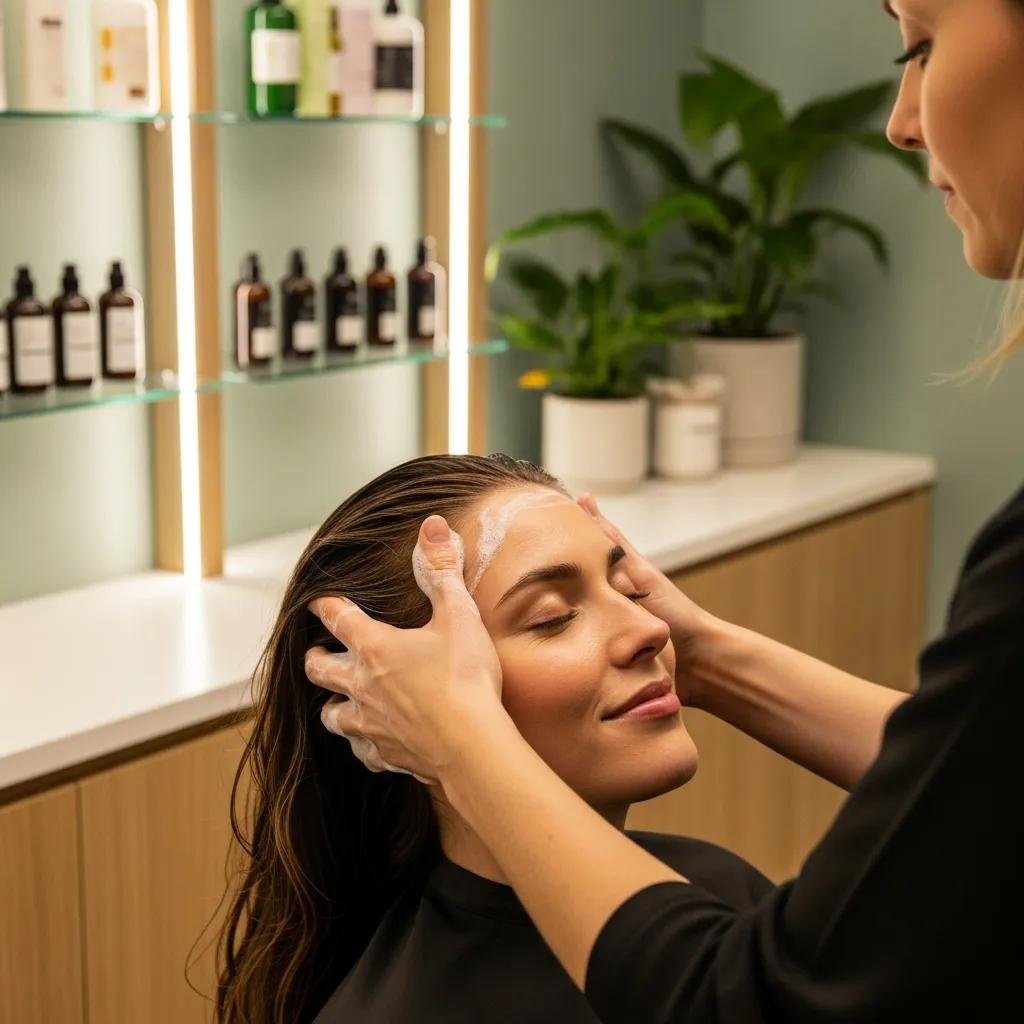
The scalp is the immediate habitat for follicles and directly affects nutrient delivery, inflammation, and microbial balance — all of which influence follicle performance and growth speed. Good circulation brings oxygen and amino acids to the follicle base, while a balanced microbiome and proper sebum levels prevent irritation that can trigger shedding. Simple steps — regular cleansing to remove buildup, gentle exfoliation to unclog follicles, and targeted stimulation to boost blood flow — improve the follicular environment and support healthier, faster-looking growth.
When you combine scalp care with dietary and lifestyle changes, follicles can work more efficiently and growth becomes more noticeable over a few months.
Which Nutrients and Foods Support Stronger, Faster Hair Growth?

Hair is mostly protein (keratin) and relies on specific vitamins, minerals, and fatty acids for structure, cell division, and follicle cycling. Protein provides the amino acids for keratin synthesis, iron supports oxygen delivery, zinc aids tissue repair, vitamin D influences follicle cycling, and omega-3s help keep scalp skin healthy. The table below compares key nutrients, their roles, and practical food sources so you can prioritize everyday choices.
The following table outlines essential nutrients, why they matter, and suggested food sources:
A varied, nutrient-dense diet that includes these elements supports follicle function and hair structure. Supplements can help when diet falls short or tests show deficiencies.
Essential Vitamins and Minerals for Hair Health
Certain micronutrients play direct roles in hair biology: iron helps oxygenate follicles, zinc supports repair and keratinocyte function, vitamin D is involved in follicle cycling, and B vitamins (including biotin) support scalp cell metabolism. Deficiency signs vary — fatigue and pallor with iron deficiency, or brittle nails and shedding with zinc imbalance — so blood testing is useful when shedding is unexplained. Food sources work for most people, but targeted supplements can correct shortfalls under clinical guidance. Regularly including diverse protein sources, iron-rich vegetables, and safe vitamin D exposure helps maintain steady growth.
If you suspect a deficiency, work with a clinician to avoid unnecessary or excessive supplementation and to check for other causes like thyroid issues that affect hair.
Foods and Supplements That Naturally Support Hair Growth
Simple food swaps can be put into practice immediately to support keratin production, follicle repair, and scalp health. Prioritize complete proteins, iron-rich foods, vitamin C to aid iron absorption, and omega-3s to manage scalp inflammation. Collagen or fish oil supplements may help support structure and scalp health for some people, and low-dose biotin can be useful if dietary intake is limited. Use supplements thoughtfully — high doses of some vitamins and minerals can cause harm — and consult a healthcare provider for long-term plans.
- Eat more eggs, salmon, spinach, nuts, legumes, and citrus fruits to support growth.
- Consider fish oil or collagen supplements if your diet is lacking these components.
- See a clinician for persistent shedding or suspected deficiencies before starting high-dose supplements.
These dietary actions increase the raw materials available to follicles and work well alongside topical and professional treatments described below.
How Scalp Care and Stimulation Help Hair Growth
Scalp care improves circulation, clears follicle-clogging buildup, and delivers actives that support the follicular environment — all of which make hair production more efficient. Mechanical stimulation, exfoliation, and targeted topical treatments act through different mechanisms: massage boosts blood flow, exfoliation clears dead skin and oil, and nutrient-rich masks bring supportive molecules to the scalp. A simple three-step approach — massage, exfoliate, professional therapy — is an easy routine to follow at home and in the salon.
Try these three steps to stimulate follicles and improve scalp health:
- Daily scalp massage: Use your fingertips for 3–5 minutes to gently increase circulation and nutrient delivery.
- Weekly exfoliation or clarifying wash: Use a gentle exfoliant or clarifying shampoo to remove buildup that can block follicles.
- Periodic professional scalp therapy: Book expert treatments to address persistent buildup or inflammation.
Consistent at-home care builds a base that professional services enhance. The table below helps you weigh DIY and salon options by how they stimulate follicles and how easy they are to use.
Pick the mix that fits your scalp and goals: daily massage and weekly exfoliation are effective foundations, while stubborn buildup or irritation usually benefits from a professional assessment.
What Scalp Treatments We Offer at Kylie Studio Salon
Professional scalp therapies pair mechanical stimulation with concentrated actives and an expert assessment to jump-start healthier follicle conditions. At Kylie Studio Salon in Bethesda, MD, our offerings include scalp detoxes, nutrient-rich masks, and focused massage therapies that clear follicles, rebalance the scalp microbiome, and improve circulation. These services go deeper than at-home care and can reduce inflammation while preparing the scalp for better hair production. Regular scalp sessions, combined with a consistent home routine, often lead to quicker improvements in texture and less breakage.
Working with Ruth or another stylist at Kylie Studio Salon means you’ll get a tailored schedule of scalp therapies and maintenance recommendations matched to your hair type and growth goals.
How At-Home Scalp Massages and Products Help Follicles
At-home scalp massage is a low-cost, high-return habit that increases microcirculation and supports nutrient delivery to the follicle bulbs when done regularly. Use circular motions with your fingertips for 3–5 minutes daily — during shampooing or as a standalone practice — and consider a light stimulating oil with peppermint or mild caffeine derivatives for a gentle boost. Use gentle exfoliating products with low-concentration acids or soft physical exfoliants weekly to reduce buildup, and avoid irritation. Consistent at-home stimulation plus periodic professional care creates a steady signal that helps follicles stay in productive growth phases.
Technique, frequency, and product choice matter: keep methods gentle, sessions short and consistent, and use formulas made for the scalp to prevent over-drying or reactive inflammation.
Hair Care Practices That Prevent Damage and Support Growth
Protecting existing hair from breakage is just as important as encouraging new growth — retaining length depends on reducing split ends, friction, and accumulated damage. Gentle handling, limiting heat (or using proper heat protection), choosing milder chemical services, and wearing low-tension protective styles all reduce mechanical and chemical stress. Regular trims remove split ends before they worsen, which helps hair look like it’s growing faster because less length is lost. The next sections cover heat and chemical management and how trims fit into a growth-focused routine.
Here’s a concise dos-and-don’ts checklist to protect hair and support steady length retention:
- Use a heat protectant and lower heat settings to reduce keratin damage during styling.
- Avoid frequent harsh chemical treatments that weaken the cuticle and increase porosity.
- Sleep on a silk or satin pillowcase and choose low-tension styles to cut down friction-related breakage.
- Trim ends every few months based on your texture and goals to stop split ends from progressing.
How Avoiding Heat and Chemical Damage Protects Hair
Heat styling and aggressive chemical processes alter hair’s keratin structure, increasing porosity and weakening tensile strength — which leads to breakage and a shorter usable length. High heat breaks hydrogen bonds and denatures proteins, while strong chemical services break disulfide bonds and reduce elasticity. To protect strands, use lower temperature settings, apply a quality heat protectant, space chemical services to allow recovery, and choose gentler formulas when possible. Over time, limiting damaging processes improves resilience and reduces split-end formation, allowing hair to retain more length instead of repeatedly breaking off.
Recovery time depends on the severity of damage, but consistent protective habits usually show better texture and less breakage after a few treatment cycles.
Why Regular Trims Matter for Healthy Ends
Trims remove split ends before they travel up the shaft and cause larger structural failure, which preserves the length your follicles are producing. While trims don’t speed follicle growth, they prevent progressive breakage that shortens visible length and can make growth appear stalled. Trim frequency depends on texture and goals: people keeping maximum length may trim small amounts every 10–14 weeks, while highly textured or chemically processed hair often benefits from slightly more frequent maintenance to control split-end progression. Trims also give a clean base for protective styles and reduce friction points that trigger breakage.
Include trims in a growth-focused plan to balance length retention with healthy end management and maximize visible gains from other strategies.
Which Salon Treatments Strengthen Hair and Support Growth in Bethesda?
Salon treatments focus on strand strength, cuticle sealing, and moisture balance — all of which reduce breakage so follicle growth translates into actual length. In Bethesda, common options like keratin smoothing and deep conditioning masks help fill cuticle gaps, lower porosity, and improve elasticity, which together reduce breakage. Personalized consultations determine whether a strengthening treatment, bond repair service, or scalp therapy is the best fit for your hair type and goals. The table below compares typical salon treatments, how they work, and expected results to help you choose.
How Keratin and Deep Conditioning Treatments Build Strength
Keratin smoothing treatments deposit protein and smoothing agents that temporarily fill cuticle gaps, lowering friction and brittleness so strands resist breakage during styling. Deep conditioning replenishes moisture, lipids, and strengthening humectants so the cortex regains elasticity and is less likely to snap under tension. Keratin treatments focus on smoothing and sealing, while deep conditioning restores internal moisture. Follow-up care — gentle products, reduced heat, and periodic at-home masks — helps maintain salon results and extend their protective effect on growth.
When strength and reduced breakage are the goal, combining salon services with supportive at-home care produces the best long-term improvements in length retention.
What Personalized Consultations Look Like at Kylie Studio Salon
A consultation at Kylie Studio Salon starts with a scalp and strand assessment to tell true thinning from breakage-related length loss. From there we build a tailored plan that may include scalp therapies, strengthening treatments, and at-home care recommendations. The stylist reviews your texture, chemical history, and lifestyle to suggest a sequence of services — like a scalp detox or keratin smoothing session — plus product picks and a follow-up schedule. This collaborative plan focuses on reducing breakage, improving scalp health, and tracking progress on a realistic timeline. Clients in Bethesda can book a consultation to receive a customized roadmap built around their growth goals.
Personalized plans connect salon expertise with consistent home care to speed healthy, visible gains while protecting the hair you already have.
How Lifestyle Affects Hair Growth and Overall Hair Health
Lifestyle factors influence the systemic signals that regulate the hair growth cycle: stress, sleep, hydration, and hormones can speed up shedding or lengthen resting phases when out of balance. Chronic stress raises cortisol and related signals that may push follicles into telogen, increasing shedding months after the stressor. Adequate sleep supports hormonal rhythms and recovery processes that maintain follicle cycling, while hydration and metabolic health ensure nutrients reach the scalp. The sections below offer practical stress-reduction and hydration strategies and explain when to seek medical advice.
Small, consistent lifestyle changes often produce noticeable improvements in shedding and texture within a few months as follicles return to a healthier cycle.
Stress Management and Sleep: Why They Matter
Stress and poor sleep can cause more follicles to enter telogen (shedding), producing noticeable hair loss weeks to months after the event. Practices like mindfulness, regular exercise, and consistent sleep schedules help normalize hormonal signals and support a return to anagen-dominant growth. Better sleep hygiene — steady bedtimes, less evening screen time, and a calming pre-bed routine — helps systemic recovery that benefits follicle function. Over several months, steady stress management and improved sleep usually reduce shedding and let new growth show.
If shedding is sudden or severe, see a clinician to rule out medical causes such as thyroid conditions or nutritional deficiencies.
Hydration and Hormones: Their Impact on Hair
Hydration helps scalp skin stay elastic and maintains the microenvironment around follicles, while hormones (thyroid hormones, androgens) directly influence follicle cycling and shaft production. Adequate daily water intake, a nutrient-rich diet, and attention to metabolic health support the conditions follicles need to produce strong hair. Hormonal imbalances can show as pattern changes in shedding or texture and usually require medical assessment and targeted treatment. If you notice sudden diffuse shedding, rapid texture change, or other systemic symptoms, seek medical evaluation to find treatable endocrine or systemic causes.
For most people, improving hydration and addressing sleep and stress — combined with targeted salon and at-home care — supports faster, healthier growth.
Frequently Asked Questions
1. How often should I get professional scalp treatments for optimal hair growth?
We generally recommend professional scalp treatments every 4 to 6 weeks. That cadence keeps follicles clean, stimulated, and supported with nutrients. Individual needs vary, though — a stylist can tailor frequency based on your scalp condition and hair goals.
2. Can stress management techniques really improve hair growth?
Yes. Chronic stress can push follicles into the shedding phase, so stress-reduction practices like mindfulness, yoga, or regular exercise help normalize hormones and support healthier growth cycles. Over time, these habits often reduce shedding and make new growth more visible.
3. What are the signs of nutritional deficiencies affecting hair health?
Look for increased shedding, brittle or thinning hair, and slow growth. Iron deficiency often brings fatigue and pallor, while low zinc can show as brittle nails and hair loss. If you see these signs, get checked by a healthcare provider — correcting deficiencies through diet or targeted supplements can restore hair health.
4. How can I tell if my hair loss is due to breakage or thinning?
Examine the strands: short, snapped pieces and split ends point to breakage, while thinning shows as reduced volume and fewer hairs overall. A professional assessment can distinguish the cause and guide the right plan.
5. Are there specific hairstyles that promote hair growth?
Protective styles like loose braids, buns, and twists reduce exposure and friction, which helps retain length. Avoid styles that pull tightly, since traction can cause hair loss. Use soft hair ties, limit heat, and rotate styles to prevent repeated stress on the same areas.
6. What role does hydration play in maintaining healthy hair?
Hydration supports scalp elasticity and the microenvironment around follicles, helping nutrients reach roots more effectively. Well-hydrated hair is less prone to dryness and breakage. Aim for a balanced diet with water-rich foods and adequate daily fluid intake.
7. How can I effectively incorporate scalp massages into my routine?
Scalp massage is easy to add: use your fingertips in gentle circular motions for 3–5 minutes daily, either while shampooing or separately. Consider a light stimulating oil like peppermint for a mild boost. Consistency is key — regular massage improves circulation and supports nutrient delivery to follicles.
Conclusion
Faster, healthier hair comes from a balanced approach: smart nutrition, consistent scalp care, and protective styling. By addressing the biological drivers, calming the scalp, and avoiding avoidable damage, you’ll give your hair the best chance to grow longer and stronger. For personalized guidance tailored to your hair and lifestyle, book a consultation at Kylie Studio Salon — we’ll build a plan that suits your goals and helps you see real results. Start your journey to resilient, vibrant hair today.
Health note: This article provides general educational information and is not medical advice. Sudden, severe, or persistent hair or scalp changes should be evaluated by a qualified healthcare professional or dermatologist.