Thick Hair Made Easy: Smart Haircuts, Styling Tips, and 2024–25 Trends
Thick hair gives you beautiful volume — and some daily styling work. This guide explains what we mean by “thick hair,” why it can feel heavy or slow to dry, and which cuts and techniques make it easier to manage while keeping movement and style. You’ll learn how layering, texturizing, and trend-forward looks like shags and wolf cuts help dense hair, plus simple blow-dry and air-dry routines that cut time and control frizz. We also compare common haircut types, recommend salon-ready products and tools, and share how Kylie Studio Salon in Bethesda — and Ruth, our owner and master stylist — pair technical skill with a personalized consultation to get lasting, realistic results.
What Counts as Thick Hair — and Why It Can Be Tricky?
When we say “thick hair,” we’re looking at three things: density (how many hairs you have), texture (strand width and curl), and volume (how full it reads). Together they affect how a cut sits, how fast hair dries, and whether styles hold their shape. Knowing whether your main challenge is dense bulk or texture-driven frizz changes the cut and product choices a stylist will recommend. Below we break those factors down so you can spot the patterns and match them to practical solutions.
How Density, Texture, and Volume Shape Thick Hair
Density measures hair per square inch, texture describes each strand’s thickness and curl, and volume is the overall visual mass. High density with fine strands can feel heavy; coarse strands add bulk and resist sleek looks; curls increase perceived volume and need different internal layering than straight thick hair. For instance, internal layers work great on straight, dense hair to remove weight while preserving length, while longer, graduated layers help curly, dense hair form a defined shape. Knowing this helps you ask for targeted techniques — internal layering, slide cutting, or point cutting — at your next salon visit.
Typical Problems People with Thick Hair Report
Clients with thick hair commonly mention five recurring issues: ends that feel heavy, flat roots, long drying times, frizz in humidity, and trouble getting movement. Each has a straightforward fix — internal layers to remove weight, crown-focused layering for lift, sectioned blow-dry routines for speed, smoothing products for humidity, and texturizing to create motion. Here’s a quick pairing of problem and practical salon or at-home solution.
- Bulk at the ends — internal layers or long layers redistribute weight without shortening too much.
- Flat roots — targeted layering and root-lift drying techniques add natural volume.
- Long drying time — work in sections and use heat-management tools for faster results.
- Humidity frizz — smoothing creams and leave-ins on mid-lengths and ends help tame flyaways.
- Lack of movement — texturizing shears or point cutting create shape and separation.
These challenges map directly to the haircut styles we cover next — each approach includes pros, cons, and maintenance expectations so you know what to expect before booking.
Which Haircuts Make Thick Hair Easier to Handle?
Controlling volume in dense hair comes down to three ideas: remove internal weight with layers, shape the perimeter with graduated cuts (angled or stacked bobs), and add controlled texture with razoring or point cutting. Layering reduces bulk while keeping length, bobs and lobs create a lighter-looking outline, and texturizing breaks up heavy silhouettes. Use the table below to match a cut to your lifestyle and upkeep preferences before you consult a stylist.
That snapshot helps you choose a direction. The sections below explain layered methods and bob/lob variations in plain terms so you can request the right technique at the salon.
How Layered Cuts Reduce Bulk and Add Movement
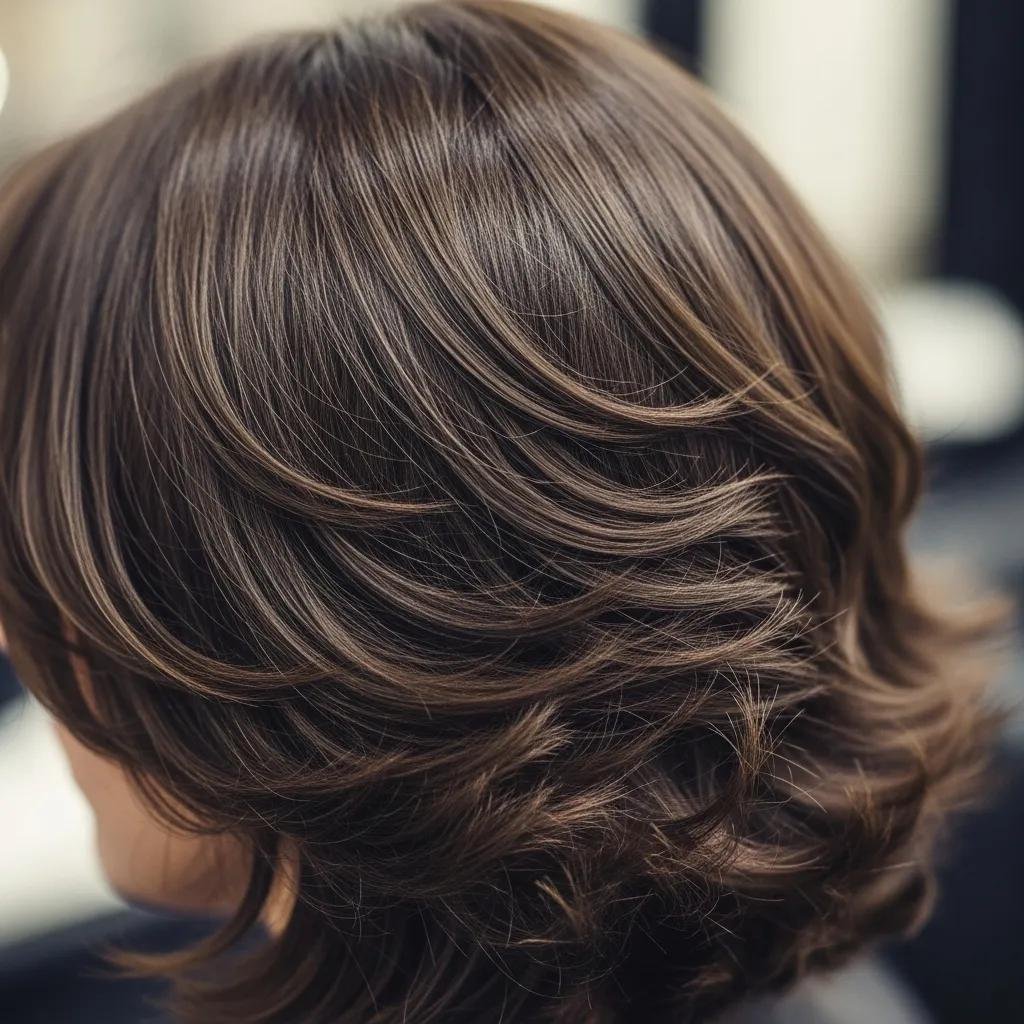
Layered haircuts remove weight from the inside rather than chopping the outer length, so the shape stays intact while the hair moves more freely. Internal layers are cut within the hair’s body so the outer perimeter looks full, but the bulk is redistributed — that prevents a triangle or heavy bottom. Face-framing layers soften the front and keep attention on your features without forcing daily styling. When you ask for layers, say “internal layering” or “face-framing layers” to signal you want length preserved with improved manageability.
Bob and Lob Variations That Work for Thick Hair
For thick hair, modern bobs and lobs often use a stacked or graduated perimeter so weight sits closer to the head and the angle creates perceived lightness. Angled bobs hit around the jaw or collarbone and can be stacked at the nape to remove bulk; textured lobs keep shoulder-length hair but add internal movement so the style never looks heavy. Shorter stacked cuts need more frequent shaping, while textured lobs allow longer stretches between visits — pick the silhouette that fits your routine. Ask for soft point cutting at the ends and minimal bluntness on the outer edge to keep movement.
Which Trendy Cuts Are Best for Thick Hair in 2024–2025?
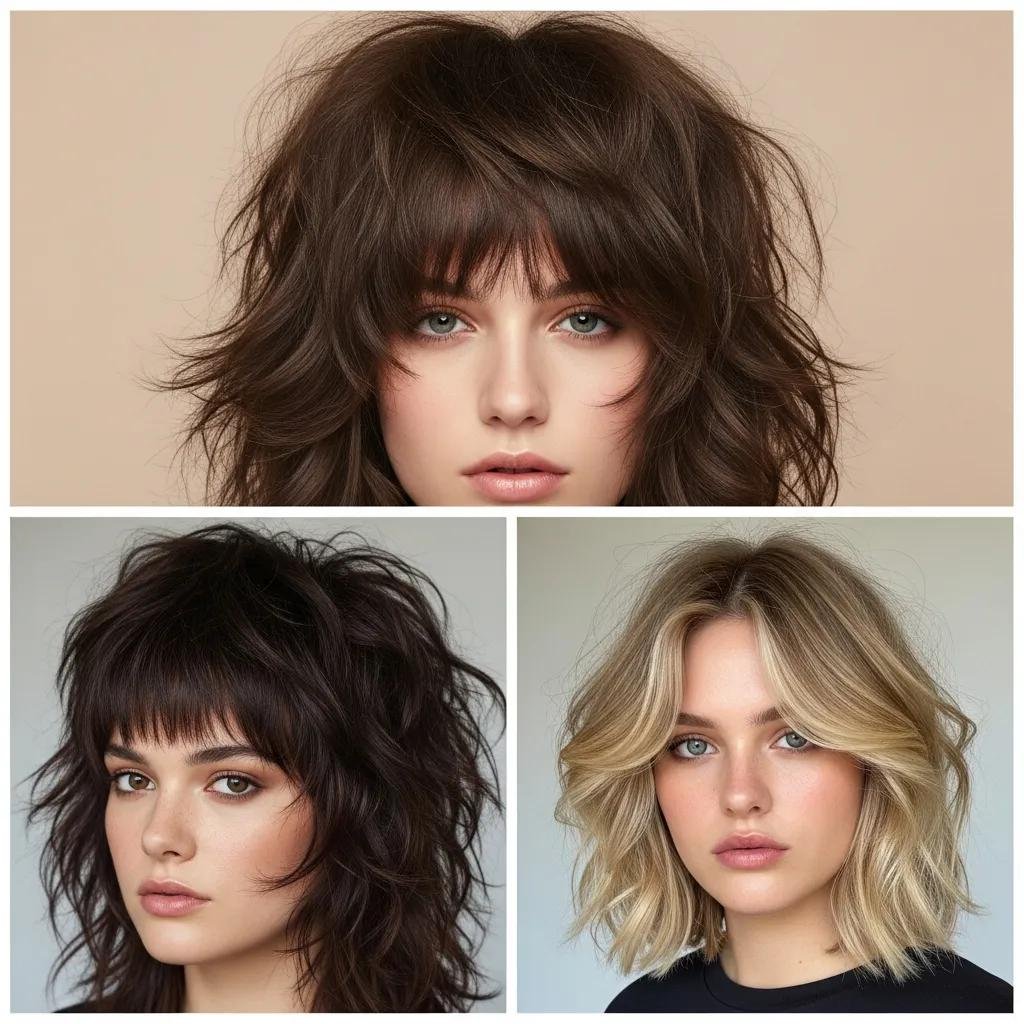
Across 2024–25, trends for thick hair lean into layered texture and effortless shape — think shags, wolf cuts, butterfly cuts, and the Italian bob. These styles use graduated layering and interior texturizing to create controlled movement and reduce boxy weight. They’re also low-effort: cutting patterns let hair fall naturally and speed up air-drying. The table below explains why each trend suits dense hair and what to ask your stylist for.
These looks emphasize texture over blunt weight, which is exactly what dense hair needs. Below we explain why shags and wolf cuts are so flattering and how to thin long hair safely when needed.
Why Shags and Wolf Cuts Are So Flattering on Thick Hair
Shags and wolf cuts split hair into multiple lengths, which reduces perceived bulk and gives instant shape. The cuts rely on texturizing and point cutting to remove weight while creating soft, curtain-like framing around the face. They’re versatile — they look great air-dried, with a blowout, or when you add a simple product for texture. When asking for one, request layered tiers and texture at the ends so the hair feels airy, not over-thinned.
How Strategic Thinning Keeps Length Without Looking Patchy
Long hair can stay long and feel lighter when we use careful thinning: internal slide cutting, selective razoring, or conservative thinning shears applied only where weight builds. The goal is to keep the outer length intact while letting the interior slide and move. Warning signs of over-thinning are see-through ends and frizzy gaps — a good stylist will balance removal and keep the perimeter strong so your hair still reads full and healthy.
Styling and Maintenance Tips for Thick Hair
Keep styling practical: use efficient blow-dry methods that save time and protect shape, and layer products to control frizz and enhance texture. Work in sections, use moderate heat, lift roots first, and finish with smoothing products on mid-lengths and ends. Tools like ionic dryers, large round brushes, and diffusers speed drying and shape. The table below lists the product categories and tools we rely on with quick application notes to build a simple routine.
Next we walk through step-by-step blow-dry and air-dry routines and explain how salon services support home care.
Best Practices for Blow-Drying and Air-Drying Thick Hair
For a fast, polished blow-dry: gently towel dry, apply leave-in and a touch of smoothing cream, divide hair into sections, dry roots first with a root-lift technique, then smooth lengths with a large round brush and finish with a cool blast to set. Curly thick hair benefits from a diffuser to preserve pattern without adding bulk. For air-drying, apply a lightweight cream or light gel, scrunch or twist sections to encourage your natural shape, and avoid touching hair while it dries. These routines cut heat exposure and make your style last longer.
Products That Help Control Volume and Frizz
Layer products in this order: detangler/leave-in on damp hair, smoothing cream before heat, and a light texturizer or serum after styling. Serums or light oils on mid-lengths and ends tame flyaways without flattening roots; leave-ins keep moisture balanced so humidity doesn’t take over. Salon treatments — like professional smoothing or intensive conditioning — add longer-lasting manageability for clients who want extra control. Choose formulas made for thick or coarse hair that add slip and smoothness rather than heavy buildup.
Why Book Your Thick Hair Service at Kylie Studio Salon in Bethesda, MD?
Kylie Studio Salon is a Bethesda salon that specializes in hair that’s dense or textured. We pair trend-aware techniques with honest consultations so your cut fits how you live your life. Our goal is to give you a style that’s both flattering and doable at home — we leave you with a clear maintenance plan and product guidance so the look lasts. Below we summarize Ruth’s strengths and how our consultation process supports thick-hair clients.
Ruth’s Expertise with Dense and Textured Hair
Ruth, the owner and master stylist at Kylie Studio Salon, brings years of experience and up-to-date cutting techniques to work with thick hair. Her strengths include precision cutting, internal layering, and texture placement — all used to reduce bulk while keeping the length and movement clients want. That combination of technical skill and trend-savvy results in cuts that are fashionable and functional, with realistic styling plans you can follow at home.
How a Personalized Consultation Improves Your Cut
At consultation we cover face shape, density, texture, daily styling habits, and how much time you want to spend on upkeep. That helps us choose the right layering pattern — internal layers or external tiers — and set sensible touch-up intervals so you don’t end up over- or under-serviced. Many consultations lead to a combined service (for example, a Women’s Haircut + Blow-Dry) so you can see the finished look and learn the at-home routine. To schedule, call 301-922-7864 or book via our Google Business Profile.
Frequently Asked Questions
What are the best products for thick hair maintenance?
Look for products made for dense or coarse hair: a lightweight leave-in for hydration, a smoothing cream to control frizz, and a texturizing spray to define layers. An ionic dryer also helps speed styling and reduce frizz. Apply in layers — leave-in on damp hair, smoothing cream before heat, and a light texturizer after styling — for consistent, long-lasting results.
How often should I get my thick hair cut?
Timing depends on the style. Layered long cuts usually need a trim every 6–8 weeks to maintain shape. Bobs or lobs that rely on a precise perimeter often need a refresh every 4–6 weeks. Shags and wolf cuts are forgiving and can stretch to 8–12 weeks. Ask your stylist for a personalized schedule based on your cut and how quickly your hair grows.
Can thick hair be styled without heat?
Absolutely. For air-dried styles, apply a lightweight cream or gel to damp hair and scrunch or twist sections to encourage natural texture. Braids or twists can create waves while drying. A light texturizing spray on dry hair adds separation. These methods reduce heat damage and often look more lived-in and natural.
What should I ask for during a salon consultation for thick hair?
Talk about your hair’s density and texture, your daily routine, and what you want to change. Ask about internal layering, point cutting, or texturizing to manage bulk, and mention any specific problems (frizz, long drying time). The more details you give, the better your stylist can tailor a cut and product plan that fits your life.
Are there specific haircuts to avoid for thick hair?
Certain blunt cuts can make thick hair look heavy and boxy, and extremely short styles may exaggerate density. Instead, choose cuts with layers or texture to break up weight and add movement. Always discuss your goals with your stylist so you pick a flattering look that works with your hair’s natural behavior.
How can I prevent frizz in thick hair?
Focus on moisture and the right products: a hydrating shampoo and conditioner, a leave-in treatment, and a smoothing cream before heat styling. Use a diffuser for curls, avoid over-touching hair while it dries, and get regular trims to remove split ends. Consistent product layering and occasional professional treatments will keep frizz under control.
What Is the Best Haircut for Thick Hair?
There’s no single “best” cut — it depends on your goal. Want length without the weight? Internal layers. Want a lifted, lightweight outline? A graduated bob or lob. Want easy, lived-in texture? A shag or wolf cut. Book a consultation so we can match technique to your density, texture, and daily routine — that’s how you get a cut that looks great and is actually easy to style.
How Do You Make Thick Hair Less Bulky?
Reduce bulk without losing length by prioritizing internal layering and targeted slide-thinning rather than heavy thinning at the ends. Salon techniques remove weight from the interior while preserving a full-looking perimeter. At home, use smoothing leave-ins, sectioned blow-drying for root lift, and light texturizers for separation. Don’t over-thin at home — if you’re unsure, book a consultation so a stylist can recommend the safest, most effective approach.
Quick at-home tips to reduce bulk:
- Apply a leave-in conditioner to detangle and reduce friction.
- Blow-dry in sections, using a root-lift technique to shape the cut.
- Smooth mid-lengths and ends with a small amount of smoothing cream to control frizz.
Those steps reduce visual weight and prepare your hair for a precise salon cut, which gives the most reliable, long-term results.
If you’d like professional help, Kylie Studio Salon offers tailored services including Women’s Haircut & Blow-Dry and Blowout sessions to teach the styling routine that keeps thick hair looking its best. To book a consultation or service, call 301-922-7864 or visit our local business listing for online booking options.
Conclusion
Thick hair is an asset — with the right haircut, techniques, and products it’s also manageable. Layering, texturizing, and trend-aware cuts give movement while reducing bulk and frizz. For a personalized plan, book a consultation at Kylie Studio Salon and let our stylists help you find a look that fits your life and your hair. Embrace your thickness — we’ll help you make it effortless.