Balayage vs. Ombré: Which Hair Color Fits Your Style at Kylie Studio Salon?
Choosing between balayage and ombré starts with knowing how each technique changes movement, contrast, and upkeep. This guide walks you through both looks, points out the visual and maintenance differences, and helps you match your desired style, routine, and hair type to the right approach. You’ll learn what each technique actually does, how stylists create the effects, which lengths and textures show them best, and practical steps to keep color healthy and vibrant. We also include side‑by‑side comparisons, a decision matrix, and product and treatment suggestions. If you want help choosing in person, we explain how Kylie Studio Salon’s consultation process and our stylists make a tailored plan for lasting color.
What is Balayage? Understanding the Hand-Painted Hair Coloring Technique
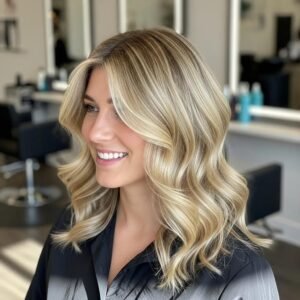
Balayage is a freehand highlighting method where a stylist paints light onto select surface strands to build soft, sun-kissed dimension—without the uniform lines of traditional foils. Placement usually emphasizes root-to-mid lengths with lighter ends, creating a graduated look that enhances movement and frames your face. Instead of a single‑level highlight, balayage layers brightness to create depth and texture. It’s a go-to for clients who want natural-looking brightness with lower-maintenance regrowth. Knowing how placement and blending work is key to understanding what sets balayage apart from other highlight techniques.
How Does Balayage Create Natural, Sun-Kissed Highlights?
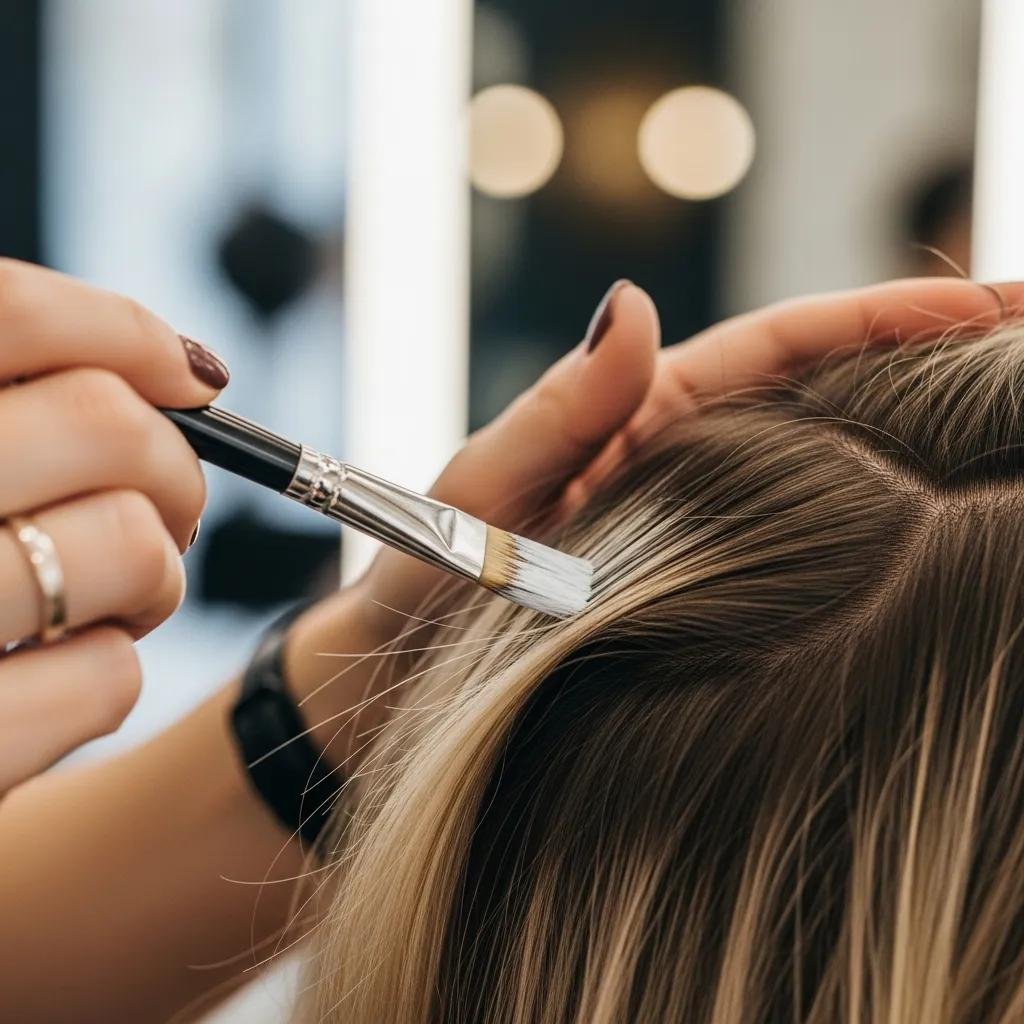
Balayage produces natural highlights by selectively lightening sections with feathered, graduated strokes so you avoid harsh lines and mimic sun exposure. Stylists focus on mid-lengths and ends, varying saturation and stroke width to build dimension and a softer root contrast. Because the color is applied freehand, we can tailor placement for your face shape and how your hair moves, then neutralize any brassiness with a toner if needed. The result is intentional-looking regrowth that reads soft and lived-in rather than stripy—one reason balayage is so low‑maintenance.
Which Hair Types and Lengths Suit Balayage Best?
Balayage works across textures but shines on shoulder‑length to long hair, where gradual highlights catch movement and add depth. For fine hair, we use subtler strokes and slightly darker lowlights to keep volume while adding brightness. On thicker or coarser hair, broader sections and stronger contrast accentuate texture. Curly and wavy hair often reveal more dimension because curls show multiple tones as they move. When deciding if balayage is right for you, think about length, the contrast you want, and how often you’re happy to come in for toning or refreshes.
What is Ombré? Exploring the Gradient Hair Color Style
Ombré creates a deliberate gradient from darker roots to lighter ends—think a clear root-to-tip shift that can be bold or softened into a sombre look. The stylist preserves root depth and concentrates lift toward the ends, then blends the mids to create a smooth or intentionally noticeable break depending on your preference. Ombré’s two-tone structure gives it a signature contrast and affects session length and upkeep differently than freehand highlights, which matters when you’re weighing options.
How Does Ombré Achieve Dramatic Root-to-End Color Transitions?
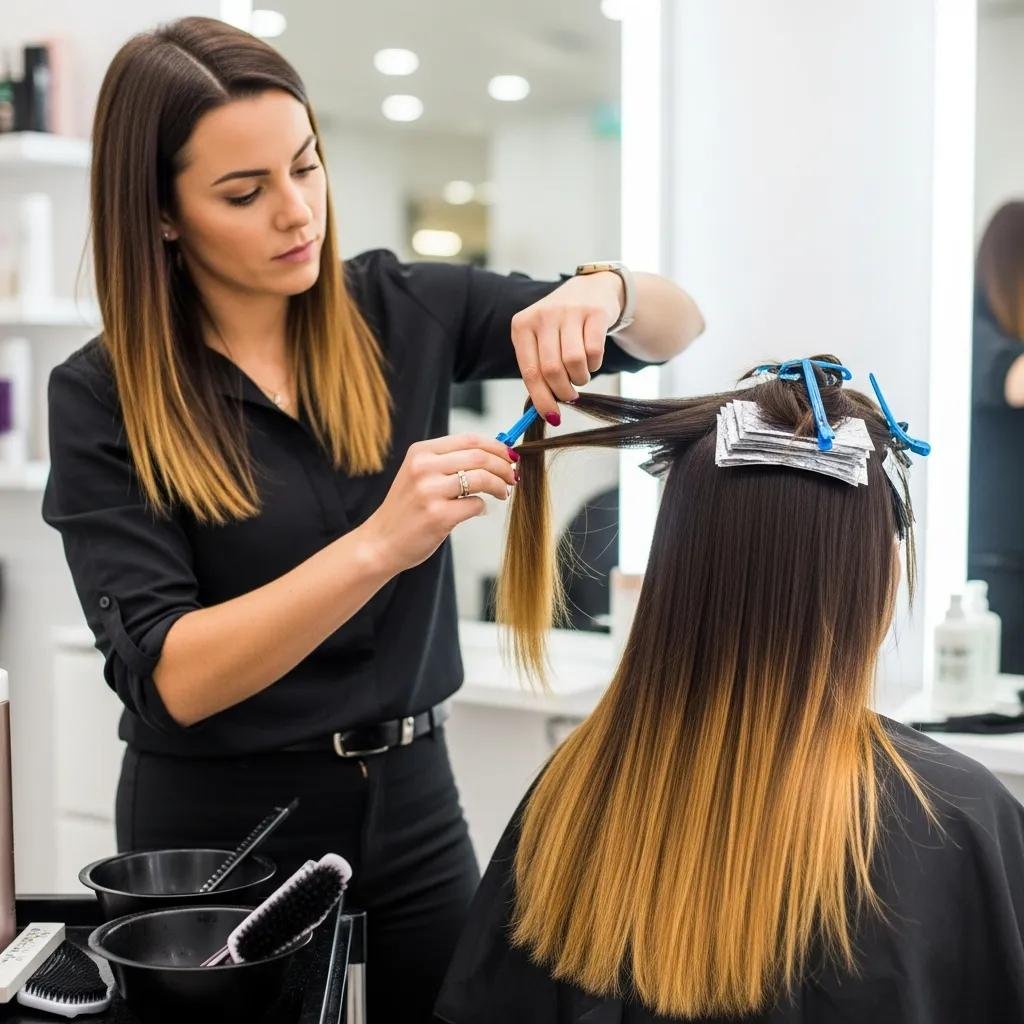
Ombré is achieved by protecting the roots while lifting the mid-lengths and ends—often using sectioning, backcombing, or foils to isolate the transition zone. We determine where the gradient should begin based on face shape and styling goals, then apply lightener and feather at the midpoint to avoid a harsh line. Timing and developer strength are adjusted to lift only the intended sections, and toners refine the final shade. Because ombré keeps root depth, it often looks fresher at the scalp longer, though the ends need more attention to stay bright.
Which Hair Types and Lengths Are Ideal for Ombré?
Ombré works best on medium to long hair, where there’s enough length to balance the gradient. Straight and gently wavy hair show the contrast cleanly; curly hair creates a softer, multifaceted gradient as ringlets reveal different tones. Fine hair can carry ombré with softer contrasts so thinness isn’t emphasized, while thicker hair can take a stronger, more dramatic lift. Pre-existing color matters too—darker bases may need more lift at the ends, and we always factor in hair health before processing.
What Are the Key Differences Between Balayage and Ombré?
Balayage and ombré are both modern color techniques but differ in application, look, and upkeep. Balayage is hand-painted for scattered, natural highlights and softer regrowth; ombré creates a root-to-tip gradient with a clearer two-tone contrast. Balayage blends into your base for lower-frequency touch-ups; ombré preserves darker roots and concentrates maintenance on the ends. These differences influence session time, the finished effect, and your maintenance plan over the months ahead.
Intro to comparison table: The table below condenses practical differences across technique, look, maintenance, ideal hair types, and typical session notes.
This comparison shows how your aesthetic goals and maintenance tolerance point to the better fit between the two techniques. The procedural differences also shape how stylists plan application and timing.
How Do Application Techniques Differ Between Balayage and Ombré?
Balayage uses freehand strokes, feathering, and selective saturation to place highlights where light hits naturally. Ombré concentrates lift on the ends while preserving root depth and blending through the mid-lengths. Tools vary: balayage favors brushes and open painting, while ombré may use foils or backcombing to isolate sections. Timing and products differ because ombré often requires stronger lift at the ends, whereas balayage layers varied lift for dimension. Your stylist chooses the approach that fits your hair condition, desired contrast, and upkeep tolerance.
What Are the Visual and Maintenance Differences?
Visually, balayage reads as scattered highlights that create soft, sun-kissed movement; ombré reads as a clear gradient with a visible transition that can be subtle or bold. Maintenance-wise, balayage usually allows longer intervals between touch-ups—often four to eight months—as regrowth blends with the painted pieces. Ombré may need more frequent toning at the ends to keep brightness and reduce brassiness, with touch-ups centered on the ends rather than the roots. Product choices reflect that difference: balayage benefits from vibrancy-preserving and bond-building treatments, while ombré often needs clarifying lighteners and toners to keep the gradient crisp.
How to Choose Between Balayage and Ombré for Your Hair?
Pick a technique based on the look you want, your daily styling routine, hair type and health, and how often you want salon touch-ups. Balayage suits clients who want natural brightness with lower-maintenance regrowth; ombré is for those who prefer a clearer contrast and a statement gradient. Time and budget matter: a complex multi-tone balayage can take longer and require careful blending, while ombré sessions focus lift on the ends and may be quicker but need end maintenance. Use the decision matrix below to match your look and lifestyle to a recommended technique.
Intro to decision matrix table: This table links common goals, hair types, and maintenance preferences to a suggested technique so you can decide with confidence.
This matrix turns your aesthetic goals into a practical recommendation. Next, we share persona-based examples and budget notes to refine your choice.
1. Persona-based recommendations help match looks to routines:
- Busy professional wanting low upkeep: Balayage gives natural regrowth and fewer salon visits.
- Trend-seeking client wanting bold contrast: Ombré creates a photo-friendly statement gradient.
- Client with fragile or previously colored hair: A softer balayage approach protects integrity while adding brightness.
Summary: Align your desired look, hair health, and maintenance capacity to narrow the right technique and prepare for a focused consultation.
After you choose a direction, a personalized salon consultation refines the plan based on hair health, existing color, and timing. At Kylie Studio Salon we recommend lift levels and toners that suit your complexion and protect hair integrity—so the final decision is both beautiful and safe.
Why Choose Kylie Studio Salon for Your Balayage or Ombré in Bethesda, MD?
Kylie Studio Salon in Bethesda, MD is a neighborhood color studio specializing in balayage, ombré, highlights, and permanent color. We prioritize personalized consultations and color plans that enhance your natural features—not one‑size‑fits‑all solutions. Our stylists combine technical skill with a consultative approach to build a plan that fits your lifestyle. You’ll find us at 4711 Montgomery Ln, Suite 2, Bethesda, MD 20814—ready to help you translate your idea into a healthy, wearable result.
What Expertise Does Stylist Ruth Bring to Hair Coloring?
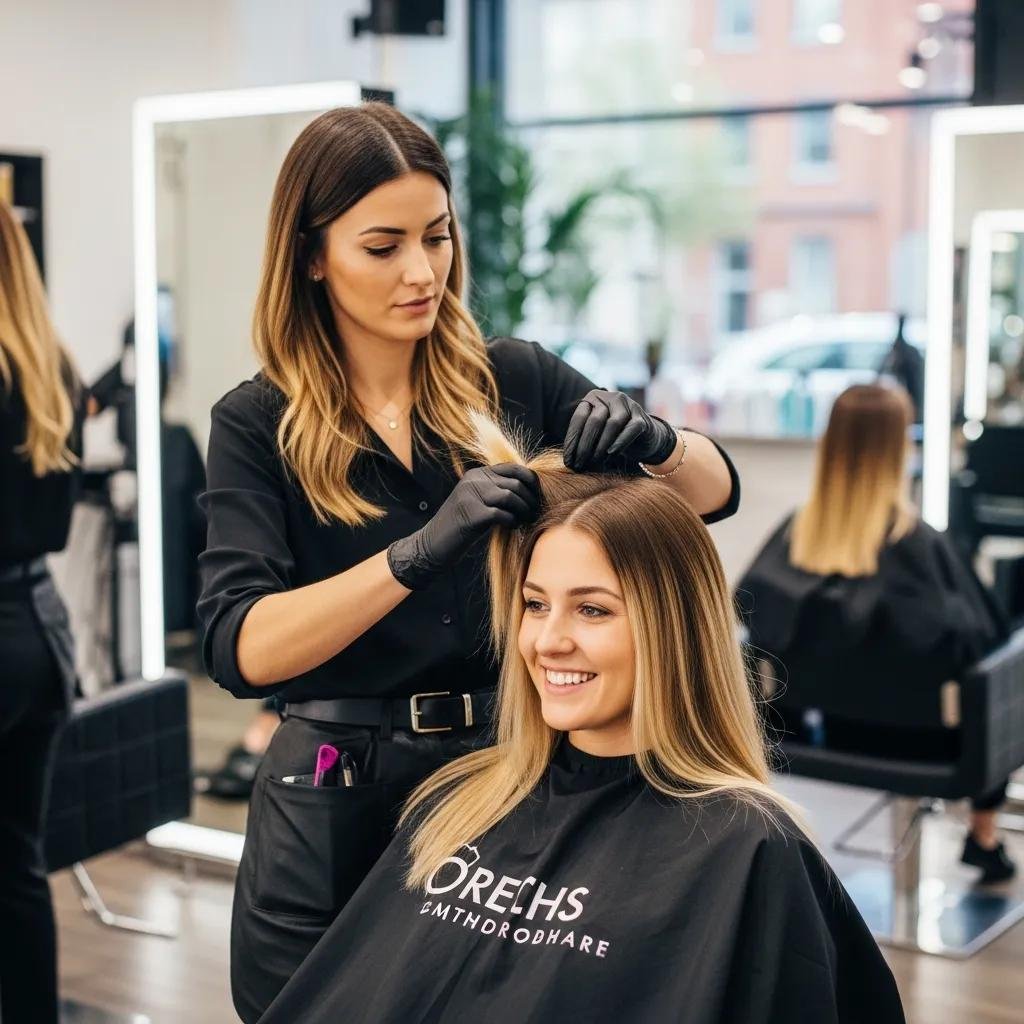
Ruth, owner and lead stylist at Kylie Studio Salon, brings over a decade of focused color experience. Her work centers on balayage and ombré, plus highlights and permanent color, and she uses consultations to prioritize hair health while achieving flattering results. Ruth’s experience guides decisions like when to recommend gentler painting for fine hair or a staged lightening plan for dramatic ombré—so your outcome is predictable and flattering.
How Does Our Personalized Consultation and Aftercare Enhance Your Experience?
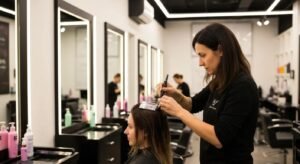
Our consultation is visual and practical: we talk contrast, review photos, and plan lift and toning stages to protect hair integrity while reaching your target shade. You’ll leave with tailored at‑home care tips and recommended in‑salon treatments to maintain tone and strength, plus an estimated touch-up schedule based on your chosen technique. We also offer easy online booking for consultations and appointments. A clear plan reduces surprises, helps you budget time and cost, and supports long-term color vibrancy.
How Can You Maintain Your Balayage or Ombré Color for Lasting Beauty?
Good maintenance pairs the right at-home routine with periodic salon treatments that protect color and structure. Use color-safe, sulfate-free shampoos and conditioners to preserve pigment; add a purple-toning product as needed to neutralize brassiness. Bond-building treatments in the salon repair lightening damage and extend the life of your color. Below is a practical product and treatment guide linking types to recommended frequency and benefits to help you build a maintenance plan.
Intro to products table: The table lists product categories, suggested use frequency, and the benefits so you can pick what fits your routine.
This product matrix helps you choose targeted items to protect balayage and ombré results. A consistent routine reduces the need for frequent refreshes and improves hair resilience.
What Are the Best Hair Care Practices and Products for Color-Treated Hair?
A solid care routine emphasizes gentle cleansing, moisture, and occasional clarifying or toning to manage brassiness. Use sulfate-free, color-protect shampoos and hydrating conditioners, and add a weekly or biweekly deep-conditioning or bond-building treatment to restore elasticity after lightening. Apply purple toning sparingly to correct unwanted warmth, alternating it with moisturizing treatments to avoid drying. Combine these products with sensible heat styling—use a heat protectant and limit tools—to prolong both balayage and ombré results.
Maintenance checklist for color-treated hair:
- Use a color-safe shampoo and conditioner: gentle cleansing protects pigment and cuticle health.
- Apply a deep-conditioning or bond-repair mask weekly: restores moisture and structural integrity.
- Limit heat styling and use heat protectant: reduces additional damage to lightened ends.
- Use a purple shampoo selectively: neutralizes brassy tones in lightened areas.
Summary: Consistent, targeted product use reduces salon touch-ups and keeps both balayage and ombré looking their best.
How Often Should You Schedule Touch-Ups and Salon Visits?
Touch-up timing varies. Balayage usually needs less frequent visits—often every 4–8 months—because the painted highlights grow out softly. Ombré may need toning or end refreshes every 3–6 months depending on how bright you want the ends. Factors like growth rate, lift level, and your preference for crisp transitions affect the schedule. We recommend a bond-building visit in the first few months after lightening and toning as needed to maintain your hue. Tell your stylist how often you want to refresh so we can create a sustainable appointment plan.
Intro to scheduling list: Use this quick guide to plan realistic salon intervals by technique and objective.
- Balayage: Salon every 4–8 months for fresh paint or toning; in-salon bond treatments every 6–12 months.
- Ombré: Salon every 3–6 months for end toning and occasional refresh; monitor for split ends.
- High-lift or dramatic change: Staged appointments recommended to protect hair health; consult stylist for phased plans.
Summary: Regular, technique-specific scheduling keeps color vibrant while prioritizing hair health and budget.
This completes our guide to choosing, achieving, and maintaining balayage or ombré. If you want a personalized recommendation, Kylie Studio Salon in Bethesda, MD offers consultative appointments to assess hair condition, desired look, and maintenance capacity so we can build a tailored plan that balances aesthetic goals with long-term hair health.
Frequently Asked Questions
What are the main factors to consider when choosing between balayage and ombré?
Think about the look you want, your hair type, and how much maintenance you want to do. Balayage gives a natural, sun‑kissed effect with lower upkeep; ombré offers a bolder two‑tone gradient that may need more frequent toning. Length and texture affect the final look, so a stylist consultation can help match the technique to your lifestyle and goals.
How can I prepare my hair for balayage or ombré treatments?
Start with healthy, well‑moisturized hair. Use a deep conditioning treatment about a week before your appointment to boost strength and elasticity, and avoid heavy styling products on the day of your service so the color applies cleanly. If your hair is previously colored, tell your stylist—your history can change the plan. A consultation will confirm the best approach for your hair.
Can I achieve balayage or ombré on previously colored hair?
Yes—often—but results depend on your current color and hair condition. Previously dyed hair may need a color correction or a custom strategy to reach the desired shade. During a consultation, a stylist will review your color history and hair health to choose the safest, most effective path to the result you want.
What should I expect during a balayage or ombré appointment?
Expect a full consultation up front. The stylist will discuss your look, hair type, and maintenance goals, then section and apply color—freehand for balayage and gradient techniques for ombré. Sessions typically run 1.5 to 3 hours depending on complexity. Aftercolor, we may recommend treatments to maintain hair health and vibrancy so you leave with a polished result.
How can I maintain my balayage or ombré color at home?
Use sulfate-free, color-safe shampoos and conditioners to keep pigments vibrant. A purple toning shampoo once a week helps control brassiness on lighter ends. Deep-condition or use bond-building masks regularly to keep hair hydrated. Limit heat styling and always use a heat protectant. Regular salon touch-ups and bond treatments will also help maintain the look.
Are there any specific products recommended for color-treated hair?
Look for sulfate-free, color-protect shampoos and conditioners and periodic bond-building salon treatments. Deep-conditioning masks add moisture after lightening, and purple shampoo helps neutralize warmth in lightened ends. Your stylist can recommend brand-specific products based on your hair type and color plan.
Conclusion
Choosing between balayage and ombré comes down to the look you want and how much maintenance fits your life. Understanding each technique helps you make a confident choice that complements your natural beauty. For a tailored recommendation and a plan that protects hair health, schedule a consultation at Kylie Studio Salon—our team will help you achieve the look you love. Ready to transform your hair?