What to Use After a Keratin Treatment: Essential Products and Expert Aftercare Tips
A keratin treatment smooths and strengthens hair by sealing a keratin-rich finish into the cuticle, reducing frizz and improving manageability for weeks to months after application. Proper aftercare preserves those keratin bonds and maximizes the treatment’s benefits by minimizing chemical and mechanical stress, so choosing the right products and routines is essential. This guide explains which product categories support keratin-treated hair, the critical first 72-hour rules, optimal washing and styling frequencies, environmental protections, and long-term maintenance strategies that prolong results. You’ll also find targeted how-to steps, ingredient red flags, and practical checklists that are easy to follow at home. Throughout, we reference current research and salon-best practices and offer local guidance from Kylie Studio Salon in Bethesda, MD for clients who want personalized product recommendations or in-salon purchases. Read on to learn the evidence-based aftercare routine that keeps keratin-treated hair smooth, shiny, and long-lasting.
Which Products Are Best for Keratin Treatment Aftercare?
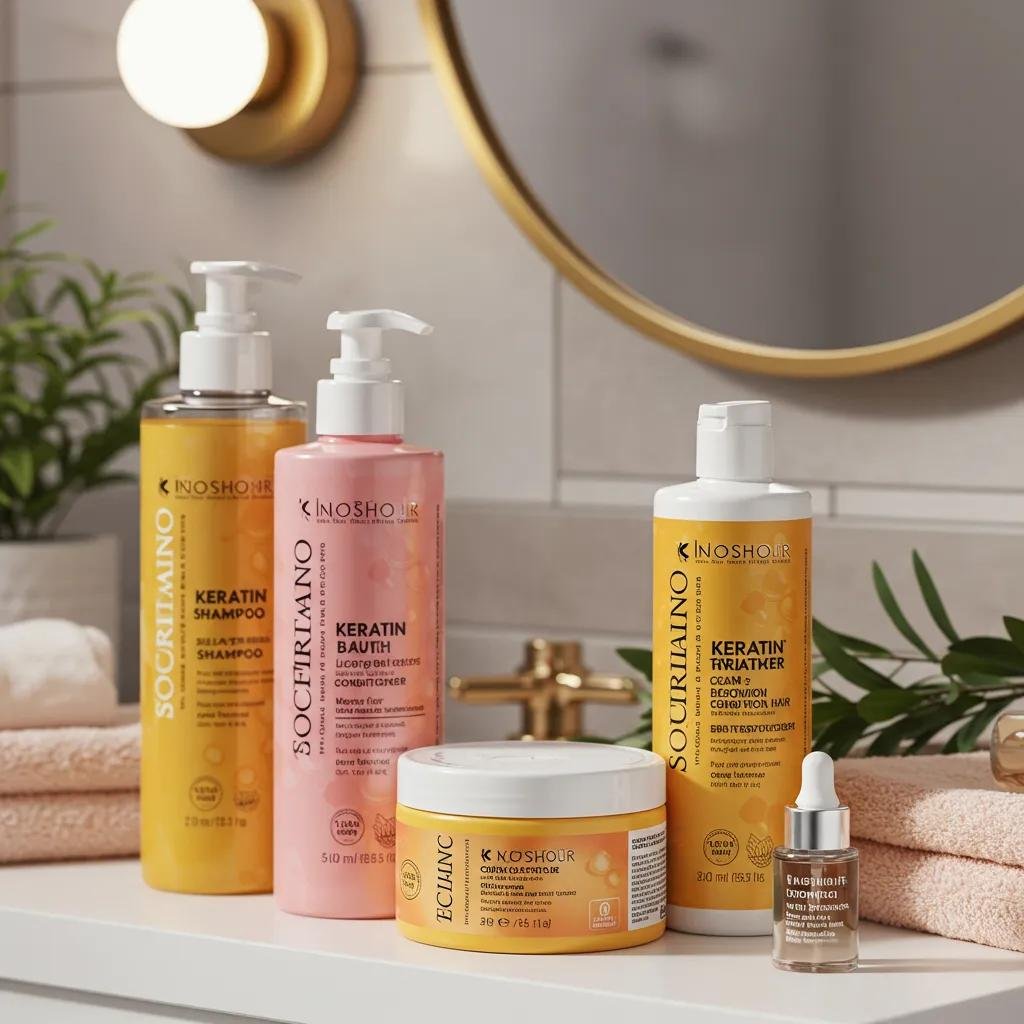
Keratin-treated hair benefits from a focused set of product types that protect the protein layer and avoid stripping or ion-driven disruption. Choosing sulfate-free and salt-free shampoo, a lightweight keratin-infused conditioner, targeted leave-in serums, a reliable heat protectant, and occasional deep conditioning masks creates a balanced maintenance protocol that preserves smoothness and shine. These product categories work by minimizing surfactant aggression, replenishing surface lipids, and forming protective films that reduce friction and thermal damage. Below is a compact comparison that shows why each category matters and what attributes to prioritize when reading labels.
Different product types provide specific functional benefits for keratin-treated hair:
These categories form the backbone of a post-keratin routine and lead directly into ingredient-focused guidance on what to avoid and how to layer products for best results.
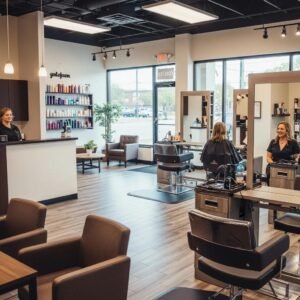
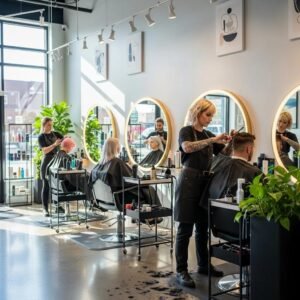
Kylie Studio Salon recommends these product types and offers in-salon consultations to help clients choose the right textures and formulas for their hair. If you prefer professional guidance, the salon’s stylists can advise on in-salon availability and how to use each product at home while considering Bethesda’s seasonal humidity.
Why Use Sulfate-Free Shampoo After a Keratin Treatment?
Sulfate-free shampoos omit strong anionic surfactants that lift cuticle scales and can accelerate keratin loss, making them the preferred cleanser after treatment. By using gentler surfactants, sulfate-free formulas maintain surface proteins and oils that seal the keratin layer, which keeps hair smoother and reduces color fade. For practical selection, look for labels that state “sulfate-free” and “salt-free,” and avoid products that list sodium chloride or aggressive detergents in the first ingredients. When washing, use lukewarm water and a light massage to avoid agitation; this cleaning method preserves the treatment while removing buildup.
Choosing a gentle cleanser sets up the next step of conditioning, where lightweight keratin-compatible formulas restore moisture without introducing excess protein or buildup that could weigh hair down.
What Are the Best Conditioners for Keratin-Treated Hair?
The right conditioner balances hydration with slip to detangle and smooth without adding heavy residues that blunt the treatment’s effects. Lightweight, hydrating conditioners with humectants like glycerin and emollients such as lightweight oils provide manageability, while formulas labeled keratin-infused or protein-balanced help maintain the structural coating. Apply conditioner only from mid-lengths to ends, avoiding the scalp area to prevent greasiness and buildup; leave on for one to three minutes before rinsing to allow conditioning agents to penetrate without saturating the cuticle. For fine hair, choose a silicone-free or light emollient option; for coarser hair, richer formulations can be used sparingly.
Conditioning correctly primes hair for protective leave-ins and styling products that deliver final smoothness and defense against humidity and heat.
How Do Leave-In Conditioners and Serums Support Keratin Hair?
Leave-in conditioners and serums add ongoing protection, slip, and anti-frizz benefits by forming a lightweight, protective layer that controls moisture exchange and friction. Choose leave-ins with non-volatile silicones or silicone alternatives for shine and humidity resistance, and select serums that are silicone- or oil-based depending on hair thickness—lighter sprays for fine hair and creams for thick textures. Apply a pea-sized amount to damp mid-lengths and ends, comb through gently, and focus on areas prone to frizz to avoid product buildup near the roots. Regular use of a suitable leave-in reduces the need for repeated hot styling, which preserves keratin bonds.
Using a well-chosen leave-in naturally leads to incorporating a heat protectant before any thermal styling to further prevent keratin degradation.
Why Are Heat Protectants Crucial for Maintaining Keratin Treatments?
Heat protectants create a temporary film that raises the temperature at which cuticle damage occurs and reduces direct thermal stress on the keratin layer during blow-drying or flat-ironing. Thermal protection works through ingredients that form a barrier—often polymers or silicone derivatives—that distribute heat and reduce moisture loss from the hair shaft, thereby slowing keratin breakdown. Use a dedicated heat-protectant spray or cream before any heated tool, apply evenly to damp hair, and follow recommended styling temperature ranges to minimize damage. For fine hair, prefer lightweight sprays; for thicker hair, a cream-based protectant offers more conditioning as you style.
Layering heat protection over a leave-in serum ensures both moisture management and thermal defense, which helps maintain the treatment’s longevity.
Which Ingredients Should You Avoid in Aftercare Products?
Avoid ingredients that chemically or physically strip keratin or increase cuticle porosity, such as sulfates (SLS, SLES), sodium chloride, and high-drying alcohols; these agents can accelerate smoothing loss and cause brittle texture. Harsh clarifying agents and frequent use of protein-heavy masks can also destabilize the delicate balance between hydration and protein, leading to stiffness or breakage. Instead, choose formulations labeled sulfate-free, salt-free, and low in drying alcohols, and favor hydration-focused masks over protein-rich treatments unless specifically recommended by your stylist. Learn to read labels: if “sodium chloride” or “sulfate” appears high on the ingredient list, skip that product for keratin care.
Knowing what to avoid makes it easy to select safe alternatives that keep the treatment intact and prepares you for the crucial first 72-hour rules that follow.
Achieve Lasting Keratin Results with Essential Aftercare
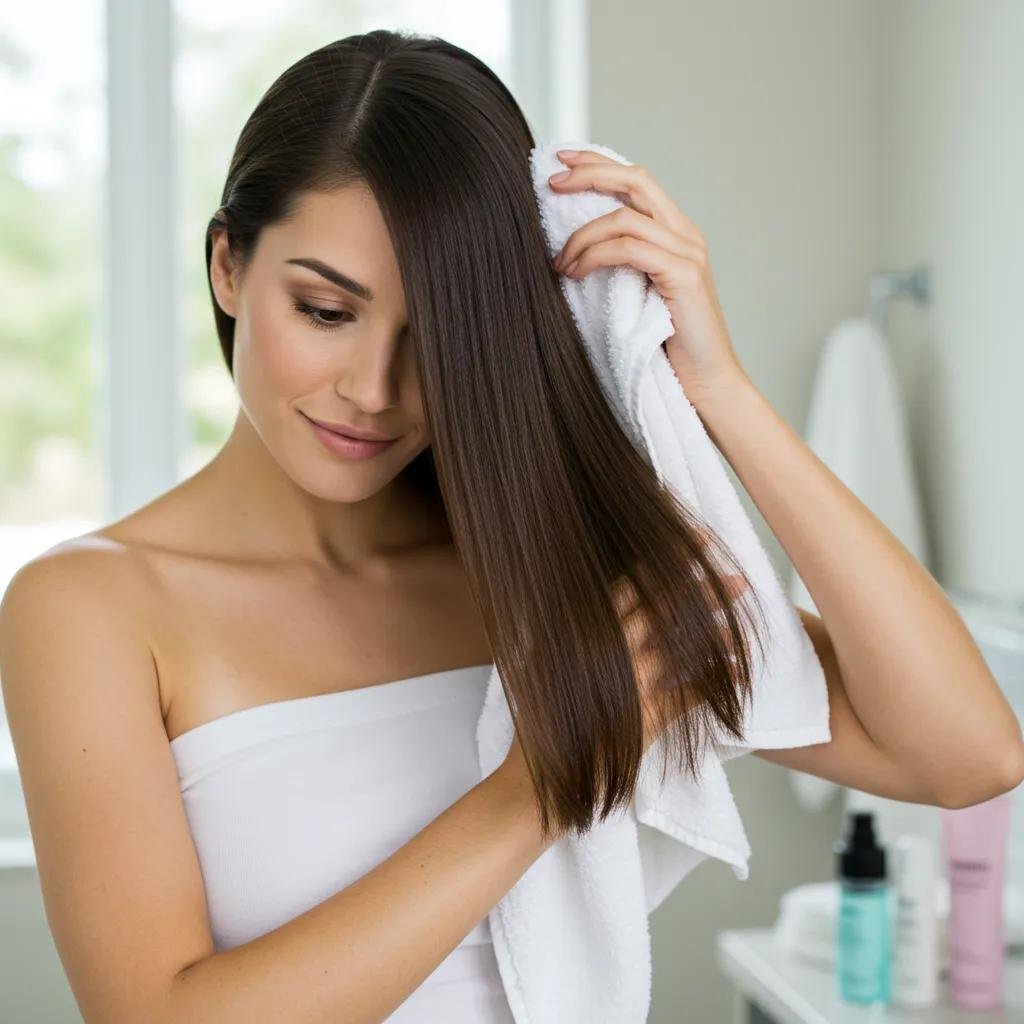
Immediate aftercare in the first 72 hours sets the chemical environment that determines how well the keratin bonds cure and how long the result lasts, so following precise do-and-don’t rules is essential. The freshly-treated hair needs time for the smoothing layer to set without mechanical creasing, moisture intrusion, or thermal shock, which can create uneven results or premature breakdown. Below is a clear step-by-step checklist for the first three days that minimizes risk and helps the treatment bond fully. Follow these initial rules closely to protect the treatment and make daily maintenance simpler afterward.
Follow these first-72-hour rules after a keratin treatment:
- Do not wash your hair for 48–72 hours to allow the keratin seal to fully set on the cuticle.
- Do not tie or clip your hair to avoid creases that harden into visible waves or dents.
- Avoid heavy sweating and humidity exposure because moisture can interfere with the curing process.
- Sleep with hair loose on a smooth surface or use a silk pillowcase to minimize friction and creasing.
- Delay swimming and steam rooms until the initial setting window has passed to prevent salt or chlorine contact.
What Are the Key Rules for the First 72 Hours Post-Treatment?
The core rules for days one through three are about time, tension, and moisture: avoid washing, tying, or exposing hair to excess humidity so the keratin film can cure uniformly. The recommended no-wash window is typically 48–72 hours depending on your stylist’s protocol; during that period, gentle handling and keeping hair loose prevent creases that become permanent. If you accidentally wet or crease your hair, gently pat and let it dry without heat, and schedule a quick consult with your stylist for corrective advice. These first days determine whether the treatment sets evenly, which in turn affects appearance and lifespan.
Understanding immediate rules naturally leads to how these behaviors influence long-term treatment longevity.
How Does Immediate Aftercare Affect Treatment Longevity?
Early aftercare directly impacts treatment lifespan because improper exposure to harsh surfactants or moisture before the keratin sets can break down surface bonds, shortening smoothness and shine. Recent industry observations indicate that careful initial handling combined with sulfate-free maintenance significantly extends results compared to relaxed early care, with measurable differences in frizz control and tactile smoothness across months. Setting realistic expectations helps: proper early care cannot eliminate natural wear from lifestyle factors but can maximize the typical duration of effects. Apply the early rules consistently to optimize how long keratin benefits persist.
These cause-and-effect principles point to daily lifestyle adjustments that further protect the treatment as you return to regular activities.
What Lifestyle Adjustments Help Protect Your Keratin Treatment?
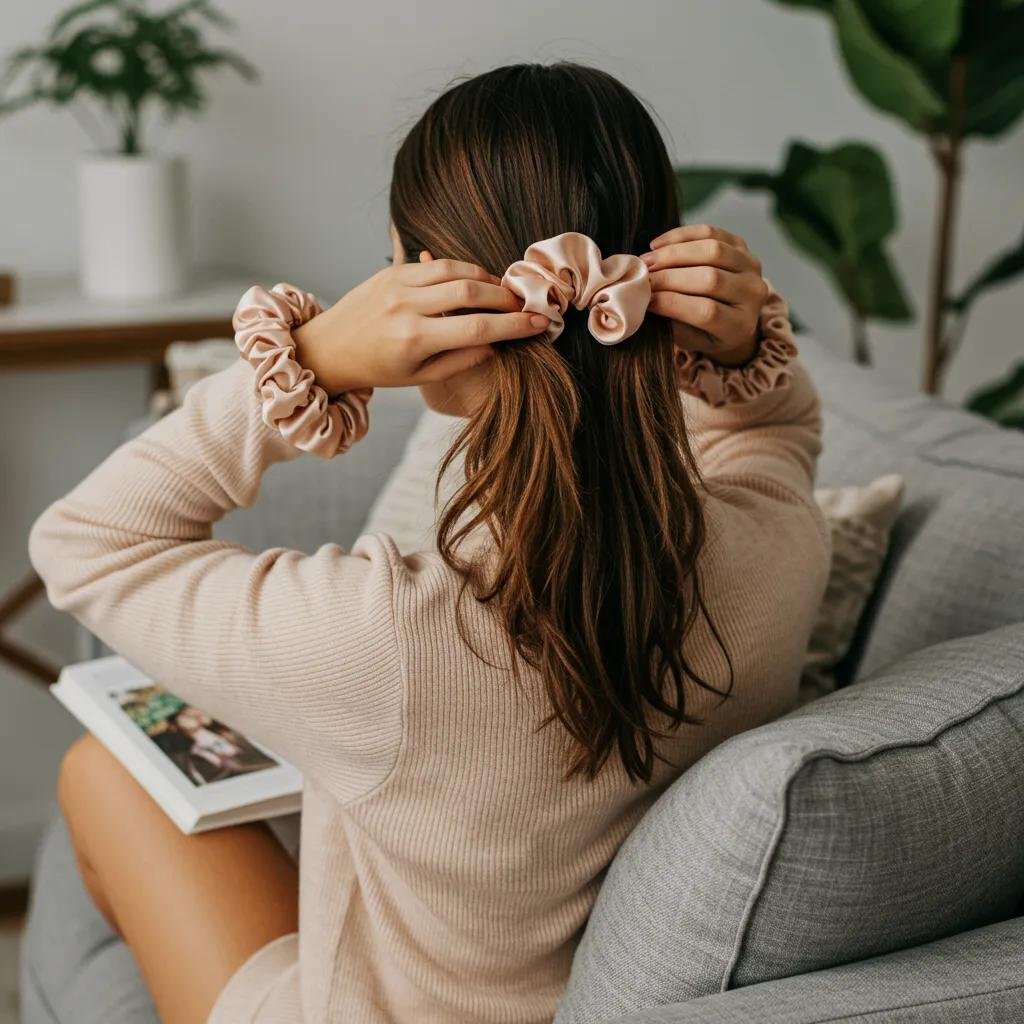
Simple lifestyle changes—like swapping tight hair ties for silk scrunchies, wearing a swim cap, and pre-wetting hair with clean water before entering pool or ocean—reduce chemical and mechanical stress on treated hair. For workouts, style hair loosely and use sweat-wicking headbands to limit saline exposure; after swimming, rinse immediately with clean water and a gentle conditioner to remove chlorine or salt. Use a silk pillowcase to cut friction and avoid elastic bands that crease hair; these small substitutions maintain smoothness and prevent premature textural changes. Seasonal considerations, such as higher humidity in summer, call for more robust anti-frizz leave-ins and UV protectants.
These everyday habits bridge immediate aftercare with long-term maintenance planning, which includes washing frequency and conditioning routines.
How Often Should You Wash and Condition Keratin-Treated Hair?
Washing and conditioning frequency should aim to cleanse without stripping protective layers, using a schedule adapted to hair type and lifestyle that preserves keratin results. Most clients find a wash every 4–7 days works well, extending time between cleanses with dry shampoo and leave-ins when needed, while conditioners and masks are used strategically to maintain hydration. Below is a concise routine table showing recommended frequencies and best practices so you can adapt the plan to fine, normal, or coarse hair types while protecting keratin integrity.
What Is the Ideal Washing Frequency to Preserve Keratin Results?
Ideal washing frequency depends on hair type and activity level: fine or oily hair may require washing every 3–4 days, while normal-to-coarse hair often benefits from 5–7 day intervals to preserve oils and keratin coating. Signs to adjust include visible oiliness at the roots or loss of volume; use dry shampoo sparingly to extend time between washes without introducing sulfates. If you swim frequently or sweat heavily, rinse with clean water and a compatible conditioner after exposure rather than using aggressive cleansers. These adjustments help maintain the treatment’s smooth feel while keeping hair healthy.
Frequency decisions inform the exact shampoo and conditioner pairing needed for daily maintenance.
How to Choose the Right Shampoo and Conditioner Routine?
Select a sulfate-free, salt-free shampoo paired with a keratin-compatible, lightweight conditioner; consider dilution of concentrated shampoos when needed and avoid daily clarifying products unless advised by your stylist. Alternate moisturizing conditioners with occasional hydration masks, and reserve protein treatments for when professional evaluation identifies a deficit. Rinse thoroughly with lukewarm water, and pat-dry gently before applying leave-ins and heat protectants. This ordered routine reduces mechanical stress and balances moisture, which preserves keratin treatment quality between salon visits.
Correct cleansing and conditioning set the stage for safe drying and styling practices that follow.
What Are the Best Drying and Styling Practices After Keratin Treatment?
Use a heat protectant before any heat styling and keep dryer or flat-iron temperatures moderate to avoid thermal breakdown of keratin bonds—aim for lower-than-maximum settings and take slow, single passes instead of multiple high-heat strokes. Gently detangle wet hair with a wide-tooth comb instead of vigorous brushing, and section hair for controlled styling to minimize repeated heat exposure. Avoid heavy, oily styling products that cause buildup; instead, use lightweight serums and sprays for hold and gloss. These techniques minimize mechanical and thermal stress to prolong the treatment’s smooth appearance.
Practicing safe styling reduces the need for corrective salon visits and supports longer-lasting keratin benefits.
How Can You Protect Your Keratin Treatment from Environmental Damage?
Environmental factors like UV radiation, chlorine, saltwater, and nightly friction are common causes of premature keratin degradation and color fade, so proactive protection is necessary to maintain results. Topical UV protectants, swim-prep routines, protective headwear, and friction-reducing bedding help shield treated hair from chemical and photochemical damage. Below we explain UV effects, swim risks, and the tangible benefits of silk pillowcases so you can choose the right protective measures based on your lifestyle and local conditions.
How Does UV Exposure Affect Keratin-Treated Hair?
UV exposure degrades hair proteins and pigments, leading to loss of gloss and weakening of the keratin layer over time; photodegradation increases porosity and reduces smoothness. Use leave-in sprays or creams with UV filters, wear hats in direct sun, and apply sun-protective styling products when spending extended time outdoors. Regular use of UV protectants maintains color vibrancy and slows the structural weakening of treated hair. These measures also reduce the frequency of salon touch-ups needed to maintain a salon-fresh appearance.
What Are the Risks of Chlorine and Saltwater on Keratin Hair?
Chlorine and saltwater act as dehydrating agents that strip natural oils and can chemically interact with surface treatments, causing dullness and increased frizz in keratin-treated hair. Before swimming, wet hair with clean water and apply a leave-in conditioner or oil to limit absorption of chlorinated or saline water; afterwards, rinse immediately and use a gentle cleanser or hydrating conditioner to restore moisture. Swim caps and immediate post-swim care significantly reduce exposure, preserving the keratin finish and preventing long-term drying effects. These precautions minimize repair needs and maintain smoothness between salon visits.
Why Use Silk Pillowcases to Maintain Smooth Hair?
Silk pillowcases reduce friction and mechanical abrasion during sleep, which helps maintain the keratin layer, reduces frizz and breakage, and limits creasing that undermines smooth results. A silk surface lets hair glide, preventing cuticle lifting and preserving styled shapes overnight; this is especially helpful in humid or high-movement sleepers. Care is simple—gentle washing and air-drying prolongs the fabric’s benefits and provides a small investment that supports long-lasting treatment effects. Using silk bedding products complements topical protectants and reduces the cumulative wear on your keratin treatment.
What Are the Long-Term Maintenance Tips for Keratin-Treated Hair?
Long-term maintenance includes scheduling touch-ups at appropriate intervals, using deep conditioning masks strategically, and avoiding common mistakes that shorten treatment life. A predictable maintenance cadence combined with salon consultations helps you monitor results and choose corrective measures before problems escalate. Below are guidelines for touch-up timing, mask selection, and a checklist of frequent aftercare errors so you can plan upkeep around your lifestyle and hair goals.
Use this checklist to plan ongoing care and avoid preventable issues:
- Schedule salon touch-ups when new growth causes visible frizz at roots, rather than waiting for full breakdown.
- Use hydration-focused deep masks biweekly to monthly, based on hair condition and texture, avoiding protein-heavy masks unless advised.
- Avoid sulfate/salt-containing products and excessive heat, as these are the most common behaviors that shorten results.
- Consult your stylist for personalized adjustments if lifestyle factors like frequent swimming or heavy sweating apply.
How Often Should You Schedule Keratin Treatment Touch-Ups?
Touch-up frequency varies with hair growth rate, lifestyle, and initial hair condition; many clients plan for touch-ups every 3–6 months, with earlier appointments for fast growth or heavy exposure to salt/chlorine. Monitor for visible root frizz or a loss of smoothness on new growth to decide when to return, and consult your stylist for tailored timing rather than relying on a fixed calendar. Booking a salon consultation helps align touch-up timing with color services or seasonal routines to reduce cumulative chemical stress. Proactive scheduling ensures you maintain a polished look without overprocessing.
Knowing touch-up timing informs your deep-conditioning and at-home maintenance rhythm.
When and How to Use Deep Conditioning Masks for Keratin Hair?
Deep conditioning masks should prioritize moisture and smoothing agents over heavy protein to avoid stiffening the keratin finish; apply a hydration-focused mask once every two weeks for normal to coarse hair or monthly for finer textures. Distribute mask from mid-lengths to ends, leave on according to product instructions, then rinse thoroughly and follow with a lightweight leave-in. If hair feels particularly dry from environmental exposure, a short-term increase in mask frequency is appropriate, but always reassess with your stylist to avoid protein overload. Using masks correctly restores elasticity and shine without compromising the treatment.
Proper mask use prevents common mistakes that cause accelerated treatment wear.
What Are Common Aftercare Mistakes That Shorten Treatment Life?
Common mistakes include using sulfated shampoos, applying sodium chloride-containing products, excessive heat without protection, frequent clarifying treatments, and tying hair tightly during the initial setting period. These behaviors strip oils, open the cuticle, and mechanically crease treated hair—each accelerating loss of smoothness and gloss. Immediate corrective actions include switching to sulfate-free products, using a heat protectant, swapping tight ties for silk scrunchies, and consulting your stylist about safe clarifying methods. Avoiding these pitfalls keeps the treatment performing at its best.
What Are Kylie Studio Salon’s Recommended Products for Keratin Aftercare?
Kylie Studio Salon recommends product categories that align with best practices: sulfate- and salt-free shampoos, keratin-compatible conditioners, lightweight leave-ins, and reliable heat protectants. Stylists at the salon, led by Ruth, emphasize texture-matching: fine hair clients receive lighter serums and sprays, while thicker hair benefits from richer creams used sparingly. The salon carries select professional-grade formulations for clients who prefer in-salon purchase and provides brief usage demos after treatment so clients understand how much product to apply. Below is a practical salon-focused recommendation table showing categories, suggested use, and in-salon availability.
Which Sulfate-Free and Keratin-Infused Shampoos Do We Recommend?
Kylie Studio Salon recommends shampoos that explicitly state “sulfate-free” and “salt-free” to prevent chemical stripping; keratin-infused or protein-balanced shampoos are suggested when clients need extra structural support without stiffness. Stylists evaluate hair porosity and texture during the post-treatment consultation and advise on the optimal consistency—lighter foams for fine hair and more emollient gels for thicker textures—to preserve the keratin layer. Clients can purchase recommended options in-salon or get tailored samples to test at home before committing to full-size products.
These shampoo choices are paired with matching conditioners that complement the treatment without causing build-up.
What Conditioners and Serums Are Best for Our Clients?
For conditioners, the salon favors lightweight, moisturizing formulations that deliver slip and detangling from mid-lengths to ends while avoiding scalp application to reduce build-up. Serums offered by Kylie Studio Salon are selected for humidity resistance and shine enhancement; stylists recommend applying small amounts to damp hair and combing through to distribute evenly. Texture-specific guidance reduces the risk of over-application, with stylist demonstrations provided during in-salon purchases to ensure clients replicate the routine at home. This hands-on advice helps clients maintain salon-quality results between visits.
How Does Stylist Ruth Advise Clients on Aftercare Products?
Ruth advises a simple, three-step daily routine: cleanse with a sulfate-free shampoo, condition mid-lengths to ends with a lightweight keratin-compatible conditioner, and finish with a leave-in serum plus heat protectant when styling. She emphasizes minimal product quantities to avoid buildup and recommends silk accessories and UV protection for environmental defense. Ruth offers a short in-salon demo after treatment to ensure clients know the correct amounts and techniques, and she invites clients to schedule a quick consult if their lifestyle requires special adjustments. This personalized guidance helps clients protect their investment in the treatment.
These salon recommendations are designed to be practical and align with the topic-first guidance earlier in this guide.
What Are the Most Common Questions About Keratin Treatment Aftercare?
This FAQ-style section addresses the top PAA-style questions concisely so readers can get quick, accurate answers to common concerns and find deeper coverage in the relevant sections above. Short, direct responses help with featured-snippet visibility and provide rapid troubleshooting for real-world scenarios. The answers below link conceptually to sections covering products, timings, and when to return to the salon for professional support.
What Should You Not Do After a Keratin Treatment?
Do not wash or wet your hair for the recommended 48–72 hours, and avoid tying, clipping, or subjecting hair to excess humidity during that period to prevent creasing or premature bond disruption. Also avoid sulfated shampoos, sodium chloride-containing products, and excessive heat without protection to maintain the treatment’s integrity. If you accidentally break a rule—such as getting hair wet—pat dry gently, avoid heat, and consult your stylist for advice. Following these prohibitions preserves smoothness and reduces the need for corrective salon work.
These dos-and-don’ts naturally lead to expectations about treatment duration with proper care.
How Long Does a Keratin Treatment Last with Proper Care?
With consistent aftercare—sulfate-free products, limited heat, UV and swim protection—keratin treatments commonly last several months, though exact duration depends on hair type, growth rate, and exposure to environmental stressors. Maintaining the treatment with the recommended washing frequency and occasional deep conditioning extends visible smoothness, while lifestyle factors like frequent swimming or heavy sweating can shorten the timeline. Monitor new growth and frizz patterns to determine when a touch-up is appropriate, and consult your stylist for the best cadence.
Knowing how long results typically last informs when to use regular at-home maintenance versus salon refreshes.
Can You Use Regular Hair Products After Keratin Treatment?
You can use regular styling products that are free of sulfates, salts, and harsh alcohols, but switch cleansers and heavy clarifiers for keratin-compatible alternatives to avoid stripping the treatment. Read labels and choose lightweight formulations for daily styling; reserve strong clarifiers or protein masks for professional recommendation. If unsure whether a product is safe, consult your stylist or test a small section first. This cautious approach helps prevent accidental degradation of the keratin finish.
When fade or loss of smoothness occurs, consider the following remediation steps.
How Do You Fix Hair If the Keratin Treatment Starts to Fade?
If the treatment fades, begin with salon-recommended corrective at-home steps—use the salon’s gentle sulfate-free cleansers, apply a smoothing leave-in, and schedule a consultation to assess whether a touch-up or a corrective salon service is needed. Temporary improvement is achievable with smoothing serums and deep hydration masks, but persistent loss of effect typically requires professional refresh. Contact your stylist for a tailored plan that considers prior treatments, hair condition, and lifestyle factors to restore desired results efficiently.
For personalized assistance, Kylie Studio Salon and stylist Ruth offer consultations and in-salon product options to support maintenance.
Ruth at Kylie Studio Salon sums up her top aftercare advice: “Stick to sulfate-free cleansing, protect hair from heat and sun, and use small amounts of leave-in products to maintain smoothness.” For personalized recommendations or to purchase salon-selected aftercare products, clients in Bethesda, MD can book an in-salon consultation with Kylie Studio Salon to match product textures and routines to individual hair needs. Following these expert tips keeps keratin-treated hair looking salon-fresh for longer.
Frequently Asked Questions
What should I do if I accidentally wet my hair within the first 72 hours after treatment?
If you accidentally wet your hair during the critical 72-hour setting period, gently pat it dry with a soft towel and avoid using heat to dry it. Allow your hair to air dry naturally. It’s also advisable to consult your stylist for guidance on any necessary corrective measures. They may recommend a follow-up appointment to ensure the keratin treatment has set properly and to address any potential issues that may arise from the accidental exposure to moisture.
Can I color my hair after a keratin treatment?
Yes, you can color your hair after a keratin treatment, but it’s best to wait at least two weeks to allow the keratin bonds to fully set. This waiting period helps prevent any chemical interactions that could compromise the treatment’s effectiveness. When you do color your hair, opt for gentle, ammonia-free formulas to minimize damage. Always consult your stylist for personalized advice on timing and product choices to ensure the best results for both your color and keratin treatment.
How can I tell if my keratin treatment is fading?
Signs that your keratin treatment may be fading include increased frizz, loss of smoothness, and difficulty managing your hair. You might also notice that your hair feels drier or less shiny than it did immediately after the treatment. If you observe these changes, it may be time to schedule a touch-up or consult your stylist for recommendations on how to restore your hair’s condition. Regular maintenance and proper aftercare can help prolong the treatment’s effects.
Is it safe to use heat styling tools after a keratin treatment?
Yes, it is safe to use heat styling tools after a keratin treatment, but you should always apply a heat protectant beforehand. This protective layer helps shield your hair from thermal damage and preserves the integrity of the keratin bonds. Use moderate heat settings and avoid excessive styling to maintain the treatment’s longevity. Following these precautions will help keep your hair looking smooth and healthy while enjoying the benefits of styling tools.
What should I do if my hair feels stiff or heavy after using a leave-in product?
If your hair feels stiff or heavy after applying a leave-in product, you may be using too much or the wrong type for your hair texture. Start by reducing the amount you apply and ensure you are using a lightweight formula suitable for your hair type. If the problem persists, consider switching to a different leave-in product that offers hydration without weighing your hair down. Consulting your stylist can also provide tailored recommendations for products that work best for your specific hair needs.
How can I protect my keratin-treated hair during the summer months?
To protect your keratin-treated hair during the summer, use UV protectant sprays or creams to shield your hair from sun damage. Wearing a hat while outdoors can also provide additional protection. When swimming, wet your hair with clean water and apply a leave-in conditioner to minimize chlorine or saltwater absorption. After swimming, rinse your hair immediately and use a gentle, hydrating shampoo to restore moisture. These steps will help maintain your treatment and keep your hair looking vibrant and healthy.
What are the best practices for drying my hair after a keratin treatment?
After a keratin treatment, the best practice for drying your hair is to gently blot it with a soft towel instead of rubbing it vigorously. This minimizes friction and helps maintain the smoothness of the treatment. If you use a blow dryer, set it to a low or medium heat setting and keep it at a distance to avoid overheating your hair. Additionally, consider air drying whenever possible to further reduce heat exposure and prolong the effects of your keratin treatment.
Conclusion
Maintaining the benefits of a keratin treatment is achievable with the right aftercare products and practices, ensuring your hair remains smooth and manageable. By following expert recommendations and avoiding harmful ingredients, you can extend the life of your treatment and enjoy vibrant, healthy hair. For personalized guidance and product selections tailored to your unique hair needs, consider booking a consultation at Kylie Studio Salon. Explore our range of premium aftercare products today to keep your keratin-treated hair looking its best.