
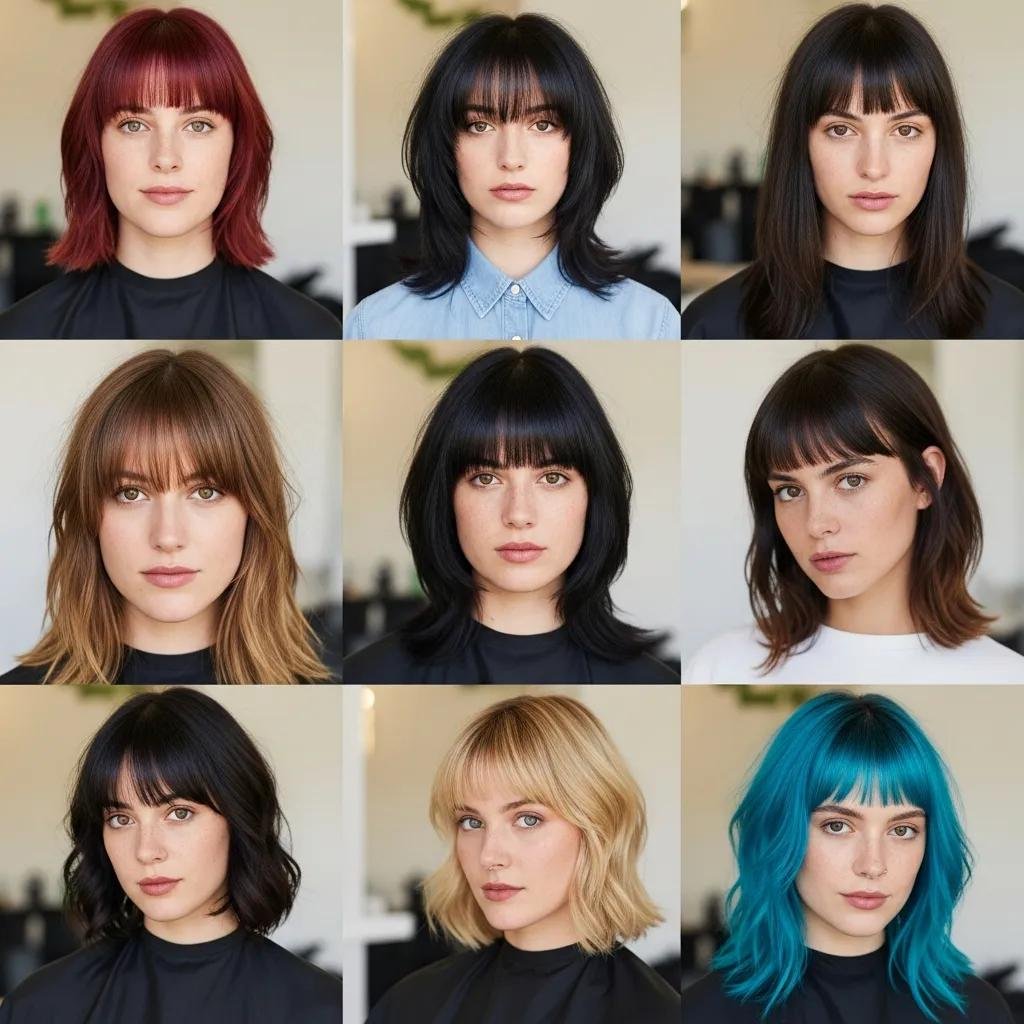
Find Your Perfect Fringe: Bangs That Flatter Every Face Shape
Bangs can transform your look in an instant — when the cut matches your face shape, hair texture, and lifestyle. This guide walks you through face-shape goals and the most popular fringe types — curtain, wispy, and blunt — and explains how layering and texture change what people see. If you’ve ever felt stuck choosing a bangs style that balances proportion, texture, and upkeep, we’ll make it simple: match styles to round, oval, and square faces, learn quick styling and maintenance tips, and see what blunt bangs are trending in 2024. Read on for clear comparisons, step-by-step how-tos, and an easy decision matrix — plus a note on when a salon consult in Bethesda, MD saves time and gives a precise result.
Which Bangs Styles Best Suit Round Faces?
Round faces look best with bangs that add length and vertical lines to counterbalance width. Curtain bangs and long side-swept pieces create a center or diagonal break that draws the eye down, while wispy, textured fringes soften the forehead without forming a heavy band. The idea is to introduce asymmetry and subtle graduation through parting, length, and layering — a technique that works well on fine to medium hair. Below is a quick comparison of flattering bangs for round faces and what to expect for styling and upkeep.
Quick note: the table below summarizes recommended bangs for round faces, why each works, and practical upkeep tips.
How Do Curtain Bangs Enhance Round Face Shapes?
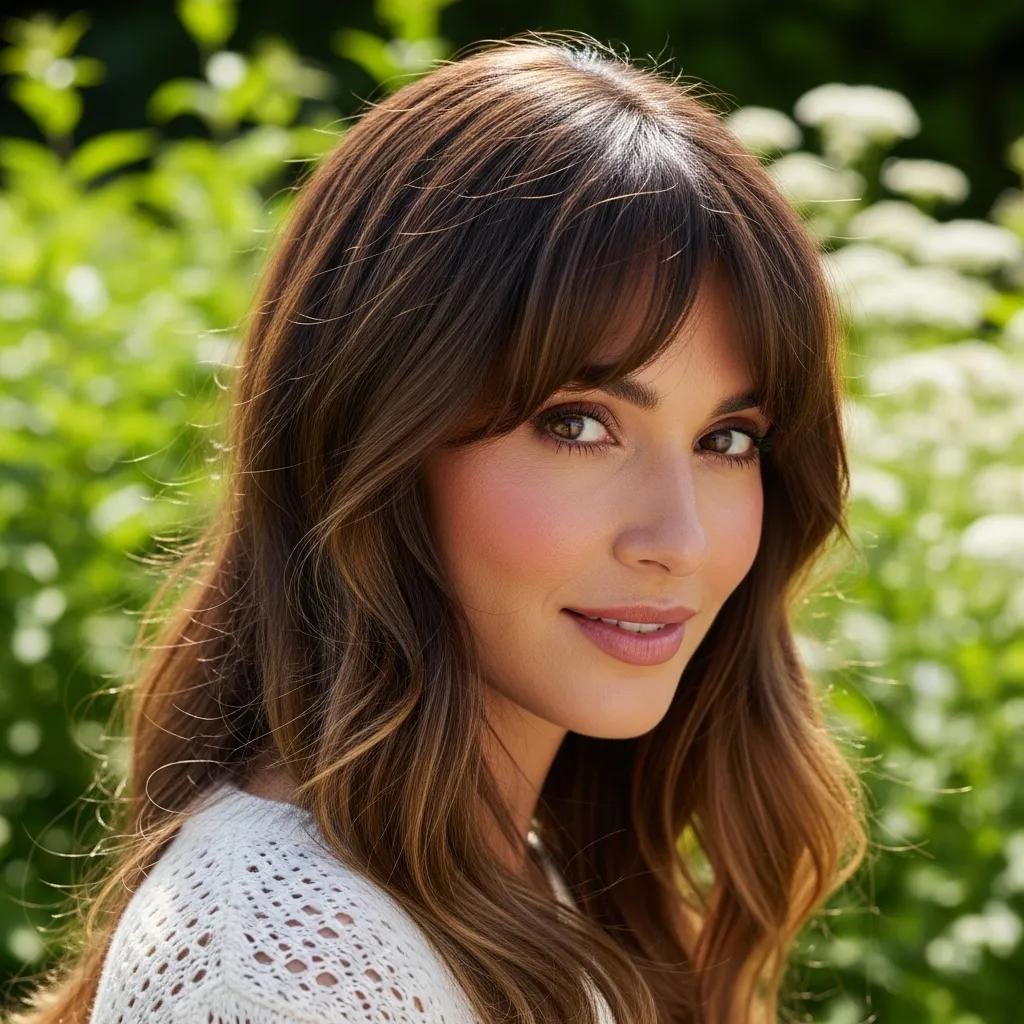
Curtain bangs split down the middle and sweep to each side, creating downward lines that make the face look longer. By revealing a soft center and tapering toward the cheeks, they pull attention away from the widest areas and emphasize vertical flow. Styling usually means a round‑brush blowout or gentle heat to shape the sweep, and a light texturizer or pomade keeps the pieces separated without weighing them down. Expect trims every 6–10 weeks to maintain the shape while letting the length do the slimming work — which is why many choose professional shaping for the best balance of growth and definition.
What Are the Benefits of Wispy Bangs for Round Faces?
Wispy bangs use feathered ends and internal layers to soften the forehead without creating a stark horizontal line. That airy edge diffuses cheek fullness and blends nicely with face‑framing layers, so the overall look reads lighter and less rounded. Styling is simple: a light texturizing spray or cream and a finger or diffuser blow‑dry create a lived‑in finish. Compared with blunt cuts, wispy bangs are lower maintenance because growing out doesn’t produce an abrupt line. They suit fine to medium hair well, and when paired with layers starting near the cheekbones, they enhance a slimming effect while keeping the look modern and effortless.
What Are the Most Flattering Bangs for Oval Faces?
Oval faces are versatile — most fringe styles work beautifully. Your choice comes down to whether you want to emphasize symmetry or add edge with texture. Wispy bangs keep things soft and modern, blunt bangs make a bold, fashion-forward statement if your hair density supports them, and curtain bangs offer classic framing while maintaining balance. Think about hair density, personal style, and how much upkeep you want. Small changes in length or texture can create very different impressions, so use the list below to narrow your options before reading the deeper tips on wispy looks and layering.
Top bangs for oval faces explained:
- Wispy bangs: Feathered edges add movement and stay low-effort.
- Blunt bangs: A crisp horizontal line for a high-fashion look when density suits it.
- Curtain bangs: A soft, balanced sweep that enhances natural symmetry.
Why Choose Wispy Bangs for Oval Face Shapes?
Wispy bangs complement an oval face by introducing texture without upsetting natural proportions. Their feathered ends keep length while adding movement, making them ideal if you want a subtle update that’s still flattering. A light texturizer or cream and occasional shaping trims keep the fringe airy with minimal daily fuss. This style adapts well as you change overall length and pairs nicely with layers to either soften or subtly accentuate features.
How Face Framing Layers Complement Oval Faces with Fringe?
Face‑framing layers are graduated pieces around the front that work with your bangs to either soften or highlight facial features. For oval faces, layers that start near the cheekbones can lift and open the face, while shorter pieces near the bangs create texture and modern edge. Whether you choose a gentle graduation or sharper choppy slices changes how the bangs move — so talk through your goals with a stylist to ensure layers and fringe blend for the look you want. Layering also shifts product choices, from smoothing serums for sleek finishes to texturizers for a lived-in feel.
How to Style Bangs for Square Face Shapes?
With square faces, the aim is to soften angular jaws and avoid a boxy silhouette. Side‑swept bangs and asymmetrical curtain pieces introduce diagonal lines and movement that draw attention inward and downward, balancing a strong jaw. Use a round‑brush blowout to create sweep and curve, texturizing shears to remove blunt weight, and lightweight products to keep movement without stiffness. The steps below give a quick, repeatable routine you can use at home; later sections cover which bangs and layering choices work best for square shapes.
Practical step-by-step styling for square faces:
- Create a deep side part: Adds asymmetry to soften a boxy jawline.
- Blow-dry with a round brush: Direct hair downward and slightly inward to build gentle curve.
- Use texturizer sparingly: A little product prevents a flat, heavy fringe.
- Finish with light hairspray: Hold movement without stiffness or crunch.
What Are the Best Bangs for Square Faces?
Best picks for square faces include angled side‑swept fringes, long soft curtain bangs, and textured wispy cuts that avoid a harsh horizontal line. Side‑swept pieces create diagonal emphasis that narrows the lower face; curtain bangs with a gentle taper add length without highlighting a strong jaw, and textured fringes disperse visual weight. Aim for lengths that graze the cheekbones or sit longer to balance proportions. If you’re unsure, a stylist can suggest subtle layering and angling to complement your jawline.
How Do Face Framing Layers Soften Square Jawlines?
For square faces, face‑framing layers are cut to create soft transitions that reduce the appearance of width. Starting layers near the chin or cheekbones and angling them slightly inward produces movement that counteracts angularity. Internal thinning around the temples avoids bulk that would otherwise emphasize the jaw. Styled with loose waves or smoothing tools, these layers add curvature and shadow that visually narrow the lower face. Regular shaping trims keep the effect intentional as hair grows.
What Are the Trending Blunt Bangs Styles for 2024?
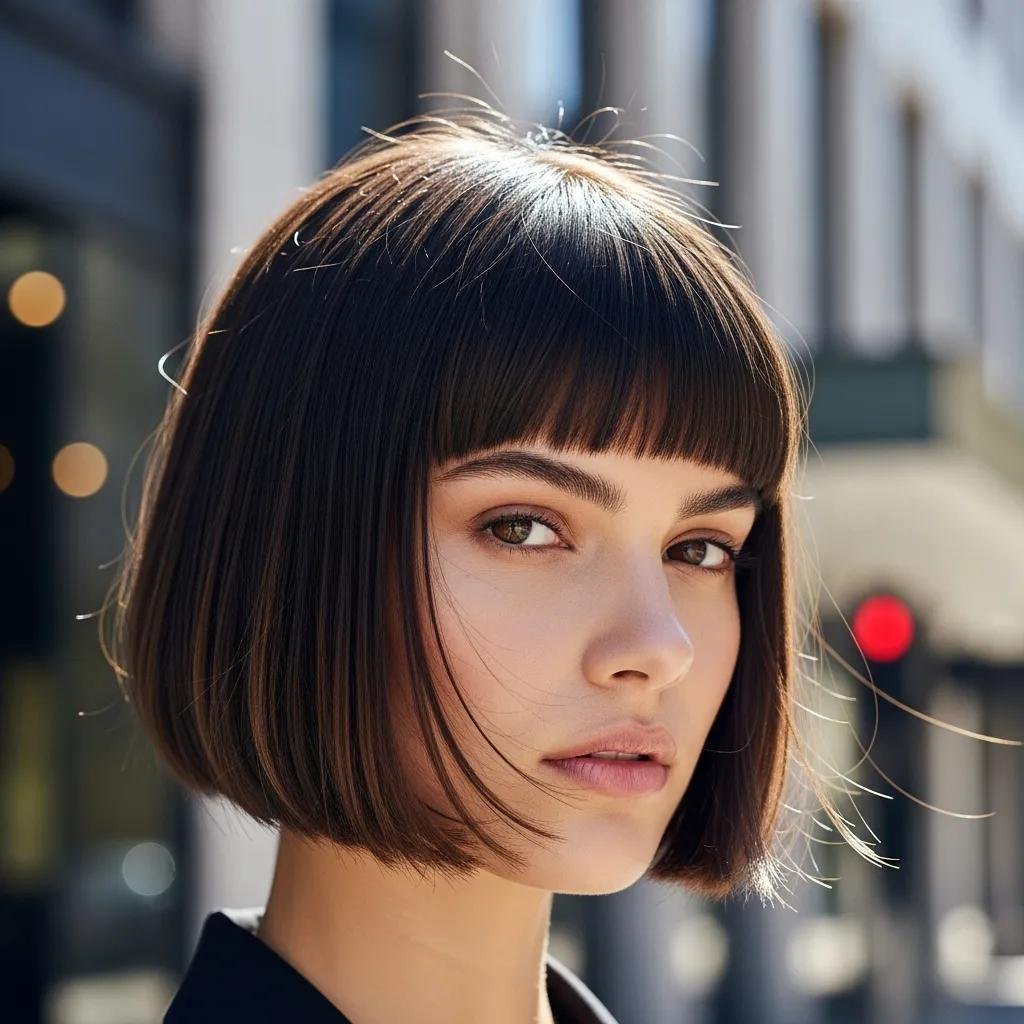
Blunt bangs in 2024 soften the classic straight line with texture and hybrid shapes so the look reads modern, not severe. Trending options include eyebrow‑grazing blunt bangs with softened edges, textured blunts created with micro‑razoring or point‑cutting, and soft‑edge blunts that blend into framing layers for everyday versatility. Success with blunt bangs comes down to a precise salon cut and consistent at‑home maintenance: regular trims, smoothing techniques, and the right products to keep the silhouette clean yet natural. The table below compares the main blunt variants, how to style them, and when to book a pro.
Quick note: this table outlines popular blunt bangs for 2024, how to style each, and recommended salon services.
Which Blunt Bangs Cuts Are Popular This Year?
This year’s blunt bangs favor softened horizontals and hybrid shapes: eyebrow‑grazing lines eased at the corners, textured blunts for movement, and curtain‑blunt mixes that frame the face. Thick to medium hair tends to support a clean blunt base best, while textured techniques let finer hair read fuller without weight. A crisp blunt reads editorial; a softened blunt blends easily into daily life. Face shape and density still guide whether a blunt will flatter or overpower, so factor those in before committing.
How to Maintain and Style Blunt Bangs for Modern Looks?
Blunt bangs need regular trims and a simple smoothing routine. Most stylists recommend 4–8 week trims depending on how sharp you want the line. Daily styling often takes a quick flat or round‑brush blowout plus a light smoothing serum to control frizz; textured blunts can use a dab of paste to separate ends. Weekly care might include a gentle clarifying shampoo to remove product buildup and a lightweight conditioner applied mid‑length to ends to avoid weighing the fringe down. For precision styles — especially eyebrow‑grazing or hybrid blunts — professional trims keep the shape consistent and reduce risky DIY fixes.
Pro tip: If you want a precise blunt cut or help choosing the right blunt for your face and texture, Kylie Studio Salon in Bethesda, MD offers consultations and expert cuts to maintain modern blunt fringes.
How to Choose Fringe Styles That Frame Your Face Perfectly?
Pick a fringe by weighing three things: face shape, hair texture, and how much time you want to spend styling. Start by identifying whether your face is round, oval, square (or heart), then consider density and natural fall to predict how a fringe will sit. Lifestyle matters: if you’re short on daily styling time, choose a lower‑maintenance wispy cut over a high‑maintenance blunt line. The decision matrix below pairs face shapes with recommended bangs and realistic upkeep so you can decide whether to DIY a tweak or book a pro.
Quick note: use this decision matrix to match your face shape with bangs, styling tips, and trimming cadence.
What Are Face Framing Layers with Fringe?
Face‑framing layers are front pieces cut to work with your bangs — they can lift and open the face or create intentional texture. Layers that start near the cheekbones brighten and soften, while shorter pieces by the bangs add modern detail. The specific angles and graduation determine how the fringe sits as it grows, so a stylist will map focal points before cutting to ensure the layers support your fringe during the transition between trims.
How Do Different Fringe Styles Affect Face Shape Perception?
Bangs alter perceived proportions by changing the direction of lines: vertical lines lengthen, horizontal lines shorten or widen, and diagonal/asymmetrical lines soften angles. Curtain bangs add vertical framing and length; blunt bangs create a strong horizontal anchor that can shorten the face; side‑swept pieces use diagonals to slim width. Simple do/don’t rules: avoid a heavy, straight‑across band on round faces and choose softer, textured styles for square jaws. If you want help translating these rules into a personalized cut, a salon consult can convert them into a plan that fits your hair and lifestyle.
When you’re ready to move forward, book a personalized consultation to match style, texture, and maintenance — Kylie Studio Salon in Bethesda, MD offers face‑shape analysis and expert cutting to get the fringe that suits you best.
Frequently Asked Questions
What should I consider before getting bangs?
Think about three things: your face shape, your hair texture, and how much time you’ll spend styling. Some bangs need daily shaping and frequent trims, while others grow out more gracefully. If you’re busy, lean toward wispy or side‑swept options; if you love a bold, polished look, a blunt cut may be worth the upkeep.
How can I style my bangs for a special occasion?
For events, start with a round brush blowout for volume and curve, use a flat iron for a sleek finish, or add soft waves with a curling wand. Light styling products — a smoothing serum or texturizing spray — help hold shape, and finish with a light hairspray to avoid stiffness. Accessories like clips or headbands can also elevate the look.
Are there specific products recommended for maintaining bangs?
Yes. A lightweight texturizing spray adds movement without weight, while a smoothing serum tames frizz for sleeker bangs. Keep a small brush or travel dryer for quick touchups, and consider occasional clarifying shampoo to remove buildup. Regular trims (typically every 4–8 weeks) keep the shape fresh.
Can I transition from bangs to no bangs easily?
Absolutely. Growing out bangs works best when you transition through longer styles — curtain bangs or side‑swept pieces blend into the rest of your hair as they grow. Use accessories like headbands or clips during awkward phases and visit your stylist for shaping trims to guide the process.
What are some common mistakes to avoid when styling bangs?
Common errors include using too much product (which flattens and oils the hair), picking a style that doesn’t suit your face shape, skipping trims, and styling bangs while they’re wet with a hot tool. Always dry bangs before heat styling and use minimal product to preserve movement.
How do I choose the right stylist for my bangs?
Look for a stylist experienced with fringes. Read reviews, check before‑and‑after photos, and schedule a consultation to discuss your face shape, hair texture, and daily routine. A good stylist will offer tailored recommendations and explain maintenance so you know what to expect.
Conclusion
The right bangs can highlight your best features and reflect your personal style — when you match shape, texture, and upkeep. Use the guidance here to choose a fringe that fits your face and lifestyle, and consider a professional consultation for precision and peace of mind. Book a session with a stylist at Kylie Studio Salon in Bethesda, MD to get a personalized cut and care plan that keeps your bangs looking their best.