Top Foods for Faster, Healthier Hair Growth — Your Essential Nutrition & Care Guide
Good nutrition is one of the simplest, most effective ways to support faster, healthier hair. Hair follicles need a steady supply of building blocks to make keratin — the protein that forms each hair shaft — and the right nutrients also help scalp circulation, reduce breakage, and boost shine. When the inside is strong, salon treatments and styling deliver better, longer-lasting results.
Throughout this guide we translate the science into easy meal ideas, clear nutrient tables, and practical treatment pairings so you can take action right away. Kylie Studio Salon in Bethesda, MD partners with clients who want a combined approach — nutrition plus in-salon care like keratin smoothing and deep conditioning. To book a consultation, ask for Ruth at the salon. Keep reading for targeted food lists, nutrient (EAV) tables, and step-by-step plans to support fuller, faster-growing hair.
What’s the science behind hair growth and nutrition?
Hair grows through a repeating cycle inside each follicle: cells divide, specialize, and produce keratin. Nutrition supplies the amino acids, cofactors, and energy that power that process. Good blood flow delivers oxygen and micronutrients to the follicle bulb; without enough iron, protein, or vitamin D, follicles can shift into a resting phase and hair thins. Research also shows anti-inflammatory nutrients and omega‑3 fats improve the scalp environment, limit oxidative damage, and help lengthen the anagen (growth) phase. Knowing how these pieces fit together explains why eating well — and combining diet with topical or salon treatments — speeds visible improvement. Below are the nutrients that work directly at the follicle.
Key nutrients that support follicle function:
- Protein: Supplies amino acids needed for keratin and stronger hair fibers.
- Iron: Carries oxygen to follicles and helps prevent shedding from deficiency.
- Omega‑3 fatty acids: Calm scalp inflammation and support cell membranes.
- Biotin and zinc: Serve as cofactors in keratin production and repair.
How do hair follicles actually support growth?
Think of a hair follicle as a tiny organ made of the bulb, dermal papilla, and surrounding sheath that cycles through anagen (growth), catagen (transition), and telogen (rest). The dermal papilla takes up nutrients and hormonal signals from the microcirculation; those nutrients feed matrix cells that build keratin and push the shaft out. If circulation, oxygen, or cofactors fall short — for example, with iron or protein shortages — matrix activity slows and hairs enter telogen early, causing shedding. Improving nutrient intake and scalp circulation supports longer growth phases and less breakage, which together increase visible length and density over time.
Which key nutrients are essential for healthy hair?

The core nutrients to prioritize are protein, biotin, iron, zinc, vitamin D, vitamin C, and omega‑3s — each plays a specific role in follicle maintenance and keratin assembly. Protein provides cysteine and methionine for keratin’s disulfide bonds; biotin helps process fatty acids and amino acids important for keratin synthesis; iron moves oxygen to the bulb; zinc supports cell replication and repair; vitamin D influences follicle cycling; and vitamin C aids collagen formation and iron uptake. Choosing foods that combine these benefits makes it easier to support both the follicle and the hair shaft at once.
Which foods promote faster, thicker hair growth?
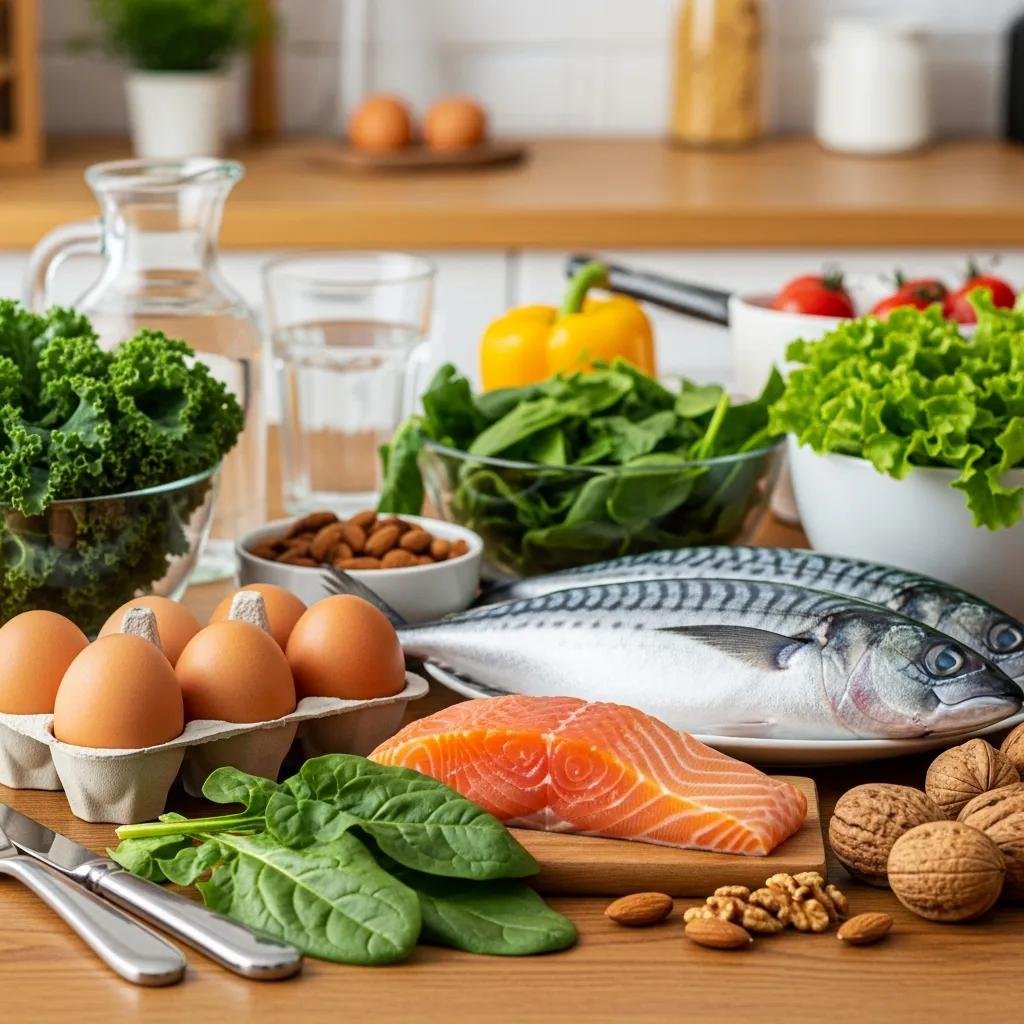
Organizing foods by nutrient role — protein, omega‑3s, vitamin-rich produce, and mineral-dense choices — creates a practical eating plan to support growth and thickness. Foods that supply structural building blocks plus anti-inflammatory compounds tend to give the most consistent results when eaten regularly. Below is a short list of top food categories, followed by a concise nutrient table to help you scan foods, their main nutrients, and the hair benefits they offer.
Top foods that support hair growth and thickness:
- Eggs: Protein and biotin for keratin production and a healthy scalp.
- Fatty fish (salmon, mackerel): EPA/DHA to reduce inflammation and nourish follicles.
- Leafy greens (spinach, kale): Iron and vitamin C to boost oxygen delivery and collagen support.
- Nuts and seeds (walnuts, flax, chia): Zinc, vitamin E, and plant-based omega‑3s.
Intro to table: The table below pairs specific foods with the key nutrients they provide and the practical hair benefits you can expect when these foods are part of a regular eating pattern.
Summary: This nutrient table highlights foods that deliver multiple hair-supporting nutrients, making meal planning easier. Regularly including these items — several servings across the week — builds a strong nutritional base for faster, healthier hair growth.
What protein-rich foods strengthen hair structure?
Keratin is a protein polymer built from dietary amino acids, especially sulfur-rich ones, so protein-rich foods form the hair shaft’s scaffold. Animal sources like eggs, lean meats, and dairy offer complete amino acid profiles; plant sources such as lentils, chickpeas, and tofu provide good protein plus fiber and micronutrients. Practical portion advice: aim for a palm-sized serving of protein at each main meal and, for vegetarian diets, combine plant proteins to ensure a full amino acid profile. Add eggs or Greek yogurt at breakfast, toss chickpeas in salads, and snack on nuts to keep amino acids coming.
How do omega‑3 fatty acids enhance hair density?
Omega‑3s improve the follicle’s microenvironment by lowering inflammatory signals and supporting cell membrane health — which can lead to fuller hair and less breakage. Fatty fish like salmon and mackerel are rich in EPA and DHA; walnuts, chia, and flax provide plant-based ALA that partially converts to EPA/DHA. Practical serving suggestions: aim for fatty fish twice a week or add a daily handful of walnuts or a tablespoon of ground flax. Consistent omega‑3 intake supports scalp health and may help lengthen the growth phase when combined with adequate protein and micronutrients.
What vitamins and minerals are best for hair health?
Vitamins and minerals act as cofactors, structural supports, and signaling molecules that influence follicle function and hair quality. Correcting deficiencies in iron, zinc, biotin, vitamin D, and vitamin C often improves shedding and strength, while antioxidants shield follicles from oxidative stress. The table below summarizes each nutrient’s role, practical food sources, and daily notes to guide your planning and — when needed — testing.
Intro to nutrient table: Use this chart to align biological roles with realistic food sources and simple daily notes so you can prioritize the nutrients most likely to affect your hair concerns.
Summary: These micronutrients work together — iron plus vitamin C for oxygen and collagen, zinc for repair, biotin for keratin pathways, and vitamin D for cycle regulation — so a varied plate helps address multiple mechanisms that support hair growth and thickness.
How does biotin support keratin production?
Biotin acts as a coenzyme in reactions that process fatty acids and amino acids — indirectly supporting keratin production in the hair matrix. True biotin deficiency is rare, but clinically low levels can show as thinning or brittle hair. For most people, a food-first approach (eggs, nuts, legumes) supplies enough biotin; concentrated supplements are best used when a deficiency is confirmed. Try adding eggs at breakfast or a handful of almonds a few times a week to maintain intake.
What roles do iron, zinc, and vitamin D play in hair growth?
Iron transports oxygen via hemoglobin to rapidly dividing follicle cells — low iron is a known contributor to diffuse shedding, especially in menstruating people. Zinc supports protein synthesis, cell division, and immune balance, which helps repair the follicle and prevent miniaturization. Vitamin D influences the switch between resting and growth phases; low levels can disrupt cycling. Together these nutrients form a practical triad: oxygen delivery, cell turnover, and cycle regulation. Dietary sources and targeted testing can guide effective interventions when loss persists.
How can diet help prevent hair loss and thinning?
Diet strategies for preventing thinning focus on correcting likely deficiencies, cutting inflammatory foods, and stabilizing blood sugar and hormones that affect the hair cycle. Three practical steps are: ensure enough protein and iron, prioritize anti‑inflammatory fats and antioxidants, and keep consistent meal timing to support metabolic balance. The table below links each strategy to the targeted issue and gives simple food-based actions you can start today. These approaches work best combined with scalp care and, if needed, professional evaluation.
Intro to strategy table: This chart pairs common hair-loss causes with targeted dietary strategies and straightforward food steps to help address each issue.
Summary: These dietary approaches address common nutrition-related drivers of thinning by supplying building blocks, improving oxygenation, and calming scalp inflammation. With consistent application over months, many people see improvements in hair density.
Which natural foods combat hair thinning?
Antioxidant- and nutrient-dense foods fight thinning by lowering oxidative stress and supplying cofactors for repair and growth. Berries, leafy greens, nuts, seeds, and colorful vegetables deliver vitamins A, C, E, zinc, and polyphenols that protect follicles. Easy meal ideas: a spinach-and-salmon salad, a berry-and-Greek-yogurt bowl, or oatmeal topped with seeds and nuts — small habits that add up to a more resilient follicle environment.
What dietary strategies support scalp health?
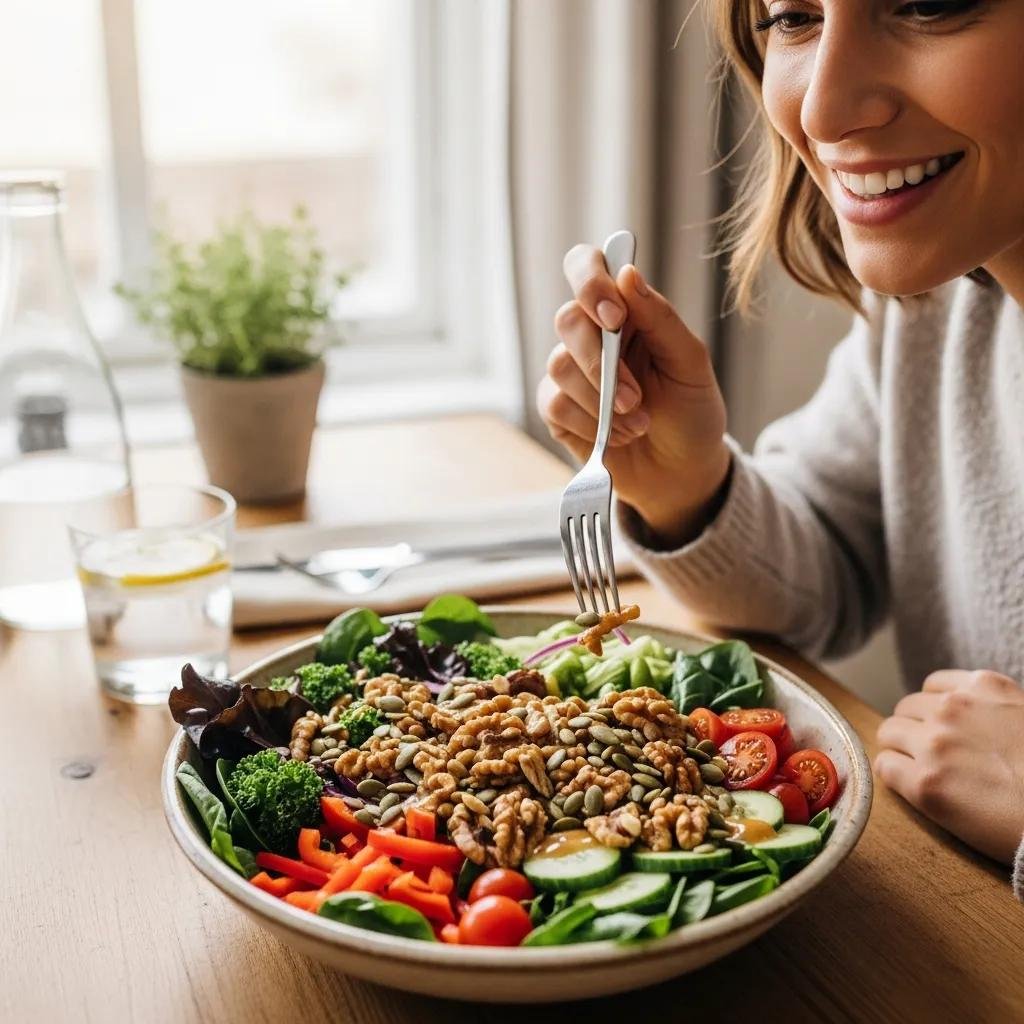
Scalp health benefits from an anti‑inflammatory pattern, steady hydration, and limiting foods that spike insulin or promote inflammation. Focus on omega‑3 foods, colorful antioxidant produce, whole grains, and consistent fluid intake to keep blood volume steady for nutrient delivery. Cut back on refined carbs and excessive processed fats, and pair dietary changes with gentle scalp care — mild cleansers and avoiding harsh sulfates — to give follicles the best chance to absorb nutrients.
What lifestyle factors complement a hair‑healthy diet?
Hydration, quality sleep, stress management, and regular movement amplify a hair‑supporting diet by improving circulation, hormonal balance, and cellular repair. Proper fluids help move nutrients to the follicle, sleep supports growth-and-repair cycles, and managing stress lowers cortisol that can trigger shedding. Together, these habits shorten the time to visible results and reduce breakage.
- Hydration: Drink regularly through the day to support nutrient transport and scalp hydration.
- Sleep: Aim for 7–9 hours to support repair and hormone balance that affect follicles.
- Stress management: Try breathwork, walking, or therapy to lower cortisol-related shedding.
Summary: Pairing these lifestyle supports with a nutrient-dense diet speeds visible hair improvements, minimizes breakage, and enhances the outcome of professional treatments when used consistently.
How do hydration and sleep affect hair growth?
Hydration keeps blood volume and interstitial fluids healthy so nutrients and oxygen reach the scalp; sleep stabilizes hormones and drives cellular repair needed by follicles. Dehydration can reduce microcirculation and concentrate inflammatory mediators, impairing nutrient delivery to the hair bulb. Simple targets — sipping water throughout the day and keeping a consistent bedtime — help the internal environment support hair growth. When hydration and sleep improve, dietary efforts more reliably translate to stronger, less brittle hair.
What is the impact of stress management on hair health?
Stress can trigger telogen effluvium, where many follicles enter the resting phase and shedding becomes noticeable within weeks to months. Reducing stress lowers cortisol and sympathetic activation that disrupt follicle cycling and matrix proliferation. Evidence-backed tactics include daily breathing exercises, moderate cardio, and consistent sleep routines; these reduce physiological stress and support follicle recovery. With stress under control, hair growth often returns to normal over several months as follicles re-enter the growth phase.
How can Kylie Studio Salon services enhance your hair-growth journey?
Salon services and nutrition work hand in hand: eating well builds new hair from the follicle up, while professional treatments repair existing damage and prevent breakage so growth shows. At Kylie Studio Salon, we use treatments that strengthen the cuticle and restore moisture so newly grown hair reaches visible length.
Keratin smoothing, deep conditioning, and hair gloss treatments help seal the cuticle, replenish lipids, and protect strands from mechanical and environmental stress. When these services are timed with a nutrition plan, they preserve the gains you make from the inside out. For personalized guidance, schedule a consultation with Ruth at Kylie Studio Salon to coordinate treatment timing with your dietary plan.
Introductory list of salon benefits:
- Cuticle protection: Keratin treatments smooth and seal the cuticle to reduce split ends.
- Moisture restoration: Deep conditioning restores lipids and improves elasticity.
- Shine and color maintenance: Hair gloss boosts surface shine and helps protect color-treated hair.
Summary: Combining targeted nutrition with expert in‑salon repair addresses both follicle-level drivers and shaft-level damage. Regular salon maintenance helps hair retain strength while dietary changes support steady new growth.
How do keratin and deep conditioning treatments strengthen hair?
Keratin treatments deposit protein and smoothing agents into the cuticle and cortex, filling gaps and reducing friction between fibers so hair breaks less during brushing and styling. Deep conditioning infuses moisture, lipids, and conditioning agents that improve elasticity and reduce brittleness, helping the shaft withstand mechanical stress. Frequency depends on hair type and styling habits, but many people benefit from maintenance every 6–12 weeks. Combined with enough dietary protein and hydration, these treatments protect newly grown hair and lengthen time between trims.
Why combine nutritional care with professional salon services?
Nutrition supplies the raw materials and cofactors for new hair; salon services repair existing damage and shield the shaft. Together they shorten the time to visible improvement because reduced breakage lets gains from increased growth actually appear as longer, healthier hair.
For local clients, Kylie Studio Salon in Bethesda, MD offers tailored keratin, deep conditioning, and gloss services that complement dietary strategies. Consult with Ruth to design a treatment schedule that matches your nutrition plan and hair goals. To book a consultation or service, contact Kylie Studio Salon and request Ruth’s assistance.
Frequently Asked Questions
1. Can stress really affect hair growth?
Yes — stress can have a real effect. High stress levels can cause telogen effluvium, where many follicles prematurely enter the resting phase and you notice increased shedding. Reducing stress with meditation, movement, and better sleep helps restore balance and supports healthier hair over time.
2. How often should I consume protein for optimal hair health?
Include a protein source at every meal. Aim for a palm-sized serving — eggs, lean meats, yogurt, or legumes — to keep a steady supply of amino acids for keratin synthesis. Protein-rich snacks can help maintain this balance throughout the day.
3. Are there specific foods that can help reduce scalp inflammation?
Yes. Omega‑3s from fatty fish, walnuts, and flaxseeds help lower inflammation, and antioxidant-rich foods like berries, leafy greens, and colorful vegetables fight oxidative stress. Regularly including these foods supports a healthier scalp environment.
4. How does hydration influence hair health?
Hydration matters because it supports blood volume and microcirculation that carry nutrients and oxygen to follicles. Dehydration can impair delivery and make hair more brittle. Aim to sip water throughout the day to support scalp and hair health.
5. What role does vitamin D play in hair growth?
Vitamin D helps regulate the hair cycle and activates follicles. Low vitamin D has been linked to hair loss and disrupted cycling. Boost levels with fatty fish, fortified foods, egg yolks, and safe sun exposure — and consider testing if you suspect a deficiency.
6. Can a vegetarian diet support healthy hair growth?
Absolutely. A vegetarian plan can support healthy hair if it includes varied, nutrient-dense foods: lentils, chickpeas, tofu, quinoa, fruits, and vegetables. Pay attention to iron, zinc, and biotin, and pair iron-rich foods with vitamin C to improve absorption.
7. How can I tell if my hair loss is related to nutrition?
Nutrition-related loss often shows as thinning, brittle strands, or more shedding. Keeping a food diary and reviewing intake of protein, iron, zinc, and vitamins can reveal gaps. If you’re unsure, consult a healthcare professional or registered dietitian for personalized testing and guidance.
Conclusion
Faster, healthier hair growth is achievable with a balanced plate and consistent care. Prioritize protein, key vitamins, and minerals while including anti‑inflammatory fats and antioxidants. Pair those dietary habits with targeted salon services to repair and protect the hair shaft, and you’ll see stronger, shinier, longer hair over time. Ready to start? Explore these food suggestions and book a consultation with Kylie Studio Salon to create a plan that fits your hair goals.