Styling Asian Hair: Practical Tips for Volume, Trends & Care
When we talk about Asian hair, we mean everything from very straight to softly wavy textures — often with a denser cortex and a rounder follicle that gives each strand more substance and shine. Those structural traits explain common styling outcomes: excellent natural gloss, a tendency to sit flat at the roots, and sometimes a resistance to holding curl. This guide breaks those mechanics down into practical steps: styling methods for lift and texture, product classes that work, haircut and color directions for 2025, perm options for lasting movement, and a simple care routine to keep hair hydrated and the scalp healthy. You’ll find clear, targeted approaches for fine and thick textures, short maintenance notes for Korean and digital perms, and trend-friendly color placements for darker bases. Wherever helpful, we point out how Kylie Studio Salon in Bethesda can bring these techniques to life in a consult or in-salon service. Start by learning what makes Asian hair unique so you can match technique to texture and get reliable lift and shape.
What Are the Unique Characteristics of Asian Hair?
Asian hair usually has straighter shafts, a thicker cortex, and a rounder cross-section — that’s what creates strong natural shine and good tensile strength. Those same features affect how hair reacts to tools and products: straight strands reflect light for a glossy finish, thicker diameters can weigh hair down at the root, and cuticle structure changes how products grip the shaft. Once you understand these mechanics, you can play to the advantages (shiny, strong hair) and plan around the limits (root flatness, curl retention). The next sections explain how texture and thickness change tool choices and offer straightforward fixes for common styling issues.
How Does Hair Texture and Thickness Affect Styling?
Texture and thickness drive your technique and tool choices. Fine, straight Asian hair does best with lightweight root-lifters and internal layering to create volume without losing length. Very thick or coarse hair usually benefits from careful texturizing and weight removal so styles read as movement instead of bulk. Practical rules: use lower heat and quick passes for fine hair; use firmer tension and larger brushes for thicker hair. Match the method to the texture and you’ll get more predictable results.
What Common Challenges and Natural Advantages Does Asian Hair Have?
Common challenges include flat roots, curls that slip out, and occasional frizz at length, especially where previous chemical work changed the hair. The causes are simple: heavier strands and straight growth patterns resist lift, and smooth cuticles can make heavy products slide off instead of helping. On the flip side, Asian hair’s natural shine and strength mean less breakage when you manage heat properly and can achieve glossy finishes with lighter product. And a quick myth-buster: Asian hair can absolutely take dimension — with controlled lift and strategic balayage, you can create beautiful layers of tone without compromising integrity. Those trade-offs set the stage for combining cutting and chemical texture to make shapes that last.
How Can You Add Volume and Texture to Asian Hair?
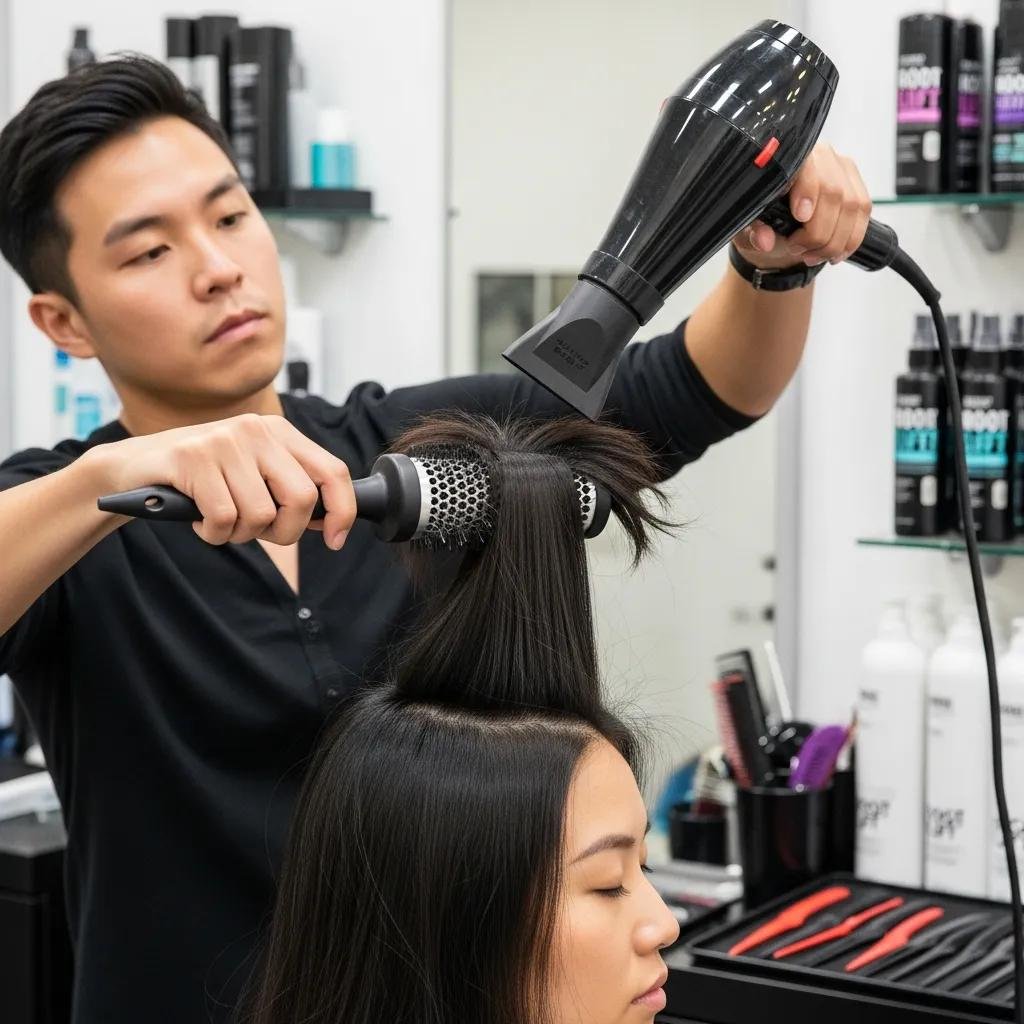
Building volume and texture is a mix of mechanical lift, the right cut, and smart product layering. Mechanically, root-lift blow-drying and round-brush work change strand direction at the follicle for lasting separation; chemically, perms or texture treatments add internal memory so waves and volume hold. Lightweight mousses and powders help add body without flattening the hair. When combined, these approaches give you lift at the root, movement through the mid-lengths, and controlled separation instead of a flat surface. Below are practical techniques and product classes to try, plus a simple table to match your hair type to the best option.
Primary volumizing techniques and when to use them:
- Root-lift blow-dry: Direct airflow with a round brush to lift the root and set volume.
- Internal layering: Add inner layers that move weight rather than cutting overall length.
- Volumizing product layering: Start with a lightweight mousse on damp roots, then a root-lifter or powder at styling to lock lift.
- Texturizing perm: Korean waves or digital perms give long-lasting texture for low daily styling effort.
Cut creates the canvas, the blow-dry sculpts the shape, and products hold it — use them together for the best results. The table below helps you choose by hair type.
Intro to comparison table: Use this quick match-up to pick the volumizing approach that fits your texture and routine.
What Are Effective Volumizing Techniques for Fine and Thick Asian Hair?
For fine hair, try this sequence: lightweight mousse on damp roots, a targeted root-lift blow-dry (upside-down or with a round brush), then a touch of root powder to hold the lift all day. The mousse thickens strands a bit without weighing them down, and the mechanical lift changes the root direction so the shape lasts. For thick hair, use internal layering and careful texturizing to remove weight so the round brush can shape instead of only smoothing. Thinning should be conservative to avoid frizz. Pro tips: lower heat for fine hair; controlled tension and larger tools for thick hair. If you’re unsure, book an in-salon volumizing cut or root-lift blowout with a stylist.
Which Products Best Enhance Volume and Texture?
Pick products based on what you want them to do: mousses add strand thickness, powders boost root friction, sea-salt sprays add surface texture, and clays give piecey separation for thicker hair. For fine Asian hair, choose low-residue mousses and silicone-light root lifters to avoid weighing hair down; for thicker hair, clays or texturizing sprays work well without stickiness. Skip heavy silicones and dense oils when your goal is lift, and always layer a thermal protectant under styling products before blow-drying. Think of products as tools: mousse for base body, powder for instant lift, sea-salt spray for lived-in texture, and clay for defined separation.
What Are the Latest Asian Hair Trends for 2025?
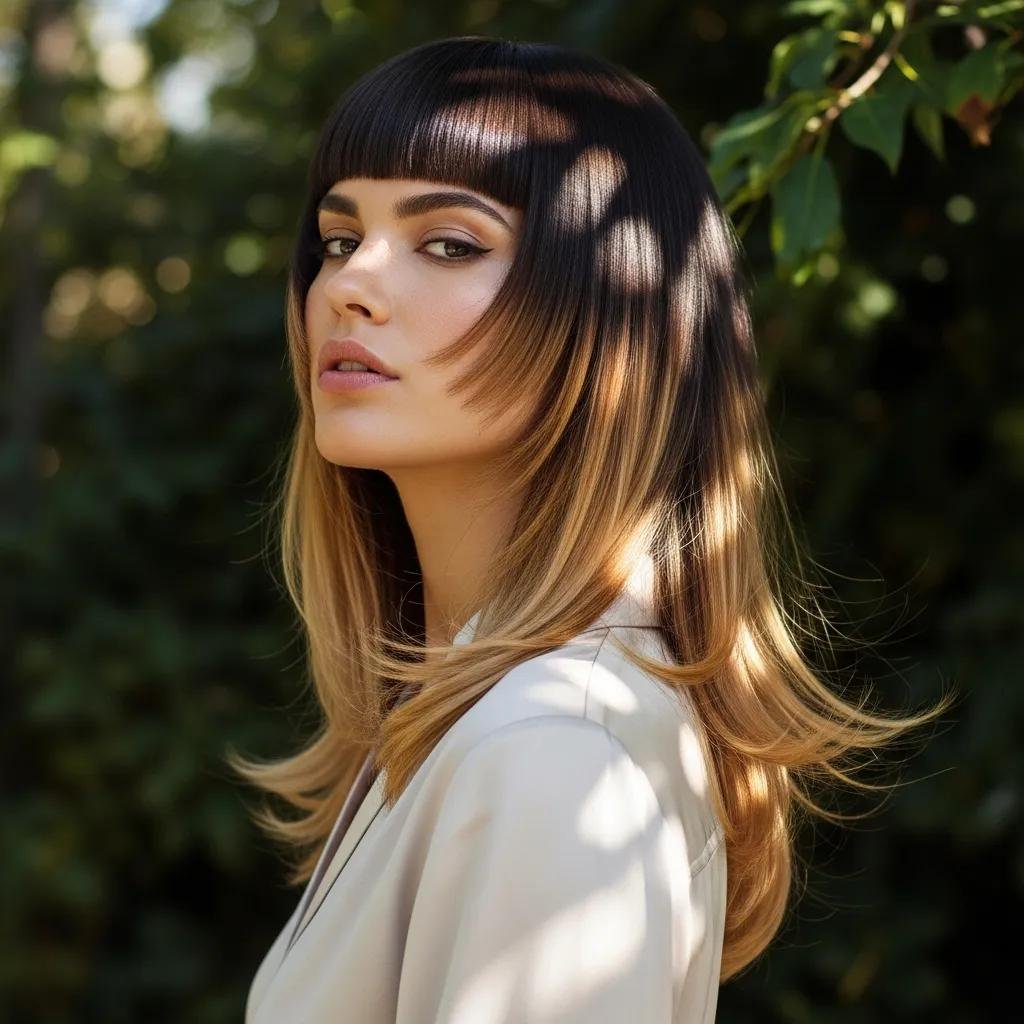
In 2025, trends lean toward natural movement, precise face-framing, and color that flatters darker bases without excessive damage. Cuts like the Hime and two-block keep strong silhouettes while freeing the mid-lengths to move; bobs and lobs favor blunt outlines softened by internal texture to avoid a heavy look. Color choices lean to honey balayage, subtle ash tones, and small pastel accents for dimension without full-head bleaching. Perms stay soft — think Korean waves and natural C-curls — to create an easy, lived-in finish. Essentially, trends add shape and tone where they make hair look fuller and more effortless over time.
Top 2025 trends and why they work:
- Hime cut: face-framing sections create contrast and a defined structure.
- Two-block: under-layer shaping reduces bulk and adds lift for medium lengths.
- Bob/Lob variations: blunt edges with interior texture keep fullness while feeling modern.
These trend choices tie into technique and upkeep — the table below maps what each look typically requires in the salon and the outcome you can expect.
Intro to trends table: Match each trend to common salon techniques and the typical visual result to set expectations before your consult.
This mapping helps you know what to ask for in a consultation. Next, we cover popular haircuts and color methods so you can match style to face shape and maintenance needs.
Which Haircuts and Styles Are Popular?
2025’s popular cuts focus on clean silhouettes and easy styling: the Hime cut, two-block, and bob/lob variations are front-runners. Each plays differently with Asian textures — a blunt bob shows off shine but needs precise internal texturizing to avoid a helmet look, while a two-block shaves bulk from under the top layer to create lift. Face-shape tips: round faces often benefit from length and soft layers; oval faces suit most styles, including Hime. Maintenance varies: precision shapes need regular trims, while textured lobs let you stretch appointments a bit. These haircut choices naturally pair with color techniques that add dimension without extra damage.
What Hair Color Techniques Are Trending?
Balayage and finely placed highlights remain top choices for adding dimension on darker Asian bases with less damage than full bleaching. The idea is selective lightening plus toner to balance ash or warmth to your skin tone. Honey balayage and subtle ash tones work well when lift is controlled; pastel accents are used sparingly to pop without overpowering the base. Colorists often recommend staged lifts and bond-repair treatments when higher lift is needed to keep hair healthy. These color methods pair nicely with perm and texture work so grow-out behaves predictably.
How Do Korean Perms and Wavy Styles Transform Asian Hair?
Perms like the Korean wave and digital perm change internal hair bonds to create lasting texture, which reduces daily styling time and gives the impression of thicker hair. For straighter Asian shafts, a perm often provides the internal memory needed to hold shape. Benefits include more movement, easier second-day styling, and forgiving silhouettes that hide flat roots. Maintenance focuses on preserving hydration and shape; below we compare the main perm options and give quick aftercare tips so you know what to expect.
Quick perm benefits with one-line maintenance tips:
- Korean wave: Soft, uniform S-shaped waves — keep them hydrated with a lightweight moisturizing serum.
- Digital perm: Defined, controllable curls — protect with low-heat tools and regular leave-in conditioners.
- Texturizing perm: Subtle grit and separation — refresh with sea-salt sprays and light creams.
These differences help you choose between gentle natural movement and a more defined curl pattern. Below we outline benefits and realistic expectations.
What Are the Benefits of Korean Wave and Digital Perms?
Korean wave perms give soft, natural S-shaped movement that reads as effortless texture and adds perceived density without tight curls. Digital perms create more defined waves or curls that you can style as ringlets or loose waves depending on rod placement and technique. For Asian hair, perms add internal wave memory where straight shafts otherwise lose shape — meaning less daily effort and more visible volume. Note: if your hair has heavy prior chemical work or damage, a consultation is essential to decide whether a perm is safe and which type suits your hair.
How to Maintain and Style Permed Asian Hair?
To keep permed hair healthy, focus on gentle cleansing, extra hydration, and avoiding excess mechanical stress so the new bonds and shape last. Use sulfate-free shampoos on a slightly lower-wash schedule, add leave-in conditioners or light creams to detangle and define, and limit hot tools to low temperatures with thermal protection. Refresh waves with a water-based curl refresher or a light sea-salt spray rather than piling on heavy products. Regular in-salon trims and professional bond-repair treatments will extend perm life and hair health. Kylie Studio Salon offers perm consultations and follow-up care plans to match your hair health and styling goals.
What Is the Essential Hair Care Routine for Healthy Asian Hair?
A strong routine balances scalp health, hydration, and protection from heat and chemical stress so shine and strength last. The core idea is alternating cleansing and conditioning to preserve natural oils at the root while replenishing moisture in the mid-lengths and ends — that balance prevents both flatness and dryness. Weekly targeted treatments like hydrating masks or protein/bond-repair sessions manage specific issues depending on past chemical work. Heat protection and smart styling frequency are crucial to avoid cuticle damage that undermines shine and curl retention. The next section breaks down recommended treatments and practical heat rules.
Intro to treatment frequency table: This table summarizes common salon and at-home treatments, what they target, and how often to use them.
Use this table to plan a balanced mix of salon and at-home care that supports styling longevity and hair health. With timing in mind, follow the product and heat rules below for daily maintenance.
Core daily and weekly routine:
- Pre-wash scalp check: Once a week, use a gentle pre-wash rinse or massage to loosen buildup.
- Shampoo and condition: Choose a sulfate-free shampoo and focus conditioner on mid-lengths and ends.
- Weekly deep care: Add a hydrating mask or salon-strength bond treatment weekly if your hair is chemically treated.
Which Treatments Support Scalp Care and Hydration?
Scalp exfoliation and targeted serums reduce buildup and create a healthier environment for follicles, which can improve root lift and reduce oil-related issues. Hydrating masks restore moisture lost from heat or chemicals and are especially important after color or perms. Professional bond-repair treatments address structural damage with concentrated formulas that restore resilience. Signs that indicate a specific treatment: flakes or heavy buildup call for a scalp treatment, brittle ends need protein repair, and ongoing dryness benefits from regular hydrating masks. When in doubt, book an in-salon assessment to get a tailored plan.
How to Protect Asian Hair from Heat and Damage?
Layer thermal protection: apply a lightweight heat protectant before blow-drying, use a leave-in serum on mid-lengths and ends, and set your tools to the lowest effective temperature. Adjust heat by texture — lower temps for fine hair, moderate temps for thicker strands — and use quick passes rather than long holds to reduce cumulative damage. Limit hot-tool styling to a few times a week and prioritize air-drying when possible. Look for signs of heat damage (excess frizz, split ends, dullness) and respond with bond-repair treatments and reduced styling intensity. These habits keep your results consistent and your hair healthier over time.
Why Choose Kylie Studio Salon for Asian Hair Styling in Bethesda, MD?
Kylie Studio Salon specializes in styling Asian hair with precision cuts, tailored color work, perms, and custom blowouts that enhance natural shape and confidence. We’re at 4711 Montgomery Ln, Suite 2, Bethesda, MD 20814, and we use our blog and in-salon time to support clients looking for texture, lift, and modern color. Owner and stylist Ruth brings trend-aware techniques and one-on-one consultations to help you choose the right cut, color, or perm for your texture and lifestyle. To book a consult or service, use our online booking system or call 301-922-7864 — we’ll help you plan the timeline and maintenance that fit your goals.
What Expertise Does Stylist Ruth Bring to Asian Hair Services?
Ruth focuses on modern, flattering looks that enhance natural beauty and confidence. Her experience covers precise haircuts, balayage and color placements tailored to darker bases, and perm techniques suited to Asian textures — all decided during a personalized consultation. That matching of technique to hair structure and client routine helps deliver predictable, wearable results. Whether you’re considering soft Korean waves, a two-block shape, or dimensional color, Ruth will guide you to the best option for your hair health and lifestyle.
How to Book Appointments for Asian Haircuts, Color, and Perms?
Booking at Kylie Studio Salon is simple: use our online scheduler to request services and a consultation, or call us to discuss specifics and availability. During your consult we’ll review texture, previous chemical history, and styling goals so we can recommend the right approach — from a volumizing cut to a controlled balayage or perm. If your service needs staging or bond-repair prep, we’ll outline timelines and aftercare. Schedule by phone at 301-922-7864 or book online to reserve a consultation and plan your tailored service.
Frequently Asked Questions
What are the best hair care products for Asian hair?
Choose lightweight, low-residue formulas that boost shine and volume without weighing hair down. Look for sulfate-free shampoos and conditioners, lightweight mousses and root-lifting sprays, and leave-in conditioners for moisture. Avoid heavy oils and dense silicones when you want lift. Always add a thermal protectant before heat styling to reduce damage.
How often should I get trims for healthy Asian hair?
Trim frequency depends on the style: precision cuts like bobs or face-framing shapes typically need a trim every 6–8 weeks. Longer, looser styles can often wait 10–12 weeks. Regular trims keep shape sharp and prevent split ends from traveling up the hair shaft.
Can I color my Asian hair without damaging it?
Yes — with the right approach. Semi- or demi-permanent dyes are gentler, and techniques like balayage or selective highlights reduce the need for full-head bleaching. When higher lift is required, staged sessions and bond-repair treatments protect hair integrity. Follow up with deep conditioning to keep hair healthy.
What is the difference between Korean wave and digital perms?
Korean wave perms create soft, natural S-shaped waves for an effortless look. Digital perms produce more defined, controllable curls that can be styled in a range of ways depending on rod and heat placement. Both reduce daily styling time, but the finished texture and maintenance differ — a consult helps pick the right one for your hair.
How can I prevent frizz in Asian hair?
Start with a moisturizing shampoo and conditioner, add weekly hydrating masks, and use a leave-in conditioner or anti-frizz serum after washing. Limit heat styling and always use a thermal protectant. Sleeping on a silk or satin pillowcase also reduces friction and helps keep hair smooth.
What styling tools are best for Asian hair types?
Tool choice depends on texture: lightweight round brushes and low-heat settings suit fine hair, while thicker hair benefits from larger-diameter brushes and firmer tension. A quality blow dryer with a nozzle for focused airflow helps control styling, and a flat iron with adjustable temperature settings lets you match heat to thickness.
How do I choose the right haircut for my face shape?
Match cut to face shape: round faces often look longer with added length and soft layers; oval faces work with most styles, including bobs and lobs; square faces soften with rounded layers; heart-shaped faces suit side-swept bangs or chin-length cuts. A stylist consultation gives the best personalized recommendation based on your features and hair texture.
Elevating Asian Hair with Tailored Styling Techniques
Styling Asian hair well is about understanding structure and using the right mix of cut, texture, and product to bring out natural shine and shape. With focused techniques — from root-lift blowouts and internal layering to thoughtful color placement and gentle perms — you can build lasting volume and effortless movement. If you want personalized guidance or professional execution, book a consultation at Kylie Studio Salon. We’ll help you choose the style and care plan that fits your hair and your life. Ready to elevate your hair? Let’s get started.