Elevating Vintage Glamour: 1920s Flapper Hair & Iconic Bobs
The 1920s flapper bob signaled a sharp departure from Victorian hair — a visual shorthand for modernity, freedom and night‑time glamour. This guide breaks down what made the bob distinct, how finger waves and Marcel waves were formed, and why those looks mattered socially. You’ll find straightforward, modernized steps to recreate authentic bobs and waves, plus the best tools and products to mimic period finishes and when it’s worth booking a professional. Organized into clear sections — bob variants, finger‑wave technique, Marcel waves, cultural context and how‑to tips — the article blends history, technique and practical styling advice for anyone chasing an authentic Roaring Twenties look.
What defines the 1920s bob haircut and its vintage styles?
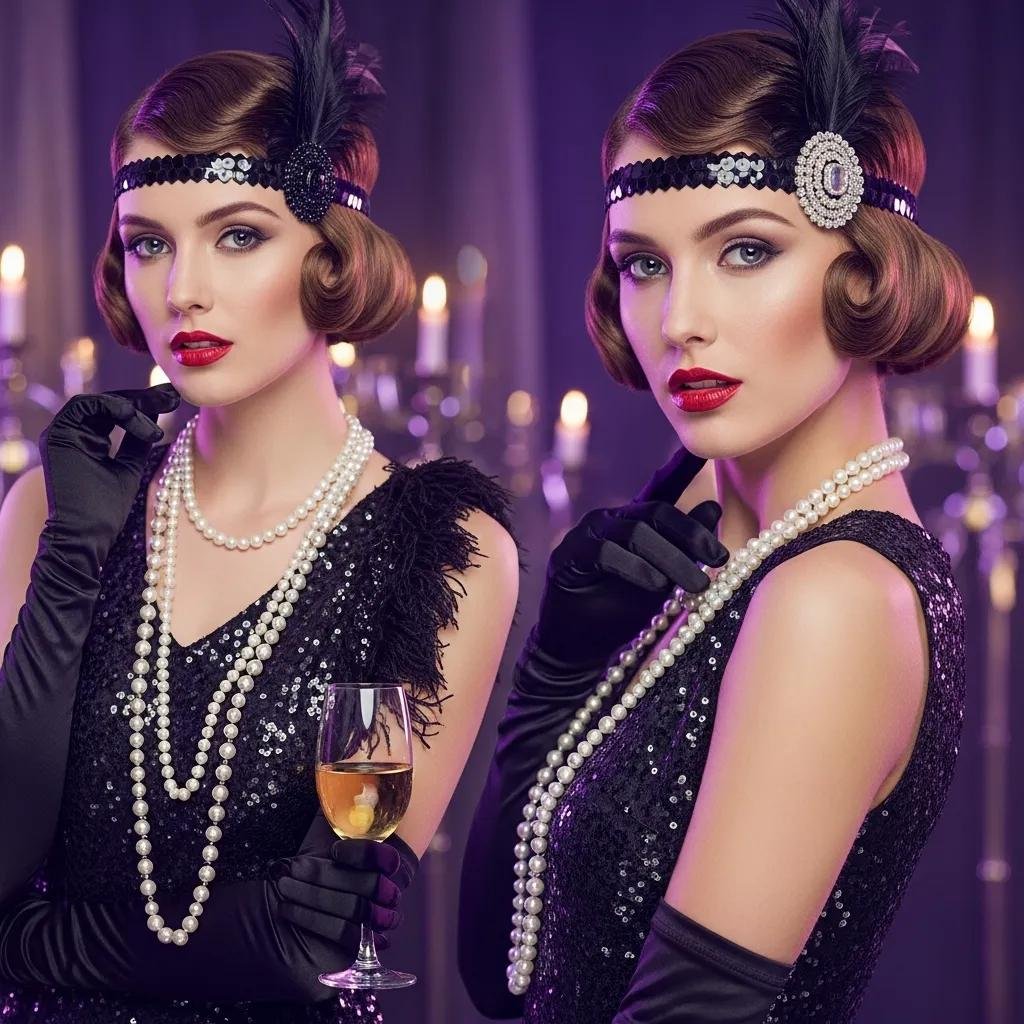
The 1920s bob is a short cut — usually ear‑ to jaw‑length — shaped with a precise part and a sculpted finish to create a bold, geometric silhouette and easier movement. Its look came from wet‑setting, close cutting at the nape and smoothing finishes that produced a flattened, glossy profile ideal for portraits and nightlife. The payoff was practical (less upkeep, more freedom) and symbolic (a clear break from long Victorian hair). Knowing these fundamentals makes it easier to tell shingle, pageboy and blunt bobs apart and choose an era‑accurate shape for your face and lifestyle. Below are the key traits at a glance.
The 1920s bob is defined by a handful of repeatable traits:
- Short length: Usually ear‑ to jaw‑level for crisp shapes.
- Intentional parting: Center or deep side parts that shape the silhouette.
- Sleek texture: Wet‑set or flat‑finished surfaces with a subtle sheen.
- Fringe or bangs: Straight‑across or softly softened bangs to frame the brow.
- Structured styling: Waves, tucks or shingled backs used to sculpt the outline.
Those consistent features create the visual language of vintage bobs and point you toward the specific variant that suits your face and maintenance preferences.
Different bob variants show distinct shapes and finishing approaches to guide your cut and styling choices.
This comparison helps you identify which vintage bob best fits your proportions and time for upkeep, and prepares you to choose tools, products or a stylist for the exact look.
At Kylie Studio Salon, we offer vintage‑inspired consultations and precision cuts for clients who want authentic 1920s bob haircuts. Our stylists evaluate face shape and hair density to recommend a shingle, pageboy or blunt bob, plus period‑accurate finishing techniques. If you’d rather have a pro guide you before attempting wet‑setting or wave sculpting at home, a short consultation will point you in the right direction and outline aftercare.
How did the bob haircut become a symbol of the Roaring Twenties?
The bob became a cultural shorthand for the Roaring Twenties as women adopted shorter hair to reflect shifting roles, greater public presence and a new appetite for nightlife. Magazines, silent films and high‑profile women spread the look quickly — it read as practical (less daily maintenance) and visible: a deliberate visual break from older norms. Actresses and urban socialites helped popularize the cut, turning it into both a fashion statement and a public signal that inspired conversation and, at times, controversy.
That social meaning shaped how specific styles and finishes were chosen, whether in the salon or at home.
What are the key characteristics of vintage bob styles from the 1920s?
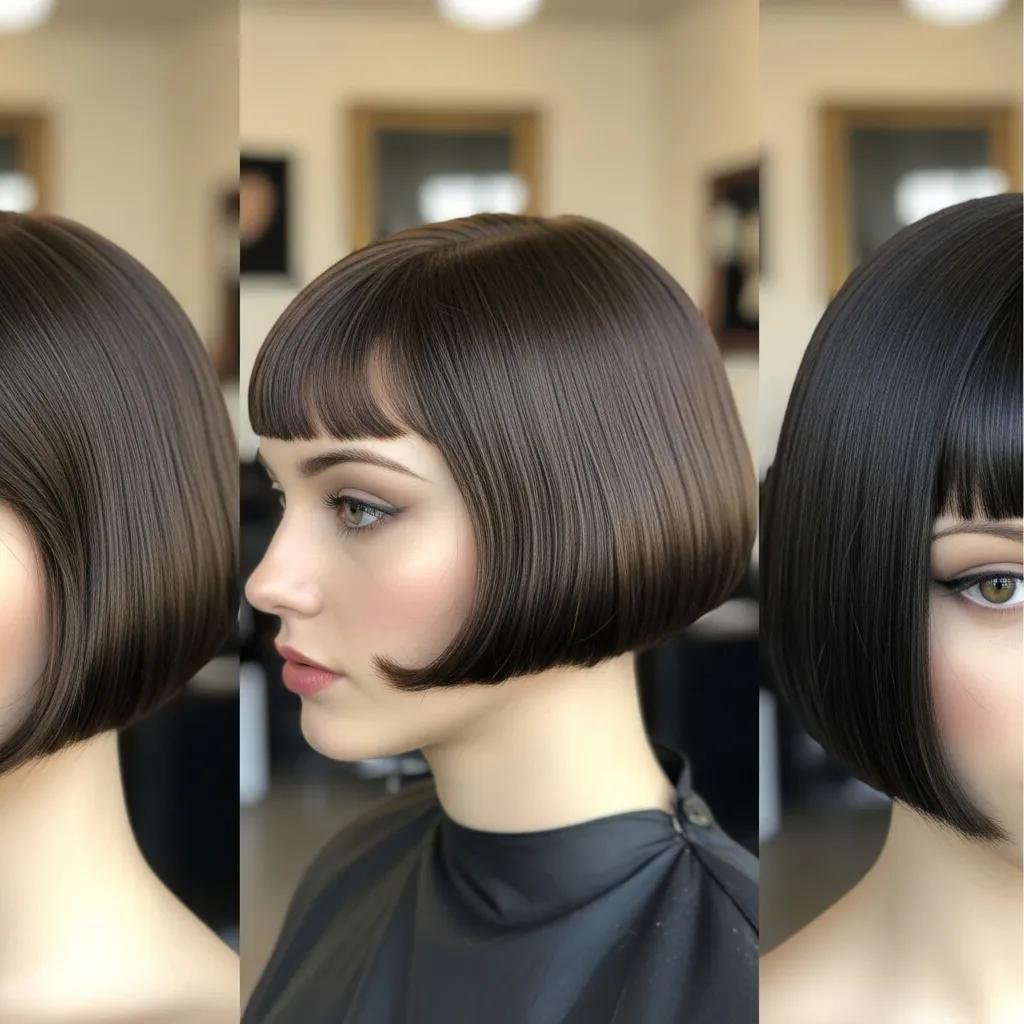
Vintage bobs emphasize compact silhouettes, clean edge lines and polished surfaces created by defined partings and wet‑setting. Lengths sit around the ear to the jaw and pair naturally with straight or softened bangs to produce a horizontal line across the face. Texture either lies flat to sharpen facial angles or is sculpted into finger waves that catch light for dramatic effect. Period tools and techniques — setting lotion, comb sculpting and early thermal irons — held these shapes until the next wash; those same principles guide modern recreations of the look. Use the variant table above to match these characteristics to the cut you want.
These defining features lead directly into the finger‑wave technique, which supplied much of the period’s signature texture.
How were flapper finger waves styled and why were they popular?
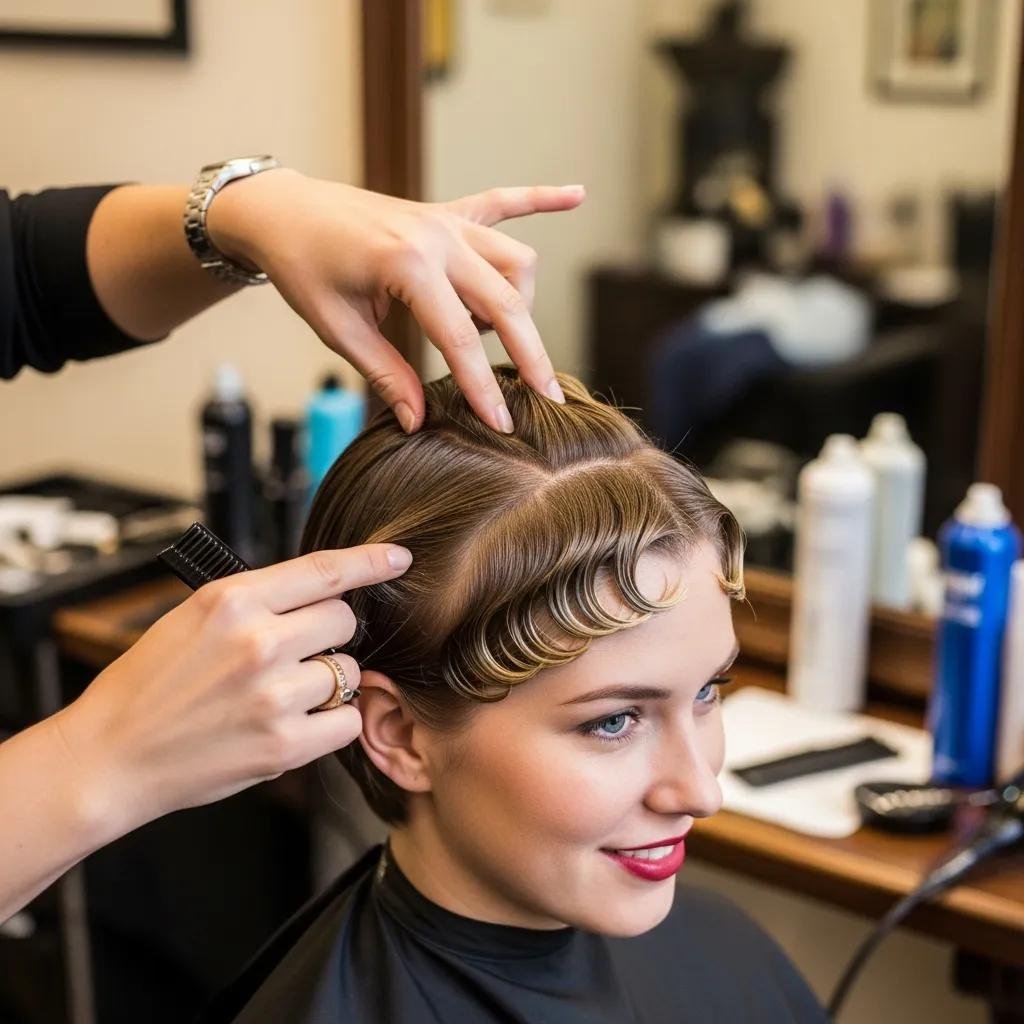
Finger waves are a sculptural wet‑set method that forms S‑shaped ridges by molding damp hair with a comb and the fingers, then fixing the shape with setting lotion or gel until dry. The technique compresses hair into alternating ridges and valleys so the finished wave reads as a reflective S that stayed neat under hats and in dim venues. Finger waves were popular because they made a bold visual statement — the strong lines paired perfectly with makeup, headbands and eveningwear — and because they held up for active social lives. Today they remain a hallmark of vintage styling for events and shoots.
A brief comparison of common finger‑wave methods helps you pick the right approach for your length and skill level.
What techniques created the iconic flapper finger waves?
Start with damp, freshly washed hair and an even layer of setting lotion to reduce friction and lock hold. Section the hair, then use a fine‑tooth comb and your fingers to press alternating ridges, clipping each arch as you go. Consistent tension and direction keep the S‑curves smooth from root to tip. Slow, controlled drying (air dry or low heat) preserves ridge definition and prevents frizz; once dry, brush or soften sparingly where needed. Pro tips: work in small sections for uniformity, avoid over‑product that weighs hair down, and use a fine comb for crisp ridges.
These choices affect how long the style lasts and how clearly the waves read, which is why finger waves paired so well with broader flapper styling.
How did finger waves complement the overall 1920s flapper look?
Finger waves created a sleek head silhouette that balanced short dress necklines, low waists and dramatic makeup — a cohesive look for evening and performance. The ridged texture reflected light in photographs and dim venues, accentuating facial highlights and making makeup pop. Waves also held up beneath cloche hats and headbands, allowing energetic movement without losing shape. In short, finger waves were part of a larger styling system: hair, ornament and makeup working together to achieve the era’s visual goals.
Next we’ll look at the Marcel wave, a heat‑based alternative that produced a different kind of salon polish.
What is the Marcel wave hairstyle and its role in 1920s fashion?
The Marcel wave is a heat‑formed S‑shaped wave created with a heated iron — the Marcel iron — that presses smooth, continuous curves into the hair. Unlike hand‑sculpted finger waves, the Marcel yields elongated, glossy S‑curves and a salon‑polished finish. It was popular in high society and on stage because it photographed beautifully, held up under performance conditions and signaled a salon service. Knowing the Marcel’s characteristics helps you decide whether you want its long, smooth curve or the more tactile ridges of finger waves.
Here are the main differences to help you choose the right technique.
- Tool‑driven vs. hand‑sculpted: Marcel uses a heated iron; finger waves use comb and fingers.
- Surface texture: Marcel gives smooth S‑shapes; finger waves create defined ridges.
- Durability: Marcel generally lasts longer and resists humidity better.
How is the Marcel wave different from finger waves?
Technically, Marcel waves rely on heat to imprint long, continuous S‑curves, while finger waves are wet‑set ridges formed by comb and fingers. Visually, Marcel reads as a flowing, glossy curve across the length of the hair; finger waves read as alternating ridges that play with shadow and highlight. Marcel waves often hold up better on thicker or treated hair because the heat‑set impression resists movement more than wet‑set ridges. Those differences will guide whether you opt for a salon Marcel for lasting sheen or finger waves for textured vintage authenticity.
That contrast explains why Marcel waves became synonymous with salon polish and photographic presence in the 1920s.
Why was the Marcel wave favored among 1920s flappers?
Marcel waves were prized for how they caught light in portraits and on stage, projecting a sleek modernity that matched high‑fashion tastes. Salon Marcel services communicated sophistication and professional access, which had social cachet in urban circles and performance communities. Practically, heat‑set curvatures stayed neat through evenings of dancing and public appearances, so Marcel waves combined visual drama, technical durability and social signaling into a signature salon offering.
Understanding that appeal helps frame how hairstyles more broadly reflected the decade’s cultural shifts.
How did 1920s hairstyles reflect the cultural changes of the era?
1920s hairstyles mirrored new priorities — mobility, efficiency and public visibility — as women moved into broader social roles. Short, sculpted cuts replaced long hair that required more maintenance and suggested domestic seclusion; the bob and waves supported women’s increased participation in work, nightlife and politics. Film, magazines and advertising sped the trend’s spread, turning hair into a visible marker of modern identity. Seeing hair this way clarifies why styles were both personal expression and public statement.
These cultural links show how practical advantages and symbolic meanings combined to shape 1920s hair trends, leading into their social and feminist implications.
In what ways did flapper haircuts symbolize women’s liberation?
Flapper haircuts symbolized liberation by visibly breaking with time‑consuming grooming and by enabling freer movement for work, travel and nightlife. Short styles cut down on upkeep and allowed activities that long hair could restrict, signaling changing daily priorities and greater autonomy. The bob became a public rejection of earlier gendered beauty norms and an alignment with modern values like self‑determination. Public figures and cultural media reinforced that symbolism by showcasing short hair as both fashionable and socially charged.
Recognizing hair as a liberation symbol leads naturally to how style and identity influenced one another throughout the decade.
How did hair trends influence fashion and social identity in the 1920s?
Hair and fashion worked together: sleek hairlines complemented dropped‑waist dresses and close‑fitting hats, producing a unified silhouette that read as modern. Accessories such as cloche hats and beaded headbands were made to sit close to the head, so hairstyles that flattened or shaped the crown completed the outfit. Public perception treated hair as an identity marker — adopting a bob signaled urbanity and modern taste — so trends served both self‑expression and group belonging. This interplay explains how a haircut could be private grooming and public statement at once.
With that context in mind, here are practical steps and tools to recreate authentic 1920s looks today.
What are tips for recreating authentic 1920s flapper hair and bob styles today?
Start by assessing your hair’s length, density and texture, then choose the technique that matches: finger waves for sculpted ridges, Marcel waves for smooth S‑shapes, or a precision bob cut for strong structure. The key is matching method to hair type — fine hair needs lighter tension and less product, while thicker hair benefits from sectioning and stronger setting media. Modern products and safer thermal tools reproduce period finishes with less damage. Below are quick, practical tips for home styling and event prep.
- Start with a precise cut: The right length and weight make vintage finishes achievable.
- Use modern setting lotions and gels: Apply evenly to damp hair to shape and hold ridges.
- Work in small sections: Consistent, small sections create uniform waves.
- Dry gently and completely: Low heat or a diffuser preserves shape and avoids frizz.
- Finish with a light shine serum: A little gloss gives that period sheen without weighing the style down.
Below is a product and tool quick‑reference to assemble a reliable vintage styling kit.
Which products and tools help achieve vintage bob and finger waves?
Modern equivalents to historic products include setting lotions or strong styling gels, a fine‑tooth comb for definition, sturdy wave clips and a low‑heat thermal iron for Marcel‑style shaping. These replicate the original mechanics — moisture, tension and thermal imprinting — while offering safer formulas and temperature control. Favor a lightweight shine serum over heavy oils to keep movement without collapse. If you’re unsure or working with fragile hair, salon tools and a controlled environment give the most reliable, long‑lasting results.
With the right kit chosen, follow an ordered workflow to recreate an authentic finish.
What styling steps ensure an authentic 1920s flapper hairstyle?
A dependable home routine begins with the right cut or confirming your bob’s shape, then washing and towel‑drying before applying a setting lotion or gel. Sculpt finger waves in small sections with a fine comb and your fingers, clipping each ridge and allowing hair to dry completely (air dry or low heat) before removing clips and polishing lightly. For Marcel waves, start with dry, heat‑protected hair and form smooth S‑curves with a Marcel‑style iron, finishing with a light serum. Common pitfalls: too much product (which flattens) and removing clips too soon. If you want guaranteed photographic results or complex Marcel work, book a pro styling session.
Professional styling speeds event prep and ensures period‑correct finishes; Kylie Studio Salon offers vintage styling sessions, group appointments and event services for authentic 1920s looks. Our stylists handle precision bob shaping, finger‑wave sets and Marcel‑inspired thermal finishes tailored to hair type and occasion. A professional session is recommended when you need longer hold, photo reliability or salon‑grade technique.
For local clients in Bethesda seeking a vintage finish, Kylie Studio Salon provides consultations and styling sessions that translate Roaring Twenties techniques into contemporary practice using professional tools and hair‑safe products. Our team recreates period‑accurate textures and shapes while protecting hair health. If you’re prepping for an event or want an expert assessment, schedule a consultation to decide the bob variant and wave method that best suit your features and plans.
Frequently Asked Questions
What hair types work best for 1920s bob styles?
1920s bob styles can be adapted to many hair types, but they’re easiest on straight to wavy hair. Fine hair often flatters a blunt bob’s sleekness, while thicker hair holds the structure of a shingle or pageboy well. Curly hair can be styled into these looks with smoothing products and heat tools, but it may take extra prep. Know your natural texture to choose the best bob variant.
How do I maintain my vintage bob between salon visits?
Keep the shape with trims every 6–8 weeks. At home, use lightweight styling products to control frizz and boost shine without weight. Always use a heat protectant when styling and consider a silk or satin pillowcase to reduce overnight friction. A consistent at‑home routine preserves the bob’s clean lines.
When is a 1920s bob especially appropriate?
A 1920s bob is ideal for themed events like Gatsby parties, vintage weddings or any occasion calling for classic glamour. It also adapts well to modern outfits for a chic, polished look. Whether formal or casual, the bob can be tailored to suit the event and your personal style.
Which modern products help achieve the flapper look?
Key products include strong‑hold setting lotions, styling gels and light shine serums. Setting lotions shape and hold wet sets, gels give firmer grip for finger waves, a fine‑tooth comb sculpts precise ridges, and wave clips secure the form while drying. Finish with a lightweight serum for a period‑appropriate gloss.
How do I choose between finger waves and Marcel waves?
Choose finger waves for a textured, vintage look with defined ridges — they work best on shorter hair. Choose Marcel waves for a smooth, glossy S‑curve and salon‑level polish, especially on longer hair. Consider your hair length, texture and the event when deciding.
Can I do 1920s hairstyles at home or should I see a pro?
You can recreate many 1920s styles at home with the right tools and practice. For intricate finger waves or salon‑quality Marcel work, a professional stylist will deliver more consistent and long‑lasting results. If it’s for an important event or you want flawless photos, we recommend booking a pro.
Conclusion
Exploring 1920s flapper hair and bob styles connects you with a striking era of fashion and cultural change. With a clear cut, the right techniques and modern products, you can recreate authentic vintage looks that read beautifully in photos and in person. Whether you try it at home or book a styling session, the result is glamorous, historically informed and uniquely you. Explore our services and products to get the Roaring Twenties finish you want.