
Stress-Induced Hair Loss: How Stress Affects Your Hair and Practical Paths to Recovery
When stress pushes many hair follicles into their resting phase, the result—telogen effluvium—can feel sudden and upsetting. The good news: this kind of shedding is often temporary and responds well to a clear plan that combines scalp care, stress reduction, and strengthening routines to help hair regrow. Below we unpack the biology behind stress-related shedding, show how to tell diffuse thinning apart from pattern loss, and offer practical steps you can take at home and in the salon. You’ll also find guidance on when to see a medical provider versus when a focused salon consultation is the right next step, plus realistic timelines for recovery. This article covers (1) what telogen effluvium is and how cortisol and other triggers lead to shedding, (2) how to spot stress-related thinning and when to consult a specialist in Bethesda, (3) non-medical, holistic treatments we offer at Kylie Studio Salon, (4) strengthening and styling practices to reduce breakage, (5) lifestyle and nutrition habits that support regrowth, and (6) why Kylie Studio Salon is here to help with your hair-health recovery.
What Is Telogen Effluvium and How Does Stress Cause Hair Loss?
Telogen effluvium means more hairs than usual move prematurely into the resting (telogen) stage and then fall out during normal activities. Stress—whether physical or emotional—disrupts the hair cycle, shifting follicles from the growth (anagen) phase into catagen/telogen, which typically shows up as noticeable shedding about 2–3 months after the triggering event. Unlike androgenetic (pattern) hair loss, telogen effluvium creates diffuse thinning across the scalp rather than a receding hairline or crown balding, and it often improves once the trigger is addressed. Research points to stress hormones and inflammation reducing scalp circulation and altering follicle signaling, which can delay regrowth. That’s why approaches that combine stress management, improved scalp blood flow, and nutrient support tend to speed recovery and reduce visible shedding.
What Are the Common Triggers of Telogen Effluvium?
Typical triggers include acute illnesses, major surgery, high fevers, intense emotional stress, rapid weight loss, starting new medications, and hormonal shifts like postpartum changes. These events put the body under strain and can divert resources away from hair production, with shedding usually appearing 6–12 weeks later. For example, increased hair in the brush or shower a few weeks after a short but severe illness is common. Once the trigger resolves and nutrition and stress are addressed, follicles usually return to the growth phase and density improves over several months. Mapping recent health and life events helps identify likely causes and decide whether you need medical testing, nutritional assessment, or targeted scalp care at a salon.
How Does Stress Hormone Cortisol Affect Hair Follicle Health?
Cortisol and other stress mediators can change local immune activity, disturb stem cell niches within follicles, and lower microcirculation on the scalp — all factors that nudge follicles into telogen. Chronic stress shortens the growth phase and synchronizes shedding, while reducing stress often helps follicle cycles normalize. Because many cortisol-driven effects are reversible, pairing relaxation practices with scalp-stimulating treatments and nutrient-rich support creates a sensible path back to healthier hair growth.
How to Recognize Signs of Stress-Related Hair Thinning and Hair Loss
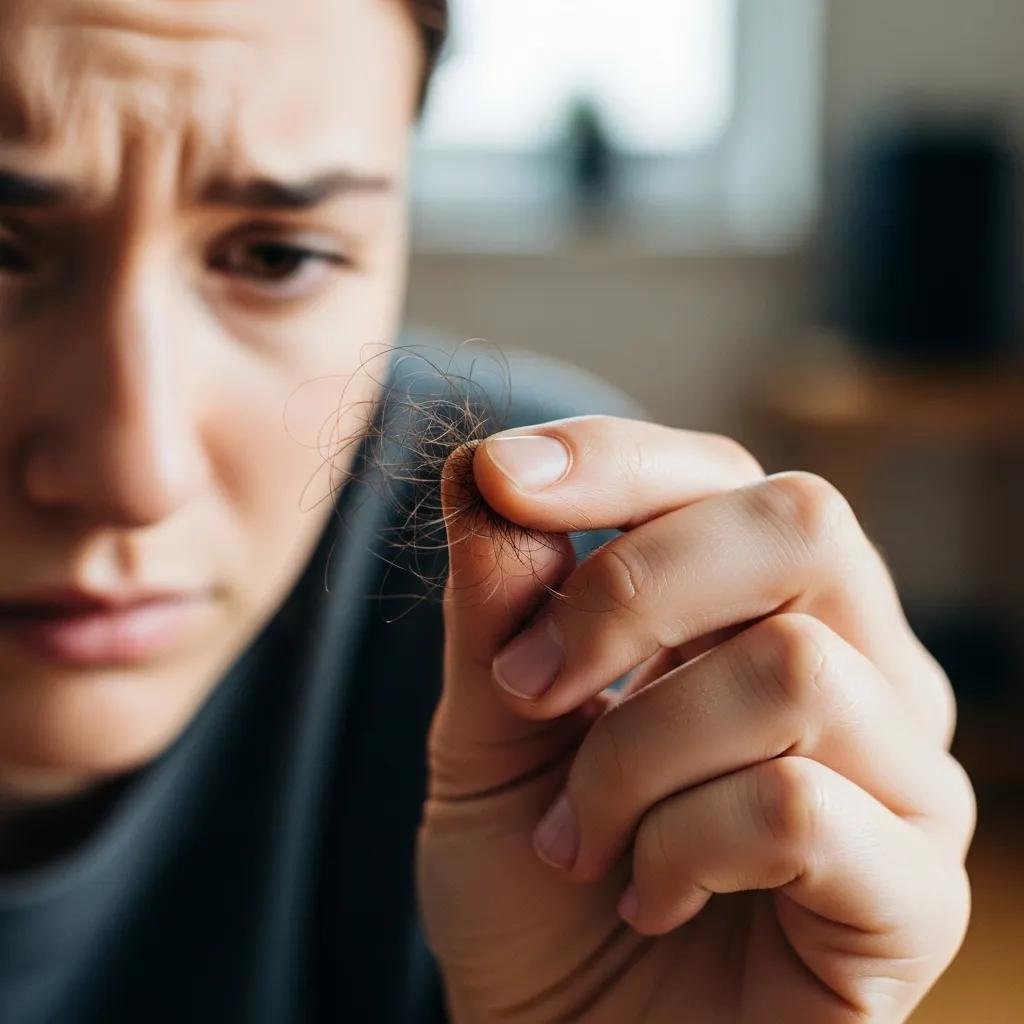
Spotting stress-related thinning usually comes down to the pattern and timing. Look for widespread shedding, a sudden uptick in daily hair loss, or a wider part or thinner ponytail rather than isolated bald patches. This kind of shedding often begins 2–3 months after the stressful event and shows as an overall loss of volume, more hair in drains or brushes, and a visibly broader part. Red flags that suggest another cause include scalp inflammation, itching, or abrupt, patchy loss. A careful self-check, photos over time, and a professional scalp exam will help decide if salon support is right or if a medical referral is needed.
What Are the Symptoms of Diffuse Hair Thinning?
Diffuse thinning looks like an even reduction in density across the scalp: a wider center part, a smaller ponytail circumference, and more loose hair in brushes or drains. It often develops more quickly than gradual pattern loss and usually follows a specific health or life event. Because early changes can be subtle, take photos of your part and measure ponytail width periodically to track progress. Catching it early makes it easier to start stress-reduction, correct any nutritional gaps, and use scalp-stimulating measures that help follicles re-enter growth.
When Should You Consult a Hair Loss Specialist in Bethesda, MD?
See a specialist if shedding is sudden and severe, if daily hair loss clearly exceeds your usual amount (commonly >100 hairs/day when you notice increased shedding), if you have patchy or complete localized loss, or if you experience scalp pain, inflammation, or scarring. If shedding continues past six months despite lifestyle changes, or if you suspect nutrient deficiencies or medication effects, medical evaluation is recommended. For non-medical issues—scalp health, shaft strengthening, and styling guidance—a salon consultation can assess hair integrity and propose a care plan; when there are red-flag signs, a salon should help coordinate a medical referral. Choosing the right path early protects fragile hair and speeds recovery.
What Holistic Hair Health Treatments Does Kylie Studio Salon Offer for Stress Induced Hair Loss?
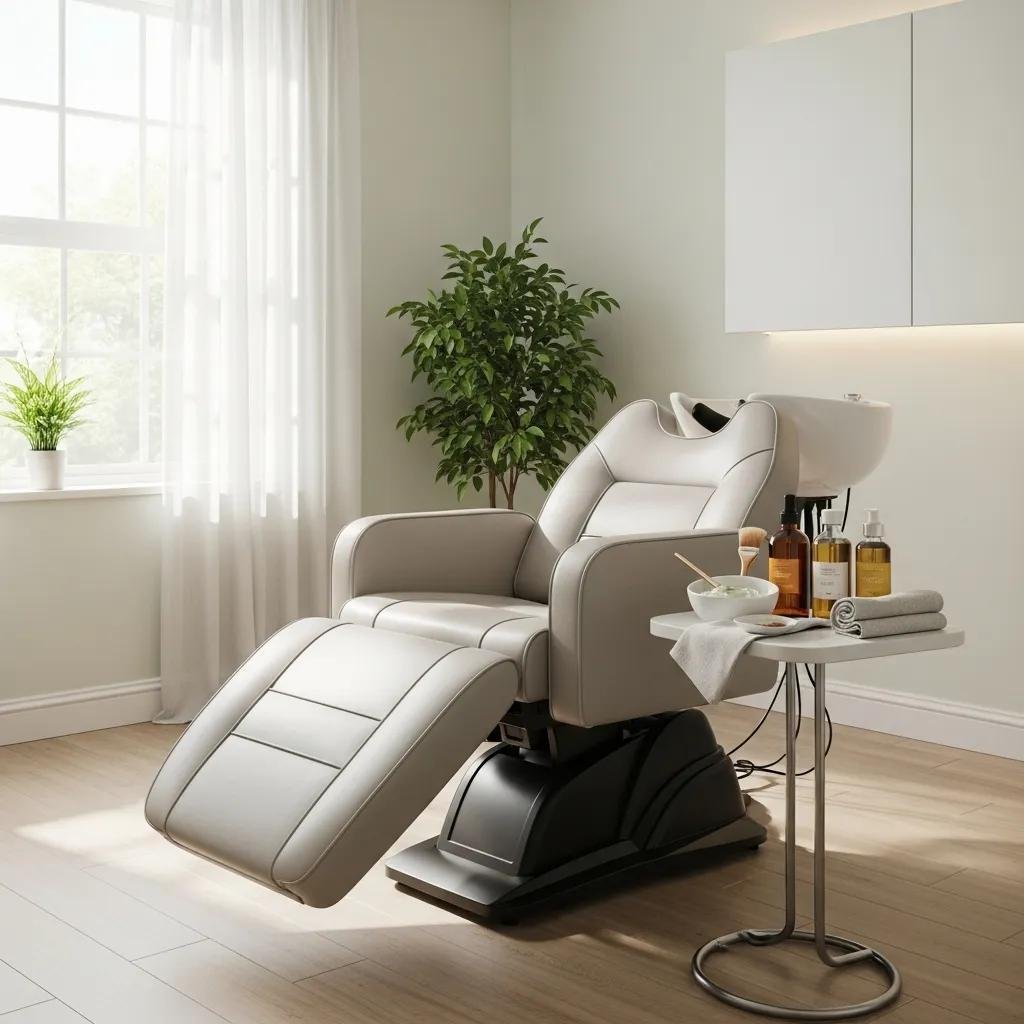
Non-medical salon services can create a supportive environment for regrowth by improving scalp circulation, clearing buildup, and strengthening the hair shaft to reduce breakage while your body recovers. At Kylie Studio Salon we offer complimentary consultations that include a scalp exam, hair strength assessment, and a customized plan of scalp treatments, nutrient-focused product recommendations, and restorative services that limit traction and mechanical damage. Our salon work is designed to complement medical care when needed and to nourish the follicular environment with better circulation and targeted topicals. Ready to explore options? We offer free consultations and easy online booking to discuss an individualized plan and treatment schedule with Ruth, our owner and lead stylist, who specializes in restoring thinning and damaged hair through consultative styling and restorative services.
How Do Personalized Hair Health Consultations Support Hair Regrowth?
A thorough consultation looks at recent health events, styling history, product use, and visible scalp and hair features to build a realistic recovery plan that matches regrowth timelines and client goals. We usually include a visual and hands-on scalp check, hair tensile testing, and a conversation about lifestyle and nutrition factors that affect follicles. From that, we prioritize treatments and an at-home regimen tailored to your hair porosity and scalp sensitivity. Clear expectations after the consult help you stick to the plan and track measurable improvement.
What Are the Benefits of Revitalizing Scalp Treatments and Scalp Massages?
Revitalizing scalp treatments combine gentle cleansing to remove buildup, targeted nutrient delivery, and manual stimulation to increase blood flow and give follicles better access to oxygen and nutrients. Scalp massage also eases local tension and supports overall relaxation—an important indirect route to lowering stress hormones. Regular sessions, scheduled based on your assessment, can improve texture and cut down on breakage while systemic recovery continues; many clients report immediate scalp comfort and a fresher feel after the first visit. Pairing in-salon therapies with focused at-home products multiplies the benefits and builds a sustainable plan for long-term scalp health.
Which Hair Strengthening and Scalp Care Services Help Prevent Hair Thinning?
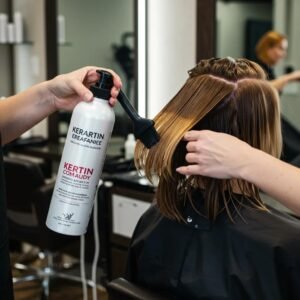
Strengthening and scalp-care services lower breakage and create better conditions for regrowth by restoring shaft integrity, balancing protein and moisture, and protecting follicles from mechanical stress. Salon options such as keratin smoothing and deep conditioning help realign the cuticle and boost tensile strength, while regular scalp treatments clear impeding buildup to improve microcirculation. Equally important are at-home habits—gentle cleansers, a balanced protein/moisture routine, and protective styling—to minimize daily wear. Below is a concise comparison of common non-medical salon choices to help you pick what fits your hair type and recovery stage.
Intro to table: The table below compares core salon strengthening and scalp-care interventions, showing how each helps hair health and suggesting how often to schedule them.
Summary: Combining protein-focused services with moisture treatments and scalp work balances strength and flexibility, cutting breakage while creating a healthier foundation for regrowth.
How Do Keratin and Deep Conditioning Treatments Strengthen Hair?
Keratin treatments temporarily fill gaps in the cuticle and smooth the hair surface, which reduces friction and breakage during styling and brushing. Deep conditioning delivers humectants and emollients into the hair to restore elasticity and prevent snapping—especially helpful when hair has become brittle from stress or chemical processing. These services don’t grow new follicles, but they reduce visible thinning caused by breakage, improving apparent density while follicles recover. Regular salon work paired with an at-home protein–moisture balance maintains results until natural regrowth restores full volume.
What Gentle Styling Tips Reduce Hair Breakage and Support Hair Health?
Protect fragile hair by minimizing heat, avoiding tight styles, and using low-friction tools and soft ties that don’t tug at roots. Comb wet hair with a wide-tooth comb, limit high-heat styling and always use a heat protectant when you do, and choose loose, low-tension looks to prevent traction-related damage. Nighttime habits—silk pillowcases or loose braids—cut down on friction, and routine trims stop split ends from travelling up the shaft. These simple changes reduce daily breakage and work alongside scalp and strengthening treatments to preserve visible volume as follicles return to the growth phase.
What Stress Management Techniques Support Healthy Hair Growth?
Lowering chronic stress and normalizing cortisol supports the hair cycle and helps reverse stress-related shedding. Practices such as mindfulness meditation, regular aerobic exercise, consistent sleep, and scheduled relaxation reduce physiological stress responses, improve circulation, and help balance hormones—conditions that encourage follicles to re-enter anagen. Nutritional and micronutrient support supply the building blocks follicles need, and sticking with stress-reduction routines accelerates visible improvement. The table below summarizes practical practices, how they affect stress biology, recommended timing, and realistic timelines for hair benefits.
Intro to table: This quick table links actionable stress-management practices to their effects, recommended frequency, and expected impact on hair recovery.
Summary: A steady mix of movement, relaxation, and good sleep reduces stress biology and supports follicle recovery. Expect systemic improvements within weeks and visible hair changes over months.
Which Relaxation Practices Reduce Stress to Prevent Hair Loss?
Simple, effective practices include short daily mindfulness sessions, diaphragmatic breathing, progressive muscle relaxation, and restorative yoga. These techniques lower sympathetic drive, often improve sleep, and reduce baseline cortisol—factors that support healthier follicle cycling. Start small with 5–20 minutes a day and build from there; combining a short morning practice with an evening body scan often gives the most consistent benefit. Over weeks to months, steady practice improves both how you feel and physiological markers relevant to hair recovery.
How Does Nutrition and Vitamin Support Promote Hair Regrowth?
Good nutrition provides the amino acids, vitamins, and minerals follicles need for keratin production and cell repair. Protein adequacy, iron status, vitamin D, B12, zinc, and biotin commonly influence hair quality and growth. Prioritize nutrient-dense foods—lean proteins, iron-rich greens, seeds, nuts, and vitamin-D sources—and use testing to guide supplementation when appropriate. Because labs and clinical context matter, consult a healthcare provider for persistent shedding or suspected deficiencies. Diet improvements combined with stress reduction and scalp care give the best chance for timely regrowth.
Why Choose Kylie Studio Salon as Your Hair Loss Specialist in Bethesda, MD?
Kylie Studio Salon is a local partner for non-medical hair-health recovery, offering personalized assessments, targeted scalp therapies, and styling that protects fragile hair while supporting regrowth. Ruth, our owner and lead stylist, specializes in consultative styling and restorative services for thinning and damaged hair. We focus on tailored plans that mix scalp stimulation, strengthening services, and clear at-home routines to cut breakage and improve apparent density. For convenience, we offer free consultations and online booking so local clients can begin a coordinated hair-health program with guidance that fits their goals.
What Expertise Does Ruth Bring to Hair Health and Styling?
Ruth brings hands-on experience in consultative styling and restorative services designed to help hair look fuller while follicles recover. She emphasizes thorough scalp assessment, treatment choices that boost shaft resilience, and styling adjustments that reduce tension on the roots. By creating individualized plans—not one-size-fits-all fixes—Ruth helps clients set realistic timelines and achieve steady improvements that add up over months. Her approach aligns salon care with lifestyle and nutrition changes to maximize results.
What Do Clients Say About Their Hair Health Improvements?
Clients often report less breakage, improved texture and manageability, and greater confidence from fuller-looking styles after combining scalp therapy with strengthening treatments. Reviews highlight attentive consultations, better ponytail volume, and satisfaction with product routines that maintain salon results at home. Before-and-after photos frequently back up these stories and help track progress over the months it takes follicles to recover. Those consistent themes—reduced shedding, improved handling, and incremental restoration—show the practical value of integrated salon care.
- Key salon takeaways for readers seeking recovery:
Assess: Start with a focused consultation to identify triggers and check hair-shaft condition.
Support: Use scalp stimulation, strengthening services, and an at-home routine together.
Sustain: Add stress-management and nutrition strategies to keep gains long-term.
This coordinated approach helps set realistic expectations, protects fragile hair during recovery, and supports the biology needed for healthier hair over time.
Frequently Asked Questions
What lifestyle changes can help reduce stress-related hair loss?
Small, lasting lifestyle shifts make a big difference. Regular aerobic activity improves circulation and hormone balance, while mindfulness, meditation, or yoga lowers cortisol and supports relaxation. Prioritize consistent sleep and a varied diet rich in vitamins and minerals to support overall recovery. Together, these habits create an environment that encourages follicle regrowth.
How long does it typically take to see results from hair loss treatments?
Results depend on the cause and the treatments used, but many people notice improvements in density and texture within three to six months. That window allows follicles to return to the growth phase and new hair to appear. Consistent use of recommended scalp care, stress-management practices, and any prescribed nutritional support is essential for optimal results.
Are there specific foods that promote hair regrowth?
Yes—protein-rich foods (fish, poultry, eggs, legumes), iron sources (leafy greens, lentils, red meat where appropriate), and foods with vitamins A, C, D, and E and omega-3s (nuts, seeds, fatty fish) all help nourish hair. A balanced diet focused on whole foods supports keratin production and overall follicle health. If you suspect a deficiency, testing can guide targeted supplementation.
What role does hydration play in hair health?
Staying hydrated supports scalp health and nutrient transport to follicles. Dehydration can make hair dry and brittle, increasing breakage. Aim for consistent fluid intake and include water-rich fruits and vegetables to support both scalp moisture and overall health.
Can stress management techniques improve hair growth?
Yes. Practices like mindfulness, deep breathing, and regular exercise reduce cortisol and other stress responses that can disrupt the hair cycle. Over time, lowering stress helps follicles return to their normal growth rhythm and supports better outcomes from other treatments.
What should I do if my hair loss persists despite treatment?
If shedding continues despite following a care plan, see a hair-loss specialist or dermatologist. They can run tests to check for underlying medical or nutritional issues and recommend targeted treatments. Early evaluation helps prevent further loss and identifies the most effective next steps.
Conclusion
Stress can trigger significant hair shedding, but with a clear plan that combines scalp care, stress management, and nutrition, you can support recovery and restore confidence. Kylie Studio Salon offers personalized consultations to help you build a practical program tailored to your needs. Ready to start? Book a free consultation and let us help you take the first step toward healthier hair.