Bring Dry, Damaged Hair Back to Life — Expert Tips & Restorative Treatments in Bethesda, MD
When hair looks dry, brittle, or frayed, it usually means the protective layers—the cuticle and the cortex—have been compromised. That loss shows up as reduced shine, lower elasticity, and harder-to-manage strands. This guide walks you through what causes dry and damaged hair, how professional salon services repair structural and moisture problems, and which at‑home routines help keep salon results longer. You’ll get clear explanations of targeted services — like keratin, deep conditioning, and glossing — plus practical home care tips (think moisturizing masks and sulfate‑free shampoos). We map causes and prevention, compare the main professional options, explain the gloss process and who it’s for, and offer a straightforward weekly maintenance plan to cut breakage and frizz. If you’re near Bethesda, MD, you’ll also see why Kylie Studio Salon and stylist Ruth focus on restorative work and how to book a personalized consultation or treatment. Expect science‑backed strategies paired with actions you can use right away and over time to rebuild healthier hair.
What Causes Dry and Damaged Hair? Understanding Common Factors
Hair becomes dry and damaged when the cuticle lifts or wears away and the cortex loses moisture and strength. That leaves strands brittle, prone to split ends, and dull. Damage builds from mechanical, thermal, chemical, and environmental stressors that strip keratin and lipids and raise porosity. Pinpointing the main cause—repeated heat styling, color services, sun or pool exposure, or scalp and nutrition issues—helps us choose the right repair: moisture‑focused, protein‑focused, or both. Below is a quick look at the typical causes and what they do to hair structure.
- Heat styling: repeated high heat softens and lifts the cuticle, driving out moisture and denaturing protein.
- Chemical processing: bleaching, perms, and strong relaxers break protein bonds in the cortex, reducing strength and stretch.
- Environmental exposure: UV, salt, and chlorine strip oils, fade color, and increase porosity and tangling.
- Mechanical & lifestyle factors: tight styles, over‑brushing, and poor nutrition cause abrasion and weaken new growth.
Knowing these causes points directly to practical prevention steps and to the salon services that best restore moisture, rebuild protein, and reseal the cuticle. From there, it’s easier to understand how ongoing styling and chemical work add up — and how professionals can reverse the damage.
How Do Heat Styling and Chemical Treatments Damage Hair?
Heat and chemicals change hair by altering protein bonds and lifting the cuticle, which lowers tensile strength and raises porosity. High temperatures denature keratin and evaporate bound water, creating tiny cracks in the cuticle that let moisture escape and make strands more likely to snap. Chemical services such as bleaching or strong relaxers break disulfide bonds in the cortex, permanently changing hair shape but leaving it weaker and more porous. Watch for rough texture, persistent frizz, more tangling, and growing split ends. Spotting these signs early lets you choose corrective steps — moisture‑rich deep conditioning or protein rebuilding salon treatments — to restore resilience and easier styling.
What Environmental and Lifestyle Factors Contribute to Hair Damage?
Outside and daily habits speed up moisture loss and mechanical wear. UV light oxidizes pigments and degrades cuticle lipids, making hair look dull; salt and chlorine strip natural oils and increase brittleness; constant friction from collars or tight elastics abrades cuticle scales. Poor nutrition and stress can slow healthy growth and make damage more visible. Simple defenses — wearing a hat, rinsing after swimming, and using a leave‑in with UV protection — reduce external stress and help your salon results last longer.
Those prevention steps lead naturally to the next question: which professional treatments repair damage most effectively?
Which Professional Treatments Effectively Repair Damaged Hair in Bethesda?
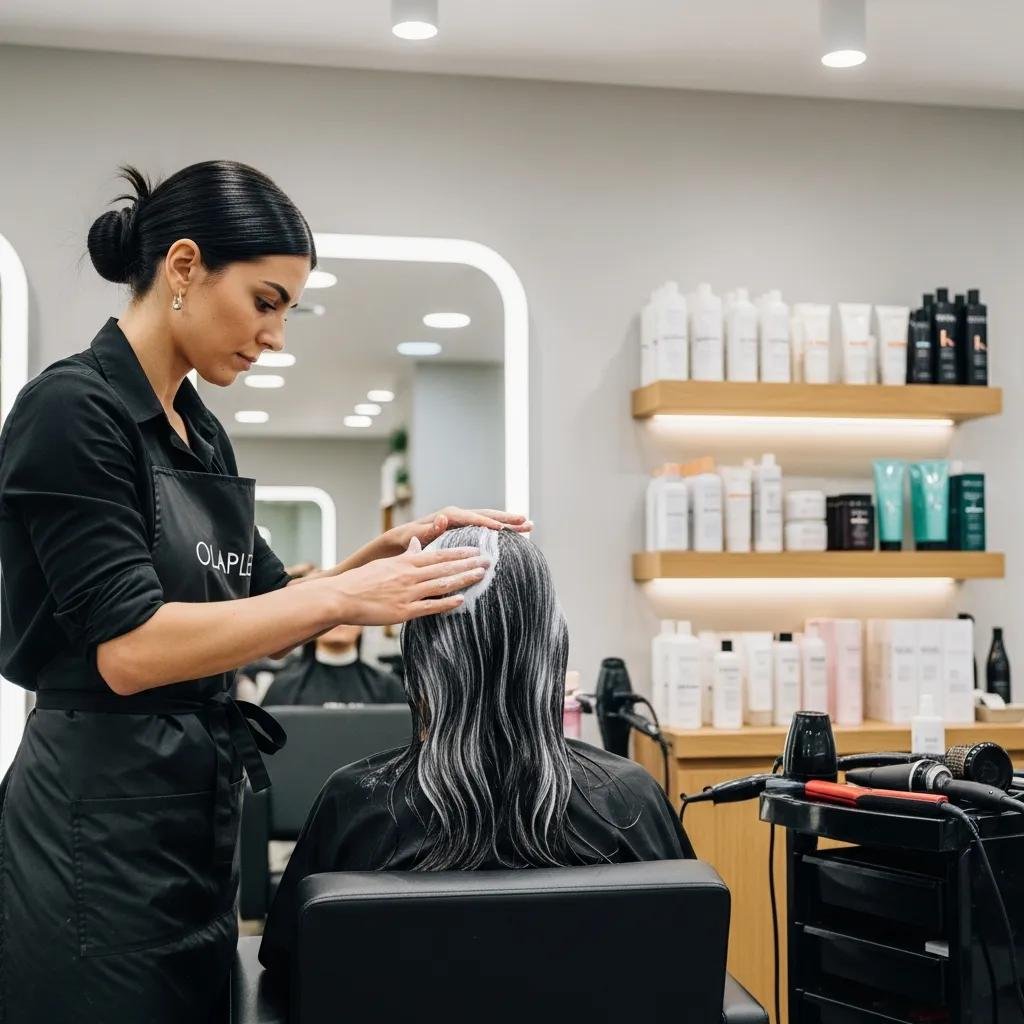
Salon treatments target the specific deficit your hair needs—hydration, protein rebuilding, or surface sealing—using concentrated formulas and application techniques that home products can’t match. Keratin smooths and replenishes protein, deep conditioning restores moisture and elasticity, and glossing evens tone while boosting surface shine and sealing porosity. The table below compares what each treatment fixes, the benefits you can expect, and typical downtime so you can pick the right path.
This comparison helps you decide whether to prioritize protein rebuilding, moisture infusion, or a surface seal — and which service to schedule first.
How Does Keratin Treatment Restore Shine and Strength?
Keratin treatments lay down hydrolyzed keratin and smoothing agents that temporarily fill gaps in the cuticle and bond with weakened protein sites. The result is a semi‑permanent coating that reduces friction, realigns cuticle scales, and visibly reduces frizz while improving smoothness and shine. Results vary with porosity and past chemical work, but clients with frizz or color‑treated hair usually notice easier styling and less daily effort. Maintenance looks like sulfate‑free shampoo, less frequent high‑heat styling, and touch‑ups scheduled based on your lifestyle. Understanding how keratin replenishes protein helps you decide whether it should be the first step or part of a moisture‑focused plan.
What Are the Benefits of Deep Conditioning Treatments for Dry Hair?
Deep conditioning treatments use concentrated humectants, emollients, and occlusives to restore internal moisture, increase elasticity, and reduce breakage during detangling. In‑salon masks often use heat or steam to push ingredients into the cortex for faster, longer‑lasting hydration than typical consumer masks. You’ll notice improved combability, less static, softer texture, and an immediate shine boost that also prepares hair for color or gloss services. Frequency depends on how damaged your hair is, but many clients benefit from an in‑salon deep conditioning treatment every 4–6 weeks to maintain strength between more intensive services. That guidance helps determine whether to pair conditioning with protein treatments or use it as the primary repair step.
How Can Hair Gloss Treatments Enhance Color and Health of Damaged Hair?
Glosses improve both appearance and surface health by adding a semi‑transparent coat that evens tone, reduces surface porosity, and increases light reflection. Gloss formulas are low‑damage, conditioning, and sit on the hair surface rather than altering the cortex, making them ideal for refreshing color and smoothing minor porosity. We often recommend glossing after a restorative conditioning service because sealing the cuticle locks in moisture and creates a smoother canvas for gloss application. The table below outlines common gloss options, their effects, and how often to repeat them so you know what to expect.
Knowing the different glosses makes it easier to see how glossing can complement deeper repairs like keratin or protein work.
What Is the Process and Effect of Hair Gloss at Kylie Studio Salon?
At Kylie Studio Salon, a gloss starts with a brief consultation to review your color history, porosity, and the sheen you want. We shampoo, apply the gloss to clean, damp hair, let it process, then rinse and finish with smoothing techniques that maximize light reflection and help close the cuticle. You’ll see an immediate shine boost, smoother texture, and subtle tone refinement without a permanent color change — especially helpful for color‑treated hair needing surface repair. Aftercare focuses on sulfate‑free products and gentle heat styling to extend gloss life. Our process ensures glossing improves surface health while fitting into a larger repair plan when needed.
Who Is an Ideal Candidate for Hair Gloss Treatments?
Glossing is a great choice if your color looks faded, your hair surface is dull, or you’re seeing mild porosity differences and want a quick shine boost without changing tone dramatically. Gloss works best when the cortex is largely intact — if there’s severe protein loss or extensive breakage, we usually recommend deeper repair (keratin or intensive conditioning) before glossing. If you want a low‑commitment tone refresh or to stretch time between color appointments, gloss treatments are low‑risk and high‑reward. Unsure? Book a consultation and we’ll assess strand integrity and advise whether to pair glossing with moisture or protein rebuilding for the best long‑term result.
What At-Home Care Tips Help Maintain Healthy Hair Between Salon Visits?
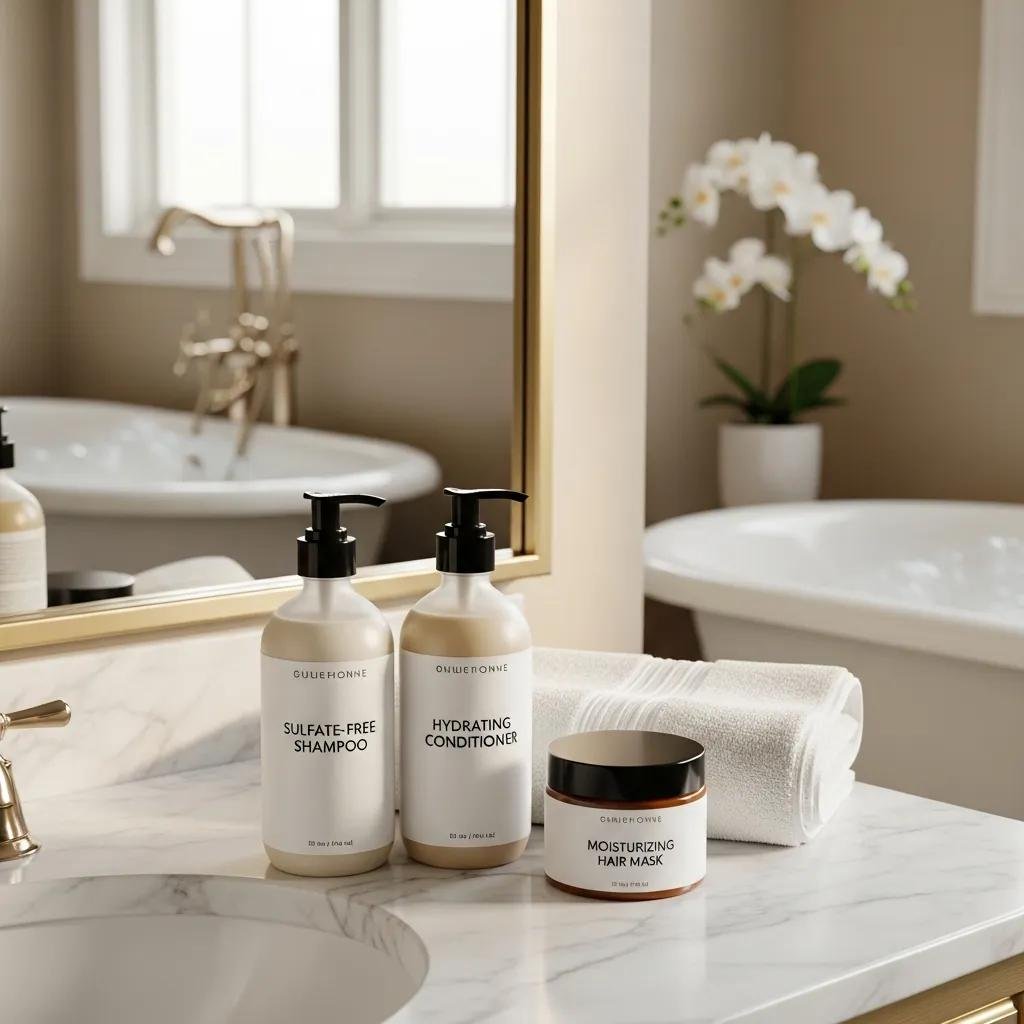
Keeping salon results means following a consistent home routine built around gentle cleansing, targeted conditioning, heat protection, and occasional deep treatments. A simple weekly plan — sulfate‑free shampoo, a nourishing conditioner, a weekly moisturizing mask, and daily leave‑in protection — helps preserve moisture and slows damage. Using heat protectants, limiting high temperatures, and regular trims to remove split ends further protect your investment. Below is an easy routine that balances effectiveness with real‑life time constraints.
Follow this four‑step weekly routine to protect and extend salon repairs between appointments.
- Cleanse Gently: Use a sulfate‑free shampoo two to three times a week to keep natural oils and avoid over‑drying.
- Condition Thoroughly: Apply a hydrating conditioner after each wash, concentrating on mid‑lengths and ends to restore slip.
- Mask Weekly: Use a moisturizing hair mask once a week to replenish lipids and improve elasticity.
- Protect Before Heat: Always apply a heat protectant and choose lower temperature settings when styling.
Stick with these steps and you’ll slow damage progression and extend the life of in‑salon repairs. Next, we’ll cover which ingredients to look for when choosing products.
Which Products and Ingredients Best Nourish Dry and Damaged Hair?
Look for humectants like glycerin and panthenol, nourishing oils such as argan oil and shea butter, and hydrolyzed proteins (keratin or silk) to help rebuild tensile strength. Effective leave‑ins and masks list these ingredients near the top, and sulfate‑free shampoos help keep conditioning agents working instead of stripping them away. Balancing proteins with humectants prevents that brittle, over‑protein feel — either choose balanced formulas or rotate protein treatments with hydration masks. For moderate‑to‑severe damage, salon‑grade products are often worth it, since they use higher concentrations and delivery systems designed for professional results.
How Can Heat Protection and Proper Hair Care Prevent Further Damage?
Heat protectants form a barrier that reduces direct thermal transfer and moisture loss, and good technique minimizes mechanical and thermal stress. Apply a heat protectant evenly before tools, use the lowest effective temperature on irons and dryers, and avoid daily hot‑tool use to limit protein denaturation. Detangle with a wide‑tooth comb when wet and wear looser styles to reduce tension‑related breakage. A simple “before styling” checklist — detangle, apply heat protection, choose a low temperature, and finish with a protective serum — dramatically reduces new damage and helps preserve the improvements from salon treatments.
Why Choose Kylie Studio Salon in Bethesda for Your Hair Repair Needs?
Kylie Studio Salon is a Bethesda‑focused salon that specializes in restorative services for dryness, breakage, and color integrity. Ruth, our owner and lead stylist, brings hands‑on experience diagnosing damage and building practical plans that combine keratin, deep conditioning, and glossing based on your hair history and lifestyle. We take a diagnostic‑first approach: assess the damage, recommend targeted services, and outline a home‑care plan that reduces repeat damage and maximizes longevity. If you want repair‑focused styling and a personalized maintenance strategy, our approach is built around measurable results and realistic upkeep.
That local focus on repair means our professional treatments and tailored at‑home plans work together to rebuild healthier hair — and sets the stage for what Ruth brings to each client’s care.
What Expertise Does Ruth Bring to Treating Dry and Damaged Hair?
Ruth specializes in diagnosing strand and cuticle condition and prescribing layered treatments that combine hydration, protein rebuilding, and surface sealing where needed. Her recommendations are customized — we evaluate cuticle health, porosity, and color history to choose keratin, deep conditioning, or glossing that fits your goals and maintenance tolerance. Ruth also sets realistic treatment cadence and recommends specific at‑home products so clients keep salon gains between visits. That hands‑on, repair‑driven planning is why many Bethesda clients choose Kylie Studio Salon for measurable hair improvement.
How Do Client Testimonials Reflect Successful Hair Revitalization?
Clients often report restored moisture, easier manageability, and more noticeable shine after a combination of in‑salon treatments and follow‑up home care. Reviews commonly point to less breakage and shorter styling times after pairing professional deep conditioning with a consistent routine — results that matter beyond looks. We encourage you to view before‑and‑after photos and bring your goals to a consultation to see how similar outcomes could apply to your hair. These real results are why a personalized assessment is the best first step.
How to Book Your Consultation and Treatment at Kylie Studio Salon?
Booking a consultation or treatment begins with a short assessment to build a tailored repair plan. To speed the diagnostic process, have photos of recent color work and the areas you’re concerned about ready when you book. Below is a step‑by‑step booking process designed to make first visits clear and efficient.
- Choose a Service or Consultation: Pick the repair service you want (keratin, deep conditioning, gloss) or request a consult so we can recommend the best approach.
- Select Date & Time: Choose an appointment that allows enough time for assessment and treatment.
- Provide Hair History: Upload or note past color/chemical services and your current care routine so the stylist can plan appropriately.
- Confirm & Prepare: You’ll get confirmation and tips for pre‑appointment care (for example, avoid heavy oils) to help the treatment work at its best.
If you’d rather book by phone, call the salon at 301-922-7864 — our staff can walk you through options, timing, and any prep details. Clear booking steps and a prep checklist help make your consultation focused and productive.
What Is the Online Booking Process for Hair Repair Services?
Online booking lets you select a consultation or specific repair service, pick a time, and share basic hair history so we can reserve the right amount of time. You can upload photos and note goals during booking to give your stylist visual context ahead of the appointment. After booking you’ll receive a confirmation with details and a prompt to contact us with questions. The online workflow is designed to make securing a personalized repair plan simple and ensure your stylist has what they need before you arrive.
Are Free Consultations Available for Personalized Hair Care Plans?
We offer personalized consultations to assess hair condition and recommend a targeted plan; please confirm whether consultations are complimentary when you book. A typical consultation includes a visual assessment, a review of styling and color history, recommended services (for example, keratin for protein loss or deep conditioning for moisture), and a projected treatment plan. To confirm current consultation policies, call 301-922-7864 when scheduling — our team will explain options and any applicable fees. A consult gives you a clear, outcome‑focused plan before committing to a service.
Frequently Asked Questions
What are the signs that my hair is damaged and needs professional treatment?
Look for excessive dryness, brittleness, split ends, and persistent frizz. Rough texture, frequent tangling, and a lack of shine are also red flags. If your hair feels straw‑like or breaks easily when brushed, it’s a good sign to seek professional help. And if styling consistently takes much longer because hair is unmanageable, a targeted service like deep conditioning or keratin may help restore health and ease.
How often should I get professional treatments for dry and damaged hair?
Frequency depends on damage level and hair type. As a guideline, many clients benefit from deep conditioning every 4–6 weeks to maintain moisture and elasticity. Keratin treatments are typically scheduled every 3–6 months, while gloss treatments can be done every 4–8 weeks for shine and tone touch‑ups. Your stylist can recommend the best schedule after assessing your hair.
Can I combine different treatments for better results?
Yes — combining treatments often gives the best outcome. For example, pairing deep conditioning with a keratin service restores moisture while rebuilding protein. A follow‑up gloss can then add shine and protect the cuticle. Always consult your stylist so we can create a sequence that complements your hair’s needs and avoids overlapping services that could stress the hair.
What ingredients should I look for in at-home hair care products?
Seek humectants like glycerin and panthenol, nourishing oils such as argan and shea, and hydrolyzed proteins (keratin or silk) to help strengthen strands. Choose sulfate‑free shampoos to avoid stripping conditioners, and look for masks and leave‑ins that balance proteins with hydration. For more severe damage, salon‑grade formulas often deliver stronger, longer‑lasting results.
How can I protect my hair from environmental damage?
Wear a hat or scarf in strong sun or wind, rinse hair after swimming in chlorinated or saltwater, and use leave‑in products with UV protection. Minimizing heat styling and using heat protectants further shields hair from daily environmental stress. Small habits like these make a big difference over time.
What should I do if I experience hair breakage after treatments?
If you notice breakage after treatments, reassess your routine: use gentler, more hydrating products, cut back on heat, and add regular deep conditioning. If breakage continues, schedule a consultation so we can evaluate strand integrity and adjust your plan — sometimes a different sequence of services or a focused protein treatment is needed to support recovery.
Conclusion
Reviving dry and damaged hair is possible with the right mix of professional services and consistent at‑home care. By understanding what causes damage and choosing targeted treatments — keratin, deep conditioning, and glossing — you can restore moisture, strength, and shine. Follow a simple routine to protect those results, and book a personalized consultation at Kylie Studio Salon to start a repair plan tailored to your hair and lifestyle. We’re here to help you reach healthier, more manageable hair.