Summer-Ready Hair: Simple, Salon-Proven Tips to Keep Strands Healthy and Hydrated
Summer can be tough on hair. Sun, saltwater, chlorine, heat and humidity can weaken the hair’s structure and strip away moisture, leaving strands dry, brittle and more likely to break. This guide explains how those elements damage protein and fade pigment, then walks you through practical protection—UV sprays, swim-safe habits—and hydration strategies, both at home and in-salon. You’ll learn how to spot early signs of damage, follow step-by-step routines for beach or pool days, compare hydrating treatments, and know when a professional service is the smartest next step. We cover causes and symptoms, protection tips, treatment options, stylist Ruth’s favorite recommendations, and how to book expert care at Kylie Studio Salon in Bethesda, MD. Follow these steps to slow color fade, stop split ends from worsening, and keep your hair manageable through humid summer weather.
What Causes Summer Hair Damage and How Can You Identify It?
Summer hair damage is usually a mix of UV exposure, pool and ocean chemistry, styling stress, and humidity-driven frizz. UV rays weaken protein bonds and fade color, chlorine strips natural oils and can react with dye, saltwater dries the cuticle and increases tangling, and heat tools make everything worse by lifting that cuticle. Spotting damage early helps you pick the right fix—preventative or restorative—so pay attention to visual and tactile clues that mean it’s time to intervene.
Common signs of summer hair damage include:
- Dry, rough texture: Hair feels coarse when the cuticle is lifted and moisture is gone.
- Increased tangling and split ends: Strands split and snag more easily after repeated sun or salt exposure.
- Color fading or brassy tones: UV and pool chemicals break down pigments, especially in color-treated hair.
Catch these symptoms early and you can target the right prevention or treatment. Next, we look closer at how UV exposure affects hair and what to watch for.
How Do UV Rays Affect Your Hair’s Health?
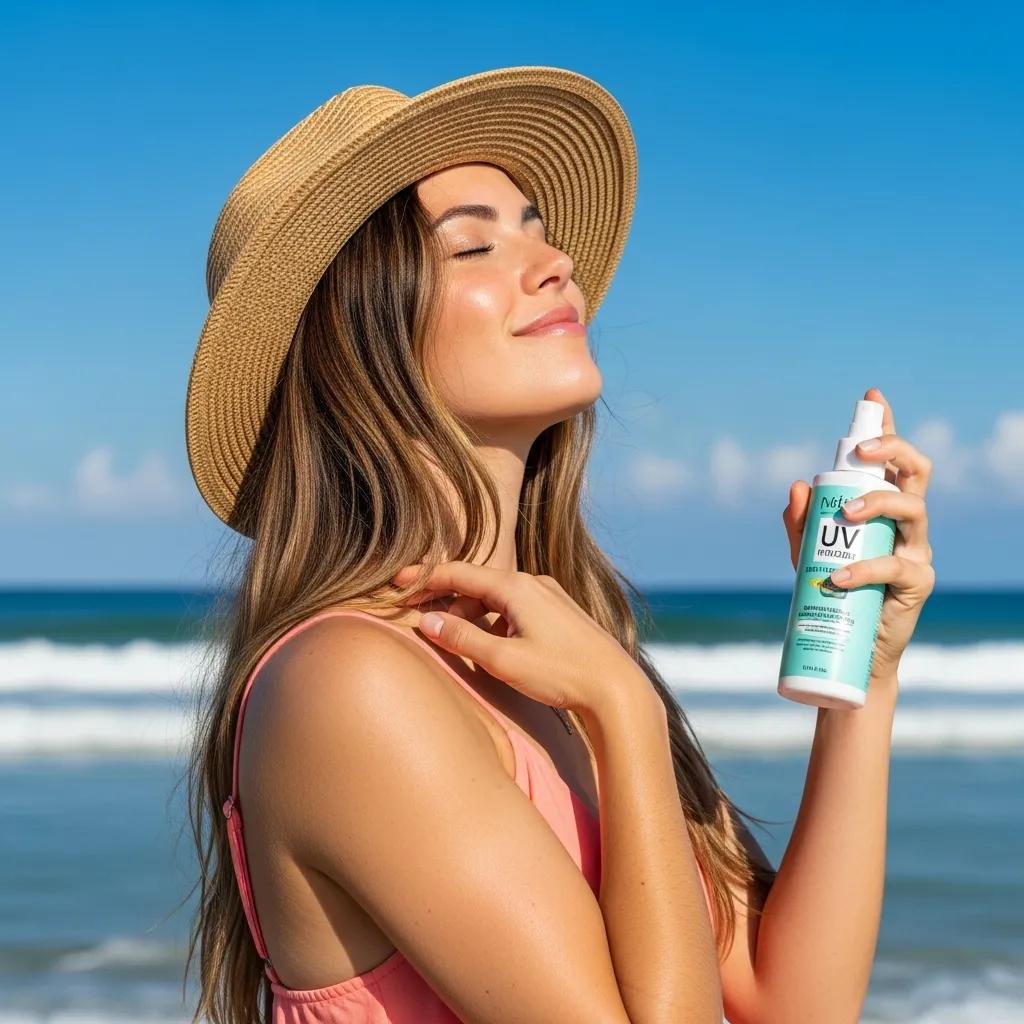
UV light breaks down keratin and oxidizes melanin, which weakens fibers and shows up as faded, dull color. Cuticles get rougher and more porous, so hair loses moisture faster and tangles more. The scalp can dry or irritate, which doesn’t help overall hair health. To reduce UV damage, wear a broad-brimmed hat for real coverage and spray on a UV hair protectant with filters before long sun exposure—reapply after swimming or heavy sweating. A salon gloss can also help by adding a reflective finish that slows pigment loss and boosts short-term shine, which is a great complement to daily sun protection.
What Are the Effects of Chlorine and Saltwater on Hair?
Chlorine strips sebum and opens the cuticle, speeding moisture loss and sometimes altering artificial pigments in colored hair—hello, unwanted brassiness. Saltwater pulls moisture from the hair cortex, increases friction between strands, and can cause matting and breakage if hair dries without conditioning. Swimmers: wet your hair with fresh water and apply a leave-in oil or conditioner before jumping in to reduce chemical and salt uptake. After swimming, rinse and use a gentle chelating or clarifying shampoo to remove residue; with frequent exposure, book a clarifying or restorative salon session to rebuild moisture and safeguard color.
How Can You Effectively Shield Your Hair from Summer Environmental Stressors?
The best summer defense is layered: physical barriers, chemical UV filters, protective styling, and smart pre/post routines. Hat + UV spray + protective hairstyle dramatically cuts cumulative damage and means fewer emergency salon fixes. Small daily habits preserve moisture and color by reducing oxidative and mechanical wear—here are practical steps you can use every day.
Top protective actions for everyday summer hair care:
- Wear physical barriers: Broad-brimmed hats or scarves block direct sun and prevent UV-related protein breakdown.
- Apply UV hair sprays: Lightweight sprays with UV filters and antioxidants protect exposed areas—apply before going outside.
- Style protectively: Low-manipulation looks—braids, buns or updos—reduce exposure and cut down on tangles.
These layered habits reduce the risk of damage during outdoor time. Below we compare UV protection options and explain when to use each.
What Are the Best UV Protection Methods for Hair?
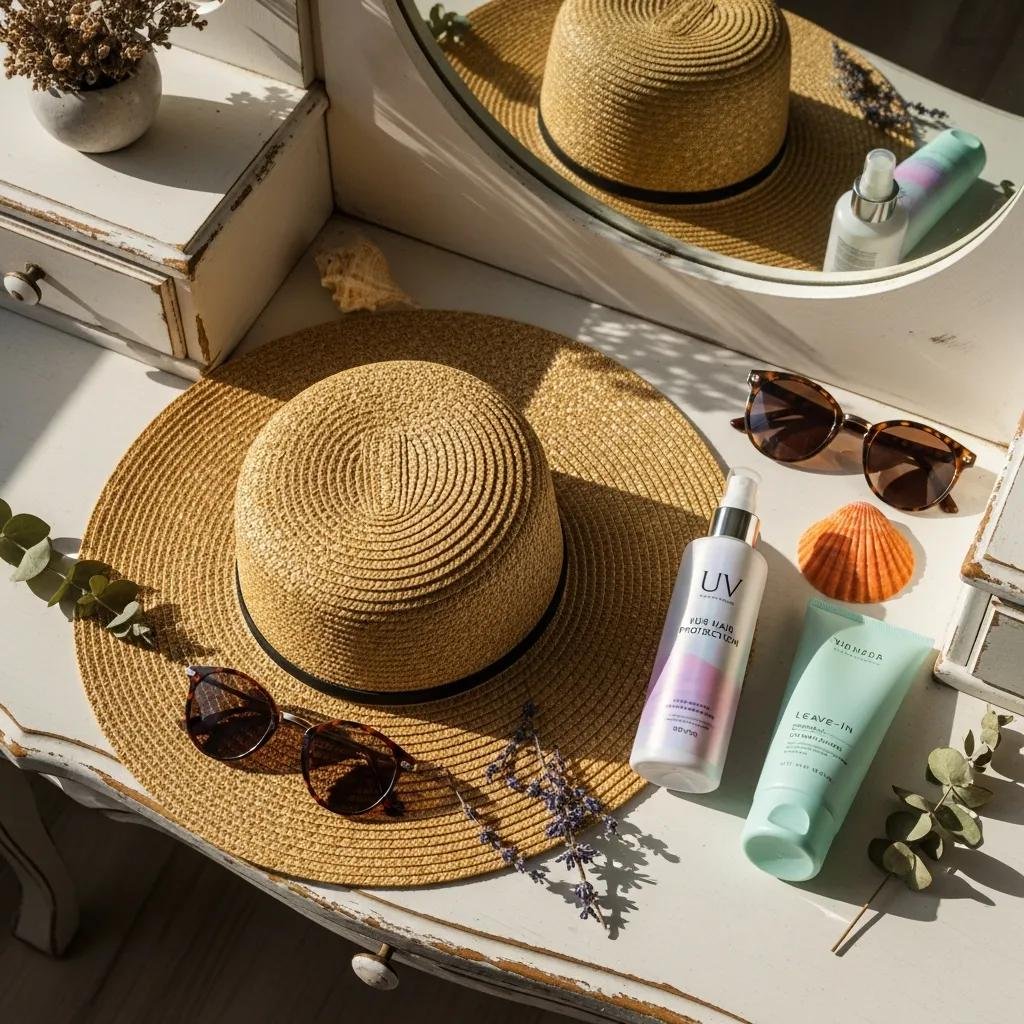
Physical protection—hats and scarves—gives immediate, reliable defense by blocking sunlight. Chemical protection—UV hair sprays—adds a protective coat to the cuticle and helps where hats don’t reach. Hats are the simplest, no-touch option; UV sprays work well for shorter outings but need reapplication after water or heavy sweat. For color-treated hair, a salon gloss can add a protective, shiny layer between color appointments. Combine methods—hat for long days, UV spray for quick trips, and a gloss before vacation—to cut cumulative UV damage.
Quick comparison of common protection methods:
This at-a-glance view helps you balance convenience and coverage. Next: simple pre- and post-swim steps to limit chlorine and saltwater damage.
How to Prevent Chlorine and Saltwater Damage Before and After Swimming?
A short swimmer routine can make a big difference. Before entering the water, saturate hair with tap water and work in a leave-in conditioner or lightweight oil to cut down chemical absorption. If you use a swim cap, tuck detangled hair inside; afterward, rinse immediately with fresh water and use a chelating or clarifying shampoo to clear minerals and chlorine. Finish with a deep conditioner and a leave-in detangler to rebalance pH and smooth the cuticle.
Swimmer’s pre/post checklist:
- Pre-wet and apply barrier: Wet hair and work in a leave-in or oil before swimming.
- Use mechanical protection: Secure hair under a swim cap or in a low braid.
- Post-swim cleanse and hydrate: Rinse, use a chelating shampoo if chlorine exposure was high, then deep-condition.
Follow these steps to limit long-term fiber damage. Next we’ll look at hydrating treatments that restore moisture after repeated exposure.
Which Hydrating Treatments Restore Moisture and Repair Summer Hair Damage?
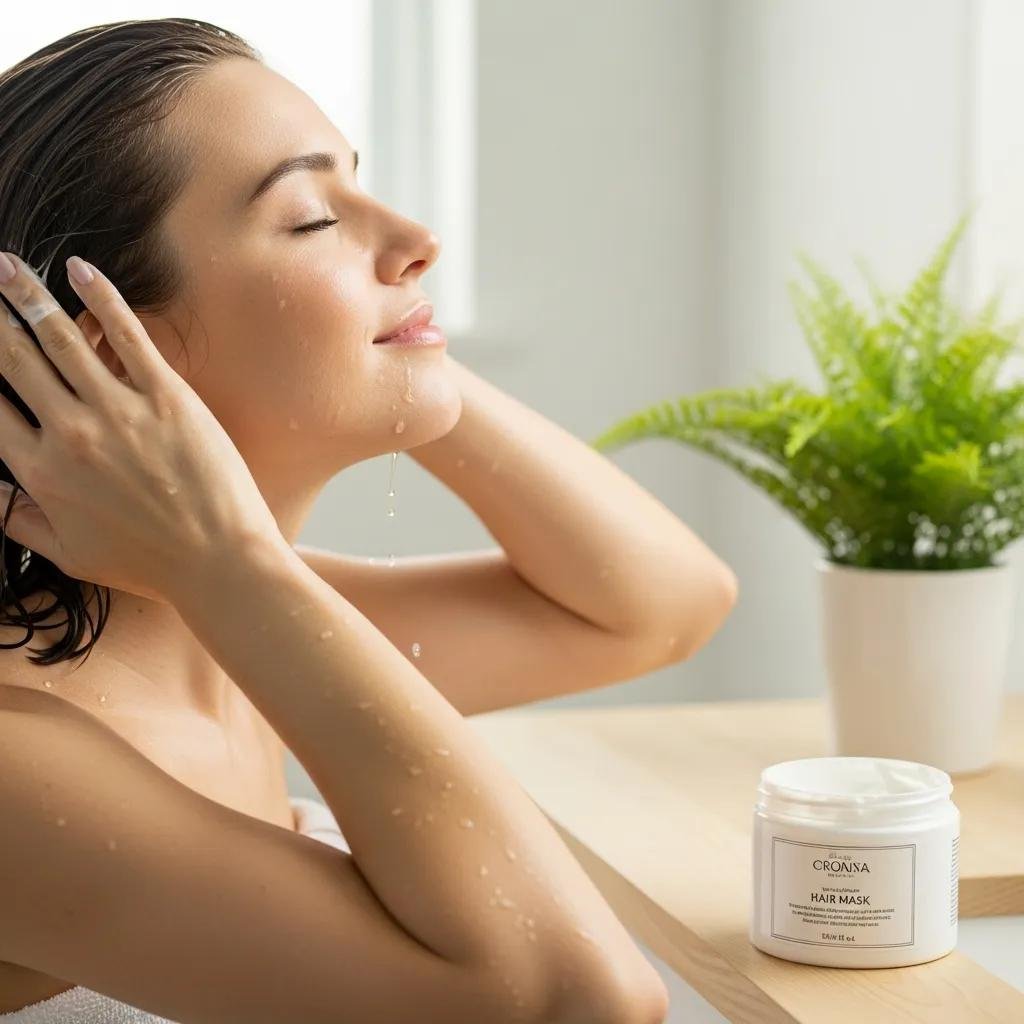
Hydrating treatments add moisture, seal the cuticle and replace lipids and humectants in the cortex to improve elasticity, shine and reduce breakage. Options range from in-salon deep conditioning (high-intensity repair) to at-home masks for weekly maintenance and leave-ins for daily protection. Choose based on porosity, how often you’re in sun or chlorinated water, and whether color preservation matters. The table below helps match treatment types to your needs.
Comparison of hydrating treatment types:
Use this guide to pick a regimen that fits your damage level. Understanding how deep conditioning works helps you decide when professional care makes sense.
How Do Deep Conditioning Treatments Rejuvenate Dry Summer Hair?
Deep conditioning uses concentrated humectants, proteins and emollients to penetrate the cortex, redistribute moisture and smooth the cuticle to reduce porosity. In the salon, treatments include a targeted consultation, professional-strength mask, heat or timed activation, and a protective finish—steps that usually deliver noticeable softness and less frizz after one visit. Benefits include better elasticity, less breakage and easier styling for several washes, depending on your at-home routine. For ongoing damage, combine regular salon deep conditioning with weekly at-home masks for the best recovery. Kylie Studio Salon offers these restorative services, and stylist Ruth can create a tailored plan that pairs salon work with an easy at-home regimen to extend results.
What Are the Best Leave-In Conditioners and Hydrating Masks for Summer?
Go for lightweight humectants and protective oils—ingredients like argan oil, glycerin and hyaluronic acid hydrate without weighing hair down. Fine hair does best with spray leave-ins that add moisture and heat protection; color-treated hair should use sulfate-free formulas with UV filters and antioxidants. Richer masks with penetrating oils and mild proteins are ideal for curly or porous hair and work well as weekly treatments to rebuild moisture. Match product texture to hair density—lighter creams for fine hair, richer masks for thick or chemically treated hair—and keep your salon and at-home choices consistent to get longer-lasting results.
How Do Professional Salon Services Help Protect and Enhance Summer Hair?
Salon services tackle the root causes of summer hair issues with longer-lasting, targeted solutions. Keratin smoothing, salon-grade deep conditioning and color glossing temporarily smooth the cuticle, replenish lipids and seal pigments—results that reduce styling time and improve manageability in humid weather. A short consultation will pinpoint which service fits your goals and exposure. The table below maps common services to what you can expect to see.
Salon services and what they do:
This overview helps you choose the right professional option. Below we’ll look closer at keratin treatments and color protection services.
What Are the Benefits of Keratin Treatments for Frizz Control in Humid Weather?
Keratin treatments temporarily bond smoothing polymers and keratin-derived proteins to the hair surface to align the cuticle and limit moisture uptake—the main cause of frizz in high humidity. The result is sleeker hair, faster drying and easier styling for several weeks to months depending on care and hair type. Aftercare should include sulfate-free cleansing and occasional glossing to keep the smoothing effect and protect color. For humid Maryland summers, getting a keratin treatment before peak heat can cut daily styling time and reduce ongoing damage—a practical pre-season move.
How Can Color Protection Services Maintain Vibrant Hair During Summer?
Color services like glosses, toners and professional color-lock treatments lay a thin protective layer over the cuticle to boost shine and reduce pigment loss from sun and pool chemicals. Glosses add reflectivity and can neutralize brassiness temporarily; toners quickly refresh tone without a full color appointment. At-home care—sulfate-free shampoos and UV-protectant products—helps prolong salon results and reduce how often you need full color touch-ups. Most stylists recommend a gloss or toner every 4–8 weeks during high-exposure months to balance upkeep and budget.
What Are Stylist Ruth’s Top Summer Hair Care Tips and Product Recommendations?
Ruth’s routine is simple and consistent: protect, hydrate and limit heat. Her three pillars are preventing UV and chemical exposure, keeping weekly deep hydration, and reducing mechanical stress from brushing and hot tools. These priorities translate to easy actions that suit many hair types and busy schedules. Here are Ruth’s five quick, actionable tips you can start using right away.
Ruth’s top five quick tips for summer protection:
- Apply a lightweight UV spray each morning to slow pigment breakdown and keep cuticles smooth.
- Pre-wet and oil or use a leave-in before swimming to reduce chlorine and saltwater uptake.
- Book a deep conditioning or gloss before extended sun exposure to lock in moisture and boost shine.
- Switch to a sulfate-free shampoo and use a hydrating mask weekly to protect color and hydration.
- Choose protective styles on high-exposure days to cut tangling and friction.
These suggestions pair simple daily habits with professional care. Below are Ruth’s recommended product types tailored for Bethesda’s summer conditions.
Which Summer Hair Products Does Ruth Recommend for Bethesda Clients?
Ruth prefers products that blend UV protection, lightweight hydration and color-safe surfactants to handle sun, pool and humidity. She suggests a daily UV hair spray for pigment protection and antioxidants, a sulfate-free clarifying shampoo for occasional post-swim use, and a nourishing leave-in with argan oil for detangling and barrier support. For weekly restoration, Ruth recommends a concentrated hydrating mask and a salon gloss when color needs a boost. These product categories work together to keep salon-treated hair looking its best between visits.
What Daily Hair Care Routines Help Maintain Healthy Hair in Summer?
Daily care should be gentle and focused on protection: use a sulfate-free shampoo when needed, follow with a lightweight leave-in or detangler, and finish with a UV protectant before spending time outdoors. At night, detangle with a wide-tooth comb and add a little oil to the ends to slow split-end progression. Weekly, use a hydrating mask and save clarifying shampoos for heavy-exposure days. To save time, air-dry when possible and use low-heat settings on tools to avoid extra protein damage. A consistent routine helps you keep salon results and reduces the need for corrective treatments.
How Can You Book Your Summer Hair Care Appointment at Kylie Studio Salon in Bethesda, MD?
Booking a summer hair consultation at Kylie Studio Salon is simple: schedule online or call the salon to set up a personalized assessment and service plan based on your sun and water exposure, and your styling goals. Consultations focus on damage assessment, desired results (frizz control, color retention, hydration) and a recommended timeline that may include keratin treatments, deep conditioning or glossing. Bring photos of looks you like and note recent chemical services so your stylist can plan the best approach. Kylie Studio Salon is ready to help Bethesda clients manage seasonal hair challenges efficiently.
What Is the Process for Scheduling a Summer Hair Consultation?
To book, call the salon or use the online scheduler to choose a consultation slot. During booking, describe your concerns, recent treatments and how much time you spend in sun or water. Consultations cover a damage check, recommended services and a maintenance plan—bring reference photos and a list of recent chemical services to help the stylist offer precise advice. The stylist will outline expected results and suggested visit frequency to keep results through the season. The process is designed to turn assessment into a clear plan for healthier summer hair.
Why Choose Kylie Studio Salon for Your Summer Hair Protection Needs?
Kylie Studio Salon offers a personalized, expert approach led by stylist Ruth, who tailors restorative services to each client’s hair history and seasonal exposure. Our services—keratin smoothing, deep conditioning, blowouts and color glosses—focus on natural-looking results and restorative techniques. Local reviews praise Ruth’s balayage and restorative work, and our Bethesda location makes maintenance convenient throughout the season. To book or discuss a summer plan, call 301-922-7864 or visit us at 4711 Montgomery Ln, Suite 2, Bethesda, MD 20814.
Frequently Asked Questions
What are the signs that my hair is damaged from summer exposure?
Look for dry, rough texture, more tangles, and color fading. If your hair feels coarse, looks dull or is unusually frizzy, it’s likely lost moisture from UV rays, chlorine or saltwater. Split ends and brassiness in color-treated hair are other clear signs that your hair needs attention. The sooner you act, the easier it is to restore health and shine.
How often should I schedule professional treatments during the summer?
Plan professional visits every 4 to 8 weeks depending on sun and water exposure. Color-treated clients often benefit from a gloss or toner every 4–8 weeks to maintain vibrancy, while deep conditioning is useful every 2–6 weeks depending on damage. Regular salon care keeps hair manageable and healthy through the season.
Can I use regular hair products during summer, or do I need special ones?
You can use your usual products, but summer-specific choices help. Look for UV protection, sulfate-free formulas and hydrating ingredients like argan oil or glycerin. Adding a leave-in or hydrating mask gives extra defense and nourishment during hot months.
What should I do if my hair feels excessively dry after swimming?
Rinse with fresh water right after swimming, then use a gentle chelating shampoo to remove chlorine or salt residue. Follow with a deep conditioning treatment or hydrating mask to restore moisture. A leave-in conditioner helps maintain hydration between washes. Stick to this routine regularly for noticeable improvement.
Are there specific hairstyles that can help protect my hair in summer?
Yes—low-manipulation styles like braids, buns and updos cut down on exposed surface area, tangling and friction. These styles also reduce breakage. Wearing a swim cap while swimming offers extra protection against chlorine and saltwater.
How can I maintain my hair’s color during the summer months?
Use UV-protectant products and limit direct sun when possible. Rely on color-safe shampoo and conditioner, and schedule gloss or toner touch-ups every 4–8 weeks as needed. Minimizing heat styling and choosing protective styles also helps keep color vibrant longer.
What are the benefits of using a leave-in conditioner in summer?
Leave-in conditioners add hydration, ease detangling and provide a protective layer against UV and environmental stressors. They help lock moisture in, reduce frizz from heat and humidity, and make hair easier to manage. Adding a leave-in to your daily routine can noticeably improve hair health over the summer.
Conclusion
Summer care makes a big difference. With consistent UV protection, smart swim routines, regular hydration and occasional professional treatments, you can protect color, reduce breakage, and keep hair manageable all season. Take a proactive approach—book a consultation at Kylie Studio Salon for personalized recommendations and a plan that fits your lifestyle. Ready to get started? We’re here to help you keep your hair healthy and beautiful this summer.