Regain Hair Health: Proven Treatments and Self-Care Tips for PCOS
Polycystic ovary syndrome (PCOS) commonly causes thinning by changing hormone balance and shortening the hair growth phase. This guide lays out clear, evidence-informed steps to slow shedding and encourage regrowth. You’ll learn what drives PCOS-related hair loss, how to tell androgen-driven female pattern thinning apart from temporary shedding, which medical and non-medical options have the strongest support, and easy daily habits to protect fragile hair. We explain the biology (how androgens, insulin resistance, and inflammation affect the hair cycle), compare treatments, and share lifestyle and product guidance you can use right away. You’ll also find checklists for when to seek specialist care and brief in-salon options through Kylie Studio Salon if you want a hands-on assessment or a tailored hair-care plan. Throughout, expect focused, practical recommendations for PCOS hair growth, prevention, and managing female pattern hair loss in PCOS, laid out with clear lists and comparison points so next steps feel manageable.
What Causes Hair Loss in Women with PCOS?
Hair loss with PCOS is usually driven by hormones and worsened by metabolic and inflammatory factors that affect follicle health. Androgens like testosterone and DHT shorten the anagen (growth) phase and trigger follicle miniaturization, which shows up as visible thinning across the crown. Insulin resistance and low-grade inflammation can further reduce nutrient delivery to follicles and disrupt the scalp environment. Knowing these mechanisms helps explain why some people see gradual, diffuse thinning while others have periods of heavy shedding—and it sets realistic expectations for how long treatments take to work. Below are the most common drivers to help guide evaluation and care.
Common drivers of PCOS-related hair loss:
- Hormonal imbalance—elevated androgens that promote follicle miniaturization.
- Metabolic factors such as insulin resistance and related inflammation that impair follicle function.
- Contributing triggers like iron or other nutrient deficiencies, thyroid issues, or prolonged stress that worsen shedding.
These root causes point to treatment priorities: address hormonal drivers and improve the scalp environment—topics we cover next when discussing how hormones alter the hair cycle and what clinicians look for during assessment.
How Does Hormonal Imbalance Affect Hair Health in PCOS?
Hormonal imbalance changes the hair growth cycle and directly affects follicle size and function. Higher androgens (testosterone and DHT) bind to susceptible follicles and cause miniaturization, which thins the hair shaft over successive cycles. Insulin resistance can boost androgen production and increase systemic inflammation, further starving follicles of the nutrients they need. Clinically, this usually appears as gradual, diffuse thinning at the crown while the frontal hairline often stays relatively intact—helpful for telling androgenetic patterns apart from acute telogen effluvium. Keep in mind that medical and topical therapies take months to alter follicle behavior, and the best results often come from combining scalp-focused care with metabolic management.
What Is Female Pattern Hair Loss and Androgenetic Alopecia in PCOS?
Female pattern hair loss (FPHL), also called androgenetic alopecia in women, is a slow, progressive thinning across the crown and mid-scalp caused by follicular miniaturization. PCOS raises the risk by increasing androgen exposure and disrupting insulin signaling. In people with PCOS, FPHL usually progresses gradually but can speed up when metabolic issues or persistent androgen excess aren’t addressed, producing a noticeable loss of density rather than distinct patches. Distinguishing FPHL from telogen effluvium matters: FPHL shows gradual widening of the part and miniaturized hairs on trichoscopy, while telogen effluvium produces more sudden, uniform shedding usually after a trigger. The correct diagnosis guides whether topical, systemic, or procedural treatments are best and helps set realistic timelines for seeing improvement.
Which Treatments Are Effective for Androgenetic Alopecia in Women with PCOS?
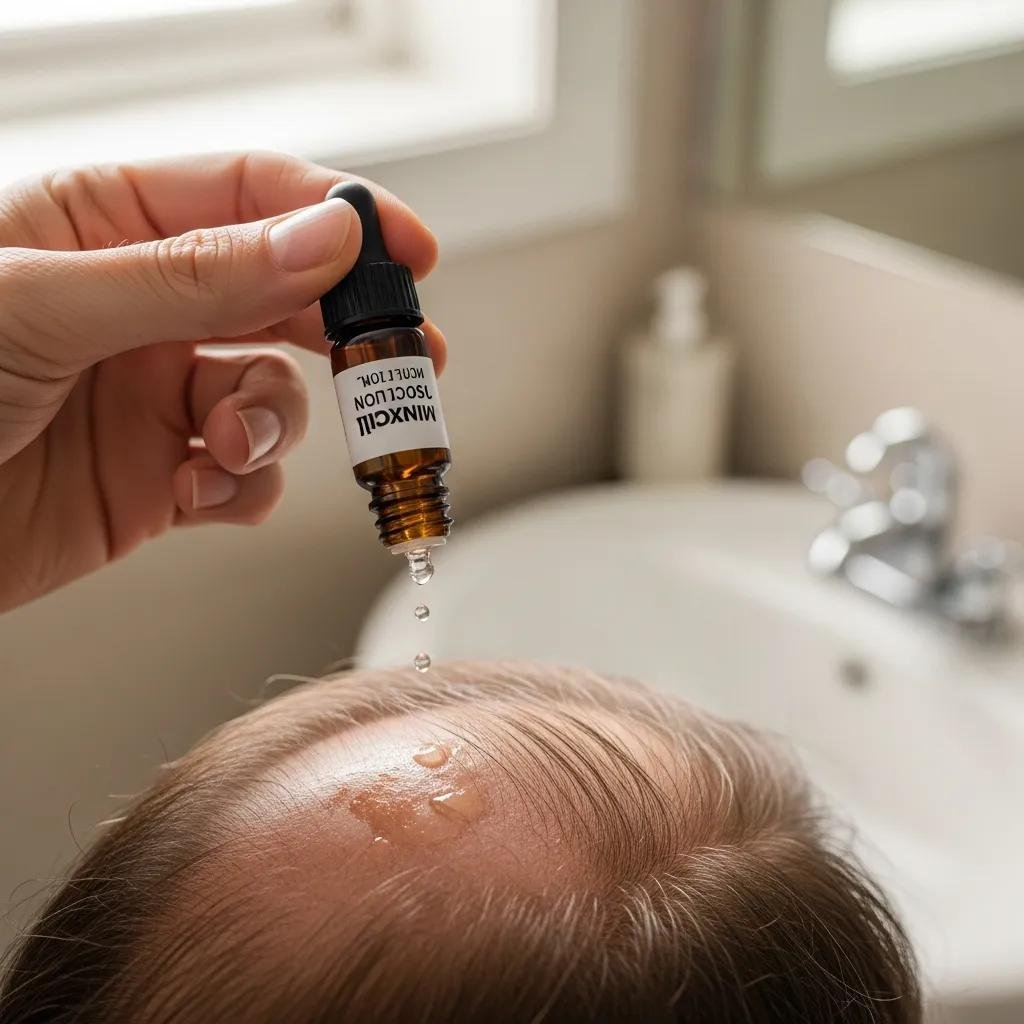
Effective care for androgenetic alopecia in PCOS combines proven topical agents, medical anti-androgen therapies when appropriate, and adjunct procedures that stimulate the follicle environment. Expect to work consistently for months—changes aren’t immediate. Topical minoxidil is the most widely supported first-line option to lengthen anagen and thicken hairs. Systemic choices like spironolactone or combined oral contraceptives can reduce hormonal drivers but require medical supervision. Procedural options—low-level laser therapy (LLLT) and platelet-rich plasma (PRP)—can boost follicle activity and work well as add-ons for people who want a combined plan.
Below is a quick comparison of common treatments for androgenetic alopecia in PCOS:
This snapshot shows which approaches treat symptoms (shaft thickness, anagen length) versus upstream drivers (androgen signaling) and helps guide shared decisions between you and your clinician about combinations and monitoring.
What Medical and Natural Therapies Promote Hair Regrowth for Hormonal Imbalance?
Both medical and evidence-backed natural strategies can help, and combining safe options often produces better results. Topical minoxidil has consistent clinical support for improving density and thickness and is the usual frontline topical. Nutrition matters—fixing iron deficiency, optimizing vitamin D, and ensuring enough protein and zinc all support follicle metabolism and remove limiting factors that blunt treatment response. Some supplements show promise but should follow testing. Lifestyle steps that improve insulin sensitivity—weight management and low-glycemic eating—work upstream by lowering androgen drive. A practical plan pairs a topical like minoxidil with metabolic improvements and targeted nutrient repletion for a balanced, safe approach.
How Do Anti-Androgen Medications Help Manage PCOS-Related Hair Loss?
Anti-androgen medications reduce how strongly circulating androgens act on the follicle and can slow or partially reverse miniaturization when used under medical supervision. Spironolactone blocks androgen receptors and decreases follicular androgen signaling; combined oral contraceptives can cut ovarian androgen output and raise SHBG to reduce free hormone levels. Important safety notes include teratogenic risks for some agents, the need to monitor blood pressure and electrolytes with certain drugs, and individualized dosing with follow-up labs. Anti-androgen therapy works best as part of a coordinated plan that includes topical treatments, metabolic management, and correcting nutrient gaps.
How Can a PCOS Hair Care Routine Support Hair Growth and Prevent Thinning?
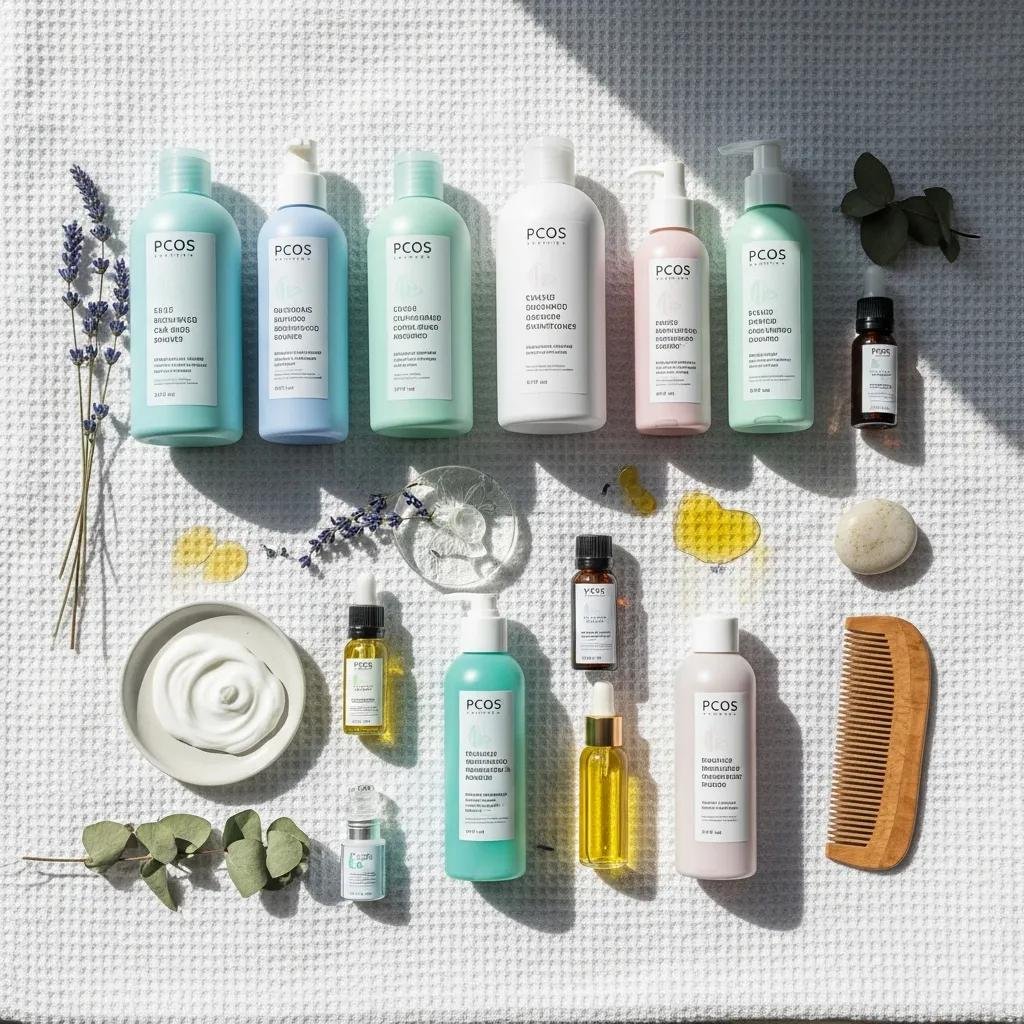
A consistent, scalp-friendly routine reduces mechanical damage, encourages circulation, and creates a better environment for treatments and natural regrowth to work. Simple daily and weekly steps—gentle cleansing with low-irritant shampoos, cutting back on high heat and harsh chemicals, short daily scalp massage to boost local blood flow, and protective styling to limit tension—reduce breakage and give follicles time to respond to medical and metabolic measures. Ingredients matter: avoid strong sulfates and high-alcohol styling tonics that dry the scalp, and prioritize clinically supported actives like topical minoxidil when appropriate. The table below helps you choose products and ingredients, and the list after it gives practical routine steps to follow.
Selecting products for PCOS hair care — why items help and how to use them:
These choices form the practical base of a routine that reduces external stress on fragile hair while letting therapeutic measures work more effectively.
Actionable daily and weekly routine steps for PCOS hair care:
- Gentle cleansing: Shampoo 2–3 times weekly with a low-irritant formula to protect the scalp barrier and avoid excess dryness.
- Scalp stimulation: Spend 3–5 minutes on a gentle manual scalp massage daily to support circulation and follicle health.
- Protective styling: Wear loose, low-tension styles and limit heat or chemical processing to reduce breakage.
- Targeted topical therapy: Use prescribed topical minoxidil consistently if indicated, following application instructions.
- Regular trims: Get trims every 8–12 weeks to remove split ends and improve the appearance of fullness.
These habits protect the hair you have and complement medical care. If you want hands-on help, professional styling or scalp treatments can be customized to your needs.
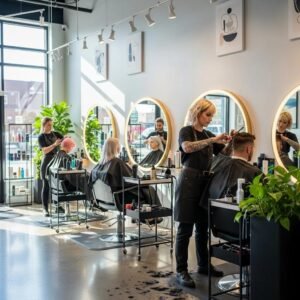
Kylie Studio Salon offers in-salon consultations and styling plans for clients who want practical help implementing a PCOS-friendly routine. Our team provides scalp assessments, recommends salon-safe products, and creates cutting and styling approaches that reduce mechanical damage. When appropriate, we’ll coordinate with your clinician so salon care supports—not conflicts with—medical regimens. If you’re ready for an in-person assessment or a tailored styling plan that supports hair-health goals, a salon consultation is a useful next step.
How Can a PCOS Hair Care Routine Support Hair Growth and Prevent Thinning? (Duplicate heading check)
Keeping a consistent routine helps follicles recover over the long term by minimizing external damage and creating steady conditions for topical and systemic treatments to work. The daily practices above—gentle cleansing, scalp massage, protective styling, and consistent topical therapy—help preserve shaft integrity while allowing follicles time to respond to medical treatment. Once those basics are in place, focus on broader lifestyle changes like diet and stress management that further reduce hormonal drivers and support follicle health.
What Are the Best Hair Care Practices for Women with PCOS?
Gentle grooming, limiting chemical exposure, and targeted scalp care are the most useful practices to lower breakage and support follicles under androgenic stress. Avoid tight hairstyles and frequent high-heat styling, choose low-irritant cleansers that balance sebum, and use weekly scalp treatments that hydrate without clogging follicles. Simple scalp stimulation—short daily massage or device-based LLLT—can boost circulation and cellular activity. Always coordinate with clinicians about topicals like minoxidil and make sure salon treatments are timed and selected to complement medical therapies.
Practical, salon-friendly grooming examples you can adopt immediately:
- Use loose braids or low buns instead of tight ponytails to reduce traction.
- Reserve thermal styling for special occasions and always use a heat protectant.
- Ask your stylist about gentler chemical options and spread out processing sessions.
Which Ingredients Should Be Avoided or Embraced in PCOS Hair Care?
Choosing smart ingredients protects the scalp barrier and supports follicle nutrition, while avoiding irritants prevents unnecessary inflammation that can harm growth. Embrace mild surfactants, lightweight emollients (jojoba, argan used sparingly), and clinically validated topicals like minoxidil when prescribed. Avoid harsh sulfates, high-alcohol styling tonics, and unproven “quick fix” products that may irritate the scalp or clash with medical treatments. The compact comparison below helps guide product selection.
This table helps you prioritize safe, effective ingredients and shows when salon-level treatments or at-home products make the most sense.
What Lifestyle Changes Help Manage PCOS Hair Thinning and Support Hair Health?
Lifestyle changes that improve insulin sensitivity, lower inflammation, and reduce chronic stress create a body-wide environment that supports healthier hair cycles and better responses to targeted therapies. Adjusting diet to stabilize blood sugar, correcting nutrient deficits (iron, vitamin D, adequate protein), staying active, and prioritizing sleep all influence hormones and follicle metabolism. Stress-reduction practices—mindfulness, consistent exercise, therapy—reduce cortisol-driven hair-cycle disruption and lower the risk of telogen effluvium. Together, these habits amplify the benefit of topical and medical treatments and form the backbone of a long-term hair-health plan.
Key actionable lifestyle recommendations to support hair growth:
- Prioritize a balanced, low-glycemic diet that supports insulin sensitivity and supplies the protein and micronutrients needed for keratin production.
- Address nutrient deficiencies through testing and targeted supplementation under clinical guidance—focus on iron, vitamin D, and adequate protein.
- Integrate regular activity and sleep hygiene to improve metabolic health and hormone regulation.
- Practice stress reduction with techniques such as mindfulness, therapy, or structured exercise to protect the hair cycle.
Pairing these habits with direct hair therapies helps address upstream drivers and leads to more durable improvements in density and hair quality.
How Does Diet Influence Hair Growth in PCOS?
Diet affects hair by shaping insulin levels, inflammation, and the availability of nutrients essential for follicle function. Prioritizing stable blood sugar and adequate micronutrients helps both hormone balance and keratin synthesis. Key nutrients for hair include iron (ferritin stores), vitamin D, B vitamins, zinc, and sufficient protein—all needed for follicle energy and keratin production. Low-glycemic, whole-food patterns improve insulin sensitivity and may reduce ovarian androgen production, easing androgen-driven stress on follicles. Practical food choices include lean proteins, legumes, low-glycemic vegetables, healthy fats, and iron-rich foods paired with vitamin C to boost absorption.
Can Stress Management Improve Hair Loss Symptoms in PCOS?
Yes. Reducing stress helps normalize the hair cycle and can prevent or lessen telogen effluvium, especially when stress compounds existing hormonal or metabolic issues. Chronic stress speeds follicles into the telogen (shedding) phase; practices like mindfulness-based stress reduction, regular moderate exercise, cognitive behavioral therapy, and consistent sleep reduce this effect and support recovery. Low-barrier tools—daily breathing exercises, short guided meditations, or brisk walks—can lower perceived stress and contribute to longer-term hair health when used alongside medical and topical treatments.
When Should You Consult a Specialist for PCOS-Related Hair Loss?
See a specialist if hair loss is rapid, patchy, dramatically changes your appearance, or doesn’t improve after several months of consistent self-care and topical therapy. Red flags include sudden heavy shedding, localized patches that may suggest alopecia areata, visible scalp inflammation or infection, or systemic symptoms that point to broader endocrine or nutritional problems. The next step usually involves coordinated testing and a tailored plan that can include dermatology for diagnosis and prescriptions, endocrinology for hormone and metabolic care, and trichology or salon professionals for cosmetic and mechanical support.
Signs that you should see a specialist:
- Noticeably increased shedding or a widening part over months.
- Patchy or scarring hair loss, scalp irritation, or pain.
- No measurable improvement after 3–6 months of consistent topical and lifestyle measures.
Once these thresholds are identified, professional testing and multidisciplinary care can pinpoint causes and create an evidence-based plan.
What Diagnostic Tests Identify Hair Loss Causes in PCOS?
Common tests for PCOS-related hair loss include hormone panels (total and free testosterone, DHEA-S), fasting insulin or glucose tests to check for insulin resistance, thyroid screening (TSH), and iron studies (ferritin) to detect deficiencies that impair follicle health. Test results guide targeted care: high androgens can prompt anti-androgen therapy or endocrine referral; insulin resistance supports metabolic interventions; low ferritin indicates iron repletion; abnormal thyroid tests require endocrine follow-up. Trichoscopy and, if needed, scalp biopsy can further define miniaturization or inflammatory changes—working with clinicians ensures test results translate into safe, effective treatments.
Which Specialists Treat Female Pattern Hair Loss and Androgenetic Alopecia?
Treatment often involves a team: dermatologists diagnose and prescribe hair-focused medical therapies, endocrinologists manage hormonal and metabolic contributors, trichologists and experienced salon professionals provide mechanical and cosmetic strategies, and primary care providers coordinate overall care. Dermatologists usually lead testing and prescribe options like topical minoxidil or systemic anti-androgens; endocrinologists address insulin resistance and ovarian androgen production; trichologists and knowledgeable stylists help minimize traction and offer supportive scalp therapies. The right mix depends on severity, the underlying drivers, and personal preferences for medical versus cosmetic approaches.
Kylie Studio Salon can be a local entry point for clients who want a coordinated plan: our professionals offer a visual hair and scalp assessment, suggest protective styling and salon-safe treatments to reduce breakage, and refer clients to dermatology or endocrinology when needed. If you’re ready to move from self-care to a professional evaluation or tailored in-salon support, booking a consultation with a qualified salon partner is a practical next step.
Frequently Asked Questions
1. What lifestyle changes can help manage PCOS-related hair thinning?
Changes that improve insulin sensitivity and lower inflammation can noticeably help hair health. A balanced, low-glycemic diet with enough protein and micronutrients supports follicles. Regular exercise, consistent sleep, and stress-management practices like mindfulness or structured movement reduce cortisol’s impact on the hair cycle. These lifestyle steps also make medical treatments more effective and support longer-lasting gains in density and hair quality.
2. How does diet influence hair growth in women with PCOS?
Diet affects insulin, inflammation, and the supply of nutrients needed for healthy follicles. Iron, vitamin D, B vitamins, zinc, and sufficient protein are all important for keratin production. Low-glycemic foods help stabilize blood sugar and may reduce androgen production, easing stress on follicles. Practical choices include lean proteins, legumes, plenty of low-glycemic vegetables, healthy fats, and iron-rich foods paired with vitamin C to boost absorption.
3. Can stress management techniques improve hair loss symptoms in PCOS?
Yes. Managing stress can reduce episodes of excess shedding and help the hair cycle return to normal. Techniques such as mindfulness, regular exercise, CBT, and good sleep habits lower cortisol and support recovery. Small daily practices—breathing exercises, short guided meditations, or brisk walks—can make a meaningful difference, especially when combined with medical and topical therapies.
4. What diagnostic tests are commonly used to identify hair loss causes in PCOS?
Clinicians often test hormone levels (total and free testosterone, DHEA-S), fasting insulin or glucose for insulin resistance, thyroid function (TSH), and iron stores (ferritin). These tests help identify hormonal or metabolic contributors to hair loss. Additional tools like trichoscopy or scalp biopsy can further clarify follicle status and guide targeted treatment plans.
5. When should I consult a specialist for PCOS-related hair loss?
See a specialist if you have sudden heavy shedding, patchy loss, significant cosmetic change, or no improvement after several months of consistent care. Red flags include localized patches, signs of scalp inflammation, or systemic symptoms. A professional evaluation helps identify treatable causes and creates a comprehensive plan.
6. What role do anti-androgen medications play in managing hair loss from PCOS?
Anti-androgens are a key tool for PCOS-related hair thinning because they reduce how androgens affect follicles. Spironolactone blocks androgen receptors, and combined oral contraceptives lower ovarian androgen production. These medications can slow or partially reverse miniaturization when used safely under medical supervision. Combining them with topical treatments and lifestyle changes increases overall effectiveness.
7. How can a hair care routine specifically benefit women with PCOS?
A tailored routine minimizes mechanical damage and creates a healthier scalp environment for growth. Gentle cleansing, short daily scalp massages, and protective styling reduce breakage and help circulation. Using clinically validated products like topical minoxidil when prescribed boosts treatment effectiveness. A consistent routine protects existing hair and supports medical and lifestyle interventions.
Conclusion
Managing hair thinning and encouraging regrowth with PCOS takes a layered approach: targeted medical treatments, supportive lifestyle changes, and a gentle, consistent hair-care routine. Understanding the hormonal and metabolic drivers helps you choose safe, practical steps that improve hair health and overall well-being. If you’d like tailored support, schedule a consultation with a professional to build a plan that fits your needs. Explore our resources and take the next step toward healthier hair today.