Partial Highlights & Toner for Dimension in Bethesda — Expert, Natural-Looking Color
Partial highlights paired with a professional toner are an easy way to add depth, movement, and subtle contrast where light naturally hits your hair. At Kylie Studio in Bethesda, we place lighter pieces strategically—around the face, crown, or top layers—so you get brightness and dimension without a full-head color commitment. This guide walks you through how partials work, how toners refine or neutralize tones, and the low-maintenance options that look most natural, like face-framing and money-piece highlights. You’ll learn how partials compare to full highlights and balayage, which toner shades create warm or cool effects, and practical aftercare to keep your color looking fresh. If you’ve been searching “partial highlights Bethesda” or “natural looking hair color Bethesda,” this article maps the whole process from consult to upkeep and explains the choices that deliver long-lasting, flattering dimension.
What Are Partial Highlights and How Do They Create Dimension in Hair?
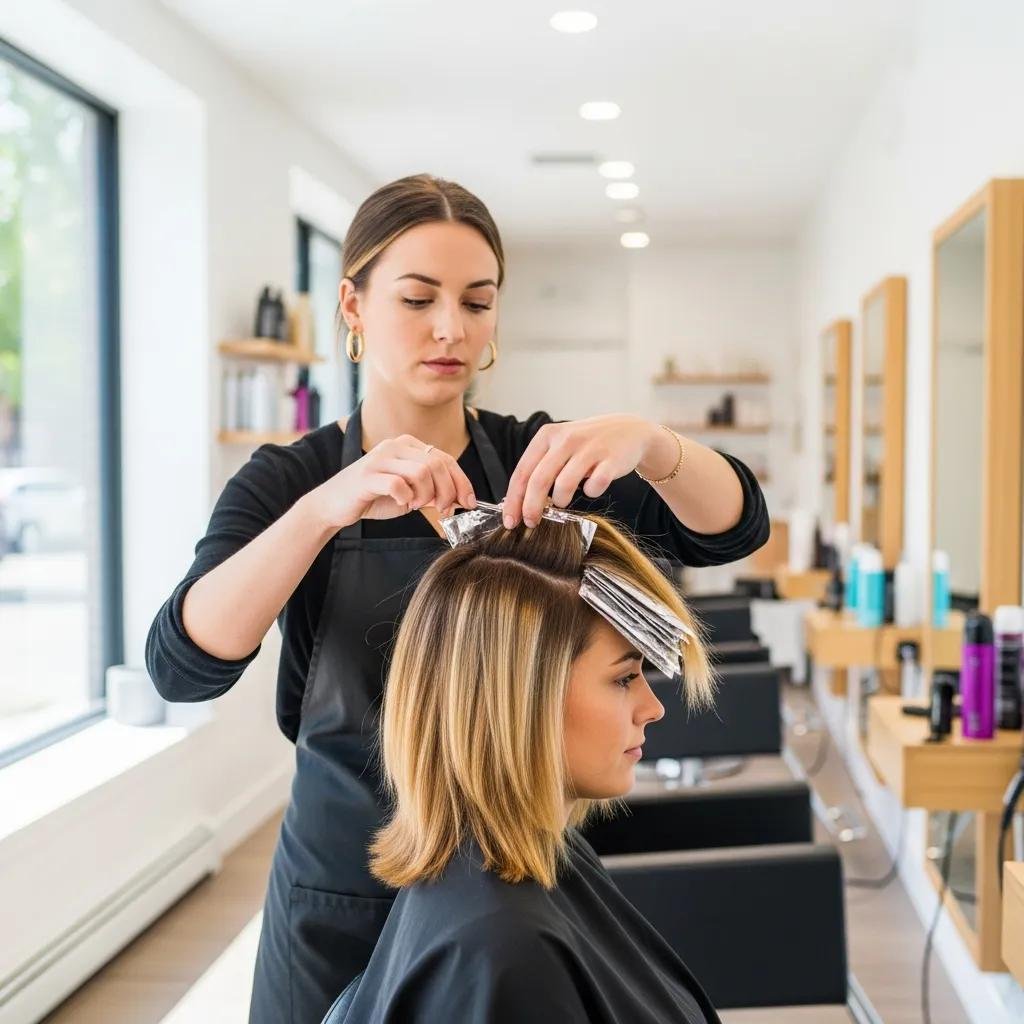
Partial highlights mean lifting only selected sections—usually near the hairline, crown, or top layers—to create contrast and the illusion of volume. Lighter strands catch light and suggest movement, while the untouched base provides shadow, so the overall result feels multi-dimensional and natural. Partial highlights are ideal if you want gentle brightness, lower upkeep, and targeted face-framing without changing your base color. Placement and contrast determine the final effect—everything from a soft sun-kissed glow to a sharper, face-framing pop—so deciding where to place pieces is one of the stylist’s most important choices. The next section compares partials with full highlights and balayage to help match technique to your lifestyle and goals.
As this comparison shows, small changes in placement create very different visual outcomes—your stylist will use placement to guide the toning stage and achieve the exact kind of dimension you want.
How Do Partial Highlights Differ from Full Highlights and Balayage?
The main differences are coverage, technique, and maintenance. Full highlights use foils across most of the hair for even lift and noticeable contrast, which looks bright but needs frequent root touch-ups. Balayage is painted freehand for a blended, sun-kissed finish with softer regrowth lines and generally lower maintenance. Partial highlights sit between those two—applied by foil or hand-painting only to select areas to brighten the face and top layers while keeping regrowth softer and upkeep easier. If you want subtle change, less salon time, and targeted feature-enhancement, partials are often the best fit.
What Are the Benefits of Partial Highlights for Subtle Brightness and Face Framing?
Partial highlights give you practical, flattering benefits: they brighten your face, emphasize your features, and add movement without drastically altering your base color. Because coverage is limited, regrowth looks softer, letting you space out salon visits. They’re also highly customizable—your stylist can vary placement, width, and lift to match hair texture, lifestyle, and skin tone—so you get natural-looking dimension with minimal processing.
Partial highlights offer key advantages:
- Face-brightening: Targeted front pieces lift and frame your features.
- Lower maintenance: Regrowth blends more naturally than full highlights.
- Customizable contrast: Placement and lift set the level of brightness for your hair type.
Those benefits lead into the finishing step that refines highlights into a cohesive, multi-tonal result—hair toner.
How Does Hair Toner Enhance Dimensional Highlights in Bethesda?
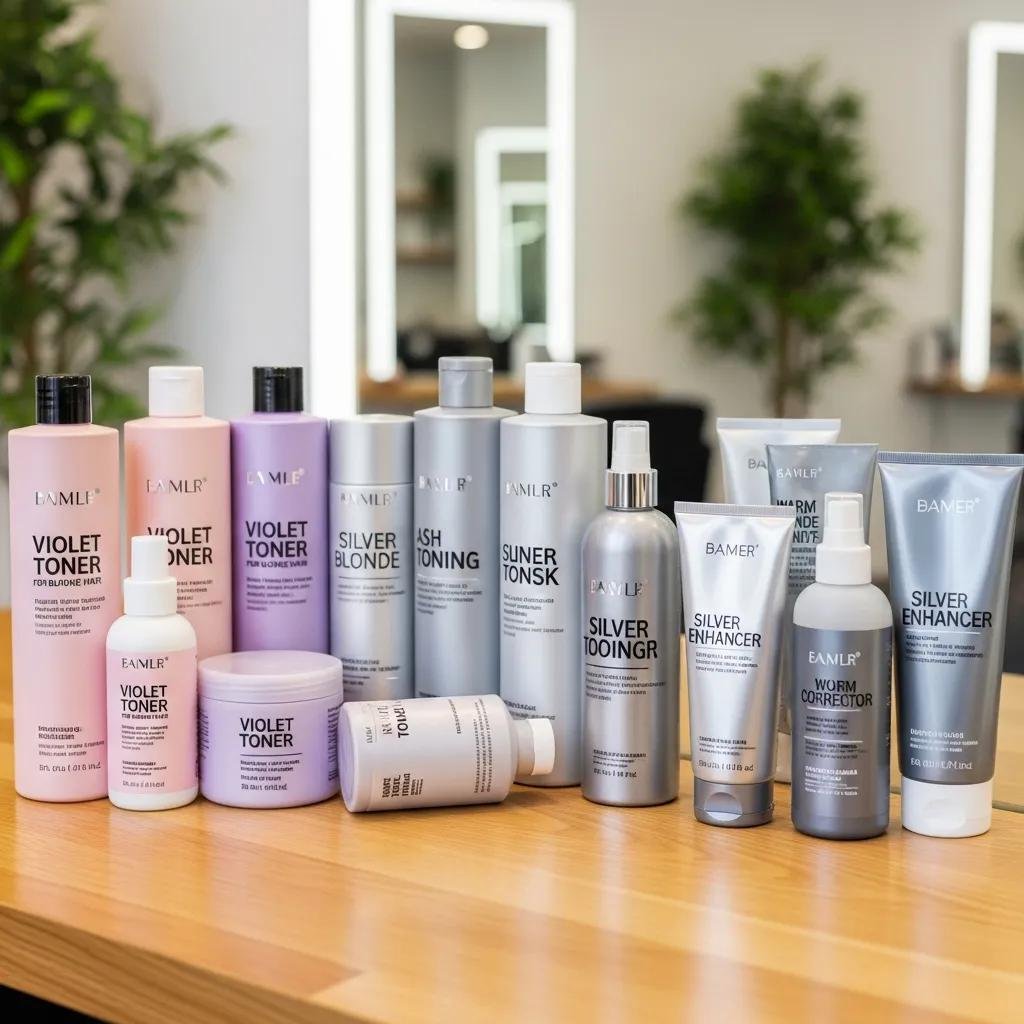
Toner is a finishing treatment applied after lightening to refine hue, remove unwanted brass, and smooth the transition between highlights and your base color. Toners deposit low-volume pigments into porous, lifted hair so reflected color shifts toward ash, beige, golden, or neutral tones—changing how light plays across the hair and strengthening the perceived depth. Applied with the right timing and formula, toner softens harsh lines, adds shine, and creates a polished multi-tonal finish. Your stylist selects toner based on how much lift was achieved, the natural undertones that emerged, and whether you want a warmer or cooler result. Below is a quick guide to common toner types and typical outcomes to help choose the look you prefer.
This quick reference helps you decide whether you’re after warm radiance or cool neutrality when creating dimension.
What Is Hair Toner and How Does It Neutralize Unwanted Tones?
Toner is a semi-permanent color applied after lightening to refine reflected color and reduce brassiness. It works using basic color-correction: violet tones cancel yellow, blue cancels orange, and so on. Because toner sits mainly on the outer hair shaft and in lifted cuticle gaps, the stylist can control intensity with developer strength and processing time. In the salon, a short test and visual check guide the final choice so the highlights harmonize with your base color and skin tone—enhancing depth and blend without overprocessing.
Which Toner Shades Are Best for Achieving Warm or Cool Dimension?
Choose toner by the look you want and the undertones revealed by lifting. For cool dimension, ash, violet, or blue-violet toners neutralize yellow and orange to create silvery or beige-blonde tones—great for muted, modern contrast. For warm dimension, golden or warm-beige toners boost reflected warmth and give a sunlit glow that flatters warmer skin tones. Stylists often mix placement with tone—cooler toners on fine face-framing pieces for sharper contrast, or warmer toners across top layers for a soft shimmer—so the end result feels intentional and balanced.
Why Choose Kylie Studio Salon for Partial Highlights and Toner Services in Bethesda?
Kylie Studio Salon in Bethesda is focused on personalized color that emphasizes natural dimension, thoughtful placement, and tone refinement. Ruth leads our color services with hands-on expertise, one-on-one consultations, and salon-grade products that protect hair while delivering multi-tonal finishes like face-framing and money-piece highlights. Clients who want subtle highlights, smart toner corrections, and realistic maintenance plans find our approach reliable and predictable for everyday styling. For appointments and questions, our address is 4711 Montgomery Ln, Suite 2, Bethesda, MD 20814, and we can be reached at 301-922-7864. Here are a few ways we stand apart:
- Ruth’s experienced color eye ensures thoughtful placement and accurate shade selection.
- Personal consultations align color decisions with your skin tone and daily routine.
- Premium salon-grade products and careful processing preserve hair health and color life.
These elements make our color process as much about longevity and hair health as about the immediate, flattering result.
How Does Ruth’s Expertise Ensure Stunning Dimensional Hair Color?
Ruth uses a consultative process that reviews your hair history, texture, and lifestyle to decide placement and the best toner to refine hue and blend. She maps where light naturally falls—crown, face, or top layers—then matches lift and toner to amplify or soften contrast based on your goals. Examples include soft face-framing pieces to brighten a professional look, or bolder money pieces for a trend-forward statement that still fits a manageable upkeep schedule. This hands-on method reduces surprises and helps your new color integrate with your routine, which then guides our aftercare and follow-up recommendations.
What Premium Products and Techniques Does Kylie Studio Use?
At Kylie Studio we use salon-grade toners, gentle developers for controlled lift, and application techniques—foil for defined streaks or hand-painting for softer gradations—chosen to achieve the intended dimensional effect while minimizing damage. We finish with glosses or glazes to seal tone and boost shine, and we monitor processing to prevent over-porosity. Matching technique to your hair texture and movement ensures each method produces natural transitions and lasting color. Protecting hair health during color means more predictable results and longer intervals between touch-ups.
What Is the Process for Booking and Receiving Partial Highlights with Toner at Kylie Studio Salon?
Our booking-to-finish flow starts with a focused consultation, moves through measured lightening and toning, and finishes with styling and a tailored aftercare plan to keep dimension looking fresh. The goal is to turn consultation details into a clear service plan that reflects your maintenance needs and tonal preferences. Typical steps include a phone or in-salon consult to review hair history and reference photos, a color appointment with placement, lift, rinse, toner, and a finishing gloss, followed by aftercare guidance and a recommended touch-up timeline. Bring reference photos, a short history of past color work, and an openness to stylist guidance on lift and tone—this helps us create the right plan for your hair and lifestyle.
- Consultation: Review hair history, photos, and maintenance preferences.
- Color plan: Agree on placement, lift targets, and toner shade selection.
- Service execution: Placement (foil/hand-paint), processing, rinse, toner, gloss, and style.
- Aftercare & follow-up: Recommendations for products, wash routine, and touch-up window.
This sequence sets clear expectations and a realistic timeline; the next section explains what we cover during the consultation to personalize your dimensional color.
How Does the Personalized Consultation Tailor Your Dimensional Hair Color?
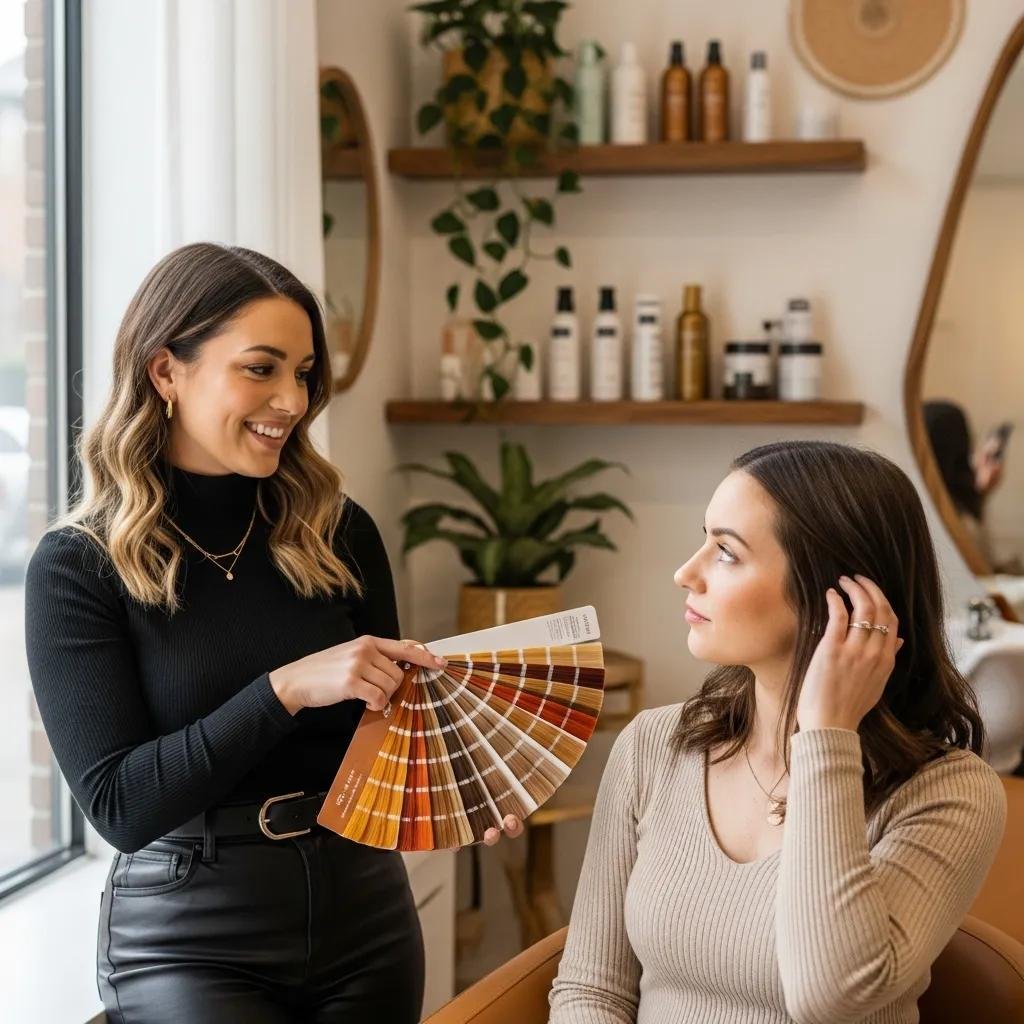
A good consultation addresses hair condition, previous chemical history, desired upkeep, and reference images so the stylist can match your priorities. We check hair porosity, base color, skin tone, and lifestyle—how often you want to return and how much daily styling you prefer. Decisions made during the consult include placement (face-framing versus crown-focused), lift level (subtle for low maintenance or higher for more contrast), and initial toner direction (cooling or warming). This planning reduces surprises during application and sets realistic expectations for durability and care.
What Can Clients Expect During Their Appointment and Aftercare?
During your appointment expect a clear, measured sequence: targeted placement (foil or hand-painting), lightening to the agreed lift, careful rinse and conditioning, toner to refine hue, and a finishing gloss and style to show the final dimension. Processing times and sensations vary, but our stylists check tone and porosity frequently to avoid overprocessing and protect hair integrity. Aftercare focuses on gentle cleansing, color-safe products, and heat protection, with short-term advice for the first 48–72 hours—like avoiding heavy sweating and chlorine—to help the tone settle. Knowing the appointment flow makes the result predictable and supports the recommended maintenance rhythm.
How to Maintain and Extend the Life of Your Dimensional Partial Highlights and Toner?
Keeping partial highlights and toner vibrant comes down to the right products, smart habits, and occasional salon refreshes. Use sulfate-free, color-safe shampoo, cut back on wash frequency, and follow your stylist’s recommendations for glosses or at-home toning treatments. Protect hair from UV and heat to slow fading, and schedule toner refreshes based on how much lift and contrast you have. Professional glosses restore shine and harmonize multiple tones. The table below summarizes recommended aftercare products, their benefits, and how often to use them.
Consistent product choices and routines help toner and highlights stay true longer between visits.
What Products and Tips Help Preserve Hair Color and Dimension?
Small routine changes make a big difference. Stick to a sulfate-free shampoo, a hydrating color-safe conditioner, and a weekly deep-conditioning mask to prevent dry, brassy-looking hair. Rinse with cooler water to keep the cuticle down and reduce color bleed, and use a UV-protective spray when you’re outside. Limit hot-tool use and always apply a heat protectant to reduce fading and the need for corrective toning. These habits keep your highlights defined and your toner working as intended.
When Should You Schedule Toner Touch-Ups for Optimal Results?
Toner timing depends on lift, porosity, and the tone you want to maintain. As a rule, higher-contrast, cool blondes often need refreshes every 4–8 weeks, while subtler warm partials can wait 8–12 weeks. Look for brassiness, loss of the chosen warmth or coolness, or highlighted pieces that no longer blend—those are signs it’s time for a toner. If your hair is very porous or you’ve gone very light, you may need touch-ups more often; darker bases and subtle lifts usually stretch out longer. Talk with your stylist during the consult to set a personalized schedule that keeps dimension without overprocessing.
For help with dimensional partial highlights and toner in Bethesda, schedule a consultation at Kylie Studio Salon, 4711 Montgomery Ln, Suite 2. Call 301-922-7864 to book. We turn consultation insights into color plans that balance your aesthetic goals with hair health—so you get flattering, long-lasting dimension that fits your life. Ready to explore face-framing highlights or money-piece options? Call us and Ruth will recommend an approach tailored to your hair history and maintenance preferences.
Frequently Asked Questions
1. How long do partial highlights typically last?
Partial highlights usually look their best for about 6–12 weeks, depending on hair type, how often you wash your hair, and the products you use. Finer hair and frequent washing can mean quicker fade; coarser hair and less washing can extend the look. Regular touch-ups and proper aftercare help keep the dimension fresh.
2. Can I get partial highlights if I have dark hair?
Yes—partial highlights work beautifully on dark hair. We tailor placement and lift to complement your base color, creating contrast and brightness without overwhelming your natural tone. The right toner and placement keep the look seamless and flattering.
3. What should I bring to my consultation for partial highlights?
Bring reference photos that show the look you like, plus a brief history of past color services or chemical treatments. Tell us about your routine and how often you want to visit the salon. That information helps us create a plan that fits your hair and lifestyle.
4. Are there any specific aftercare products recommended for maintaining highlights?
We recommend sulfate-free, color-safe shampoos and conditioners, a weekly deep-conditioning mask, and a UV protectant spray for outdoor time. Minimize heat styling and always use a heat protectant when you do—these steps help your highlights and toner last longer.
5. How can I tell if I need a toner touch-up?
Look for brassiness, fading of your chosen warmth or coolness, or highlighted pieces that no longer blend with your base. Higher-contrast, cooler looks usually need touch-ups every 4–8 weeks; subtler partials may hold for 8–12 weeks. We’ll help set a schedule that fits your hair’s needs.
6. What is the difference between face-framing highlights and money piece highlights?
Face-framing highlights are softer pieces around the hairline to brighten the face and enhance features. Money-piece highlights are bolder front strands from temple to temple that create a striking frame. Both highlight the face but differ in intensity and upkeep.
7. Can I combine partial highlights with other coloring techniques?
Absolutely. Partial highlights pair well with balayage or fuller highlighting strategies to create a customized, dimensional look. Talk to your stylist about combining techniques for the depth and movement you want.
Conclusion
Partial highlights plus the right toner can give you natural, wearable dimension with manageable upkeep. These techniques enhance your features and adapt to your lifestyle—whether you want soft brightness or a bolder frame. For a personalized consultation and expert application, visit Kylie Studio Salon in Bethesda. Call us to discuss your goals and find the highlighting approach that fits you.