Parabens in Hair Products: Safety Concerns and Paraben‑Free Alternatives for Healthier Hair
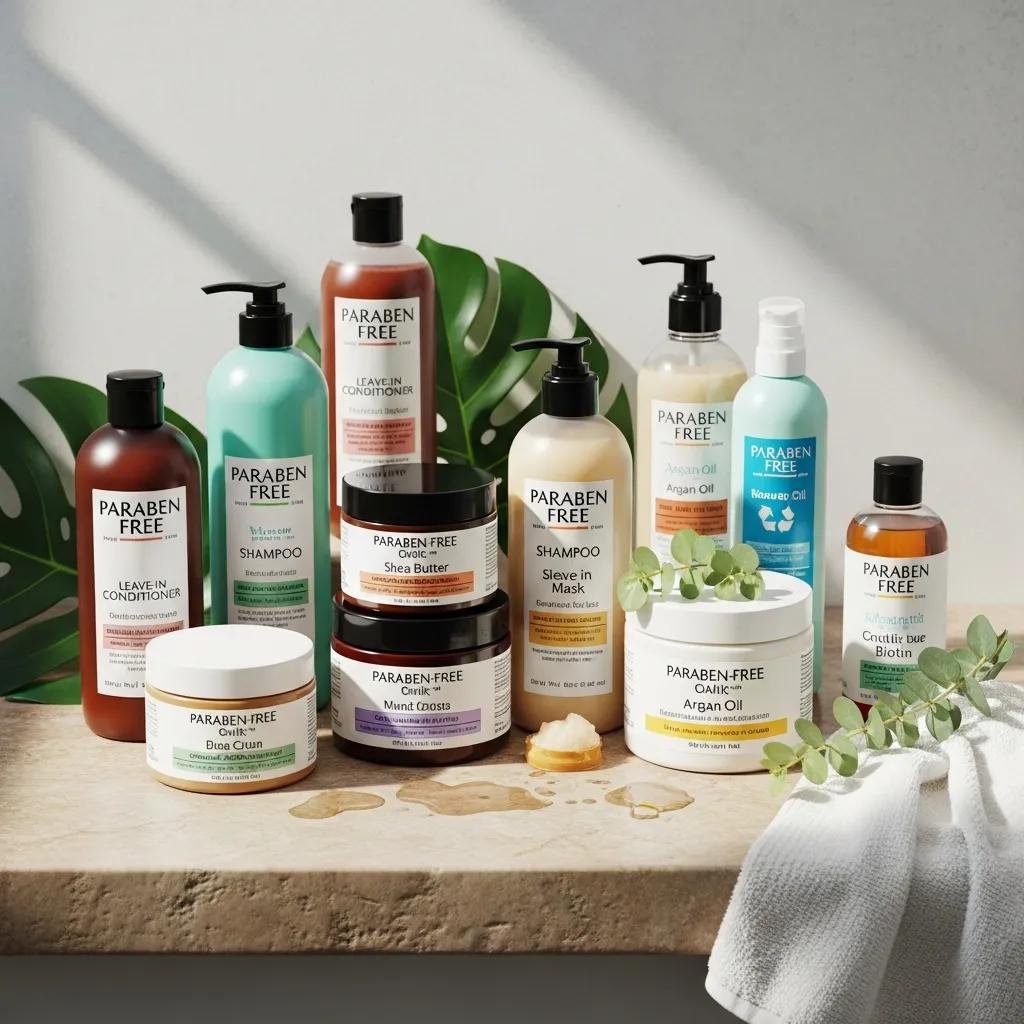
Parabens are a family of preservatives commonly added to shampoos, conditioners and styling products to stop bacteria and mold — which matters both for scalp comfort and long‑term exposure. This guide explains what parabens are, why formulators use them, the scalp and health concerns researchers watch, and practical paraben‑free alternatives that still protect product safety. If you’re in Bethesda, MD, Kylie Studio Salon is committed to offering eco‑conscious, paraben‑free choices for clients with sensitive scalps or anyone prioritizing clean beauty. Read on for clear definitions, a summary of irritation and endocrine findings, comparisons of natural and synthetic preservatives, the consumer benefits of paraben‑free hair care, and how Kylie Studio Salon supports paraben‑free services and bookings. By the end you’ll know how to evaluate products, ask the right salon questions, and book a paraben‑free appointment locally.
What Are Parabens and Why Are They Used in Hair Products?
Parabens are esters of p‑hydroxybenzoic acid used as antimicrobial preservatives in water‑based hair products to slow bacterial and fungal growth and extend shelf life. Brands favor parabens because they work at low concentrations, mix well with many formulas, and are cost‑effective — all qualities that help keep products stable and safe to use. Knowing where parabens commonly appear and which compounds to look for makes it easier to read ingredient lists and select paraben‑free alternatives when you want them.
Quick reference: common parabens and where they usually show up in hair care.
This table shows the paraben types you’ll most often encounter and why formulators pick them for certain product formats — useful when comparing ingredient lists.
Which Synthetic Preservatives Are Commonly Found in Hair Care?
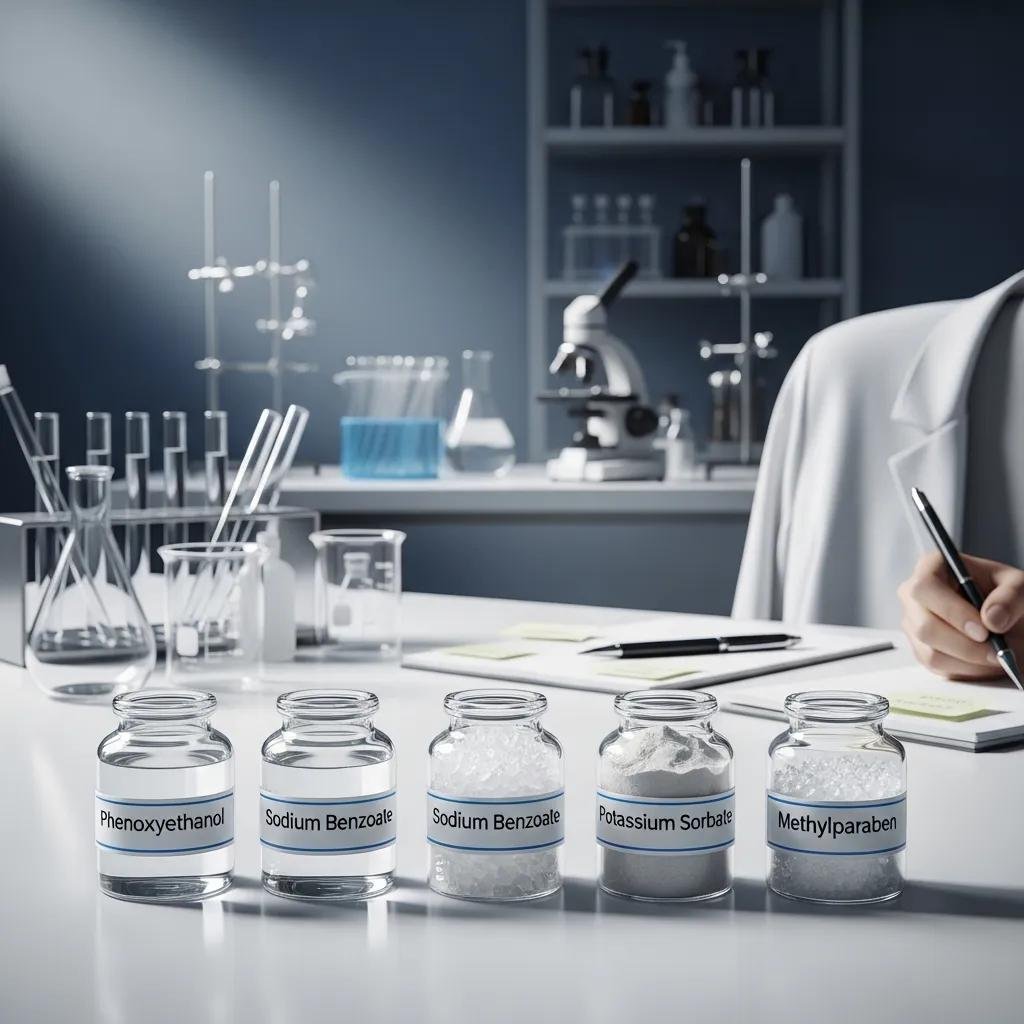
Beyond parabens, formulators use several synthetic preservative classes — notably phenoxyethanol, formaldehyde‑releasers, and isothiazolinones — each with its own strengths and trade‑offs. Phenoxyethanol is often chosen as a paraben alternative for its bacteriostatic properties. Formaldehyde‑releasers give long‑lasting protection but can increase sensitization risk for some people. Isothiazolinones are powerful, especially in rinse‑off products, but are restricted in leave‑on items because they can trigger allergies. Knowing these options and where they tend to appear helps you pick safer shampoos and conditioners for sensitive scalps.
Overview of common synthetic preservative classes and what they mean for product use.
- Phenoxyethanol — a bacteriostatic preservative found in many modern formulas.
- Formaldehyde‑releasers — durable preservatives that raise sensitization concerns for susceptible users.
- Isothiazolinones — effective antimicrobials often limited to rinse‑off products due to allergy risk.
Being aware of these choices helps you ask targeted questions about preservation when evaluating paraben‑free claims — next we’ll explain how parabens actually work in formulations.
How Do Parabens Function to Preserve Hair Products?
Parabens inhibit microbial growth by disrupting cell membranes and interfering with metabolic processes, which prevents bacterial and fungal contamination that would spoil products or pose infection risks. They’re effective at low doses, helping brands keep the product’s texture and performance intact. Their efficacy depends on factors like pH, solubility and interactions with other ingredients, so any paraben‑free system must deliver comparable broad‑spectrum protection to avoid safety compromises. The balance between reliable preservation and minimizing irritation is why formulators carefully select preservative systems — and why alternatives matter.
Because preservation affects both safety and how a product feels and performs, the search for effective paraben‑free solutions has produced several viable natural and synthetic options, which we cover next.
What Are the Dangers of Parabens in Hair Care?
For some people, parabens can cause localized scalp irritation or contact dermatitis; broader health debates focus on possible hormonal activity seen in lab studies, though evidence and regulatory interpretations differ. The most immediate consumer concern is scalp sensitivity — parabens or some replacement preservatives can worsen itching, redness, or flaking in predisposed individuals. Discussions about endocrine disruption center on low‑level absorption and weak estrogenic activity in certain models, while regulators monitor exposure and set limits. Framing these risks practically helps you choose products that reduce irritation without compromising microbial safety.
How Do Parabens Affect Scalp and Hair Health?
In sensitive users, parabens can trigger contact irritation — itching, redness or dermatitis that disrupts the scalp’s barrier and comfort during treatments. Repeated exposure may aggravate conditions like seborrheic dermatitis or eczema, which is why clients and stylists often prefer fragrance‑free, paraben‑free options when sensitivities exist. Some preservatives can interact with surfactants or colorants, which may affect natural oil balance or contribute to faster color fade, so product choice matters for color‑treated hair. If you’ve had allergic reactions before, consider patch testing and review preservative choices with your stylist to reduce the chance of post‑service irritation.
If you notice scalp irritation, mention it to your stylist before booking — a consultative approach makes a big difference. Next we’ll look at systemic risk questions.
Are Parabens Linked to Hormonal Disruption and Other Health Risks?
Laboratory studies have shown weak estrogen‑like activity for some parabens, but translating those findings into real‑world risk depends on exposure level, absorption route and cumulative use. Agencies like the U.S. FDA and the European SCCS generally find parabens safe at typical cosmetic concentrations, while some researchers advocate reducing exposure as a precaution. For salon clients, the practical takeaway is to weigh the evidence against personal preference: if you want to limit potential endocrine exposure, well‑formulated paraben‑free products offer a reasonable alternative without sacrificing preservation when done correctly. Choosing paraben‑free care comes down to your risk tolerance and selecting products that keep microbes at bay.
With safety trade‑offs in mind, the following section explains common natural and synthetic paraben alternatives salons and brands use today.
What Natural and Safe Alternatives to Parabens Exist in Hair Products?
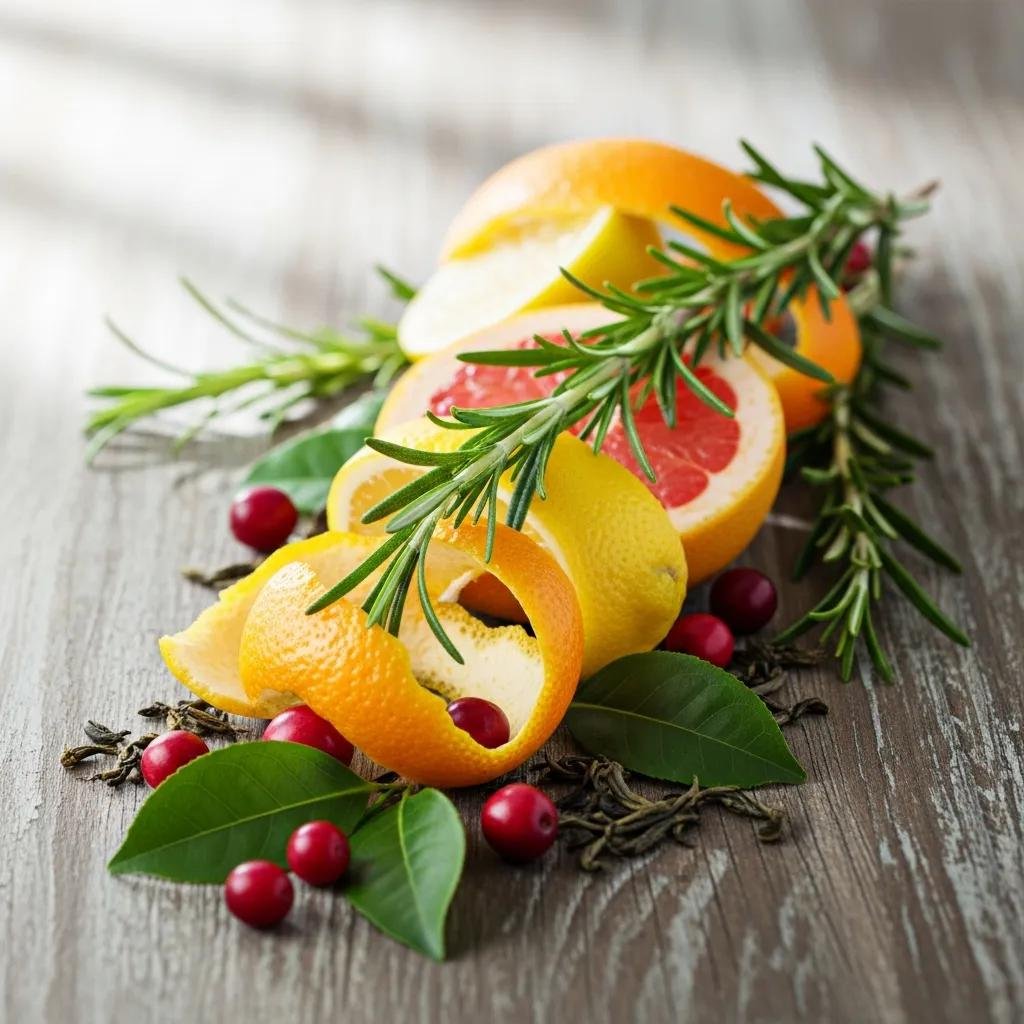
Paraben‑free preservation typically uses single preservatives or synergistic blends — for example phenoxyethanol, sodium benzoate, benzyl alcohol, potassium sorbate, and certain plant extracts — to deliver broad‑spectrum antimicrobial protection. Each option works differently (membrane disruption, pH‑dependent activity, antioxidant‑driven inhibition), and suitability depends on the product type, pH and whether it’s rinse‑off or leave‑on. Formulators usually combine preservatives to cover both bacteria and fungi while minimizing irritation and protecting hair color. The table below compares common alternatives, their action and best use cases so you can evaluate trade‑offs with your stylist.
Comparison of paraben alternatives, how they work, and where they’re best used.
This comparison helps explain why formulators pick specific preservatives for different product formats and the constraints that shape those choices.
Which Plant-Based Preservatives Replace Parabens Effectively?
Botanical extracts — like rosemary, some citrus derivatives and proprietary plant blends — bring antioxidant and mild antimicrobial activity, but alone they rarely match the broad‑spectrum reliability of synthetic systems in water‑rich products. Natural extracts can support preservation as part of a multi‑hurdle strategy (pH control, chelators, smart packaging and mild preservatives) but typically aren’t sufficient as the sole preservative in many shampoos or conditioners. For leave‑on treatments or oil‑based serums, plant‑based components can work well when combined with formulation steps that reduce microbial risk. Treat them as part of a preservation strategy rather than a straight swap for parabens in every product type.
How Do Alternatives Like Phenoxyethanol and Sodium Benzoate Benefit Hair Care?
Phenoxyethanol gives broad antibacterial protection at low levels and is valued for its stability and generally lower irritation risk, which makes it common in rinse‑off and some leave‑on formulas. Sodium benzoate targets fungal spoilage and performs best in acidic pH ranges, pairing well in blends to extend coverage while protecting color stability. When brands combine these agents with formulation controls — pH, chelators and packaging — they can offer paraben‑free shampoos, conditioners and treatments that maintain shelf life and safety. For consumers, well‑formulated paraben‑free options can reduce irritation risk while preserving color and texture when used as directed.
What Are the Benefits of Using Paraben-Free Hair Products?
Paraben‑free products can lower scalp irritation and allergic responses for sensitive clients, align with clean‑beauty preferences, and sometimes help color longevity by avoiding preservative–dye interactions. For many people the main benefit is fewer itch and redness episodes, improving comfort during and after salon services. Clean‑beauty alignment also matters: clients increasingly look for transparent, eco‑minded formulas, and paraben‑free labeling supports that demand while helping salons reduce their ingredient footprint. The table below maps typical benefits to who gains and supporting examples.
This mapping clarifies how choosing paraben‑free products can translate into real client outcomes and why many salons offer these options.
How Do Paraben-Free Products Improve Scalp Sensitivity and Hair Color Longevity?
Paraben‑free formulas often rely on gentler preservative systems and a lower irritant load, which reduces the chance of contact dermatitis and helps preserve the scalp’s natural barrier. For color‑treated hair, avoiding reactive preservatives and keeping the pH in the right range lowers the risk of dye oxidation or pigment stripping, helping color stay vibrant longer between appointments. You can support these results by using sulfate‑free cleansers, avoiding over‑processing, and following your stylist’s aftercare. When choosing paraben‑free products, ask for ingredient transparency and a stylist consultation to confirm compatibility with your hair and scalp needs.
Why Is Clean Beauty Important for Overall Hair and Scalp Health?
Clean beauty goes beyond marketing — ingredient choices influence the scalp microbiome, irritation risk and environmental impact. Salons that adopt clean‑beauty practices give clients ways to reduce exposure to ingredients they’d rather avoid. Market demand shows people want clearer formulas, and salons that curate paraben‑free, eco‑friendly lines meet that need while offering safer choices for sensitive clients. Picking products with thoughtful preservation, responsible sourcing and clear labeling helps stylists and clients make informed decisions that support health and sustainability, creating a consistent experience from salon service to at‑home care.
How Does Kylie Studio Salon in Bethesda, MD Support Paraben-Free Hair Care?
Kylie Studio Salon is a Bethesda boutique salon that emphasizes education and clean product choices, including paraben‑free options for clients seeking gentler hair care. We offer paraben‑free products across core services and provide consultative guidance during appointments; Ruth — our lead stylist — discusses sensitivities and formulation fit to match services with individual needs. Located at 4711 Montgomery Ln, Suite 2, Kylie Studio Salon gives local clients a hands‑on way to test paraben‑free options and get personalized aftercare. Our service descriptions, portfolio and blog are designed to educate clients and simplify informed booking decisions.
What Paraben-Free and Eco-Friendly Services Does Kylie Studio Offer?
At Kylie Studio we can perform color services, conditioning and repair treatments, keratin‑style smoothing, and routine cut‑and‑blowout services using paraben‑free formulations tailored for sensitive scalps. During consultations our stylists review ingredient choices and select paraben‑free shampoos, conditioners and treatment serums that suit the client’s hair type and color goals, balancing microbial safety with gentleness. Our portfolio and blog showcase paraben‑free results and explain how product choice helps protect color and scalp health after your appointment. When booking, request a sensitive‑skin consultation to ensure the right paraben‑free products are used throughout your service.
How Does Stylist Ruth’s Expertise Enhance Safe Hair Care Practices?
Ruth, owner and lead stylist, brings 11+ years of industry experience to product selection and client consultations, prioritizing eco‑friendly and paraben‑free options for clients who need them. She listens to client histories, checks ingredient compatibility with color and scalp conditions, and recommends at‑home routines that preserve salon results without reintroducing irritants. Clients benefit from Ruth’s practical advice on patch testing, gentle aftercare, and choosing follow‑up products that keep color and scalp comfort intact. Her guidance builds trust and helps ensure paraben‑free choices are applied safely and effectively in the salon.
Where Can Clients Find and Book Paraben-Free Hair Services Locally?
Finding a paraben‑free salon means asking focused questions, verifying product lines, and choosing a consultation‑first salon. Look for clear service menus that mention paraben‑free or clean‑beauty options, a visible Google Business Profile with recent reviews mentioning product choices, and staff who will discuss ingredients during booking. Kylie Studio Salon lists eco‑friendly practices in our service descriptions, offers consultative booking, and welcomes in‑person consultations at our Bethesda location — making it easy for locals to arrange paraben‑free services. Use the checklist below when vetting salons.
- Ask whether the salon offers paraben‑free product options for color, treatments and styling.
- Request a consultation that reviews ingredient lists and confirms preservative systems.
- Look for positive signals: transparent service descriptions, educational resources and client reviews on Google.
How to Choose a Paraben-Free Hair Salon in Bethesda, MD?
Start by asking direct questions about the salon’s product lines, preservative systems and whether stylists perform sensitivity patch tests for new formulas. Good signs include a transparent product menu, educational content (blog or portfolio) about paraben‑free options, and staff willing to adapt services for sensitive scalps; red flags include reluctance to discuss ingredients or a one‑size‑fits‑all approach. Local reputation — an up‑to‑date Google Business Profile and responsive booking staff — also indicates a salon ready to support paraben‑free services. With this checklist you can confidently choose a salon that values both preservation safety and client comfort.
What Are the Steps to Book a Paraben-Free Hair Treatment at Kylie Studio Salon?
- Request a consultation and let us know you prefer paraben‑free products.
- Share your hair history and any sensitivities when booking.
- Confirm the products we’ll use and arrange patch testing during your consultation if needed.
- Follow pre‑appointment and aftercare guidance from your stylist to protect results.
Frequently Asked Questions
What are the signs of scalp irritation caused by parabens?
Common signs include redness, itching, flaking and a burning or stinging feeling. People with sensitive skin or conditions like eczema may notice these symptoms more strongly. If a product seems to cause discomfort, stop using it and check with a dermatologist or stylist for alternatives. Keeping a short journal of reactions can help identify triggers and guide safer, paraben‑free choices.
How can I identify paraben-free hair products?
Check the ingredient list for words like “paraben,” “methylparaben,” “propylparaben” or “butylparaben.” Many brands also display “paraben‑free” on the front label. Look for reputable certifications or clear ingredient transparency on the brand’s website. Learning the common paraben names will make shopping easier and help you select products that match your preferences.
Are there any long-term effects of using paraben-containing hair products?
Regulatory agencies such as the FDA consider parabens safe at typical cosmetic levels, but some studies raise questions about long‑term exposure and weak estrogen‑like activity in lab settings. Evidence isn’t conclusive, so some people choose to limit exposure as a precaution, especially if they’re sensitive. If you’re concerned, switching selectively to well‑formulated paraben‑free products is a reasonable way to reduce cumulative exposure.
What should I ask my stylist about paraben-free options?
Ask which specific paraben‑free products they use and request ingredient lists. Inquire whether paraben‑free alternatives are available for color services, conditioners and styling. Ask about their experience with sensitive clients and whether they offer patch testing. Understanding how they choose and apply products will give you confidence in the salon’s approach.
Can paraben-free products still be effective in preserving hair health?
Yes. Alternatives like phenoxyethanol and sodium benzoate, used with good formulation practices, offer broad antimicrobial protection without the potential irritation linked to parabens. Well‑formulated paraben‑free products can keep hair healthy and the product safe to use — consult your stylist to find options that suit your needs.
How do I transition to using paraben-free hair products?
Switch gradually: replace one product at a time and monitor how your scalp and hair respond. Research brands known for clean formulations and ask your stylist for recommendations tailored to your hair type. Keep an eye on texture, scalp comfort and color retention as you transition, and adjust your routine based on what works best.
Conclusion
Choosing paraben‑free hair products can reduce scalp irritation for sensitive individuals, support clean‑beauty goals and help preserve color when formulas avoid reactive preservatives. Opting for paraben‑free alternatives is a practical way to prioritize comfort, personal health and environmental considerations. To explore paraben‑free services, book a consultation with Kylie Studio Salon — we’ll help you find the right products and plan a treatment that suits your hair and scalp.