Natural Looking Highlights at Bethesda Salons: What to Expect for Your Perfect Sun-Kissed Look
Natural looking highlights create subtle dimension and a sun-kissed finish that enhances natural color without harsh contrast, making them an ideal option for clients in Bethesda seeking low-maintenance brightness. This article explains what natural looking highlights and balayage are, how they differ from traditional highlights, and why they work well across hair types and lifestyles. You will learn a step-by-step appointment timeline, typical durations, and the salon techniques that preserve hair health while delivering blended, multi-tonal results. Practical maintenance guidance, recommended product categories, and touch-up schedules are included so you can preserve color vibrancy between salon visits. Finally, the article outlines cost drivers for Bethesda-area services and shows where to view portfolio examples and client feedback to set realistic expectations before booking.
What Are Natural Looking Highlights and How Do They Enhance Your Hair?
Natural looking highlights are targeted lightening techniques that add dimension by lifting selected strands to create depth, contrast, and the illusion of sun exposure; they work by strategically placing lighter pieces that blend with the base color to enhance facial features and overall tone. This effect relies on placement, the lifting method (hand-painted versus foiled sections), and careful toning, producing a soft transition from root to tip that appears organic rather than uniform. The approach functions as a hypernym within hair coloring — under the broader category of hair services — and includes hyponyms such as balayage, babylights, face-framing highlights, partial highlights, and full highlights. Understanding these distinctions helps clients choose a look that fits their lifestyle and maintenance preferences, and sets the stage for learning how a stylist will tailor placement and tone to your hair.
What Defines Natural Looking Highlights and Balayage?
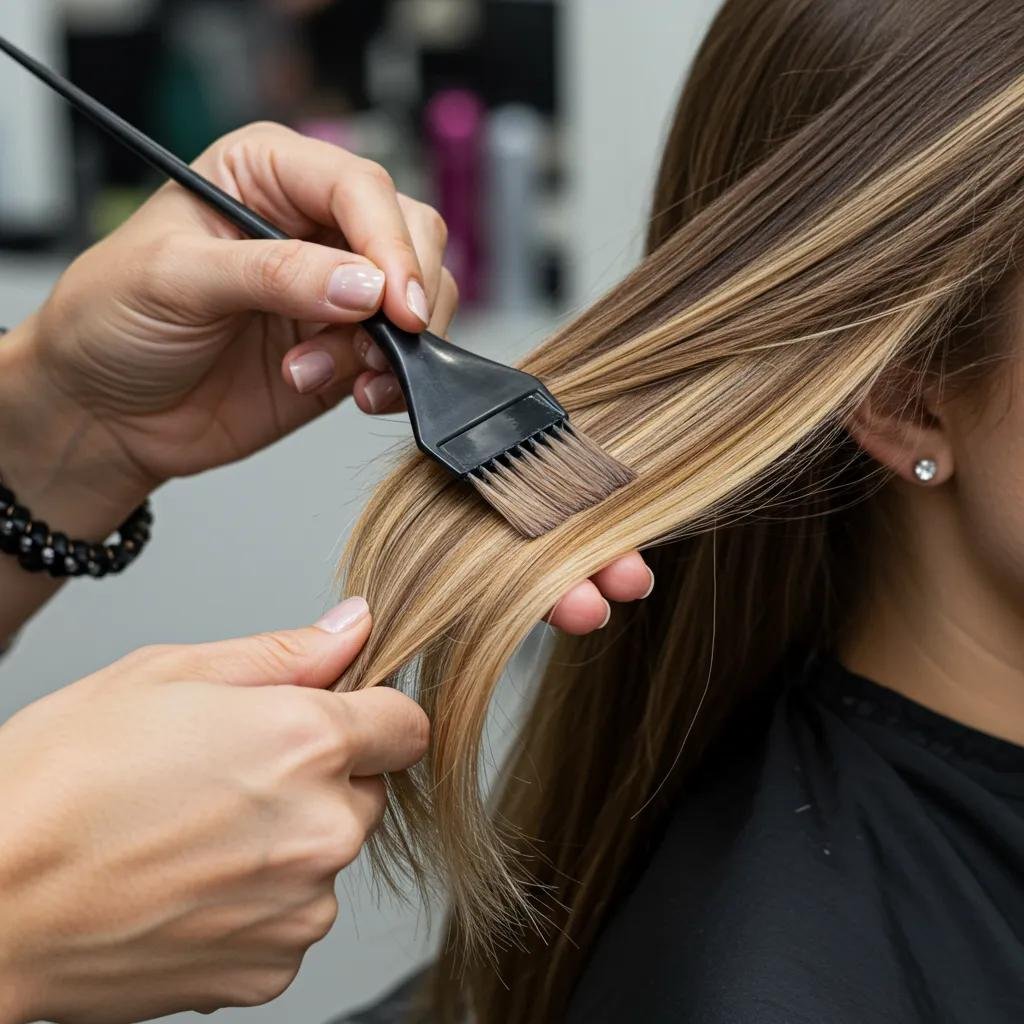
Natural looking highlights and balayage both aim to mimic sun-kissed hair, but they differ in technique and visual intent: balayage is a freehand painting method that creates soft, lived-in dimension with a gradual transition, while other highlighting methods may use foils or finer babylight sections for more controlled lift. The mechanism is placement-driven — stylists choose which hair segments to lift and how much to lighten to preserve natural shadowing and root density. Color choice and the reduction of abrupt high-contrast bands ensure a look that grows out gracefully, reducing the need for frequent salon visits. Understanding hand-painting versus sectioning clarifies why balayage often yields a lower-maintenance result that still reads as dimensional and modern.
How Do Subtle, Blended Highlights Differ from Traditional Highlights?
Subtle, blended highlights prioritize soft gradation and multi-tonal layering, producing dimension with low contrast, while traditional highlights use foils to create higher-contrast, more uniform stripe-like lightening. As a meronym, the technique’s components—foil placement or hand-painting sections, toner application, and gloss treatments—define the finished appearance and maintenance needs. Subtle highlights emphasize face-framing and selective pieces to lift key areas, making them better for clients who want natural enhancement without obvious regrowth lines. Choosing between these methods depends on desired contrast, maintenance tolerance, and how much structural change the client wants in their daily look.
Why Choose Natural Highlights for a Low-Maintenance Style?
Clients choose natural highlights when they want brightness and dimension without frequent touch-ups because blended placement and living-in tones extend the grow-out window and hide new root growth. The reason this works is that soft transitions and root-connected placements reduce visible demarcation, so the visual impact remains balanced over time. For busy professionals or anyone who prefers fewer salon visits, this approach aligns with a low-maintenance routine while still refreshing color and light. When combined with appropriate aftercare and occasional gloss treatments, natural highlights offer a durable improvement in tone and texture that fits many lifestyles.
A Guide to Achieving Natural-Looking Highlights in Bethesda
Kylie Studio Salon in Bethesda applies a client-centered process to deliver natural looking highlights and balayage by combining consultation-driven placement, selective techniques like face-framing or partial highlights, and protective services that prioritize hair health. The salon’s approach situates the technique within a broader service offering that includes full, partial, and face-framing highlights and balayage as tailored options, ensuring each plan aligns with the client’s base color, hair texture, and lifestyle. Kylie Studio Salon emphasizes high-quality products and bond-preserving steps to maintain integrity during lightening, and the stylist-led process clarifies expectations and maintenance needs before any color service begins. This business integration demonstrates how a local Bethesda salon frames technical choices around client outcomes while keeping the educational focus on technique and results.
Who Is Ruth and What Makes Her Highlight Technique Special?
Ruth is the lead stylist at Kylie Studio Salon who specializes in natural-looking highlights and balayage, and her approach emphasizes personalized consultations, precise placement, and techniques that respect hair structure. Her specialization centers on creating dimension that flatters facial features and complements the client’s natural base, using selective lifting patterns that keep contrast low and transitions soft. As a stylist, Ruth positions color choices and maintenance recommendations to suit each client’s schedule and desired upkeep, offering individualized plans rather than one-size-fits-all prescriptions. This stylist-led focus builds trust by ensuring every technical choice ties back to a client’s goals and hair health.
What High-Quality Products and Techniques Are Used?
Kylie Studio Salon uses professional-grade color systems and protective treatments to achieve lift while minimizing damage, integrating bond-preserving services and glossing to seal tone and add shine. The technique suite includes hand-painting for blended balayage, fine-section babylights for delicate brightness, and targeted foil placement when more controlled lift is needed; toning and gloss treatments are applied to refine warmth and maintain color integrity. By prioritizing product quality and reparative steps as part of the service, the salon reduces porosity-related fading and creates a smoother tonal result that looks natural. These methodical choices reflect an emphasis on hair health as a core component of achieving sun-kissed dimension.
How Does the Personalized Consultation Shape Your Highlight Experience?
The consultation at Kylie Studio Salon is a structured conversation about hair history, lifestyle, desired look, and realistic maintenance expectations that determines the technique, placement, and aftercare plan. During this assessment, the stylist evaluates base color, porosity, previous chemical services, and daily styling to recommend full, partial, or face-framing highlights or balayage, and establishes a maintenance cadence tailored to the client. This process clarifies expected durations, potential need for preparatory conditioning, and whether bond-preserving treatments are advisable, resulting in a personalized quote and service roadmap. A thorough consultation reduces surprises during the appointment and aligns the technical plan with the client’s aesthetic and time constraints.
What Should You Expect During Your Natural Highlights Appointment?
A natural highlights appointment generally follows a clear sequence—consultation, selective lightening application, processing, rinse and toner, bond treatment or conditioning, and styling—each step designed to achieve blended lift while preserving hair health. The mechanism behind this workflow pairs placement strategy with product choices so lifted pieces blend into the base rather than creating strong lines. Understanding this timeline eases client anxiety, clarifies time commitments, and shows where protective measures are applied to minimize damage. Below is a practical breakdown of what will happen and how long each phase typically lasts.
How Long Does a Natural Highlight Session Typically Take?
Typical durations vary by service type: partial highlights and face-framing services can take roughly 1.5 to 2.5 hours, full highlights or extensive babylights often take 3 to 4 hours, and full balayage sessions fall in the 2.5 to 4-hour range depending on hair length and density. Time increases when corrective color, more layers of lift, or additional bond-building treatments are required, since these add processing and treatment time to protect hair integrity. Scheduling should account for consultation, processing, toning, and finishing; clients are advised to allow buffer time when booking. Planning with realistic time windows ensures a relaxed appointment and optimal results.
What Happens During the Consultation and Color Application?
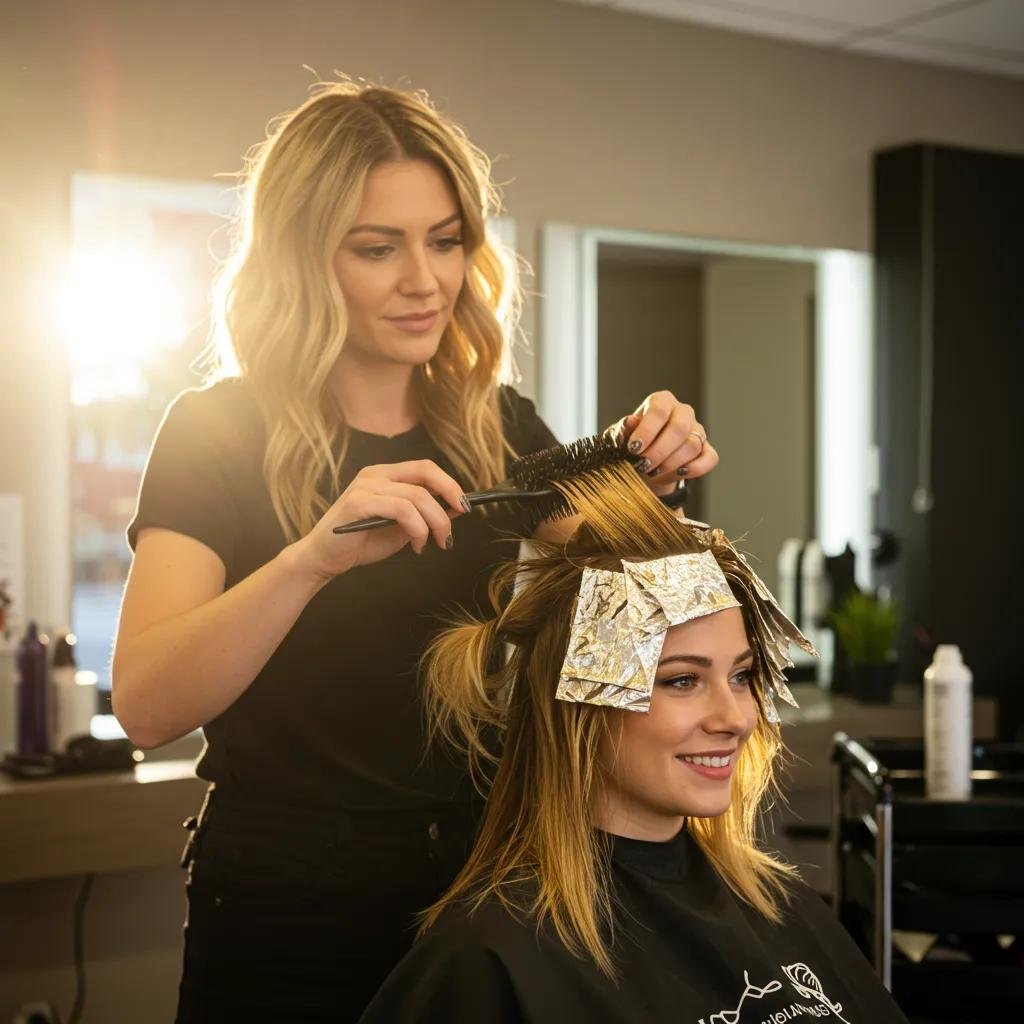
During the consultation the stylist reviews reference photos, discusses previous color history, and sets expectations for tone, contrast, and maintenance, then maps placement and selects a lightening strategy that complements the client’s base. Application alternates between hand-painted sections for soft transitions and finer foiled pieces when controlled brightness is needed; processing is monitored to reach the intended lift without over-processing. After rinsing, a toner or gloss refines the final shade, and a bond-preserving or deep-conditioning treatment is applied to restore moisture and resilience. Clear communication during each step keeps clients informed and allows adjustments to technique or timing as needed.
How Is Comfort and Hair Health Maintained Throughout the Service?
Comfort and hair health are maintained through protective treatments, precise timing, and open communication—bond-preserving formulas or conditioning masks minimize structural damage and headrests or breaks maintain physical comfort. Stylists check scalp sensitivity and monitor lift to avoid over-processing while using heat-minimizing techniques during styling to protect cuticle integrity. Post-service, a gloss or balancing treatment helps seal color and enhance shine, reducing immediate surface porosity that can accelerate fading. This attention to both comfort and science ensures a durable, healthy-looking outcome that aligns with long-term hair goals.
How Can You Maintain and Care for Your Natural Looking Highlights?
Maintaining natural looking highlights centers on using color-safe products, minimizing aggressive mechanical and thermal stress, and scheduling periodic professional glosses or touch-ups to refresh tone and sheen. The reason these steps work is that color retention relies on cuticle health and pigment-sealing treatments; by reducing harsh detergents and using bond-repair products, the hair retains lift and vibrancy longer. Below is a table that outlines recommended product or service types, their primary use-case, and suggested frequency to create a realistic maintenance routine you can follow at home and with your stylist.
What Are the Best Products for Highlight Maintenance?
The best products for highlight maintenance are those labeled color-safe and formulated to preserve tone and moisture without stripping pigments, plus occasional bond-repair treatments and glosses to refresh tone and seal the cuticle. These categories include sulfate-free cleansers that protect pigment, rich conditioners that replenish lipids, leave-in treatments with UV protection to slow sun-related fading, and periodic salon glosses that realign tone. Using a heat protectant before styling limits thermal fading, and a monthly bond-repair treatment helps restore strength after lightening. Selecting products within these categories gives a balanced routine that supports both color longevity and hair health.
Maintenance checklist: key product types to prioritize at home.
- Color-safe shampoo: Protects pigment and prevents rapid fading.
- Rich conditioner: Rehydrates mid-lengths and ends to reduce breakage.
- Leave-in UV and heat protectant: Shields color from environmental and thermal stress.
Summary: Prioritizing gentle cleansing, consistent conditioning, and protective leave-ins forms the foundation of an effective highlight maintenance program that supports long-term results.
How Often Should You Schedule Touch-Ups for Natural Highlights?
Touch-up cadence depends on technique and personal growth patterns: balayage typically allows longer intervals of 8–12 weeks because of its root-blended nature, while traditional full highlights or precise foiled babylights may require check-ins every 6–10 weeks to maintain uniform brightness. Variables such as hair growth rate, desired contrast, and lifestyle (sun exposure, frequent heat styling) influence timing; clients with faster growth or who seek higher contrast may opt for more frequent visits. Scheduling maintenance proactively—such as combining a gloss with a lightening touch-up—keeps tone cohesive and reduces the need for heavy corrective work. Discussing a personalized plan during the consultation ensures a rhythm that matches aesthetic and scheduling needs.
What Daily Habits Help Preserve Your Sun-Kissed Look?
Daily habits that preserve highlights include limiting shampoo frequency to reduce pigment stripping, using lukewarm water, applying heat protectants before styling, and using UV-protective products or hats outdoors to reduce sun-driven fading. Mechanical care like gentle detangling and limiting high-heat tools reduces cuticle abrasion that accelerates color loss. Incorporating a weekly at-home gloss or conditioning mask maintains moisture and sheen, while avoiding harsh clarifying treatments between color services extends vibrancy. These consistent, simple practices collectively prolong the natural, sun-kissed appearance of highlights and support overall hair health.
How Much Do Natural Looking Highlights Cost at Bethesda Salons?
Cost for natural looking highlights in Bethesda varies based on service type, hair length, density, the complexity of placement, and whether corrective work or additional treatments are required; prices reflect time, product usage, and stylist expertise. Major cost drivers include whether the service is a partial, full, or face-framing highlight, the need for multiple lifting sessions, and whether bond-preserving treatments are added to protect hair integrity during lightening. Below is a quick-reference table comparing service types, their primary cost factors, and typical Bethesda-area price ranges to set realistic expectations before requesting a personalized quote.
Summary: Because each service is personalized, price ranges are intentionally broad; the most accurate estimate comes from an in-salon consultation that factors in hair history and desired outcome.
What Factors Influence the Cost of Natural Highlights?
Several variables influence cost: service scope (partial versus full coverage), hair length and density which drive product and timing needs, corrective color work if previous treatments exist, and the level of stylist expertise required to achieve a natural-looking result. Time is a direct cost driver because techniques like babylights or detailed balayage require meticulous sectioning and painting, increasing appointment length. Additional protective treatments such as bond repairs or deep-conditioning masks add value and cost but protect hair integrity, potentially saving money over time by avoiding corrective services. Understanding these drivers helps clients make informed choices about prioritizing results, durability, and budget.
Does Kylie Studio Salon Offer Free Consultations and Personalized Quotes?
Kylie Studio Salon provides free consultations and personalized quotes, allowing clients to discuss goals, review hair history, and receive a tailored plan including recommended techniques and maintenance cadence. During a consultation, clients can view portfolio examples, agree on placement and tone, and learn whether bond-preserving treatments are advisable, all of which feed into a transparent estimate. This consult-first approach supports better planning and realistic expectations, reducing surprises in appointment timing and cost. Scheduling a consultation is the recommended first step for anyone considering natural looking highlights in Bethesda.
Where Can You See Examples of Natural Looking Highlights at Kylie Studio Salon?
Kylie Studio Salon maintains a portfolio and review presence that showcases before-and-after examples of natural-looking balayage and highlights, demonstrating placement strategies, blending quality, and maintenance outcomes. Viewing portfolio images helps prospective clients evaluate tone selection, how face-framing or partial highlights complement facial features, and the lived-in grow-out patterns that indicate low-maintenance styling. The salon’s portfolio and client feedback serve as visual proof that technique and product choices produce subtle, dimensional results aligned with client goals, and they guide realistic expectations for new clients. Below are notes on reading portfolio photos and interpreting client sentiment.
What Do Before-and-After Photos Reveal About Our Highlight Transformations?
Before-and-after photos illustrate placement choices, the subtlety of transitions, and how tone selection harmonizes with base color and skin tone; they reveal whether highlights are strategically placed around the face and where depth is preserved for natural shadowing. Photos show grow-out behavior and whether the result appears lived-in or high-contrast, allowing clients to choose a comparable style. Observing mid-length and root areas in images helps assess maintenance expectations and whether a gloss or toner was used to refine warmth. Reading portfolio images with these markers in mind helps you choose an outcome that matches your aesthetic and upkeep tolerance.
What Are Clients Saying About Their Natural Highlights Experience?
Client feedback commonly highlights satisfaction with the naturalness of color, the personalized consultation experience, and outcomes that require fewer return visits due to strategic placement and toned finishes. Reviews emphasize clear communication about maintenance and realistic timelines, which increases confidence in service decisions. Themes include praise for the stylist’s ability to match tone to skin and hair type and recognition of the salon’s focus on hair health rather than aggressive lift. This pattern of feedback indicates consistent results for clients seeking subtle, sun-kissed looks.
What Are the Most Common Questions About Natural Looking Highlights in Bethesda?
Prospective clients frequently ask concise, practical questions about what creates naturalness, how long highlights last, how to prepare for an appointment, and how balayage differs from other highlight methods; direct answers reduce uncertainty and help users decide whether to book a consultation. Addressing these PAA-style queries with clear checklists and short timelines improves discoverability and provides quick value to readers researching natural highlights in Bethesda. The following subsections answer the most common questions with actionable guidance.
What Makes Highlights Look Natural and Sun-Kissed?
Highlights look natural and sun-kissed when placement mimics the pattern of natural light exposure, tone selection complements the base color, and transitions are soft near the root to maintain shadowing; multi-tonal layering and selective face-framing further enhance a subtle, dimensional effect. Technically, soft gradation, blended root area (root smudge), and a final gloss or toner create the illusion of gradual, natural lift rather than uniform banding. These elements combined produce a look that reads as lived-in and flattering.
How Long Do Natural Looking Highlights Last?
Longevity depends on technique and care: balayage often lasts longer between touch-ups—commonly 8–12 weeks—because of root-blended placement, while foiled or high-contrast highlights may need touch-ups every 6–10 weeks to maintain uniform brightness. Hair porosity, UV exposure, and haircare habits (washing frequency, heat styling) significantly influence how quickly color fades. Maintaining gloss treatments and using color-safe products extends the perceived life of highlights and delays the need for corrective services.
How Should You Prepare for Your Highlight Appointment?
Prepare by collecting reference photos that show desired contrast and tone, documenting recent chemical services to disclose during the consultation, and avoiding heavy buildup products before your visit so the stylist can accurately assess porosity. Bring a realistic schedule for maintenance and be prepared to discuss time availability and budget during the consultation. Light conditioning treatments recommended by the stylist prior to appointment may improve outcomes if hair displays dryness or porosity.
What Are the Differences Between Balayage and Other Highlight Techniques?
- Balayage: Freehand painting for gradual, lived-in lightening.
- Foiled highlights: Controlled, high-contrast lift using foils.
- Babylights: Very fine highlights for delicate brightness.
- Face-framing: Targeted pieces to accentuate the face.
Summary: Choosing the right method depends on desired contrast, maintenance tolerance, and the stylist’s recommendations based on hair condition and goals.
Frequently Asked Questions
What Should You Expect After Getting Natural Looking Highlights?
After receiving natural looking highlights, you can expect a fresh, sun-kissed appearance that enhances your natural hair color. The highlights should blend seamlessly with your base color, providing dimension without harsh lines. Initially, the color may appear brighter, but it will soften over time as it settles. It’s important to follow the stylist’s aftercare recommendations, including using color-safe products and scheduling regular gloss treatments to maintain vibrancy. Overall, the goal is to achieve a low-maintenance look that continues to look natural as it grows out.
Can Natural Looking Highlights Be Applied to All Hair Types?
Yes, natural looking highlights can be applied to various hair types, including straight, wavy, and curly textures. The key is to tailor the technique to suit the specific hair type and condition. For instance, finer hair may benefit from babylights for a delicate effect, while thicker hair might require more substantial balayage techniques to achieve the desired dimension. A skilled stylist will assess your hair’s texture, porosity, and previous treatments to determine the best approach for achieving natural-looking highlights that enhance your unique features.
How Do Seasonal Changes Affect Highlight Maintenance?
Seasonal changes can significantly impact the maintenance of natural looking highlights. In summer, increased sun exposure can lead to faster fading, while humidity may affect hair texture and manageability. Conversely, winter can cause dryness, making hair more prone to damage and color loss. To combat these effects, it’s essential to adjust your hair care routine seasonally. This may include using UV protection products in summer and deep conditioning treatments in winter to maintain moisture and vibrancy. Regular touch-ups and gloss treatments can also help keep your highlights looking fresh year-round.
What Are the Signs That You Need a Touch-Up?
Signs that you may need a touch-up for your natural looking highlights include noticeable regrowth, fading of color vibrancy, or a lack of dimension in your hair. If your highlights appear dull or the contrast between your base color and highlights has diminished, it may be time for a refresh. Additionally, if you notice that your hair feels dry or brittle, it could indicate that the color is fading and needs revitalization. Regular consultations with your stylist can help determine the best timing for touch-ups based on your hair growth and maintenance routine.
Are There Any Risks Associated with Highlighting Hair?
While highlighting can enhance your hair’s appearance, there are some risks involved, particularly if not done correctly. Over-processing can lead to damage, dryness, and breakage, especially for those with previously treated hair. It’s crucial to choose a skilled stylist who uses high-quality products and techniques that prioritize hair health. Additionally, improper aftercare can exacerbate these issues, so following your stylist’s recommendations for maintenance is essential. Regular conditioning treatments and avoiding excessive heat styling can help mitigate risks and keep your hair healthy and vibrant.
How Can You Choose the Right Stylist for Natural Looking Highlights?
Choosing the right stylist for natural looking highlights involves researching their experience, techniques, and client reviews. Look for stylists who specialize in color services and have a portfolio showcasing their work, particularly with highlights and balayage. Personal recommendations from friends or family can also be valuable. During consultations, assess their communication style and willingness to discuss your hair goals and maintenance needs. A good stylist will listen to your preferences, provide honest feedback, and tailor their approach to ensure you achieve the desired results while maintaining hair health.
Conclusion
Natural looking highlights offer a low-maintenance way to achieve a sun-kissed glow while enhancing your natural hair color. By understanding the techniques and maintenance involved, you can enjoy vibrant, dimensional results that fit your lifestyle. Schedule a free consultation at Kylie Studio Salon to explore personalized options tailored to your unique hair goals. Experience the transformative power of expertly applied highlights today.