Manicure vs. Pedicure: Clear Benefits, Key Differences, and Pro Nail Care Tips
Manicures and pedicures are two focused nail services — one for your hands and nails, the other for your feet and toes — that share the same goals: hygiene, comfort, and a polished look. This guide breaks down what each treatment does, the health and cosmetic benefits, how they differ in steps and tools, and how to pick options like gel or paraffin based on your lifestyle and nail condition. You’ll find practical tips for choosing a service, easy maintenance routines between appointments, signs to see a pro, and how proper sanitation lowers infection risk. We also highlight how professional nail care pairs with other salon services and offer a local perspective for readers in Bethesda, MD looking for trusted providers.
What Is a Manicure and What Are Its Key Benefits?
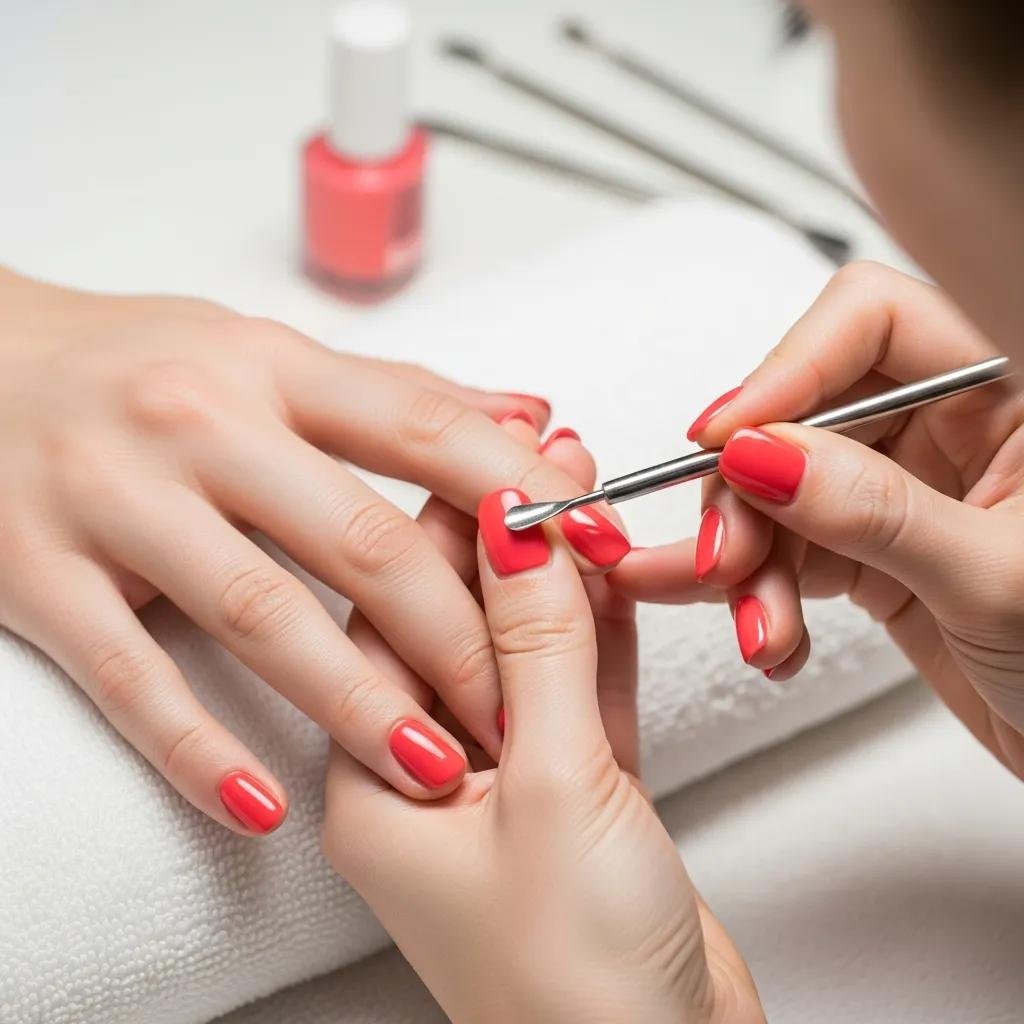
A manicure is a focused hand and fingernail treatment that typically includes cleansing, cuticle care, shaping, and a finish like polish or topcoat. Proper cuticle attention and shaping remove rough edges, reduce snagging, and help nails grow stronger. Many manicures also include a hand and forearm massage, which boosts circulation and leaves skin feeling hydrated and soothed. Knowing the basics makes it easier to choose between styles — classic, gel, or a spa treatment — depending on how long you want the finish to last and what your nails need.
Manicures offer several practical benefits:
- Nail health: Cuticle care and shaping reduce hangnails and breakage.
- Polished appearance: A clean finish boosts confidence and looks professional.
- Skin conditioning: Exfoliation and massage hydrate and soften hands.
- Relaxation & circulation: Massage eases tension and improves blood flow.
- Protective finish: Gel or topcoat shields nails from daily wear.
Together, these benefits make manicures both a grooming and preventive practice. The section below explains how the typical steps protect nail health and appearance.
How Does a Manicure Enhance Nail Health and Appearance?
Manicures support nail health by tackling common causes of damage: rough edges, lifted cuticles, and fragile surfaces. Gently pushing back and cleaning the cuticle preserves the seal where the nail meets skin, lowering the chance of infection or hangnails. Shaping and light buffing remove weak tips and prevent micro-tears that cause splits. Protective finishes — from glossy topcoats to UV-cured gels — reduce mechanical wear and keep polish looking fresh. Together, these steps create nails that are stronger, neater, and less likely to chip or break.
What Relaxation and Mental Benefits Does a Manicure Provide?
Beyond physical care, a manicure is a mini self-care ritual. The massage calms the nervous system and reduces stress, while freshly groomed nails often give a confidence lift that shows in posture and presence. For many clients, the appointment offers a quiet, restorative break — a small regular practice that, over time, supports both appearance and well-being.
If you prefer professional service, Kylie Studio Salon in Bethesda, MD offers personalized attention and strict hygiene standards — and you can book to discuss which manicure fits you best.
What Is a Pedicure and How Does It Benefit Foot Health?
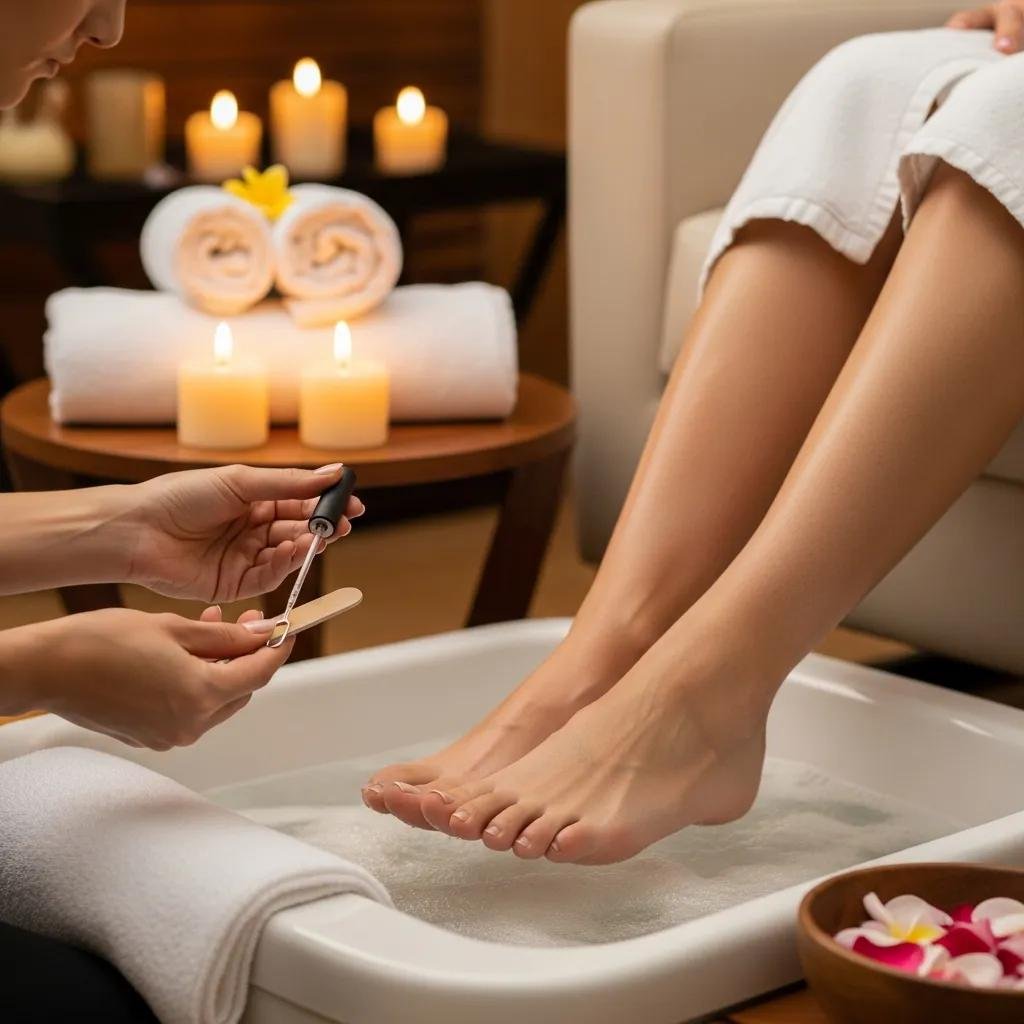
A pedicure is a foot-focused treatment that combines soaking, exfoliation, callus management, toenail care, and massage to ease discomfort and maintain healthy toenails and skin. Soaking softens thickened skin so calluses can be reduced safely, while careful trimming and edge smoothing lower the risk of ingrown nails. Hygienic practices during a pedicure cut down on fungal and bacterial risk, and moisturizing treatments help repair dry, cracked heels. For people who spend a lot of time on their feet, a pedicure can improve comfort and mobility.
Key pedicure benefits include:
- Callus & pressure relief: Exfoliation reduces focal pressure and pain.
- Toenail health: Proper trimming and smoothing prevent ingrown nails.
- Hygiene & infection prevention: Thorough cleaning and drying reduce fungal risk.
- Hydration & skin repair: Masks and creams heal dry, cracked skin.
- Improved comfort & mobility: Massage and callus care ease walking mechanics.
These outcomes make pedicures both preventive and restorative — especially helpful for athletes, people who stand a lot, or anyone with recurring foot discomfort.
How Does a Pedicure Improve Callus Care and Toenail Health?
Pedicures treat calluses by softening hard skin with a soak, then reducing excess tissue with safe, controlled exfoliation tools. Warm water or conditioning soaks make pumice stones and files more effective and gentler on the skin. Toenail care focuses on straight-across trimming and careful filing to prevent ingrown edges and avoid micro-tears where fungi could enter. Using sterile or single-use instruments further lowers infection risk. Clients with diabetes or vascular issues should consult a healthcare provider before more aggressive foot treatments.
What Are the Stress Relief and Posture Benefits of Pedicures?
Foot massage and relaxation techniques used in pedicures relieve muscle tension and improve circulation in the lower legs, which can positively affect posture and gait. Reducing calluses and balancing pressure points may change how your foot strikes the ground — sometimes easing strain in the hips or back. Runners and people with long-standing jobs often report noticeable comfort gains after regular pedicures.
After learning about pedicure benefits, many clients prefer the reassurance of professional hygiene and experienced technicians; Kylie Studio Salon in Bethesda, MD offers both and welcomes inquiries about nail care services.
What Are the Main Differences Between Manicures and Pedicures?
At a glance, manicures focus on hands and fingernails while pedicures focus on feet and toenails — but the differences go deeper. Pedicures usually include longer soaks and more intensive skin work (callus removal), while manicures prioritize cuticle control, precise shaping, and polish detail. Tools differ too: pedicures use rasps, pumice stones, and heavier files; manicures use fine files, buffers, and small cuticle tools. Because of the added skin treatments, pedicures typically take more time. The table below gives a quick side-by-side comparison to help you choose the right service.
That contrast explains why a pedicure often needs more time and sturdier tools, and the next section outlines how the steps themselves differ in practice.
How Do Focus Areas and Treatment Steps Differ Between Manicure and Pedicure?
Manicures center on the nail plate, cuticle health, and precise polish application. They usually have a shorter soak and gentle cuticle work to prepare nails for polish or overlays. Pedicures add a longer soak to soften thick skin, heavier mechanical or chemical exfoliation to reduce hyperkeratosis, and targeted massage to release plantar tension. Because of these differences, technicians use distinct sanitation workflows and training for safe foot care.
What Are the Typical Duration and Tools Used in Each Treatment?
Manicures typically run 30–60 minutes, while pedicures commonly last 45–90 minutes depending on callus work and add-ons. Manicure essentials include clippers, files, buffers, cuticle pushers, and single-use orangewood sticks. Pedicure kits add foot files, pumice stones, rasps, and stronger clippers or nippers for thick nails. Good salons use single-use items where possible and sterilize reusable tools to prevent cross-contamination.
Next, we’ll help you choose the specific type of manicure or pedicure that best fits your routine and nail health.
Which Types of Manicures and Pedicures Should You Choose?
Different service types emphasize durability, hydration, or therapeutic relief. Gel manicures last longer and resist chips, spa manicures focus on hydration and extra pampering, while classic pedicures handle routine maintenance. Paraffin and therapeutic or detox pedicures offer deep hydration or circulation support. The short table below compares common options to help you pick the right service for your needs.
Intro to treatment comparison table: this table contrasts common manicure and pedicure types with their primary benefits and practical considerations.
This quick comparison can help you match a treatment to your lifestyle and skin or nail condition. The sections below define these popular variations in more detail.
What Are Popular Manicure Variations Like Gel, French, and Spa?
Gel manicures use UV/LED-curing gels for multi-week wear and strong chip resistance. French manicures deliver a classic, understated look with a clean tip and neutral base. Spa manicures add exfoliation, hydrating masks, and longer massage sequences to repair and soften dry hands. When choosing, consider how long you want wear to last, the removal process, and the current health of your natural nails so you avoid over-processing.
What Pedicure Types Include Classic, Detox, and Paraffin Treatments?
Classic pedicures are the go-to for regular hygiene and nail trimming. Detox or therapeutic pedicures include mineral soaks or masks aimed at improving circulation and easing tired legs. Paraffin pedicures use warm wax to deeply hydrate and soften rough skin — a strong option for cracked heels. People with open sores, uncontrolled diabetes, or serious vascular concerns should check with a medical professional before choosing intensive foot treatments.
Discover the Benefits and Differences of Manicures vs. Pedicures
Professional nail care brings trained technicians, consistent sanitation, and tailored recommendations that are hard to replicate at home. At Kylie Studio Salon we focus on personalized consultations, safe practices, and results that enhance your natural beauty and confidence — whether that’s a long-wear gel, a hydrating spa treatment, or careful callus management. We use single-use items where appropriate and sterilize reusable tools to reduce infection risk, and our online booking makes it easy to pair nail care with hair or styling appointments.
How Does Kylie Studio Salon Ensure Hygiene and Personalized Nail Care?
Kylie Studio Salon follows strict sanitation routines: we sterilize reusable tools, use single-use consumables when needed, and disinfect work surfaces between clients. Every service begins with a quick consultation about your nail and skin condition, lifestyle, and any contraindications — that informs how aggressive we are with exfoliation and which finishes we recommend. Our technicians prioritize gentle techniques to preserve nail integrity and suggest at-home care to keep results lasting longer.
How Can Nail Treatments Complement Your Hair Services for a Holistic Look?
Coordinating nails with your hair color or style creates a cohesive, polished look for events or everyday wear. Matching undertones, finishes (matte vs. glossy), or accent shades can tie your whole look together. Bundling nails and hair in the same visit saves time and helps our team suggest coordinated palettes so you leave the salon with a unified, camera-ready style.
How to Maintain Healthy Nails Between Manicure and Pedicure Appointments?
Keeping nails healthy between salon visits stretches out your results and prevents issues like splitting, fungal growth, or painful calluses. Key habits are daily hydration, protective measures during chores, and scheduled touch-ups. Use cuticle oil to maintain the nail fold, moisturize nightly, wear gloves for wet or harsh work, and dry your feet thoroughly while rotating shoes to reduce moisture buildup. These simple routines make a big difference.
Daily and weekly maintenance tips:
- Apply cuticle oil daily to keep the nail fold supple and prevent splitting.
- Moisturize hands and feet nightly to restore the skin barrier and prevent cracking.
- Use gloves for chores to protect nails from chemicals and wear.
- File gently and trim straight across to lower ingrown toenail risk.
- Keep shoes dry and rotate pairs to reduce fungal exposure.
These small habits reduce common problems and extend the life of your manicure or pedicure. The table below summarizes care actions, suggested frequency, and expected results to help you build a simple routine.
Intro to maintenance table: the following table provides actionable care actions, suggested frequency, and the expected benefit to help readers create a simple maintenance routine.
Use this checklist to plan simple care between salon visits; the next section offers a few everyday tips from our technicians.
What Are Expert Tips for Daily Hand and Foot Nail Care?
Focus on repeatable, low-effort habits: apply cuticle oil each morning or night, pair that with a nightly moisturizer, and protect nails with gloves during cleaning or gardening. Choose breathable shoes and change socks daily to keep feet dry. When trimming nails, cut toenails straight across and avoid aggressive cuticle cutting at home — leave that to a pro. These steady habits preserve salon results and cut down on corrective visits.
How Can Regular Nail Care Prevent Common Issues Like Fungal Infections?
Regular care minimizes fungal risk by keeping nails and surrounding skin dry and intact, and by avoiding shared or unsterilized tools. Good habits — drying feet after use, rotating shoes, and choosing single-use or sterilized implements — reduce the chance of fungal growth. If you spot early signs like discoloration, thickening, or separation, seek professional evaluation rather than trying aggressive DIY resurfacing.
If you’re in Bethesda and want professional help, Kylie Studio Salon offers hygienic, personalized nail and hair services — convenient for anyone looking to streamline their beauty appointments.
Frequently Asked Questions
1. How often should I get a manicure or pedicure?
It depends on your lifestyle and how quickly your nails grow. Generally, manicures are every 2–4 weeks and pedicures every 4–6 weeks. If you have dry skin, ingrown nails, or specific concerns, you may want to come in more often. Listen to how your nails and skin respond and adjust accordingly.
2. Can I get a manicure or pedicure if I have nail or skin conditions?
If you have conditions like a fungal infection, psoriasis, or eczema, check with a healthcare provider before booking. Many technicians can adapt treatments safely, but your health should come first. If in doubt, bring up any conditions during your consultation so we can recommend the safest approach.
3. What should I look for in a nail salon?
Prioritize cleanliness and technician training. Look for salons that sterilize reusable tools, use single-use items where appropriate, and maintain tidy workstations. Read reviews, ask about sanitation practices, and choose a place that offers a consultation to tailor services to your needs.
4. Are there any risks associated with manicures and pedicures?
When done properly, these services are safe. Risks include infection, allergic reactions, or tool-related injuries if hygiene standards aren’t met. To minimize risk, choose a reputable salon, tell your technician about allergies or sensitivities, and avoid treatments that aggravate existing issues.
5. How can I maintain my manicure or pedicure at home?
Use cuticle oil daily, moisturize regularly, avoid using nails as tools, and wear gloves for chores. Gentle filing and straight-across toenail trims help prevent snags and ingrown nails. These simple steps extend the life of your salon finish.
6. What are the benefits of gel manicures compared to regular polish?
Gel manicures last longer and resist chipping because the polish is cured under UV/LED light. They keep a glossy, fresh look for weeks but require a careful removal process to avoid damaging the natural nail — professional removal is recommended.
7. Can I combine manicure and pedicure services in one appointment?
Yes — many clients book both in a single visit. It’s efficient and convenient. Ask about package options or scheduling availability so the salon can allocate the right amount of time for both services.
Conclusion
Both manicures and pedicures offer clear benefits for nail health, comfort, and confidence. Understanding how they differ helps you choose the right service for your needs and schedule. If you’re in Bethesda, MD, Kylie Studio Salon delivers hygienic, personalized nail care that pairs well with other salon services — book an appointment to see how professional nail care can fit into your self-care routine.