Scalp Care: The Practical Guide to Stronger, Healthier Hair — Benefits & Treatments
Scalp care means intentionally cleansing, exfoliating, hydrating, and treating the skin that anchors your hair. When the scalp’s microbiome, oil balance, and circulation are in sync, hair grows with more strength, density, and manageability — and shedding is reduced. This guide walks you through the biology behind scalp health, the most common concerns and how they affect hair, plus clear professional and at‑home routines to restore and maintain a healthy scalp. You’ll get practical tips on ingredients that work, step‑by‑step maintenance, and the salon services that target buildup, dryness, dandruff, and early thinning. Read on for simple, evidence‑informed steps you can use at home and in the salon to support better hair over time.
Why Scalp Health Matters for Hair Growth and Shine
Your scalp is the foundation for every strand; when the skin there is balanced, hair follicles can access nutrients, stay protected, and avoid chronic inflammation. A healthy scalp keeps pH in check, supports a diverse microbiome, and has good blood flow — all of which help hair remain in its growth phase, look fuller, and feel smoother. Focusing on the scalp, not just the lengths, is the most reliable way to improve hair health long term.
Three core systems determine follicle performance: the scalp microbiome, blood supply, and sebum/pH balance. A stable microbial community prevents overgrowth of irritants that spark inflammation and harm stem cells. Strong circulation delivers oxygen and nutrients that extend the hair’s anagen (growth) phase. And balanced sebum and pH protect the scalp barrier so it doesn’t dry, flake, or become inflamed. With those basics in mind, the next section explains how the microbiome works and what to watch for in your own scalp.
How the Scalp Microbiome Affects Hair Follicles
The scalp microbiome is the mix of bacteria, fungi, and other microbes living on your skin. When it’s balanced, those microbes help control inflammation and support a healthy barrier. If the ecosystem shifts (dysbiosis), conditions like seborrheic dermatitis or persistent dandruff can follow — and chronic inflammation weakens follicles. Research links changes in Malassezia and bacterial diversity to increased flaking and itch, which sometimes come before more visible shedding. Rebalancing the microbiome typically involves gentle exfoliation, targeted antifungal or antimicrobial ingredients when needed, and hydration that rebuilds the barrier. Often the scalp feels better before you see major changes in hair texture.
In short: calming and rebalancing the microbiome lowers inflammation and creates a healthier environment for follicles. That work is often paired with treatments that boost product penetration and circulation to support regrowth. Next we’ll cover simple signs that show whether a scalp is healthy or needs attention.
How to Tell if Your Scalp Is Healthy or Needs Help
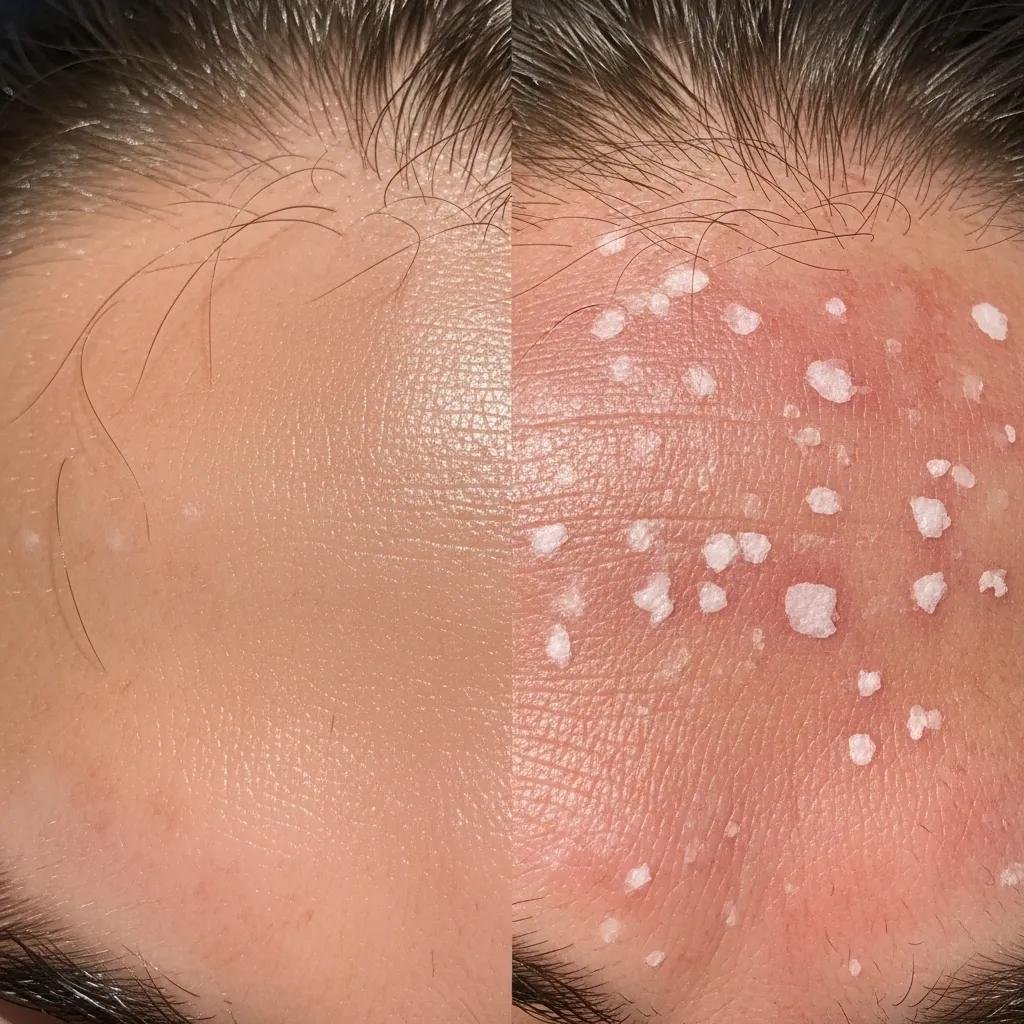
A healthy scalp looks and feels balanced: even hydration, minimal flaking, little to no itch, and no noticeable thinning at the hairline. Those signs point to proper oil levels, an intact barrier, and a stable microbiome. An unhealthy scalp often shows persistent itching, visible flakes or scales, redness, localized thinning, or greasy buildup — all clues that the follicle environment is stressed. Quick self‑checks include parting your hair to inspect the skin, noting persistent odors, and tracking whether shedding increases when you wash or brush. If symptoms don’t improve with home care, a professional evaluation can rule out medical causes and guide treatment.
Knowing these signs helps you choose the right next step: exfoliation and clarifying for buildup, antifungal protocols for dandruff, or hydration and barrier repair for dry, irritated scalps. Those targeted approaches are covered in the section on common concerns and their treatments.
Common Scalp Concerns and How They Affect Hair
Issues like dandruff, oily buildup, dryness, persistent itch, and early thinning each hurt hair health in different ways. Dandruff and seborrheic dermatitis drive inflammation that can shorten the growth phase and increase shedding. Excess sebum traps debris and limits oxygenation around follicles. Chronic dryness breaks down the barrier and leads to breakage. Identifying the root cause lets you choose targeted strategies to protect follicle function and preserve hair density.
Below is a quick comparison to help you self‑identify common scalp conditions and the usual treatment paths.
This table shows which interventions target specific causes and what outcomes clients can reasonably expect. Next we’ll explain how dandruff, oily, dry, and itchy scalps affect hair growth and what to do about each.
How Dandruff and Flaking Impact Hair Growth
Dandruff and persistent flaking usually come from a microbial imbalance or seborrheic activity that provokes inflammation. That inflammation stresses follicles and can shorten the anagen (growth) phase, resulting in more shedding and weaker regrowth. Effective treatments include medicated shampoos with antifungal or keratolytic agents, topical anti‑inflammatory care, and salon therapies that remove scales and repair the barrier. With consistent home care plus in‑salon support, many people see noticeable improvement in weeks and clearer results over a few months.
Addressing the microbial and inflammatory drivers quickly helps recovery and makes later growth‑focused treatments more effective. Next, learn the common causes behind oily, dry, and itchy scalps and simple first steps to manage them.
What Causes Oily, Dry, and Itchy Scalps — and What to Try First
Oily scalps are often due to overactive sebaceous glands, hormones, or trapped product residue. Dry scalps result from low natural oils, harsh detergents, or environmental stress that weakens the barrier. Itchy scalps can come from irritation, allergens, or microbiome imbalance. For immediate at‑home adjustments: switch to a gentle, pH‑balanced cleanser and cut back on heavy styling products if your scalp is oily; for dry scalps, use hydrating cleansers, humectant serums, and occasional timed oil treatments. If symptoms persist or are severe, see a professional to rule out dermatologic issues and get a deeper, personalized treatment plan. Treating the cause rather than masking symptoms provides longer‑lasting relief and protects hair health.
Those corrective steps prepare the scalp for professional services that remove buildup, rebalance the microbiome, and stimulate follicles — described in the next section.
Professional Scalp Treatments Offered at Kylie Studio Salon in Bethesda
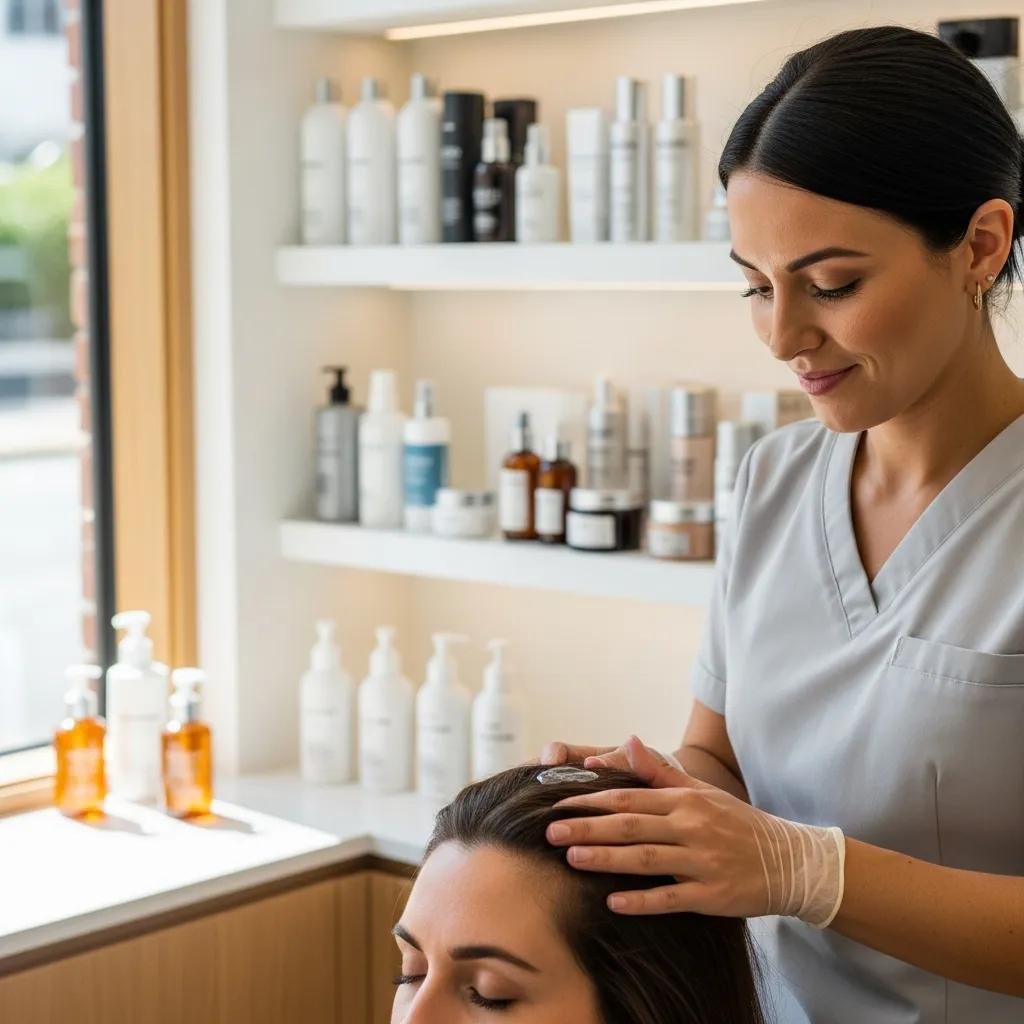
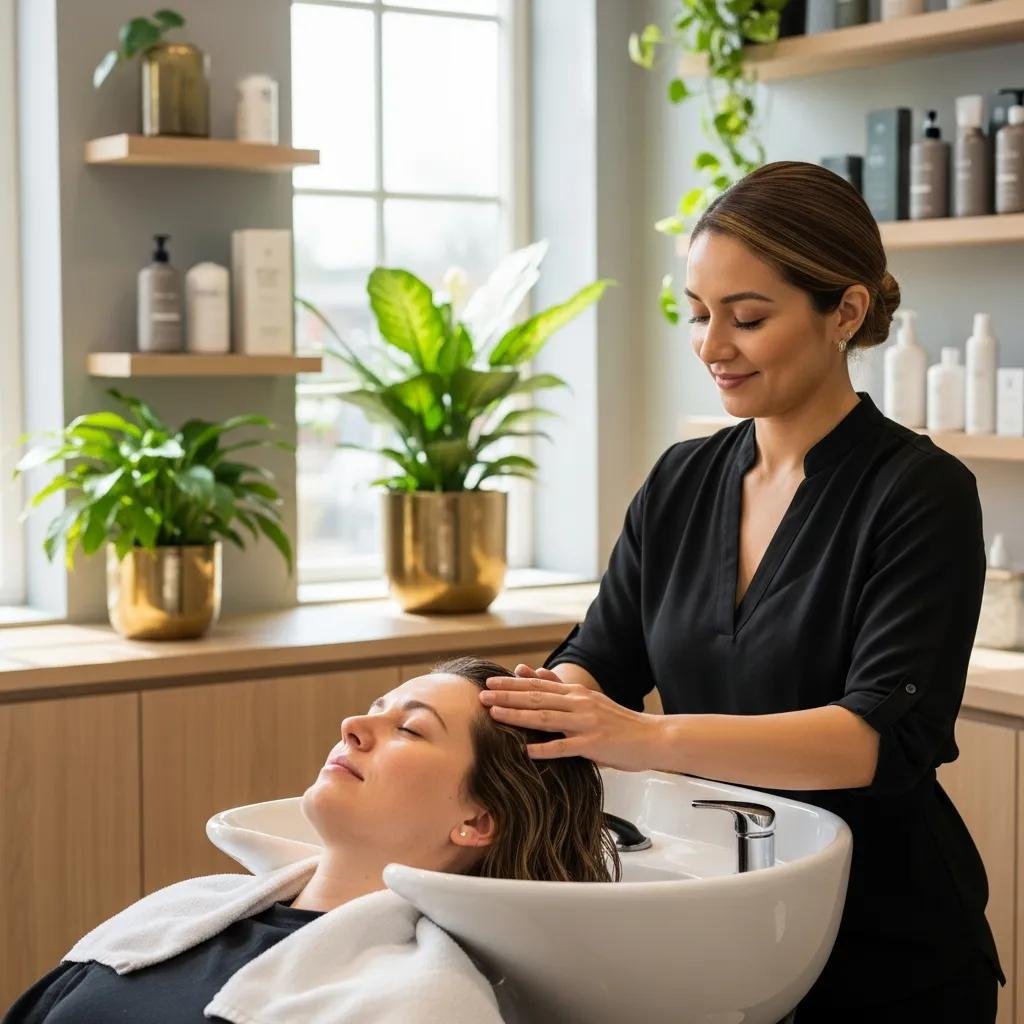
Professional scalp treatments combine exfoliation, antimicrobial action, hydration, and stimulation to restore the scalp and support healthier hair growth. Typical salon protocols include scalp exfoliation to remove buildup, clarifying rinses to reset pH and microbiome balance, hydrating serums to repair the barrier, and circulation‑boosting massage or stimulation to help follicles receive nutrients. These steps reduce flakes, normalize oil levels, and improve product absorption — often giving visible improvement across a few sessions. In the salon, we can safely use concentrated actives and create a follow‑up plan to keep results lasting.
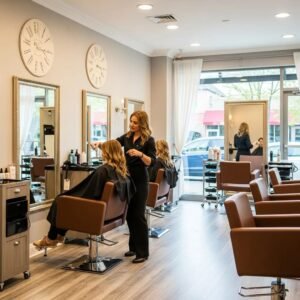
At Kylie Studio Salon in Bethesda we offer focused scalp care options tailored to common local needs. Recommended services include deep cleansing scalp therapies, hydrating scalp treatments, dandruff relief protocols, and rejuvenation packages for thinning. We encourage consultations so we can match the right protocol to your goals — our salon acts as a local resource for both information and care.
Quick reference table: salon services, how they work, and what you can expect.
This menu links each concern to a clear salon pathway and the improvements clients typically see. The following sections expand on those therapies and the benefits they deliver.
Benefits of Deep Cleansing and Hydrating Scalp Therapies
Deep cleansing lifts product residue, excess sebum, and environmental debris so follicles can breathe and microbes that fuel flaking have fewer places to hide. Hydrating therapies replace lost humectants and strengthen the scalp’s outer layer, reducing transepidermal water loss and relieving tightness and itch. Together, these treatments make the scalp more receptive to active ingredients used later and boost the impact of growth‑focused therapies. People with persistent buildup, visible flakes, or dull hair often notice less greasiness, a calmer scalp, and smoother hair after a course of sessions.
Those initial gains set the foundation for specialized dandruff or thinning protocols described next.
How Specialized Treatments Target Dandruff and Thinning
Dandruff protocols combine antifungal agents, keratolytics, and anti‑inflammatories to reduce microbial triggers and clear scales, easing follicular stress and lowering recurrence. For thinning, we focus on improving circulation, reducing local inflammation, and delivering stimulatory ingredients to the follicular environment to help the anagen phase persist and encourage thicker shafts. Treatment plans usually start with an intensive phase followed by maintenance, with measurable changes often appearing over 8–12 weeks. Pairing in‑salon work with at‑home care gives the best long‑term results.
Next, we’ll outline simple at‑home practices that reinforce salon gains between visits.
How At‑Home Scalp Care Extends and Maintains Results
Regular at‑home scalp care keeps the microbiome balanced, controls oil, and repairs the barrier between salon visits. A basic, effective routine includes a clarifying shampoo as needed, a weekly gentle exfoliation to clear buildup, targeted medicated or hydrating treatments based on your scalp type, and a short daily scalp massage to boost circulation. These steps help keep follicles clear, improve product penetration, and maintain nutrient flow. A tailored home plan extends salon benefits and catches early signs before they worsen.
Use the matrix below to match products and techniques to your scalp type and timing.
This quick reference helps you pick the right at‑home actions and shows when it’s time to escalate to professional care. Below are product recommendations and massage tips to use at home.
Recommended Products and Scalp Massage Techniques
Match ingredients to the issue: keratolytics (salicylic acid) for buildup, antifungals (ketoconazole, zinc pyrithione) for dandruff, humectants and lightweight occlusives for dryness, and niacinamide or peptides for barrier support and circulation. For massage, use gentle circular fingertip motions for 2–5 minutes each day, increasing pressure slowly and focusing on thinning areas to encourage blood flow. Soft silicone massagers are a good tool for added stimulation without damaging hair. Alternate oil treatments for deep conditioning with exfoliation sessions so product doesn’t build up in follicles.
Consistent, correctly timed product use strengthens salon results and lowers the chance of recurrence. The next section covers how diet and lifestyle support scalp health from the inside out.
How Diet and Lifestyle Affect Scalp and Hair Health
Nutrition and lifestyle shape scalp health by influencing inflammation, circulation, and nutrient delivery to follicles. Deficiencies or chronic stress can increase shedding and slow regrowth. Key nutrients include adequate protein, iron, zinc, omega‑3s, and vitamins that support collagen and cell turnover. Hydration, sleep, and stress management also affect sebum production and immune responses on the scalp. Practical steps: eat balanced meals rich in these nutrients, keep a consistent sleep routine, add stress‑reduction practices, and avoid harsh grooming that damages the barrier. These habits help sustain the gains from topical and salon treatments.
With maintenance ideas covered, the final section explains why Kylie Studio Salon is a good local partner for personalized scalp care.
Why Choose Kylie Studio Salon for Scalp Care in Bethesda, MD?
Working with a local specialist pairs convenience with a personalized plan tailored to your scalp and lifestyle. Kylie Studio Salon offers thoughtful consultations that assess scalp condition, hair goals, and product history to recommend a clear treatment and maintenance roadmap. We take a client‑first approach: inspection, medical and lifestyle history, and trial treatments before creating a multi‑session plan designed for sustained improvement. For Bethesda residents, our location and friendly scheduling make it easy to start and follow through on care.
Local expertise improves adherence and outcomes — below we describe Ruth’s role and what clients often report after treatment.
How Ruth Personalizes Scalp Treatment Plans
Ruth, the salon owner and lead stylist, combines careful visual assessment with a review of your hair history to design individualized protocols. She pairs in‑salon treatments like deep cleansing and hydration with a tailored at‑home routine so results are consistent and measurable. That hands‑on personalization reduces guessing, speeds visible improvement, and makes it easier to tweak the plan as you progress. Clients appreciate the continuity and practical guidance that come with working directly with Ruth.
Ready to start? Contact the salon to book a consultation and get a customized plan.
What Clients Say About Our Scalp & Hair Results
Client feedback commonly highlights relief from itching, less flaking, and smoother, more manageable hair after combining salon sessions with at‑home care. While individual testimonials are available on our public review pages, common themes include better dandruff control, decreased oiliness, and measurable gains in hair thickness after a rejuvenation course. These consistent results show that an integrated approach — diagnosis, targeted salon therapy, and a tailored maintenance routine — produces lasting benefits. We encourage prospective clients to read reviews and schedule an assessment to find the right path for their scalp.
If home care hasn’t solved your scalp concerns, a focused professional plan can make a real difference.
Frequently Asked Questions
1. How often should I perform scalp care routines at home?
Your routine should match your scalp type and concerns. As a baseline: use a clarifying shampoo when needed, gently exfoliate once a week, and apply targeted treatments for your condition. Daily scalp massage for 2–5 minutes helps circulation. People with dandruff or dry scalps may need medicated shampoos or serums more frequently. Consistency is the most important factor in maintaining scalp health and keeping salon results lasting.
2. Can diet really affect my scalp health?
Yes. Poor nutrition or specific deficiencies can increase shedding and slow regrowth. Protein, iron, zinc, omega‑3s, and certain vitamins support healthy follicles. Hydration, sleep, and stress management also influence sebum production and scalp immune responses. A balanced diet plus healthy habits supports topical treatments and overall scalp wellness.
3. What should I look for in scalp care products?
Choose products that match your scalp issue: salicylic acid for buildup, ketoconazole or zinc pyrithione for dandruff, and humectants like hyaluronic acid for dryness. Niacinamide or peptides can help barrier repair and circulation. Always prefer gentle, pH‑balanced formulas to avoid irritation, and read labels to understand what each ingredient does.
4. When should I see a professional?
See a professional if you have severe or persistent itching, redness, excessive flaking, pain, or noticeable thinning that doesn’t improve with home care. A stylist or clinician can distinguish cosmetic issues from medical conditions and recommend the right course of action.
5. Are there lifestyle changes that improve scalp health?
Yes. Eating a nutrient‑rich diet, staying hydrated, getting regular sleep, and managing stress all support scalp health. Also avoid harsh grooming and heavy styling products that can clog follicles or damage the barrier. These lifestyle changes boost the effectiveness of both home and professional treatments.
6. How do professional scalp treatments compare to at‑home care?
Professional treatments can use stronger, focused exfoliants and actives and apply techniques that enhance absorption and circulation. Stylists tailor protocols to your condition, which often delivers faster and more noticeable results than home care alone. The salon setting also allows for safe, repeatable sessions and a coordinated maintenance plan.
7. How long until I see results from scalp treatments?
Timelines vary by condition and plan. Many clients notice initial improvement within a few weeks. For dandruff or thinning, more significant changes often take 8–12 weeks of consistent treatment. Following both in‑salon recommendations and a home routine helps you get the best, longest‑lasting results.
Conclusion
Scalp care is the starting point for healthier hair: a balanced scalp supports growth, improves texture, and reduces shedding. With targeted treatments — both professional and at home — you can address dandruff, dryness, oiliness, and early thinning. If you’d like a personalized plan, book a consultation at Kylie Studio Salon in Bethesda and let us help you create a realistic, effective routine that fits your lifestyle. Take the first step toward healthier hair today.