Hair Serums vs. Oils: Which One Is Best for Your Hair? Clear, Expert Guidance from Kylie Studio
Deciding between a hair serum and a hair oil starts with what you want your hair to do right now — shine and tame frizz — versus what you want it to become over time — stronger, softer, less prone to breakage. Serums sit on the hair’s surface to smooth the cuticle, reduce flyaways, and boost instant gloss. Oils deliver lipids and nutrients that can penetrate the shaft to restore elasticity and help repair damage. This guide walks you through how each product works, which hair types get the most benefit, and how to use them together without weighing hair down. You’ll find practical routines, layering tips, product recommendations for fine, curly, color‑treated, and thinning hair, plus salon-tested advice from Ruth at Kylie Studio Salon in Bethesda, MD. Read on for straightforward explanations, step-by-step how-tos, and pro tips you can start using today.
What Are Hair Serums and How Do They Boost Shine and Control Frizz?
Hair serums are leave-in styling products that create a thin, smoothing layer on the hair surface to reduce friction, close raised cuticles, and reflect light for immediate shine. Many rely on silicones or lightweight polymers to add slip and surface repair, which quickly lowers frizz and helps styles hold up in humidity. Beyond the cosmetic lift, some serums also include heat-protectant and conditioning ingredients that make hair easier to comb and style. Knowing what serums do helps you decide when to reach for one versus a deeper oil treatment.
Quick serum wins that matter for daily styling:
- Instant frizz control: Serums smooth the cuticle to tame flyaways and humidity-driven frizz.
- Enhanced shine: Light-reflecting ingredients add gloss without heavy buildup.
- Heat protection: Many serums create a barrier that helps reduce thermal damage while styling.
Those benefits make serums a go-to for morning touch-ups and heat styling; next we’ll break down how they work at the ingredient level.
What Is a Hair Serum and How Does It Work on the Hair Surface?
Serums coat the hair shaft with a lightweight film that fills tiny cuticle irregularities and lowers surface friction. Typical actives include dimethicone and cyclomethicone (silicone-based) alongside water-based polymers that deliver slip and shine without oiliness. By smoothing the cuticle and limiting moisture exchange, serums increase light reflection — the reason hair looks glossy — and reduce the moisture shifts that cause frizz in humid weather. The result is an immediate cosmetic improvement: easier detangling, less static, and visibly shinier hair after styling.
How Do Hair Serums Help Different Hair Types?
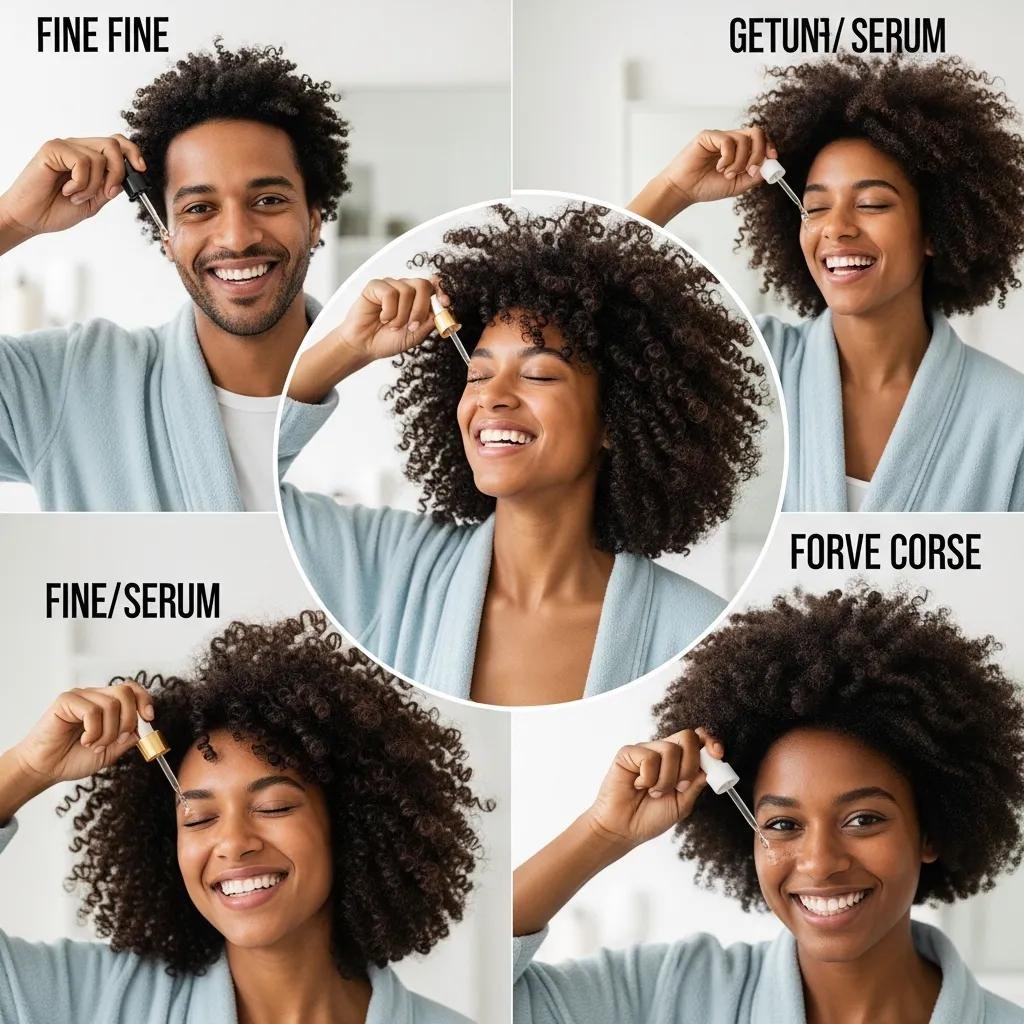
Serums deliver targeted surface benefits depending on texture and condition — from a delicate shine on fine hair to stronger frizz control on coarse or curly hair. For fine hair, pick a water-based or very light silicone serum and use sparingly at mid-lengths and ends to protect volume. Coarse and curly hair often benefits from slightly heavier serums that define shape and reduce frizz without replacing deep conditioning. Chemically treated hair gets surface protection for heat styling and color retention, while normal hair can use a serum as a finishing polish. These simple match-ups make dosing predictable and reliable.
How Do Hair Oils Nourish and Repair Dry or Damaged Hair?
Hair oils are lipid-rich treatments that replenish natural oils and repair damaged areas by coating the shaft or penetrating the cortex, depending on the oil and hair porosity. Oils range from light plant-based options to heavier blends that lock in moisture and deliver fatty acids and vitamins to hair and scalp. How deeply an oil absorbs depends on molecule size and porosity; when chosen correctly, oils improve elasticity, cut breakage, and support a healthier scalp barrier. For clients with dryness, damage, or thinning, regular oil treatments can restore manageability and long-term resilience.
Oils offer consistent benefits across different treatment styles:
- Deep conditioning: Used pre-wash, oils reduce porosity and help seal in moisture.
- Less breakage: Replenished lipids and better flexibility lower mechanical damage from styling.
- Scalp support: Targeted scalp oils hydrate the skin, support barrier function, and can reduce flaking when used properly.
Because of these strengths, oils are a core tool in repair-focused routines; next we’ll look at how oils work on the scalp and shaft.
What Is Hair Oil and How Does It Improve Scalp Health?
Hair oil is a lipid-based formula that either sits on the surface or penetrates the shaft and scalp depending on its molecular weight and your hair’s porosity. Lightweight oils like jojoba mimic sebum and can be absorbed to support scalp barrier function, while heavier oils create a protective layer that reduces moisture loss along the strand. Scalp oiling can improve hydration and create a healthier environment for follicles, but needs to be tailored: oily scalps do better with light, targeted applications, while dry scalps can benefit from occasional deeper massages. Proper technique — gentle massage, timed leave-in, and correct cleansing — ensures benefits without clogging or residue.
What Benefits Do Oils Offer for Dry, Damaged, or Thinning Hair?
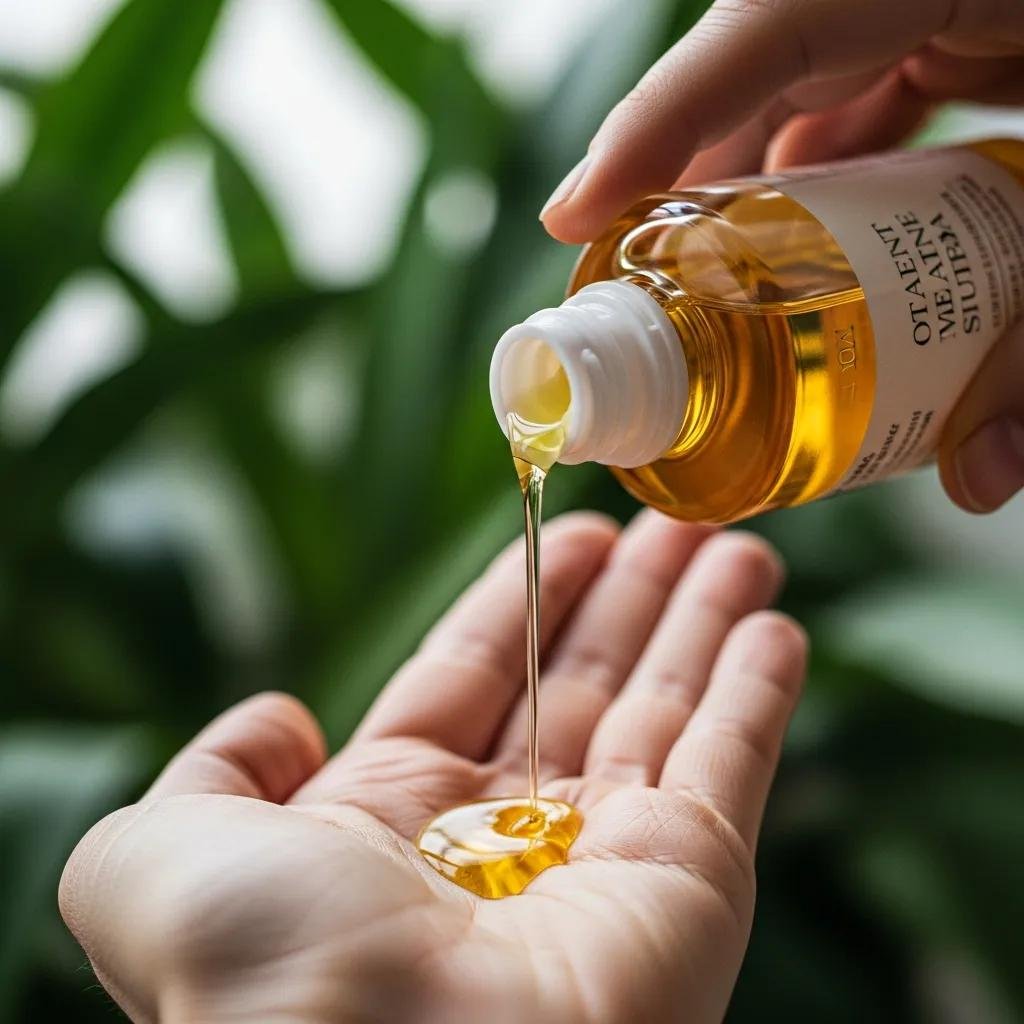
Oils replenish fatty acids, improve elasticity, and smooth rough cuticles to reduce split ends and tangles. For dry, damaged hair, argan and jojoba-like oils add shine and manageability without overloading protein, while heavier options such as castor oil are sometimes used in thinning hair routines—paired with gentle massage—to encourage better scalp circulation. Regular, lightweight oiling can lower combing-related breakage by improving slip. When using oils for thinning hair, pair topical care with scalp practices and a professional assessment to ensure the plan fits your needs.
Professional-grade products and in-salon treatments can help you choose the right oil and timing; salons often offer deep-conditioning and scalp services that enhance home routines and speed results.
Core Differences Between Hair Serums and Hair Oils
Serums and oils differ in texture, purpose, and when you use them. Serums are lightweight films for surface smoothing and shine; oils bring lipids that may penetrate and repair. Serums usually feel silky and non-greasy, forming a surface layer, while oils can leave noticeable sheen and may weigh hair down if over-applied. Functionally, serums give immediate cosmetic control and often heat protection; oils build structural repair over time and can support scalp health. Knowing these differences helps you choose based on hair type, styling routine, and long-term goals.
Use this quick comparison to decide at a glance:
This table makes it easy to see when a serum or an oil is the right choice; next we’ll unpack texture and application in more detail.
How Do Texture, Function, and Application Differ Between Serums and Oils?
Texture affects spreadability, absorption, and residue — and that guides how and how much you apply. Serums are usually used as 1–2 drops warmed in the palms and smoothed through mid-lengths and ends for shine; they’re great before heat styling to add slip and protection. Oils come in a range: light oils work well for daily use in small amounts, while heavier oils shine as weekly masks or targeted end treatments. Serums give an immediate polish; oils deliver cumulative conditioning. Choose based on whether you want a quick cosmetic fix or a repair-focused routine.
Which Hair Types and Concerns Suit Serums vs Oils?
Here’s a simple rule: if your main goal is frizz control and lightweight shine without losing volume, reach for a serum. If your hair is brittle, porous, or chronically dry, prioritize oils. Fine hair usually does better with water-based serums or light oils applied only to ends to avoid limpness. Curly and coarse hair often benefits from the slip and sealing properties of oils plus occasional finishing serums for added sheen. Chemically treated or heat-styled hair may do best with a hybrid plan: regular oil treatments for repair and a serum for daily styling protection.
The next section covers timing, routines, and layering so you can get the most from both product types.
When and How to Use Hair Serums and Oils for Best Results
Timing and conservative dosing are key. Serums work best on damp or dry hair as a finishing or pre-heat step; oils shine as pre-wash treatments, overnight masks, or targeted post-wash seals. Frequency depends on scalp type and goals — many people use a serum daily for styling and an oil treatment weekly or biweekly for repair. Layering works if you follow the rule: lighter products first (for example, a water-based serum), then a small amount of oil on the ends. Avoid heavy layering that leads to buildup. Consistent routines matched to your hair’s porosity and styling habits deliver both immediate polish and long-term health.
Practical routines you can try:
- Daily shine & frizz control: Rub a pea-sized amount of serum between your palms and smooth through towel-dried mid-lengths and ends, then finish with your usual blow-dry or air-dry.
- Weekly repair treatment: Warm about a tablespoon of your chosen oil, apply from mid-lengths to ends, leave 30–60 minutes (or overnight for deep repair), then shampoo and condition.
- Scalp nourishment routine: Once a month, use a lightweight scalp oil with a gentle massage for 15–30 minutes, then cleanse to avoid residue.
These steps form a flexible framework — adapt amounts and timing to what your hair responds to.
Recommended Routine for Applying Serums and Oils
Start by checking your hair’s porosity, then sequence products to avoid weighing hair down. For most people, apply serum to damp hair when you want heat protection and frizz control: warm a small amount between your palms and focus on mid-lengths and ends. Reserve heavier oils for weekly masks or targeted end treatments; if you use oil after washing, apply a light touch to dry ends only. Troubleshooting: if hair looks greasy, cut back on oil frequency or switch to a lighter oil; if frizz resurfaces quickly, try a serum with slightly stronger smoothing agents.
Can You Layer Serums and Oils? How to Combine Them Safely
Yes — when you have a plan. Start with a lightweight, water-based serum for frizz control and heat protection, then add a tiny drop of oil to the ends to seal and deepen shine. A common combo is a light silicone serum for smoothing, followed by a drop of argan oil on the tips. Avoid stacking heavy oils and thick creams daily, which can lead to buildup and limpness; use heavy oil masks only occasionally. Measured quantities and proper sequencing let you enjoy both surface shine and deeper nourishment.
Try these simple pairings:
- Light serum + a touch of oil on ends — polished, nourished finish.
- Weekly oil mask + daily serum finish — repair plus ongoing styling control.
- Monthly scalp oil + daily leave-in serum — scalp support with everyday shine.
Next, we’ll explain how professional services can amplify these at-home practices.
How Kylie Studio Salon in Bethesda, MD Personalizes Serum and Oil Care
At Kylie Studio Salon, we combine professional assessment with product recommendations tailored to your hair’s structure and goals. In a consultation, stylist Ruth evaluates your hair type, porosity, and scalp condition and suggests in-salon treatments — like deep conditioning or keratin smoothing — that complement at-home serum and oil use. Our approach focuses on solutions that enhance natural beauty and confidence, with clear guidance on frequency, timing, and compatible pairings to avoid common issues like buildup or over-oiling. We also offer online booking and free consultations so you can start with a professional plan before changing your routine.
Salon-grade protocols help appliances and at-home products work together for more predictable, longer-lasting results.
These services are paired with clear at-home steps from Ruth so clients preserve salon results and use serums and oils safely and effectively between visits.
Stylist Ruth’s Expert Picks for Choosing Serums and Oils
Ruth recommends choosing products based on porosity, daily styling needs, and the effects you want — not just marketing buzz. For fine or low-porosity hair she prefers water-based or very light silicone serums applied sparingly at mid-lengths, and she advises against heavy oils on the scalp to avoid greasiness. For dry, chemically treated, or coarse hair, Ruth suggests a weekly oil mask plus a finishing serum on styling days to keep hair repaired and glossy. She also encourages booking a free consultation so a pro can map a product plan that fits your lifestyle and maintenance expectations.
Which Professional Treatments Best Complement Serums and Oils?
Kylie Studio Salon combines in-salon treatments with home care to reduce guesswork. Deep conditioning restores lipids and protein so oil masks work better and are needed less often. Keratin smoothing lowers surface roughness so serums deliver shine with smaller amounts, and targeted scalp treatments improve the environment for oil-based therapies. Ruth’s post-treatment instructions are designed to help clients keep results longer and safely fold serums and oils into daily care.
Frequently Asked Questions
Can I use hair serums and oils together in my routine?
Yes. Start with a lightweight, water-based serum on damp hair for frizz control and heat protection, then finish with a small amount of oil on the ends to seal in moisture and boost shine. This approach gives you both the instant polish of a serum and the deeper nourishment of an oil — just use small amounts to avoid weighing hair down.
How do I choose the right hair serum or oil for my hair type?
Match product weight to your hair’s needs. Fine hair benefits from lightweight, water-based serums or light oils applied only to ends. Curly or coarse hair often needs richer oils for moisture and definition. Chemically treated hair usually does well with a mix of oil treatments for repair and serums for styling. Check your hair’s porosity and condition to pick products that solve your main concerns, whether that’s dryness, frizz, or color longevity.
What are the best practices for applying oils without making hair greasy?
Use oils sparingly and keep them mainly on the ends rather than the scalp. Start with a small amount — about a dime-sized drop — warm it between your palms, and distribute evenly. Choose lighter oils like jojoba or argan if you’re prone to greasiness. If your hair still feels oily, cut back frequency or switch to a lighter formulation.
How can I tell if my hair needs a serum or an oil?
Look at condition and goals. If you want frizz control, shine, or heat protection, reach for a serum. If your hair is dry, damaged, or brittle, an oil will provide deeper nourishment and repair. Fine hair typically responds best to serums, while coarse or porous hair usually benefits from oils.
Which ingredients should I look for in serums and oils?
For serums, useful ingredients include silicones like dimethicone for smoothing and conditioning agents for added manageability. For oils, prioritize natural options such as argan, jojoba, and coconut oil for fatty acids and vitamins. Antioxidant-rich oils help protect against environmental stress. Always check labels for allergens or personal sensitivities.
How do environmental factors affect serums and oils?
Humidity, temperature, and pollution change how products perform. High humidity increases frizz, making serums helpful for smoothing. Dry, cold weather strips moisture, so oils become more important. Pollution can cause buildup, so regular cleansing and careful product use keep serums and oils working well.
Can serums and oils help with hair growth or thinning?
Serums and oils support hair health and appearance, and some ingredients can help the scalp environment. Castor oil is often used with scalp massage to stimulate circulation, and certain serums include scalp-friendly actives that reduce breakage. For noticeable hair loss or thinning, consult a healthcare professional or dermatologist for targeted treatment options.
What’s the Difference Between Hair Oil and Hair Serum?
In short: hair oil is lipid-based and focuses on nourishment, repair, and scalp support through coating or penetration, while a hair serum is a lightweight, film-forming product that smooths the surface for immediate shine and frizz control. Oils improve flexibility and reduce breakage over time; serums offer instant cosmetic benefits and heat protection. Use oils for restorative routines and serums for styling and finishing.
How Often Should You Apply Serums or Oils?
Frequency depends on hair type and goals. Serums are commonly used daily during styling for shine and frizz control; oils are usually applied weekly as masks or every other week for maintenance. Fine or oily scalps may stick to daily serum use and minimal oiling; dry, porous, or chemically treated hair often benefits from weekly oil treatments plus regular serum finishing. Pay attention to how your hair responds and cut back if you see buildup or limpness.
- Daily: Use a small amount of serum for styling and heat protection.
- Weekly: Apply an oil mask for deep conditioning and repair.
- Monthly: Book a professional scalp treatment if thinning or persistent dryness continues.
These frequency guidelines balance daily styling needs with sustainable repair strategies and reflect advice from stylists like Ruth.
- Assess your hair type and porosity before changing routines.
- Start with small amounts and increase only if your hair shows improvement.
- Combine salon treatments with at-home care for the best long-term results.
Conclusion
Choosing between a serum and an oil comes down to what your hair needs now and where you want it to be later. Serums give instant polish and control; oils deliver deeper, cumulative repair. Understanding both helps you create a routine that keeps hair healthy, manageable, and confidently styled. For personalized product picks and a plan that fits your lifestyle, book a consultation with our team — we’ll help you find the right combination to meet your hair goals.
**