Gentle Lip Waxing Services in Bethesda, MD: Expert Organic Hair Removal for Smooth, Radiant Skin
Gentle lip waxing removes upper‑lip hair at the root for a clean, smooth look with less irritation than surface methods. Below, we explain how organic, plant‑based waxes work, why they’re a good fit for sensitive skin, and what to expect from a professional upper‑lip waxing at our Bethesda studio. You’ll find clear steps for preparing before your visit, a walk‑through of the in‑salon process, practical aftercare to extend smoothness, and an honest comparison with shaving, plucking, and depilatory creams. We also answer common questions about pain, timing, and suitability for sensitive skin, and outline booking options so you can schedule confidently. Helpful checklists, comparison tables, and expert tips are included to guide you to a safe, comfortable, long‑lasting result.
Why Choose Gentle Lip Waxing at Kylie Studio Salon in Bethesda?
Our gentle lip waxing uses specific formulas and techniques to limit inflammation while removing hair from the follicle for several weeks of smooth skin. The wax is designed to grab hair rather than the surface of the skin, so hair comes away cleanly with fewer passes and less abrasion. The upshot: smoother skin for weeks, fewer ingrown hairs, and softer regrowth over time. A gentle protocol also reduces post‑treatment redness and supports faster recovery—perfect for clients who value precision and comfort.
Here are the main advantages of choosing a gentle, organic upper‑lip wax.
- Root‑level removal: Removes hair at the root for 3–5 weeks of smoothness.
- Precision: Focuses on the upper‑lip area for a natural, hair‑free line.
- Lower irritation: Plant‑based waxes plus careful technique reduce inflammation.
- Improved texture: With regular sessions, regrowth often becomes finer and softer.
Those benefits naturally raise questions about what makes plant‑based waxes different and how an experienced stylist improves the result.
Ruth, our lead stylist at Kylie Studio Salon, builds every service around comfort, technique, and hygiene. We use organic, plant‑based waxes and a sensitivity‑first protocol—tailored pre‑ and post‑care, careful product selection, and practiced technique—to keep irritation low and outcomes consistent. These salon strengths—gentle formulations, personalized care, and skilled hands—are why many clients choose professional waxing over home methods.
What Makes Our Organic, Plant‑Based Wax Ideal for Sensitive Skin?
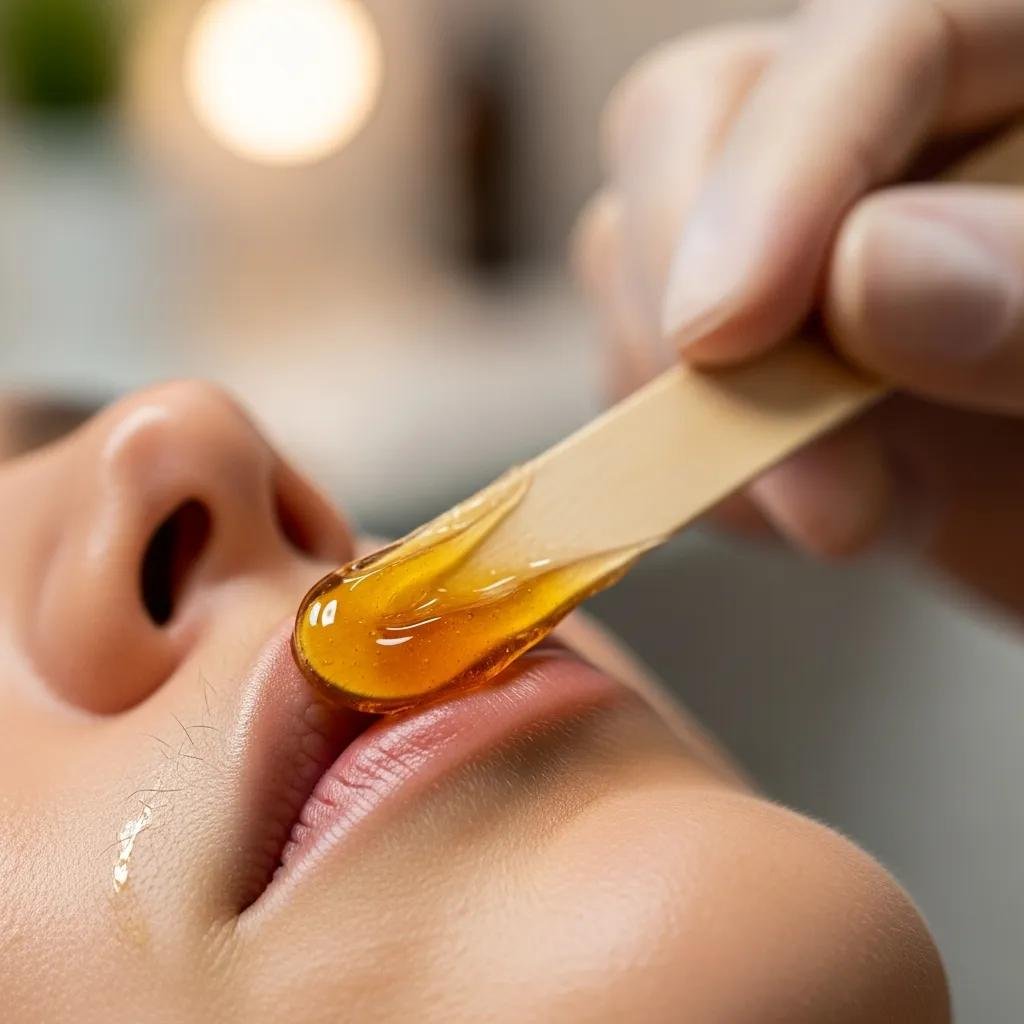
Plant‑based waxes are formulated to cling to hair yet release cleanly from the skin, which reduces epidermal stress and tearing during removal. They rely on natural resins and waxes to bind hair and include botanical soothing extracts to calm inflammation right after waxing. For sensitive skin, that means less redness, fewer bumps, and often a quicker recovery compared with harsher synthetic formulas. Many clients with reactive skin report noticeably less stinging and shorter downtime when we use plant‑based options.
Below is a quick ingredient→function→benefit snapshot to show why plant‑based waxes behave differently and tend to be gentler on sensitive skin.
How Does Ruth’s 11+ Years of Experience Enhance Your Waxing Experience?
Experience matters. Technique determines how gently wax is applied and removed, how skin tension is managed, and which products work best for each client. Over 11+ years, Ruth has refined fast, accurate removal, the right spatula angles, and tensioning that cut down on repeat passes—meaning less discomfort and less irritation. Her experience also informs effective patch testing, individualized pre‑ and post‑care, and the judgment to adapt treatments for sensitive or reactive skin. The result is a smoother treatment with minimal downtime.
This expertise sets clear expectations for timing, comfort measures, and what you’ll feel immediately after an upper‑lip wax.
What to Expect During Your Gentle Upper Lip Waxing Appointment?
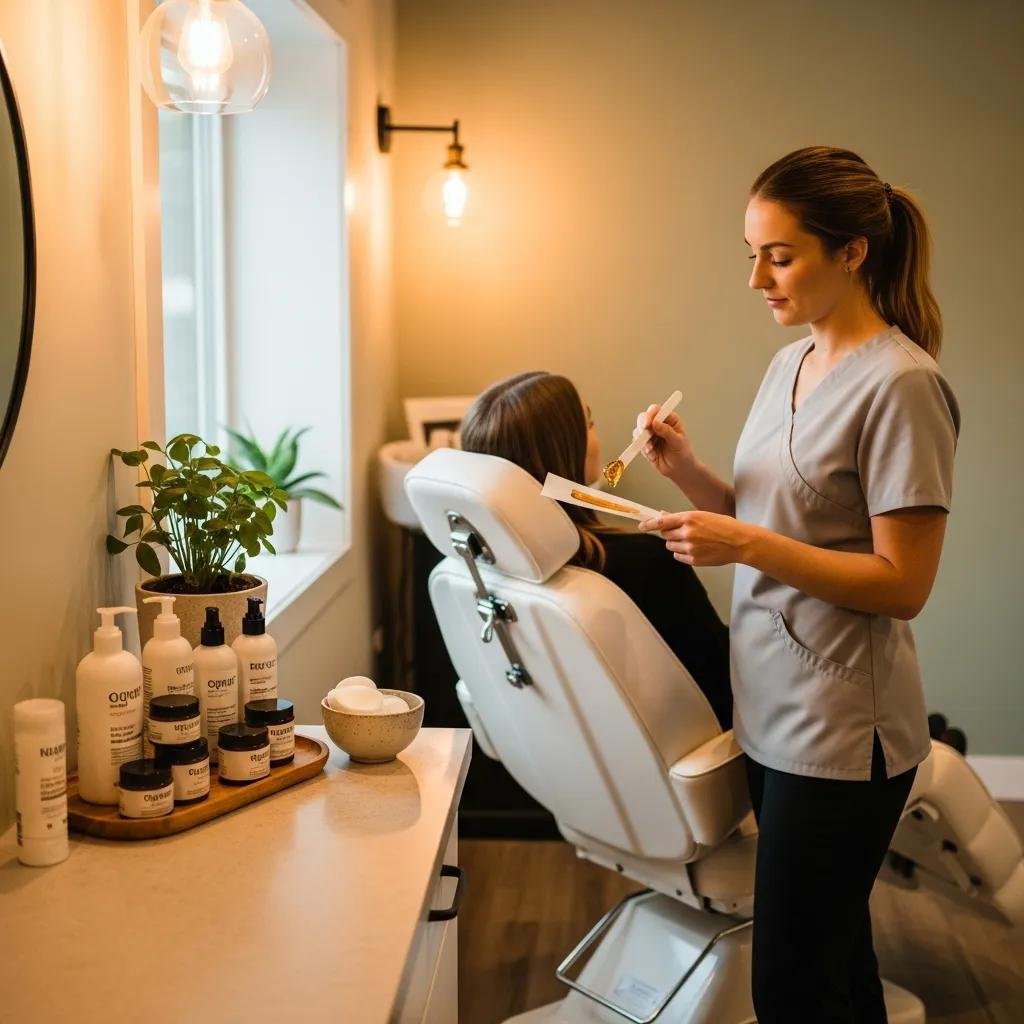
An upper‑lip waxing appointment is short and structured: we begin with a brief intake and skin check, move through a calm, precise waxing protocol, and finish with soothing and aftercare guidance to support healing and longer‑lasting smoothness. The session follows a simple flow—inspect, cleanse, apply wax, remove quickly, and soothe—to keep inflammation minimal and results predictable. Sessions are focused and include step‑by‑step aftercare so you know how to care for the area in the hours and days after your visit.
Here’s the in‑salon workflow so you know exactly what will happen and when.
- Consultation & patch test: A quick review of your skin history and a small patch test if sensitivity is a concern.
- Cleanse & prep: We cleanse and dry the lip area to remove oils that interfere with wax adhesion.
- Trial & application: A tiny test application confirms compatibility before the full waxing.
- Swift removal: Wax is removed in one quick motion to limit discomfort and repeated passes.
- Soothe & advise: A calming gel is applied and we review post‑wax care with you.
This clear procedure helps you arrive prepared and leads naturally into how to get ready before your appointment for the most comfortable result.
On logistics: book through our usual scheduling channels and let staff know if you’d like a sensitivity‑focused session. That flag gives us time to prepare the right plant‑based formulation and a gentle protocol so your appointment runs smoothly.
How Should You Prepare for Your Lip Waxing Session?
Good preparation helps reduce discomfort and complications. Aim for a hair length of about ¼ inch (≈6 mm) so the wax can grip properly. Avoid harsh exfoliants or retinoids for 48–72 hours before your visit, and steer clear of recent chemical peels or heavy sun exposure that may thin the skin. If you use topical medications or have known sensitivities, tell us when you book so we can arrange a patch test or an alternative plan. Proper prep lets us use the gentlest technique possible.
These steps lead into the exact sequence we follow in the salon on the day of your appointment.
What Is the Step‑by‑Step Gentle Lip Waxing Process at Our Salon?
We follow a consistent, safety‑first protocol to protect the skin while removing hair effectively. First, we visually check the area and review recent products or medications. Next, we cleanse with a pre‑wax solution and perform a small patch test if needed. The plant‑based wax is warmed to a safe temperature, applied in targeted strips, and removed quickly while maintaining proper skin tension. We finish with a soothing agent and review aftercare to support healing and lasting smoothness.
Knowing this process ahead of time helps you feel comfortable and reassured, and it naturally leads into post‑wax care recommendations that prolong results.
How to Care for Your Skin After Gentle Lip Waxing?
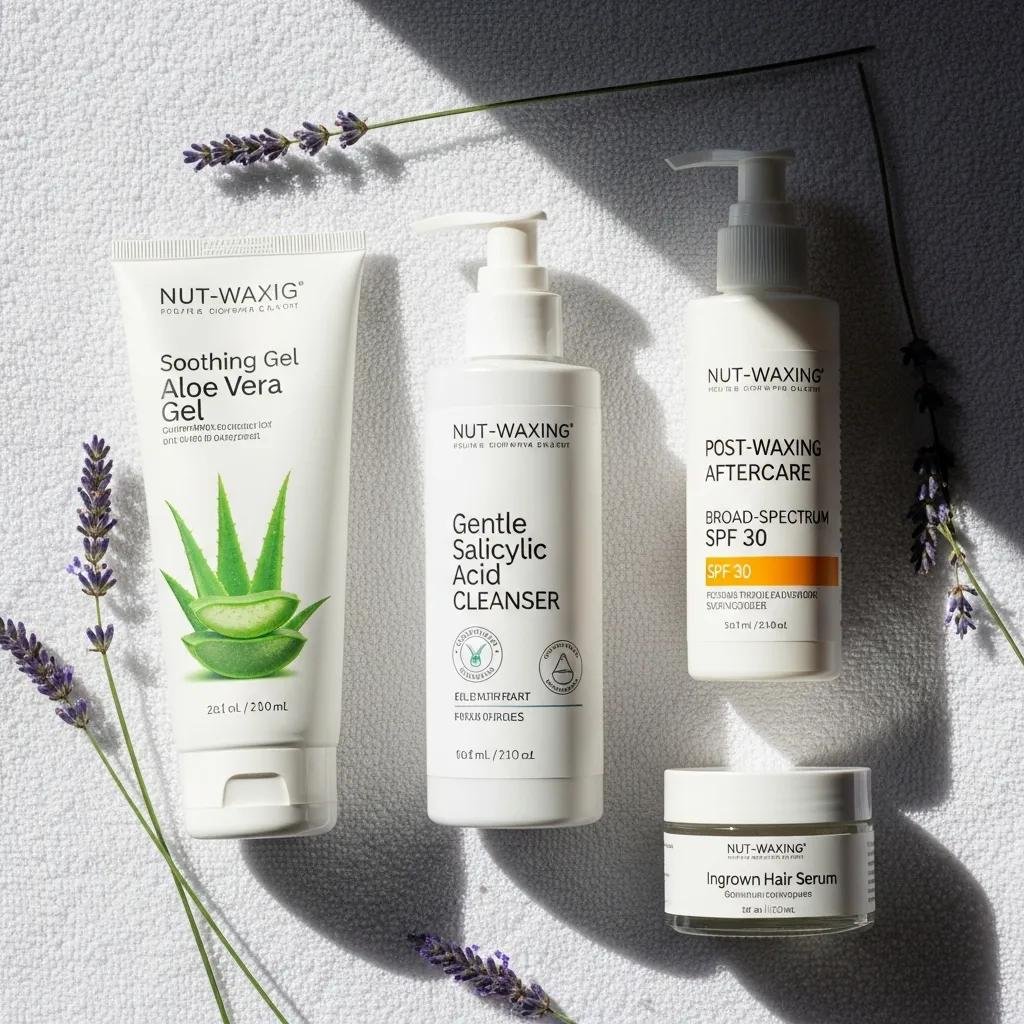
Aftercare focuses on calming inflammation, preventing infection, and protecting the skin barrier so your smoothness lasts and irritation stays minimal. The basics are simple: gentle cleansing, anti‑inflammatory soothing, sun protection, and delaying exfoliation until the skin has settled. Following these steps helps redness fade faster, reduces ingrown hairs, and extends the time between appointments. We break care down into immediate actions, the first 48 hours, and the following week so healing feels predictable.
Below are essential do’s and don’ts to guide the first days after waxing.
- Do follow immediate soothing steps: use a cool compress and a gentle, fragrance‑free calming gel.
- Do keep the area clean: use a mild cleanser twice daily to avoid pore‑clogging debris.
- Do protect from sun: wear physical sunscreen or avoid direct UV exposure for 48–72 hours.
- Don’t exfoliate or use active acids for at least 72 hours—let the skin fully recover first.
- Don’t pick at bumps or ingrown hairs—this increases infection risk and delays healing.
These practical rules lower complications and lead into product and timing suggestions that support long‑term smoothness, summarized below.
The table below compares common aftercare product types and when to use them so you can pick items that minimize irritation and support lasting results.
What Are the Best Post‑Waxing Practices for Long‑Lasting Smoothness?
To extend smoothness, protect the follicle area and manage regrowth with gentle care and timed maintenance. Regular moisturizing with non‑comedogenic products supports the barrier and reduces ingrown hairs; gentle exfoliation after about 7–10 days helps free trapped hairs without provoking inflammation. Avoid heavy sweating, hot tubs, and direct sun immediately after waxing to limit irritation. Keeping a consistent appointment rhythm also trains follicles to regrow softer and less noticeable over time.
These habits naturally lead into how our organic formulation itself supports reduced irritation and healthier skin.
How Does Organic Waxing Reduce Irritation and Promote Skin Health?
Organic, plant‑based waxing lowers irritation by cutting back on synthetic additives and adding calming botanicals, which reduces contact reactions and the intensity of post‑wax inflammation. Fewer volatile chemicals and fragrances mean fewer triggers for sensitive skin, while natural anti‑inflammatory extracts help temper the immediate response after hair removal. The result is a calmer recovery, less downtime, and a healthier environment for the skin barrier to rebuild—translating to fewer reactive episodes and steadier results across sessions.
This explanation leads into a practical comparison between professional waxing and other hair removal methods so you can weigh options clearly.
What Are the Benefits of Professional Gentle Lip Waxing Compared to Other Hair Removal Methods?
Professional gentle lip waxing removes hair at the root, giving longer stretches of smoothness and avoiding the stubble and daily maintenance surface methods require. The key difference is root extraction versus surface cutting or chemical dissolution—meaning many clients enjoy 3–5 weeks of smoothness and softer regrowth over time. A trained professional also delivers precision, reduces missed hairs, and lowers risks like burns from depilatories or repeated abrasion from shaving. Overall, professional waxing often offers better longevity, accuracy, and lower cumulative irritation.
Below is a quick comparison of professional waxing, shaving, and plucking across core outcomes.
How Does Lip Waxing Provide Longer‑Lasting Smoothness Than Shaving or Plucking?
Waxing removes the hair shaft from the follicle instead of cutting the visible portion, so it takes longer for hair to reappear above the skin. That’s why many clients see 3–5 weeks of smoothness after waxing. Shaving leaves the root intact and produces quicker stubble, while repeated plucking can traumatize follicles and create patchy regrowth. Knowing this helps set realistic expectations for how often to schedule appointments.
This timeline perspective leads to whether repeated waxing changes regrowth thickness or irritation over time.
Does Gentle Lip Waxing Reduce Hair Regrowth Thickness and Irritation?
With consistent waxing, many clients notice regrowth looks softer and sometimes finer—regular root extraction can subtly change the visible character of the hair shaft and its growth rhythm. Fewer shaves also mean less surface abrasion, which lowers chronic irritation. That said, results vary with genetics and hormones, so thickness reduction isn’t guaranteed for everyone. Clear expectations and steady aftercare give you the best chance of softer regrowth and less irritation over time.
This straightforward view sets up concise answers to common client questions about duration, pain, and sensitivity.
What Are Common Questions About Gentle Lip Waxing in Bethesda?
This section answers the most frequent concerns in short, direct statements so you can quickly find practical facts about how long results last, what to expect for pain, and whether waxing suits sensitive skin.
- How Long Does Gentle Lip Waxing Last? Expect about 3–5 weeks of smoothness after a gentle upper‑lip wax, though individual hair cycles and hormones will affect timing. Regular waxing can lengthen the period of perceived smoothness.
- Is Lip Waxing Painful and How Is It Made Gentle? Sensation varies, but professionals reduce discomfort with quick removals, correct skin tension, and plant‑based waxes that adhere more to hair than skin. Breathing, topical soothing agents, and speed all help make the experience gentler.
- Can Organic Lip Waxing Help with Sensitive Skin? Yes. Organic, plant‑based waxes with fewer synthetic additives and calming botanicals are often better tolerated by sensitive skin, though we recommend a patch test and a tailored sensitivity plan before a full application.
How Long Does Gentle Lip Waxing Last?
Most clients enjoy about 3–5 weeks of smoothness after an upper‑lip wax, depending on hair cycle phase, hormones, and individual differences. Regular, well‑timed appointments can stabilize the schedule and may make regrowth feel softer over time—helpful for planning future visits.
Is Lip Waxing Painful and How Is It Made Gentle?
Pain tolerance is personal, but trained technique makes a big difference. Speed, the right wax temperature, and proper skin tension all reduce discomfort. Plant‑based waxes and immediate soothing agents further limit stinging, and simple prep and relaxation techniques can make the session manageable for most clients.
Can Organic Lip Waxing Help with Sensitive Skin?
Organic options cut down exposure to fragrances and harsh additives, lowering the chance of contact irritation for many sensitive clients. We use patch tests, brief trials, and personalized aftercare to find the best match. If you have a dermatologic condition, tell us during consultation so we can recommend the safest approach.
How Can You Book Your Gentle Lip Waxing Appointment at Kylie Studio Salon?
To book, use our standard scheduling channels and request a sensitivity‑focused session when you reserve your slot. The booking flow asks if you’d like a patch test or have recent skin treatments so our team can prepare the appropriate plant‑based formulation and timing. Noting sensitivity concerns at booking lets us plan a gentle protocol and allow the right session length—helping you arrive relaxed and ready.
What Are Our Salon Hours and Location in Bethesda, MD?
For current hours and directions, please check our public business listing and online map listings—these show verified opening times and up‑to‑date directions. Our Google Business Profile also lists location and scheduling options so you can confirm availability before booking. Since hours can change seasonally or for events, the public listing is the best source for the latest details.
How to Schedule Your Appointment Online for Gentle Lip Waxing?
Use our online booking tool to select a gentle upper‑lip waxing or sensitivity‑focused service, pick your preferred date and time, and indicate if you’d like a patch test. You’ll receive a confirmation and any pre‑appointment reminders so you arrive prepared. If you’d like to discuss plant‑based wax options or specific sensitivity protocols, you can request a callback or note this during booking and our team will prepare accordingly.
Frequently Asked Questions
What Should I Expect in Terms of Pain During My Lip Waxing Appointment?
Pain varies by person, but many clients report only brief, manageable discomfort. Using plant‑based waxes and practiced technique reduces pain: quick removal, correct skin tensioning, and immediate soothing measures all help. Preparing by avoiding certain skin treatments and practicing calming breathwork during removal also makes a difference. Most clients find the result worth the short sensation.
How Often Should I Schedule My Lip Waxing Appointments?
We generally recommend scheduling every 3 to 5 weeks. That window lets hair reach an optimal length for removal while minimizing discomfort. Regular appointments can encourage softer regrowth, though individual cycles vary—listen to how your skin and hair respond and adjust as needed.
Can I Get Lip Waxing If I Have Sensitive Skin?
Yes—gentle lip waxing is often a good option for sensitive skin when paired with organic, plant‑based waxes, patch testing, and a customized approach. If you have specific conditions or concerns, discuss them with your stylist during the consultation so we can tailor the service safely.
What Are the Signs That I Should Avoid Lip Waxing?
Avoid waxing if you have active skin conditions—eczema, psoriasis, open sores—or recent chemical peels, laser treatments, or sunburn in the area. If you’re unsure, check with your stylist before booking; they’ll advise whether to postpone or suggest alternatives.
How Can I Extend the Results of My Lip Waxing?
Follow aftercare: keep the area clean, use soothing products, and avoid sun exposure for at least 48 hours post‑wax. Regular moisturizing with non‑comedogenic products and scheduling your next appointment at recommended intervals also help maintain smoothness and reduce ingrown hairs.
What Should I Do If I Experience Irritation After Waxing?
If you have irritation, follow aftercare guidance—cool compresses and a gentle, fragrance‑free soothing gel usually help. Don’t pick the area, and avoid harsh products. If irritation persists or worsens, contact your stylist or a dermatologist for further advice. Tracking reactions can help us tailor future sessions.
Conclusion
At Kylie Studio Salon, our gentle upper‑lip waxing uses organic, plant‑based waxes and expert technique to deliver smooth, radiant results with minimal irritation. We prioritize comfort, skin health, and predictable outcomes so you can enjoy longer‑lasting smoothness and softer regrowth. If you’re ready to try a comfortable, professional waxing experience tailored to sensitive skin, schedule your appointment today and let us take care of the rest.