Face‑Framing Highlights in Bethesda — How We Brighten Your Face and Personalize Your Look
Face‑framing highlights lift the face by lightening strands around the hairline to create instant luminosity. This guide breaks down what face‑framing and money‑piece highlights are, how placement and tone produce a brightening effect, and which methods suit different hair types and ages. You’ll find clear expectations for maintenance, anti‑aging color strategies, and a walkthrough of what to expect in a personalized consultation here in Bethesda. Our aim is to help you decide if face‑framing fits your style and to show how a thoughtful consult prevents unwanted contrast while maximizing natural glow. Below: technique comparisons, upkeep tips, transparent timing and price notes, visual examples, and step‑by‑step booking and prep advice for anyone searching “face‑framing highlights Bethesda” or seeking low‑maintenance brightening.
What Are Face‑Framing Highlights and How They Flatter Your Features
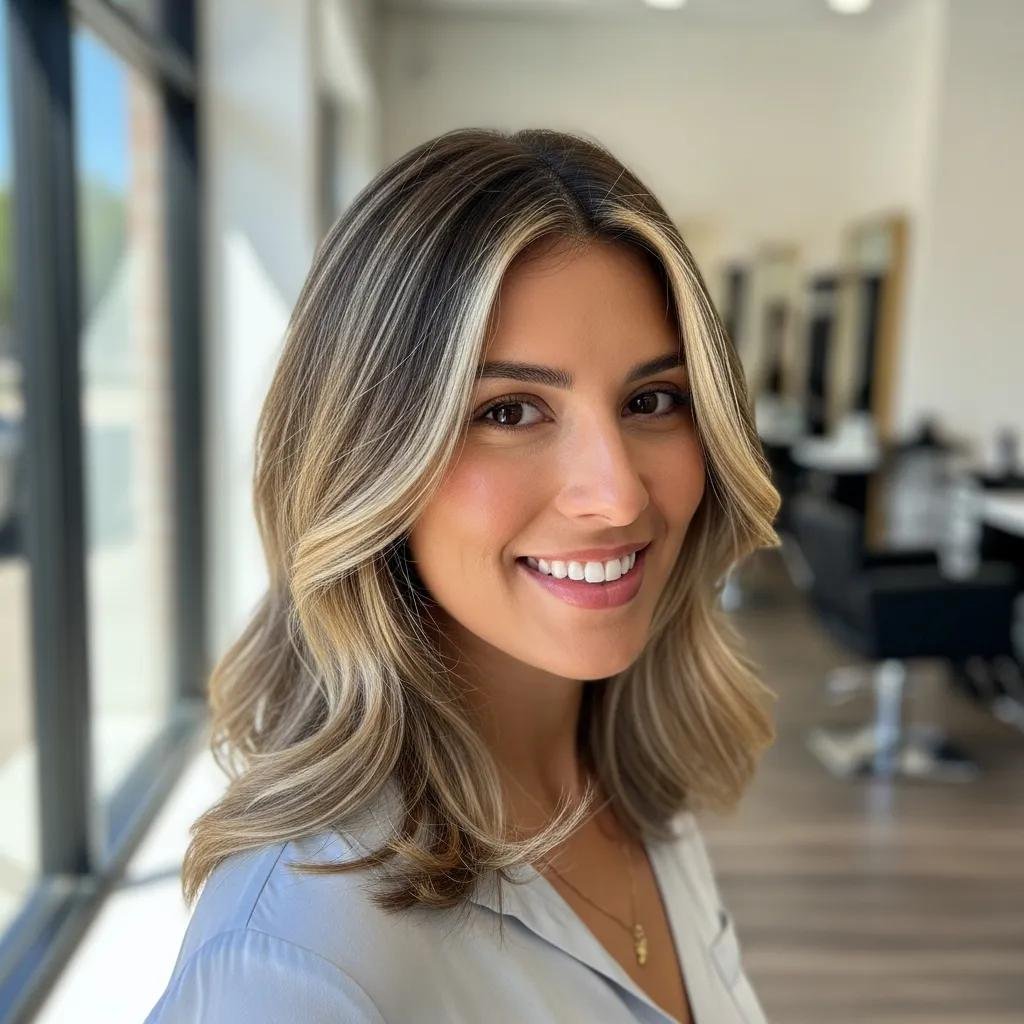
Face‑framing highlights are lighter pieces painted or foiled around the forehead, temples and jawline to catch light and visually lift the complexion. By increasing contrast near key features, these highlights reflect more light toward the face—brightening skin tones and drawing attention to eyes and bone structure. Benefits include a refreshed look, simpler styling thanks to defined front panels, and the flexibility to go subtle or bold by adjusting panel width and tone. Knowing how light, contrast and placement interact helps you choose between a blended, low‑maintenance option or a striking money piece. The sections that follow define the common variations and the visual effects each produces.
Defining Face‑Framing Highlights and the Money Piece
“Face‑framing highlights” refers to any lightened panels near the hairline; the “money piece” is a higher‑contrast, intentionally bold front streak placed at center or around the temples. A money piece acts as a focal frame—accentuating eyes and cheekbones—without recoloring the entire head. Softer face‑framing uses baby lights or delicate painting for a seamless lift that blends into your base color, ideal if you want low upkeep. Your choice comes down to how much contrast you want, your daily routine, and how often you’re willing to refresh color at the salon.
How Face‑Framing Highlights Produce a Brightening Effect
Highlights brighten by adding catch‑lights and reducing shadow near the face, which softens features and can create a more youthful appearance. Color theory helps guide tone: warm highlights add a healthy glow for warm undertones, while cool or ashy tones counteract redness and neutralize sallowness for cool undertones. Placement matters: temple and hairline pieces lift the upper face; lower panels at the jawline can slim or balance proportions. These optical changes are why face‑framing is often recommended as an anti‑aging strategy and why technique selection should be matched to hair type and desired result.
Which Face‑Framing Techniques Work Best for Different Hair Types and Tones?
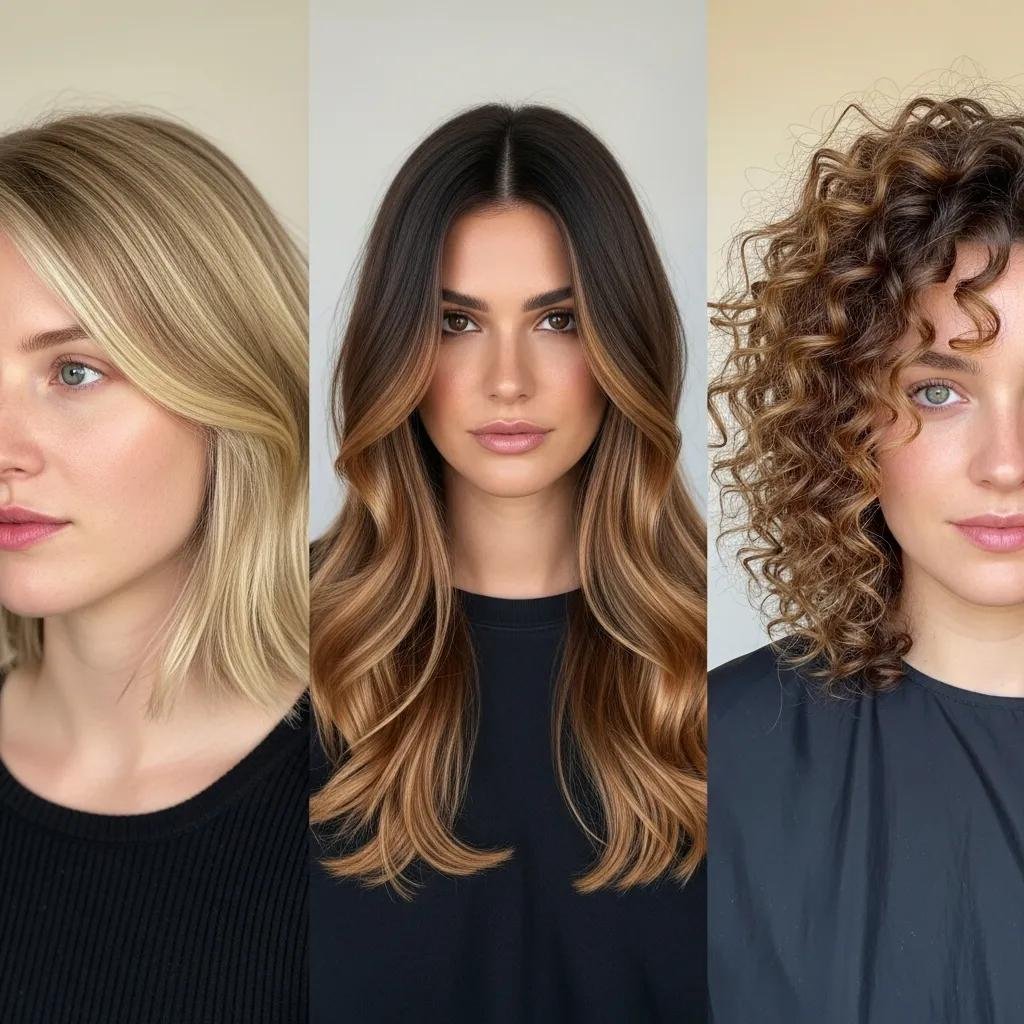
The right face‑framing approach depends on base color, texture, and how much maintenance you want. Fine hair usually benefits from thinner, subtler panels; thick or curly hair can carry wider or bolder money pieces without appearing heavy. Common methods include baby lights, partial foils, painted balayage panels, and the money piece. Your visual goal—soft luminosity versus defined contrast—drives the method and the upkeep plan. The table below matches hair types to recommended techniques, the expected look, and typical maintenance to help you decide.
Each hair type pairs best with approaches that balance lift, blending and upkeep so the final look flatters both your features and routine.
Face‑framing methods typically include:
- Baby lights and micro‑foils: Very fine highlights placed close together for a natural, blended lift.
- Painted balayage face panels: Hand‑painted sections for soft gradation and forgiving regrowth.
- Money piece (bold front streak): A high‑contrast panel at the front for immediate brightness and edge.
These options let you choose between a subtle refresh and a statement look; the next section explains tone‑specific and anti‑aging adjustments in more detail.
Face‑Framing for Blonde and Dark Hair
On blonde hair, face‑framing usually favors low‑contrast baby lights or slightly lighter painted panels so the result reads luminous rather than stark. Most blondes go one to two levels lighter and finish with a toner or glaze to prevent brass. On darker hair, a money piece or soft balayage panels create a punch of contrast that catches light—often requiring selective lift and careful toning to avoid harsh regrowth lines. Maintenance differs: blondes may need occasional toning and glosses, while darker bases with bold money pieces may want more frequent front touch‑ups to keep the frame crisp.
Anti‑Aging and Customized Highlights for Mature Skin
Subtle face‑framing can be an effective anti‑aging strategy by softening shadows and restoring glow to skin that’s lost some radiance. We recommend minimal contrast, warm‑reflecting tones, and gentle lift levels—enough to brighten without creating stark lines. Toners that neutralize brass while blending with natural gray help keep the result flattering. Placement for mature skin favors softer temple framing and dispersed front pieces rather than solid blocks of light, so features look natural and lines aren’t emphasized. These choices are refined during consultation to suit your skin tone, lifestyle and maintenance preferences.
How a Personalized Consultation at Kylie Studio Salon Delivers the Right Result
A focused consultation reduces surprises by matching technique, tone and placement to your complexion, hair history and upkeep goals. At Kylie Studio Salon in Bethesda we start with a visual assessment and a conversation about daily styling, color history and desired brightness. From there we choose a technique and outline realistic maintenance. Color formulation and precise placement—using premium products and careful sectioning—create balanced contrast, and aftercare guidance helps prolong the look. Our consult‑first approach minimizes corrective services and makes sure your result aligns with what you want. Below we explain the stylist’s role and how tones are chosen to flatter specific undertones and face shapes.
Stylist Ruth’s Approach: Precision and Personalized Color
Ruth specializes in face‑framing highlights, focusing on precise placement and tone balance to produce natural, flattering results for Bethesda clients. Her process includes thoughtful sectioning and freehand painting where it suits the look, with careful blending of temple and front panels to avoid harsh lines. Precision reduces corrective work—Ruth tailors lift and toner choices based on your hair history and goals so front panels accentuate eyes and cheekbones rather than just lightening hair. We review examples from our portfolio in consultation so you know exactly what to expect.
Choosing Tones and Placement That Flatter Your Skin
Tone selection depends on your skin’s underlying undertone and the desired effect—warm highlights add glow to warm skin, while ash or neutral tones temper redness on cool skin. Placement also varies by face shape: soft temple framing lifts round faces; lower face panels help balance longer shapes. In consultation we test and visualize tones and placement, then align the plan with your maintenance comfort before any color is applied.
Pricing and Timing for Face‑Framing Highlights in Bethesda
Knowing time and cost expectations helps you plan. Targeted face‑framing sessions usually take under two hours; most appointments fall between 45–75 minutes for consultation, selective application, processing and a basic finish. Prices vary based on technique, hair length and any toning or corrective work—so Kylie Studio Salon provides personalized quotes after assessing your hair. The table below outlines common service variants, typical times and notes to guide your decision.
Common cost drivers to keep in mind:
- Hair length and density — more hair takes more product and time.
- Number and width of face panels — additional panels increase application time.
- Need for pre‑lift or corrective work if you have existing color.
Why Quotes Vary and How We Personalize Pricing
Price depends on measurable factors: length and density determine product use; previous color or stubborn pigment can require extra lift or corrections; added toners or treatments increase time. For example, a single money piece on short, natural hair usually requires less product and time than multi‑panel baby lights on long, dense hair—so “starting from” prices can be misleading. We favor consultative quotes so your estimate reflects your hair history and the agreed technical plan. Clear discussion up front prevents surprises and ensures the correct appointment length is scheduled.
Appointment Timeline: What to Expect
A typical face‑framing appointment follows a simple timeline: consultation, selective application of lightener or paint, processing, rinse and toner if needed, then styling to preview the result. Plan for about 10–20 minutes for consultation and sectioning, 15–30 minutes for application (depending on panel count), 10–25 minutes for processing, and 10–15 minutes to finish—adding up to the usual 45–75 minute range. Bring recent photos and a clear color history to streamline the consult and help your stylist confirm placement and tone.
See the Results: Face‑Framing Highlights Before & After Gallery
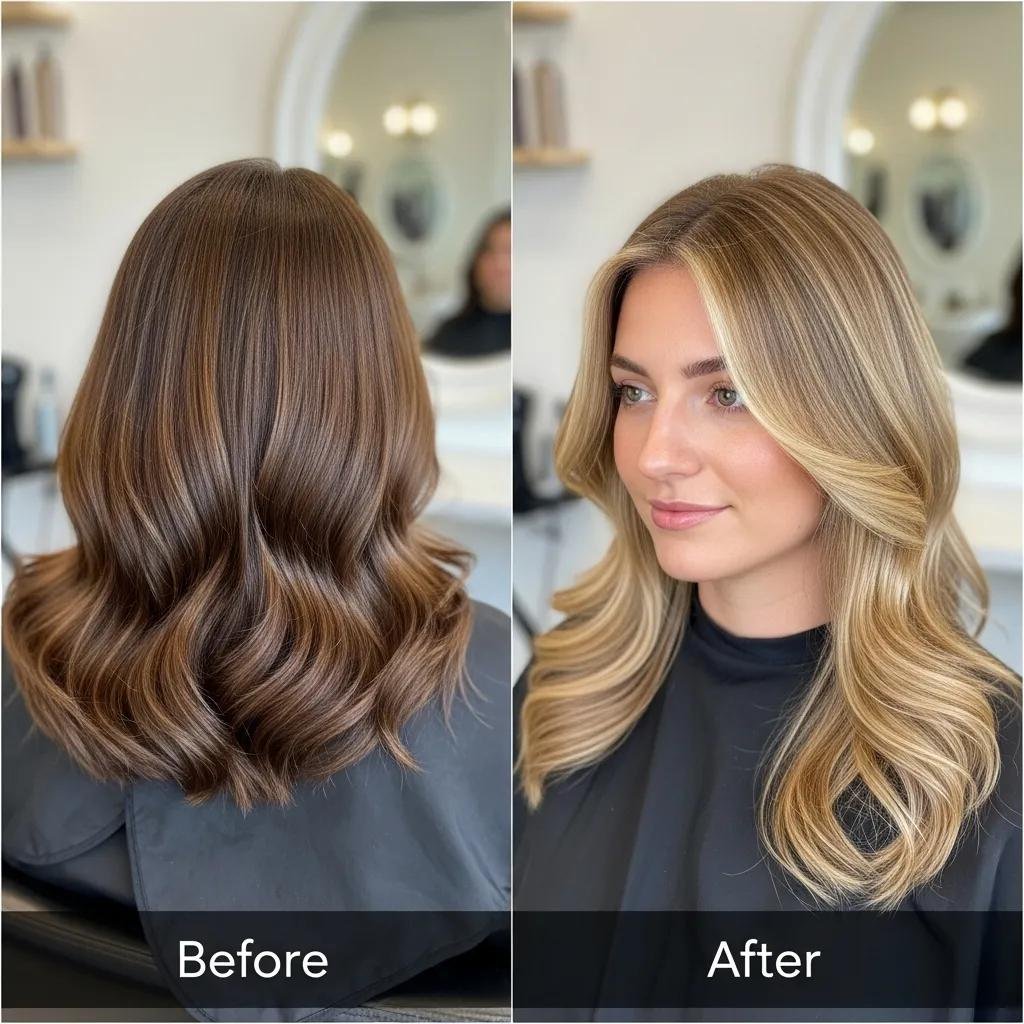
Our curated before‑and‑after gallery helps you visualize how different techniques translate across colors, textures and ages. You’ll notice consistent brightening cues—catch‑lights at the hairline and softened facial shadows—that clarify whether you prefer a subtle, blended glow or a defined money piece. Captions explain technique, tone choice and upkeep so examples are actionable. Viewing the gallery during consultation ensures the selected approach fits your expectations and lifestyle.
When you review before‑and‑after images, watch for these cues:
- Contrast and catch‑light: Lighter strands near the face that increase perceived brightness.
- Placement lines: How panels sit along the hairline and temples to frame features.
- Toner effect: Whether a glaze or toner softens or sharpens the final look.
Reading these visual details helps you discuss exact placement and tone during consultation so your stylist can recreate the brightening effect on your hair.
How We Adapt Techniques Across Clients
Examples show how one technique can be softened or intensified: a money piece can be muted for mature clients or dialed up for trendier looks, and baby lights can be spaced to flatter fine or coarse textures. Captions note the exact method—foiled baby lights versus painted panels—the lift level achieved, and recommended aftercare like sulfate‑free shampoo or periodic toning. These case studies demonstrate our ability to translate a reference image into a personalized result. Reviewing varied examples during consultation confirms your desired brightening effect is achievable and suitable for your hair.
Visual Proof: Brightening and Rejuvenation Markers
Effective brightening shows consistent markers: stronger light reflection at the hairline, softer facial shadows, and an overall refreshed look that often reads as younger or more rested. Side‑by‑side photos make it easier to spot those changes and to discuss maintenance trade‑offs—bold money pieces need more frequent front touch‑ups, while blended panels age more gracefully between visits. Knowing how to read these cues helps you choose an approach that balances impact with realistic upkeep.
How to Book Your Face‑Framing Highlights at Kylie Studio Salon
Booking starts by choosing a consultation‑only visit or a combined consult‑and‑service appointment, depending on how much hair history and prep you have. Kylie Studio Salon in Bethesda offers personalized consultations to confirm technique, tone and timing before giving a final quote and scheduling. You can book online or via our Google Business Profile. Before booking, gather reference photos and a short summary of recent color history to make your consultation efficient and productive. The sections below walk through scheduling, what the consultation covers, and prep tips for the day of service.
Scheduling Your Personalized Consultation
Decide whether you want an in‑person consult only or a combined consult and service—combined slots work well when your hair history is straightforward and you’re ready to proceed. When booking, note your hair length and any recent chemical services so we can allocate the right time. During the consult we’ll review photos, set realistic maintenance expectations, and map a technical plan with lift targets and toner choices. We’ll then provide a personalized quote. Bringing questions about upkeep, products and touch‑up timelines ensures the consultation covers what matters to you.
Preparing for Your Highlight Session
To get the best result, arrive with clean, dry hair free of heavy styling products and bring a concise record of recent coloring and treatments—undisclosed services or buildup can affect lift. Bring reference photos that show front and profile views and how you like to wear your hair so the stylist can confirm placement and panel thickness. Don’t shampoo immediately before the appointment unless instructed; otherwise, normal clean hair helps us assess natural texture. Following these steps and any pre‑appointment guidance speeds up the process and improves the final result.
- Bring photos and hair history: Reference images and recent treatment details speed the consultation.
- Arrive with clean hair: Allows an accurate assessment of texture and condition.
- Prepare questions: Ask about upkeep, recommended products and timing for touch‑ups.
Being prepared makes the consultation more efficient and helps your stylist create a precise, personalized plan for your face‑framing highlights.
Frequently Asked Questions
1. How often should I get my face‑framing highlights touched up?
Touch‑up frequency depends on the technique and how quickly your hair grows. Money pieces often need attention every 4–6 weeks to keep that bold contrast, while blended baby lights can stretch to 8–12 weeks. Hair type, lifestyle and your personal tolerance for regrowth also matter. Regular check‑ins with your stylist will help you settle on a maintenance schedule that fits your routine.
2. Can face‑framing highlights work for all hair colors?
Yes—face‑framing can be adapted to blonde, brunette, red and gray hair. The key is choosing a technique and tone that complements your base color and undertone. Warm highlights suit warm bases; cooler, neutral tones work well on cool bases to create flattering contrast. A skilled stylist will customize the approach so the highlights enhance your natural coloring.
3. What should I do if I don’t like my face‑framing highlights?
If you’re not happy with the result, tell your stylist as soon as possible. We’ll assess and recommend adjustments—toning down brightness, changing placement, or planning corrective color if needed. Addressing concerns quickly often allows for simple fixes without major corrective services.
4. Which hair care products help maintain face‑framing highlights?
Use sulfate‑free shampoos and conditioners formulated for color‑treated hair to preserve vibrancy. A weekly deep condition or hair mask helps maintain softness—especially after lightening. Your stylist can recommend specific products based on your hair type and the technique used.
5. How do I choose the right stylist for face‑framing highlights?
Look for color specialists with a portfolio of highlight work, read client reviews and ask for recommendations. During a consultation, discuss your reference images and ask about placement strategy and maintenance. A good stylist listens, explains options clearly and recommends a plan that fits your lifestyle.
6. Can I get face‑framing highlights if I have previously colored hair?
Yes—previously colored hair can still receive face‑framing highlights, but be upfront about your color history. That information helps your stylist choose the safest and most effective path. In some cases we’ll suggest a consultation or patch test to confirm the best technique and products for your hair’s condition.
7. What are the advantages of face‑framing highlights versus full highlights?
Face‑framing highlights offer a targeted, low‑commitment way to brighten your face without coloring the whole head. They’re lower maintenance, enhance facial features, and can be customized to suit many hair types and colors—perfect if you want a subtle lift or an accentuated frame without the upkeep of full highlights.
Conclusion
Face‑framing highlights are a focused, customizable way to enhance your natural beauty—adding brightness where it matters and complementing many hair types and tones. Understanding techniques and upkeep helps you pick a look that fits your life. Ready to explore face‑framing in Bethesda? Schedule a consultation at Kylie Studio Salon and let us design the right panel, tone and maintenance plan for you.