Curly Hair Care: Practical Routine & Styling Tips from Kylie Studio Salon
Curly hair brings amazing texture and personality — and a few predictable challenges like dryness, frizz, and uneven definition. In our experience, a routine that prioritizes moisture and technique delivers the most consistent, long-lasting results. In this guide you’ll find a clear wash-to-style sequence, focused frizz-control methods, moisturizing product strategies, styling approaches for both definition and volume, and repair tips tailored by curl pattern and porosity. We’ll also explain when an at-home fix is enough and when a professional assessment can speed progress. Expect step-by-step checklists, ingredient-focused comparisons, and easy-to-follow styling workflows that work for beginners and seasoned curlers alike. Keep reading for routines, product guidance, troubleshooting, and a note about the curly-hair services we offer in Bethesda to support long-term curl health.
What Is the Ideal Curly Hair Care Routine for Healthy, Defined Curls?
The most reliable routine balances gentle cleansing, conditioning with slip, careful detangling, thoughtful product layering, and drying methods that lock in moisture while keeping curl shape intact. Curls struggle to hold moisture when the cuticle is raised or when harsh surfactants strip natural oils — so ordering your products to prioritize slip, humectants, and occlusives helps curls stay elastic and defined. The benefits are fewer breakages, clearer curl patterns, and longer stretches between wash days when you respect porosity and pattern. Below is a practical sequence you can adapt by curl type and porosity; the following sections explain each step and suggest frequencies.
Which Steps Should You Follow in a Curly Hair Care Routine?
Begin with a gentle shampoo or a co-wash to clear buildup without stripping oils. Follow with a rinse-out conditioner to give slip for detangling, then apply a leave-in to lock in hydration before using styling products that define and hold. For low-porosity hair, choose lighter conditioners and shorter processing; for high-porosity hair, add deeper conditioning and sealing oils to keep moisture in. Time guide: cleansing + conditioning usually takes 10–20 minutes on wash day, detangling 5–15 minutes depending on density, and styling 5–10 minutes when working in sections. Quick notes by curl type: wavy (2A–2C) often prefers lighter gels or creams; coily (4A–4C) generally benefits from richer creams, heavier oils, and extra slip while detangling to reduce breakage.
This clean routine sets up your hair for the frizz-control and styling techniques that follow, so product selection is the next priority.
How Do You Choose the Best Sulfate-Free Shampoos and Conditioners for Curly Hair?
Look for sulfate-free formulas that use gentle surfactants — think sodium cocoyl isethionate or decyl glucoside — and conditioning agents that deliver slip without buildup. Conditioners that include cationic agents plus humectants like glycerin and panthenol help detangle and retain moisture. Avoid strong anionic sulfates that over-strip delicate curls. Quick checklist: check the surfactant type, match protein level to porosity, balance humectants versus occlusives, and favor slightly acidic pH to smooth the cuticle. Co-washing is a great option for frequent wash days or when your scalp isn’t oily; reserve clarifying shampoos for occasional deep cleanses when product buildup becomes noticeable.
Choosing the right base products makes frizz control and long-term curl health much easier — which we cover next.
How Can You Effectively Control Frizz in Naturally Curly Hair?
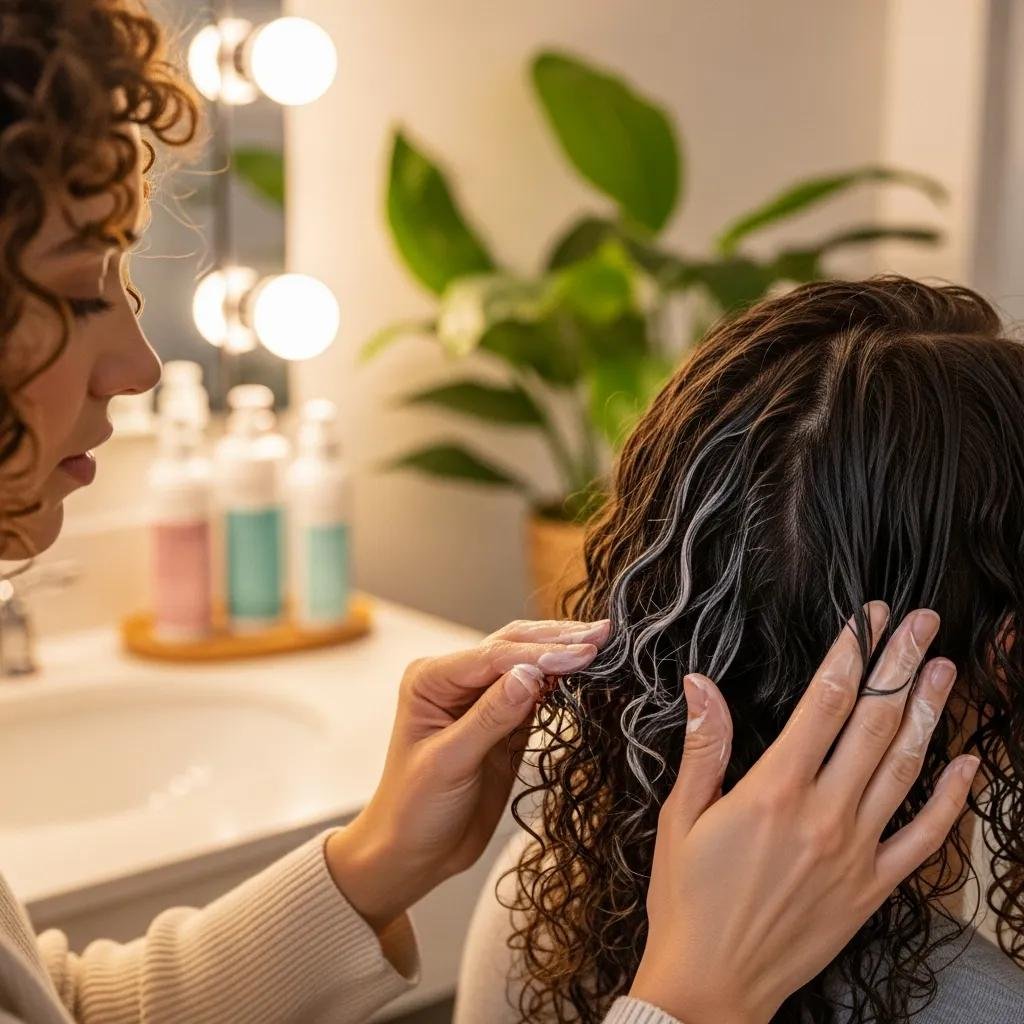
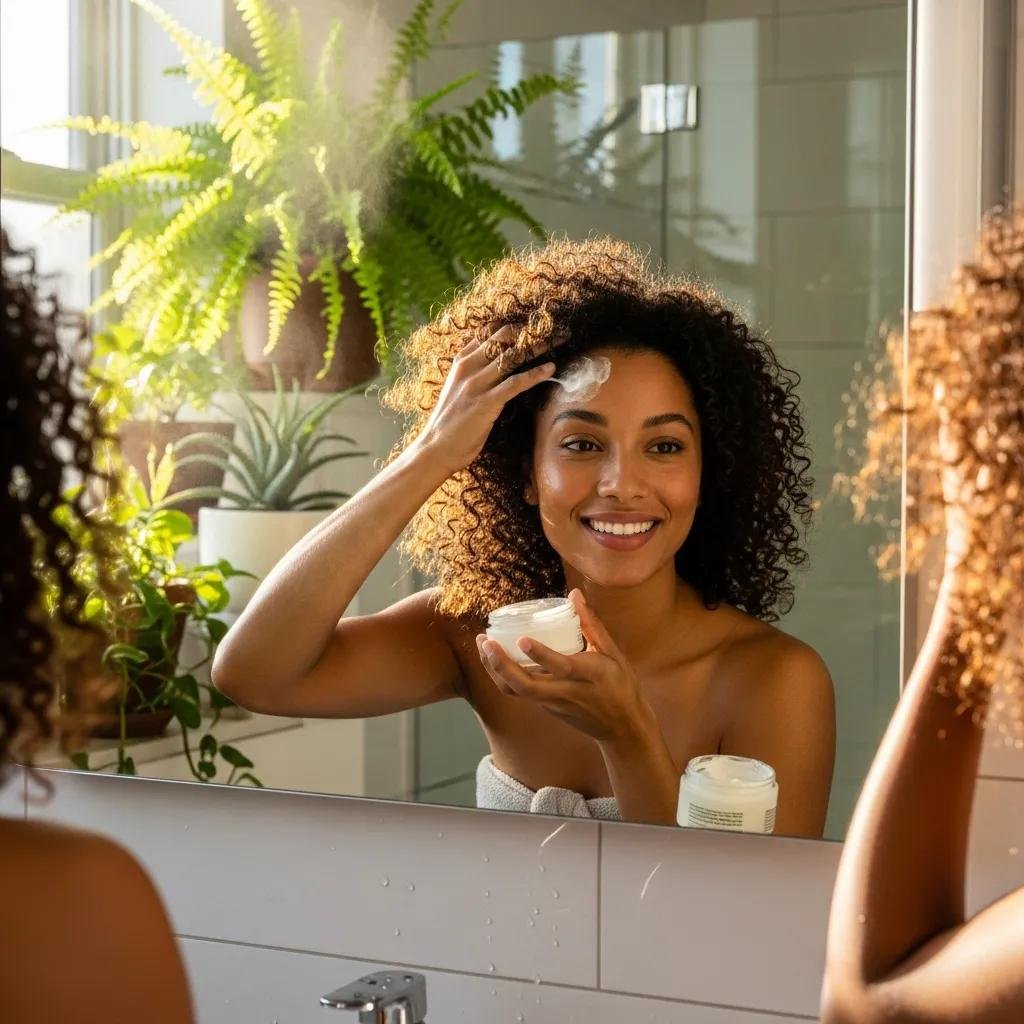
Frizz happens when the cuticle is disrupted, internal moisture is out of balance, or humidity interacts with porosity. To control it, smooth the cuticle, rebalance hydration, and create an external barrier against rapid moisture exchange. Practical tactics include applying products at the right time (usually on wet hair), sealing with occlusives, and using low-manipulation drying to protect clumps. Humectants, lightweight emollients, and film-formers all have roles depending on your climate and curl type — matching ingredient strategy to porosity and weather is key. The lists and ingredient comparisons below give targeted tips so you can reduce frizz and boost definition quickly.
Start with these application habits, then pair them with the ingredient choices in the following subsection for best results.
- Apply styling products to soaking-wet hair to encourage clumping and reduce friction.
- Use a leave-in with good slip before detangling to protect the cuticle and prevent breakage.
- Seal mid-lengths and ends with a lightweight oil or cream to lock in moisture and help block humidity.
- Choose protective drying methods — plopping or low-heat diffusing — instead of rough towel-drying to preserve cuticle alignment.
Combine these techniques with ingredient-aware product choices (summarized next) to match your curl pattern and local climate.
Different anti-frizz ingredients behave differently in humidity and across curl types; the table below highlights common options and when to use them.
Matching technique to ingredient choice is more effective than relying on any single miracle product. Next, we’ll cover moisturizing product strategies that keep that balance steady.
What Are the Best Products for Moisturizing and Nourishing Dry Curly Hair?
Moisture comes from layering complementary products: leave-in conditioners for ongoing hydration and slip, deep masks for intensive lipid and protein repair, and sealing oils or balms to retain that moisture. Leave-ins support daily styling, masks restore elasticity and strength on a deeper level, and natural oils or occlusives reduce transepidermal water loss. Build a routine that alternates lighter daily care with weekly or biweekly deeper treatments depending on porosity — high-porosity curls typically need more frequent sealing and richer masks. The comparison table below helps you choose by benefit, curl type, and recommended frequency.
At-a-glance comparison of moisturizing product types and their ideal uses.
In short: leave-ins for daily maintenance, masks for repair, and oils for sealing create a resilient moisture system that lowers frizz and breakage over time.
At Kylie Studio Salon we use professional-grade moisturizing treatments tailored to each client’s curl pattern and porosity. We’re based in Bethesda, MD, and offer haircuts, styling, highlights, color, perms, and treatments. We specialize in curly hair care. Owner and lead stylist Ruth has over 11 years of experience. Our strengths: curl-focused stylists, personalized service, a commitment to enhancing natural beauty, easy online booking, and positive local reviews on our Google Business Profile.
How Do Deep Conditioning Treatments and Leave-In Conditioners Benefit Curly Hair?
Deep treatments help rebuild lipids and protein balance, restoring elasticity and reducing breakage by repairing microscopic shaft damage. Leave-ins provide ongoing humectant support and slip so detangling and styling are gentler. The science is straightforward: penetrating emollients and humectants temporarily improve water affinity and flexibility, lowering mechanical stress during combing and styling. Use masks weekly if hair is high-porosity or chemically treated; every two to four weeks is usually enough for low-porosity hair. Apply leave-ins after rinsing to preserve post-wash hydration. These steps strengthen curls and set the stage for styling that keeps shape and volume.
That restorative foundation leads naturally to choosing the right oils and moisturizers, which we discuss next.
Which Natural Oils and Moisturizing Ingredients Are Most Effective for Curls?
Light oils like argan and jojoba work well as surface seals — smoothing cuticles and adding shine without heavy buildup. Denser oils like coconut penetrate more and can be useful as a pre-poo on certain hair types. Shea and heavier occlusives make great finishers for high-porosity or very dry ends. Humectants such as glycerin and panthenol draw moisture into the shaft but work best when humidity is controlled. Match choices to porosity: low-porosity curls usually benefit from light surface oils used sparingly; high-porosity curls often need richer oils and butters to restore lipids. Proper timing — pre-poo, layering after leave-in, or spot-sealing ends — gets the most from any ingredient without weighing hair down.
Right oil choice and timing help your hair stay moisturized between deeper treatments, which matters when you move on to styling and drying.
How Do You Style Naturally Curly Hair for Maximum Definition and Volume?
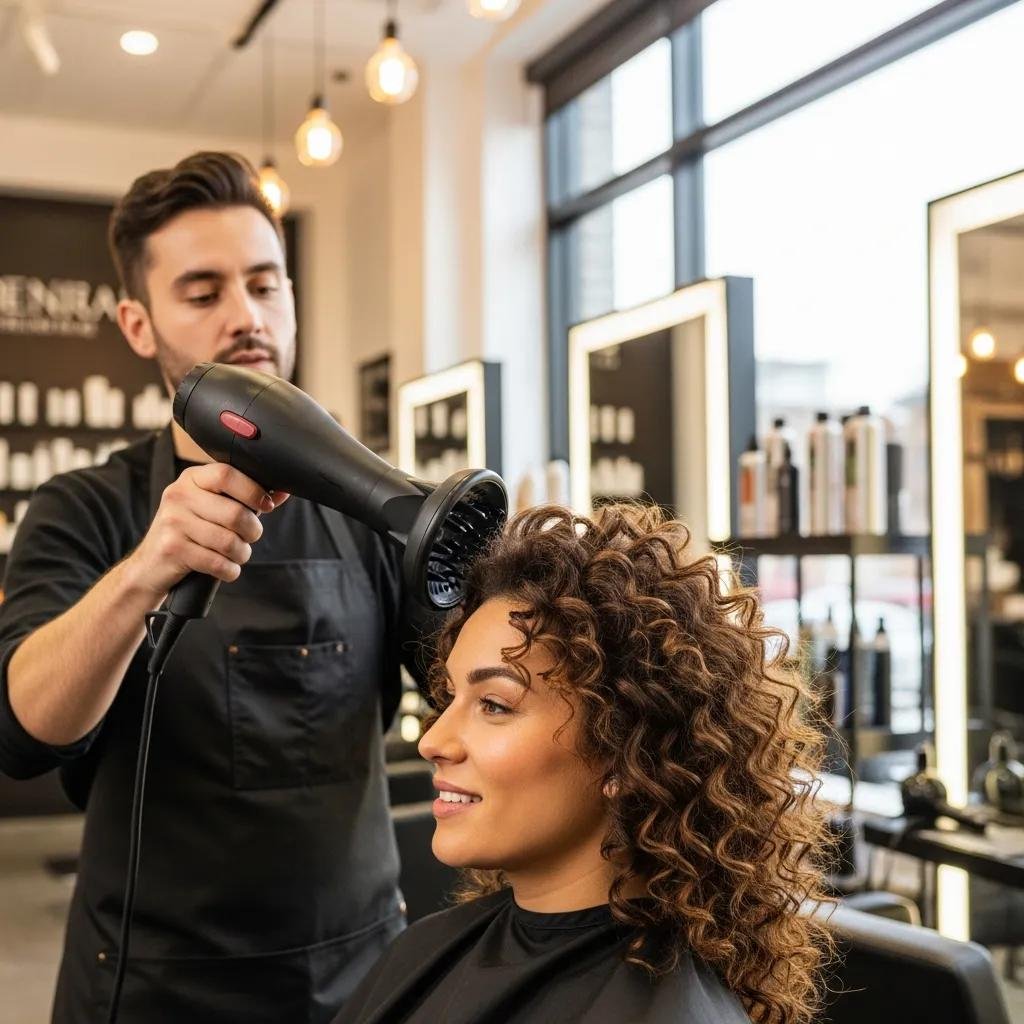
Getting both definition and volume means controlling product texture and placement, encouraging clumping without flattening roots, and protecting hair while it dries. Techniques like plopping, low-heat diffusing, finger coiling, and targeted root-lift (shake-and-fluff) give different balances of hold and lift depending on density and pattern. The most reliable approach is layering — leave-in, styling cream, then gel or mousse — applied in sections so distribution is even and clumps form naturally. Use the table below to compare methods by time, products, and typical results.
You can combine methods (for example, plop then diffuse) to speed drying while preserving shape. The next subsection gives step-by-step how-tos and pro tips for the most common techniques.
At Kylie Studio Salon we also offer styling sessions and consultations to teach advanced application and finishing techniques matched to your curl pattern. Based in Bethesda, MD, we provide haircuts, styling, highlights, color, perms, and treatments — all with a focus on curly hair. Ruth leads our work with more than 11 years’ experience. Our UVPs: curl-focused expertise, tailored service, a dedication to enhancing your natural beauty, easy online booking, and great local reviews.
What Are the Most Effective Curly Hair Styling Techniques?
For durable definition without crunchy stiffness, apply products to wet hair in sections. Use the praying-hands method for creams, then scrunch upward to encourage clump formation. If you use gel, scrunch out the crunch after hair is fully dry. Finger coiling creates precise ringlets by wrapping small subsections around a finger — ideal for tighter curls but time-intensive. Diffuse on low heat and low speed with your head tilted to lift roots while preserving curl shape; finish with cool blasts to set. Pro tips: pick a denser gel on humid days for longer hold, and experiment with product ratios so you don’t overload finer curls.
These techniques also set you up to preserve curls overnight, which we cover next so styles last multiple days.
How Can You Refresh and Protect Curls Overnight to Maintain Style?
Overnight protection is about low-friction tools and minimal manipulation to keep clumps and volume intact. Common methods: a loose “pineapple” topknot, a silk bonnet or pillowcase, and loose satin scrunchies for longer hair. To refresh, mix water with a small amount of leave-in or lightweight conditioner in a spray bottle, mist in sections, and gently scrunch to reactivate products and reform clumps. For second-day volume, flip hair and gently shake roots while using a cool diffuser, or add a dab of lightweight oil to ends to tame fuzz. These routines cut daily restyling time, reduce heat exposure, and lower friction-related breakage so your curls stay healthier long term.
Keeping styles overnight reduces daily heat and manipulation, which ties directly into the repair and maintenance strategies below.
What Are Common Curly Hair Challenges and How Can You Address Them?
Typical concerns are dryness, frizz, breakage, uneven shrinkage, and heat or chemical damage. The solution mix is assessment, targeted treatments, and routine tweaks that reduce mechanical and thermal stress on the shaft. Prevention focuses on gentle trims, matching protein/moisture to porosity, and cutting back on heat and aggressive handling. When damage exists, staged repair — evaluate porosity and breakage patterns, rebalance protein and moisture, then adopt protective styling — produces steady improvements over weeks to months. The lists below and the role of professional trims and dry cutting outline practical next steps for curl health.
Here are common problems and immediate at-home steps to begin repair and prevention:
- Dry, brittle curls: Increase deep conditioning, use leave-in humectants, and seal with oils after styling.
- Frequent breakage: Reduce combing, try protective styles, and add periodic protein treatments if porosity indicates need.
- Uneven shrinkage and shape: Consider dry cutting or curl-by-curl shaping to harmonize pattern and balance length.
These starter steps help right away; longer-term fixes often benefit from a professional’s eye, which we describe next.
How Do You Repair Damaged Curly Hair and Prevent Breakage?
Begin by assessing porosity and where breakage is happening — high porosity usually needs occlusive sealing and targeted protein, while low porosity often responds better to lighter conditioning and heat-assisted masks for penetration. A simple staged plan: (1) use gentle cleansing and lots of slip to avoid further mechanical damage, (2) alternate protein and moisture treatments for 4–8 weeks to restore elasticity, and (3) adopt low-manipulation protective styles and nightly protection to prevent recurrence. See a pro if you have widespread breakage, persistent split ends after trims, or chemical damage that affects elasticity — salon-strength protocols will help. Daily habits that support repair: wide-tooth combs, detangling in conditioner, and minimizing heat.
Repair pairs well with targeted shape maintenance, which a professional dry cut can deliver without compromising curl integrity.
What Is the Role of Regular Trims and Professional Dry Cutting in Curl Health?
Regular trims take away split ends that travel up the shaft and cause uneven shrinkage. Professional dry cutting sculpts curls in their natural, dry state so your stylist can see exactly how each curl sits — that enables curl-by-curl shaping that reduces bulk in the right places while preserving length and coil pattern. Trim frequency depends on growth and shape needs: many clients find light trims every 8–12 weeks keep form while deeper reshaping is occasional. Signs you need a dry cut include loss of shape, excess frizz from uneven ends, or weight flattening clumps. A professional dry cut pairs with a home routine that supports the salon shape between visits.
Professional shaping is most effective when paired with an individualized home routine tailored to your curl pattern and porosity, which we summarize below.
Why Choose Professional Curly Hair Care Services at Kylie Studio Salon in Bethesda?
We’re located in Bethesda, MD, and offer haircuts, styling, highlights, color, perms, and specialized treatments — with a particular focus on curly hair. Our owner and lead stylist, Ruth, brings over 11 years of experience. Our advantages: expert stylists who understand curl science, truly personalized service, a commitment to enhancing your natural beauty, simple online booking, and strong local reviews. Professional care matters because a salon assessment of pattern, porosity, and damage level unlocks techniques — like dry cutting and in-salon deep treatments — that are difficult to replicate at home. Below we outline our services, expected outcomes, and how to book a consultation so you can take salon knowledge into your daily routine.
This section explains the services, typical results, and how to schedule a consultation that helps you maintain salon-trained curl care at home.
What Specialized Curly Hair Techniques Does Kylie Studio Salon Offer?
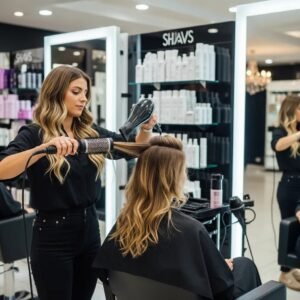
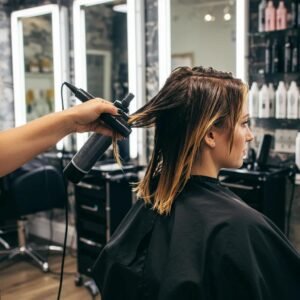
At Kylie Studio Salon we specialize in dry cutting and curl-by-curl shaping to preserve natural pattern while creating a flattering silhouette. We pair that with in-salon deep conditioning and repair treatments using professional formulations for deeper penetration and visible elasticity improvements. Dry cutting sculpts curls in their natural state so length and volume are balanced without relying on wet-length guesses. Our professional masks provide concentrated lipids and proteins in a controlled setting to repair structure. We also offer event styling and long-term maintenance plans that teach you product application and refresh techniques so results last longer at home. These services reduce daily maintenance and improve definition while cutting down on frizz.
Book a consultation with a specialist to get a personalized routine you can use between visits.
How Does Expert Guidance from Stylist Ruth Enhance Your Curly Hair Care Routine?
Ruth starts with a thorough consultation to evaluate curl pattern, density, porosity, and lifestyle. From that she builds a personalized routine focused on product picks, application timing, and technique coaching you can replicate at home. Ruth emphasizes hands-on education — sectioning, product order, and drying methods — so clients leave with practical skills, not just recommendations. She also gives follow-up guidance on trim cadence and treatment schedules to sustain progress. Our local reputation and easy online booking make ongoing maintenance straightforward. That combination of assessment, coaching, and check-ins is often the fastest route from confusion to confident, manageable curls.
If you’d like personalized support, call Kylie Studio Salon at 301-922-7864 to discuss a consultation and available services. We’re in Bethesda, MD, and offer haircuts, styling, highlights, color, perms, and treatments — all with a focus on curly hair. Owner/stylist Ruth has over 11 years of experience. Our strengths: expert curl stylists, tailored service, a commitment to enhancing natural beauty, easy online booking, and positive local reviews.
Frequently Asked Questions
What are the best techniques for detangling curly hair without causing damage?
Detangle gently and deliberately. Work on soaking-wet hair with a generous leave-in or detangler to give slip. Use your fingers or a wide-tooth comb and start from the ends, moving upward to the roots to avoid pulling. Detangle in manageable sections to stay thorough and reduce stress on the shaft. The goal is slow, patient movement rather than force.
How often should I wash my naturally curly hair?
Washing frequency depends on your hair type, porosity, and lifestyle. Generally, curly hair benefits from less frequent shampooing — around once a week (every 5–7 days) — to preserve natural oils and moisture. If your scalp gets oily or buildup accumulates, try co-washing with a gentle conditioner between shampoos instead of daily shampooing.
What are the signs that my curly hair needs a trim?
Look for split ends, increased frizz, loss of shape or bounce, dry and brittle ends, or hair that tangles more than usual. If curls feel heavy or uneven, a trim can remove damaged sections and restore movement. Aim for light trims every 8–12 weeks, adjusting to your growth and shape goals.
Can I use regular hair products on curly hair?
You can, but products formulated for curls typically give better results. Regular products may contain sulfates, heavy oils, or unwanted silicones that weigh curls down or cause buildup. Choose sulfate-free cleansers, conditioners with slip, and styling products designed to enhance curl definition and control frizz. Ingredients like glycerin, natural oils, and targeted humectants are especially helpful for curls.
How can I protect my curls from heat damage?
Always use a heat protectant before any heat styling. Limit heat to once a week or less and use lower temperature settings. Prefer air-drying or diffusing on low heat when possible. Regular deep conditioning helps maintain elasticity, and never apply high heat to soaking-wet hair. Protective styles also reduce the need for heat.
What should I do if my curls are losing definition throughout the day?
Refresh with a lightweight revitalizing spray — water mixed with a touch of leave-in or conditioner — and gently scrunch to reactivate product and reform clumps. Make sure you’re using the right products for your curl type and applying them in the right order. Avoid excessive touching, which increases frizz. Protective styles can also help preserve shape between washes.
Conclusion
Curly-hair care is a process of learning your hair’s needs and building a routine that balances moisture, protection, and practical styling. With the right techniques, products, and occasional professional support, you can reduce frizz, improve moisture retention, and enjoy more defined, resilient curls. If you’d like one-on-one guidance, schedule a consultation at Kylie Studio Salon — we’ll help you build a routine that fits your curls and your life. Embrace your curls and take the next step toward your best hair.