Hair Color Correction in Bethesda, MD — Restore Your Color, Shine, and Confidence
Color correction is the salon process of repairing, neutralizing, or rebalancing unwanted pigment so your color looks healthy and flattering again. Below we explain how correction differs from routine color, which problems—like brassiness, patchy highlights, or box-dye mishaps—need a staged approach, and what tools stylists use (toner, gloss, bleach, developer, bond builder). You’ll also get a clear picture of diagnostic steps, realistic timelines, and the aftercare that keeps results looking their best. If you want local help in Bethesda, Kylie Studio Salon accepts consultations and online booking to build a personalized correction plan.
What Is Hair Color Correction and Why Is It Essential?
Hair color correction is a set of targeted salon techniques used to fix unintended tones, uneven pigment, or damage from previous color work. A corrector first diagnoses the hair’s current pigment and porosity, then uses strand tests, selective lightening or color removal, and toning to rebalance the shade. The goal is even color, improved shine, and a lower risk of future breakdown because we treat both pigment and hair health. Professional correction matters because chemical interactions—developer strength, underlying pigment, and hair history—dictate safe, effective choices that protect your hair while achieving the look you want.
Common problems color correction addresses include:
- Brassiness and warm undertones after blonde services.
- Uneven highlights or patchy color from inconsistent lift or application.
- Box-dye mistakes that leave a muddy or unflattering overall shade.
Fixing these issues safely takes experience: colorists rely on strand testing, bond-building treatments, and targeted toning instead of blanket peroxide or random over-the-counter products. Understanding how correction differs from a regular color service helps you set realistic goals and pick the right follow-up care.
How Does Hair Color Correction Fix Common Issues Like Brassiness and Uneven Tones?

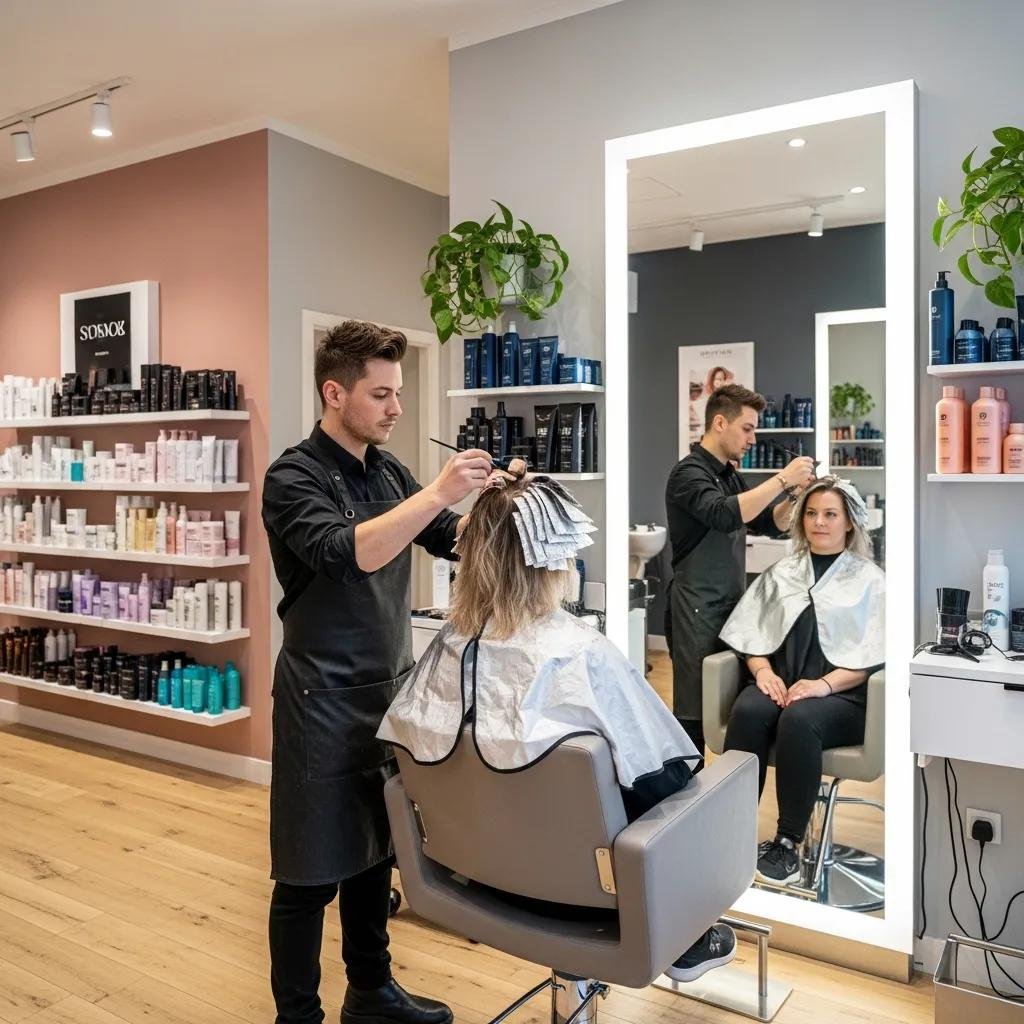
Correction follows a clear workflow: diagnosis, pre-treatment, selective adjustment, toning/glossing, then aftercare to stabilize the result. We begin with strand tests to understand underlying pigment and porosity and decide whether lift or pigment removal is needed. Then we use controlled tools—bleach for precise lift, color removers when appropriate, and toners or glosses to neutralize warmth. Bond-building and conditioning treatments reinforce the structure, and follow-up visits let us fine-tune tone.
- Diagnose underlying pigment and porosity with strand testing.
- Pre-treat damaged areas and apply selective lift or color removal.
- Tone with a toner or gloss to neutralize brass and balance highlights.
- Finish with bond-building treatments and plan maintenance.
This staged approach reduces risk and gives predictable results—less brass, more balanced highlights, and improved texture—because each step addresses both pigment and hair integrity without over-processing. That’s why complex corrections are often done over multiple appointments instead of one aggressive session.
What Causes Bad Hair Dye Results and Box Dye Disasters?
Poor dye outcomes usually come from mismatched developer strength, incorrect processing time, unaccounted color history, or uneven porosity that causes inconsistent lift. Box dyes commonly can’t lift existing artificial pigments or they lay color over a previously lightened base, producing muddy, uneven tones. Porous hair from earlier chemical work absorbs pigment unevenly, which creates streaks or patchiness. Spotting signs like unexpected warmth, patchy lift, or fragile fiber helps a pro choose a safer corrective route.
After a box-dye disaster, a measured plan is key: don’t blanket re-color, perform strand tests, and prioritize repair-first techniques like color removal or selective rebalancing with bond-builders. Quick at-home fixes—stronger developer or extra dye—often worsen porosity and unpredictability. Professional intervention gives the best chance of restoring an even, wearable shade.
How Does Kylie Studio Salon Deliver Expert Hair Color Correction in Bethesda?
At Kylie Studio Salon we put hair health first. Corrections start with a detailed consultation and diagnostic testing that inform a customized plan. We review your color history, perform strand tests, and stage applications—using toners, selective lightening, glosses, and bond-building treatments—to balance pigment while protecting integrity. Ruth, our owner and color specialist, is experienced in correction and builds individualized strategies so clients reach realistic, sustainable results. You can book a consultation online, and we’ll recommend the number of sessions based on your hair’s condition and goals.
Our corrective process pairs technical precision with clear communication and practical aftercare. Decisions—whether to remove color or rebalance gradually—are based on strand-level evidence and your desired outcome. We explain timelines and follow-ups up front, which reduces surprises and keeps long-term color health the priority.
What Is Our Comprehensive Color Correction Process?
We begin with an intake that captures your color history, recent chemical services, and goals, followed by visual inspection and strand testing to determine porosity and underlying pigment. From there, the stylist maps a staged plan that may include selective lightening, color removal, toning with a neutralizing gloss, and bond-building treatments to reinforce structure. Sessions are paced to limit cumulative chemical stress—often spread across multiple visits when hair shows significant damage or unpredictable pigment. After each visit we prescribe maintenance steps and schedule refresh appointments to protect tone and integrity.
This sequence keeps interventions targeted and safe while letting us make steady progress toward your final shade without compromising hair health. You’ll leave with a clear at-home plan and an estimate of how many sessions you’ll likely need.
Why Choose Ruth, Our Color Correction Specialist, for Your Hair Repair?
Ruth combines focused color correction experience with a client-first approach. She uses methodical strand testing, selects toners and bond builders with care, and communicates realistic outcomes clearly. Clients appreciate her thorough diagnostics and the custom plans she builds to protect hair health while delivering great color. If you want a local Bethesda expert who values both aesthetics and integrity, booking a consultation with Ruth at Kylie Studio Salon is the right next step.
Ruth favors long-term strategies—maintenance glosses and bond-building follow-ups—so corrected color stays stable between appointments. That mix of technique, transparency, and care helps clients rebuild both shade and confidence.
Which Hair Color Problems Can We Correct at Kylie Studio Salon?
We correct a wide range of pigment and application issues, from mild brassiness to complex box-dye remediation, with solutions tailored to each case. Our approach diagnoses the cause—uneven lift, residual artificial pigment, or porosity—and selects tools like toners, targeted lightening, color removers, and bond builders to restore balance. Plans weigh desired results against hair health and often favor progressive fixes over single aggressive treatments to preserve integrity.
Below is a quick reference linking common color problems to their usual causes and professional fixes so you can identify the likely pathway for your hair.
Different corrective problems and professional approaches:
How Do We Fix Brassy Hair and Uneven Highlights?
We start by assessing remaining underlying pigment and hair porosity, then pick a toning strategy to neutralize unwanted warmth. Surface-level brass is often fixed with a toner or gloss containing blue or purple pigments; if porosity is high, we use a bond builder alongside toning. For uneven highlights, we re-apply color selectively or use low-volume lift in targeted sections to even the canvas before a final balancing toner.
Technique choices range from demi-permanent glosses that add shine and adjust tone without extra lift, to controlled lift combined with intensive conditioning when highlights need correction. These targeted steps minimize stress and yield smoother, more consistent results.
Can We Repair Hair Damage After Color and Box Dye Mistakes?
Repair begins with rebuilding the hair’s structure before attempting major color changes—healthy fiber holds color better. Bond-building treatments, deep conditioning, and strategic trims reduce breakage and create a safer base for later color work. Often we alternate restorative treatments with conservative color adjustments in progressive sessions to avoid further weakening already compromised hair.
Set realistic expectations: severely damaged hair may need staged repair and some cosmetic compromises at first, with fuller color goals reached once strength improves. A repair-first mindset prevents repeated corrective cycles that can worsen damage and ensures more durable results over time.
What Should You Expect During a Hair Color Correction Consultation?
A color correction consultation is a diagnostic meeting that lays out a safe, effective plan by reviewing your hair history, assessing condition, and mapping realistic outcomes. The stylist reviews past color processes, inspects porosity and elasticity via strand testing, and discusses your target shade and willingness to maintain it. From that, we outline likely steps—single-session touch-ups versus multi-session staging—timelines, and follow-up needs. You’ll leave with a clear recommendation that balances aesthetic goals and hair health.
What the consultation typically covers:
- Hair history review to understand past dyes and treatments.
- Strand testing to determine porosity and lift potential.
- Goal alignment to set realistic color and maintenance expectations.
- Session planning to estimate visits and aftercare needs.
These items ensure transparent planning and help you decide whether to proceed or start with restorative treatments first. Ready to book? Kylie Studio Salon offers online scheduling for consultation appointments at our Bethesda location to evaluate complex cases in person.
How Do We Assess Your Hair and Customize Your Color Correction Plan?
Assessment combines visual cues—color swatches, strand lift results, and how the hair feels—to balance desired tone with structural safety. We translate strand-test results into a graded plan: low-risk corrections may happen in one visit, while high porosity or heavy artificial pigment calls for staged work with restorative steps in between. We also factor in your lifestyle and how often you want to visit the salon, which helps decide whether to take a gradual tone shift or aim for faster rebalancing.
This personalization reduces surprises and raises the odds of a stable, flattering result you can maintain with realistic effort and the right products.
What Are the Typical Timeframes and Costs for Color Correction Services in Bethesda?
Time and cost depend on the extent of correction, hair length, existing damage, and whether multiple sessions are required to protect the fiber. A minor toning session can take a few hours; more complex corrections often span two to four visits spaced weeks apart to preserve hair health. Instead of fixed prices, we give tailored estimates after an in-person assessment so quotes accurately reflect technical needs.
Factors that influence timing and cost include whether color removal is needed, the product volume and processing time, and recommended bond-building treatments between sessions. For a precise plan and clear estimate, schedule a consultation with Kylie Studio Salon’s color expert in Bethesda.
How Can You Maintain Hair Health After Color Correction?
Keeping hair healthy after correction means following a consistent regimen that protects tone and rebuilds strength: color-safe cleansers, layered conditioning, and periodic in-salon maintenance. At home, use sulfate-free shampoos and conditioners made for color retention and follow any bond-support routines your stylist recommends. In-salon glosses, targeted touch-ups, and bond treatments extend the life of corrected color and reduce the need for aggressive fixes later.
Below is a comparison of recommended aftercare options and suggested frequency to support lasting results.
What Aftercare Treatments and Products Do We Recommend?
We recommend a focused set of products and services that protect color and strengthen the hair: a sulfate-free shampoo, a moisturizing color-safe conditioner, and a tailored bond-support routine. In-salon services—professional glosses and bond-building protocols—boost shine and reinforce structure without stripping color. Frequency and product choice depend on porosity and lifestyle; your stylist will create a personalized at-home regimen and a timing plan for salon visits to keep color looking its best.
Consistent maintenance preserves vibrancy and reduces how often you need full corrections. Following your stylist’s personalized schedule delivers the best long-term results.
How Does Kylie Studio Salon Support Long-Term Hair Color Health?
We support long-term color health with personalized maintenance plans combining at-home product guidance and scheduled salon services. Stylists suggest rhythms—glossing, targeted trims, and bond treatments—based on the initial correction and your upkeep preferences. Our consultative approach ensures each follow-up visit is purposeful and product choices reinforce salon work between appointments.
By coordinating in-salon care with practical home routines, we help clients avoid frequent full corrections and preserve both shade and strength over time. We encourage regular check-ins to monitor tone and structural health.
Where Can You See Real Results of Our Hair Color Correction Expertise?
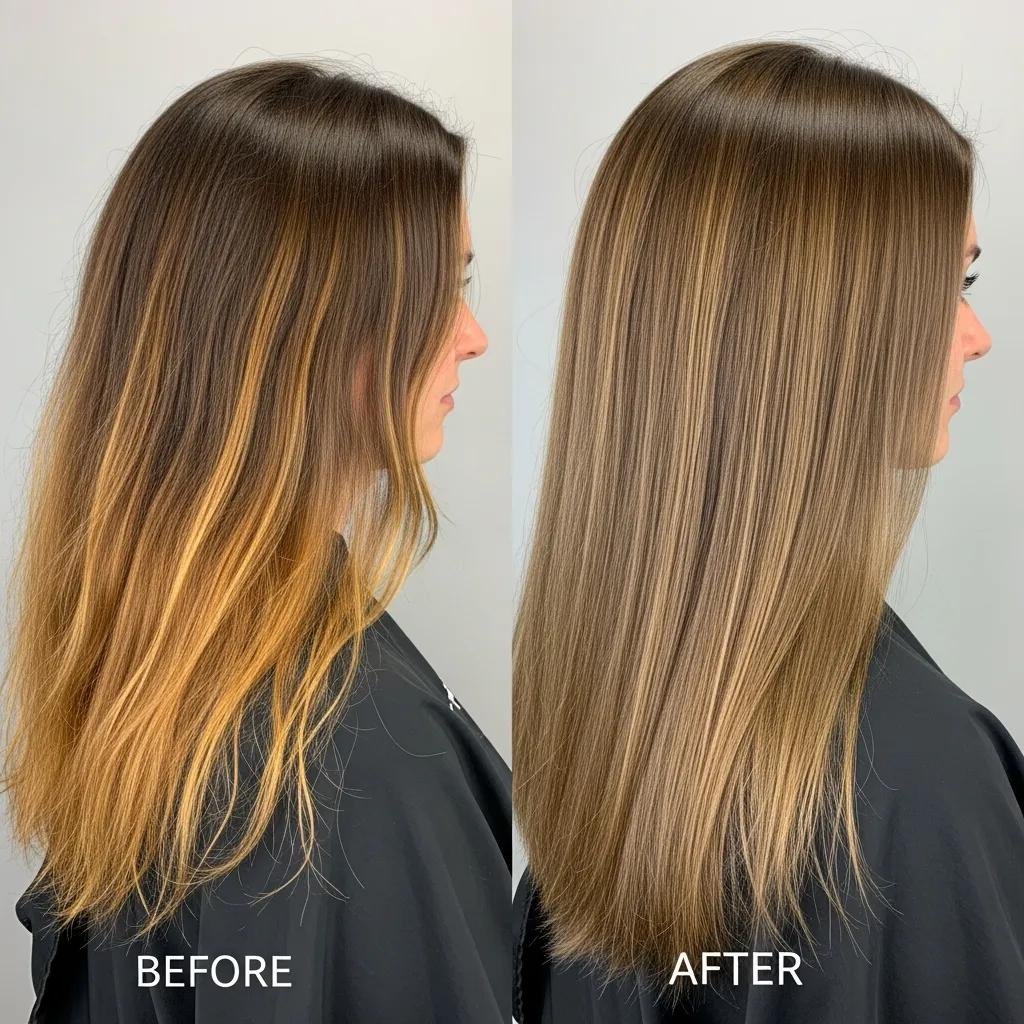
Before-and-after images and case notes are the best way to evaluate a stylist’s correction work. Our curated gallery explains the original issue, the corrective steps taken, and the maintenance plan that followed so you can see realistic transformations. Client feedback—notes about listening, skill, and results—adds social proof and helps set clear expectations before a consultation.
For clients who want to confirm outcomes, Kylie Studio Salon keeps a portfolio of corrective cases with context for each photo: the problem we solved, the techniques used, and how follow-up care preserved the result. Reviewing the portfolio before a consultation helps set realistic, health-first goals.
Can You View Our Before and After Color Correction Gallery?
Yes—our gallery shows case examples that outline the technical challenge, corrective steps, and eventual results so viewers can interpret outcomes accurately. Captions note the original issue (for example, brassy blonde or uneven box-dye), the sequence of interventions (strand tests, selective lift, toner, bond builder), and the recommended maintenance. Clear alt text and descriptive labels make the gallery both proof of skill and an educational tool for clients considering similar fixes.
Seeing labeled examples helps you understand how staged corrections move toward stable, wearable shades while protecting hair health. Use the gallery as a practical reference for what to expect during and after corrective work.
What Do Clients Say About Their Color Correction Experience with Ruth?
Client feedback consistently highlights Ruth’s careful assessment, tailored plans, and results that balance aesthetics with hair health. Reviews mention clear consultations, the steady pace of staged work when needed, and satisfaction with tone and texture after treatments. You can read full client reviews on our site to confirm consistent, reliable outcomes.
These recurring themes—thoughtful diagnosis, clear communication, and lasting results—offer practical reassurance when choosing a color correction specialist in Bethesda and help explain why clients book consultations with Ruth at Kylie Studio Salon.
Frequently Asked Questions
What should I do if I experience hair color fading after correction?
If your color fades after a correction, follow your aftercare routine: use sulfate-free shampoos and conditioners made for color-treated hair and avoid excessive heat. In-salon gloss treatments every 6–12 weeks help refresh tone and add shine. If fading continues, check in with your stylist—they may adjust your home products or suggest an in-salon treatment to boost longevity.
How can I prevent future color mishaps after a correction?
Prevent mishaps by following your stylist’s aftercare plan, using the recommended products, and avoiding at-home color experiments. Regular maintenance appointments keep color balanced, and consulting a professional before any DIY coloring prevents risky results. Your stylist can recommend safe product choices that match your hair’s condition and history.
Is hair color correction safe for all hair types?
Color correction can be safe for most hair types when the approach is tailored to individual condition. Porosity, past chemical work, and overall hair health guide our choices. During a consultation a professional stylist will assess these factors and design a plan that minimizes damage while aiming for the desired result. Always share your hair history and concerns so we can choose the safest route.
How long does a typical hair color correction take?
Correction time varies with complexity and hair condition. Simple corrections can take a few hours; more complex cases may need multiple sessions over several weeks. Individual sessions typically last 2–4 hours depending on techniques used and outcome goals. Your stylist will give a more accurate timeline during the initial consultation.
What are the signs that I need a color correction?
Signs you may need correction include noticeable brassiness, uneven color, or a shade that clashes with your skin tone. Patchy highlights or dramatically faded color are also indicators. If a box dye didn’t turn out as expected, professional correction is often the best choice. If you’re unsure, book a consultation and a stylist will assess whether correction is needed and suggest next steps.
Can I do hair color correction at home?
Minor adjustments can be done at home, but significant corrections are best left to professionals. Over-the-counter fixes and home remedies can miss underlying issues or make porosity worse. Trained colorists have the tools and experience to assess hair safely and apply the right techniques. For the healthiest, most reliable results, seek professional help for color correction.
Conclusion
Hair color correction can restore your hair’s natural beauty and confidence by addressing brassiness, uneven tones, and other color problems with professional techniques. Choosing a skilled colorist ensures your hair’s health stays front and center while you reach your aesthetic goals. If you’re in Bethesda, Kylie Studio Salon offers personalized consultations to map out your correction journey—book an appointment to take the first step toward vibrant, healthy hair.