How Exercise Supports Healthy Hair: Boosting Scalp Circulation and Hair Vitality
Moving your body does more than tone muscle — it also helps your hair. Regular activity increases scalp blood flow, delivering oxygen and nutrients directly to follicles and supporting a stronger growth cycle. This article lays out the physiology behind exercise and scalp perfusion, highlights the most effective workouts for hair vitality, and shows how fitness pairs with nutrition, scalp care, and salon services to get the best results. Many people miss how cardio, targeted yoga, resistance work, and even a simple scalp massage each lend support to follicle health. We break down the mechanisms, offer practical routines, and share evidence-backed tips so you can put them into action. You’ll learn which exercises reliably increase scalp circulation, how reduced stress and better hormonal balance from training protect against shedding, and step-by-step ways to combine workouts with post-exercise hair care and salon treatments for lasting manageability. We also include comparison tables that map exercise types to physiological effects and salon services to real benefits for active clients — plus local, actionable suggestions for Bethesda. Read on to understand the science and adopt straightforward routines that amplify the hair-health gains from your fitness plan.
How Does Exercise Improve Scalp Blood Flow and Hair Health?
Exercise raises heart rate and cardiac output, which increases capillary perfusion across the body — including the scalp — improving oxygen and nutrient delivery to hair follicles. That supply supports the energy needs of follicular cells during the anagen (growth) phase and helps clear metabolic waste that can interfere with hair production. Research shows regular, moderate-intensity activity improves microcirculation systemically, which tends to translate into better scalp perfusion and a reduced risk of a telogen shift caused by poor blood flow. The bottom line: consistent physical activity combined with targeted scalp care creates an environment where follicles are likelier to stay in growth mode and resist premature shedding. Below is a concise table that links common exercise categories to their main physiological effects and expected hair-health outcomes.
Different kinds of exercise affect scalp perfusion and follicle health through distinct physiological pathways.
This mapping makes it easier to see how different workouts contribute uniquely to scalp circulation and why a combined approach delivers broader benefits for hair vitality. Knowing the mechanisms helps you pick the right exercise mix for scalp health.
What Is the Role of Scalp Circulation in Hair Growth?
Scalp circulation brings oxygen, amino acids, and micronutrients to the follicle microenvironment — essentials for the energy-heavy work of hair production during anagen. Follicular keratinocytes and the dermal papilla rely on steady perfusion to make keratin and build a healthy hair shaft; insufficient blood flow can push follicles into catagen or telogen, increasing shedding. Studies link improved microvascular supply with larger, denser follicles, while better lymphatic and venous clearance helps remove metabolic byproducts that could hinder growth. Simple scalp-care habits — regular massage and avoiding prolonged tension from tight hairstyles — support the circulation gains you get from exercise. These local measures bridge systemic cardiovascular benefits and follicle-level health; next we’ll connect circulation to nutrient delivery.
How Does Increased Blood Flow Deliver Nutrients to Hair Follicles?
Greater blood flow improves delivery of key building blocks — amino acids from dietary protein, iron carried by transferrin, and fat-soluble vitamins — into the follicular microenvironment where they fuel keratin synthesis. Exercise increases cardiac output and recruits capillaries, raising oxygen tension and enabling more efficient nutrient diffusion across the dermal papilla into follicle cells. That cascade supports cellular respiration and ATP production in keratinocytes, which helps maintain steady hair-shaft production and lowers the chance of temporary shedding. For best results, pair aerobic or resistance sessions with protein-rich meals and foods high in iron and vitamin D so the circulation boost has the substrates follicles need. Improving nutrient availability complements perfusion gains and makes exercise-driven improvements more measurable in hair strength.
Which Exercises Are Best for Boosting Hair Growth and Scalp Vitality?
Certain exercise categories reliably improve scalp circulation or create hormonal conditions that favor hair retention. Prioritize cardiovascular conditioning, targeted yoga, resistance training, and regular scalp massage for a balanced program. Cardio raises heart rate and systemic perfusion; yoga and gentle inversions give short-term cranial blood flow and calm the nervous system; resistance training supports insulin sensitivity and anabolic hormones; and scalp massage provides direct local stimulation. For most people, a weekly routine that mixes 3–4 cardio sessions, 2 resistance workouts, and 2 calming yoga or stretching sessions hits both circulation and hormonal benefits. Below is a ranked list with one-line benefits to help you build an effective weekly plan.
Top exercise categories for scalp circulation and hair vitality:
- Cardiovascular Workouts: Raise heart rate to boost systemic and scalp perfusion.
- Yoga and Inversions: Temporarily increase cranial blood flow and lower stress.
- Strength Training: Improve hormonal balance and insulin sensitivity to support follicles.
- Scalp Massage: Directly stimulates capillaries and enhances nutrient exchange.
This ranking helps you design a routine that targets both overall circulation and local follicle stimulation. The following sections explain how to apply each category safely and effectively.
How Do Cardiovascular Workouts Enhance Scalp Circulation?
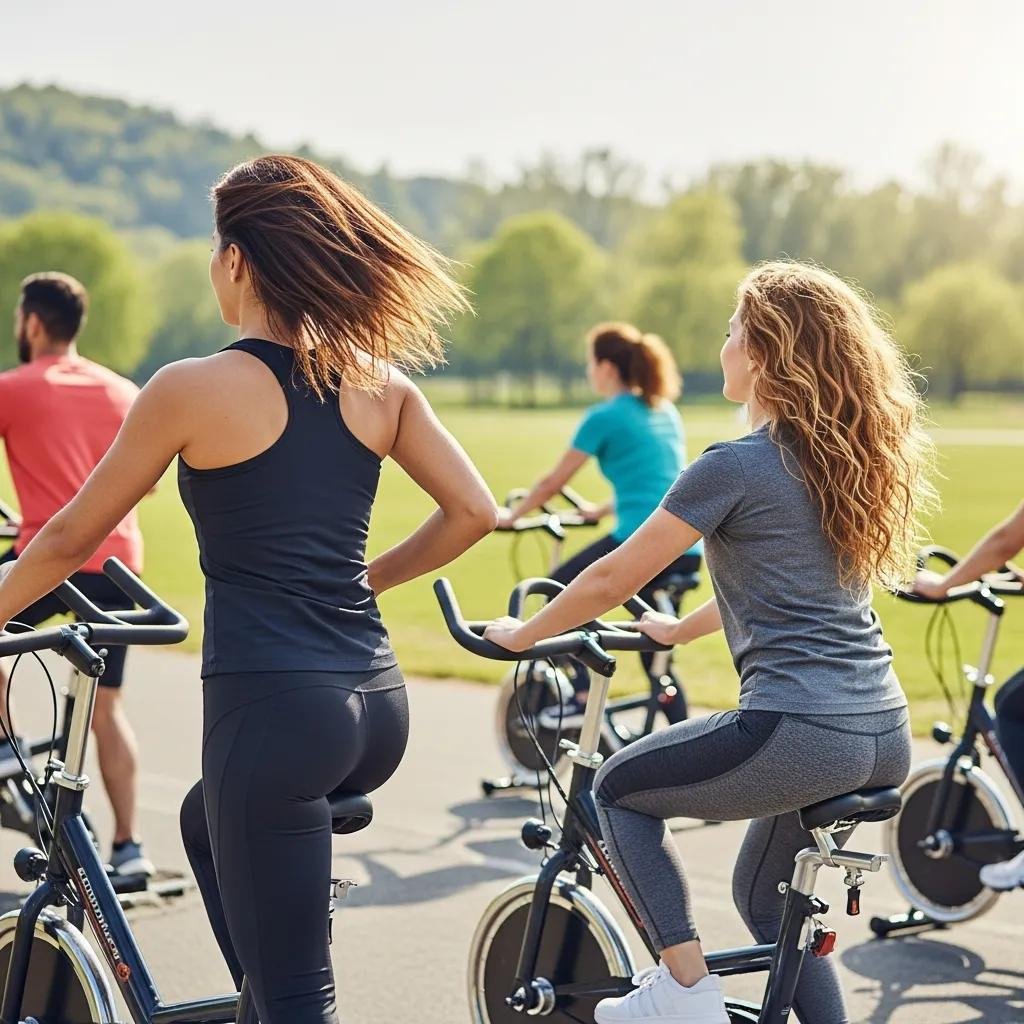
Cardio increases heart rate and stroke volume, raising systemic perfusion and activating capillary beds — including those in the scalp. Moderate-intensity sessions of 25–45 minutes, three to five times a week, are effective for sustained microcirculation improvements; activities like jogging, brisk walking, cycling, or swimming are easy to scale for most fitness levels. Interval formats (short, higher-intensity bursts with recovery) can further stimulate vascular adaptation and improve endothelial function, supporting long-term perfusion gains. To make these changes count for hair, stay hydrated, refuel after workouts, and avoid prolonged scalp constriction during exercise. With consistent cardio, improved scalp blood flow becomes a steady foundation for follicle nutrient delivery and growth.
What Yoga Poses and Inversions Stimulate Hair Follicles?
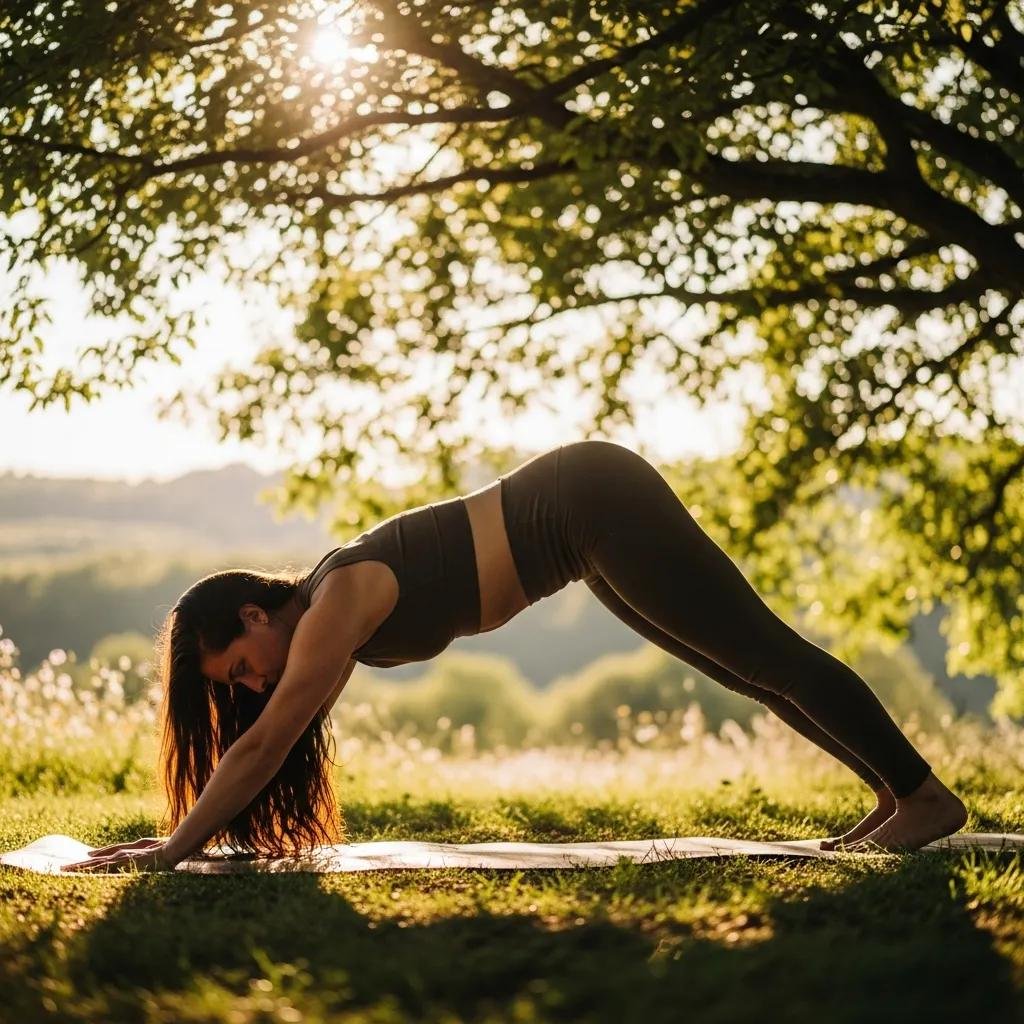
Yoga poses that place the head below the heart or encourage gentle cranial blood flow — like Downward Dog, Forward Fold, and Legs-Up-The-Wall — can temporarily boost scalp circulation while promoting relaxation. Advanced inversions (headstands, shoulder stands) offer similar effects but should be learned gradually and with proper guidance; beginners can use supported variations or props to get benefits safely. Practice these poses for 3–5 minutes within a calming sequence two to three times a week to combine short-term circulation increases with stress reduction. Safety note: people with hypertension, neck problems, or glaucoma should modify or avoid full inversions and choose gentler options. Adding these yoga elements complements the longer-term cardiovascular adaptations from aerobic training.
How Fitness and Circulation Boost Hair Vitality
Exercise helps control stress hormones and balance other key signals through several pathways: it lowers baseline cortisol, raises endorphins and mood-supporting neurotransmitters, and improves insulin sensitivity and androgen balance via muscle metabolism. Chronic stress and elevated cortisol are linked to telogen effluvium and diffuse shedding, so regular activity that reduces stress reactivity and improves sleep can prevent stress-related hair loss. Combining aerobic workouts with mind-body practices (yoga, breathing exercises) produces synergistic reductions in cortisol and sympathetic tone, while resistance training supports anabolic hormones and metabolic health that favor follicle maintenance. In short, a balanced fitness program both reduces stress-induced shedding and creates a hormonal environment that supports normal hair cycling. Below are targeted, practical recommendations you can add to your routine.
Practical fitness and stress-management recommendations:
- Regular Moderate Cardio: Lowers baseline cortisol and steadies mood.
- Mind-Body Sessions: Yoga or breathwork helps calm acute stress responses.
- Resistance Training: Supports hormone regulation and insulin sensitivity.
What Is the Impact of Cortisol Reduction on Hair Loss Prevention?
Lowering cortisol with consistent physical activity reduces the chance of stress-triggered telogen effluvium by keeping the hair growth cycle more stable and preventing follicles from entering resting phases prematurely. Observational studies and clinical experience link sustained stress to increased shedding and slower anagen progress, while interventions that lower cortisol — regular exercise, better sleep, relaxation techniques — support a return to normal cycling. Workouts that combine moderate cardio with recovery and sleep hygiene are especially effective at reducing nocturnal cortisol spikes and building hormonal resilience. Practically, aim for steady weekly movement plus at least one restorative session (yoga or guided breathing) to keep cortisol rhythms balanced and protect follicle dynamics. Recognizing cortisol’s role makes stress management a core part of any hair-preservation plan.
How Does Exercise Promote Hormonal Balance Supporting Hair Growth?
Exercise improves hormonal balance by enhancing insulin sensitivity, increasing beneficial anabolic signaling, and moderating androgen activity through reduced body fat and improved metabolism. Resistance training activates growth-factor pathways and releases muscle-derived myokines that support an overall anabolic state — important because metabolic disruption can harm follicle health. Cardio helps maintain healthy body composition and lowers chronic inflammation, both of which influence hormones tied to hair loss. A practical plan of two to three resistance sessions plus three cardio sessions per week creates a hormone-friendly environment without overtraining (which can raise cortisol). These hormonal improvements complement better circulation, giving a multi-layered defense against shedding and poor texture.
How Can You Integrate Fitness with Holistic Hair Care and Salon Treatments?
Pairing fitness with thoughtful hair care amplifies results: rinse sweat after workouts, use lightweight conditioners to prevent buildup, prioritize hydration, and schedule salon treatments for repair and maintenance. Post-workout habits — gentle cleansing to remove sweat and oil, a hydrating conditioner focused on ends, and air-drying or low-heat styling — help preserve scalp health and reduce mechanical damage. Nutrition and hydration (adequate protein, iron, omega-3s, and daily water goals) ensure the circulation boost has the substrates follicles need; timing protein- and nutrient-rich meals within a few hours of workouts helps optimize uptake. The table below shows how salon services can support an active lifestyle and address common post-workout hair concerns.
This comparison shows how salon services can be scheduled and selected to reinforce your fitness gains. Next, we’ll cover simple nutrition and hydration tips that pair well with these treatments.
What Nutritional and Hydration Tips Complement Your Fitness Routine for Hair Health?
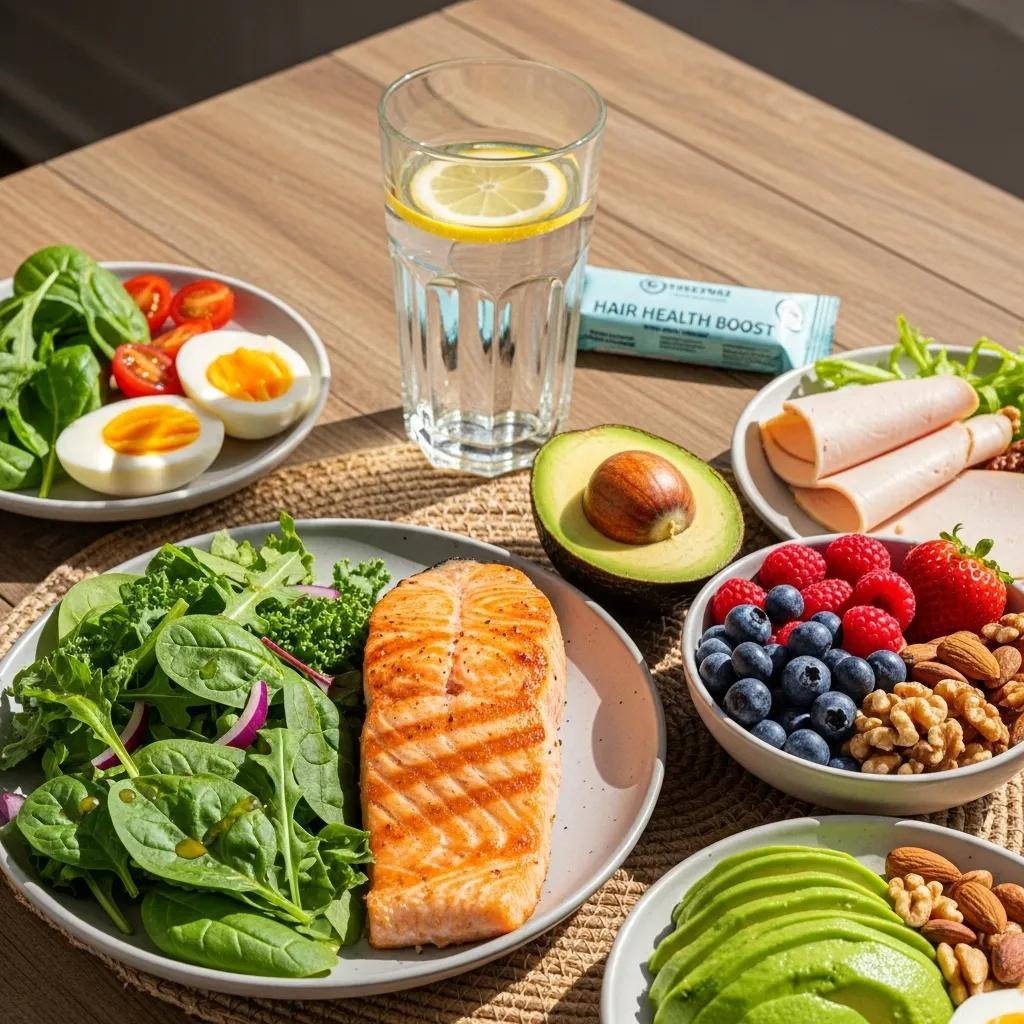
Active people should prioritize protein, iron-rich foods, vitamin D, omega-3s, and steady hydration to support follicle repair after exercise-driven circulation increases. Aim for protein at each meal for amino acids used in keratin production, include iron paired with vitamin C for better absorption, and add fatty fish or plant-based omega-3 sources to reduce inflammation and support scalp microcirculation. Match daily water intake to sweat losses — drink before, during, and after workouts — and consider electrolytes during long sessions to maintain perfusion and cellular hydration. Easy food choices include lean meats, legumes, leafy greens, fortified dairy or alternatives, nuts, and seeds. Spacing nutrients across the day gives follicles a steady supply. These nutrition and hydration habits strengthen the physiological gains from exercise and set the stage for salon and topical treatments to be more effective.
How Do Kylie Studio Salon’s Treatments Enhance Results from Your Fitness Efforts?
At Kylie Studio Salon, our services — from deep-conditioning and keratin smoothing to professional scalp treatments — are chosen to support texture, manageability, and scalp health for clients who train regularly. These services help prevent post-workout tangles, restore moisture after frequent washing, and remove buildup that can limit nutrient exchange at the follicle. For Bethesda clients looking for tailored advice, our stylists offer free consultations and can recommend a treatment cadence — for example, monthly deep-conditioning with scalp treatments every 6–8 weeks — that fits your training rhythm. If you want a plan that blends fitness-driven scalp care with salon maintenance, book a consultation and we’ll map timing and products to your routine and hair type.
What Are Real Client Experiences Combining Exercise and Salon Care for Stronger Hair?
Clients who combine consistent fitness with targeted salon maintenance often report less tangling, smoother texture, and reduced shedding when they address circulation, nutrition, and post-workout care together. Results vary by individual, and no single step guarantees change, but combined approaches — aerobic conditioning, scalp stimulation, adequate protein and micronutrients, and periodic salon treatments — commonly produce noticeable improvements in manageability and strand strength within three to six months. Stylists at our salon see that clients who follow both at-home scalp routines and scheduled professional services sustain better outcomes than those relying on one strategy alone. Below are practical local patterns and stylist tips that help active people keep hair healthy day to day.
How Have Local Bethesda Clients Improved Hair Health Through Fitness and Salon Services?
Bethesda clients who pair a regular workout routine with salon deep-conditioning and scalp treatments typically notice changes over several months: less breakage, smoother texture, and easier styling after exercise. The combined approach — steady cardio or yoga for circulation, protein-focused nutrition, and salon moisture replenishment — creates complementary improvements you can feel and see. Observational timelines suggest initial texture gains in 6–12 weeks, with cumulative strength and reduced shedding by three to six months when routines are consistent. While exercise alone helps circulation, pairing it with professional treatments addresses damage and manageability so you can stay active without sacrificing hair health.
What Expert Tips Does Ruth Offer for Maintaining Hair Vitality with an Active Lifestyle?
Ruth, owner and stylist at Kylie Studio Salon, recommends a few practical practices for active clients: rinse sweat promptly but gently, use a lightweight conditioner focused on the ends, schedule a deep-conditioning treatment monthly, and book a professional scalp treatment every 6–8 weeks to clear buildup. She also suggests protective styles during intense workouts to reduce friction and humidity-resistant blowouts for low-maintenance days between visits. For balancing training and hair goals, Ruth advises pairing a post-workout protein snack with immediate hydration and taking advantage of the salon’s free consultations to set a treatment cadence that matches training frequency. These simple steps bridge fitness and salon care and help clients preserve long-term hair vitality.
If you’re ready to combine a fitness-based scalp strategy with professional maintenance, Kylie Studio Salon in Bethesda offers personalized consultations and services tailored to active lifestyles — schedule a free consultation to create a treatment and upkeep plan that works with your workout routine.
Frequently Asked Questions
1. Can exercise alone prevent hair loss?
Exercise helps by improving scalp circulation and supporting hormonal balance, but it isn’t a cure-all. Genetics, nutrition, medical conditions, and overall health also affect hair loss. Regular activity can reduce risk factors like stress and poor circulation, but the best results come from combining exercise with balanced nutrition, proper hair care, and medical guidance when needed.
2. How often should I exercise to see benefits for my hair?
Aim for a balanced routine that includes cardiovascular work, strength training, and yoga or stretching about 3–4 times per week. Consistency matters: regular, moderate-intensity exercise helps preserve improved scalp circulation and hormonal balance. Adding short scalp massages and targeted yoga poses can further boost those benefits.
3. Are there specific foods I should eat to support hair growth alongside exercise?
Yes. Prioritize protein (lean meats, legumes), iron (spinach, red meat), omega-3s (salmon, walnuts), and vitamins like D and C. These nutrients support keratin production and help circulation reach the follicles. Staying well hydrated — especially around workouts — is also key to healthy scalp function.
4. How can I manage sweat and hair care after workouts?
After exercising, gently cleanse your scalp with a mild shampoo to remove sweat and oil, then use a lightweight conditioner to restore moisture without weighing hair down. Avoid very tight hairstyles that pull on follicles. Regular salon treatments like deep conditioning or scalp exfoliation can help manage buildup and maintain long-term hair health.
5. What role does stress management play in hair health?
Stress management is central to hair health because chronic stress raises cortisol, which can trigger shedding. Regular exercise, restorative sleep, and mind-body practices like yoga or meditation reduce stress and protect the hair growth cycle. Balancing activity with relaxation is key to preventing stress-related hair issues.
6. How do salon treatments complement my fitness routine for hair health?
Salon treatments enhance the benefits of a fitness routine by addressing issues that active clients commonly face. Deep conditioning restores moisture lost to sweat and frequent washing; scalp treatments remove buildup that can block nutrient delivery; and styling services provide low-maintenance options between workouts. Regular professional care helps make your fitness-driven improvements last.
7. Can I combine different types of exercise for better hair health?
Absolutely. Combining cardio, strength training, and yoga gives the broadest benefits: improved circulation, better hormonal balance, and stress reduction. A varied weekly routine supports overall hair and scalp health while improving fitness and wellbeing.
Conclusion
Adding regular exercise to your routine does more than improve fitness — it supports scalp circulation and hormonal balance, both of which help hair thrive. Combining cardiovascular work, strength training, and calming practices like yoga creates a holistic plan that maximizes hair vitality. Pair those habits with smart nutrition, hydration, and the right salon treatments for the best results. Ready to start? Schedule a free consultation at Kylie Studio Salon and we’ll help you build a plan that fits your workouts and hair goals.