
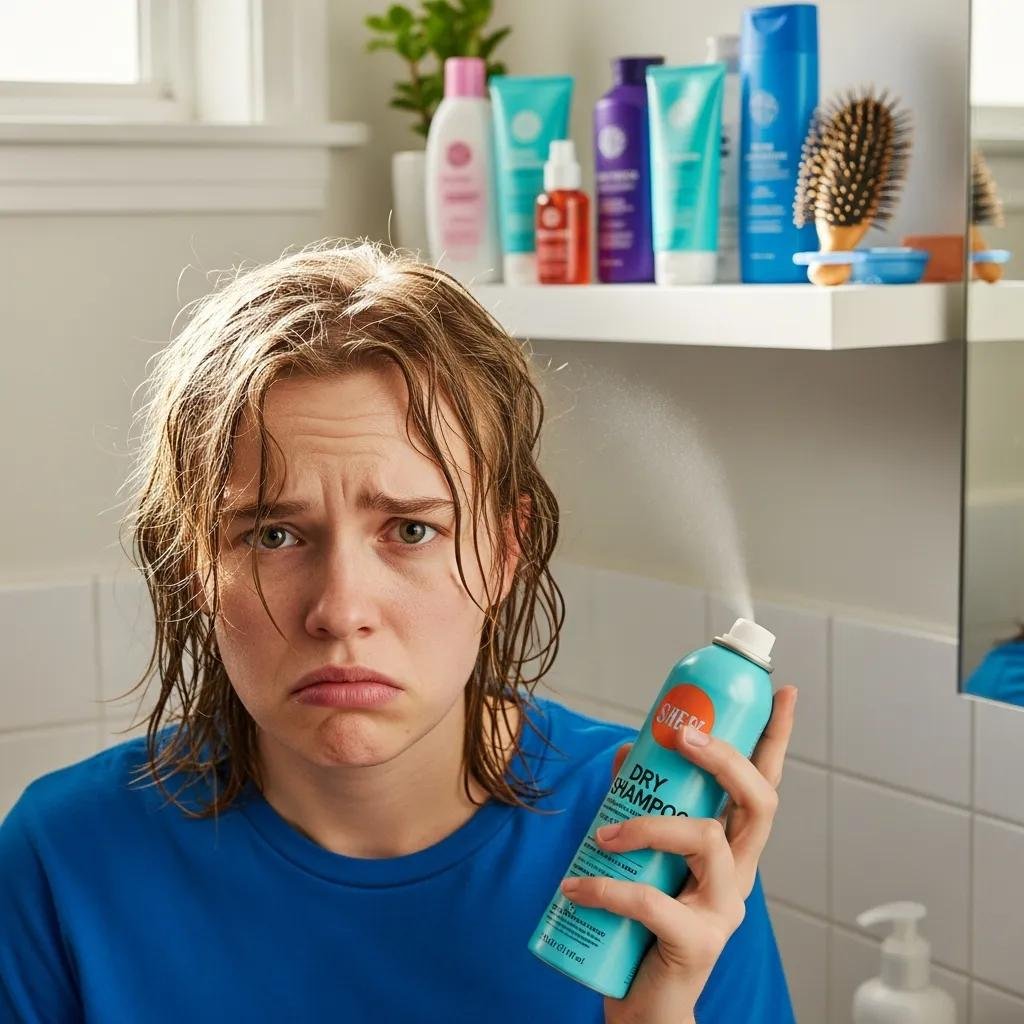
Emergency Fixes: Fast Ways to Refresh Greasy Hair with Expert Tips and Salon Care
Greasy hair can make even great styles look flat and heavy — but a few targeted tricks can revive your look in minutes and help prevent repeat oiliness. This guide walks you through immediate fixes, a step‑by‑step dry shampoo routine (plus safe DIY swaps), why hair gets oily, everyday habits that curb excess sebum, and the professional scalp and clarifying treatments that give longer‑lasting results. You’ll also get product and ingredient direction — clarifying shampoos, sulfate‑free balancing formulas, and oil‑absorbing ingredients — so you can pick the right at‑home plan. If you want hands‑on help, Kylie Studio Salon in Bethesda, with consultations from Ruth, offers tailored scalp assessments and in‑salon treatments or product plans; booking online makes follow‑up easy. Keep reading for quick steps, prevention tips, and how salon care complements fast fixes you can use today.
What Are the Quick Fixes for Oily Hair to Refresh Your Look Fast?
Quick fixes are short, focused techniques that absorb or disguise excess oil without a full wash. They work by lifting surface sebum, adding texture, or moving hair away from oily roots. Use them to bridge between washes — before a meeting, commute, or last‑minute outing — and combine methods when you need the best, most natural result. The table below helps you choose the fastest option based on what you have and how much time you’ve got.
In short: dry shampoo gives lift and texture, while cornstarch is a cheap, effective absorber. Pair either with a simple loose bun or braid to sell the refreshed look. Next, we’ll cover a precise dry‑shampoo technique that avoids residue and looks natural.
How to Use Dry Shampoo Effectively for Immediate Oil Absorption
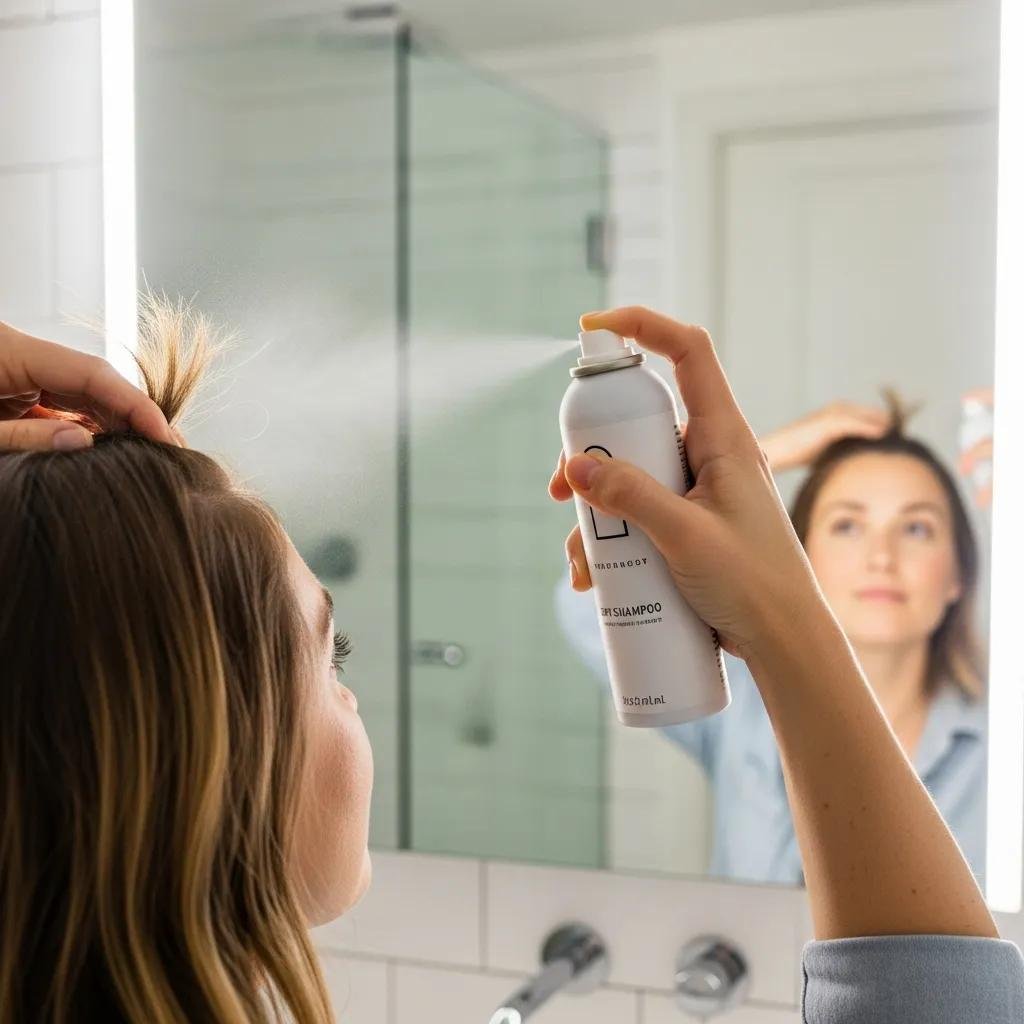
Dry shampoos — sprays and powders — work by grabbing sebum at the root, adding texture and reducing shine. Hold an aerosol 20–30 cm (8–12 inches) from your roots and treat small sections so you don’t overapply or leave white patches; for powders, use a small brush to dust the part and press lightly with fingertips. Let the product sit 30–60 seconds, then massage or brush through to blend and remove any visible residue. Common mistakes are spraying too close (white patches), using too much (weighs hair down), or skipping the massage (clumpy buildup). Start light and add only where needed. If you see white residue, work it in with a dense brush or warm, low blow‑dry for a few seconds to blend.
What Are the Best DIY Dry Shampoo Alternatives for Greasy Hair?
DIY dry shampoos use absorbent powders and can be tinted for darker hair. Try cornstarch or arrowroot for light tones, and mix in a little cocoa powder for darker shades. Apply sparingly with a makeup brush or cloth, wait 30–60 seconds, then pat and brush out — don’t rub hard to avoid irritating the scalp. Cocoa minimizes white traces on dark hair; cornstarch and arrowroot suit lighter colors but can show if overused. DIY blends are affordable and handy, but they can build up over time — rotate with a commercial dry shampoo or an occasional clarifying wash to keep your scalp comfortable.
Why Does Hair Get Greasy So Fast and How Can You Reduce an Oily Scalp?
Greasy hair comes from sebaceous glands producing sebum, the natural oil that moisturizes your scalp and hair. When sebum accumulates faster than it clears, hair looks oily and limp. Biological factors (hormones, genetics, stress) combine with habits like over‑brushing, touching hair, or using heavy products near the roots to speed up visible oiliness. You can manage oily scalp by tweaking wash frequency for your hair type, choosing lightweight or clarifying products, and keeping conditioners and serums off the roots. Below are practical prevention steps to help rebalance oil and reduce how often you deal with grease.
- Adjust washing frequency: Find a routine that removes excess oil without triggering rebound sebum production.
- Use targeted products: Alternate clarifying shampoos with gentle, sulfate‑free balancing formulas.
- Limit heavy styling products near roots: Apply conditioners and serums to mid‑lengths and ends only.
These steps work together by cutting down residue on the scalp and stopping habits that stimulate oil glands. Next we explain sebum and hormonal triggers so you’ll know when to seek deeper evaluation.
What Role Does Sebum and Hormonal Balance Play in Oily Hair?
Sebum, produced by glands linked to hair follicles, protects and moisturizes your scalp and strands. When production rises, hair looks greasy. Hormone shifts — puberty, menstrual cycles, pregnancy, stress — can increase sebum, and some medications or dietary changes also play a role. If oiliness appears suddenly or comes with severe flaking, inflammation, or discomfort, see a dermatologist or stylist for a proper assessment. Knowing how sebum and hormones affect your scalp helps you choose targeted products, like salicylic‑acid scalp treatments or clarifying protocols, that treat both surface oil and follicle buildup.
How Do Washing Habits and Product Buildup Affect Greasy Hair?
Washing habits shape scalp balance: overwashing can strip oils and sometimes trigger rebound sebum, while under‑washing lets sebum and product residue pile up and weigh hair down. Heavy conditioners, leave‑ins, and oily serums near the roots add buildup that looks like grease; clarifying shampoos remove that layer but shouldn’t be overused or they can dry the scalp. A practical routine is a clarifying wash every 1–2 weeks plus a lightweight, sulfate‑free balancing shampoo for regular cleansing, with conditioner only on mid‑lengths and ends. Adjust product placement and wash frequency to restore balance and lengthen time between full washes.
Which Professional Treatments at Kylie Studio Salon Help Fix Greasy Hair Fast?
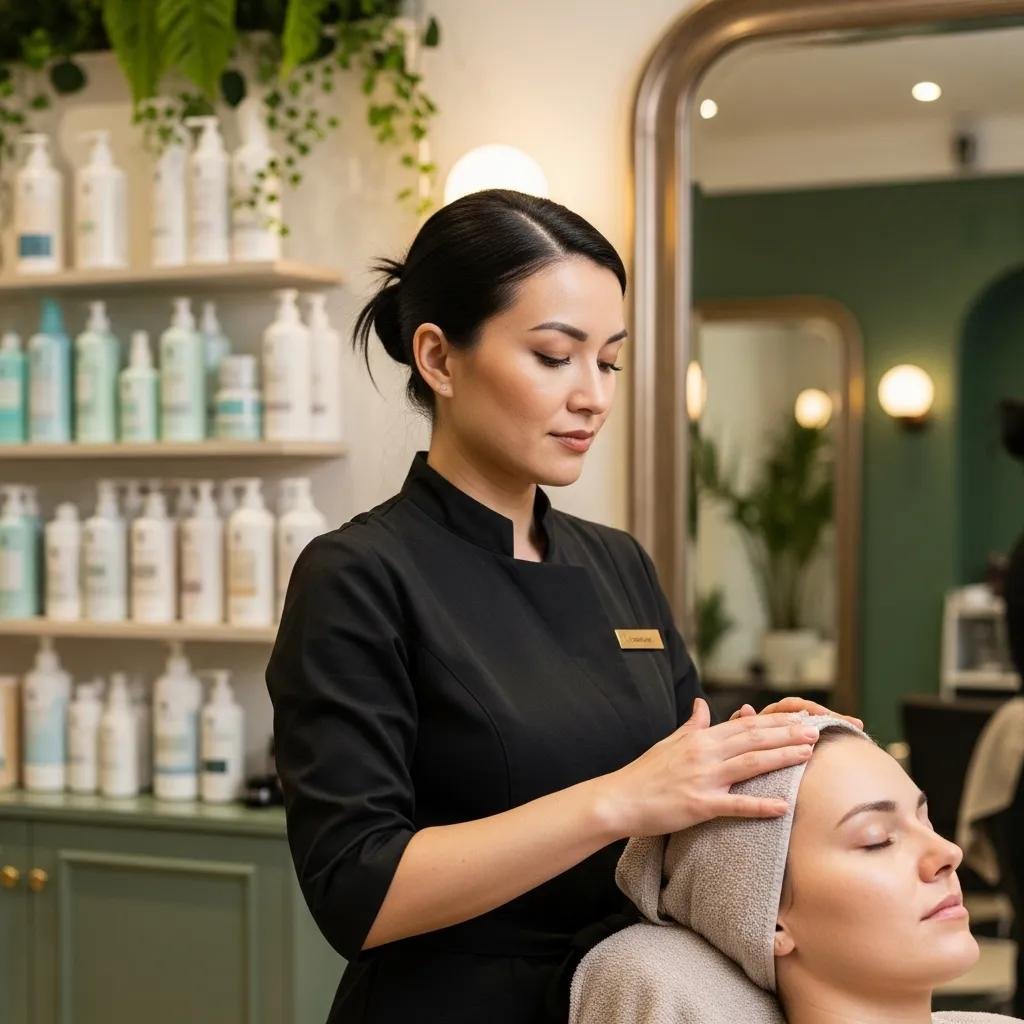
Professional salon treatments reach both surface oil and deeper follicle buildup, delivering longer‑lasting results than quick at‑home fixes. Salons use clarifying formulas, scalp exfoliation, and detox protocols to remove residue and rebalance the scalp microbiome. Treatments often combine mechanical cleansing, pH‑balanced clarifying shampoos, and professional scalp serums to soothe and clear follicles — which reduces oiliness and improves volume over several sessions. At Kylie Studio Salon in Bethesda, Ruth provides personalized consultations to assess your scalp and recommend a mix of scalp detox, clarifying protocols, and a follow‑up product plan. Our services — from deep conditioning to targeted scalp care — aim to reduce visible oil while protecting hair health and color‑treated strands.
This table shows common salon services, what they do, and who benefits most.
Salon treatments pair with at‑home care to address root causes and set a maintenance plan. Ruth’s diagnostic consult helps pick the right mix for sustained oil control and styling results. The goal is education plus clear next steps that lead readers to book consultations and solve persistent oily scalp issues.
How Do Clarifying Shampoos and Scalp Treatments Rebalance Oil Production?
Clarifying shampoos use surfactants and chelating agents to lift mineral deposits, styling residue, and excess oil, restoring texture and lift after one wash. Professional scalp treatments add exfoliating ingredients (like salicylic acid) and skilled massage to clear blocked sebum from follicles, which reduces immediate greasiness and can help normalize oil distribution over weeks. You’ll often see better volume and less shine after one session; longer‑term rebalancing comes from a short series of treatments plus the right maintenance products. Aftercare usually includes lightweight balancing shampoos, avoiding heavy root conditioners, and scheduling follow‑up clarifying sessions as recommended.
What Personalized Services Does Ruth Offer for Oily Scalp Solutions?
Ruth starts with a scalp assessment and a review of your routine and lifestyle, then recommends in‑salon treatments and a home‑care plan tailored to your scalp pattern. Typical journeys include diagnosis, a clarifying shampoo plus scalp detox, and a follow‑up plan featuring a sulfate‑free balancing shampoo and an oil‑control serum for home use. Ruth focuses on personalized choices that remove buildup without overstripping the scalp, then pairs treatments with habit and product changes to sustain results. Clients leave with a clear aftercare plan and easy options for follow‑up bookings to track progress and tweak treatments as needed.
What Are the Best Shampoos and Products Recommended for Greasy Hair?
Right product choices balance oil control with scalp health: clarifying shampoos remove buildup, sulfate‑free balancing shampoos cleanse gently without causing rebound oil, and oil‑absorbing formulas (clay, charcoal, starches) manage surface shine. Look for labels that say “clarifying,” “balancing,” or “lightweight,” and avoid heavy creams at the roots. Always pair with a conditioner used only on mid‑lengths and ends. The table below compares product types and their main benefits to help you decide what to buy or request at the salon.
Rotating between a clarifying wash and a gentle sulfate‑free shampoo usually gives the best mix of clean scalp and healthy hair. If you’re unsure which product fits your hair, a product consultation at the salon can match formulas to your needs.
Which Sulfate-Free and Lightweight Shampoos Control Oil Effectively?
Sulfate‑free, lightweight shampoos use milder cleansers that remove daily oils without stripping essential moisture — helping to avoid rebound sebum while keeping hair clean. Look for “balancing” or “clarifying” on the label and skip heavy silicones or oils high on the ingredient list, since those can weigh hair down. Use conditioner only on lengths and ends, and bring in a clarifying shampoo periodically to clear any buildup. Test a routine for a few weeks and tweak frequency until your scalp feels balanced.
What Oil-Absorbing Ingredients Should You Look for in Hair Products?
Ingredients that control oil include clay and charcoal (which bind surface sebum), salicylic acid (which exfoliates follicles and clears buildup), and tea tree oil (which offers antimicrobial support). Clay and charcoal are great for immediate shine control; salicylic acid helps with follicle‑level buildup; and essential oils can help maintain scalp health but may irritate sensitive skin. Choose ingredients based on hair color, sensitivity, and whether you want fast oil absorption or longer‑term rebalancing.
How Can You Prevent Greasy Hair and Maintain a Healthy Scalp Daily?
Preventing greasy hair is about small, consistent habits: proper washing technique, clean styling tools, and mindful product placement go a long way. Build a routine that fits your scalp — some people do best every other day, others need a weekly clarifying wash — then support that routine with lightweight styling products and regular cleaning of brushes and pillowcases. The checklist below gives a simple daily and weekly schedule to reduce greasy intervals and keep your scalp healthy.
- Daily: Avoid touching your hair constantly; use dry shampoo or blotting sheets for mid‑day shine control.
- Every 2–3 days: Shampoo with a scalp‑focused technique and apply conditioner only to lengths and ends.
- Weekly: Clean brushes and wash or replace pillowcases to avoid transferring oils back to your hair.
These habits cut down sebum re‑deposition and product buildup, which extends time between washes and keeps styles fresher. Next, we cover washing techniques that balance cleanliness without triggering rebound oil.
What Are Proper Hair Washing Techniques to Avoid Excess Oil?
Focus washing on the scalp where oil collects and keep conditioners off the roots. Start with lukewarm water, apply shampoo directly to the scalp, and use your fingertips to massage in circular motions for about 60 seconds to loosen oils.
Rinse thoroughly and, if hair is very soiled, follow with a lighter second shampoo pass. Condition only the mid‑lengths and ends.
Finish with a cool rinse to help close cuticles and add shine without provoking oil production, and avoid high‑heat blow‑drying that can stimulate the scalp. Track how your scalp responds and adjust frequency until you find a rhythm that reduces greasy days.
How Does Regular Cleaning of Hair Tools and Pillowcases Help Reduce Greasiness?
Brushes, combs, and pillowcases collect sebum, product residue, and skin cells, which transfer back to your hair and magnify greasiness. Cleaning these items reduces re‑deposition and extends the benefit of washing.
Clean brushes and combs weekly: remove hair, soak briefly in a gentle detergent solution, then dry completely. Wash pillowcases at least once a week or swap to a silk pillowcase that’s easy to launder to limit oil transfer.
Wipe styling tools to remove product buildup so they don’t redeposit residue while you style. Consistent tool hygiene supports the other habits above and keeps your hair looking cleaner between washes.
If DIY changes and routine tweaks don’t deliver the results you want, consider professional maintenance — Kylie Studio Salon’s consultations with Ruth can map a personalized plan combining salon treatments and home care to tackle persistent oily scalp concerns.
Frequently Asked Questions
1. How often should I wash my hair if I have greasy hair?
It depends on your scalp and hair type. Many people with oily scalps find washing every other day helps manage oil without triggering rebound. Avoid overwashing, and use a clarifying shampoo once a week to clear buildup while relying on a gentle, sulfate‑free shampoo on regular wash days. Adjust based on how your scalp reacts.
2. Can diet affect the greasiness of my hair?
Yes. Diets high in processed foods, sugar, and unhealthy fats can influence sebum production, while a balanced diet rich in fruits, vegetables, whole grains, and healthy fats supports scalp health. Staying hydrated also helps. If you notice sudden changes in oiliness, reviewing your diet is a useful first step.
3. Are there any specific styling products I should avoid for greasy hair?
Avoid heavy creams, thick serums, and oil‑rich products near the roots — they can weigh hair down and add to visible greasiness. Opt for lightweight mousses, sprays, or “oil‑free” and “lightweight” formulas that provide hold without extra moisture. Always check ingredient lists for heavy oils or silicones that sit high in the formula.
4. How can I tell if my hair is greasy or just dirty?
Greasy hair looks shiny and feels slick, especially at the roots. Dirty hair may feel gritty or have visible product buildup without that oily texture. Run your fingers through your roots: if they feel slick or oily, it’s likely grease. If hair feels heavy or dull but not slick, it may just need a wash to remove residue.
5. What are some natural remedies for managing greasy hair?
Natural options like dilute apple cider vinegar rinses, lemon juice, and tea tree oil can help balance scalp oils. A DIY dry shampoo of cornstarch or arrowroot absorbs excess oil. Always patch‑test first to avoid irritation and use natural remedies sparingly to prevent dryness or sensitivity.
6. How can I maintain volume in my hair if it tends to get greasy quickly?
Use lightweight products and volume‑boosting techniques: avoid heavy conditioners at the roots, use volumizing sprays or mousses, and add dry shampoo to absorb oil and create texture. Hairstyles like loose waves or a messy bun can disguise oil while adding fullness. Regular scalp exfoliation also supports healthier volume over time.
7. When should I consider professional help for greasy hair?
If home care and routine changes don’t reduce oiliness, or if you have persistent irritation, flaking, or sudden texture changes, see a stylist or dermatologist. A professional can diagnose scalp issues, recommend targeted treatments, and suggest products or an in‑salon plan to manage oil effectively. Regular check‑ins help track progress and refine your routine.
Conclusion
Beating greasy hair combines quick, on‑the‑spot fixes with steady prevention habits. Learn what triggers oil for you, use the right products and techniques, and bring in professional help when you need longer‑lasting results. For tailored guidance, book a consultation at Kylie Studio Salon — we’ll map treatments and products that fit your scalp and style. Ready to refresh your hair? Start with one small change today.