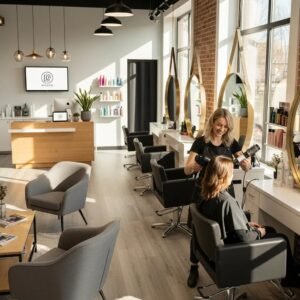

Prevent Hair Loss: Practical Tips & Strategies for Healthy Hair Growth in Bethesda
Preventing hair loss starts with focused steps that reduce shedding, protect the hair shaft and follicle, and create a healthier scalp environment. This guide shares clear, research-backed advice on why hair thins, easy changes you can make at home, and professional options that strengthen hair and cut down on breakage. You’ll learn how genetics, stress, styling, and nutrition affect hair density, plus scalp-care routines and at-home habits that support stronger growth. We also explain how salon services—protein-based keratin treatments, custom deep conditioning, and scalp-focused therapies—work with your home routine to repair damage and help hair look fuller. Sections cover common causes, salon support, at-home habits and nutrients, scalp essentials, and how Kylie Studio Salon in Bethesda can help you build a personalized prevention plan.
What Are the Common Causes of Hair Loss and Thinning?
Hair thinning and loss come from biological, environmental, and mechanical factors that either shorten the hair cycle or damage the shaft. Genetic (androgenetic) patterns reduce the growth phase, while non-genetic triggers—like poor nutrition or stress—push hairs into shedding phases early. Repeated heat, tight styles, and harsh chemicals weaken the cuticle and cause breakage that can look like true thinning. Figuring out the main driver helps you decide whether to try at-home changes, seek medical testing, or book salon treatments. If you notice sudden heavy shedding, patchy loss, or a red, sore scalp, get a professional opinion to rule out medical causes.
Common causes are easy to scan and act on:
- Genetics and hormone shifts can produce slow, patterned thinning over time.
- Telogen effluvium—triggered by stress, illness, or surgery—usually causes diffuse shedding 2–3 months after the event.
- Nutrient shortfalls (iron, vitamin D, protein) make hair weaker and slow new growth.
- Mechanical and chemical damage from heat, tight hairstyles, or aggressive treatments lead to breakage.
- Scalp issues like inflammation or dandruff can impair follicle function and hair anchoring.
Spotting the likely cause points you to the right next step—lifestyle tweaks, medical testing, or targeted salon care—and prepares you to tell genetics and stress apart as drivers of loss.
How Do Genetics and Stress Affect Hair Loss?
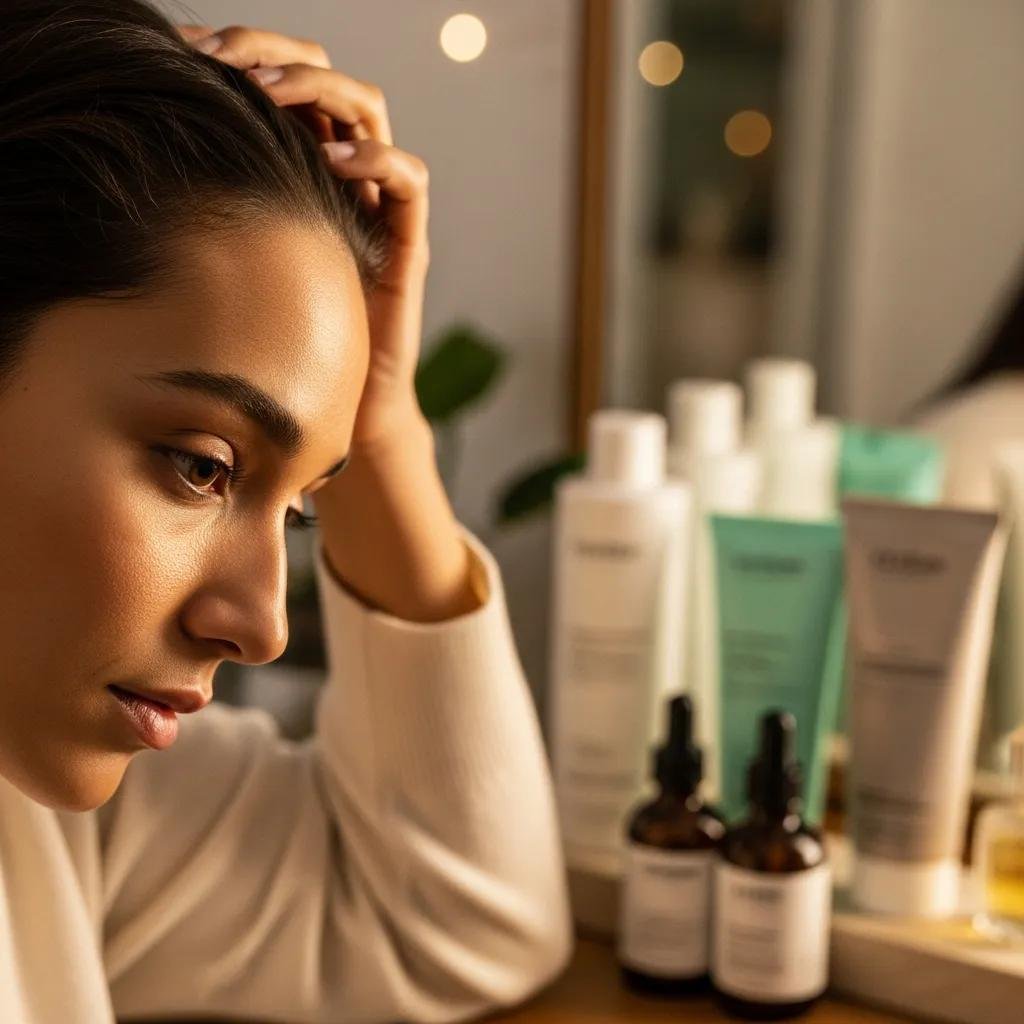
Genetic hair loss (androgenetic alopecia) makes follicles more sensitive to androgens and shortens the anagen, or growth, phase—resulting in progressively finer hairs and a characteristic pattern. Stress-related telogen effluvium pushes a larger portion of follicles into the resting phase and shows up as diffuse shedding a few months after a major stressor. Genetic thinning usually progresses slowly and often needs targeted treatment to improve, while telogen effluvium frequently improves once the trigger is removed and the cycle resets. Watching the timing and pattern—patterned versus diffuse—helps you decide if a clinical workup or supportive care is the best move.
Understanding this difference clarifies which preventive actions will be most effective and naturally leads into how styling and diet contribute to mechanical thinning.
Can Styling and Diet Contribute to Hair Thinning?
Repeated tugging, high heat, and chemical processing damage the cuticle and shaft, causing breakage that reduces visible fullness even when follicles are healthy. Common culprits include daily hot tools, tight ponytails or braids, aggressive bleaching, and frequent chemical straightening—each raises porosity and fragility. Diet matters too: not getting enough protein, iron, vitamin D, or zinc can weaken growing hair and slow the anagen phase. Simple steps—cutting back on heat, avoiding tight styles, using a heat protectant, and improving nutrition—lower mechanical loss and support stronger, thicker-looking hair over time.
These practical styling and dietary adjustments set the stage for when professional treatments can help if at-home changes aren’t enough.
How Does Kylie Studio Salon Support Hair Loss Prevention?
At Kylie Studio Salon in Bethesda we pair targeted professional treatments with tailored styling to reduce breakage, improve texture, and give hair a fuller appearance. Our approach focuses on repairing the hair shaft to lower porosity and breakage, restoring moisture and elasticity, and improving the scalp environment with focused services. Key salon options that support prevention include Keratin treatments, custom deep conditioning, and scalp rejuvenation therapies designed to complement your home routine. In-person consultations let our stylists assess your hair and scalp and recommend a personalized mix of in-salon treatments and at-home steps to strengthen hair over time.
Below is a practical comparison of common salon treatments and how they help prevent loss.
Intro to table: This comparison helps you choose the salon service that best matches your hair condition and goals.
This table makes it easier to compare how each service targets hair or scalp and how they fit with home care.
What Professional Treatments Strengthen Hair and Prevent Breakage?
Keratin treatments deposit protein and smoothing agents into the cuticle to reduce porosity and friction—this cuts mechanical breakage and adds shine. Custom deep conditioning uses concentrated hydrators and reparative ingredients to rebuild elasticity and seal split ends, making hair more resilient to styling. Scalp-focused services improve local blood flow, lower surface inflammation, and deliver targeted serums that support follicle health. Clients often notice better manageability and less day-to-day breakage after treatments; keeping results requires regular maintenance and gentler styling habits at home.
That naturally leads into how expert styling reinforces these treatments while creating fuller-looking shapes with minimal stress.
How Does Expert Styling Help Manage Thinning Hair?
Smart cutting and styling can instantly make hair look fuller while avoiding techniques that add stress. We use strategic layering, careful texturizing at the ends, and root-lifting blowouts to create volume without over-thinning. Thoughtful color placement adds depth and contrast for a denser look. Your stylist will also recommend gentle products—sulfate-free shampoos, leave-in strengtheners, and heat protectants—to shield the cuticle during daily styling. The right shape plus protective products reduce daily breakage and keep hair looking thicker between visits.
Those styling principles connect directly to the at-home habits that preserve salon results and build long-term strength.
What At-Home Habits Promote Long-Term Hair Health?
Simple daily habits are the foundation of lasting hair strength: gentle cleansing, proper conditioning, less heat, and steady nutrition all help hair cycle healthily. A consistent at-home routine prevents damage that builds between salon visits and supplies follicles with what they need for stronger new growth. Managing stress, improving sleep, and short scalp massages boost circulation and can reduce stress-related shedding. Following your stylist’s product and timing recommendations ensures your home routine supports—not undoes—professional treatments.
The checklist below shows actionable at-home priorities you can start this week.
- Gentle cleansing and conditioning: Use a sulfate-free shampoo and condition mid-lengths to ends to protect natural oils and the cuticle.
- Limit heat styling: Cut down hot-tool use, always apply a quality heat protectant, and choose lower temperatures.
- Protective styling: Steer clear of tight ponytails or heavy chemical services; opt for loose, low-tension styles.
- Scalp stimulation: Do brief daily scalp massages to encourage circulation and ease tension.
- Consistent nutrition and hydration: Prioritize protein, iron, vitamin D, and zinc through a balanced diet or clinician-guided supplements.
This checklist highlights core actions; next is a quick guide to key nutrients and simple dietary advice that support hair growth.
Intro to nutrient table: The table below summarizes nutrients, their roles, common food sources, and practical dosing notes to help you adjust your diet.
Summary: These nutrients form the evidence-backed base for stronger hair. Clinical testing is the safest route before high-dose supplementation.
Which Nutrition and Vitamins Support Healthy Hair Growth?
Protein supplies the building blocks for new hair, so consistent daily intake supports stronger strands and repair. Low iron or vitamin D often shows up as diffuse shedding—testing and targeted replacement are wise if levels are low. Biotin and zinc support keratin and cell turnover but offer the most benefit when correcting real deficiencies rather than as routine high-dose fixes. Working with a clinician to check nutrient status prevents unnecessary supplements and makes sure interventions target the actual limiting factor for your hair.
How Can Stress Management and Proper Hair Care Prevent Hair Loss?
Chronic stress shifts more follicles into shedding phases, so lowering stress helps reduce trigger-related hair loss. Short daily breathwork, steady sleep habits, and regular moderate exercise lower systemic stress hormones and support healthy hair cycles. Gentle care—avoiding rough towel-drying, air-drying when possible, and trimming split ends—cuts down cumulative shaft damage. When you combine stress management with salon and nutrition steps, you build a holistic prevention plan that protects both the follicle environment and the hair fiber.
These lifestyle and care habits lead naturally into why scalp health is central to follicle performance and long-term density.
Why Is Scalp Health Essential for Preventing Hair Loss?
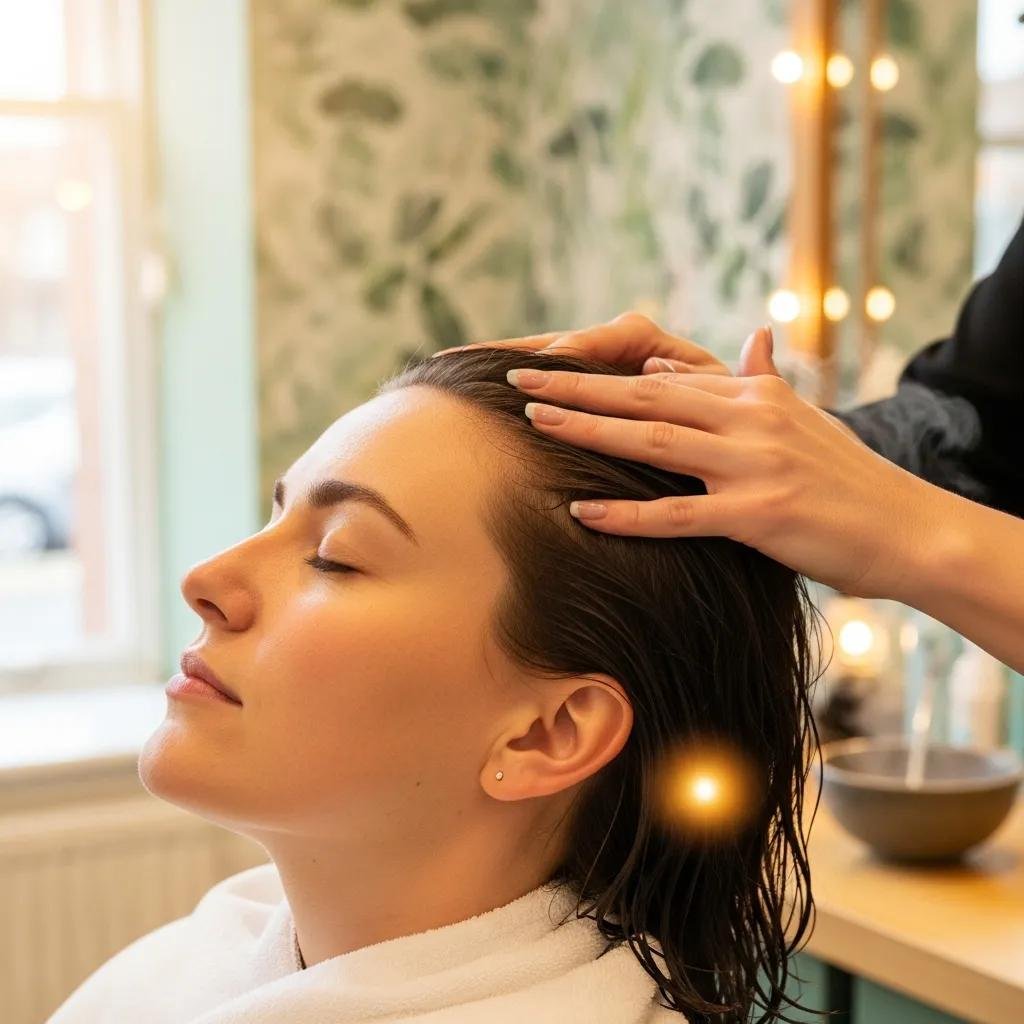
A healthy scalp creates the right micro-environment for follicles to get nutrients, remove waste, and follow normal growth cycles. When the scalp is inflamed, overly oily, or clogged, follicle function suffers. Balancing sebum, reducing inflammation, and gentle exfoliation help nutrient delivery and hair anchoring. Professional scalp care complements home routines by tackling persistent buildup, chronic inflammation, or circulation issues that OTC products may not fully resolve. Prioritizing the scalp is foundational to preventing loss and getting the most from both home and salon treatments.
Below is a concise practice table that explains common scalp actions and when to seek professional help.
Summary: Regular home scalp care keeps follicles functioning; ongoing inflammation or buildup are signals to pursue professional scalp services.
What Are Effective Scalp Care Practices and Treatments?
Start with a gentle cleanser that suits your scalp’s oil level and add occasional exfoliation to prevent follicle-blocking buildup. A few minutes of daily scalp massage increases blood flow and works well with a compatible oil or serum to spread products evenly. Professional scalp services—detox treatments, targeted serums, and in-salon massage—address deeper buildup and inflammation that at-home care may miss. A short, consistent weekly home routine reduces the need for frequent salon interventions and helps treatments last longer.
This practical routine explains why a healthy scalp strengthens follicles biologically.
How Does a Healthy Scalp Enhance Hair Follicle Strength?
A balanced scalp reduces inflammation, keeps sebum in check, and supports microcirculation that carries oxygen and nutrients—each factor directly helps follicle metabolism and the anagen growth phase. Less inflammation prevents premature miniaturization, and better blood flow brings the amino acids and micronutrients hair-producing cells need.
Visible improvement timelines vary, but with steady scalp care and nutrition many clients notice less shedding and better texture within three to four months as new hair follows the growth cycle. Clear expectations help you stick with combined home and professional plans.
Why Choose Kylie Studio Salon for Hair Loss Solutions in Bethesda?
Kylie Studio Salon offers personalized, local care that pairs strengthening treatments with styling that minimizes stress on thinning or damaged hair. Ruth, our lead stylist, specializes in thinning and mature hair and builds individualized plans combining Keratin treatments, custom conditioning, and gentle styling to improve both appearance and resilience. Client feedback highlights our ability to make hair look fuller and restore texture—showing how salon work complements medical and home strategies. For Bethesda residents who want a partner in prevention, we provide consultations to match treatment timing and product choices to each client’s needs.
- Personalized consultations that assess hair and scalp and recommend the best treatment blends.
- Professional Keratin and deep conditioning services to reduce breakage and improve texture.
- Styling methods and product recommendations that prioritize strength and the look of volume.
What Expertise Does Ruth Bring to Hair Health and Prevention?
Ruth, owner and lead stylist at Kylie Studio Salon, focuses on thinning and mature hair—restoring texture, reducing breakage, and creating fuller-looking styles with tailored treatments and precision cuts. Her process starts with a close look at scalp health, hair porosity, and your routine, then moves to a plan that may include Keratin treatment, custom conditioning, and gentler styling protocols. By timing treatments and pairing them with at-home product choices, Ruth helps clients keep salon results longer and cut down on damaging habits. Her hands-on assessments guide clients to the right mix of salon care and home adjustments for lasting improvement.
What Do Clients Say About Their Hair Strengthening Results?
Client feedback shows that focused salon treatments plus steady at-home care lead to noticeable improvements in texture, less breakage, and a fuller look over time. Many clients report that custom deep conditioning and changes to styling habits reduced split ends and improved manageability within weeks, while Keratin treatments produced smoother strands that resisted daily friction and breakage. If you want social proof, check local reviews or book an in-person consultation to see real results and learn which mix of salon and home steps fits your goals.
This summary of client results leads into how to get a personalized prevention plan below.
If you’d like tailored guidance, Kylie Studio Salon offers consultations to design a coordinated at-home and in-salon plan for your hair type and goals. Call us at 301-922-7864 or visit our Bethesda location at 4711 Montgomery Ln, Suite 2, Bethesda, MD 20814 to speak with Ruth and book an appointment. Our services are meant to strengthen hair, reduce breakage, and improve the look of thinning areas.
- Personalized consultation with treatment recommendations
- Professional Keratin and custom conditioning to reduce breakage
- Styling and product guidance to maintain salon results at home
This final call-to-action links the guidance above to a clear next step for readers ready to start a coordinated prevention plan.
Frequently Asked Questions
1. How often should I get professional treatments for hair loss prevention?
Treatment frequency depends on your hair’s condition and goals. Keratin treatments commonly run every 3 to 6 months, while custom deep conditioning is typically monthly to bi-monthly for damaged hair. Scalp rejuvenation is often recommended monthly or as a short series after a consultation. Talk with your stylist to set a personalized schedule that matches how your hair responds.
2. What are the signs that I should seek professional help for hair loss?
Seek professional help for sudden heavy shedding, patchy loss, or noticeable texture changes. Scalp symptoms—like inflammation, itching, or persistent dandruff—also warrant a consultation. These signs can point to underlying issues that need targeted treatment beyond basic home care. Early attention can prevent further damage and support better outcomes.
3. Can I use over-the-counter products for scalp care effectively?
Over-the-counter products can help with basic scalp health—gentle cleansers and moisturizers work well for many people. But persistent buildup, chronic inflammation, or severe dandruff may require professional treatments for deeper cleansing and targeted care. Regular check-ins with your stylist will help you know when to stick with OTC options and when to escalate to salon services.
4. How long does it take to see results from hair loss treatments?
Results vary by person and treatment. Many clients notice improved texture and less breakage within a few weeks of consistent care. Meaningful changes in density or new growth usually take about three to four months as hair moves through growth cycles. Setting realistic expectations and staying consistent with professional and at-home care are key to seeing lasting improvement.
5. Are there specific dietary changes I should make for better hair health?
Yes—diet affects hair. Prioritize adequate protein for keratin production and make sure iron, vitamin D, and zinc are sufficient to prevent deficiency-related shedding. Foods like lean meats, leafy greens, and fatty fish help support hair health. For tailored advice, consult your healthcare provider to check nutrient levels and create a plan that fits your needs.
6. What lifestyle changes can I make to support hair growth?
Support hair growth by reducing stress and improving overall wellbeing. Regular exercise, reliable sleep, and mindfulness practices lower stress hormones that can disrupt the hair cycle. Gentle hair-care habits—limiting heat styling and avoiding tight hairstyles—prevent mechanical damage. Pair these lifestyle shifts with a balanced diet and salon care for the best results.
7. How can I maintain the results of professional hair treatments at home?
To keep salon results longer, build a consistent at-home routine that complements treatments. Use sulfate-free shampoos and conditioners, minimize heat, and always use heat protectants when styling. Add scalp massages and targeted serums to support circulation and nutrient delivery. Follow your stylist’s product and routine recommendations to extend the benefits of professional treatments and promote long-term hair health.
Conclusion
Putting effective prevention strategies in place can make a real difference in your hair’s health and appearance. By learning what causes thinning and combining sensible at-home care with targeted professional treatments, you can build a personalized plan that supports long-term growth. Kylie Studio Salon in Bethesda is ready to help you create a tailored program that blends expert treatments with practical home habits. Contact us to begin your path to stronger, fuller-looking hair.