Beat Winter Dryness: Practical Hydration Tips from Kylie Studio Salon — Bethesda, MD
Cold weather and indoor heating can strip moisture from both hair and scalp, leaving strands brittle, frizzy, and more likely to break. This guide walks you through why winter dehydration happens and how to restore and protect your hair’s hydration. You’ll get clear, practical steps for at-home care, an overview of in-salon treatments that deliver deeper repair, and styling tips to avoid heat-related damage. We pair science-backed hydration strategies with local options available at Kylie Studio Salon in Bethesda, MD, so you can act quickly to reduce flaking, dullness, and split ends. Expect straightforward product and routine suggestions, easy-to-understand explanations of services like deep conditioning, hair gloss, and keratin smoothing, and sensible daily habits that work in cold weather. Throughout, we keep terms like winter hair care, dry scalp winter, and hair hydration tips front and center to help you find what works for your hair and climate.
What Causes Winter Dry Hair and Scalp Issues?
Winter dryness usually comes from a mix of environmental and behavioral factors: lower outdoor humidity, dry indoor heat, and habits that remove natural oils or lift the cuticle. Cold air holds less moisture, indoor heaters drop relative humidity, and those conditions make it harder for sebum to spread down the hair shaft — so the cuticle can lift and moisture escapes. Hot showers, too-frequent shampooing with harsh cleansers, and heavy use of hot tools all make the problem worse by accelerating moisture loss and breakage. Knowing these drivers helps you choose interventions that lock moisture back into hair and support the scalp barrier. If symptoms stick around, a professional evaluation can tailor an in-salon and at-home plan; local stylists in Bethesda can help personalize those steps.
Because winter dryness has clear causes, it also points to clear solutions: humectant-rich products to draw water in, plus occlusives to seal it — whether you’re doing weekly masks at home or getting targeted salon treatments.
How Does Cold Weather Affect Hair Hydration?
Cold weather lowers ambient humidity and changes how the hair cuticle behaves, which leads to more static, frizz, and a dull finish. With less moisture in the air, hair can’t rebalance its water content as easily; a lifted cuticle scatters light, so hair loses shine. On the scalp, cold combined with indoor heat can reduce sebum distribution, weakening the barrier and causing itch or flaking. That’s why winter care needs two things: humectants to attract and hold water, and occlusives to lock that moisture in—especially after conditioning or treatments. Simple routine shifts—cooler rinses, gentler cleansers, and nightly protection—make a noticeable difference when you understand this process.
Once you see how the cuticle reacts in winter, it’s easier to spot when your hair needs a different at-home routine or a professional touch.
What Are Common Symptoms of Dry Scalp and Hair in Winter?
Look for itchiness, visible flakes, extra static, brittle ends, and less stretch in your strands — all classic signs of dehydration. Hair can look dull and feel rough when the cuticle is raised, and fine strands often become limp without enough oil. If your scalp barrier is compromised, you might see irritation or flakes that don’t respond to standard anti-dandruff shampoos; that usually means you need moisturization-focused care. If breakage increases or your hair loses significant shine despite trying home remedies, a professional assessment can find structural issues and suggest in-salon treatments. Use these symptoms as a practical checklist to decide whether to intensify your home routine or book a targeted salon service.
Catching these signs early lets you combine home care and salon treatments to restore moisture and avoid longer-term damage.
Which At-Home Hydrating Hair Care Tips Prevent Winter Dryness?
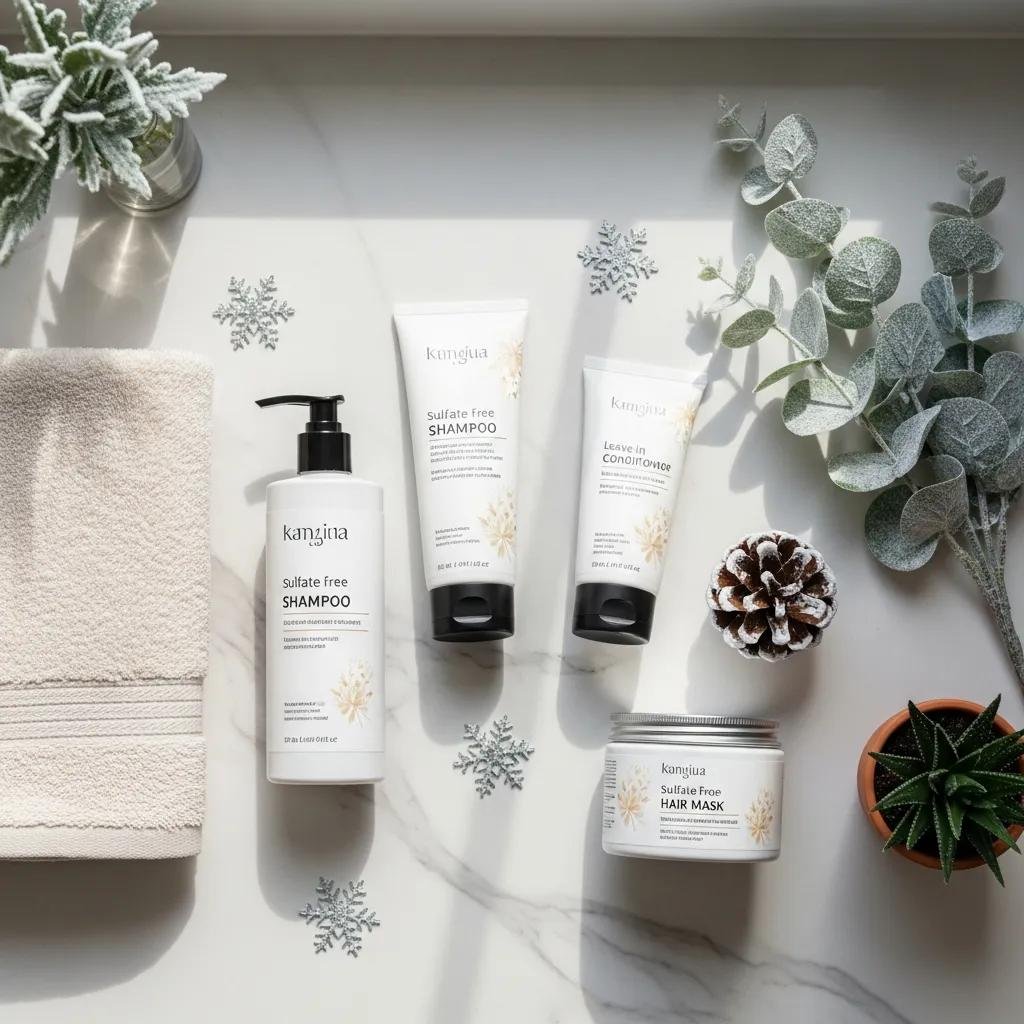
Your at-home routine is the first defense against winter dehydration: think gentler cleansing, targeted conditioning, weekly intensive treatments, and environmental fixes like a humidifier. The aim is to keep natural oils where they belong while adding humectants and occlusives that lock water into the strand and soothe the scalp. Small changes—washing less often, using lukewarm water, and adding a daily leave-in—compound into big improvements in texture and manageability. Book a quick consult with a stylist if you want product recommendations tailored to your hair type; the right formulas make in-salon results last longer. Consistent daily and weekly habits help prevent the cycle of dryness that leads to breakage and frizz.
Here are the essential at-home practices to adopt this season.
- Wash less frequently: Cut back on shampooing to preserve your scalp’s natural oils and avoid over-drying.
- Choose sulfate-free cleansers: Opt for gentle shampoos with humectants and mild surfactants to maintain moisture balance.
- Apply leave-in conditioner daily: A lightweight leave-in creates a protective moisture layer against cold air and friction.
- Use weekly hair masks: Deep-moisture masks restore lipids and help smooth the cuticle when used once a week.
- Rinse with cooler water: Finish with a cool or lukewarm rinse to help the cuticle lie flat and lock in shine.
- Run a humidifier at home: Keep indoor humidity moderate to reduce environmental moisture loss from hair and scalp.
At-home practices work best when they fit your schedule. The quick reference below shows how often to do each step and what to expect.
What Hydrating Shampoos and Conditioners Are Best for Winter?
Look for shampoos and conditioners that are sulfate-free, include humectants like glycerin or hyaluronic acid, and contain nourishing oils such as argan or shea. Lower-concentration proteins can help strengthen without making hair stiff. Match richness to your hair: lighter, humectant-forward options for fine hair; oil- and butter-rich conditioners for coarse or curly textures; and color-safe hydrators for treated hair. If you’re unsure, a stylist can assess porosity and recommend the right balance of moisture and protein. Picking the correct cleanser and conditioner reduces how often you need deep salon repairs and keeps hair flexible all winter.
Choosing ingredients and textures that suit your hair sets you up for better results from weekly masks and professional services.
How Do Weekly Hair Masks and Humidifiers Help Maintain Moisture?
Weekly masks give concentrated hydration either by using humectants to draw water into the cortex or occlusives to seal the cuticle with oils and butters. The two-step idea is simple: humectants raise internal water content; occlusives prevent that moisture from escaping, restoring elasticity and shine. Most people do masks once a week; bump to twice weekly for very dry or chemically treated hair, and follow product timing instructions for best absorption. Humidifiers work alongside topical treatments by increasing ambient moisture so hair holds hydration between washes — aim for moderate humidity (around 40–60%) to avoid excess dampness. Together, masks and humidifiers help maintain salon results and slow seasonal moisture loss.
These habits build a stable moisture baseline, letting professional treatments focus on deeper repair instead of basic rehydration.
What Professional Hydration Treatments Does Kylie Studio Salon Offer?
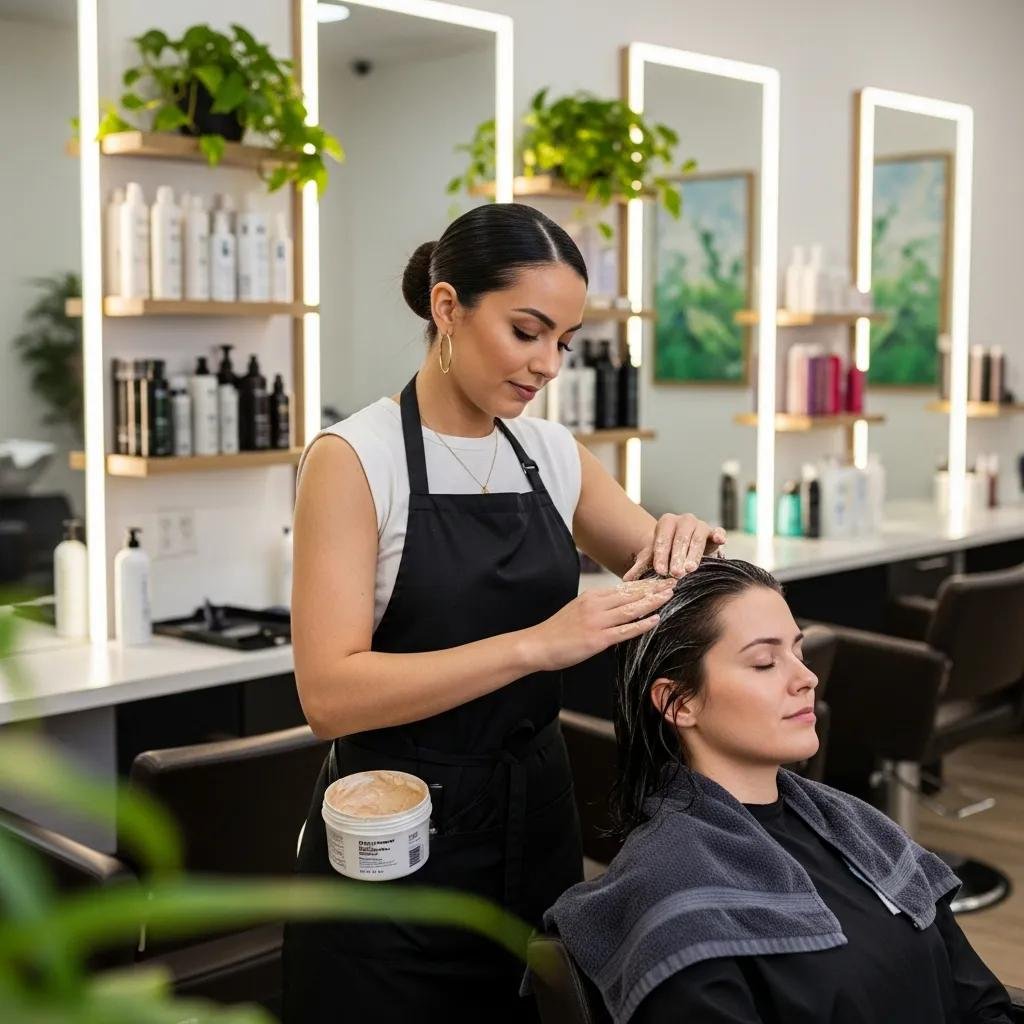
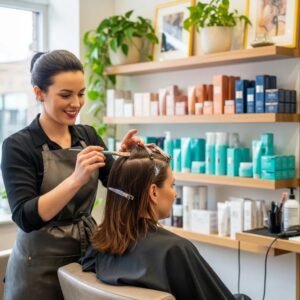
At Kylie Studio Salon we offer targeted hydration services that restore moisture, smooth the cuticle, and make hair easier to manage — exactly what winter-dry hair needs. Our salon-grade deep conditioning treatments use concentrated humectants and penetrating emollients to repair and rehydrate the shaft, giving immediate softness and easier comb-through. Hair gloss services add surface hydration, boost shine, and lightly seal the cuticle — perfect for a color refresh or a quick surface fix. Keratin smoothing treatments reduce frizz and improve long-term manageability by aligning cuticle layers and adding resilience against humidity shifts. Every service starts with a consultation so we can match treatment intensity to your hair’s health and styling goals.
How Does Deep Conditioning Combat Winter Hair Dryness?
Deep conditioning addresses winter dryness by delivering concentrated humectants, light proteins, and emollients into the hair cortex to restore moisture balance and smooth the cuticle. Salon formulations are typically stronger and paired with time or gentle heat to increase penetration compared with at-home masks, which is why you’ll often notice softer, more elastic hair right after a session. With repeated, tailored treatments you’ll see cumulative structural improvements and less breakage. Your stylist will assess porosity to decide whether your hair needs more protein or moisture and recommend how often to return. Professional application ensures even coverage and optimal absorption, making deep conditioning a cornerstone of winter hair care.
After repair, finishing services like glossing or keratin smoothing can extend and amplify those benefits.
What Are the Benefits of Hair Gloss and Keratin Treatments for Winter?
Hair glosses add a lightweight hydrating layer that increases shine, seals the cuticle, and can refresh or deepen color — perfect for making strands reflect light better in dry winter air. Glosses are quick, minimally invasive, and great when you want surface hydration without structural change. Keratin treatments offer longer-lasting smoothing by temporarily realigning cuticle layers and depositing amino-acid–based agents that cut frizz and simplify styling throughout the season. Glossing improves surface feel and color vibrancy; keratin reduces daily styling time and lowers reliance on heat tools. We’ll recommend the best option based on your hair’s porosity, texture, and how long you want the results to last, and we’ll pair the chosen treatment with a home-care plan that preserves it.
How Can You Protect Your Hair from Winter Heat Damage?
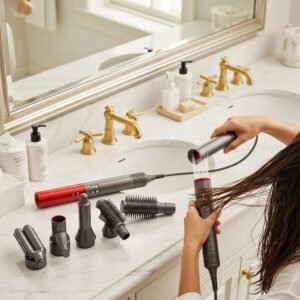
In winter, dry air plus repeated heat styling is a harmful combo, so prevention focuses on minimizing thermal exposure and using barrier products. Lower your tool temperatures, reduce contact time, and always pre-treat hair with a heat protectant to limit cuticle damage and keep internal moisture in place. Protective styling — loose braids, buns, and low-manipulation looks — cuts down on friction and mechanical stress that amplifies breakage when hair is already dehydrated. On styling days, apply a lightweight leave-in or oil and finish with a product formulated to protect against heat. These simple steps preserve both hair health and the smooth finish you want without relying on aggressive heat routines.
Keeping a consistent protective strategy reduces how often you need reparative salon visits and helps maintain professional results between appointments.
Why Limit Heat Styling During Cold Months?
Limiting heat styling in winter prevents the compounding effect of thermal stress on already-dry hair and lowers the chance of breakage and split ends. Heat tools evaporate surface moisture and can permanently affect protein bonds when used too often on dehydrated strands, leaving hair brittle and dull. Cutting back on styling frequency and lowering temperatures preserves elasticity and prolongs the benefits of in-salon smoothing treatments. When you must use heat, take short passes at lower heat and always use a reliable heat protectant — small changes add up to stronger hair that weathers the season better.
Less heat dependence naturally opens the door to alternative styling methods that keep moisture locked in and protect structure.
What Protective Styling Techniques Help Retain Hair Moisture?
Protective styles like loose braids, low buns, and wearing a satin scarf or bonnet at night reduce friction and exposure that strip moisture in winter. These looks limit surface abrasion and tangling, so leave-in conditioners and oils stay effective longer and breakage is minimized. Night routines—satin pillowcases or bonnets instead of cotton—cut down on moisture-wicking and preserve styles and hydration. Pair protective styles with a lightweight sealant (oil or cream) before styling to lock hydration into the shaft. Consistent use of these techniques reduces daily manipulation and is a simple, sustainable way to maintain moisture all season.
Protective styling supports both your at-home routine and any professional treatments you choose, extending their benefits.
Why Choose Kylie Studio Salon for Winter Hair Hydration in Bethesda?
Kylie Studio Salon in Bethesda brings local expertise to winter hair hydration with personalized consultations and targeted salon treatments that address seasonal dryness and scalp concerns. Ruth, our owner and stylist, takes an individualized approach — assessing porosity, texture, and scalp health to create a balanced plan of in-salon services and at-home maintenance. We emphasize deep conditioning, hair gloss, and keratin treatments that align with your goals for softness, shine, and easier styling, and we offer free consultations to customize timing and product choices. Being local in Bethesda makes follow-ups and seasonal touch-ups simple, and our online booking fits into a busy schedule.
If winter dryness continues despite good home care, a consultation at Kylie Studio Salon will clarify whether a deep-conditioning series, a gloss, or a smoothing treatment best fits your hair and lifestyle — and Ruth can map out a step-by-step plan to keep results long-lasting.
What Makes Ruth’s Personalized Hair Care Approach Unique?
Ruth’s approach starts with a one-on-one consultation that looks at porosity, scalp condition, and lifestyle to create a focused treatment plan. By determining whether your hair needs protein repair, moisture restoration, or both, she recommends specific in-salon services plus an at-home regimen that’s simple to follow. This client-first method targets measurable results — softer texture, less frizz, and better shine — while ensuring treatments aren’t over- or under-prescribed. Her hands-on care protects hair integrity through seasonal cycles, and local clients in Bethesda appreciate the clarity and reduced guesswork that come with a tailored plan.
This consultative model pairs salon expertise with practical home habits to deliver lasting improvements, not temporary fixes.
How Do Client Testimonials Reflect Successful Winter Hair Treatments?
Clients often point to outcomes that matter in winter: renewed softness after deep conditioning, brighter shine after glossing, and less daily styling time after keratin smoothing. These practical wins show that targeted professional services combined with the right home routine deliver real improvements in manageability and appearance. Testimonials usually highlight the mix of effective treatment and personalized advice — how a customized plan made maintenance easier and reduced breakage. New clients can expect similarly outcome-focused planning through our free consultations and our emphasis on matching services to individual needs.
Positive results reinforce the value of an integrated approach: professional treatments supported by informed at-home care to efficiently fight winter dryness.
Which Hydrating Hair Products Does Kylie Studio Salon Recommend?
We recommend product types and ingredient families that address common winter problems: humectants for hydration, lightweight oils for sealing, mild surfactants for gentle cleansing, and selective proteins for structural support. Clean-beauty preferences matter, too — we favor formulas that balance performance with gentler ingredient lists to avoid unnecessary scalp irritation. For dry scalps, look for hydrators like hyaluronic acid and glycerin; for brittle ends, add occlusives such as argan oil or shea butter; and for frizz control, lightweight silicones or plant-based polymers can smooth without weighing hair down. A stylist consultation helps match product strength and frequency to your hair’s porosity and treatment history so you get the most effective routine.
The table below summarizes product categories, key ingredients, and the best use cases for winter hair care.
What Ingredients Should You Look for in Winter Hair Care Products?
Key winter-friendly ingredients include humectants (glycerin, hyaluronic acid) that attract moisture, emollients and natural oils (argan oil, shea butter) that smooth and seal the cuticle, and mild proteins that strengthen without stiffness. Ceramides and fatty alcohols help repair the scalp barrier and improve strand cohesion, while lightweight silicones or plant-based polymers add temporary smoothing for frizz control. Be careful with heavy protein treatments on already-brittle hair — aim for a balanced moisture-to-protein mix based on porosity. A stylist consultation helps you prioritize ingredients that address your specific concerns and avoid combinations that cause stiffness or buildup.
Picking ingredients that match your hair’s condition makes product selection more effective and shortens the trial-and-error process.
How Do Clean Beauty Trends Influence Product Choices?
Clean beauty trends push people toward simpler, plant-forward formulations, but effectiveness still matters for winter hydration. Many clean brands now combine effective humectants and barrier-repair ingredients without harsh sulfates or parabens, so you can use them more gently day-to-day. The trade-off is some clean products need careful pairing — for example, a complementary sealant or an occasional professional treatment — to reach salon-level performance. A stylist can help you navigate those choices and recommend clean-performing products that match your hair and treatment history. Balancing clean-beauty preferences with proven efficacy keeps winter hair healthy and manageable without unnecessary irritants.
When clean formulations are paired with targeted salon guidance, you get lasting hydration and a better-looking finish all season long.
Frequently Asked Questions
What are the best practices for maintaining hair hydration during winter?
Stick to a consistent routine: shampoo less often, use sulfate-free cleansers, and apply a leave-in conditioner daily. Add a weekly hair mask to restore moisture and rinse with cooler water to help seal the cuticle. Running a humidifier at home combats dry indoor air, and protective styles minimize friction and retain moisture. Together, these steps keep hair healthier and more hydrated through the colder months.
How can I tell if my hair needs professional treatment?
Look for persistent breakage, dullness, increased tangling, or rough texture that won’t improve with at-home care. Scalp issues like ongoing itchiness or flakes that don’t respond to typical products also suggest professional help. A stylist will assess porosity and overall condition and recommend targeted treatments like deep conditioning or keratin smoothing to restore moisture and strength.
Are there specific ingredients to avoid in winter hair care products?
Avoid products with high levels of drying alcohols, strong sulfates, and harsh detergents, since they can strip moisture. Also be cautious with heavy protein treatments if your hair is already brittle. Instead, favor hydrating ingredients like glycerin, hyaluronic acid, and nourishing oils. A stylist can help you identify which ingredients suit your hair type and current condition.
What role do environmental factors play in winter hair care?
Low outdoor humidity and indoor heating are major drivers of winter hair dryness. Cold air holds less moisture, and heaters further reduce relative humidity, which can lift the cuticle and increase frizz and breakage. To counter these effects, adopt moisturizing products, protective styling, and use humidifiers to maintain a healthier indoor environment for your hair.
How often should I schedule professional treatments during winter?
Treatment frequency depends on hair condition. A deep conditioning session every 4–6 weeks is a good baseline for maintaining moisture; glosses can be done more often for shine. If your hair is severely dry or damaged, consider more frequent visits for tailored care. Your stylist will recommend timing based on how your hair responds to at-home routines and treatments.
Can I use the same products year-round for winter hair care?
Some basics can work year-round, but it’s often helpful to switch to richer, more hydrating products in winter. Heavier oils and emollients can offer better protection against cold, dry air, while lighter formulations are usually preferable in warmer months. Regular check-ins with a stylist will help you choose the right products for each season.
Conclusion
Beating winter dryness is doable with a thoughtful routine that combines simple at-home habits and the right professional treatments. When you understand the causes of dehydration and follow targeted strategies, you’ll restore moisture, boost shine, and make hair easier to manage. For personalized advice, schedule a consultation at Kylie Studio Salon — we’ll build a custom plan that fits your hair and lifestyle. Enjoy the season with healthier, more resilient hair by exploring our services today.