
Uncover the Secrets to Thicker, Healthier Hair at Kylie Studio Salon
Hair thinning and loss show up as reduced density or more noticeable shedding, changing how your hair and scalp look and feel. This guide walks through why thinning happens, how scalp health and everyday choices affect follicles, and which non‑medical salon approaches can improve the look and strength of thinning hair in Bethesda. You’ll find the most common biological and environmental causes, practical scalp‑care steps, salon services and styling tricks to create fuller hair, and clear signs for when medical evaluation is needed. We focus on straightforward, actionable steps—nutrition, scalp routines, protective styling—and explain how Kylie Studio Salon helps with personalized, non‑medical scalp treatments and referral coordination when appropriate. Read on for plain explanations, quick checklists, product pointers, and side‑by‑side comparisons to help you choose the right mix of home care, salon services, and medical support.
What Causes Hair Thinning and Loss?
Thinning and hair loss usually come from several overlapping factors that influence the hair growth cycle, follicle health, and shaft strength. Genetics and hormones can shorten the growth phase; stress or illness can push hair into a shedding phase; nutrient gaps weaken strand structure; and scalp issues or mechanical damage undermine follicle function. Identifying the main driver for you helps direct the right blend of lifestyle changes, topical care, styling tactics, and medical referral when necessary. Below is a short list of common causes with a practical next step for each.
- Genetics and hormones: Patterned thinning often benefits from medical evaluation alongside camouflaging salon techniques.
- Stress and telogen effluvium: Addressing stressors and supporting recovery nutrition usually restores normal shedding within months.
- Nutritional deficiencies: Testing and correcting low iron, vitamin D, or inadequate protein boosts hair strength and regrowth.
- Scalp conditions and buildup: Professional scalp care—and medicated treatments when prescribed—helps rebuild a healthier follicle environment.
- Styling damage and chemical exposure: Switching to gentler techniques and strengthening treatments reduces breakage and visible thinning.
Knowing which category fits your situation makes it easier to choose whether cosmetic salon work, dietary changes, or medical evaluation should come first. The sections below unpack genetic and hormonal causes versus stress‑ and nutrition‑related thinning, and offer practical salon and lifestyle responses you can start right away.
How Do Genetics and Hormones Affect Thinning?
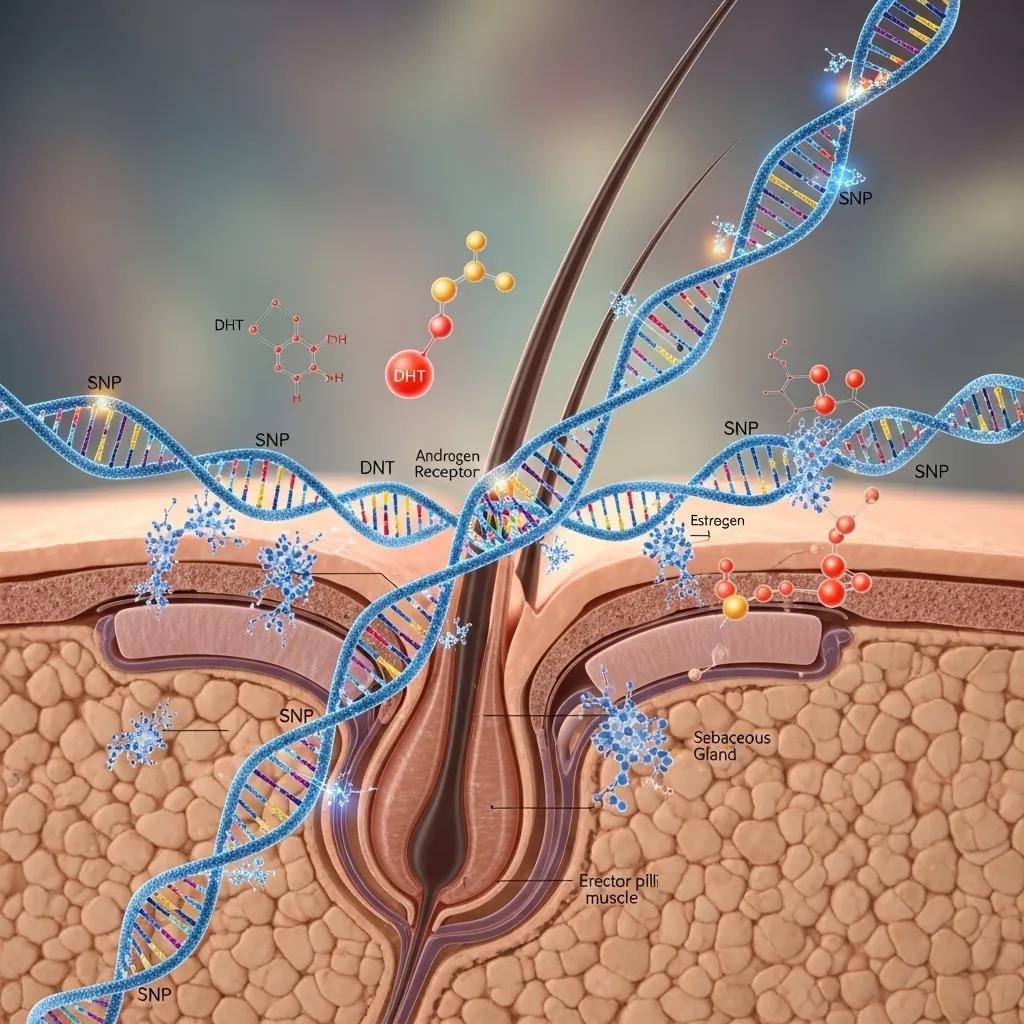
Androgenetic thinning happens when follicles are sensitive to hormones like dihydrotestosterone (DHT). Over time this shortens the hair’s growth phase and causes follicles to produce finer, shorter hairs—so overall density drops. In women, hormonal shifts (pregnancy, menopause, thyroid changes) can change the pattern and cause more diffuse thinning. Men often see a receding hairline or crown thinning. Salon strategies—smart layering, color placement, and texturizing—can disguise patterned thinning while you pursue medical evaluation for long‑term care. If thinning progresses quickly, starts unusually early, or you have a strong family history, pursue medical assessment while using styling to manage your look in the meantime.
Can Stress and Nutrition Cause Hair Loss?
Yes. Acute or prolonged stress commonly triggers telogen effluvium, where a large number of hairs shift into the resting phase and shed a few months after the trigger. Typical triggers include serious illness, surgery, major emotional stress, or sudden dietary change; recovery usually begins once the trigger is resolved and the hair cycle normalizes over 3–6 months. Nutritional gaps—especially low iron, inadequate protein, low vitamin D, or B‑vitamin shortfalls—can weaken strands and extend shedding. Addressing diet and, when appropriate, testing for deficiencies guides correction. Short‑term salon support (volumizing cuts, temporary thickeners) helps the cosmetic side while biological recovery takes place, and coordinating with a clinician for testing is wise when deficiencies are likely.
Why Scalp Health Matters for Hair Growth
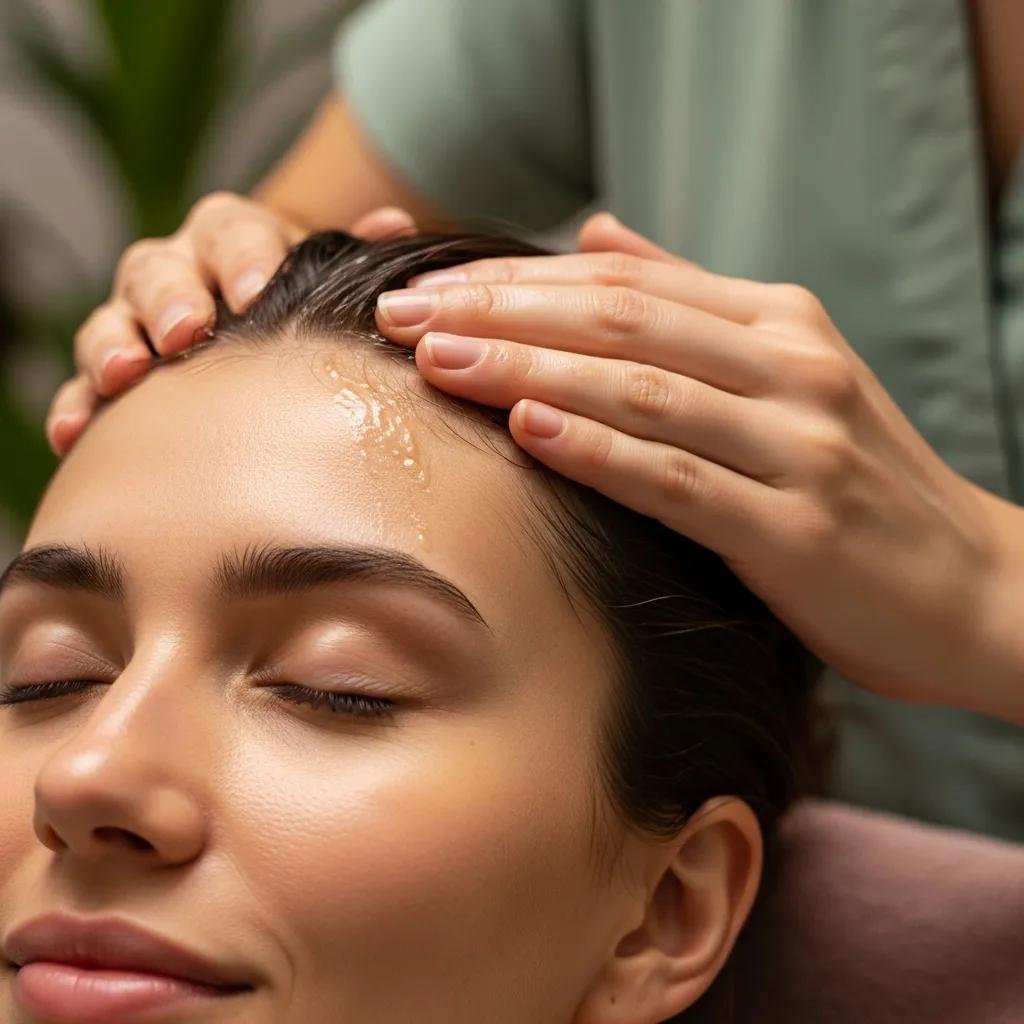
Your scalp is the local environment that either supports or stresses follicles. A balanced microbiome, low inflammation, healthy circulation, and clean follicles encourage efficient growth. When the scalp is inflamed, clogged with product buildup, or affected by dandruff or dermatitis, follicles can struggle—leading to lower density and more breakage. Improving scalp health combines regular cleansing, gentle exfoliation, anti‑inflammatory topicals, and circulation‑boosting massage—steps that support follicles and make other treatments work better. Below are simple scalp tips you can use at home and what to expect from professional scalp services.
- Try a gentle clarifying shampoo about once a week to remove buildup without stripping natural oils.
- Use a mild scalp exfoliant or enzyme cleanser occasionally to clear clogged follicles and help treatments absorb.
- Add a short daily scalp massage to stimulate circulation and help nutrients reach follicles.
These habits lower inflammation and buildup, so your scalp is better prepared for professional treatments that further support healthy growth and reduce the look of thinning.
Common Scalp Problems That Affect Density
Several scalp conditions can reduce apparent hair density by creating inflammation, clogging follicles, or making the environment hostile to growth. Dandruff and seborrheic dermatitis cause flaking and irritation that interferes with follicles—watch for persistent flakes, redness, or itch. Product buildup or heavy styling residues can physically block follicles and blunt topical treatments—look for dull hair, greasy roots, or flat volume. Scalp irritation or infection (painful lesions, pustules, intense itching) needs medical attention rather than salon‑only care. Spotting issues early lets you choose salon exfoliation and cleansing for buildup and save medical referral for infections or severe inflammation.
Which Salon Scalp Treatments Support Growth?
Non‑medical scalp treatments aim to restore a clean, low‑inflammation environment and boost circulation to support follicles. Typical salon services include deep‑cleansing exfoliation to remove buildup, enzyme or clay‑based clarifying treatments to rebalance oils and the microbiome, and targeted scalp massage to increase blood flow. Most non‑medical treatments work best as a series, spaced weeks apart, and paired with home care between visits. At Kylie Studio Salon we offer personalized scalp consultations and non‑medical treatments that combine targeted exfoliation with circulation‑boosting massage—designed to reduce buildup, calm irritation, and improve the visual density of your hair while coordinating with any needed medical care. If inflammation persists or signs of infection appear, we’ll recommend medical evaluation and can provide photos or documentation to support that referral.
Salon Services and Styling That Help Thinning Hair
Salon cuts and styling can greatly improve how thinning hair looks by creating volume, preventing breakage, and strengthening strands without medical treatments. Key options include volumizing haircuts that redistribute weight, strategic color and highlights that add depth and the illusion of density, keratin or strengthening treatments to reduce breakage, and blow‑dry/styling techniques that lift roots and hold volume. Below is a quick comparison of common salon services, what they address, and when to choose each.
Use this quick comparison to match salon services with your goals and hair condition.
How Volumizing Cuts and Styling Build the Look of Fullness
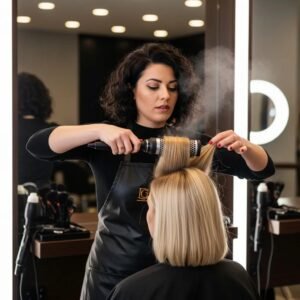
Volumizing cuts use length, layering, and weight redistribution to create lift and movement that reads as more hair. Blunt ends at shorter lengths keep perimeter weight, while internal layers and strategic texturizing add the illusion of density and help hair hold volume. Styling that focuses on the root—targeted blow‑drying, lower heat at the root zone, and light layering of products with volumizing polymers—keeps that lift through the day. At home, keep regular trims every 6–10 weeks to prevent split ends, use a round brush for root lift, and rotate heavier and lighter products to avoid buildup. These routines keep salon shape and fullness between visits.
Next, we list product categories and ingredient cues that pair well with these styling approaches.
Which Thickening Products Does Kylie Studio Salon Recommend?
We recommend professional‑grade product categories that add volume, strengthen strands, and improve appearance without making medical claims. Look for thickening shampoos with polymers that temporarily swell strands, leave‑in serums that bond to the shaft for manageability, and styling thickeners that lift at the root. Helpful ingredients include proteins and film‑forming polymers for instant fullness, niacinamide for scalp support, and humectants to keep strands flexible. Biotin claims are more about long‑term structural support than immediate volume. We suggest an in‑person product consult to match product weight and ingredient profiles to your hair type and thinning pattern—and to get tips on layering effectively without causing buildup.
How Diet and Lifestyle Support Stronger Hair
Diet and daily habits form the systemic foundation for hair growth: nutrients fuel follicle metabolism, sleep and stress control hormones, and gentle styling prevents breakage. Improving intake of key nutrients, managing stress, getting consistent sleep, and reducing heat/chemical damage all support the hair cycle over months. Below is a compact nutrient reference to link nutrients with food sources and a suggested cadence so you can build a realistic plan.
Nutrition is essential for hair health and works best alongside scalp care and salon strategies.
Which Vitamins and Nutrients Matter Most?
Key nutrients for hair include protein (for keratin), iron (for oxygen delivery), vitamin D (for follicle regulation), and certain B vitamins like biotin (for cell metabolism). Deficiencies can show as diffuse thinning or brittle strands, so targeted testing—especially for iron and vitamin D—is useful when shedding is unexplained. Aim for food‑first strategies: prioritize protein at meals, eat iron‑rich foods with vitamin C to boost absorption, and include fatty fish or plant omega‑3s regularly. When tests confirm a deficiency, a clinician can recommend appropriate supplementation—always coordinate supplements with your healthcare provider to avoid excess dosing.
Simple Lifestyle Changes That Improve Hair and Scalp
Small, consistent lifestyle changes can make a noticeable difference over months. Cut back on frequent high‑heat styling, brush gently and choose protective hairstyles, and use low‑tension hair ties to prevent traction breakage. Stress‑management—regular sleep, mindfulness, and steady moderate exercise—helps normalize the hair growth cycle after telogen effluvium. Salon services like conditioning treatments and timely trims protect ends while nutrition and habits rebuild strength. The best results come from combining at‑home care with targeted salon support.
When to See a Doctor About Hair Loss
Seek medical evaluation when hair loss shows red flags or when other symptoms suggest a systemic issue—early diagnosis of treatable causes leads to faster, more effective care. See a clinician for sudden, rapid shedding; patchy or localized hair loss; scalp lesions or severe pain; or systemic signs like unexplained weight change or hormonal symptoms. For many clients, salon services provide cosmetic support while medical workups proceed; Kylie Studio Salon can document changes, recommend interim styling, and coordinate referrals to dermatologists or specialists when tests or prescription therapies are needed. Use the checklist below to help decide whether to prioritize medical assessment.
- Notice a sudden or big increase in daily shedding compared with your normal.
- Spot patchy hair loss or clearly defined bald areas on the scalp.
- Experience scalp pain, open sores, pus, or other signs of infection with hair loss.
Timely medical review can uncover autoimmune causes, hormonal disorders, or nutrient deficiencies that need clinician‑directed treatment rather than salon‑only care.
Signs That Warrant Professional Medical Treatment
Signs that should prompt medical evaluation include abrupt increases in shedding, clear patchy hair loss, ongoing scalp inflammation with pain or discharge, and systemic symptoms that point to an underlying condition. If you see a new bald patch, rapid widening of your part, or sudden diffuse shedding that started weeks after an illness, seek medical advice within weeks rather than waiting months. Medical visits typically include a history, scalp and hair exam, lab tests for deficiencies and hormones, and sometimes a scalp biopsy. While you wait for evaluation, salon strategies can help with appearance—but they’re not a substitute for medical diagnosis when red flags are present.
Use this table to decide when salon care is enough and when a medical referral is the right next step.
How Kylie Studio Salon Helps With Referrals
Kylie Studio Salon is your local, non‑medical partner—focused on managing appearance while guiding clients to medical care when needed. We offer personalized scalp consultations, document hair and scalp changes with dated photos, and prepare a concise treatment timeline you can bring to clinician visits—materials that often speed diagnostic clarity. Our team won’t make medical diagnoses, but we’ll recommend when a referral is needed and support follow‑up styling that complements medical treatments. To book a scalp consultation or discuss whether you should see a specialist, contact Kylie Studio Salon and ask for Ruth—she manages personalized consultations and can guide next steps for clients in Bethesda.
Frequently Asked Questions
1. What lifestyle changes help prevent hair thinning?
A few targeted habits can lower the risk of thinning. Eat a balanced diet with enough protein, iron, and omega‑3s; manage stress through sleep, movement, and mindfulness; and avoid frequent high‑heat styling. Use gentle hair care products and protective styles to minimize damage. Paired with regular salon care, these habits improve both hair health and appearance.
2. How often should I get professional scalp treatments?
Treatment frequency depends on your scalp and goals. Generally, every 4–6 weeks keeps buildup in check and supports circulation without overworking the scalp. If you have severe dandruff or inflammation, your stylist may recommend more frequent visits. A personalized consultation will help set the right schedule for you.
3. Are there products I should avoid with thinning hair?
Yes. Steer clear of heavy, alcohol‑based styling products that dry and weaken strands, and avoid harsh sulfate shampoos that strip natural oils. Choose lightweight, volumizing formulas that lift without weighing hair down. If you’re unsure, ask a salon pro for product recommendations tailored to your hair type and thinning pattern.
4. Can hormonal changes affect hair health in women?
Absolutely. Hormonal shifts—during pregnancy, menopause, or thyroid changes—can affect hair growth and lead to diffuse thinning or increased shedding. Hormones like estrogen and progesterone influence the growth cycle, so changes in these levels can shorten the active phase. If you notice hair changes during hormonal transitions, consider a medical evaluation.
5. What role does hydration play in hair health?
Hydration matters. Proper water intake helps follicles receive nutrients and oxygen, and a hydrated scalp supports a balanced environment for growth. Dehydrated hair tends to be dry and brittle, which increases breakage. Pair drinking enough water with hydrating foods like fruits and vegetables to support hair health.
6. How can I tell if my thinning is temporary or permanent?
Temporary thinning (from stress, illness, or nutrient gaps) often reverses once the trigger is resolved. Permanent thinning, like androgenetic alopecia, follows a progressive pattern. Sudden shedding after a clear trigger suggests a temporary cause; a steadily widening part or receding hairline suggests a longer‑term pattern. If you’re unsure, a medical consult can clarify.
7. What should I do if I notice patchy hair loss?
Patchy loss should prompt prompt medical evaluation—conditions like alopecia areata or infections need clinician care. While waiting for a diagnosis, salon services can help manage appearance, but they don’t replace medical assessment. Early intervention improves treatment options and outcomes.
Conclusion
Hair thinning and loss are rarely caused by a single factor. A helpful approach combines nutrition and lifestyle changes, professional scalp care, and salon services tailored to your hair and goals—plus medical evaluation when red flags appear. Taking clear, practical steps today can improve appearance and long‑term hair health. Reach out to Kylie Studio Salon to explore a personalized plan that fits your needs and gets you back to feeling confident with your hair.