
Mastering Wavy Hair: Expert Styling Tips for Defined, Frizz-Free Waves
Wavy hair sits between straight and curly textures, making those signature S‑shaped bends that look best with definition and the right moisture balance. This guide helps you identify your wave type, pick products that actually work, and use styling methods that deliver soft, controlled waves without the frizz. If you struggle with flat roots, uneven patterning, or stubborn frizz, a thoughtful combo of product weight, drying technique, and the right cut can make your waves consistent and wearable. Read on for clear tips for 2A–2C waves, product category guidance and a short EAV comparison of salon‑recommended items, step‑by‑step styling methods (including heatless beach waves), a practical wash‑day and refresh routine, flattering cuts, and how Kylie Studio Salon in Bethesda, MD can support your at‑home plan. The advice below is practical, salon‑tested, and easy to apply.
How to Identify and Understand Your Wavy Hair Type
Wavy hair varies by pattern, strand thickness, and how much frizz it shows — knowing your subtype makes product and styling choices much more predictable. Waves form where the hair shaft bends and changes direction; density and porosity then affect how products sit and how drying methods set the pattern. Identifying whether you’re 2A, 2B, or 2C cuts down on guessing: airy mousses for finer 2A strands, creams and gels for denser 2C textures. Start with a wet‑versus‑dry observation and a simple strand test to see natural spring‑back and shrinkage — that tells you whether to layer light leave‑ins or reach for richer formulas. The sections below break down 2A–2C traits and map them to product and technique choices so you get consistent results faster.
What to look for in 2A, 2B, and 2C wavy hair
2A: loose S‑shapes with gentle bends, usually fine to medium in texture and often flatter at the roots. Lightweight foams and root‑lifting methods keep waves visible without weighing them down. 2B: more defined S‑waves that often start mid‑length, medium density, and moderate frizz — responds well to a leave‑in plus a styling gel to reinforce pattern. 2C: closer to curly with tighter S‑forms or slight ringlets, usually coarser and more frizz‑prone — richer creams and stronger gels give moisture and hold to protect the shape. Try a wet test: if waves form naturally when damp and spring back when scrunched, you have a true wavy pattern — use that cue to choose lighter or heavier formulations. Knowing these differences helps you avoid overloading fine hair or under‑moisturizing thicker strands, which directly improves styling success.
How knowing your type changes styling and product choices
Your subtype should determine two key things: product weight and drying method. Fine 2A hair benefits from airy mousses or light leave‑ins and should avoid heavy oils that flatten the pattern. 2C sees gains from creams that add slip and gels that lock shape without an overly stiff finish when layered correctly. Drying matters: low‑heat diffusing with minimal manipulation keeps 2B patterns intact, while plopping or heatless sets give 2C definition without extra heat. A simple rule: match product viscosity to strand thickness, use less product on fine hair, more on thicker hair, and always apply to soaking‑wet hair for even distribution and better clumping. With those rules in place, you’ll make smarter product choices and get steadier results.
Best Products for Enhancing and Defining Wavy Hair
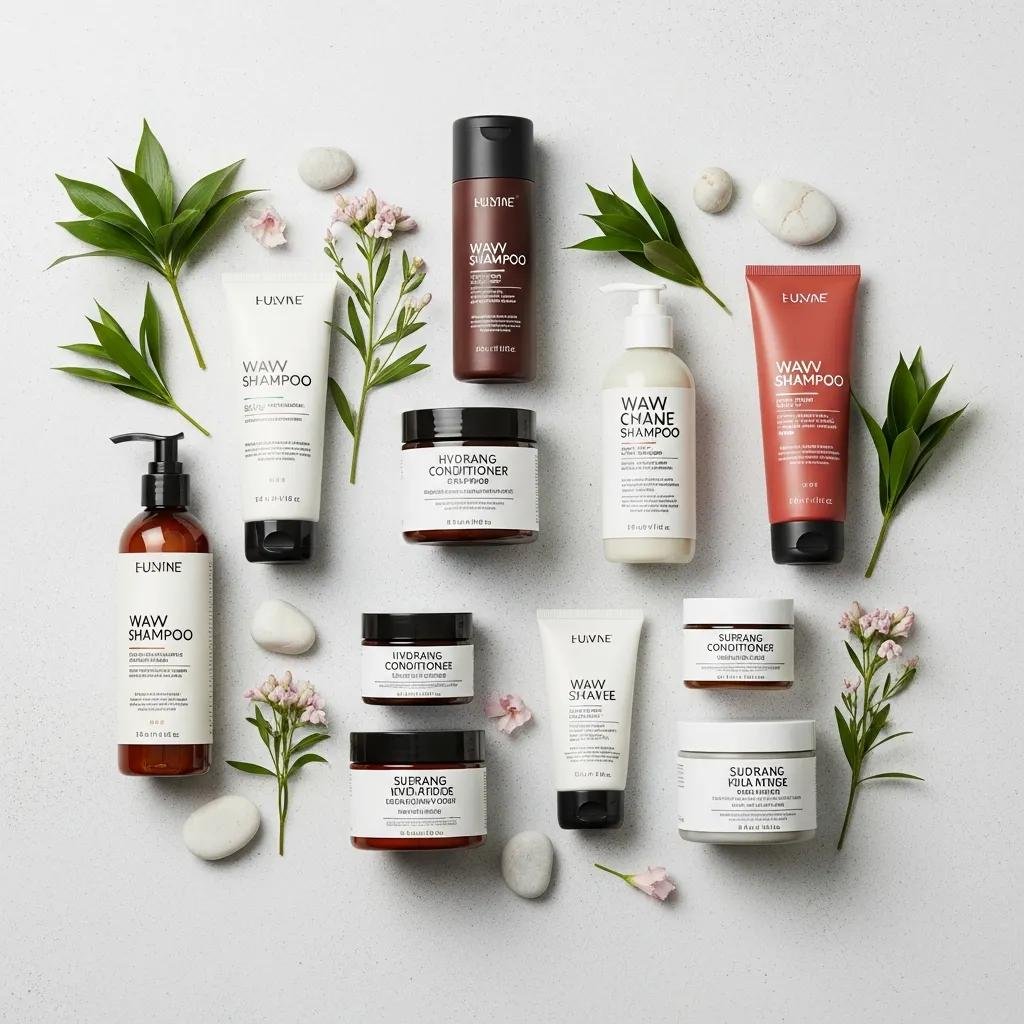
The best products for waves balance hydration, light hold, and frizz control while matching your wave weight — that combination enhances natural pattern without stiffness. In practice, humectants pull moisture to the strand, lightweight polymers provide definition and anti‑frizz film, and small amounts of oil seal cuticles for shine; used in the right sequence, they help waves clump and dry into lasting shape. Key categories are sulfate‑free shampoos, hydrating conditioners, leave‑ins, styling creams, gels or mousses, and light serums or oils for ends. Apply to soaking‑wet hair, scrunch to encourage clumping, and dry gently (diffuse on low or plop) to reduce frizz. Below are the product categories we recommend and a short EAV comparison to guide shopping and in‑salon purchases.
Wavy hair product categories and why they matter:
- Sulfate‑free shampoos — clean without stripping, protecting natural oils that help waves clump.
- Hydrating conditioners — give slip for detangling and moisture to reduce frizz and keep elasticity.
- Leave‑in conditioners — lightweight hydration that primes hair for styling layers.
- Styling creams / gels / mousses — control frizz, define pattern, and set hold based on your texture.
- Light oils / serums — seal ends and add shine without collapsing waves when used sparingly.
These categories form a reliable routine foundation; next is a concise EAV comparison to help you choose by benefit and use.
This quick chart shows how each category solves specific needs and how salon application enhances the results. The section below explains ingredient cues and frequency tips to sharpen your shopping decisions.
Which sulfate‑free shampoos and hydrating conditioners support wavy hair health?
Sulfate‑free shampoos clean without harsh detergents, preserving cuticles and the natural oils that help waves form. Look for gentle surfactants and conditioners with humectants like glycerin or panthenol for moisture plus lightweight silicones or esters for temporary frizz‑smoothing. Low‑porosity, fine waves do best with conditioner focused on mid‑lengths to ends to avoid weighed‑down roots, while coarser 2C textures often need regular deep masks to restore elasticity and prevent breakage. Clarifying should be occasional — use it when buildup flattens your pattern — and stick with sulfate‑free options for regular cleansing to protect cohesive clumping and definition. These ingredient signposts help you mix and match the styling products covered next.
How styling creams, gels, mousses, and serums improve definition and control
Styling creams add moisture and slip, gels form a cast for hold, mousses give lift and light structure, and serums or oils seal and add shine. Layering them in the right order lets each product do its job: leave‑in first, cream for definition, then gel or mousse for hold; apply a tiny bit of oil to ends after hair is mostly dry to avoid collapse. To prevent crunchiness, choose a flexible‑hold gel, smooth products in with “prayer hands,” and start with small amounts — you can always add more. Periodic clarifying plus occasional protein or moisture treatments keep buildup in check so products perform consistently. With order and dosage clear, the next section walks through practical styling techniques — scrunching, plopping, diffusing — and a simple routine to follow.
Effective Styling Techniques for Beautiful Wavy Hair
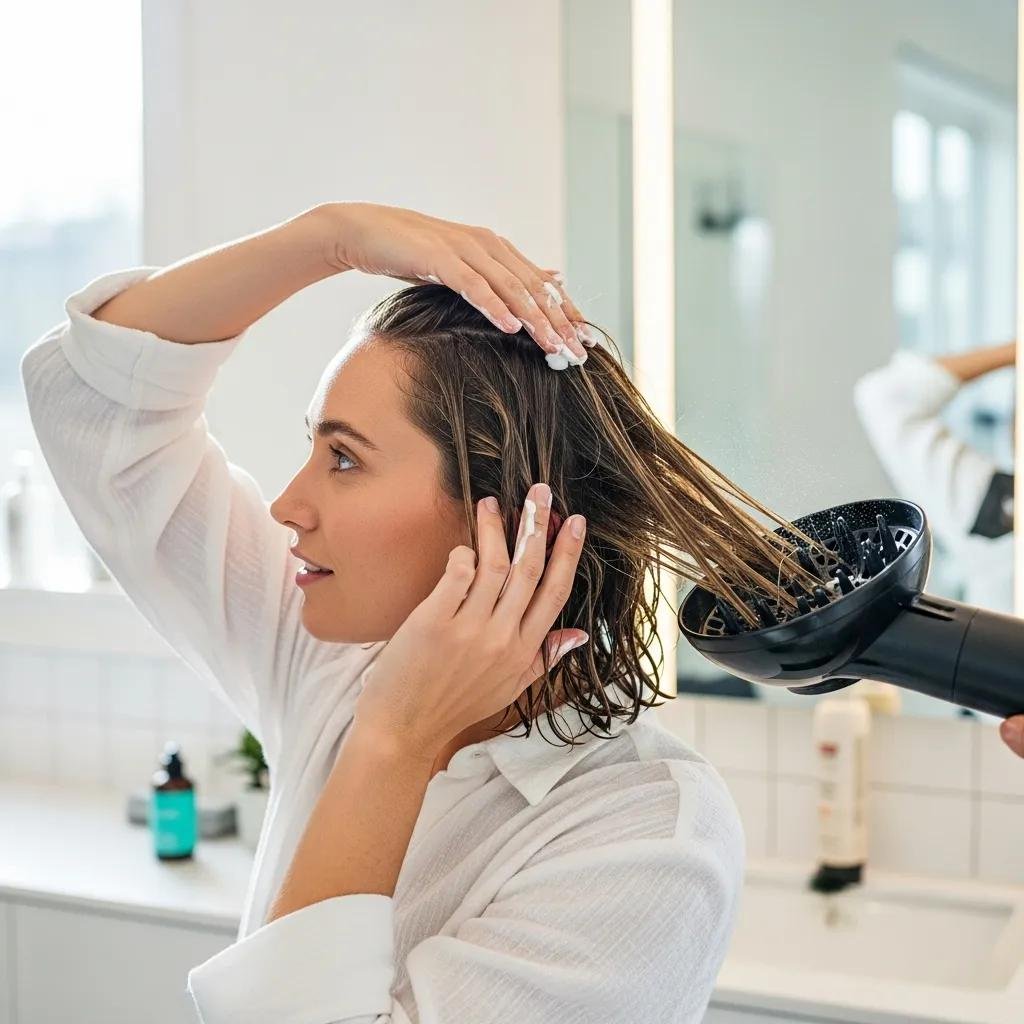
Great wave styling focuses on encouraging clumps, limiting frizz, and avoiding unnecessary heat so the pattern looks intentional and consistent. The basics are straightforward: apply products to soaking‑wet hair, form clumps with scrunching or finger‑coiling, preserve that pattern while drying with plopping or a diffuser, and finish with minimal heat. These methods reduce friction, let polymers set evenly, and allow humectants to temporarily lock moisture into the wave. Below is a clear step‑by‑step routine you can repeat for reliable results; the following subsections unpack each technique with pro tips.
A dependable 4‑step styling routine to try:
- Cleanse and condition: Use a sulfate‑free shampoo and a hydrating conditioner applied evenly through the lengths.
- Apply leave‑in and styling layers: Work a leave‑in through soaking‑wet hair, then add cream or mousse and finish with gel for hold.
- Encourage clumps: Scrunch or finger‑coil while hair is wet to form cohesive waves.
- Dry gently: Plop briefly or diffuse on low/medium heat; finish with a touch of oil on ends once dry.
These repeatable steps prioritize wet application and gentle drying — next, we explain how scrunching, plopping, and diffusing each shape your wave.
How scrunching, plopping, and diffusing enhance natural waves
Scrunching compresses lengths upward toward the scalp to form cohesive clumps while products set — do it section by section from ends to roots to avoid tangles. Plopping (using a microfiber towel or tee) wraps wet hair at the crown to reduce downward pull, preserve the S‑pattern, and shorten drying time. Diffusing delivers controlled airflow to add root lift and definition; use low‑to‑medium heat and a gentle cup‑and‑lift motion to limit frizz. Pro tip: if you use gel, let hair get around 80–90% dry before gently breaking the cast so your waves stay defined without feeling stiff. Understanding each method helps you pick the best finishing combo for your hair.
Heatless methods for effortless beach waves
Heatless techniques give consistent beachy texture without thermal damage. Try loose braids, twists, buns, or headband waves on damp hair and sleep on them for predictable results. For relaxed beach waves, braid hair into two or three loose plaits, sleep on a satin pillowcase, then unbraid and re‑scrunch with a lightweight spray or leave‑in. Headband waves are made by wrapping damp sections around a soft band and pinning; after a few hours you’ll have uniform waves across lengths. Tight braids make smaller waves; looser twists create larger, beachier bends — experiment to find what suits your wave type, then use simple refresh tricks between washes.
How to Build a Healthy Wavy Hair Care Routine
A healthy wavy routine balances cleansing frequency, targeted hydration, and low‑manipulation styling to maintain definition without buildup or damage. The essentials are preserving natural oils with sulfate‑free cleansing, replenishing moisture with leave‑ins and masks, and minimizing friction and heat that break clumps and create frizz. Key elements include wash‑day sequencing, applying products to soaking‑wet hair, and between‑wash refresh strategies like spritzing and re‑scrunching; protecting hair at night with satin or loose braids reduces friction and morning frizz. Below is a practical wash‑day checklist and a short EAV table showing how each product step contributes to the result, plus a note about personalized routine planning available through Kylie Studio Salon consultations.
Wash‑day and between‑wash essentials checklist:
- Cleanse as needed with a sulfate‑free shampoo to avoid stripping natural oils.
- Condition thoroughly with a rinse‑out or deep mask depending on porosity.
- Apply leave‑in and styling products to soaking‑wet hair for best pattern formation.
- Dry with care: plop or diffuse lightly, then finish with a light oil on ends once dry.
This checklist is a reliable template for most wavy textures; the table below maps product steps to the expected outcome so you can tweak amounts and frequency by type.
Use these roles to dial in product amounts and timing for your wave type. If you’d like hands‑on guidance, a salon consultation can turn this framework into a step‑by‑step routine tailored to you.
Personalized routine note:
Kylie Studio Salon in Bethesda offers complimentary consultations to build a practical at‑home routine based on your exact wave type, lifestyle, and goals. Our stylists assess density, porosity, and where your waves begin to recommend product amounts and techniques that cut down on guesswork. In‑salon guidance helps you maintain consistent definition and avoid buildup, so your waves behave predictably between visits. Next up: haircuts and styles that work with different wave textures.
Wash‑day best practices and refreshing waves between washes
On wash day, apply styling products to soaking‑wet hair for even distribution and better clump formation; avoid heavy oils until hair is mostly dry to prevent collapse. For day‑two or day‑three refreshes, mist a lightweight spray or a water‑plus‑leave‑in mix and re‑scrunch to revive clumps without washing. Target product to areas that need volume or reshaping. Always detangle in the shower with conditioner, starting at the ends and moving upward to minimize breakage. These simple habits keep hydration steady and reduce unnecessary manipulation so your waves last longer and styling is faster.
Protecting and detangling wavy hair to reduce frizz and damage
Detangle when hair is conditioned and wet using a wide‑tooth comb or your fingers, working from ends to roots to avoid pressure that causes breakage. Nighttime protections — satin pillowcases, loose pineapples or braids, and silk scarves — cut friction and preserve clumps so you wake to smoother waves. Always use a heat protectant before thermal tools and limit heat by choosing heatless methods or low‑temperature diffusing to keep cuticles healthy. Regular trims and targeted deep conditioning keep ends strong so waves form over smooth lengths rather than frizzy, damaged hair. These small steps help your waves hold their structure and improve styling over time.
Trendy Wavy Haircuts and Styles That Work with Your Texture
The right cut shapes how your waves form and move: layers, weight removal, and length affect bounce, framing, and scale. Strategically removing weight encourages clumping and spring, while face‑framing layers add softness without sacrificing volume; shorter lengths tighten movement, longer lengths elongate waves. Think about how much daily styling you want: textured bobs and lobs often look finished with minimal effort for many 2B–2C clients, while long layers give flexibility for different looks. The table below maps cut types to wave textures and gives quick salon tips to help you choose.
Use these comparisons to pick a cut that plays to your natural formation and desired upkeep. The next sections cover layer placement and easy looks for everyday and special occasions.
Layered cuts and bobs that flatter different wavy textures
Layer placement controls volume and weight: short crown layers add lift for fine 2A hair, while longer graduated layers keep length on thicker 2C waves without bulk. A textured bob or lob suits 2B–2C because removing excess weight creates rounded shape and visible movement with less styling. At your consultation, tell your stylist where your waves naturally begin and how much volume you want — that decides layering depth and techniques like point‑cutting or razor texturizing. The right cut speeds up your at‑home routine and gives more consistent results.
Styling wavy hair for everyday looks and special occasions
For everyday, try a beachy half‑up, a loose low bun, or soft face‑framing pieces — use a light spray and a dab of serum on ends to tame flyaways while keeping movement. For events, a polished blowout or soft waves made with a large barrel wand on mid‑lengths plus a flexible‑hold spray gives refined shape without stiffness. Quick mini how‑tos: for a polished finish, diffuse until nearly dry then smooth with a medium round brush; for a beachy look, braid damp hair into three sections overnight, then separate and scrunch with salt spray. These quick methods translate your natural texture into occasion‑ready styles without heavy effort.
How Kylie Studio Salon’s Professional Services Improve Your Wavy Hair
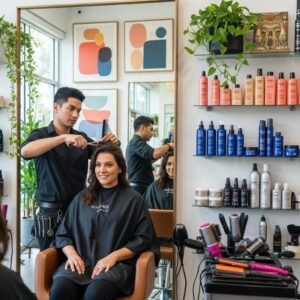
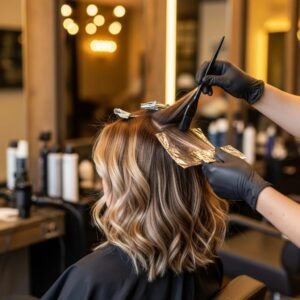
Professional services remove guesswork: tailored cutting, texture enhancement, and styling techniques that optimize your natural pattern and make at‑home styling easier. Our salon process — consultation, targeted cutting, and technique‑driven styling — looks at density, porosity, and wave start points to create a repeatable shape that works with recommended products and routines. Kylie Studio Salon in Bethesda, MD offers services like precision haircuts, texture‑enhancing perms, smoothing blowouts, and event styling, all backed by curated product recommendations and a focus on hair that expresses who you are. The table below maps services to outcomes so you know what to expect when you book.
This overview shows how in‑salon services translate into day‑to‑day benefits. Below are quick service bullets and what to expect from our stylist team.
Wavy hair services offered at Kylie Studio Salon in Bethesda, MD
Kylie Studio Salon provides services designed for wavy hair goals: precision cuts that respect wave pattern, perms or texture work to enhance structure, professional blowouts to smooth and shape, and event styling for polished looks. We emphasize product education, carry salon‑vetted items to help you recreate results at home, and offer complimentary consultations to plan services and product strategies. Local clients also get styling advice tailored to Bethesda’s seasonal humidity so frizz is easier to manage. Our team can build a routine and recommend specific retail items during your appointment.
How Stylist Ruth helps with your wavy hair
Ruth, owner and stylist at Kylie Studio Salon, specializes in shaping wavy textures and turning technical cutting into practical, low‑maintenance styles. Her consultative approach and hands‑on techniques leave clients with a clear at‑home routine and product plan matched to density, porosity, and lifestyle. Clients report easier daily styling and longer‑lasting definition after a session with Ruth — professional input really does reduce trial‑and‑error and product waste. If you want to turn the tips in this guide into a personalized, maintainable plan, a consultation with Ruth is a great next step.
Kylie Studio Salon welcomes you to book a free consultation or appointment to create a tailored routine, buy salon‑recommended products, or schedule services that enhance your natural waves. We serve Bethesda, MD and the surrounding area and maintain strong local reviews. For help, stop by 4711 Montgomery Ln, Suite 2, Bethesda, MD 20814 or call the salon to ask about consultations and bookings. A consultation with Ruth will translate these general tips into a practical plan for your specific wave pattern, climate concerns, and styling cadence.
Frequently Asked Questions
What are common mistakes to avoid when styling wavy hair?
Common mistakes include using products that don’t match your hair weight, applying styling products to dry hair instead of to soaking‑wet hair, and over‑manipulating while drying. Heavy products can flatten fine waves, and not encouraging clumping (scrunching or finger‑coiling) leads to undefined texture. High diffuser heat can cause frizz and damage. Stick to routines that respect your hair’s texture and you’ll see better, more consistent results.
How often should I wash my wavy hair?
Wash frequency depends on hair type, scalp oiliness, and lifestyle. Most wavy hair does well with 1–3 washes per week to preserve moisture and prevent dryness. Over‑washing strips natural oils and can increase frizz and loss of definition. On non‑wash days, a lightweight refresh spray or a water‑and‑leave‑in mix will revive waves without a full wash. Adjust based on how your hair behaves.
Can I use heat styling tools on wavy hair?
Yes — with care. Always use a heat protectant, choose lower heat settings, and limit heat styling frequency to preserve texture and hair health. Reserve thermal tools for special looks and rely on heatless methods or low‑heat diffusing for everyday styling to maintain your waves’ integrity.
What are effective ways to refresh waves between washes?
Refresh with a lightweight spray or a water plus leave‑in blend: mist, then re‑scrunch to reactivate clumps. You can also re‑braid or twist sections overnight to increase definition. Sleeping on a silk or satin pillowcase reduces friction and helps maintain pattern. These methods keep waves fresh without a full wash.
How can I protect my wavy hair while sleeping?
Protect waves by using a silk or satin pillowcase, loosely braiding hair, or gathering it into a loose “pineapple” on top of your head. Wrapping hair in a silk scarf also reduces friction. These habits help preserve wave definition and reduce morning frizz, making styling quicker.
What should I look for in a leave‑in conditioner for wavy hair?
Choose a lightweight leave‑in that hydrates without weighing hair down. Ingredients like glycerin and panthenol are great for moisture retention; light silicones can help smooth frizz. Avoid heavy oils or butters on fine waves. A good leave‑in boosts clumping and makes layering styling products easier. Apply it to soaking‑wet hair for best distribution.
Conclusion
Styling wavy hair well comes down to understanding your wave type, using products that match your hair’s weight, and following gentle, repeatable techniques. With the right cut, product order, and drying method, you can get softer, more defined waves with less frizz. If you want tailored guidance, book a consultation at Kylie Studio Salon — we’ll help you build a realistic routine that keeps your waves looking their best. Embrace the texture you have and make it easy to style every day.