Best Protective Styles for African American Hair: Your Expert Guide to Natural Hair Care and Styling
Protective styles are intentional, low‑manipulation looks that help shield textured hair—both the ends and the roots—from daily friction, heat, and environmental wear while letting you style with confidence. This guide explains how protective styles work, the science behind length retention and moisture balance, and the most popular choices—like box braids, twists, cornrows, and faux locs—plus practical maintenance routines that keep hair healthy. Many people with textured hair deal with breakage from over‑styling, heat, and inconsistent moisture; the right protective style reduces mechanical stress and creates a predictable care cycle that supports visible growth.
Inside, you’ll find clear selection tips for different hair goals, step‑by‑step maintenance checklists, and realistic timelines for installation and safe removal. We compare how long styles usually last and what upkeep they need, provide maintenance action tables, and explain when professional help makes a difference. If you’re in the Bethesda area, we also include a short note about how Kylie Studio Salon complements these recommendations with expert installations and follow‑up care.
Why are protective styles essential for African American hair?
Protective styles matter because they create a controlled routine that reduces daily handling, protects fragile ends, and helps the hair hold moisture—together these reduce breakage and support length. Textured hair commonly seen in African American clients tends to be coily or tightly curled, with strands that are more prone to split ends and mechanical damage; covering the ends or cutting down on daily tension lowers cumulative wear. Protective styles also cut down on heat exposure and frequent styling, protecting the hair shaft and cuticle from thermal and frictional damage. Knowing how these styles work helps you pick looks that match your hair density, porosity, and lifestyle for better long‑term results.
Protective styles offer measurable benefits across growth cycles and daily upkeep. The list below focuses on the most important outcomes for natural hair.
Protective styles deliver these core benefits:
- Reduced breakage: Less daily combing and manipulation means lower mechanical stress on fragile ends.
- Length retention: By protecting ends from split‑end progression, visible length has a better chance to accumulate.
- Moisture preservation: Reduced friction and heat exposure help hair retain internal hydration.
- Low‑manipulation versatility: Many protective styles offer styling options without rebuilding the foundation every day.
How do protective styles promote hair growth and length retention?
Protective styles support growth mainly by lowering mechanical disruption and guarding the oldest, most vulnerable hair—the ends. When you cut back on daily detangling, heat, and friction, you reduce the rate of breakage so overall length can increase over time. Practically, that means fewer inches trimmed away because of damage and steadier progress when styles are installed and removed carefully. For example, swapping daily loose styling for two‑strand twists worn a few weeks at a time can show noticeable length gains over several months. That’s why gentle installation, regular scalp care, and careful take‑down matter—topics we cover later in the guide.
What role do protective styles play in moisture and damage prevention?
Protective styles help hair keep moisture by lowering surface friction and reducing direct heat exposure—both of which cut down on moisture loss through the shaft. Pre‑styling rituals like deep conditioning and sealing with an oil or cream lock in hydration before installation, and using satin at night minimizes abrasion while you sleep. Mistakes—like braiding too tight, skipping deep conditioning, or using heavy products that trap buildup—can sabotage moisture goals and cause tension‑related breakage. Balancing a secure install with scalp‑friendly tension is essential and guides the style choice and maintenance plan you should follow.
Which protective hairstyles are most popular for natural hair?
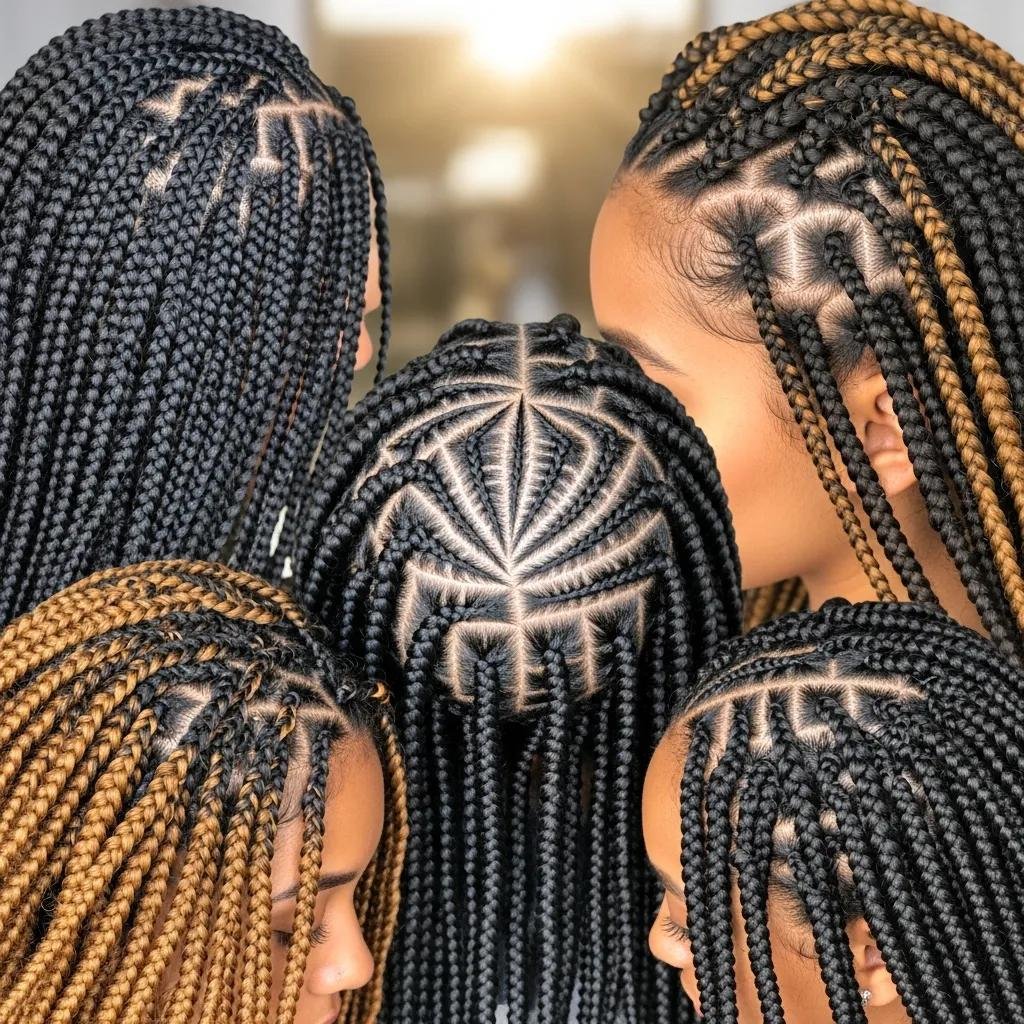
The most popular protective hairstyles combine low manipulation, flexible styling, and manageable upkeep. Common picks include box braids (including knotless), two‑strand twists, Senegalese and Marley twists, cornrows, faux locs, and crochet styles—each offers a different mix of longevity, styling options, and installation time. Your best choice depends on goals: maximum length retention, minimal daily upkeep, or a specific look—and on hair factors like density, length, and breakage sensitivity. The table below compares typical longevity and upkeep so you can pick a style that fits your schedule and tolerance for salon time.
Use this comparison to match style longevity with your calendar and in‑salon tolerance. If you prefer professional installation, Kylie Studio Salon offers careful technique and personalized consultations to manage tension, choose materials, and set a realistic maintenance timeline that protects your natural hair.
What are the benefits and variations of box braids for Black hair?
Box braids are highly versatile—knotless, traditional, jumbo, micro, and bob lengths all change tension, weight, and styling options. Knotless braids use a feed‑in method that starts with your own hair and adds extensions gradually; this reduces root tension and creates softer parts, which benefits delicate edges and those transitioning from relaxed to natural. Traditional box braids with a root knot can last longer but may pull if installed too tightly, so install technique is key. For upkeep, follow weekly scalp cleansing with a diluted cleanser, light oiling, satin protection at night, and a mid‑cycle touch‑up if edges begin to loosen—these steps extend style life while protecting hair health.
How do twists enhance natural hair care?
Twists—two‑strand, flat, Senegalese, Marley, and passion twists—offer low‑tension, low‑manipulation coverage that protects ends and helps retain moisture. Two‑strand twists are especially gentle for short or fragile hair because they can be installed with little added hair and are easier to loosen than large braids. Senegalese and Marley twists use different extension textures, so material choice affects weight and feel; lighter fibers reduce pull on the roots. With light moisturizing, periodic scalp care, and careful untwisting, twists stay protective without overstressing the hair. They can act as long‑term foundations or short‑term transition styles, depending on your goals.
How can cornrows and faux locs protect and style natural hair?
Cornrows and faux locs blend bold style with practical protection: cornrows keep roots flat and minimize daily handling, while faux locs give the look and protection of locs without a permanent commitment. Cornrows can be basic straight‑back rows or creative feed‑in patterns that spread tension more evenly and reduce edge stress. Faux locs cover the shaft and ends for multi‑week wear and come in boho, goddess, or bohemian variations that differ in thickness and decorative details. Visually striking, faux locs still require attention to weight and material to prevent traction issues.
To choose by time and goals, this compact variant table pairs style types with best‑for scenarios and typical installation times.
This table helps you match time commitment to aesthetic goals—choose feed‑in or other low‑tension methods if your scalp is sensitive, and book realistic appointment times based on the variant you want. Those choices will guide the maintenance and tension‑management practices needed for safe, long‑lasting results.
What are the different cornrow styles and their maintenance?
Cornrow patterns range from straight‑back rows to intricate designer and feed‑in styles, and each pattern shifts how tension spreads across the scalp. Straight‑back cornrows are quick and low upkeep but can concentrate tension when braided tightly; feed‑in cornrows add hair gradually to ease pull at the edges and are better for clients concerned about breakage. Maintain cornrows with gentle scalp cleansing every 1–2 weeks using a diluted cleanser, light jojoba or grapeseed oil to prevent dryness, and avoid styles that compress edges for long stretches. Check your scalp regularly and schedule a professional refresh around two to three weeks to prevent matting and early breakage, and to plan safe reinstallation timing.
Why choose faux locs for protective styling?
Faux locs give you the look and protective coverage of locs without permanent commitment, minimizing manipulation of the shaft and ends for several weeks. They also allow decorative options—wraps, beads, tapered finishes—so you can personalize the look. Pick lighter synthetic materials and smaller diameters to cut down on weight, especially if your hair is fine or fragile. Faux locs typically last six to ten weeks depending on installation and aftercare; safe removal means a conditioning soak and gentle unraveling to protect the natural hair. Always weigh aesthetic goals against your hair’s tolerance for weight before you install.
What maintenance practices ensure longevity of protective styles?

How long a protective style lasts comes down to a simple maintenance routine that focuses on the scalp, hydration, and gentle handling during daily life and sleep. Regular, gentle cleansing prevents buildup that causes itch and weakens hair, while a steady moisturizing schedule keeps strands flexible and less brittle. Nighttime satin protection and loose protective night styles (like a low bun under a silk scarf) reduce friction, and timely professional touch‑ups control tension as new growth appears. Below is a straightforward checklist you can put into practice to extend style life and protect hair health.
A simple maintenance checklist to follow:
- Cleanse gently: Use a diluted shampoo or scalp cleanser every 1–2 weeks to remove buildup without disrupting the style.
- Moisturize regularly: Apply a light leave‑in or water‑based mist, then seal with an oil or butter 2–3 times a week.
- Night protection: Sleep with a satin or silk wrap and on a satin pillowcase to minimize friction.
- Professional touch‑ups: Book a stylist for edge refreshes or feed‑in adjustments if you notice loosening.
Follow these actions to avoid common issues. The table below links specific maintenance steps with suggested frequency and the main benefit to your hair.
To support at‑home care, Kylie Studio Salon offers professional aftercare guidance and scheduled maintenance appointments to manage tension, product buildup, and mid‑cycle refreshes—pairing practical advice with hands‑on solutions to keep styles both protective and beautiful.
How to care for scalp health while wearing protective styles?
Keeping your scalp healthy in protective styles comes down to routine cleansing, light topical hydration, and watching for signs of irritation or traction. Use diluted, pH‑balanced cleansers to remove sweat and product buildup without leaving heavy residue along braids or twists. After cleansing, a small amount of light oil or scalp tonic helps maintain the barrier without weighing the style. Massage gently to promote circulation and distribute natural oils, but avoid aggressive manipulation that stresses roots. Look for red flags—ongoing tenderness, inflamed bumps, or receding edges—and see a stylist for adjustments or removal if you spot them.
What are effective moisturizing and take‑down techniques?
Good moisturizing and take‑down start before removal: apply a deep conditioning soak or warm oil treatment to relax bond points and rehydrate natural hair—this reduces friction during unraveling. Work in small sections, using wide‑tooth combs and finger detangling to gently remove tangles and prevent mass shedding. Keep a moisturizing conditioner handy to make detangling smoother. After removal, follow with a clarifying wash, a rich deep‑conditioning treatment, and a restorative routine (balancing protein and moisture) to rebuild strand strength. Proper take‑down and post‑style care minimize breakage and set you up for a healthy next cycle.
Why choose Kylie Studio Salon in Bethesda for protective styling?
Kylie Studio Salon is a local resource for clients in Bethesda looking for protective styling and natural‑hair services. We focus on bringing out natural beauty and confidence with expert techniques for women, men, and children, and we offer personalized consultations to match styles with your hair goals and scalp health. Owner‑stylist Ruth uses trend‑aware, low‑tension methods—like knotless braids, feed‑in cornrows, and lightweight faux locs—when they’re the best fit. If you want professional installation or periodic touch‑ups, Kylie Studio Salon provides appointment‑based services centered on customized care and long‑term hair health.
How does Ruth’s expertise enhance protective style services?
Ruth brings a consultative, client‑first approach to protective styling that prioritizes tension management, scalp health, and realistic maintenance plans. She selects extension materials suited to your hair porosity and density, recommends the right protective variants, and guides pre‑ and post‑installation treatments to protect hair integrity. Clients leave with a personalized care plan and on‑the‑chair adjustments that reduce risks like edge stress or uneven tension. That hands‑on expertise helps styles last longer while keeping your natural hair healthy.
What is the appointment booking process for protective styles?
Booking starts with a consultation—either in person or scheduled ahead—where the stylist assesses hair condition, discusses your goals, and estimates installation time and care needs. Bring reference photos and be ready to talk about your usual maintenance and any scalp sensitivities so we can recommend the safest, most durable approach. Appointment times vary by style and complexity: simple cornrows take less time, while detailed faux locs or long braid installs need longer sessions. The consultation gives you a clear time estimate and care plan. Before your visit, we recommend deep conditioning and arriving with clean, product‑free hair to get the best results and save in‑chair time.
Frequently Asked Questions
What are the best practices for maintaining protective styles at home?
Keep a routine that includes gentle cleansing, consistent moisturizing, and nighttime protection. Wash the scalp with a diluted cleanser every 1–2 weeks to remove buildup without disturbing the style. Moisturize 2–3 times a week with a light leave‑in or water‑based mist, then seal with a light oil. Sleep on satin or use a silk scarf to reduce friction. Check for tension or irritation regularly and book professional touch‑ups when needed to preserve the style.
How often should I change my protective style?
How long you keep a protective style depends on the style and your hair’s health. Most styles last between 4 and 10 weeks, but listen to your scalp and strands. If you notice tension, breakage, or irritation, it’s time to switch sooner. Regularly scheduled changes give your hair recovery time and help prevent damage. Match your timing to your lifestyle and maintenance routine so your protective styles support your goals.
Can protective styles be worn by all hair types?
Protective styles are especially beneficial for textured hair but can be adapted for many hair types. The key is choosing styles that suit your hair’s density, length, and health. For straighter or wavier hair, braids or twists can still offer protection from environmental stressors—but be sure the style won’t create excessive tension. A stylist consultation helps you find the best protective options for your hair type and needs.
What should I do if my scalp becomes irritated while wearing a protective style?
If your scalp gets irritated, act quickly. Gently cleanse the scalp with a diluted, pH‑balanced cleanser to remove buildup. Apply a lightweight, soothing oil or scalp tonic to calm and hydrate the area. If irritation continues, loosen the style or see a stylist for adjustments. In severe cases, removal may be necessary so your scalp can heal.
Are there any risks associated with wearing protective styles?
Yes—protective styles have benefits, but risks occur when they’re installed or maintained poorly. Over‑tightening can cause traction alopecia (hair loss from excessive tension), and neglecting scalp care can lead to irritation or infection. Pick styles suited to your hair type, follow a solid maintenance routine, and check your scalp regularly to reduce these risks.
How can I prepare my hair before getting a protective style?
Prepare by cleansing thoroughly to remove product buildup, then deep condition to ensure hair is hydrated and resilient. Detangle gently to avoid breakage during installation. If you’ll use extensions, consider lightly conditioning them so they’re compatible with your natural hair. Arriving with clean, well‑moisturized hair helps your stylist deliver the best result and shortens chair time.
Conclusion
Protective styles are a powerful way to care for African American hair—reducing breakage, supporting moisture, and helping you retain length while offering endless styling options. Learn the science behind these looks and follow the maintenance steps outlined here to keep your hair healthy between installs. If you want professional help, Kylie Studio Salon in Bethesda offers personalized consultations and expert installations tailored to your goals. Ready to find the right protective style? Explore our services and let us help you protect and grow your natural hair.