Best Heat Protectant Sprays for Styling Your Hair: The Salon-Pro Guide to Protecting and Enhancing Hair Health
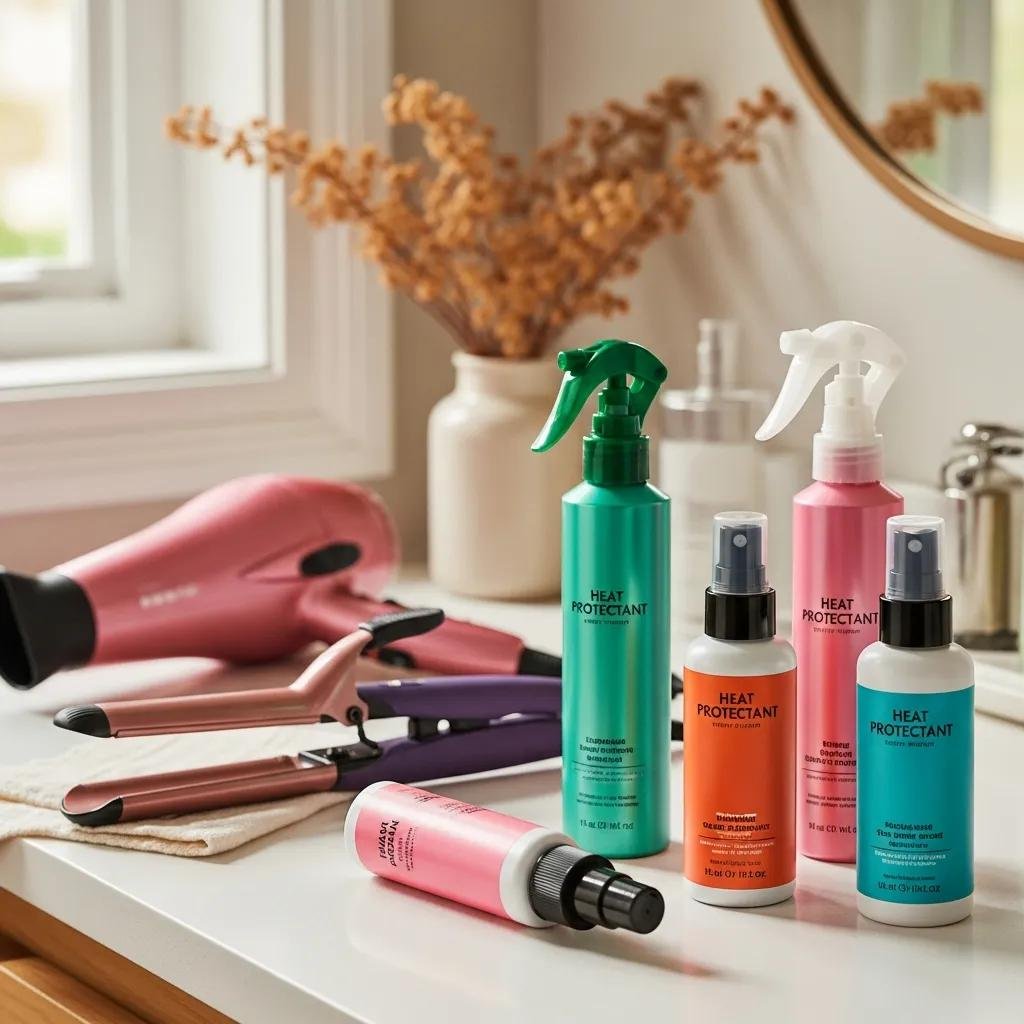
Heat protectant spray creates a barrier between your hair and hot tools to help reduce moisture loss and cuticle damage. It coats the strand with polymers, silicones, proteins or other film-formers so hair withstands higher temperatures with less breakage, frizz and color fade. In this guide we explain why thermal protection matters, how heat damage happens, and how to pick and use the best heat protectant for your hair and styling goals. You’ll find clear, science-backed explanations, step-by-step application tips, a simple comparison table to match product types to hair needs, and salon-curated recommendations from Kylie Studio Salon in Bethesda, MD. Want personalized advice? Owner and stylist Ruth is available for consultations — call 301-922-7864 to schedule an assessment and get professional thermal protection tips tailored to you.
Why Heat Protection Matters for Healthy Styling
Heat protection helps prevent the structural and chemical changes that follow repeated high-temperature styling, so you can get the look you want with less long-term wear. Heat can denature keratin, lift the cuticle and speed moisture loss—weakening strands and increasing breakage. A protectant changes the heat interface at the surface of the hair, effectively lowering the temperature the fiber experiences. The result: smoother styling, fewer split ends and better shine and color retention after regular heat use. Knowing this makes it easy to see why a thermal barrier is worth using every time you reach for heat tools.
Most heat damage comes from tiny, cumulative insults rather than a single styling session, so using protection consistently pays off over time by reducing protein loss and cuticle erosion. The way protectants work—forming a film, dispersing heat and holding in moisture—also explains why different formulas focus on frizz control, color care or repair. Understanding those differences helps you pick the right product for your routine.
What Causes Heat Damage and How It Shows Up in Hair
Heat damage happens when high temperatures change internal protein bonds and dry out strands, which reduces elasticity and raises porosity. At a molecular level, heat breaks hydrogen bonds and weakens keratin; visually, this appears as raised cuticles, rough texture and more friction that leads to split ends and breakage. For example, repeatedly blow-drying fine hair on high heat without protection can leave it thin, brittle and overly dry. That said, professional styling can be safe when paired with the right protectants and careful temperature control.
Spotting these patterns helps you choose both the right products and safer tool settings. Next, we’ll summarize the main benefits heat protectants deliver so you know what to expect.
What Heat Protectant Sprays Actually Do for Your Hair
Heat protectants offer practical benefits for both immediate styling and long-term hair health:
- Thermal Barrier Formation: A thin film reduces direct heat transfer to the cortex, lowering structural stress.
- Reduced Moisture Loss: Humectants and film-formers help retain water, preserving elasticity and preventing brittleness.
- Frizz and Cuticle Control: Conditioning ingredients smooth the cuticle for sleeker, less tangled results.
- Color and Shine Preservation: Some formulas include antioxidants and UV filters to help protect pigment and maintain luster.
- Improved Styling Performance: Polymers and light silicones make tools glide more easily and help shapes hold longer.
Together, these benefits make styling more reliable and slow the cumulative wear that comes from repeated heat. With that foundation, you can match protectant features to your hair type and styling priorities.
How to Choose the Best Heat Protectant Spray for Your Hair Type
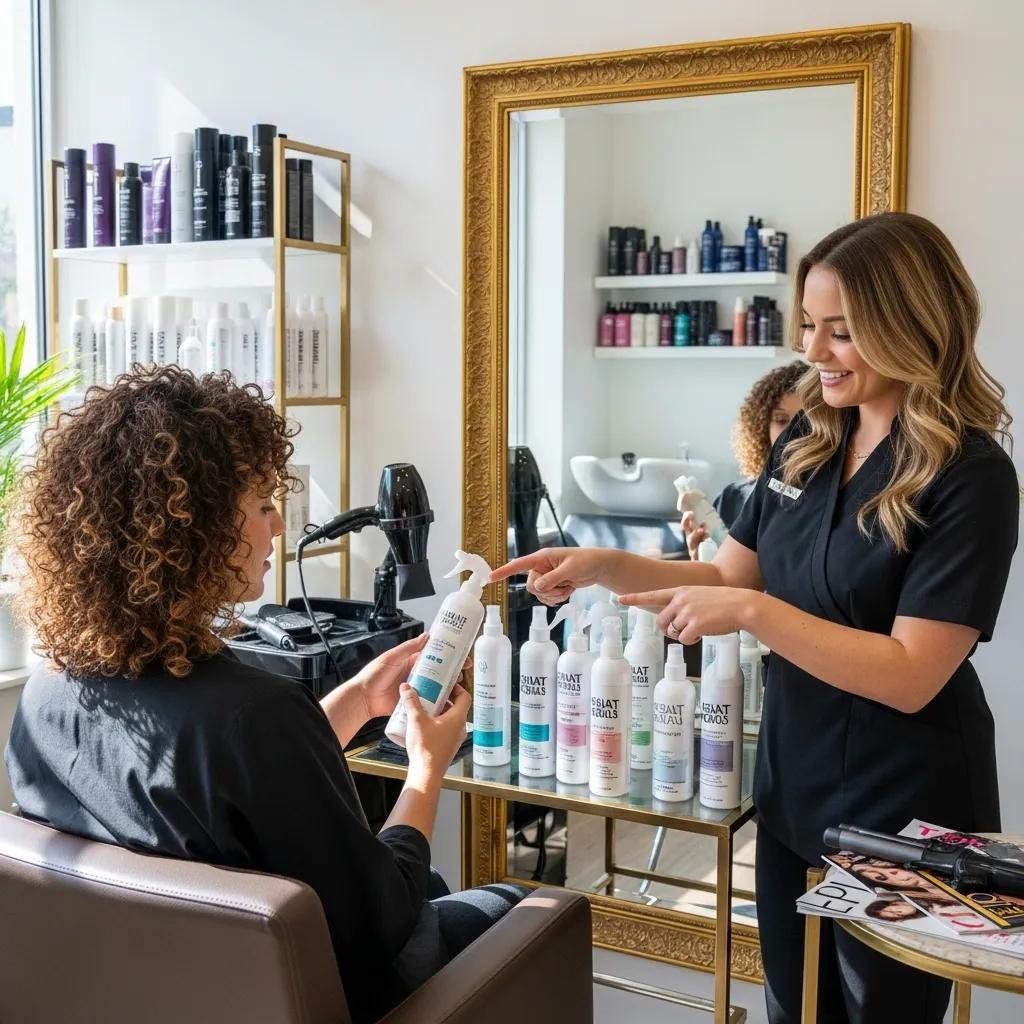
Start by assessing texture, porosity and how you style your hair, then match those needs to a formula’s weight, active ingredients and protection claims. Key things to check: product texture (weightless mist versus cream), ingredient classes (polymers, silicones, proteins, humectants), humidity control and compatibility with chemical services like color or keratin treatments. Avoid heavy oils or waxes on fine hair and steer clear of high-alcohol formulas if your hair is very dry or damaged. Color-treated hair benefits from UV filters and antioxidants to keep shade vibrant.
This table narrows your options by hair density, chemical history and styling frequency. Below we map these attributes to specific hair types so you can choose confidently.
Best Heat Protectants for Fine Hair
Fine hair needs weightless protection that shields without flattening volume. Look for lightweight polymers and low-viscosity silicones that disperse heat with minimal buildup, and labels that say “weightless” or “volume-friendly.” Skip dense oils, heavy creams or waxy ingredients that sap body. A simple routine: mist a light thermal spray on towel-dried hair from roots to ends, then blow-dry with a nozzle on low-to-medium heat to keep lift and movement.
Picking the right texture preserves styling resilience while maintaining natural volume—especially helpful if you style often. Color care is a close second for many clients, so choose products that address both concerns when needed.
Heat Protectants That Preserve Color-Treated Hair
For color-treated hair, seek protectants with UV filters, antioxidants and gentle conditioners to slow pigment oxidation and mechanical wear. Look for formulas labeled “color-safe” and those with antioxidant ingredients to protect pigments from heat and environmental stressors. Sulfate-free systems and pH-balanced products also help prevent cuticle lifting that can cause color to fade. Make a thermal mist with UV protection part of both your daily styling and pre-styling salon routine to keep color bright longer.
Protecting Curly Hair with Heat Sprays
Curly hair benefits from protection that balances hydration and flexible protein support so curls stay elastic without going crunchy. Choose sprays with humectants, lightweight conditioners and flexible polymers that define curls and shield them from heat without stiffening the pattern. Apply section by section, then diffuse or style on low heat to keep shape. Avoid heavy, occlusive silicones that trap buildup; opt for curl-friendly formulations that reduce frizz while preserving bounce.
Top Protectants for Thick or Damaged Hair
Thick or damaged hair often needs richer, reparative protectants that combine thermal defense with proteins, lipids and deeper conditioning agents. Look for hydrolyzed proteins, ceramides or lipid-rich ingredients that fill gaps in the cuticle and restore tensile strength, alongside film-formers that disperse heat. These products can be a bit heavier, so use them sparingly or rinse periodically to avoid buildup. Pair daily protectants with targeted salon treatments—like deep conditioning or keratin services—for the best long-term results.
With product type matched to hair needs, the next section shows exactly how to apply protectants so they work as intended.
How to Apply Heat Protectant Sprays for Best Results
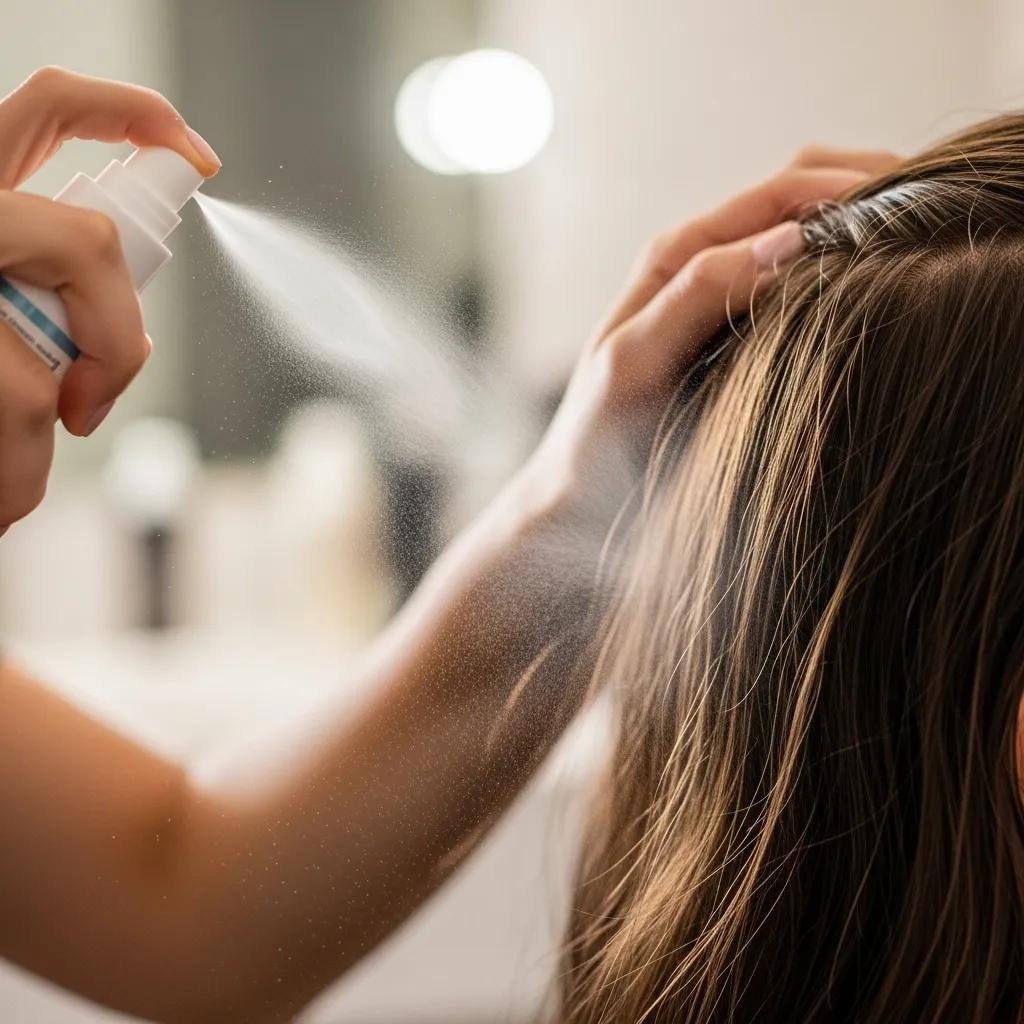
Application technique determines whether a protectant lives up to its claims. Follow the right timing, amount and distribution for reliable results. Most sprays work best on damp, towel-dried hair so the formula can co-dry with the strand and form a protective film; finishing sprays are useful on dry hair before flat-ironing or touch-ups. Section hair, spray from about 6–8 inches, and work the product through with a wide-tooth comb or your fingers to avoid pools and ensure full coverage. These steps reduce hotspots and usually let you style at lower temperatures.
- Prep on Damp Hair: Remove excess water with a towel, mist each section and comb through to distribute product.
- Blow-Dry with Control: Use a nozzle and medium heat, keep the dryer moving and avoid holding it in one spot.
- Finish on Dry Hair if Needed: Lightly mist before flat-ironing and use the lowest effective temperature for the look you want.
- Section and Protect: Work in 1–2 inch sections for even coverage; repeat a light mist for long or dense hair.
Follow these steps to ensure both the thermal and conditioning benefits of your protectant show up in everyday styling. Next, we’ll cover when to use protectants on wet versus dry hair and why that choice matters.
When to Apply Heat Protectant: Damp or Dry?
Most thermal sprays are made for damp hair before heat styling so the protectant can form a stable film as moisture evaporates—this is ideal for blow-drying. Some boosters and finishing sprays are formulated for dry hair and are best used right before direct-contact styling like flat-ironing or curling to reduce friction. Always follow the product directions so the protectant’s mechanism aligns with the tool and your technique.
Tips for Even Coverage of Heat Protectant
Uneven application leaves weak spots that take more heat stress. Work in consistent sections, spray from 6–8 inches to avoid pooling, and use a comb or your fingers to distribute product root to tip. Adjust the amount to match hair density—short bursts for fine hair, a touch more for thick hair—and never saturate to the point of dripping. A stylist trick: mist, comb through each section, then allow a brief air-dry before applying direct heat so the protective film sets evenly.
These simple distribution techniques reduce hotspots and help the protectant perform as intended. Now let’s look at the salon-grade options we recommend at Kylie Studio Salon.
Heat Protectant Sprays Recommended by Kylie Studio Salon
At Kylie Studio Salon we curate professional protectants that balance thermal protection, service compatibility and easy at-home use. Instead of a single brand recommendation, we group our favorites by performance profile—lightweight mists for volume, keratin-compatible mists for smoothing work, and reparative serums for damaged hair. This approach helps our stylists pick the right product during a service and gives clients a simple at-home plan that suits their hair history and styling habits.
That salon framework makes our product choices clear and repeatable for different services. Below are the practical ways our stylists use these categories in the chair and at home.
Which Professional Heat Protectants Does Kylie Studio Salon Use?
Stylist Ruth and our team work with professional-grade protectant categories chosen to match hair condition and the desired finish. For frequent blowouts and clients who want volume, we use lightweight thermal mists on damp hair and style with a round brush. For smoothing or keratin-maintained hair, we choose keratin-compatible mists that protect treatments and boost shine. For thick, damaged or heavily processed hair, we apply a reparative, protein-enriched serum before heat styling and pair it with in-salon deep conditioning when needed.
How These Sprays Support Different Hair Types and Styling Goals
Each spray category targets a specific result: lightweight mists protect fine hair without weighing it down, keratin-compatible mists support smoothing treatments and protect color, and reparative serums rebuild strength for thick or damaged hair. Our stylist tips: use less product on fine hair and focus on mid-lengths and ends; for curly hair, apply humectant-containing protectants by section to preserve pattern; and for processed hair, combine reparative protectants with periodic salon conditioning to build resilience. Using the right category with correct technique gives better protection and longer-lasting styles—and salon treatments amplify those benefits.
With product choice and technique handled, let’s cover broader safety measures that matter beyond protectants.
How to Keep Styling Safe Beyond Using Heat Protectants
Heat protectants are essential but not the whole solution. Tool choice, temperature control, professional treatments and routine maintenance are all part of preventing cumulative damage. Use heat settings suited to your hair type, choose quality tools with reliable heat control and ceramic or titanium surfaces, and schedule regular trims and conditioning treatments to manage wear. Salon services—keratin smoothing, professional deep-conditioning and targeted reconstruction—work with at-home protectants to reinforce hair structure and reduce future vulnerability.
Combining careful at-home habits with periodic professional maintenance creates a holistic plan that lowers the need for aggressive corrective work later. The next section explains temperature guidelines and tool features that directly affect styling safety.
Why Temperature Control and Tool Quality Matter
Tool temperature and material determine how much heat reaches the fiber. Keep temperatures lower for fine or chemically treated hair and raise them only when necessary for thick, coarse textures. Professionals use variable heat settings and steady motion to avoid hotspots. Plate material (ceramic, tourmaline, titanium) and tool upkeep (clean plates, accurate settings) matter because uneven heat or residue can cause local damage. Choosing a well-made tool and using it thoughtfully reduces the need for extreme heat and improves styling results.
How Kylie Studio Salon Protects Hair During Services
At Kylie Studio Salon we follow client-first protocols that combine smart product choice, controlled heat practices and complementary treatments. Stylists pick protectants based on hair type and service, set tools to the lowest effective temperature and add aftercare like keratin-safe products or deep conditioning when appropriate. Clients see less breakage, longer-lasting styles and improved manageability. If you want a tailored at-home plus in-salon plan, book a consultation with Ruth at 301-922-7864 to review options and schedule services.
- Key Takeaways: Match a protectant to your hair type, apply it correctly, and keep tool temperatures as low as possible.
- Professional Support: Salon treatments and expert technique add another layer of protection that complements home care.
- Next Steps: Check your hair’s condition, pick the right protectant category from the tables above, and consider a salon consultation for a customized plan.
This guide gives a practical, science-informed roadmap to choosing and using heat protectant sprays so you can achieve your styling goals while protecting hair health.
Frequently Asked Questions
1. Can heat protectant sprays be used on all hair types?
Yes—most heat protectant sprays are formulated for fine, thick, curly and color-treated hair. The key is matching the formula to your needs: lightweight sprays for fine hair to avoid weighing it down, and richer, reparative options for thick or damaged hair. Always check the label for compatibility with your hair and styling goals.
2. How often should I use heat protectant sprays?
Use a heat protectant every time you apply heat—blow-drying, curling or straightening. Regular use reduces cumulative heat damage and helps maintain hair health. Even at lower heat settings, a protectant supports moisture retention and frizz control, so make it part of your routine.
3. Are there natural alternatives to commercial heat protectants?
Yes—ingredients like argan oil, coconut oil and aloe vera can provide some protection by coating strands and reducing moisture loss. However, they usually don’t match the thermal resilience of purpose-made protectants that contain heat-stable polymers and silicones. If you prefer natural options, look for products specifically labeled as heat protectants.
4. What should I do if I accidentally apply too much heat protectant?
Too much product can build up and leave hair feeling greasy or heavy. To fix this, use a clarifying shampoo to remove excess, or lightly mist with water and comb through to redistribute. Next time, apply in lighter bursts and work in sections for better control.
5. Can heat protectants prevent all types of hair damage?
Heat protectants greatly reduce heat-related damage but can’t stop every kind of hair damage. Chemical services, environmental exposure and mechanical stress from styling tools also affect hair health. Combine protectants with trims, deep conditioning and a balanced routine for the best results.
6. Is it necessary to use a heat protectant if I use a low-heat setting?
Yes—lower heat lowers risk but doesn’t eliminate it. A protectant adds a barrier that minimizes moisture loss and cuticle stress, so it’s a smart habit regardless of the heat level.
7. How can I tell if my heat protectant is working effectively?
Look at how your hair behaves after styling: if it feels smooth, looks shiny and shows less frizz, the protectant is likely doing its job. Over time, reduced breakage and fewer split ends are good signs the product is protecting your hair. Reassess product choice and technique if you notice persistent damage.
Conclusion
Using a heat protectant spray is a simple, effective step toward healthier styling—protectants form a barrier that reduces thermal damage while helping you achieve the look you want. Pick a product matched to your hair type, apply it correctly and combine it with safe tool use and periodic salon treatments for the best long-term results. For personalized recommendations, schedule a consultation with Kylie Studio Salon. Explore our curated protectant options and let us help you elevate your daily styling routine.