Best Routine for Oily Scalp & Hair: Practical Steps to Reduce Greasiness
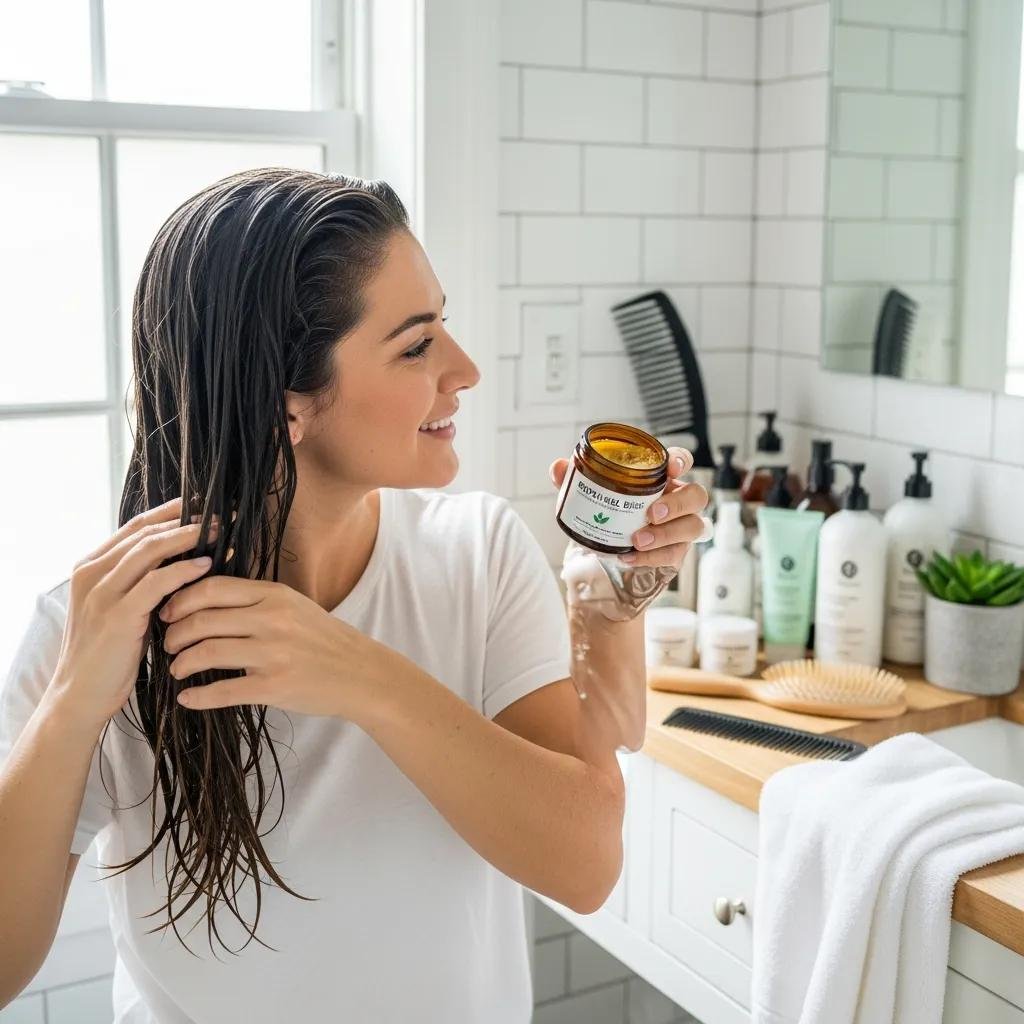
An oily scalp happens when the scalp’s sebaceous glands overproduce sebum. That oil mixes with product residue and everyday grime, so roots look shiny and hair feels limp. In this guide we explain why greasy hair occurs, which shampoos and treatments actually help, how to do an effective scalp detox at home or in-salon, and which natural remedies and daily habits reduce oil buildup. Our goal is practical: a repeatable routine that calms oily roots, improves texture, and extends time between styling—while keeping your scalp healthy. The guide covers biological drivers (sebum, hormones, microbiome), product choices (clarifying, medicated, balancing shampoos and actives like salicylic acid and tea tree), step-by-step detox protocols, safe natural options, and routine tweaks—so you can take action right away and know when a professional assessment is the next smart move. We use research-informed explanations and clear, actionable steps throughout, including when to book a scalp assessment to personalize your care.
What Causes an Oily Scalp and Greasy Hair?
Oily scalp shows up when sebum production outpaces the scalp’s natural removal processes. Oil coats the hair shaft and makes roots look greasy while weighing hair down. Sebum is made by sebaceous glands at each hair follicle; when there’s extra oil, it travels down the strand and traps product residue and environmental particles—amplifying shine and heaviness. The most common result is oily roots with normal or dry ends, so how often you wash and which products you use matter a lot. Understanding these causes helps you choose focused actions like clarifying cleanses, scalp exfoliation, or changing where you apply conditioner to restore balance.
Typical triggers for an oily scalp fall into biological, product-related, and lifestyle categories:
- Genetics and hormonal changes can raise baseline sebum production.
- Overusing heavy conditioners, leave-ins, or oily styling products causes buildup near the roots.
- Humidity and frequent heat styling help oil spread down the hair shaft.
Knowing these factors makes it easier to spot the visible signs of excess oil and to select the right next steps.
How does scalp oil production affect hair greasiness?
Scalp oil directly determines how quickly roots look greasy: sebum coats hairs at the follicle and moves down the strand, which reduces light scattering and makes hair look shiny and flat. When sebaceous glands are more active—from hormones, genetics, or age—oil piles up faster and mixes with product residue to form a film that weighs hair down. Look for greasy roots 24–48 hours after washing, residue at the hairline, or limp styles despite clean mid-lengths. Split texture—oily roots and dry ends—is a common sign that oil distribution is uneven. Spotting these clues helps you pick cleansers and routines that remove excess oil while protecting the scalp’s microbiome and moisture balance.
Which lifestyle and environmental factors increase scalp oiliness?
Several modifiable habits and environmental factors increase oiliness by stimulating glands or creating residue: diets high in refined carbs, frequent touching or brushing that spreads oil, humid weather that magnifies shine, and overuse of heavy styling products. Jobs that expose you to airborne oils or heat, and sleeping on unwashed pillowcases, can also re-transfer oils and shorten the time between washes. Practical fixes include streamlining styling routines, skipping heavy creams near the hairline, using protective styles in humidity, and moderating foods that spike insulin. These adjustments reduce external contributors and work alongside targeted scalp and product interventions.
Which Are the Best Shampoo Options for Oily Scalp?
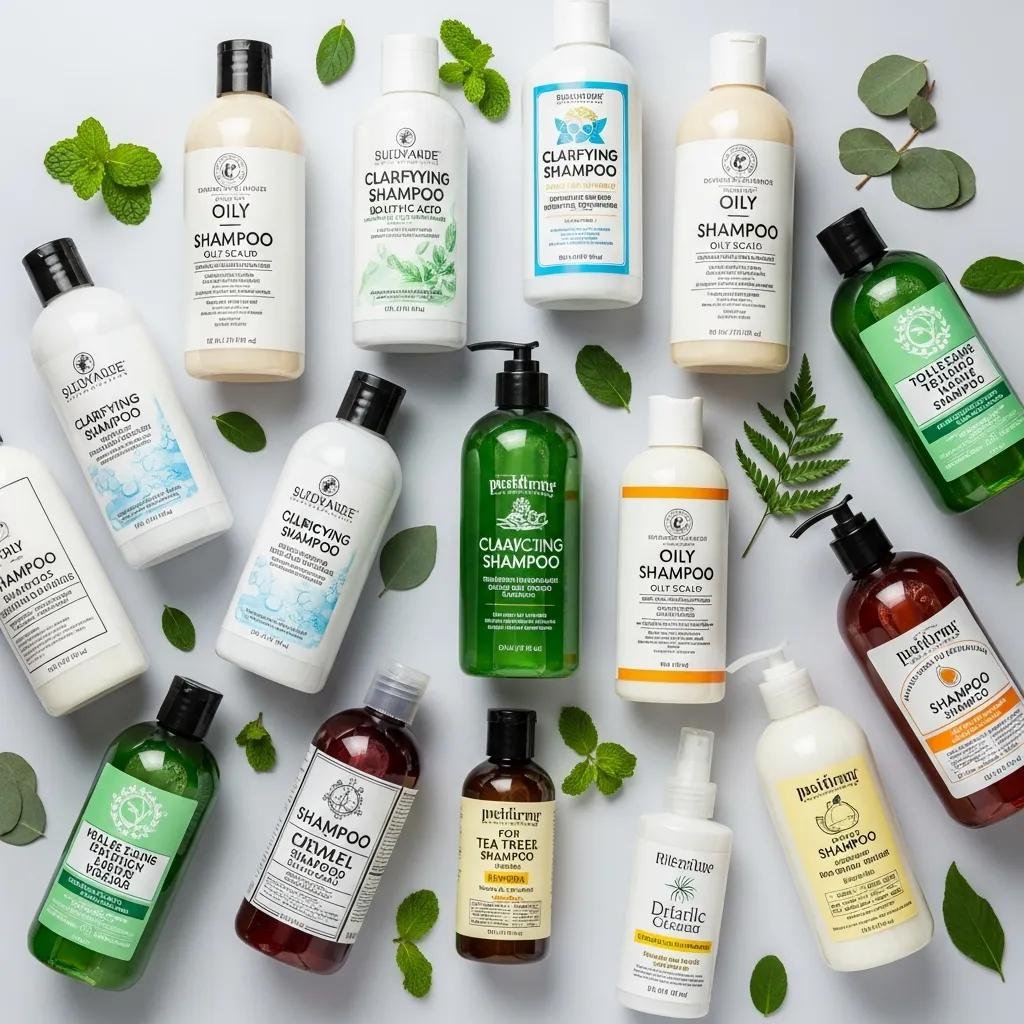
Shampoos for oily scalps generally fall into four groups: clarifying, balancing (low-residue), medicated, and natural/tea-tree-based. Each group has a role depending on how oily your scalp is and how sensitive it is. Clarifying shampoos strip heavy buildup and silicones quickly; balancing formulas control oil without harsh surfactants; medicated shampoos (with salicylic acid or zinc pyrithione) target excess sebum and microbial issues; and tea tree or botanical options suit mild oiliness and sensitive scalps. Pick a category based on oil severity, whether you have irritation or dandruff, and how often you want to wash—this helps you get both immediate clarity and longer-term balance.
Quick one-line guide to shampoo types:
- Clarifying shampoos: Ideal for occasional deep cleans to remove heavy buildup and silicones.
- Medicated shampoos: Best when oiliness is paired with dandruff or microbial imbalance.
- Balancing / low-residue shampoos: Good for regular use to control oil without over-drying.
- Natural / tea tree shampoos: Gentle options for mild oiliness and sensitive scalps.
Use the comparison below to match a shampoo category to your scalp condition and routine needs.
Intro to comparison table: The table summarizes core features of clarifying, medicated, and natural shampoo categories so you can choose based on your scalp and lifestyle.
This comparison shows when to alternate a clarifying wash with gentler balancing shampoos, and when medicated choices are appropriate to treat underlying scalp issues. Mild oiliness often does well with balancing or natural formulas; persistent greasiness or flaking may need medicated products and a scalp assessment.
Professional note: If you’re unsure which category suits your scalp, an in-salon scalp assessment can reveal whether buildup, sebaceous overactivity, or a microbiome imbalance is the main issue. Kylie Studio Salon offers tailored product recommendations and scalp assessments that match shampoo type to your hair and lifestyle—saving you time and limiting costly trial-and-error. These professional insights translate assessment findings into a customized shampoo rotation and home-care schedule.
What ingredients should you look for in shampoos for oily scalp?
Seek ingredients that safely reduce oil and buildup: salicylic acid helps exfoliate surface oils and dead skin, zinc pyrithione targets microbial contributors to greasiness and dandruff, and tea tree oil offers antimicrobial, oil-regulating benefits with a botanical profile. Clarifying surfactants remove silicones and heavy styling residue, while witch hazel works as a milder astringent in gentler formulas. Avoid heavy oils and dense silicones at the root to prevent faster re-soiling. Note: salicylic acid can dry fragile scalps, and essential oils can irritate sensitive skin—patch-test and reduce frequency if you notice sensitivity. Knowing how each ingredient works helps you treat the cause of oil rather than masking it.
How to choose between natural and medicated shampoos for oily hair?
Choose based on severity and signs: for mild oiliness without visible flaking or inflammation, start with a natural or tea-tree balancing shampoo used consistently to regulate oil gently. If oiliness persists despite clarifying and balancing routines—or if you see flaking, redness, or itching—move to a medicated shampoo with salicylic acid or zinc pyrithione for a short, directed course per product instructions or a professional’s advice. Alternate stronger clarifying or medicated washes with gentler balancing formulas to avoid over-stripping; this rotation treats oil while protecting scalp health and prevents unnecessary use of potent actives.
How to Perform an Effective Scalp Detox for Oily Hair?
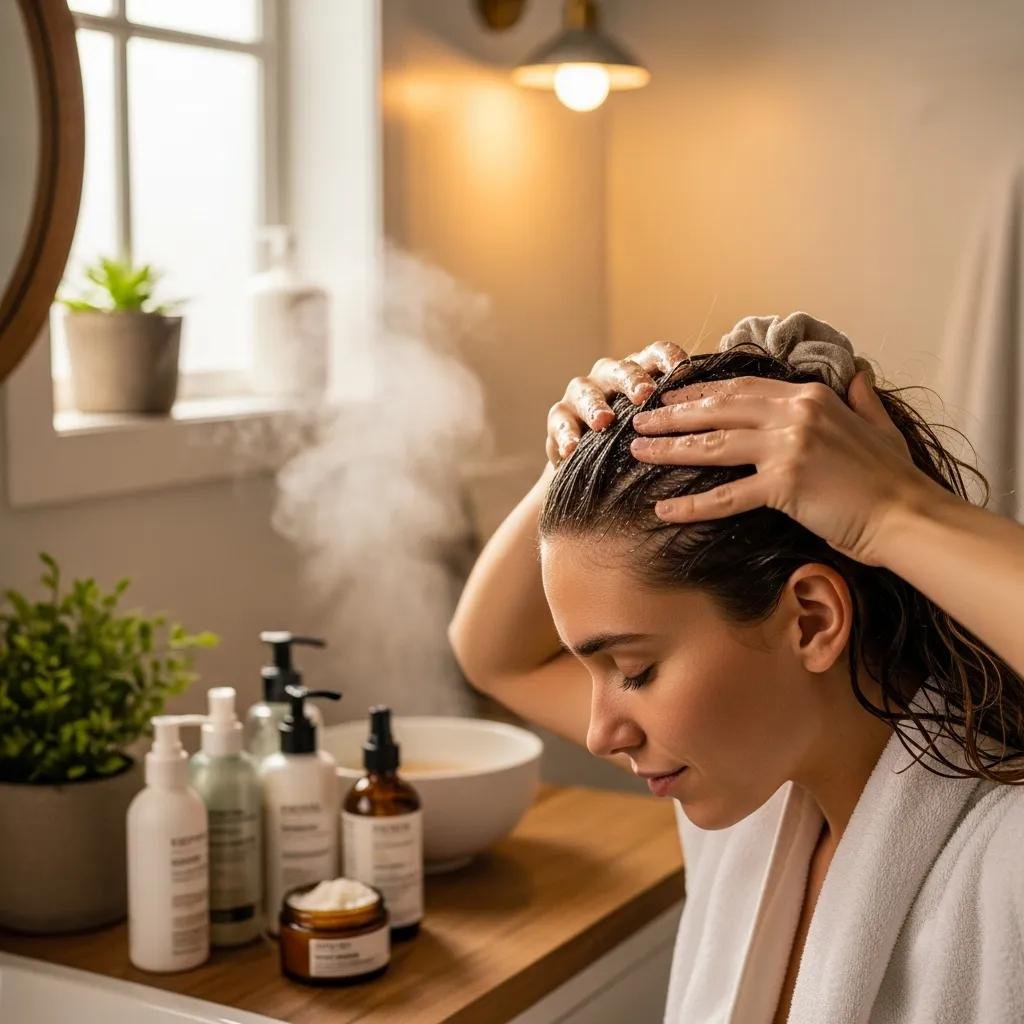
A scalp detox removes sebum, product residue, and dead skin so follicles can “breathe” again and products work better. An effective detox blends mechanical exfoliation, a clarifying cleanse, and a balancing follow-up rinse. This approach reduces immediate heaviness, improves product absorption, and—when done periodically—prevents quick re-accumulation. The goal is clearer roots, less oil within days, and stronger styling hold.
Try this step-by-step at-home scalp detox:
- Prep: Detangle and section hair so the scalp is exposed for even treatment.
- Mechanical exfoliation: Use a gentle scalp scrub or soft-bristle brush to loosen buildup for 1–2 minutes.
- Clarifying shampoo: Work a clarifying or salicylic-acid shampoo into the roots and leave for 1–2 minutes to break down oils.
- Rinse & repeat if needed: Rinse well, then use a light balancing shampoo if you prefer.
- Follow-up: Finish with a diluted apple cider vinegar or witch hazel rinse if tolerated; condition mid-lengths to ends only.
This sequence primes the scalp mechanically and chemically so clarifying shampoo can reach clogged follicles, and follow-up rinses help restore pH to reduce rebound oiliness.
Intro to detox methods table: Different detox approaches work by different mechanisms and suit various maintenance schedules; the table below compares at-home and in-salon options.
Professional complement: Many clients get great results at home, but in-salon detox treatments speed removal of stubborn buildup and let trained stylists assess scalp health up close. Kylie Studio Salon’s scalp detox services pair targeted exfoliation with customized aftercare to help you maintain results on a schedule that fits your needs. A professional detox is especially helpful if at-home methods only bring temporary relief or if residue is stubborn to remove.
What are the benefits of scalp detox treatments for oily scalp?
Scalp detox treatments quickly reduce product buildup and oily films, restoring root lift and improving texture and volume right after the service. Over time, regular detoxing reduces follicle clogging, increases scalp ventilation, and makes balancing shampoos and topical treatments more effective—actives reach skin rather than sitting on a residue film. Clients often notice longer stretches between greasy roots, easier styling, and less need for repeated clarifying washes. Detoxing is a strategic complement to daily care, not just a one-off fix.
Which natural remedies and products aid in scalp detoxification?
Several gentle, natural options help detox: bentonite or kaolin clay masks absorb excess oil and impurities, a diluted apple cider vinegar rinse strips residue and helps rebalance pH, and tea tree oil products offer antimicrobial support while reducing surface oil. How to use them: mix clay with water or aloe to a paste, apply to roots for 5–10 minutes and rinse well; dilute apple cider vinegar 1:4 with water and use as a final rinse once weekly; use tea tree products at recommended concentrations to avoid irritation. If you have sensitive or broken skin, skip strong astringents and consult a pro before chemical exfoliation to prevent irritation.
What Are the Best Natural Remedies for Oily Scalp Treatment?
Natural remedies can help control oil when selected for their action—clays to absorb oil, astringent botanicals to reduce surface shine, and antimicrobial herbs to support the microbiome. Natural options usually take longer than medicated actives but are gentler, making them a good choice for mild oiliness or people who prefer botanicals. Pick a remedy based on what your scalp needs most: absorption, antimicrobial action, or pH rebalancing.
Natural oils and botanicals work by absorbing or regulating oil rather than adding moisture at the roots. For example, tea tree oil provides antimicrobial benefits that can reduce microbial contributors to oiliness, witch hazel acts as a topical astringent to temporarily reduce surface oil, and clay masks bind and remove sebum. Typical frequencies: clay masks once weekly, diluted witch hazel rinses 1–2× weekly, and spot tea tree treatments as needed—always dilute essential oils and patch-test first. Match the remedy’s mechanism to the symptom for better results than generic “natural” fixes.
How do natural oils and herbal treatments reduce scalp oiliness?
Natural compounds act in different ways: clay minerals absorb and lock in sebum, astringent botanicals like witch hazel reduce visible surface oil, and antimicrobial herbs such as tea tree or rosemary help rebalance the scalp microbiome and lower inflammation-linked oil production. Each method targets a different contributor to greasy hair—physical oil, surface shine, or microbial triggers—so combining approaches (for instance, a clay mask plus a gentle tea tree shampoo) often gives the best results. Caution: essential oils must be diluted, and overusing astringents can trigger rebound oiliness if the scalp responds by producing more sebum.
Which home remedies are effective for controlling greasy hair?
Practical home tactics include weekly clay masks to absorb excess sebum, diluted apple cider vinegar rinses to remove residue and rebalance pH, and dry shampoo between washes to absorb oil and add texture. Simple recipes: mix 1–2 tablespoons of clay with water or aloe vera into a smooth paste and apply to roots for 5–10 minutes; dilute one part apple cider vinegar with four parts water and use as a final rinse after shampooing, then rinse with water. Stop and consult a professional if irritation appears, and pair home remedies with suitable shampoos for lasting control rather than relying on single treatments.
How Can You Adjust Your Hair Care Routine to Reduce Greasy Hair?
Small routine changes—washing frequency, where you apply conditioner, styling choices, and daily habits—are the most sustainable way to control greasy hair since they directly affect sebum spread and product buildup. Simple, consistent changes like conditioning only mid-lengths to ends, avoiding oils at the scalp, and touching your hair less can noticeably reduce oil transfer. These habit tweaks work with product choice and detoxes to keep your scalp balanced and extend time between heavy cleanses.
Daily habits that help manage an oily scalp focus on limiting oil transfer and preventing buildup:
- Use conditioner sparingly and apply only to mid-lengths and ends to keep roots light.
- Limit touching and frequent brushing that spreads oil from roots to lengths.
- Sleep on clean pillowcases and keep hats or headbands freshly laundered to avoid re-transferring oils.
- Avoid heavy styling products near the hairline and rinse thoroughly after sweating.
What daily habits help manage oily scalp and hair?
Daily care cuts down on grease drivers: wash hands and avoid touching your hair to reduce oil transfer from fingers, use a wide-tooth comb rather than aggressive brushing to minimize oil distribution, and choose water-based styling products to keep roots lighter. Night habits—washing hairbands and pillowcases weekly and using lightweight overnight scalp treatments only when recommended—help lower oil rebound. Combine these habits with mindful eating and stress management, since insulin spikes and cortisol can influence sebum production. Consistency reduces the need for extreme cleansing and supports long-term scalp balance.
How often should you wash and condition oily hair?
Washing frequency depends on how oily your scalp is and your activity level: for mild oiliness, every other day with a balancing shampoo is often enough; for moderate oiliness or very active lifestyles, a low-residue shampoo daily may be needed initially, then tapered as routines restore balance. Condition only mid-lengths to ends and keep it light—skip conditioner at the root if hair still feels heavy. Adjust by observation: if roots look oily within 24 hours, use clarifying or medicated shampoos 1–2× weekly and gentler balancing formulas on other wash days.
Professional support and booking prompt: If you’ve optimized products and habits but oily roots persist, or if you have irritation or persistent flakes, a professional scalp assessment and tailored in-salon detox can pinpoint causes and create a maintenance plan. Kylie Studio Salon offers expert scalp consultations and treatment recommendations to pair with your home routine, helping you establish a practical plan that reduces greasy hair and improves scalp health. Booking a specialist can shorten the trial-and-error period and deliver faster, longer-lasting results.
Frequently Asked Questions
1. How can diet affect my oily scalp and hair?
Food influences sebum production. Diets high in refined carbs and sugars can cause insulin spikes that may raise oil production. Including omega-3–rich foods like fatty fish and flaxseeds, staying hydrated, and eating a variety of fruits and vegetables support scalp health. Swapping some processed foods for whole foods can help manage oiliness over time.
2. Are there specific styling products I should avoid for oily hair?
Yes. Heavy creams, oils, and pomades can weigh hair down and add buildup at the roots. Choose lightweight, water-based products that won’t add excess oil. Be cautious with silicones—they can trap oil and dirt—so look for non-comedogenic formulas made for oily hair when possible.
3. How can I tell if my oily scalp is a sign of a more serious condition?
If oiliness comes with persistent redness, itching, flaking, or hair loss, it could indicate conditions like seborrheic dermatitis or scalp psoriasis, which need professional care. Monitor your scalp and consult a dermatologist or trichologist if you notice worsening symptoms—early assessment leads to better outcomes.
4. Can stress contribute to an oily scalp?
Yes. Stress raises cortisol, which can increase sebum production and lead to greasier hair. Practices like regular exercise, meditation, or yoga can help lower stress and may reduce oiliness as part of a broader self-care routine.
5. How often should I perform a scalp detox?
Frequency depends on your hair type and oil level. For oily scalps, a detox every 1–2 weeks can help clear buildup and restore balance. If your scalp is less oily, once a month is often enough. Pay attention to how your scalp responds and adjust the schedule accordingly.
6. What are the signs that I need to change my hair care routine?
Signs you should change your routine include oily roots within 24 hours of washing, visible product buildup, or scalp irritation. If hair feels heavy, lacks volume, or if you notice flaking or itching, it’s time to reassess your shampoo, conditioner, and styling products for better compatibility with your scalp.
7. Are there any home remedies that can help with oily scalp?
Yes. Clay masks (bentonite or kaolin) absorb excess oil, a diluted apple cider vinegar rinse can rebalance pH and remove residue, and tea tree oil has antimicrobial properties that may help regulate oil. Always dilute essential oils and perform a patch test before applying them to your scalp to avoid irritation.
Conclusion
A tailored routine for an oily scalp can noticeably improve texture and scalp comfort. By understanding what drives oiliness and choosing the right products, you’ll manage grease better and keep styles fresher longer. Regular detoxes and consistent daily habits support a balanced scalp. Explore our specialized products and book a consultation at Kylie Studio Salon to get a personalized plan and start seeing results sooner.