
Benefits of an Apple Cider Vinegar Hair Rinse: A Practical Guide to Healthier Hair and Scalp
Apple cider vinegar (ACV) rinses are an easy, budget-friendly way to clarify hair and refresh the scalp. The acetic acid in ACV helps rebalance scalp pH and dissolve light product and mineral build-up, leaving hair smoother and shinier. In this guide, we explain what ACV is, how components like acetic acid and the “mother” work, and the main benefits you can expect—improved scalp comfort, fewer flakes, and more reflective shine. If you’re dealing with dull strands, residue from styling products, or occasional itching, a diluted ACV rinse can help by gently restoring acidity and flattening the hair cuticle. You’ll also learn when to choose ACV over other clarifying options, safe dilution ratios and application steps, and when to book a professional visit. We compare ACV with clarifying and chelating shampoos, offer complementary at-home detox ideas, and show how Kylie Studio Salon can help with targeted treatments and personalized consultations. Throughout, practical, science-grounded guidance and common search terms like acv rinse benefits, clarifying hair rinse, scalp pH balance, and apple cider vinegar for dandruff are woven in to help you find what matters.
What is Apple Cider Vinegar and How Does it Benefit Hair?
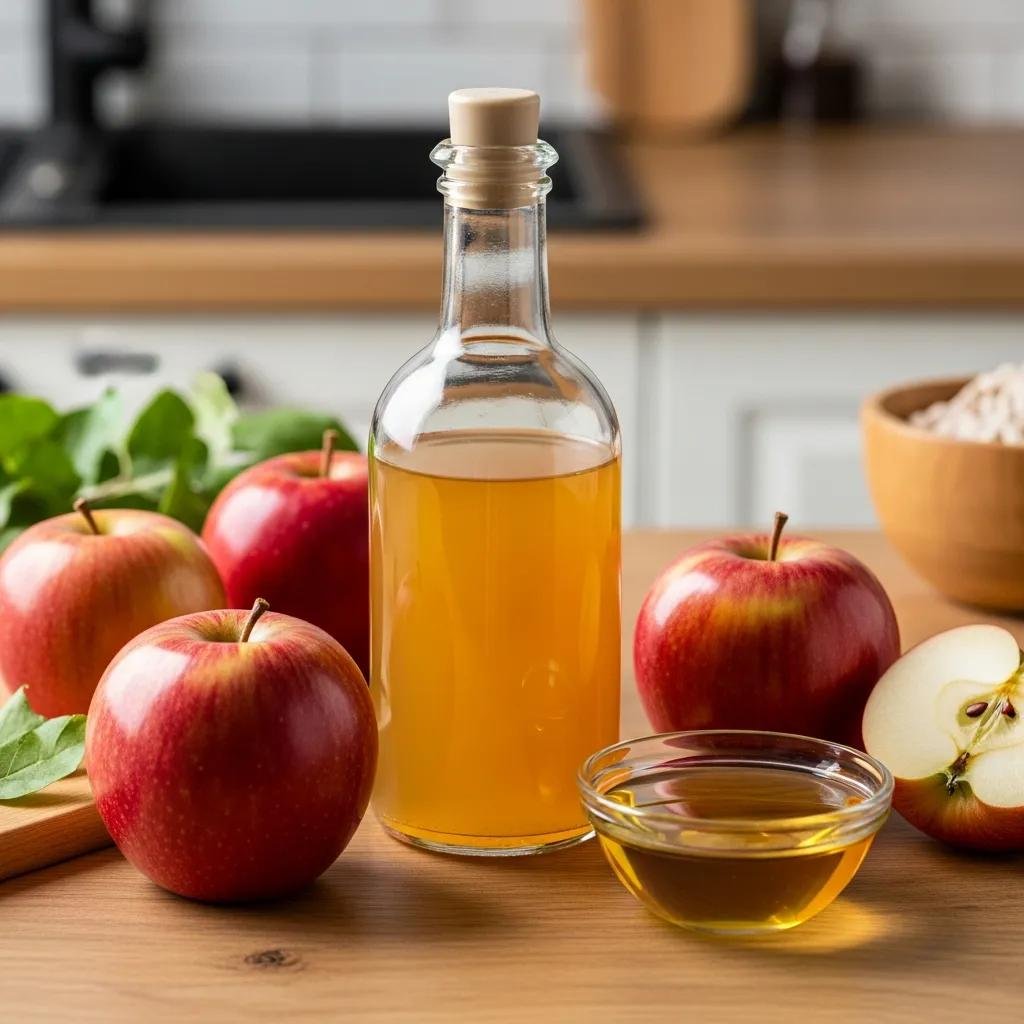
Apple cider vinegar is a fermented liquid made mostly of acetic acid and a small amount of naturally occurring compounds often called the “mother.” Together they give ACV its acidity and mild antimicrobial character, which can benefit scalp and hair health. Acetic acid nudges the scalp back to its slightly acidic state, encouraging the cuticle to lie flat so hair reflects light better and tangles less. A balanced scalp pH also makes the surface less welcoming to microbes that can contribute to flaking and itch. The “mother” contains trace minerals and enzymes that add to ACV’s natural profile. Used occasionally, an ACV rinse helps lift residues from silicones and light oils and leaves hair feeling smoother—improving shine and manageability. Below are the core benefits in plain terms.
- Restores scalp pH to encourage cuticle closure and boost shine.
- Mild antimicrobial/antifungal action that can help reduce light flaking.
- Clarifies by dissolving styling-product film and mineral buildup.
Next, we’ll look closer at the molecules and interactions that explain how ACV produces these effects.
What are the key properties of apple cider vinegar for hair care?
The main active ingredient in ACV is acetic acid, a weak organic acid that lowers surface pH and can help break down light residues on hair. The “mother” is a fermentation byproduct that includes enzymes and organic acids in trace amounts, contributing to ACV’s natural profile. Because of its acidity, ACV shows modest antimicrobial and antifungal effects that may limit some bacteria and yeasts linked to scalp irritation. Finally, the acidic environment helps the cuticle tighten, which cuts down friction between strands and makes detangling and styling easier. Knowing these properties helps you see why ACV is useful as a gentle rinse—and where medicated or salon-grade treatments might be a better fit.
How does apple cider vinegar interact with hair and scalp structures?
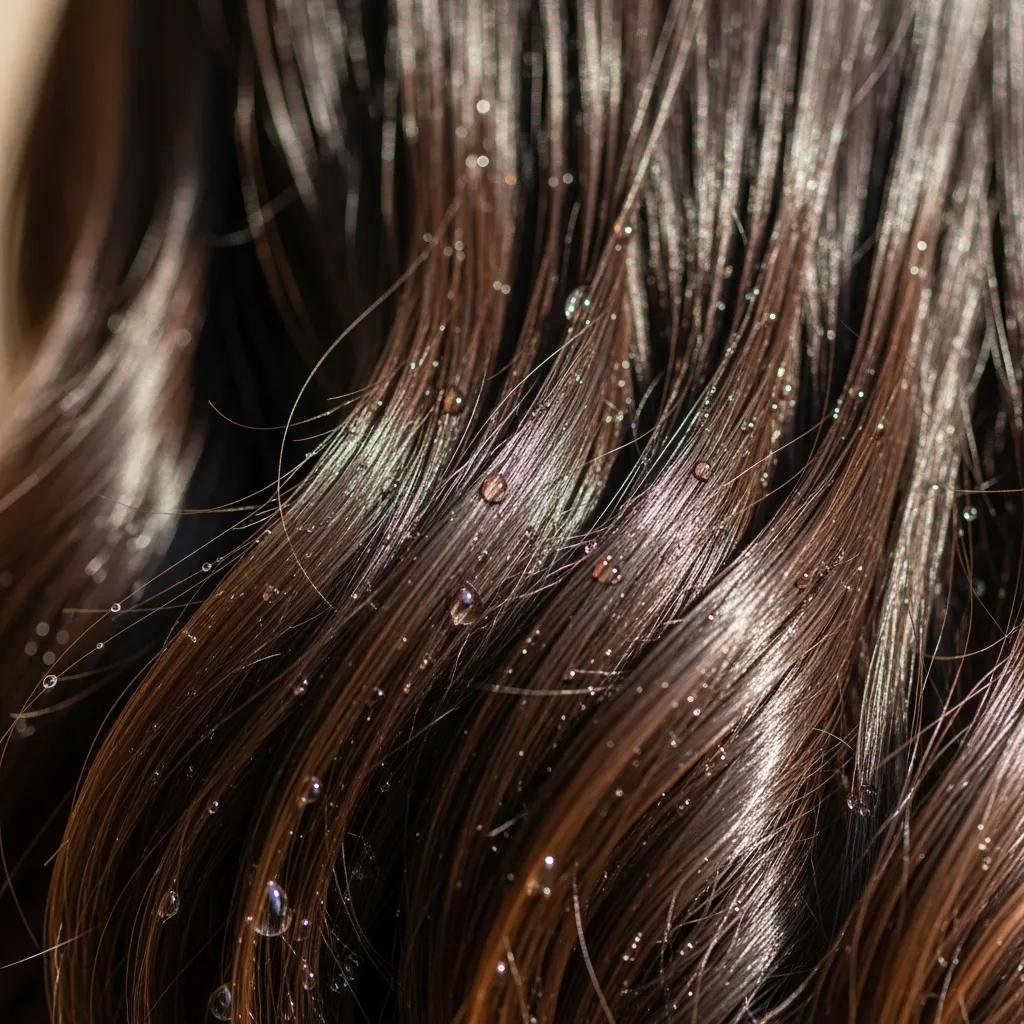
ACV works mainly by shifting the local pH of the scalp and hair surface, encouraging the cuticle to lie flat and reducing porosity. When the cuticle is smooth, light bounces off hair more evenly and strands feel softer; raised cuticles trap residue and dull appearance. On the scalp, a mildly acidic surface helps regulate oil distribution and supports a balanced microbiome, while alkaline shifts can cause dryness, flaking, or excess oil. ACV’s acidity also helps loosen mineral deposits from hard water and thin polymer films from some styling products so they rinse away more easily. These actions explain why a short ACV rinse can give visible cosmetic improvements and support scalp comfort.
How Does Apple Cider Vinegar Improve Scalp Health and Balance pH?
ACV supports scalp health by lowering surface pH toward the scalp’s natural, slightly acidic range—this promotes cuticle closure, reduces flaking, and fosters a microbiome that’s less likely to favor opportunistic organisms. Alkaline shampoos or hard water can lift cuticles and encourage conditions that lead to dandruff-like flaking. A diluted ACV rinse briefly re-acidifies the surface, helping cuticles settle and improving sebum distribution along the strand. That pH correction also helps conditioners and leave-ins work better since they adhere to a closed cuticle, enhancing manageability and shine. Below we summarize the practical benefits of that pH shift.
- Restores mild acidity that supports healthy scalp flora.
- Encourages cuticle lie to reduce tangles and increase shine.
- Helps redistribute natural oils so dryness and oily patches are less noticeable.
These mechanisms explain when ACV can ease dandruff-like symptoms and when you should seek professional care instead.
How does ACV help balance scalp pH for healthier hair?
ACV introduces acetic acid to the scalp surface, nudging pH down from alkaline levels toward the scalp’s natural range (often cited around 4.5–5.5). In a diluted form, acetic acid neutralizes residual alkalinity from harsh shampoos and helps the hair cuticle close, which lowers porosity and friction between strands. The immediate result is smoother, shinier hair with fewer tangles; over time, keeping scalp pH closer to its natural range can make the scalp less prone to irritation and microbial imbalance. Pay attention to your hair’s response and adjust dilution or frequency if you notice dryness.
What antimicrobial and antifungal benefits does ACV provide for dandruff and itchy scalp?
ACV’s acidity creates conditions that are less favorable for some microbes. Lab studies show acetic acid can reduce growth of certain bacteria and fungi at the right concentrations, which may explain anecdotal improvements in mild dandruff or itch—especially when flakes are tied to product buildup or transient microbial shifts. However, ACV is not a medicated antifungal or antibacterial treatment and may not be enough for moderate-to-severe conditions driven by persistent Malassezia overgrowth or inflammatory scalp disorders. If flaking continues, worsens, or comes with redness, bleeding, or pain, book a professional scalp consultation to see whether medicated shampoos or in-salon therapies are needed. ACV is a supportive option, not a substitute for targeted medical treatment.
In What Ways Does an ACV Rinse Clarify Hair and Remove Product Buildup?
An ACV rinse clarifies by gently breaking up and solubilizing thin films from styling products and by acidifying deposits so they wash away more easily—resulting in lighter, bouncier hair. Acetic acid can weaken weak ionic and hydrogen-bond interactions that hold residue to the hair surface, and an acid rinse can also convert some mineral salts from hard water into forms that rinse out more readily. For light, routine buildup, ACV is a gentle clarifier; tougher mineral scale or stubborn silicone films often respond better to chelating shampoos or salon-grade clarifying treatments. The table below compares ACV, clarifying, and chelating shampoos so you can pick the right approach.
In short: ACV is a gentle, easy option for light clarification. For heavier buildup, choose stronger tools or professional services.
How does apple cider vinegar remove product and hard water buildup?
ACV works by lowering the hair surface pH and weakening the bonds that hold lightweight styling films, while also dissolving some mineral salts from hard water. Applied after shampooing, a diluted ACV rinse helps lift residues into the rinse water so they wash away, reducing tackiness and limpness. Signs you need clarification include dull hair, poor lather with shampoo, more tangles, and heaviness at the roots. Persistent hard-water scale usually responds better to periodic chelating shampooing or a professional clarifying treatment than to ACV alone.
What natural hair detox methods complement ACV rinses?
A few at-home methods pair well with ACV when used sensibly and not as a replacement for professional care when needed. Clay masks can absorb excess oil and impurities; a gentle clarifying shampoo can be used every 1–4 weeks depending on styling habits; and installing a soft-water filter reduces mineral buildup at the source. Baking soda is sometimes recommended but its high alkalinity can damage the cuticle and isn’t a good routine choice. An occasional ACV rinse combined with periodic clarifying shampooing and source-control (like a water filter) gives a balanced approach—gentle maintenance with the option for deeper intervention when needed.
How Can ACV Enhance Hair Appearance, Strength, and Manageability?
ACV improves appearance and manageability mainly by smoothing the cuticle and cutting surface friction, which increases shine, tames frizz, and reduces breakage during detangling. By encouraging cuticle lay, ACV helps hair reflect light more evenly and feel easier to comb. ACV doesn’t add internal protein or rebuild the hair shaft, but by limiting cuticle lift it reduces mechanical stress and helps protect hair integrity during styling. For color-treated hair, use conservative dilutions and lower frequency since overuse can accelerate color fade; professional glosses or salon treatments can recreate ACV-like shine while better preserving pigment. The table below compares ACV with common salon options for cuticle sealing, shine, frizz control, and color protection.
How does ACV promote shiny, smooth hair and reduce frizz?
ACV helps flatten open cuticles by lowering surface pH so light reflects more evenly and hair feels smoother. A short, diluted ACV rinse followed by a cool final rinse helps seal the cuticle and makes leave-in products work more consistently. Smoother cuticles also mean less friction between strands while combing, cutting down mechanical breakage and frizz caused by abrasion. For best results, pair ACV rinses with moisturizing conditioners and gentle styling habits to maintain the smoother surface.
Is ACV safe and effective for color-treated hair?
Used sparingly and well diluted, ACV can be safe for color-treated hair—its mild acidity helps close the cuticle without aggressively stripping dye. Still, overuse of acidic or clarifying treatments may gradually reduce color vibrancy, particularly with semi-permanent pigments. Limit ACV to every 1–2 weeks (or every 2–4 weeks for more fragile color) and do a patch test if unsure. If your priority is long-term color retention, ask a stylist about color-safe glosses or professional clarifying treatments that deliver shine with less risk to pigment. A consultation is the safest way to get ACV-like shine without compromising color.
Now that we’ve covered cosmetic and color considerations, here’s practical guidance for doing ACV rinses at home.
What Are the Best Practices for Using an Apple Cider Vinegar Hair Rinse?

A good starting dilution is 1–2 tablespoons of apple cider vinegar per cup (240 ml) of water, used after shampoo and left briefly before rinsing. Shampoo first, then pour or spray the diluted mixture over scalp and hair, massage gently, and finish with a cool rinse to help seal the cuticle. Tailor dilution and frequency to your hair: oily scalps tolerate stronger solutions more often; dry or color-treated hair needs milder ratios and less frequent use. Stop or reduce use if you notice stinging, persistent dryness, or sensitivity—those are signs the concentration or frequency may be too high.
Follow these simple steps:
- Mix: Combine 1–2 tablespoons ACV per 1 cup water in a nonreactive container.
- Apply: After shampooing, pour or spray the mixture evenly over scalp and hair.
- Contact: Gently massage for 30–60 seconds—don’t leave it on for long periods.
- Rinse: Rinse thoroughly with cool water and follow with conditioner if needed.
Use the table below to match dilution and frequency to your hair type.
How should you properly dilute and apply an ACV rinse?
Start with 1 tablespoon per cup of water for most hair types and increase to 2 tablespoons per cup only if oiliness or heavy buildup calls for a stronger mix. Apply after shampooing, working the solution from roots to ends and massaging the scalp for 30–60 seconds to help lift residues. Rinse well with cool or lukewarm water and follow with a lightweight conditioner if the hair feels dry. Blot hair gently with a towel rather than rubbing to preserve the smoothed cuticle. These steps help you get the benefits while minimizing the risk of irritation.
When should you seek professional scalp and hair treatments instead of DIY ACV rinses?
See a professional if scalp issues persist despite conservative ACV use—continuous heavy flaking, intense itching, bleeding, severe inflammation, or signs of infection all warrant expert care. Also consult a stylist if buildup is so stubborn that at-home clarifying doesn’t restore softness, or if repeated ACV use dulls color or causes dryness. Professionals can perform scalp exams, recommend medicated shampoos, or provide salon clarifying and deep-conditioning services that resolve scale, mineralization, and damage more efficiently than DIY rinses. Knowing when to escalate ensures you get targeted, evidence-based treatment instead of prolonging ineffective home remedies.
How Does Kylie Studio Salon Integrate ACV Benefits into Professional Hair Care?
At Kylie Studio Salon, we aim for the same outcomes ACV delivers—clarity, balanced pH, smoother cuticles, and easier styling—but with professional products and treatments that often last longer than a DIY rinse. When at-home ACV isn’t enough for persistent buildup, frizz, or color maintenance, our clarifying services, deep conditioning, keratin treatments, and glosses are designed to deliver durable smoothing and shine. Located in Bethesda, Kylie Studio Salon welcomes clients for targeted in-salon treatments and personalized consultations. Stylist Ruth leads thoughtful consultations to help you choose between safe at-home maintenance and the right professional intervention.
- Clarifying treatments to remove heavy buildup and mineral scale.
- Deep conditioning sessions to restore moisture and reduce breakage.
- Keratin and gloss services to seal cuticles and enhance lasting shine.
What scalp and hair treatments does Kylie Studio Salon offer to complement ACV benefits?
We offer clarifying services to strip stubborn product and mineral buildup, deep-conditioning treatments to replenish moisture and improve elasticity, and keratin or gloss services that lock in smoothness and shine. These salon options address the same goals as ACV rinses—less frizz, improved manageability, and brighter color—but with longer-lasting, professionally balanced formulas that are ideal for color-treated or frequently styled hair. For clients with ongoing scalp concerns or a need to protect color, we design maintenance plans during in-person consultations so results hold between visits.
How does stylist Ruth personalize consultations for optimal hair and scalp health?
Ruth begins consultations with a short hair and scalp history, a visual exam, and questions about your styling routine and products to pinpoint buildup, dryness, or color issues. She assesses scalp condition and hair porosity to recommend whether an at-home ACV routine, a clarifying salon session, deep conditioning, or a keratin/gloss service is the best next step. Her recommendations cover tweakable details—frequency, product choices, and follow-up visits—so your at-home routine complements salon care without risking dryness or color fade. By combining careful observation with your goals, Ruth creates a plan that protects long-term hair health while giving you practical maintenance guidance.
Frequently Asked Questions
Can apple cider vinegar help with oily hair?
Yes. ACV’s acidity can help rebalance the scalp and reduce excess oiliness. A diluted rinse clarifies styling-product residue and grime that can make hair look greasy. For oily scalps, a stronger dilution (about 2 tablespoons per cup of water) used weekly often helps keep the scalp feeling fresher.
How often should I use an ACV rinse for best results?
Frequency depends on your hair. Oily scalps may benefit from weekly rinses; normal hair can use ACV every 1–2 weeks; dry or color-treated hair should limit use to every 2–4 weeks. Watch your hair’s response and adjust as needed.
Is there a specific type of apple cider vinegar I should use?
Choose organic, unfiltered, unpasteurized ACV that contains the “mother.” This type retains natural compounds—enzymes and trace minerals—that support ACV’s beneficial profile and are preferred for hair rinses.
Can I use ACV on colored or chemically treated hair?
Yes, when used carefully. Dilute more (about 1 tablespoon per cup of water) and limit frequency to every 2–4 weeks to avoid accelerating color fade. Do a patch test and consult a stylist if you’re unsure how your color will respond.
What are the signs that I need to stop using ACV rinses?
Stop or reduce use if you experience persistent irritation, excessive dryness, increased flaking, redness, or discomfort. These can mean the vinegar is too concentrated or being used too often. If symptoms continue, seek professional advice.
Can I mix ACV with other ingredients for enhanced benefits?
Yes—sparingly. Mixing ACV with honey can add moisture, and a few drops of tea tree or lavender oil can boost antimicrobial benefits. Always patch-test new mixtures and avoid ingredients that may irritate your scalp.
How does ACV compare to commercial hair products?
ACV is a natural, gentle alternative for clarifying and rebalancing scalp pH. Commercial products often use surfactants and actives that can be more powerful or targeted. For persistent or medical scalp issues, professional products or treatments are usually more effective than ACV alone.
Conclusion
An apple cider vinegar rinse can be a simple, effective way to restore scalp pH, reduce light buildup, and boost shine—especially when used correctly and in the right dilution. It’s a cost-effective, natural option for improving manageability and addressing mild flakes or dullness. If you want longer-lasting results, color-safe care, or help with persistent issues, book a consultation at Kylie Studio Salon and we’ll build a plan that fits your hair and lifestyle. Discover our range of hair care solutions and take the next step toward healthier, more manageable hair.