
Establishing a Beginner-Friendly Skincare Routine: Essential Steps
Starting a basic skincare routine gives you a clear, manageable way to improve skin health and avoid surprise irritation or breakouts. This guide breaks down what a simple morning-and-evening routine looks like, why each step matters, and how regular habits protect your skin barrier, lock in hydration, and prevent sun damage. If you’re unsure which products to choose, how often to use active treatments, or how to avoid common missteps like over-exfoliating, this article walks you through easy, step-by-step instructions, product guidance, and safe timelines for introducing new items. You’ll find ordered morning and evening steps, practical product suggestions for gentle cleansers, hydrating moisturizers, and everyday sunscreen, plus checklists and troubleshooting tips designed for someone just beginning a daily skincare practice.
What Are the Essential Steps in a Basic Daily Skincare Routine?
A basic routine is a short set of actions you do each morning and night to cleanse, hydrate, treat specific concerns, and protect from environmental damage. Together these steps remove dirt and oil, restore moisture, deliver targeted ingredients where needed, and—during the day—provide broad‑spectrum sun protection. The immediate benefit is a stronger skin barrier, fewer irritation episodes, and better-looking skin over time when you stay consistent. Below is an easy-to-follow list of morning and evening tasks beginners can adopt and adjust as they learn what their skin tolerates.
This quick-reference table summarizes each step, why it matters, and when to use it so the routine is easy to remember and repeat daily.
This table is a handy cheat‑sheet for beginners — a clear reminder of what to do and when. Next, we’ll walk through proper cleansing technique and why moisturizer is a non-negotiable step.
How to Cleanse Your Face Properly for Beginners
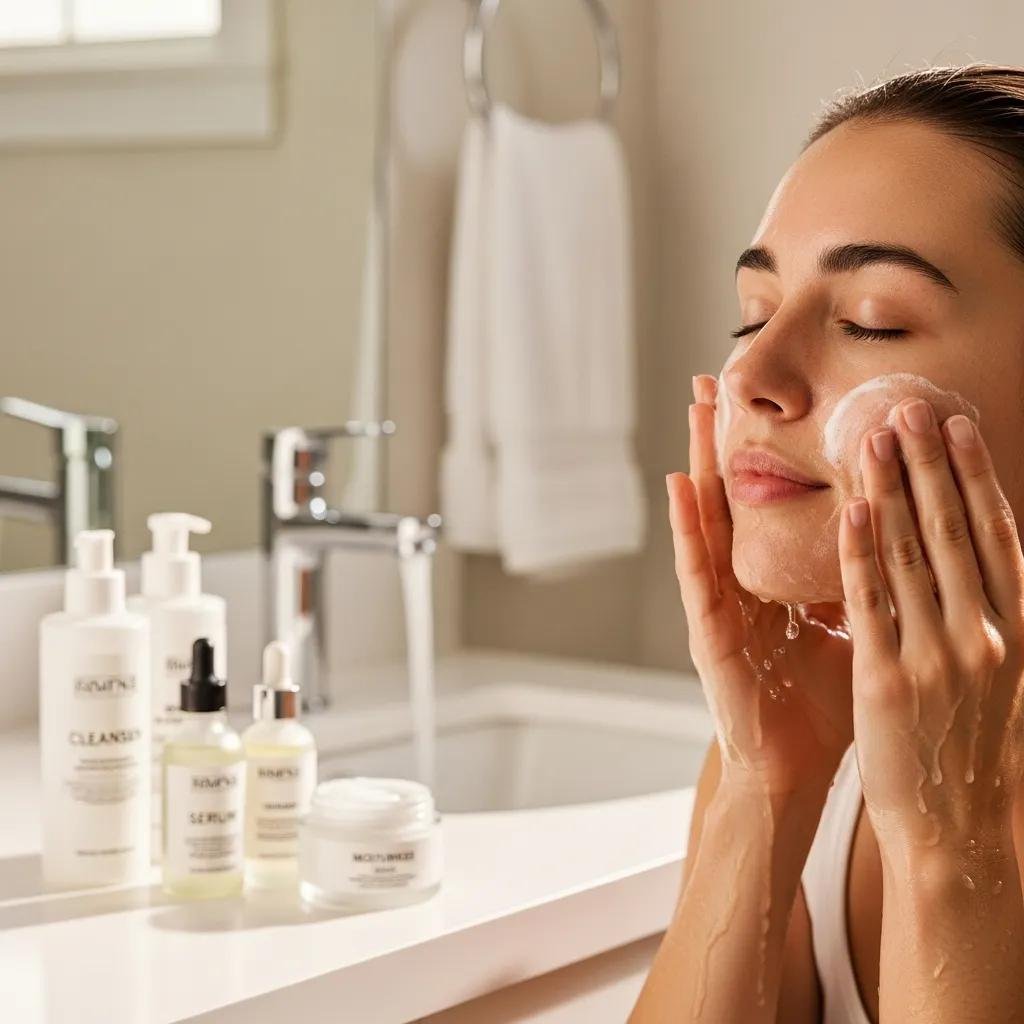
Cleansing clears away oil, sweat, and surface pollutants so treatments can work and moisturizers can seal in hydration. Use lukewarm water, dispense a palm‑sized amount of a gentle cleanser that fits your skin type, massage for about 30–60 seconds, then rinse and gently pat dry with a soft towel. Foaming cleansers tend to suit oilier skin, while cream or balm cleansers are kinder to dry or sensitive skin. Avoid hot water, rough scrubbing, and over‑cleansing—these strip natural lipids and can lead to more oil production or sensitivity.
A good cleanse sets the stage for effective treatments and moisturizers. Next we’ll explain why moisturizer matters so much in a basic routine.
Why Is Moisturizing Important in a Simple Skincare Routine?
Moisturizers protect the skin’s barrier by combining humectants that draw in water with occlusives that lock it in. Together they reduce water loss and lower your skin’s chance of irritation. Texture matters: lightweight gels or lotions work well for oily or combination skin; richer creams are better for dry or cold‑weather skin. Look for ingredients like glycerin, hyaluronic acid, squalane, ceramides, and niacinamide for barrier support, and choose fragrance‑free formulas if your skin is sensitive. Apply moisturizer while skin is slightly damp to help trap hydration and make this step the bridge between cleansing and protection in both AM and PM.
Keeping the skin hydrated and the barrier intact reduces reactivity and sets you up for safer product introductions later on.
Which Products Are Best for an Easy Skincare Routine for New Users?
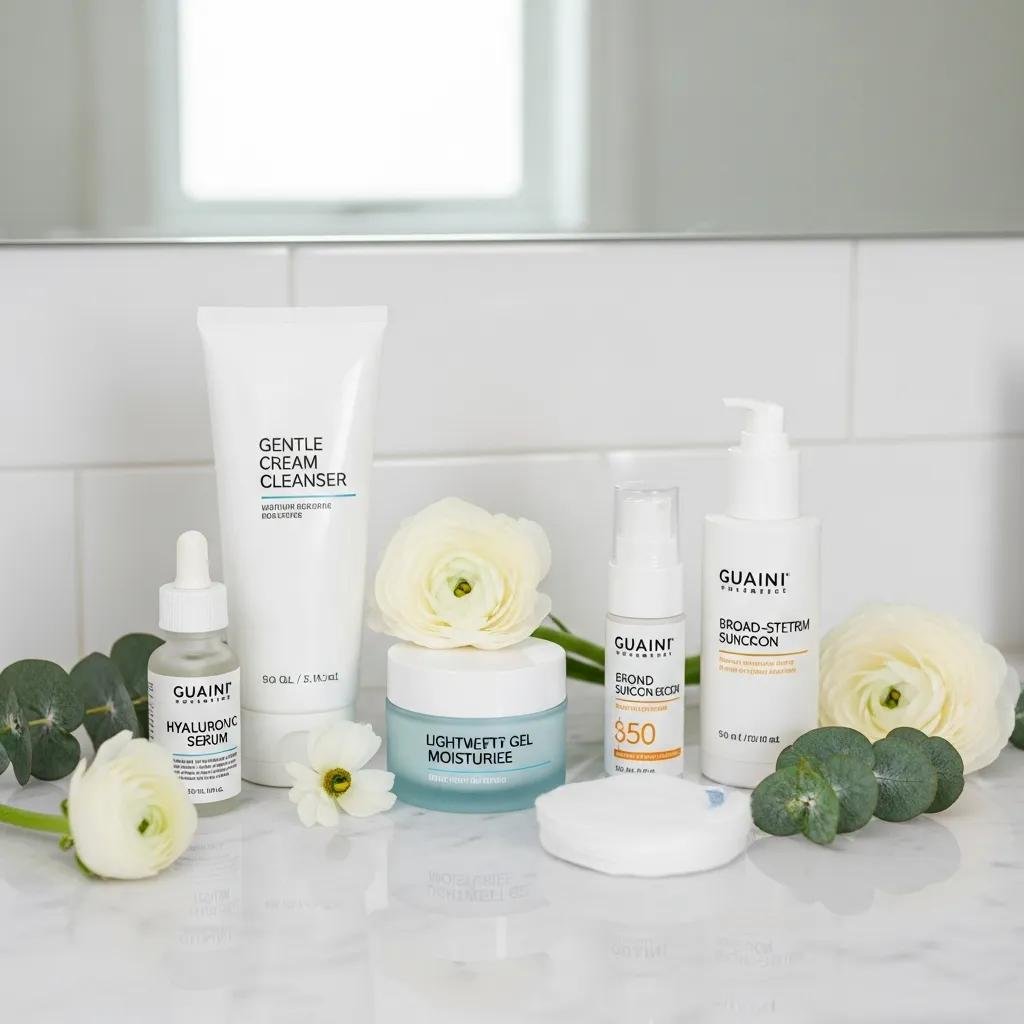
Keep your starter kit simple: a gentle cleanser, a hydrating moisturizer, and a reliable daily sunscreen. These three cover cleansing, hydration, and protection—everything a beginner needs for noticeable, steady improvement. When reading labels, favor shorter ingredient lists, skip obvious irritants like strong fragrances or high levels of denatured alcohol, and prioritize functional ingredients such as ceramides, hyaluronic acid, niacinamide, and broad‑spectrum SPF filters. A compact product set minimizes layering errors and helps you stick with the routine, which is the most important factor for real results.
Use the table below to match cleanser types to common skin needs and textures.
This comparison helps you pick a cleanser that fits your skin so you can avoid mismatched products. Next, we’ll cover moisturizer selection and why sunscreen choice matters every day.
Once you’ve selected your basics, consider a professional consultation to shorten the learning curve. Local estheticians—like the team at Kylie Studio Salon in Bethesda—can match textures and ingredients to your skin type and routine. A short in‑salon or virtual appointment gives targeted advice on product choice and sequencing, often saving time and frustration. If you prefer hands‑on guidance, a single visit can turn a simple kit into a customized plan that fits your skin’s needs.
Choosing Gentle Cleansers and Hydrating Moisturizers
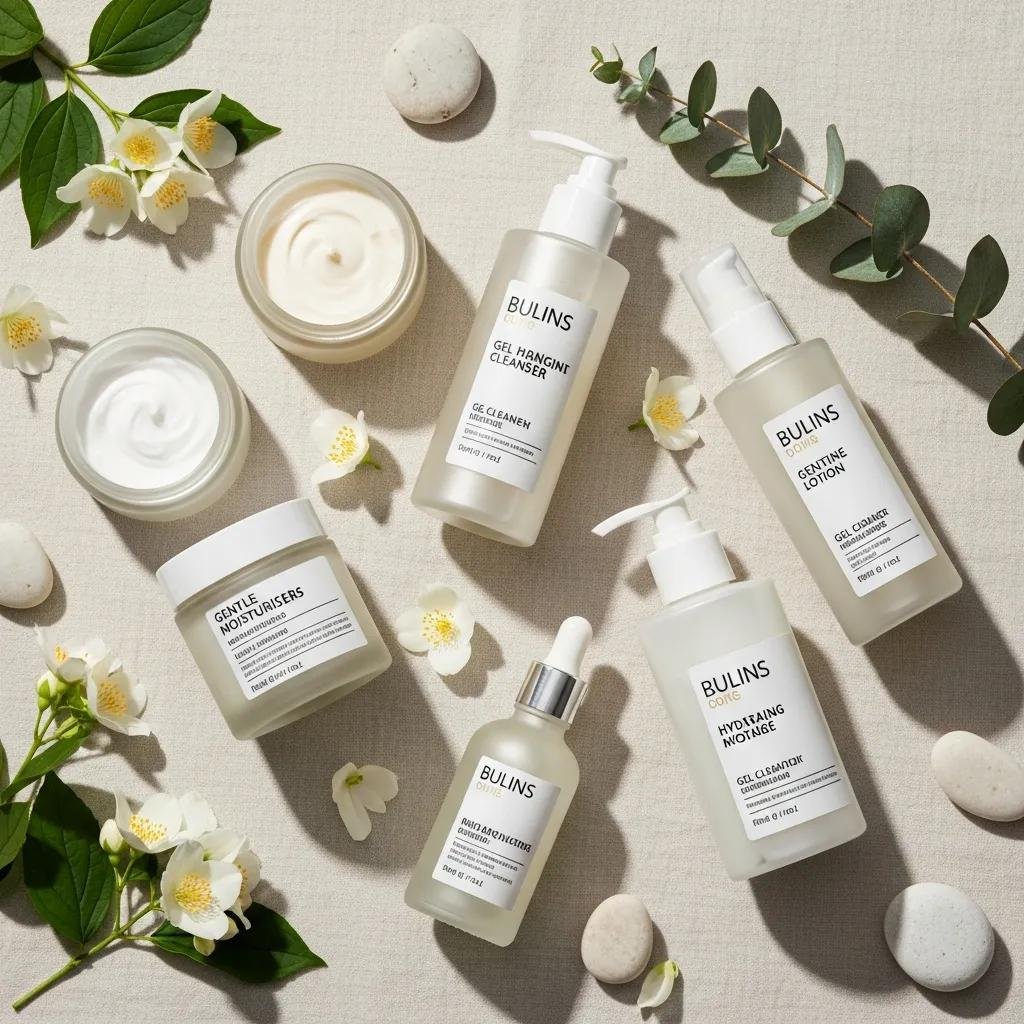
Pick a cleanser that matches your oil level and sensitivity: look for sulfate‑free formulas and avoid strong surfactants at first. For moisturizers, choose a lightweight gel or lotion for oily or acne‑prone skin, and a richer cream if you’re dry or experiencing seasonal flaking. Favor ingredients like ceramides, glycerin, hyaluronic acid, and niacinamide for barrier support, and skip added fragrances or essential oils if you’re prone to irritation. Introduce one new cleanser or moisturizer at a time, patch‑test behind the ear or on the inner forearm, and give it two to four weeks to see how your skin responds before switching.
Matching texture and ingredients reduces irritation risk and makes it easier to stick with the routine—helpful preparation before you add sunscreen into the mix.
Selecting Sunscreen for Daily Face Protection
Sunscreen is essential. Daily broad‑spectrum SPF helps prevent photoaging, pigmentation, and long‑term skin damage. Choose at least SPF 30 labeled “broad spectrum.” Mineral sunscreens (zinc oxide or titanium dioxide) are great for sensitive skin; chemical filters often feel lighter under makeup. Use about a nickel‑sized amount for your face each morning, let it absorb for a minute before applying makeup, and reapply every two hours when you’re outdoors. If you wear makeup, consider sunscreens formulated to layer well; tinted mineral options reduce white cast, while clear chemical formulas blend seamlessly.
Regular sunscreen use dramatically reduces cumulative UV harm and completes the three‑step routine beginners can follow consistently.
How to Build Your First Skincare Routine Guide Step-by-Step?
Start with a simple decision tree: identify your skin type, choose one product for each core category, patch test, and introduce new items slowly so you can notice reactions and benefits. This approach lowers the risk of ingredient clashes and protects your skin barrier while you improve things gradually. Begin with a gentle cleanser, a basic hydrating moisturizer, and a broad‑spectrum sunscreen; after four to six weeks, add a single targeted active only if you need it. Use the checklist below to turn this into actionable steps.
- Assess: Do a short self‑check to determine if your skin is oily, dry, combination, or sensitive.
- Select: Pick one cleanser, one moisturizer, and one sunscreen to start with.
- Patch test: Apply each product to a small area for 48–72 hours before full‑face use.
- Introduce slowly: Add new actives one at a time with 2–4 week gaps between additions.
This checklist keeps product choice simple and reduces overwhelm. The next sections explain how to assess your skin type and introduce new products safely.
After trying your basic kit for a few weeks, many beginners find value in a personalized routine review with a professional. A quick in‑salon or virtual consultation at a local skincare specialist can confirm your skin type and show correct application techniques, speeding progress and cutting down on guesswork. Kylie Studio Salon in Bethesda offers routine reviews and tailored recommendations to help clients safely add actives and choose textures that fit their lifestyle. A short appointment can clarify when to pause, combine, or step up treatments based on your skin’s response.
Understanding Your Skin Type and Needs
Identify skin type using simple signs: oily skin usually shows midday shine and larger pores; dry skin feels tight and flakes; combination skin is oily in the T‑zone and drier elsewhere; sensitive skin reacts to fragrance or strong actives. Try a quick self‑check: wash your face, wait an hour without products, then note whether your skin feels shiny, tight, or red. This helps guide texture and ingredient choices—non‑comedogenic, lighter formulas for oily skin; richer emollients for dry skin; fragrance‑free for sensitive skin. When unsure, start with the gentlest option and reassess after consistent use.
Knowing your skin type narrows choices and makes the next step—safe product introduction—easier.
Tips for Introducing New Products Safely
Add one new product at a time and wait two to four weeks before introducing another; this window lets you spot reactions and benefits. Patch test by applying the product to an inconspicuous area and watching for redness, itching, or burning over 48–72 hours—stop if significant irritation appears. For actives like acids or retinoids, begin with low frequency (every third night) and increase slowly as tolerated, while keeping moisturizer in the routine to protect the barrier. Keep a simple log of product, start date, and any reactions so adjustments are clear and intentional.
A cautious, methodical approach reduces setbacks and builds confidence as you learn what works for your skin.
What Are Common Beginner Mistakes in a Simple Face Care Routine?
Beginners often fall into a few predictable traps that slow progress: skipping sunscreen, over‑exfoliating, layering multiple strong actives at once, or changing products too soon. Each error has a practical fix—commit to daily SPF, limit exfoliation frequency, introduce one active at a time, and give products 4–8 weeks to show results. Avoiding these pitfalls protects the skin barrier and maximizes the impact of a basic routine. Below are common mistakes with straightforward fixes.
- Skipping sunscreen: Make SPF the final AM step—non‑negotiable for long‑term skin health.
- Over‑exfoliating: Limit chemical exfoliation to 1–3 times per week depending on tolerance.
- Layering incompatible actives: Don’t use strong acids and retinoids together in the same evening.
- Frequent product changes: Wait 4–8 weeks before deciding a product doesn’t work.
These simple course‑corrections help beginners stay consistent and avoid setbacks. Next we’ll cover exfoliation safety and ingredient caution.
Avoiding Over-Exfoliation and Harsh Ingredients
Exfoliation improves texture and clears pores, but doing it too often damages the barrier and causes redness, sensitivity, and increased water loss. Gentle options include low‑concentration AHA or BHA products used 1–3 times weekly, and occasional mild physical exfoliation only. Never combine strong acids with retinoids on the same night. If the barrier becomes compromised, pause actives, increase hydration with ceramide‑rich moisturizers, and see a professional if symptoms continue. Knowing safe frequencies and basic ingredient interactions prevents long recovery periods and keeps your progress steady.
Conservative exfoliation choices help protect the barrier so moisturizing and targeted treatments remain effective.
How to Maintain Consistency for Best Results
Consistency beats complexity: a short daily routine you actually follow will deliver better results than an elaborate regimen you abandon. Build habits by pairing skincare with daily rituals (for example, after brushing your teeth), keep products visible in order, and limit your kit to essentials to cut decision fatigue. Track progress with photos or a short journal every 2–4 weeks to notice subtle changes and make thoughtful tweaks. Focusing on habit formation preserves time and skin health, making it easier to add targeted treatments later without backtracking.
Reliable, simple care is the foundation that lets you customize safely down the road.
How Can You Customize Your Basic Skincare Routine Over Time?
Customization means adding targeted treatments and adjusting textures or frequencies for seasonal changes while keeping your core trio intact. As your skin adapts, you might add vitamin C for daytime antioxidant protection, BHA for persistent congestion, or retinoids for texture and anti‑aging—always one active at a time with patch testing. Seasonally, swap to richer moisturizers in winter and lighter gels in summer, but keep sunscreen consistent year‑round. The table below maps common seasonal shifts to simple, low‑risk swaps.
This seasonal guide helps you plan low‑risk swaps that keep your barrier healthy and your skin comfortable all year. The next sections outline targeted treatments for common concerns and how to tweak routines with the seasons.
When you’re ready to introduce stronger actives or consider in‑clinic treatments, a professional can help. Kylie Studio Salon in the Bethesda area offers routine reviews and personalized recommendations to safely add actives and pick textures that suit seasonal needs. A short consultation can clarify when to pause, combine, or progress treatments based on how your skin reacts.
Adding Targeted Treatments for Specific Skin Concerns
Targeted treatments address pigmentation, texture, oiliness, or signs of aging: vitamin C for antioxidant support and brightening, BHA for oily, congested pores, niacinamide for barrier health and redness control, and retinoids for texture and collagen support. Introduce one active at low frequency, patch test first, and avoid stacking strong actives until tolerance is established. Watch for irritation and cut back or stop if you see persistent redness or burning; pairing actives with a supportive moisturizer helps protect your barrier. Thoughtful, phased additions let you progress without destabilizing your daily routine.
Taking a careful approach to new actives lets you move from a basic routine to a tailored plan while keeping skin healthy.
Adjusting Your Routine for Seasonal Changes
Seasonal swaps help protect the barrier from environmental stress: in winter, favor occlusive‑rich moisturizers and consider a gentle overnight oil; in summer, use non‑comedogenic, lightweight hydrators and water‑resistant sunscreen for longer outdoor days. Reduce exfoliation in dry, cold months and increase cautiously in humid months if congestion appears. Watch your skin for two weeks after any change and revert if irritation appears. Small, deliberate swaps keep your routine effective without adding complexity.
Monitoring response to seasonal changes helps you adapt while keeping the core principles—cleanse, moisturize, protect—intact.
Frequently Asked Questions
1. How often should I change my skincare products?
Give each product 4 to 8 weeks to show results before deciding it isn’t working. That timeframe lets your skin adjust and avoids confusing which product caused a change. If you experience a clear adverse reaction—redness, burning, or new breakouts—stop the product and consult a professional for alternatives.
2. Can I use multiple active ingredients in my routine?
You can, but introduce actives one at a time. This minimizes irritation and makes it easier to tell what’s helping or harming your skin. Start with one active—like a retinoid or an exfoliant—use it for a few weeks, then add another if needed.
3. What should I do if my skin reacts negatively to a product?
If you notice redness, itching, or burning after using a product, stop using it right away. Patch testing new items on a small area before full application helps prevent surprises. If irritation continues after stopping the product, see a dermatologist for personalized guidance.
4. Is it necessary to use a toner in my skincare routine?
Toners aren’t essential for everyone, especially when you’re starting out. They can help remove leftover impurities or provide targeted ingredients for oily skin or enlarged pores, but for a basic routine, focus on cleansing, moisturizing, and sunscreen first.
5. How can I tell if a product is suitable for my skin type?
Check the ingredient list and product claims: lightweight gels suit oily skin, richer creams suit dry skin, and fragrance‑free products suit sensitive skin. Patch test new items and, if possible, consult a skincare pro for personalized recommendations based on your skin type.
6. What are the signs of over-exfoliation?
Over‑exfoliation shows up as redness, increased sensitivity, dryness, and a weakened barrier. If you see these signs, reduce exfoliation, focus on gentle hydration (look for ceramides and soothing ingredients), and pause strong actives until your skin recovers. If symptoms persist, get professional advice.
7. How can I maintain my skincare routine while traveling?
Pack travel‑sized versions of your essentials—cleanser, moisturizer, and sunscreen—and keep your routine simple. Multi‑tasking products, like a moisturizer with SPF, save space. Stay hydrated by drinking water and use a hydrating mist if the plane or destination dries your skin out.
Conclusion
Starting a basic skincare routine gives you control over healthier, more resilient skin. Focus on consistent cleansing, moisturizing, and daily sun protection, and introduce new products slowly so you can see what truly works. For tailored guidance, consider a consultation with a local skincare expert—Kylie Studio Salon offers personalized routine reviews to help you build a plan that suits your skin and lifestyle. Take the first step today and enjoy clearer, calmer skin with a routine you can stick to.