Restore Damaged Hair in Bethesda with Professional Bonding Treatments — Expert Repair & Strengthening
Bonding treatments fix damage from the inside out — rebuilding the hair’s internal structure to restore strength, cut down breakage, and make styling easier. Whether your hair is color-treated, chemically processed, or heat-stressed, modern bond-repair systems offer measurable improvement where trims and surface-only smoothing can’t. This guide explains how bond-building differs from keratin or surface treatments, the professional options available in Bethesda, and how to decide if a salon bonding service is right for your hair. We’ll cover the science behind bond repair, which treatments suit common damage types, realistic timelines, practical aftercare to extend results, and how local pros evaluate and deliver these services. Along the way you’ll see how Kylie Studio Salon personalizes repair plans and how to book a consultation with our stylist, Ruth. Read on for clear, practical steps to restore weakened hair.
What Are Hair Bonding Treatments and How Do They Repair Damaged Hair?
Hair bonding treatments are salon services that reconnect broken molecular links inside the hair shaft to rebuild tensile strength — not just smooth the surface. They use bond-building agents (small molecules, peptides, or redox chemistries) that relink disulfide and peptide bonds in the cortex, improving elasticity and overall structure. Unlike keratin smoothing, which mainly seals the cuticle for shine, bond-building changes the hair’s internal architecture so strands stand up better to mechanical and chemical stress. Many stylists and recent studies show visible improvements — easier comb-throughs and fewer split ends — after the first treatment, with stronger cumulative results over several weeks.
Common benefits of bonding treatments include:
- Less breakage and visibly stronger strands after repair
- Improved elasticity and reduced brittleness — styling becomes gentler
- Smoother cuticle and added shine without weighing hair down
Next we’ll look at how these bond-building technologies actually work at the molecular level.
How Does Bond-Building Technology Work to Strengthen Hair?
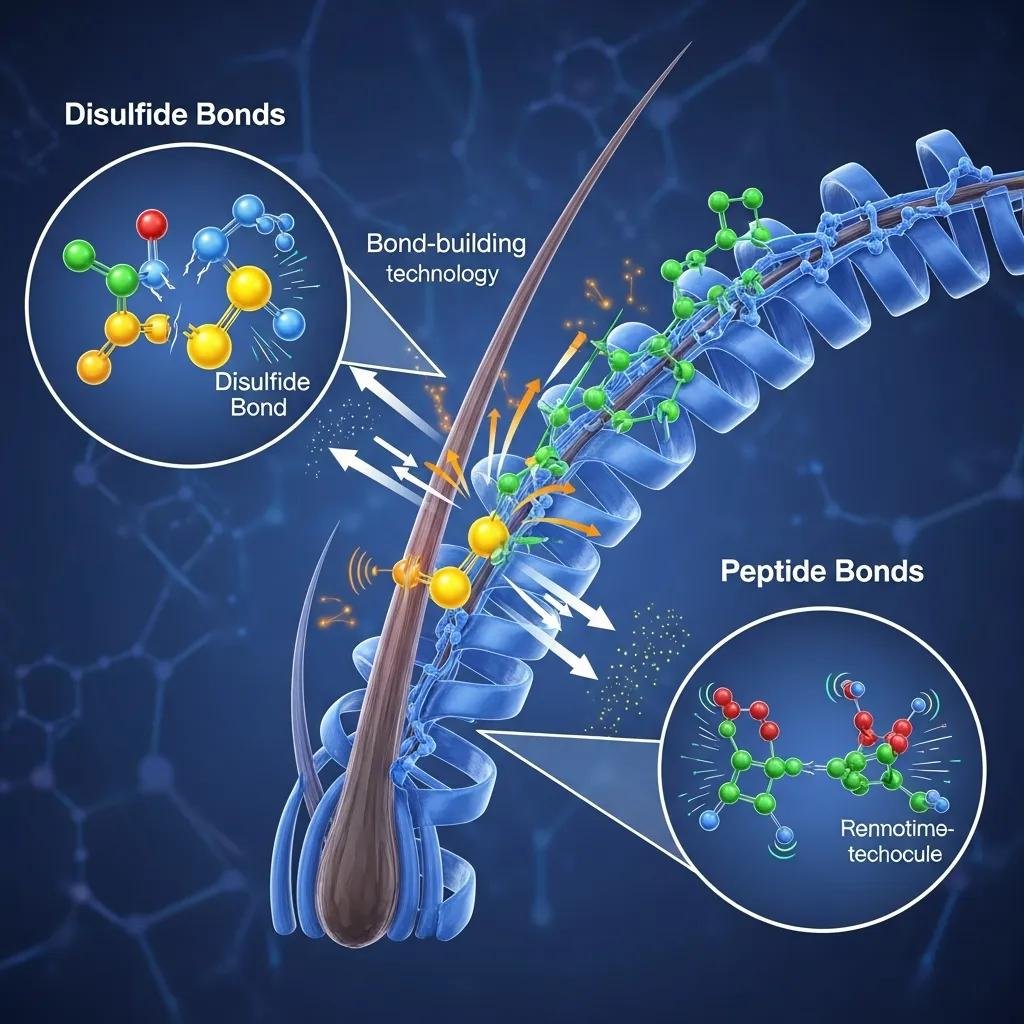
Bond-building technology targets broken disulfide and peptide links in the cortex, acting like a molecular adhesive to reconnect internal fibers and restore continuity. In practice, a bonding product penetrates the cuticle, seeks out disrupted bonds in the cortex, and either reconnects them chemically or forms stable surrogate links that behave like the original structure. The result is increased tensile strength and elasticity, so hair snaps less during combing and styling. Stylists often call this process “molecular glue” because the treatment both repairs fractures and fortifies nearby fiber.
Typical professional steps include:
- Penetration: Small, reactive molecules move through lifted cuticles into the cortex.
- Bonding action: Agents reconnect broken disulfide or peptide bonds or create stable surrogate links.
- Stabilization: Neutralizing and finishing steps lock the new bonds and restore pH balance.
Knowing these steps helps set expectations for when you’ll see results and why some hair needs repeat sessions.
Which Bonding Treatments Are Available: Olaplex, Redken, and Alternatives?
Salons use several professional bond-repair systems, each with its own chemistry and application method. Olaplex-style systems focus on rebuilding disulfide bonds and are popular for bleach and color damage. Acidic, pH-balanced concentrates (like some Redken protocols) emphasize cuticle alignment while supporting internal repair. Newer peptide-based treatments work by inserting short peptides that rebuild protein structure. The right choice depends on your damage profile, porosity, and chemical history — a consultation helps match the method to your needs.
Here’s a practical comparison of common bonding approaches, showing how they differ in mechanism, time, and expected results.
Who Can Benefit from Professional Hair Bonding Treatments in Bethesda?
Bonding treatments are ideal for people with chemically processed, color-treated, heat-damaged, or mechanically stressed hair who need internal repair rather than surface smoothing. If you bleach often, get permanent chemical services, use heat tools daily, or notice chronic breakage and high porosity, you’ll likely see the biggest benefits. Bond repair also helps extend color life and can reduce how often you need trims by strengthening strands. For mild dryness or early split ends, bonding can be paired with deep conditioning or protein work; a stylist’s assessment will determine whether an in-salon repair or a conservative at-home plan is the right first step.
Typical candidates include:
- Clients who bleach or heavily color and notice fragility
- People with repeated heat-styling damage
- Those with a history of chemical processing (relaxers, perms) seeking structural repair
These profiles lead into the specific damage types bonding treatments address.
What Types of Hair Damage Are Addressed by Bonding Treatments?
Bonding treatments target internal and structural damage — breakage, high porosity, reduced elasticity, and cortex fragmentation — and they also help smooth the cuticle indirectly by stabilizing the cortex. They’re especially effective for oxidation damage from bleaching, repeated thermal stress, and chronic mechanical abrasion. Bonding can’t fully restore hair that’s already lost fiber length from severe breakage — those ends still need trimming. Matching treatment type (bond repair, protein infusion, or keratin smoothing) to the damage is essential for the best, lasting result.
Typical repair mapping:
- Breakage and brittleness: Bond-repair protocols to restore tensile strength.
- Porosity and frizz: Bonding plus moisture rebalancing for cuticle health.
- Split ends: Partial cosmetic improvement; trimming required for complete removal.
Clear expectations about what’s reversible with bonding help plan follow-up care.
Are Bonding Treatments Suitable for All Hair Types?
Yes — bonding treatments can be adapted to fine, medium, or coarse textures because they focus on internal restructuring rather than simply adding weight or shine. Fine or fragile hair usually needs a gentler, lower-concentration protocol to avoid overloading fibers. Coarse or highly textured hair may benefit from stronger reinforcement combined with hydrating masks. During consultation we test porosity and may do a strand test so the stylist can customize concentration, processing time, and follow-up conditioning. A conservative test strand is a smart first step for very fragile hair or when multiple chemical services are planned.
Guidelines by hair type:
- Fine hair: Choose low-dose bonding and avoid heavy oils to keep volume.
- Coarse/curly hair: Pair bonding with targeted moisture to preserve curl shape.
- High-porosity hair: Rebuild internal bonds before aggressive smoothing.
Next, here’s how a local salon applies these individualized protocols.
How Does Kylie Studio Salon Deliver Expert Hair Repair Services?
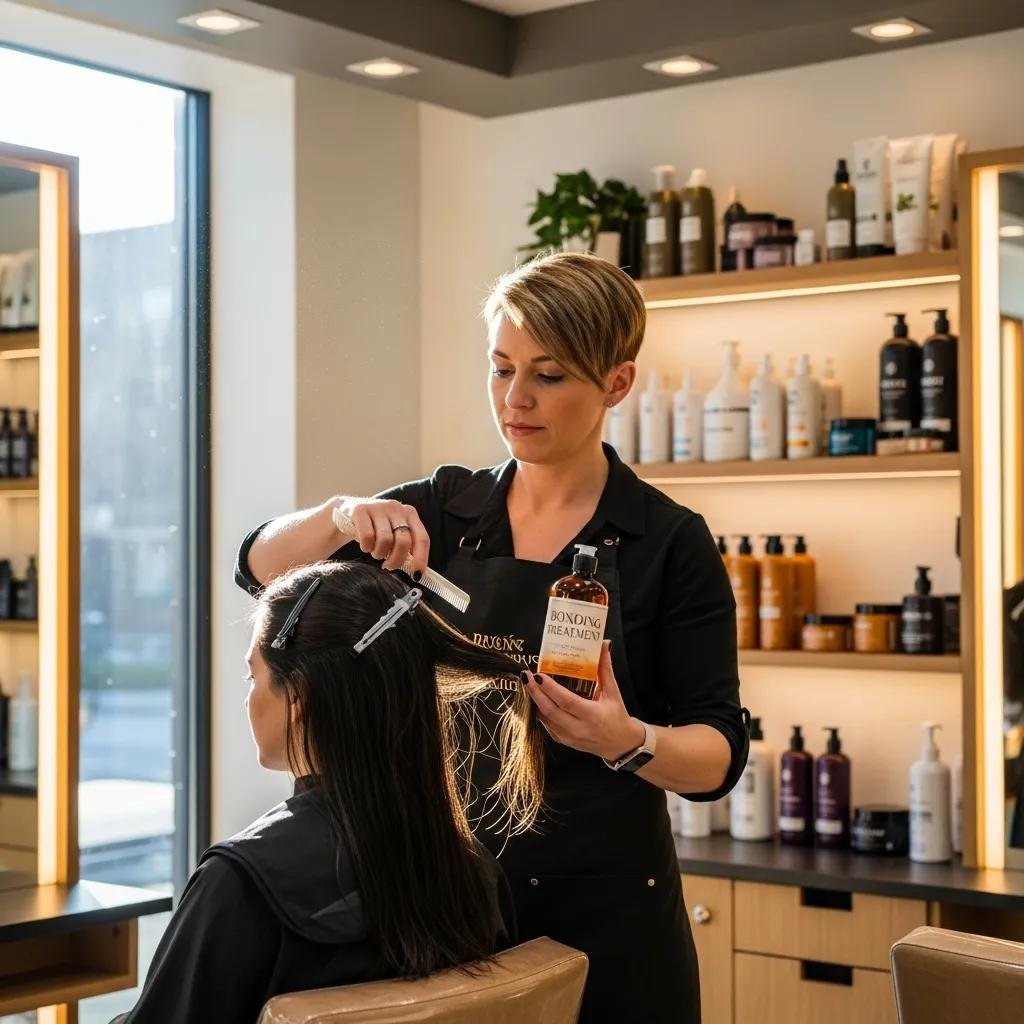
At Kylie Studio Salon we follow a clear, client-first process: a focused consultation, diagnosis of damage pathways, a tailored treatment plan, and a follow-up schedule to protect results. We review your chemical history, porosity, and styling habits to decide whether bond-building, deep conditioning, or a layered approach is best. Appointments usually include before-and-after photos and hands-on aftercare guidance so you leave knowing exactly how to protect your investment. This diagnostic approach makes sure repairs match each client’s goals and hair condition.
Our bond-building workflow typically includes:
- Initial consultation and strand testing to set a plan
- Personalized selection of bond-repair method and in-salon application
- Post-treatment guidance with recommended follow-ups and home care
Next we’ll introduce the stylist who leads these services and what sets her apart.
What Makes Ruth’s Approach to Hair Bonding Treatments Unique?
Ruth, owner and lead stylist at Kylie Studio Salon, brings over eleven years of hands-on experience to hair repair. She focuses on pinpointing the root cause of damage — oxidative, thermal, or mechanical — and balances bond rebuilding with the right moisture and protein needs. Ruth emphasizes client education, documents condition before service, and explains each step so clients can follow an effective home routine. Local feedback highlights successful restorations under her care, showing the value of a tailored plan over a one-size-fits-all fix.
Here’s what to expect during a typical appointment with Ruth.
What Can Clients Expect During a Hair Bonding Treatment Appointment?
Your visit starts with an intake and brief history of chemical services, then a strand assessment and a clear plan outlining steps, timing, and expected outcomes. Appointments usually begin with analysis and photos, followed by application of the chosen bonding system, processing, rinsing, and any finishing treatments like a balancing mask or cuticle seal. Most protocols take about 45–90 minutes depending on the chosen service; your stylist will explain the timeline and any immediate styling notes. We finish with home-care instructions and recommended follow-up intervals to keep improvements lasting.
Knowing what happens during the appointment helps set realistic expectations for benefits and timing.
What Are the Benefits and Results of Hair Bonding Treatments?
Bonding treatments deliver measurable gains: stronger hair with less breakage, improved elasticity, smoother texture, and easier styling. Many clients notice easier detangling and less snap after the first session. These benefits come from reconnected internal bonds that restore cortex continuity and reduce fiber fatigue during daily styling. You’ll typically see increased shine, smoother comb-throughs, and slowed split-end progression. Most protocols show immediate surface improvements and deeper structural gains over several weeks when paired with proper aftercare.
To summarize benefits and timing:
How Do Bonding Treatments Improve Hair Strength, Shine, and Manageability?
Bonding restores internal linkages so mechanical stress spreads across the fiber, reducing breakage while combing or styling. A healthier cortex supports a smoother cuticle, which boosts shine without relying on heavy silicones. As elasticity returns, hair resists static breakage and behaves more predictably with heat tools. In practice, clients with bleaching-induced brittleness often report less snap and clearer curl definition after one bond-focused service, with further gains when they follow up as advised.
Next: how long you can expect results to last and what affects longevity.
How Long Do the Effects of Bonding Treatments Last?
Results typically last from several weeks up to a few months, depending on your hair care habits, further chemical services, and heat use. A single session often shows visible improvement for 4–12 weeks; a planned series extends and deepens results. Factors that shorten durability include aggressive chemical reprocessing, frequent bleaching, and daily high-heat styling without protection. Using sulfate-free cleansers, heat protectants, and periodic salon maintenance helps extend benefits. Stylists usually recommend touch-ups or maintenance treatments every 6–12 weeks, tailored to your exposure and goals.
Key factors affecting longevity:
- Chemical re-processing frequency (reduces durability)
- Daily heat styling habits (reduces durability)
- At-home maintenance and product choices (extend durability)
Next we cover practical aftercare to protect and prolong results.
How to Maintain and Protect Hair After Bonding Treatments?
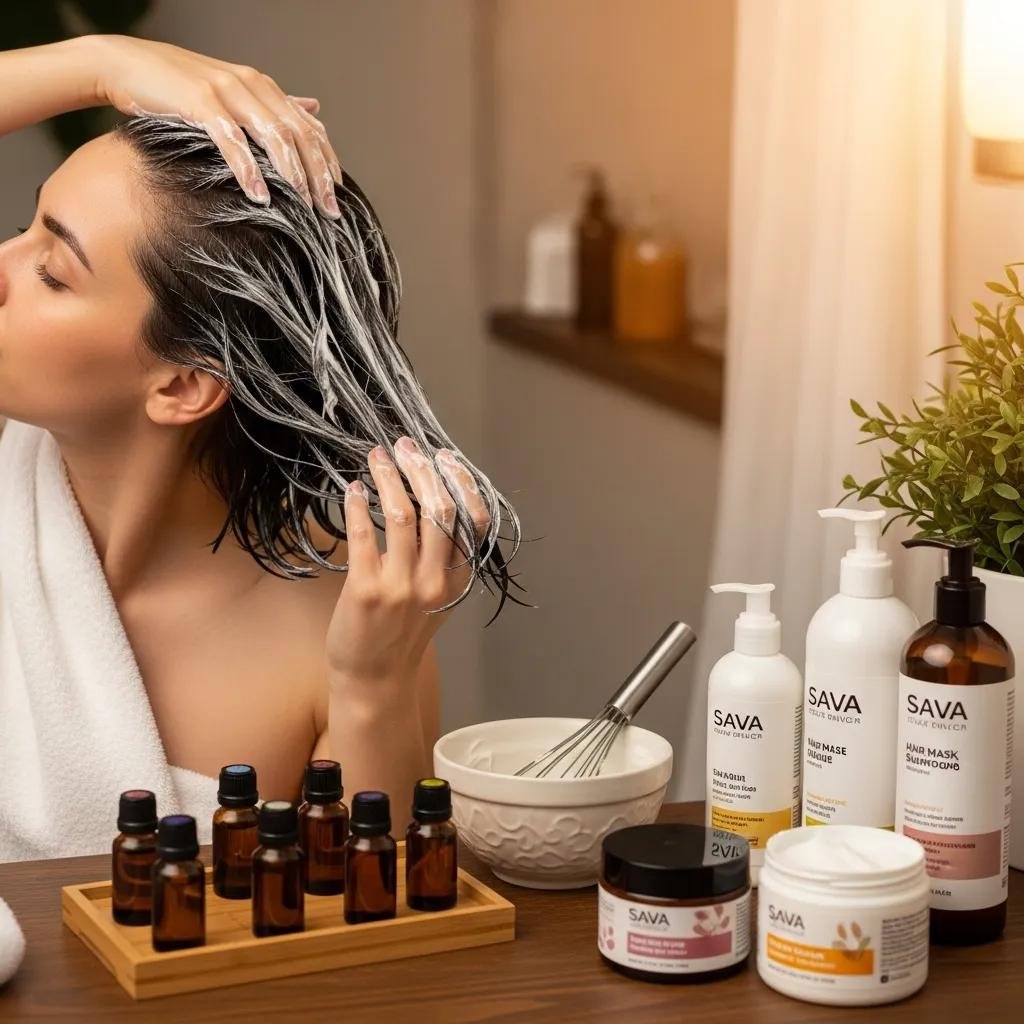
After bonding, a focused aftercare routine preserves salon results: gentle cleansing, bond-supportive conditioners, minimal heat, and protective styling. Use sulfate-free shampoos that won’t strip rebuilt bonds, a weekly deep-conditioning mask to maintain the moisture–protein balance, and always apply heat protectant when using thermal tools. Protective styles and reducing friction while you sleep — silk pillowcases or loose braids — help prevent new mechanical damage. A simple maintenance schedule and product checklist make it easy to turn salon gains into lasting resilience.
Aftercare basics to prolong treatment effects:
- Use a gentle, sulfate-free shampoo and a bond-supporting conditioner
- Apply a deep-conditioning or protein-rebalancing mask once weekly
- Always use a heat protectant and choose lower temperature settings when styling
What Are the Best Aftercare Practices to Prolong Treatment Results?
The best practices preserve the chemical environment that supports rebuilt bonds and avoid actions that wear them down. Wash with pH-balanced, sulfate-free products; use a weekly mask that maintains both protein and moisture balance; and avoid frequent chemical reprocessing. Gentle detangling with a wide-tooth comb, patting hair dry instead of rough towel-drying, and scheduling professional touch-ups also protect salon gains. A consistent routine not only keeps strength and shine but reduces how often you’ll need repairs.
- Use pH-balanced, sulfate-free cleansers to protect bonds.
- Use a weekly mask that supports both protein and moisture balance.
- Minimize frequent chemical reprocessing and rough handling.
Which Products and Habits Help Prevent Future Hair Damage?
Preventing future damage comes down to the right products and simple habit changes: balanced protein and moisture delivery, pH-balanced cleansers, effective heat protection, and regular professional check-ins. Choose conditioners and masks that include gentle proteins and humectants so you rebalance the cortex without overloading fine hair. Use heat protectants with film-forming ingredients and lower your styling temperatures. Space out chemical services and protect hair while you sleep. Your stylist can recommend products that match your porosity and texture so you maintain the right balance.
Practical product and habit tips:
- Choose pH-balanced, sulfate-free cleansers to protect bonds.
- Use weekly masks that combine gentle protein with moisture to support cortex health.
- Apply heat protectant before styling and reduce temperature settings to limit thermal breakage.
What Are the Costs and Booking Options for Hair Bonding Treatments at Kylie Studio Salon?
Pricing depends on treatment complexity, hair length and density, product cost, and whether you combine color, a trim, or deep conditioning in the same visit. Kylie Studio Salon offers an in-depth consultation and customized plans in Bethesda; during a diagnostic appointment we outline time and estimated investment before you commit. You can book a consultation or treatment online or via our public profile. To speed the process, note recent chemical services and your typical styling routine when you book.
Quick comparison of common service tiers and what affects cost:
How Does Pricing Compare for Different Bonding and Repair Services?
Price varies by repair intensity, number of protocols, hair length/volume, and whether color is added. A single maintenance repair for shorter hair with mild damage costs less than a full corrective program for heavily bleached, long hair. Bond-focused treatments often cost more per session because they use specialty chemistries and diagnostic testing, but they can lower long-term costs by reducing breakage and stretching color life. We recommend weighing the upfront investment against potential maintenance savings from stronger, more resilient hair.
Next: how to schedule and what to prepare for your consultation.
How Can Clients Schedule Consultations and Appointments?
Schedule a consultation through our online booking tool or the salon’s business profile listing; both let you choose service types and appointment times. When booking, note whether you want a diagnostic consultation only or a full treatment so we can reserve the right amount of time. Bring photos of desired results and a list of current home-care products to the consultation to speed diagnosis. Our Bethesda location offers in-person evaluations with Ruth if you prefer face-to-face guidance.
To prepare for your appointment, try these quick steps:
- List recent chemical services and how often you heat-style to inform the consultation.
- Bring photos of your desired outcome to help the stylist understand expectations.
- Be ready to ask about follow-up frequency and at-home product recommendations during your visit.
Frequently Asked Questions
1. How often should I get hair bonding treatments for optimal results?
Frequency depends on your hair’s condition and habits. Many clients find maintenance every 6–12 weeks keeps results strong. Severely damaged hair may need more frequent sessions at first, then move to maintenance as the hair improves. Your stylist will recommend a schedule tailored to your needs.
2. Can I perform hair bonding treatments at home?
There are at-home bonding products, but professional treatments usually perform better because of stronger formulations and targeted application. Salon services penetrate deeper and are matched to your damage profile. If you use at-home options, choose products suited to your hair type and follow directions carefully.
3. What should I do if I experience adverse effects after a bonding treatment?
If you notice excessive dryness, breakage, or a possible allergic reaction after a treatment, contact your stylist right away. We’ll assess your hair and recommend adjustments or supportive aftercare. In many cases, a deep-conditioning mask and a break from heat styling for a few days will help hair recover.
4. Are there any specific products I should avoid after a bonding treatment?
Avoid products with sulfates, high alcohol content, and harsh chemicals that can strip moisture and weaken rebuilt bonds. Opt for sulfate-free shampoos and conditioners formulated to support bond integrity. Also avoid heavy heat styling and further chemical services for a few weeks while bonds stabilize.
5. How can I tell if my hair needs a bonding treatment?
Look for increased breakage, high porosity, frizz, and reduced elasticity. If your hair feels brittle, looks dull, or is hard to manage, internal damage may be present. A professional consultation gives a full assessment and helps determine whether bonding is the right fix.
6. Can bonding treatments help with color retention?
Yes. By strengthening the hair’s internal structure, bonding treatments help color molecules stay put longer and reduce damage that causes fading. Regular bond maintenance can also cut down on how often you need color touch-ups.
7. What lifestyle changes can support the results of bonding treatments?
Support repairs by minimizing heat styling and using a heat protectant when you do, eating a balanced diet with hair-friendly nutrients (biotin, omega-3s), and keeping a gentle, consistent hair-care routine with regular deep conditioning. These habits help maintain the strength and shine you get from bonding treatments.
Conclusion
Professional hair bonding treatments offer a practical, science-backed way to restore strength, elasticity, and manageability by repairing internal damage. They can extend the life of your color and reduce breakage when paired with the right aftercare. If you’re ready to see results, schedule a consultation at Kylie Studio Salon in Bethesda and let Ruth tailor a repair plan for your hair. Take the first step toward healthier hair today.