How to Keep Your Color Vibrant Longer: Expert Tips from Kylie Studio Salon
Color-treated hair fades for predictable reasons, but a few stylist-approved habits can dramatically extend vibrancy and cut down how often you need major touch-ups. This guide walks you through why color fades, how porosity and cuticle health affect pigment retention, and the exact washing, styling, and lifestyle moves that preserve tone and shine. You’ll get practical product categories—like sulfate-free shampoos, color-depositing masks, and UV sprays—and easy routines for washing, heat styling, and pre/post-swim care. We’ll also cover when salon services (glosses, toners, bond-building treatments) make the biggest difference. Throughout, you’ll find clear steps and product-type recommendations so you can build a reliable color-care routine that keeps your shade looking fresh longer. Read on to learn the science, adopt daily habits, and know when a salon visit is the smartest investment for lasting color.
Why Does Hair Color Fade and How Can You Prevent It?
Color fades when dye molecules are lost through chemical, mechanical, and environmental forces that damage the cuticle and alter pigment. Oxidation, frequent washing, UV exposure, and heat styling open the cuticle or break pigment bonds, reducing saturation and shine. So preventing fading means protecting the cuticle, cutting down pigment-leaching actions, and shielding hair from sun and pollution. Below we break down the main causes and share practical prevention steps you can start using right away.
Focus on gentle cleansing, heat and UV protection, and occasional sealing treatments that lock pigment in place. Switching to color-safe products and reducing mechanical abrasion while washing and styling are low-effort, high-impact changes. Those habits naturally lead to a closer look at the chemical and physical causes of fading and the targeted routines that follow.
What Causes Hair Color Fading? Understanding the Science Behind Color Loss
Fading happens when dye molecules are chemically altered or physically washed away from the cortex and cuticle, leaving hair less vibrant. Oxidation—speeded up by heat and sunlight—breaks pigment molecules or shifts their tone, while strong surfactants and mineral-heavy water mechanically strip dye during shampooing. Repeated thermal styling and rough towel-drying lift the cuticle, increasing porosity and speeding pigment loss. Knowing these mechanisms helps you prioritize interventions—UV protection, gentler surfactants, and less high-heat styling—to directly address fading and keep color richer, longer.
With oxidation and mechanical loss in mind, the next step is assessing hair porosity, which tells you how well hair accepts and holds color during and after salon services.
How Does Hair Porosity Affect Color Retention?
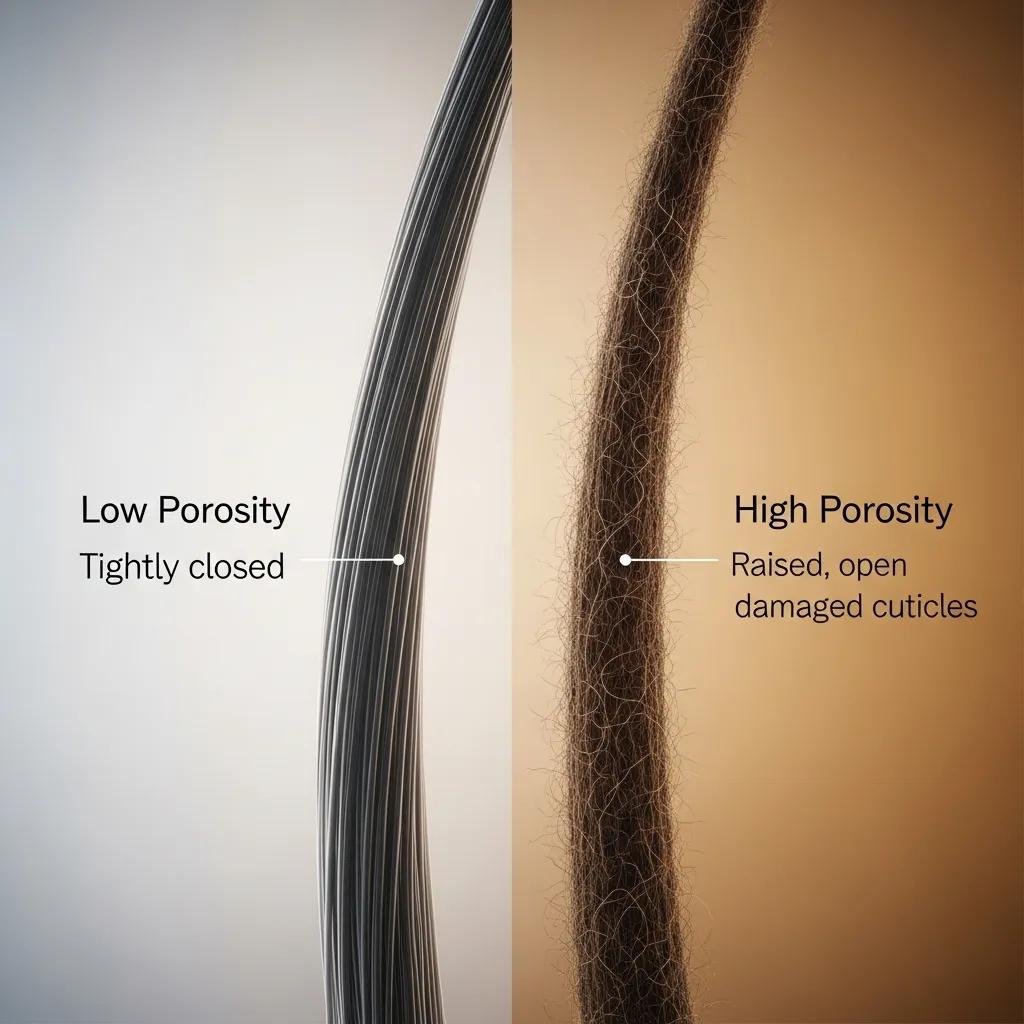
Porosity measures how easily hair absorbs and holds moisture and molecules like dye—and it strongly influences color retention. Low-porosity hair resists moisture and tends to hold surface-bound color longer but may take color unevenly; high-porosity hair soaks up dye quickly yet releases pigment faster because the cuticle is raised or damaged. You can test porosity yourself—slide a clean strand between your fingers or try the water float test to see how fast it absorbs. Low-porosity hair usually benefits from gentle heat during color application and lightweight moisturizers; high-porosity hair improves with bond-building and sealing treatments followed by richer conditioners to lock pigment in. These porosity-based choices shape product selection and how often you’ll need professional refreshes.
Which Products Are Best for Maintaining Color-Treated Hair?
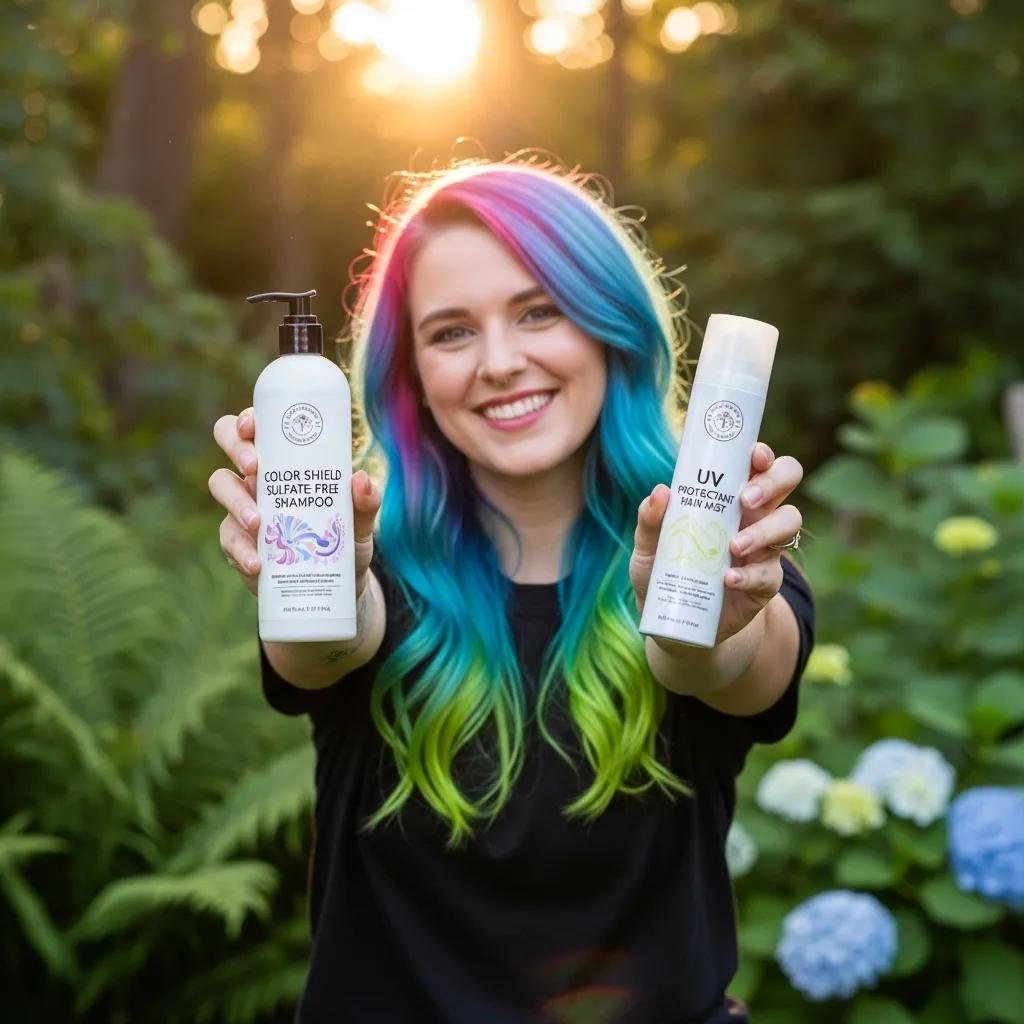
Building a color-care toolkit—sulfate-free shampoo, a nourishing conditioner, color-depositing masks, heat protectants, and UV sprays—helps reduce fading and keeps tone between salon visits. Product choice matters because surfactants, pH, and conditioning agents determine whether dye is washed out or sealed into the shaft. Below are key product categories with short notes on what they do and how to use them so you can match a routine to your hair type and styling habits.
Start with a gentle cleanser and pair it with a conditioner that balances pH and adds sealing agents. Use a color-depositing mask every 1–3 weeks to refresh tone, and always apply a heat protectant before thermal styling. For outdoor days, spritz a UV protection spray. If you want tailored guidance, ask your stylist for salon-grade recommendations—bring your concerns to your next appointment and we’ll suggest what fits your color and porosity.
Different color-safe product types deliver distinct benefits for color longevity and hair health.
This quick comparison shows how combining cleansing, toning, and protective products keeps color longer while improving hair condition.
When shopping, read labels—not just brand names. Look for sulfate-free formulas, lower pH, and conditioning agents that help seal the cuticle. Scanning ingredient lists for gentle surfactants and protective polymers helps you avoid shampoos that speed up fading.
Why Choose Sulfate-Free Shampoos and Conditioners for Color Protection?
Sulfate-free shampoos use milder surfactants that clean without aggressively stripping natural oils or dye molecules—making them a top choice for preserving color. Sulfates like sodium lauryl sulfate create big foam and strong cleansing power, but that same action can remove loosely bound pigment and stress the cuticle over time. Moving to sulfate-free options reduces pigment loss and helps maintain a slightly lower surface pH that encourages cuticle closure and shine. Pair your shampoo with a conditioner that contains sealing polymers to keep the cuticle smooth and color-looking-rich. Next we’ll cover how protective styling and heat management further reduce color breakdown.
How Do Heat Protectants and UV Sprays Help Preserve Hair Color?
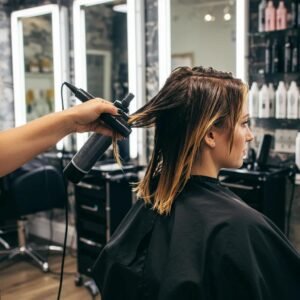
Heat protectants create a light thermal shield that reduces cuticle lifting and pigment breakdown during styling, while UV sprays block or absorb sun wavelengths that fade dye. High heat can cause oxidation and tiny cuticle fractures, accelerating pigment loss—so applying a quality heat protectant before blow-drying or flat-ironing helps protect both hair and color. UV sprays and antioxidant-rich leave-ins guard against sun-induced fading and environmental oxidation; use them before extended sun exposure and reapply after swimming or heavy sweating. Use heat protectant with every styling session involving major heat, and reach for UV protection whenever you’ll be outdoors for long periods—both steps keep color steadier between salon visits.
What Washing and Styling Techniques Extend Hair Color Vibrancy?
Small changes in washing and styling—how often you wash, water temperature, gentler drying, and limiting high heat—have a big effect on preserving dye and shine. These habits influence the cuticle and pigment retention: fewer washes mean less surfactant exposure, cool rinses help close the cuticle, and careful drying reduces friction that lifts pigment. Below is a practical checklist and more details to help you adopt habits that keep color vibrant without sacrificing style.
Adopting lower-frequency washing, cooler rinses, and heat-free or low-heat styling (plus dry shampoo and protective styles) will cut pigment loss and simplify upkeep. These habits also inform how often you should wash based on hair type and daily life—covered in the next section.
Proper washing and styling techniques include:
- Wash less frequently: Aim for 2–3 times per week for many hair types to limit pigment leaching.
- Rinse with cool water: Finish with a cool rinse to help close the cuticle and lock color.
- Use dry shampoo between washes: Stretch washes and reduce surfactant exposure for longer-lasting color.
How Often Should You Wash Colored Hair to Prevent Fading?
How often you should wash depends on scalp oiliness, activity level, and styling products. Many people with color-treated hair do best washing 2–3 times per week to limit pigment loss. If your scalp gets oily or you use lots of styling products, you may need more frequent cleansing but can still reduce fading by choosing gentle, sulfate-free formulas and targeted cleanses instead of daily full shampoos. Alternatives like dry shampoo, co-washing with conditioner, or quick scalp-only rinses help you stretch time between full washes while staying fresh. If you sweat heavily or swim often, adjust your routine to include protective pre-swim steps and targeted post-activity care.
Why Is Using Cool Water and Gentle Drying Important for Color Care?
Cool or lukewarm water helps the cuticle lie flatter after washing, which reduces pigment loss and increases shine; hot water opens the cuticle and speeds dye release. Gentle drying—blotting with a microfiber towel and using lower heat with a protectant—reduces friction and abrasion that lift pigment. Avoid rough rubbing and aggressive brushing on wet hair, and consider air-drying or diffusing on low heat when possible to minimize thermal stress. Combined with fewer washes, these techniques noticeably slow color fading and brassiness.
How Can Lifestyle Choices Protect and Enhance Hair Color?
Everyday choices—sun exposure habits, swim routines, water quality, and nutrition—influence how long color stays vibrant. UV rays, chlorine, and hard water can chemically alter or strip pigment, while overall hair health tied to diet and hydration affects cuticle resilience. This section outlines practical lifestyle tweaks and product options that shield color from environmental stressors and support stronger, healthier hair.
Start with predictable protections—hats and UV sprays, pre/post-swim care—and then add longer-term measures like a shower filter for hard water and a nutrient-rich diet. Below we cover sun protection and water-related strategies in more detail.
What Are the Best Ways to Shield Hair from Sun and Environmental Damage?
Physical barriers (hats, scarves), topical UV protection sprays, and antioxidant-rich leave-ins are the simplest, most effective defenses against sun-driven fading and environmental oxidation. UV sprays with filters and light polymers create a protective film, while antioxidant leave-ins neutralize free radicals that break pigment bonds. Plan outdoor time wisely—seek shade during peak sun—and reapply UV protection after swimming or heavy sweating to keep the defense active. These measures work especially well alongside salon glosses and sealing treatments described later.
How Does Chlorine and Hard Water Affect Hair Color and How to Protect It?
Chlorine oxidizes dye molecules, which can fade color or shift tone, while hard water leaves mineral deposits that dull hair and speed pigment loss. Before swimming, wet hair with clean water and apply a leave-in conditioner or light oil to create a barrier against chlorine. After swimming, use a chelating or clarifying treatment sparingly to remove minerals without over-stripping pigment. Installing a hard-water shower filter or using a chelating shampoo periodically helps reduce long-term buildup for people in high-mineral areas. These steps protect color and cut down on corrective toning visits to the salon.
These practical water-focused steps help reduce pigment loss caused by pool chemicals and mineral-heavy tap water.
When Should You Schedule Salon Services to Maintain Vibrant Hair Color?
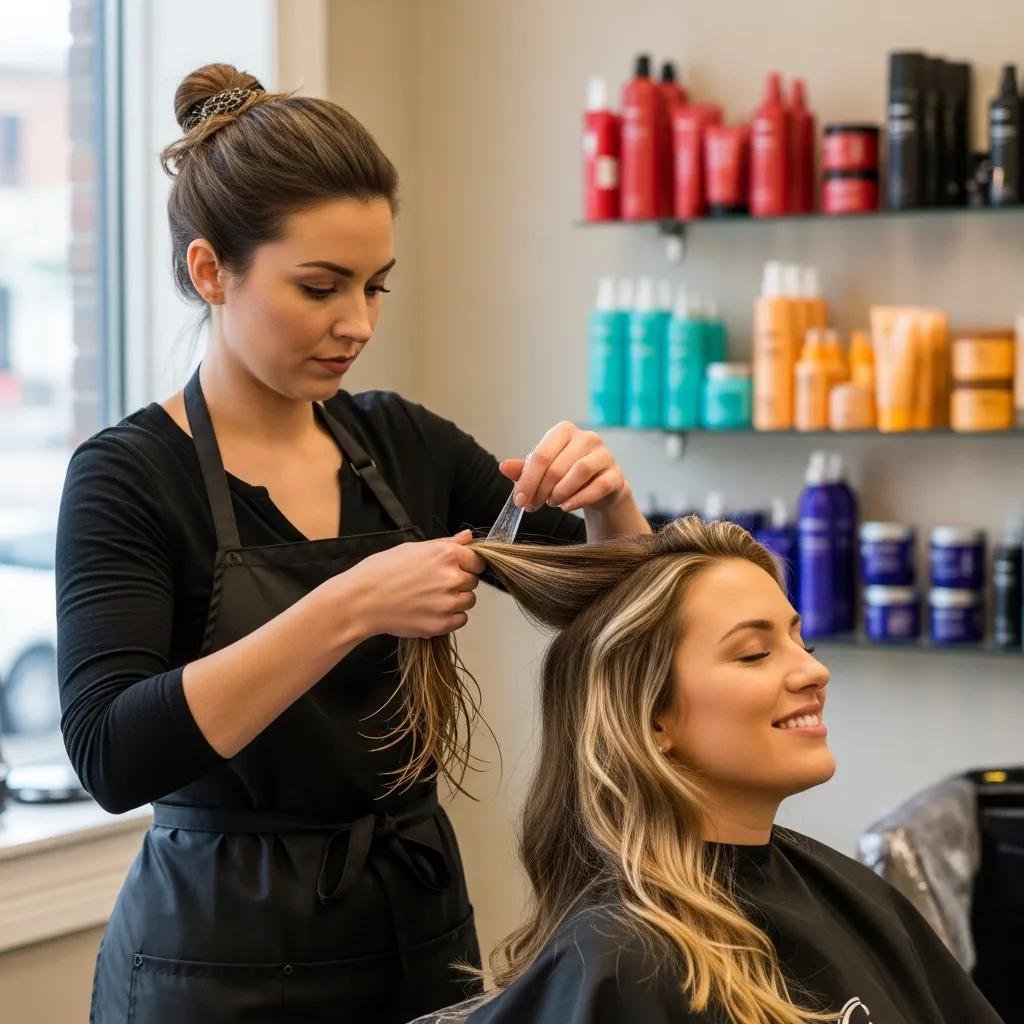
Professional services—root touch-ups, glosses, toners, and bond-repair treatments—are scheduled to balance how your color looks with hair health, while extending the visible life of your shade. Regular salon refreshes replenish pigment where it’s faded, rebalance undertones, and restore cuticle condition through deep conditioning and bond-building treatments. Below are typical timelines for common services and guidance on when a salon visit is the most effective way to refresh color and protect hair integrity.
How often you book depends on the service, hair growth, and the contrast between roots and lengths. Glosses are gentler and can be done more often to maintain tone with minimal chemical stress; full recolors require longer intervals depending on technique and hair condition. Read on for specific booking recommendations and treatment details below.
How Often Should You Book Color Touch-Ups at Kylie Studio Salon?
Root touch-ups typically fall every 4–8 weeks depending on your hair growth, technique, and contrast between natural and colored hair. Highlights and face-framing services usually allow longer gaps—6–12 weeks—because they grow out more softly, and low-maintenance looks like balayage can sometimes stretch past 12 weeks. For a plan that balances how you want to look with hair health, Kylie Studio Salon in Bethesda, MD, offers consultations to find the right refresh schedule for your color, porosity, and lifestyle. Book an appointment or a free consult with stylist Ruth to map out a tailored maintenance plan.
What Professional Treatments Help Refresh and Enhance Hair Color?
In-salon treatments—color glosses, demi-glazes, bond-building services, and deep-conditioning masks—refresh tone and rebuild the hair structure that holds pigment. A gloss or demi-permanent glaze refreshes surface color and adds shine without heavy lift; it usually lasts 4–6 weeks and is a low-impact way to fight fading. Bond-building services repair internal connections, reduce porosity, and make future color more durable, while professional masks restore lipids and smooth the cuticle. These salon treatments work best when paired with an at-home routine and stylist guidance. Kylie Studio Salon offers personalized services, complimentary consultations, and online booking to help you choose the right refresh for your needs.
What Are Common Questions About Hair Color Longevity?
People often ask focused, action-oriented questions about preventing quick fading and which products genuinely help. Clear, prioritized answers make it easy to apply high-impact steps and decide when a salon visit is needed. The FAQs below give brief, practical answers you can use at home before scheduling in-salon care.
The answers prioritize immediate, high-impact changes—switching to color-safe products and adding protection steps—that produce quick visual improvements in vibrancy.
How Do I Keep My Hair Color from Fading Fast?
Start with these prioritized steps to slow fading and keep color fresh between salon visits.
- Switch to sulfate-free shampoo: Gentle cleansing reduces pigment stripping.
- Reduce washing frequency: Aim for 2–3 washes per week to limit pigment loss.
- Use heat protectant: Apply before any thermal styling to prevent cuticle damage.
- Protect from sun and chlorine: Use UV sprays and pre-swim barrier products to avoid oxidation and chemical alteration.
- Add a color-depositing mask: Use every 1–3 weeks to refresh tone without a salon visit.
These five steps deliver visible improvements in color retention within days to weeks and help you decide whether a professional touch-up is necessary.
What Products Make Hair Color Last Longer?
The core product categories that reliably extend color life are sulfate-free shampoos, nourishing conditioners, color-depositing masks, heat protectants, and UV protection sprays. Each targets a different fading cause: gentle cleansers prevent mechanical pigment loss, conditioners and masks replenish lipids and seal the cuticle, heat protectants reduce thermal oxidation, and UV sprays block sun-driven photodegradation. Ask a stylist for specific formulations that match your color and porosity—many salons, including Kylie Studio Salon, carry professional-grade products and offer product guidance during consultations.
This FAQ sums up the product categories that form a complete defense against fading and points to professional recommendations when needed.
Frequently Asked Questions
1. How can I tell if my hair is low or high porosity?
Try a simple water test: place a clean strand in a glass of water. If it sinks quickly, your hair is likely high porosity—it soaks up moisture but also loses it fast. If it floats for a while before sinking, your hair is low porosity and resists moisture. Knowing your porosity helps you pick the right products and treatments to keep color lasting longer.
2. Are there specific foods that can help maintain hair color?
Yes—what you eat affects hair strength and shine. Omega-3-rich foods like salmon and walnuts support scalp health. Vitamins A, C, and E (from fruits and vegetables) boost hair strength and sheen. Biotin-containing foods like eggs and nuts help resilience. Staying hydrated also supports moisture balance, which helps color look healthy and vibrant.
3. How does swimming affect my color-treated hair?
Swimming—especially in chlorinated pools—can fade color and shift tone. Chlorine oxidizes dye, dulling vibrancy. To protect hair, wet it with clean water before swimming and apply a leave-in conditioner or oil as a barrier. After swimming, use a chelating shampoo to remove chlorine and chemicals without over-stripping color. Those steps help preserve your shade and hair health.
4. Can I use regular hair products on color-treated hair?
We don’t recommend everyday products for color-treated hair—many contain sulfates or alcohol that can strip color and moisture. Choose products labeled for color-treated hair (typically sulfate-free) and look for nourishing ingredients that help seal the cuticle. That keeps hair healthier and color-lasting longer.
5. How can I minimize heat damage while styling color-treated hair?
Always use a heat protectant before applying heat. Lower your styling tool temperatures when possible and limit major heat styling to once or twice a week. Try heat-free styling methods—braids, rollers, or twist-outs—and add regular deep-conditioning treatments to strengthen hair and improve resilience to heat.
6. What should I do if my hair color starts to look dull?
If color looks dull, try a color-depositing mask or a gloss treatment to refresh tone and add shine without a full salon visit. Also confirm you’re using sulfate-free cleansers and conditioner to prevent further fading. Regular deep conditioning will improve hair health and help color appear more vibrant.
7. How can I protect my hair color during the winter months?
Winter can dry out color-treated hair. Use a humidifier at home to maintain moisture, switch to a moisturizing shampoo and conditioner, and wear a hat outdoors to block cold wind. A leave-in conditioner or a lightweight oil will lock in moisture and protect hair from seasonal stressors, keeping your color looking fresh through winter.
Conclusion
Keeping color vibrant comes down to the right products, smart techniques, and thoughtful lifestyle choices. Understand the causes of fading, add protective habits, and you’ll noticeably extend the life of your color-treated hair. For personalized advice and professional products tailored to your needs, schedule a consultation at Kylie Studio Salon. Let’s build a plan that keeps your shade looking beautiful—book your appointment today.