
Best Eyelash Growth Serums for Fuller, Longer Lashes — Expert Picks & Safe How‑To
Eyelash growth serums are topical cosmetics designed to help lashes look longer and fuller by targeting the lash base and improving hair quality. This guide is for anyone with short, sparse, or thinning lashes who wants clear, evidence-informed options: we explain how serums work, which active ingredients matter, how to pick formulas for sensitive eyes, the correct way to apply them, and the safety considerations to keep in mind. If you’ve searched “best eyelash growth serum,” you’ll find straightforward ingredient comparisons, step‑by‑step application tips, and realistic expectations here. You’ll learn which actives (peptides, biotin, hyaluronic acid, prostaglandin analogs) affect the lash growth cycle, what side effects to watch for, and how to choose prostaglandin‑free or dermatologist‑recommended products. The sections below move from how serums work to ingredient breakdowns, selection criteria, application technique, safety, and FAQs so you can move confidently from research to consistent, safe use.
What Eyelash Growth Serums Are — and How They Work
Put simply, eyelash growth serums are concentrated liquids you apply at the lash line to strengthen the hair shaft and support the follicle’s growth phase. Common actives include peptides, biotin, humectants like hyaluronic acid, and — in some products — prostaglandin analogs. Some ingredients nourish keratin and reduce breakage, while others can prolong anagen (the active growth phase), so visible improvements typically appear over weeks to months. The big benefit for users is longer, fuller lashes without daily false lashes; choosing the right mechanism — shaft conditioning versus follicle stimulation — helps you set realistic timelines and pick safer products for your needs.
What an Eyelash Serum Does and How to Use It
An eyelash serum is applied along the upper lash line with a fine brush, felt tip, or precision wand to condition lashes and support follicle activity. Common claims include lengthening, volumizing, and cutting down breakage. Most peptide‑ or biotin‑focused formulas show visible changes in about 4–8 weeks with daily use; prostaglandin formulas can produce earlier, more noticeable growth for some people. Knowing the applicator style and expected timeline helps you choose a product that fits your routine and sensitivity level.
The Lash Growth Cycle and Active Ingredients
Each lash moves through anagen (growth), catagen (transition), and telogen (rest). To get longer lashes you either need to extend anagen or improve the lash’s structure so it reaches a longer terminal length. Ingredients work in two main ways: follicle modulation (for example, prostaglandin analogs that can lengthen anagen) and structural support (peptides and biotin that strengthen keratin and reduce breakage). Conditioning ingredients like hyaluronic acid can improve appearance quickly by hydrating the shaft, while structural or follicle‑targeting actives produce steady gains over 6–16 weeks. Decide whether you want faster cosmetic conditioning or longer-term follicle‑driven growth to guide a safe product choice.
Which Ingredients Actually Help Lashes Grow?
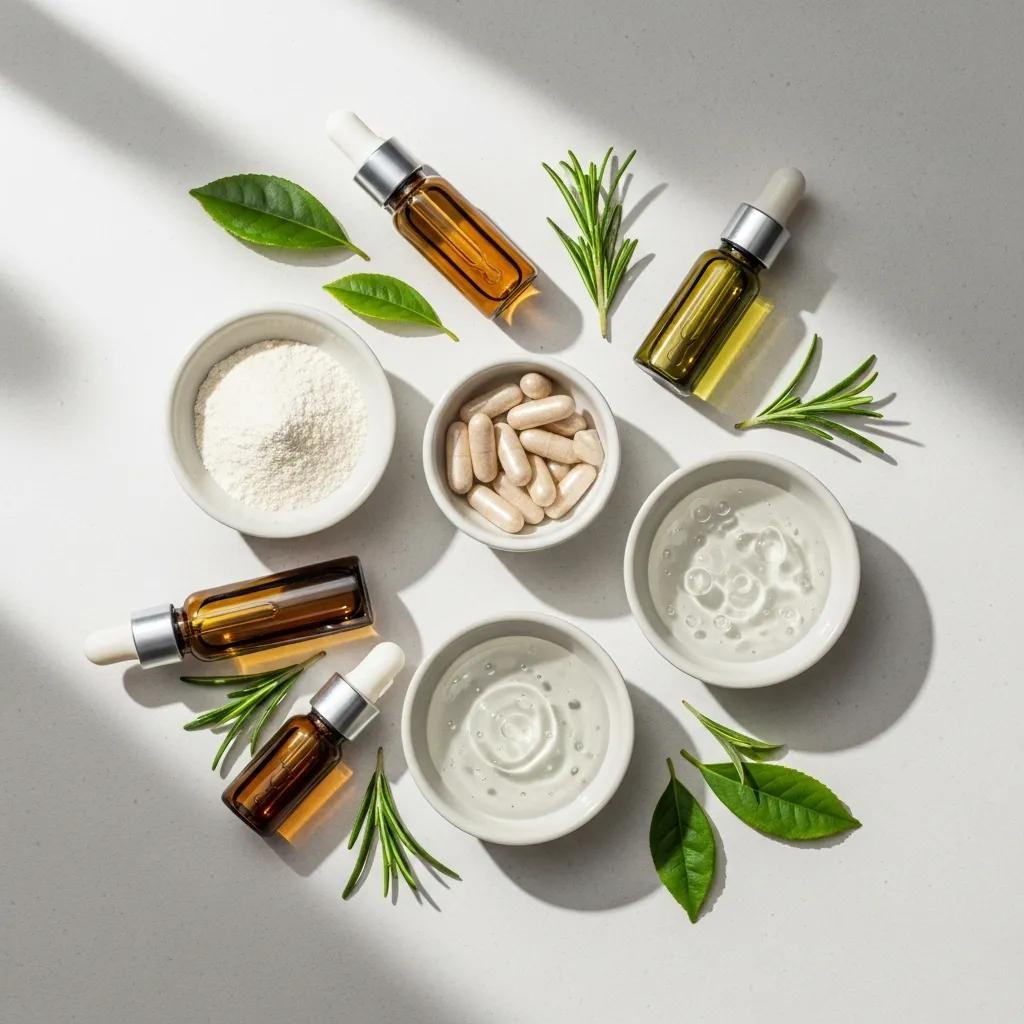
When evaluating serums, focus on ingredient roles: peptides and biotin support keratin and follicle health, hyaluronic acid conditions lashes and reduces breakage, prostaglandin analogs can extend the growth phase but carry safety considerations, and botanical extracts offer conditioning and appeal to clean‑beauty shoppers. Research shows peptides and biotin help strengthen hair structure and support healthier regrowth, while hyaluronic acid mainly acts as a humectant to keep the lash shaft supple. Prostaglandin analogs often give the biggest length gains for many users but require careful risk assessment because they can cause pigmentation or tissue changes. Below is a concise comparison of primary actives, their mechanisms, benefits, timelines, and safety notes.
- Look for peptide complexes, vitamin supports like biotin, moisturizing humectants, prostaglandin derivatives, and botanical conditioners when comparing labels.
- Prefer products that list active ingredients and concentrations so you can match mechanism to your goals.
- If you’re worried about pigmentation, prioritize prostaglandin‑free formulas and pick dermatologist‑ or ophthalmologist‑tested options for sensitive eyes.
Peptides, Biotin, and Hyaluronic Acid — What They Do
Peptides act like signals to support follicle cells and keratin production, helping lashes resist breakage and appear thicker with consistent use over several weeks. Biotin supports the structural proteins in hair and works best as part of a formula with other nourishing actives. Hyaluronic acid attracts and holds moisture around the lash shaft and lid margin, improving appearance quickly and reducing brittleness. For sensitive eyes, peptide‑ and hyaluronic‑based serums tend to be lower risk than prostaglandin‑containing options, making them a good choice if tolerance matters more than aggressive growth.
Botanical Extracts and Clean‑Beauty Options
Botanical extracts — including plant peptides, ricinoleic‑rich oils, and antioxidant botanicals — are popular for clean‑beauty lines and offer conditioning and anti‑inflammatory benefits. There’s less clinical evidence that botanicals drive follicle‑level lengthening compared with some studied actives, but they can reduce irritation and support lash health as complementary ingredients. Clean formulations often avoid fragrance and alcohol to lower sensitivity risk; if you choose a botanical‑heavy serum, expect faster conditioning results than structural follicle changes and treat botanicals as supportive, not primary, growth drivers.
How to Pick the Best Lash Serum for Sensitive Eyes
When you have sensitive eyes, read the ingredient list carefully: avoid fragrance and harsh solvents, prefer prostaglandin‑free options, and look for dermatologist‑tested formulations. Key selection criteria include clear labeling of actives, inclusion of humectants like hyaluronic acid, absence of common irritants (fragrance, alcohol), and clinical testing or professional endorsements. A simple checklist — read the label, patch‑test, start nightly, and document changes — helps reduce risk while you evaluate results. The table below helps you weigh prostaglandin‑containing versus prostaglandin‑free and natural versus synthetic approaches.
Use this comparison to match your sensitivity and result priorities, then follow a structured trial and patch‑test routine to confirm tolerance.
Prostaglandin‑Free and Clinician‑Friendly Options
“Prostaglandin‑free” means the product avoids prostaglandin analogs and instead relies on peptides, biotin, and humectants for conditioning and structural support. Dermatologists and ophthalmologists often recommend prostaglandin‑free formulas for people with ocular inflammation, pigment concerns, or sensitive eyelid tissue because they carry fewer known risks. If you notice irritation, stop using the product, document symptoms with photos, and consult a specialist; patch‑testing on the inner forearm or behind the ear before eyelid use is a useful precaution. Choosing prostaglandin‑free products balances conservative safety with measurable improvements from peptide and humectant actives.
Natural vs. Synthetic: What to Expect
Natural formulations emphasize botanical conditioning agents, shorter ingredient lists, and clean‑beauty claims, while synthetic or clinically focused products include targeted actives (like peptides or prostaglandin analogs) to directly influence follicle behavior. Natural products can reduce irritation and align with personal values but generally have less clinical evidence for lengthening. Synthetic actives often deliver stronger, measurable lash growth but need careful risk assessment and monitoring. Weigh efficacy against sensitivity and long‑term safety to decide whether you want cosmetic conditioning or more aggressive follicle‑targeted results.
If you’d like a personalized match based on your hair and skin history, book a professional consultation — local experts can help interpret ingredient lists and plan a safe trial.
Kylie Studio Salon in Bethesda, MD operates as a local information and consultation resource for beauty questions; we can help you find the right product for your sensitivity profile and aesthetic goals. The salon does not sell or provide lash‑serum treatments, but we can connect you with tailored guidance that complements your overall hair and beauty plan.
How to Apply Eyelash Growth Serum for Best Results
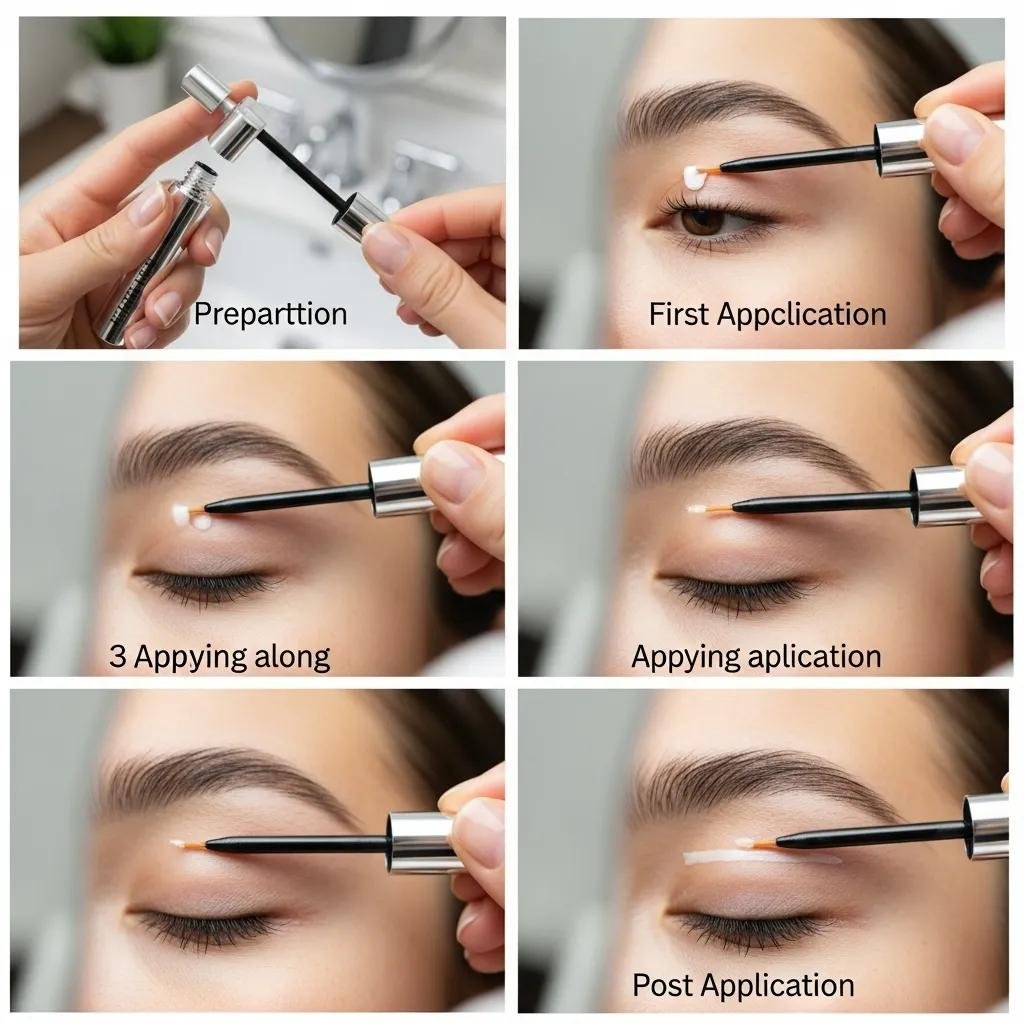
Correct application reduces risk and ensures the product contacts the lash base where follicles sit. Consistent, precise application matters more than quantity. A hygienic routine — clean eyelids, no mascara residue, a light application along the upper lash line once daily (unless product directions say otherwise) — minimizes irritation and product migration into the eye. Store serums capped in a cool, dry place to preserve actives, and apply at the same time each day to keep exposure steady. Below are simple, repeatable steps to make application safe and effective.
Follow these concise steps to apply serum safely and effectively:
- Clean and dry the eye area: Remove makeup and oils with a gentle, residue‑free cleanser.
- Prepare the applicator: Wipe excess product from the brush so you leave a thin line; less is better.
- Apply to the upper lash line only: Draw one thin line along the base of the upper lashes; avoid the lower lash line to reduce eye contact.
- Let it dry: Wait a minute before closing your eyes or applying other products to prevent transfer.
- Be consistent: Use as directed—daily at the same time supports predictable results.
- Stop and seek help if irritation occurs: Rinse your eyes and consult a professional if symptoms persist.
Step‑by‑Step Safe Application
Start with a clean, makeup‑free face: gently remove mascara and eye makeup with an oil‑free remover and pat the lids dry so the serum contacts skin at the lash base, not residue. Use a single small stroke of the applicator along the upper lash line—think of it as applying a thin eyeliner at the root of the lashes—then let it dry for a minute. Avoid the lower lash line and don’t overapply; more product won’t speed results and only raises irritation risk. If serum enters the eye, rinse thoroughly with clean water and stop use; persistent irritation should be evaluated by an ophthalmologist or dermatologist.
Tips to Boost Lash Health and Results
Small lifestyle and care habits enhance serum benefits: eat a nutrient‑rich diet (adequate protein and vitamins), remove eye makeup gently each night, and avoid rubbing or tugging at lashes to prevent mechanical breakage. Complementary care like lightweight lash conditioners or botanicals can reduce brittleness, but skip oil‑based formulas if you wear extensions (oils can weaken adhesives). Be patient and consistent—conditioning benefits can show quickly, while structural or follicle‑driven gains often require weeks to months. These healthy habits protect lash integrity and amplify the serum’s effect over time.
For holistic, in‑person beauty planning that ties hair and facial aesthetics together, book a consultation with our local stylists and beauty experts.
Kylie Studio Salon offers consultations focused on hair and overall aesthetics to help clients integrate product choices with salon treatments and daily care; while we don’t provide lash‑serum services, a consultation can help you build a safe, effective routine that complements your grooming plan.
Potential Side Effects and Safety Considerations
Eyelash serums can cause reactions from mild irritation to more significant changes like periocular hyperpigmentation; risk depends on the active ingredients and individual sensitivity. Common side effects include brief redness, itching, or watery eyes (often linked to preservatives or fragrance). Prostaglandin analogs have distinct risks, such as darkening of eyelid skin or changes to periocular tissue with long‑term use. The safest approach is to patch‑test, start conservatively, track progress with photos, and stop use if you notice troubling signs. The table below links side effects to likely causes and what to do next.
Common Reactions — What to Expect
Most side effects are local and temporary: mild redness, itching, or dryness caused by preservatives, fragrances, or concentrated actives. Hyperpigmentation of the eyelid or darkening along the lash line is more specifically linked to prostaglandin analogs and may persist after stopping in some cases; photos help document any change. Allergic contact dermatitis can happen with botanical extracts or other allergens and typically needs product discontinuation and dermatology care. Knowing these likely causes helps you choose fragrance‑free options and perform a patch test before using a new serum.
When to See a Dermatologist or Ophthalmologist
Contact a professional if irritation lasts beyond 48–72 hours, you notice visual changes, rapid or uneven eyelash or eyelid changes, or new skin pigmentation. An ophthalmologist is best for vision problems, significant ocular surface issues, or worrying eyelid tissue changes; a dermatologist can evaluate pigment changes and allergic dermatitis. Bring dated photos, the product ingredient list, and any patch‑test notes to your appointment to help clinicians assess the situation. Early evaluation can prevent lasting changes and identify safer alternatives.
Frequently Asked Questions
How long until I see results from eyelash growth serums?
Timelines vary by ingredient and individual response. Many people notice cosmetic conditioning within 4–8 weeks; more substantial growth from follicle‑targeting actives (like prostaglandin analogs) often appears between 6–16 weeks. Consistent application and photo documentation help you track progress. Genetics and baseline lash health also influence results.
Are eyelash serums safe during pregnancy or breastfeeding?
If you’re pregnant or breastfeeding, check with your healthcare provider before using a serum. Some actives — especially prostaglandin analogs — may not be recommended because of potential systemic absorption. Choosing prostaglandin‑free, dermatologist‑tested options and getting medical advice is the safest path.
Can eyelash serums cause allergic reactions?
Yes — allergic reactions are possible, particularly to preservatives, fragrances, or certain botanicals. Symptoms include redness, itching, or swelling around the eyes. To reduce risk, perform a patch test on a small area of skin before applying to the eyelid. If you have a reaction, stop use and see a dermatologist.
What should I do if I have side effects from a lash serum?
If you experience irritation, redness, or changes in lash appearance, stop using the serum immediately and rinse your eyes with clean water. Document symptoms and consult a dermatologist or ophthalmologist if issues persist or worsen. Early intervention helps avoid long‑term effects and identifies safe alternatives.
How do I maintain results after getting longer lashes?
To maintain results, continue using the serum as directed—many people switch to a maintenance routine with less frequent application once they reach their goal. Keep healthy lash care habits: avoid rubbing, use gentle makeup removers, and eat a balanced diet rich in protein and vitamins to support hair health.
Are there age limits for using eyelash growth serums?
Most serums are intended for adult use. For younger users, especially under 18, consult a parent or guardian and consider talking with a healthcare professional before starting any cosmetic product to ensure it’s appropriate and used safely.
Do Eyelash Growth Serums Actually Work?
Yes — when matched to the right active and used consistently, serums can produce noticeable results. Peptides and biotin support lash strength and reduce breakage, while prostaglandin analogs often deliver stronger follicle‑driven lengthening for many users. Expect cosmetic conditioning within weeks and measurable follicle or structural growth over 6–16 weeks. Because prostaglandin analogs have the strongest clinical evidence for length, many people opt for peptide‑based or prostaglandin‑free options to balance results with safety. Track your progress with photos and patience to see real results.
Can I Use Lash Serums with Extensions?
You can, but be careful: oil‑based conditioners and heavy botanicals can weaken extension adhesives and reduce retention. If you wear extensions, choose water‑based, non‑oily serums and apply mainly to the natural lash base beneath the bond — avoid the adhesive. Coordinate timing with your lash technician (apply on alternate days or after fills) and discuss product choices with them to protect both lash health and extension longevity.
For personalized guidance, appointment options, or to discuss how lash care fits into your overall look, contact Kylie Studio Salon in Bethesda, MD. We act as a local resource and consultation hub; while we don’t provide or sell lash‑serum treatments, our consultations can help you build a safe, effective plan that complements salon services.
- If you have sensitive skin or eyes, choose prostaglandin‑free, fragrance‑free formulas and patch‑test before use.
- Document progress with photos every 2–4 weeks to evaluate results and spot side effects early.
- Coordinate product use with eyelash extensions or professional treatments to avoid adhesive interference and maximize outcomes.
Conclusion
Picking the right eyelash growth serum can lead to longer, fuller lashes while improving overall lash health when you choose scientifically supported ingredients like peptides and biotin. This guide gives you the essentials to make informed decisions and use products safely. For tailored recommendations and expert advice, consider booking a consultation with local beauty professionals. Explore our resources and find the product that supports your beauty goals with confidence.