Your Guide to Hair Extensions: Volume, Methods, and Local Options
Hair extensions are professional and consumer products that add length, fullness, and styling flexibility by blending extra strands with your natural hair. This guide breaks down the main extension categories, explains how each method works, and gives practical tips for matching longevity, damage risk, and styling goals to your hair type. We focus on safer options for fine hair, simple maintenance routines to protect your natural strands, and clear comparisons between human and synthetic hair. You’ll find focused sections on the most popular extension types, picks for thin hair, the differences between semi-permanent and long-lasting methods, a straightforward pros-and-cons comparison, and where to find trusted help in Bethesda, MD. Throughout, we use familiar terms like clip-in extensions, tape-in extensions, halo extensions, keratin bond extensions, micro-link extensions, Remy human hair, and hair extensions for thin hair to make choices easier and outcomes clearer.
What Are the Most Popular Hair Extension Types for Adding Volume?
Different extension systems create volume in different ways, and knowing how they attach and perform helps you pick the right option — whether you want something quick for an event or a longer-term solution. Clip-in extensions clip onto wefts for instant volume and work well for temporary styling. Tape-in extensions sandwich thin wefts between adhesive strips for a smooth, semi-permanent finish. Sew-in (weft) extensions are sewn into braided bases and suit thicker hair that needs lasting density. Keratin bond (fusion) extensions use heat-activated keratin to attach small bonds near the scalp for a very natural look. Halo extensions rest on a slim wire that lifts hair without direct attachments, and micro-link (micro-bead) extensions attach with tiny metal or silicone-lined beads to individual strands so you can customize density. Each method trades off ease of application, how natural it looks, and how much time a professional installation takes.
Quick overview of volume-focused options and when to use them:
- Clip-in extensions: Instant volume for special occasions and days you want a change.
- Tape-in extensions: Seamless, semi-permanent volume with natural movement.
- Sew-in (weft) extensions: Durable density for medium-to-thick hair.
- Keratin bond (fusion) extensions: Long-wear, natural-looking integration.
- Halo extensions: Non-attached, low-stress volume — ideal for finer hair.
- Micro-link extensions: Precise density control using small bead attachments.
Knowing these trade-offs — DIY flexibility versus pro application — clarifies why clip-ins are perfect for temporary looks and why tape-ins or sew-ins are often chosen for sustained volume.
How Do Clip-in Extensions Provide Temporary Volume and Style?
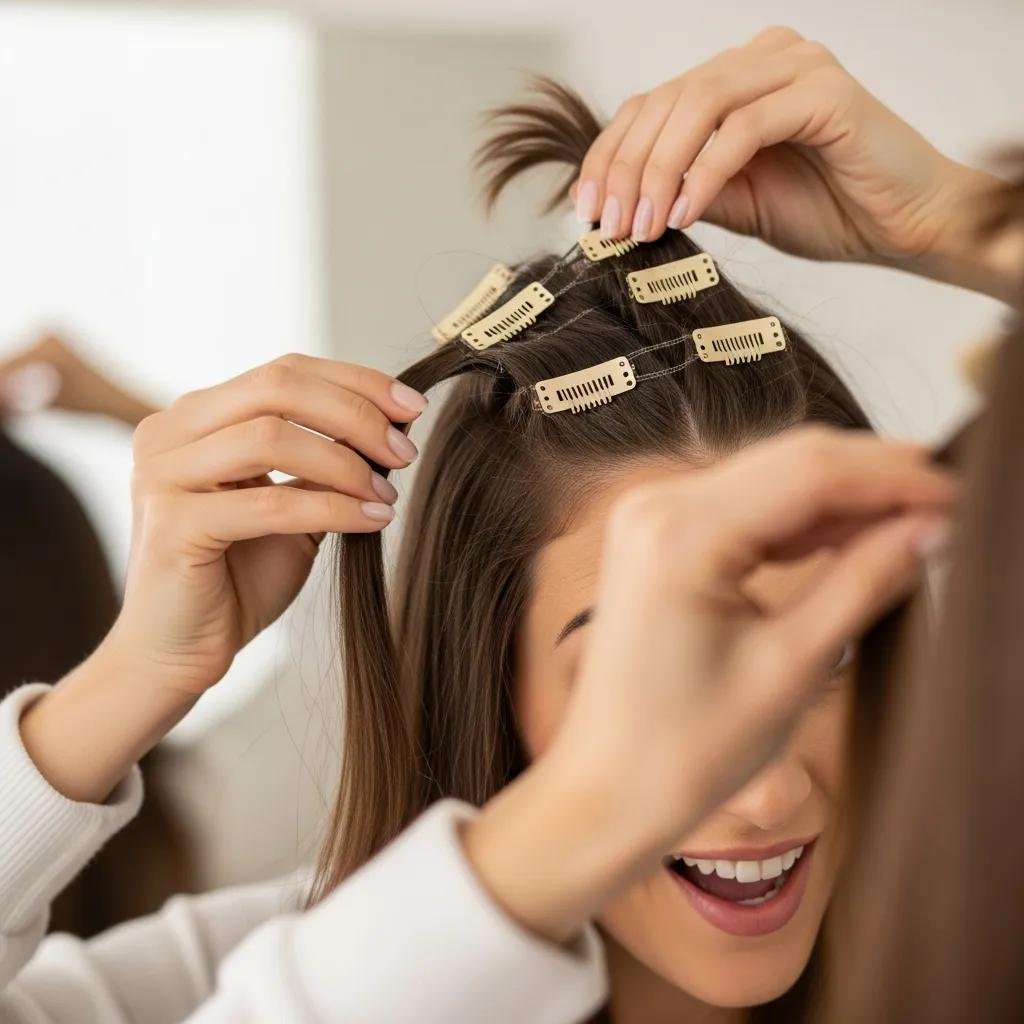
Clip-in extensions are wefts with sewn-in clips that attach to lifted sections of your hair, giving instant length and fullness without glue or heat. You section your hair horizontally, snap the clips close to the roots, and blend with styling tools to match texture and color — which is why clip-ins are a favorite for events or occasional wear. They’re typically more affordable than professional methods, let you experiment with length and color without commitment, and pose little risk when clips aren’t overtightened. Downsides include potential visibility under very fine hair if not blended well, possible slippage during very active movement, and the need for careful storage and gentle brushing to avoid tangles. Care tips: wash with sulfate-free products, lay wefts flat to dry, and detangle with a wide-tooth comb to keep strands aligned and long-lasting.
What Are the Benefits of Semi-Permanent Extensions Like Tape-in and Sew-in?
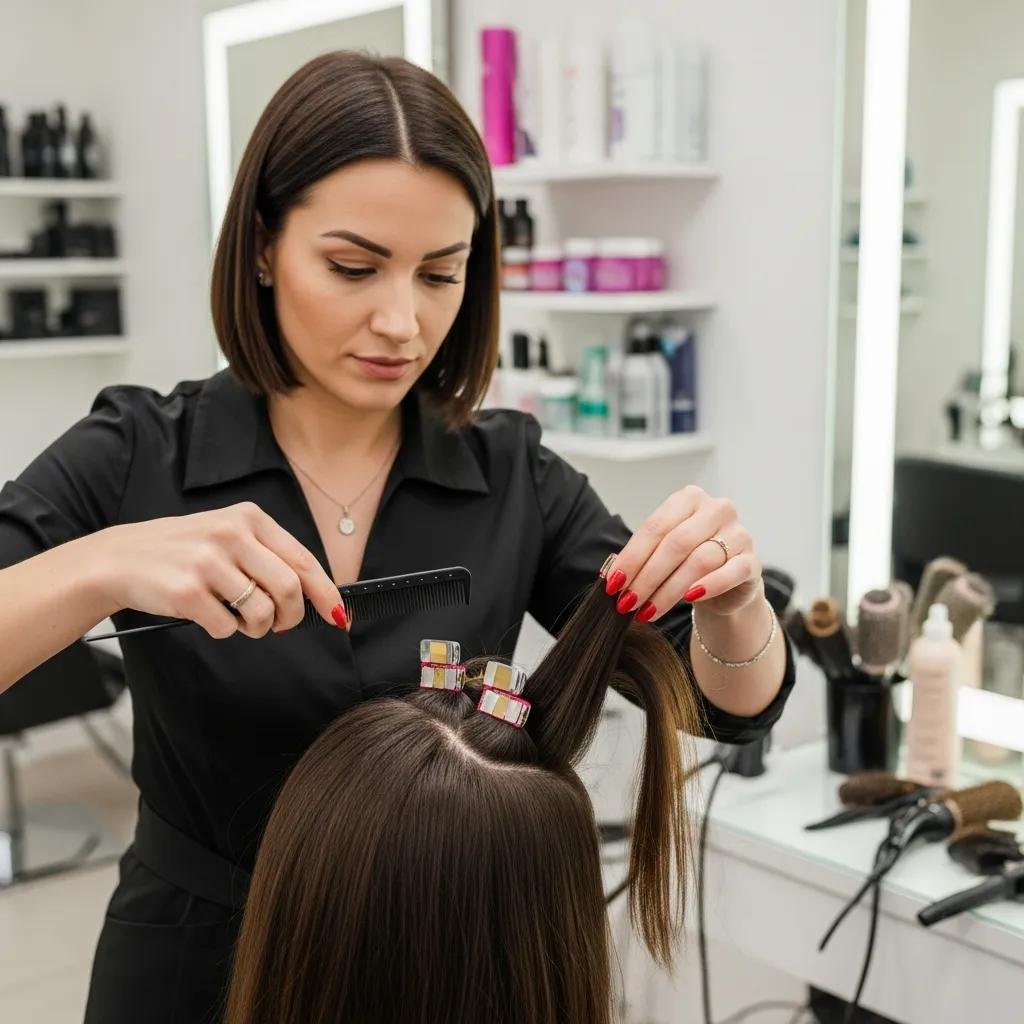
Tape-in and sew-in extensions offer sustained volume through professional installation that prioritizes a seamless blend and natural movement. Tape-ins use pre-taped wefts that sandwich a thin layer of natural hair between adhesive strips, producing a flat profile and graceful fall — a popular choice for fine-to-medium hair when weight is managed. They typically need repositioning every 6–8 weeks. Sew-in (weft) applications are stitched onto braided cornrows and are prized for durability and the ability to add significant density, making them a strong option for clients with thicker hair or those seeking longer wear. The benefits include natural movement and styling flexibility; the trade-offs are professional removal/reinstallation, routine maintenance visits, and the risk of tension if installed too tightly. Following your stylist’s maintenance plan reduces damage risk and extends wear time.
If you want tailored advice on which semi-permanent route will give you volume without harming your hair, Kylie Studio Salon in Bethesda offers consultations to assess texture, lifestyle, and goals — and to map a safe, realistic plan.
How to Choose the Best Hair Extensions for Thin Hair?
For thin or fine hair, the priority is minimizing weight and avoiding attachment methods that concentrate tension on small sections. Gentle systems like halo extensions distribute weight across a wire and don’t use adhesives or beads, making them a low-risk way to try volume. Micro-link extensions can work when silicone-lined beads are used and a specialist spaces attachments to spread the load. Tape-ins may be suitable only if you have enough mid-length density to support the adhesive and you choose lighter wefts. Heavy sew-in wefts or large fusion bonds are usually poor matches for delicate hair. Deciding which route to take means assessing hair diameter, root strength, scalp sensitivity, and daily styling habits so you can balance immediate results with long-term hair health.
Selection checklist for fine hair:
- Pick low-weight methods: Halo and lightweight tape-ins help reduce root stress.
- Choose reversible options first: Clip-ins and halos let you test looks without commitment.
- Get a professional assessment: A stylist can measure density and recommend safe spacing and placement.
Use this checklist to self-evaluate—check parting density, strand thickness, and breakage history—then book a consultation for a personalized plan that protects your hair while delivering natural-looking volume.
Which Extension Methods Are Gentle and Suitable for Fine Hair?
Gentle methods for fine hair focus on spreading weight across multiple attachment points and avoiding concentrated bonds that tug on only a few fibers. Halo extensions and clip-ins are gentle because they don’t attach to individual strands, making them great for temporary lift without ongoing strain. Micro-link systems can be gentle when small, silicone-lined beads are used and a skilled stylist performs periodic adjustments to prevent slippage and matting. For tape-ins on fine hair, request ultra-thin wefts and careful placement that avoids fragile roots. Whatever method you pick, pair it with a tailored maintenance routine: gentle brushing, low-tension hairstyles, and regular professional checks. If you notice increased shedding, scalp soreness, or widening part lines, get the extensions removed or adjusted promptly to protect long-term hair health.
How Do Micro-link and Halo Extensions Protect Hair Health?
Micro-link and halo systems protect hair through different mechanics that reduce continuous strain. Micro-link attachments clamp small sections of hair with beads that can be tightened or loosened during maintenance, allowing load redistribution as your hair changes. Halo extensions bypass per-strand attachment entirely, using a lightweight wire that sits near the crown and holds the weft over your natural hair — no adhesive, no per-strand tension. Both options limit chemical exposure compared with adhesive systems and avoid the heat used in fusion bonds, which reduces cumulative risk to the cuticle. To get the most protection, stick to professional maintenance intervals, don’t sleep with wet wefts, and use silicone-friendly brushes to detangle gently without pulling on beads or clips.
What Are the Differences Between Permanent Hair Extension Types?
Long-lasting extension types differ in how they attach, how often they need care, and the level of technician skill required. Permanent methods like keratin bond and fusion use heat-activated adhesives or keratin bonds close to the scalp for an integrated look and normally require a trained stylist for removal. Sew-in wefts provide a durable sewn base that can last months with careful tension management. Maintenance cycles vary: some systems need re-tightening every 6–12 weeks, while others remain longer but demand disciplined at-home care to prevent matting. Technician skill matters — correct placement, proper bond temperature, and the right weft tension all limit damage and help both extensions and your natural hair last.
This table summarizes application and maintenance for common longer-lasting systems:
How Do Keratin Bond and Fusion Extensions Work?
Keratin bond and fusion extensions attach individual extension strands to small sections of natural hair using a keratin-based adhesive that’s softened with heat to fuse the pieces together. The process isolates healthy hair sections, forms bonds with pre-tipped extension strands, and seals the keratin with a thermal tool at controlled temperatures to protect the cuticle. Stylist expertise in heat control and placement is essential to avoid damage. The upside is a very natural root appearance and styling versatility; the downside is higher risk if adhesives or heat are misused, plus the need for skilled removal to prevent breakage. Regular monitoring and professional removal help keep your natural hair healthy over time.
What Are the Longevity and Maintenance Requirements of Permanent Extensions?
Longevity varies by method: tape-ins usually require repositioning every 6–8 weeks, micro-link systems need adjustment every 6–8 weeks, well-installed sew-ins can last several months with maintenance, and keratin bond wear often spans 3–4 months depending on growth and care. Daily maintenance includes gentle detangling from ends to roots, using sulfate-free shampoos, avoiding oil-based products near adhesive areas, and scheduling professional check-ins to tighten or re-seat attachments before noticeable slippage. Watch for warning signs like persistent scalp tenderness, weft lifting, increased shedding, or visible gaps at part lines — addressing these early reduces the chance of long-term damage. Consistent at-home care plus scheduled professional maintenance preserves both the extensions and your natural hair during the wear period.
How to Compare Hair Extension Methods: Pros, Cons, and Suitability
Comparing extension methods is easiest when you weigh longevity, cost, damage risk, maintenance frequency, and suitability for your hair texture and lifestyle. Use these criteria like a decision matrix to match the method with goals such as occasional styling, daily wear, or protecting fragile hair. Clip-ins offer flexibility and low damage risk, while fusion and keratin bonds deliver seamless, long-term results but require expert installation. Consider how often you use heat, whether you sleep or exercise with extensions, and your willingness to keep up with salon visits. A clear decision checklist helps you move from self-assessment to a professional recommendation, balancing desired looks with long-term hair health.
Key decision factors checklist:
- Longevity needed: Short-term for events versus months-long wear changes the best method.
- Damage tolerance: Fine or weakened hair leans toward non-bonded or load-distributing systems.
- Maintenance availability: If you can visit a salon regularly, semi-permanent options become more viable.
This framework simplifies choosing between temporary flexibility and longer integration and leads naturally to a quick reference table comparing lifespans, damage risk, and ideal hair types.
What Are the Key Factors in Hair Extension Methods Comparison?
Key comparison factors include attachment mechanics (adhesive, bead, sewn, halo), load distribution (how the weight is shared), maintenance cadence, visual integration (root appearance and movement), and removal complexity. Each factor affects long-term hair health and daily experience. If you want minimal salon time and reversible results, clip-ins and halos are strong contenders. If you want continuous, natural integration, you may accept the trade-off of regular professional maintenance for tape-ins or keratin bonds. Real-life needs shape the choice: an athlete might prefer halos or high-quality clip-ins to avoid bead or bond issues during heavy activity, while someone who wants continuous density might pick sew-ins with planned maintenance intervals. Match the method to your lifestyle and hair condition for the best outcome.
How Do Human Hair and Synthetic Hair Extensions Differ?
Human and synthetic hair extensions differ in styling range, lifespan, and movement. Remy human hair lets you heat-style, color, and get natural movement because the cuticle is aligned with your own hair, providing the best blend and long-term wear if cared for properly. Synthetic hair is usually less expensive, holds a set style well, and needs less initial upkeep, but it won’t tolerate high heat and generally won’t last as long or move as naturally as human hair. If you want long-term versatility and frequent styling, Remy human hair is a smart investment; synthetic is a good choice for short-term looks or budget-conscious options.
Simple comparison by lifestyle:
- Human (Remy) hair: Best for heat styling, coloring, and long-term wear with natural blend.
- Synthetic hair: Best for short-term or budget use; avoid heat styling.
Where to Find Professional Hair Extensions Near Me in Bethesda, MD?
Look for salons that offer thorough consultations, clear maintenance plans, and technicians who explain attachment options, timelines, and at-home care. A good consultation includes a hair health check, a discussion about desired volume and upkeep, color-matching and strand selection, and a plan for installation and follow-up. Pricing varies by method, hair quality, and the amount needed, so expect a tailored estimate rather than a fixed rate. Bring photos of your desired styles, note recent chemical services, and explain your daily routine to make the consultation more productive and help the stylist recommend the safest, most effective option for your hair.
Does Kylie Studio Salon Currently List Hair Extension Installation?
Kylie Studio Salon’s current online booking menu does not list hair-extension installation. Use this guide to compare extension methods, then verify availability with any salon before scheduling. For services currently listed by Kylie Studio Salon, explore the salon service menu or contact the salon with a specific question.
Frequently Asked Questions
What factors should I consider when choosing hair extensions?
Think about your hair type, desired length and volume, and how the extensions attach. Weight matters — heavier options may not suit fine hair. Consider your lifestyle and how much time you want to spend on maintenance, since some methods need frequent salon visits. Also weigh hair quality: human Remy hair offers more styling freedom and a more natural look than most synthetic options.
How can I maintain my hair extensions to ensure longevity?
Follow a consistent care routine: use sulfate-free shampoo and conditioner, detangle gently with a wide-tooth comb starting at the ends, avoid sleeping with wet extensions, and minimize heat when possible. Schedule regular salon maintenance to check for slippage or wear, and follow your stylist’s at-home care recommendations to extend the life of your extensions.
Are there any risks associated with hair extensions?
Yes — incorrect installation or poor maintenance can cause traction alopecia, where hair is pulled from the roots. Heavy extensions on fine or weakened hair can increase damage risk. Choosing the right method for your hair type and keeping up with care and professional check-ins helps minimize those risks. A qualified stylist can guide a safer application.
Can I color or style my hair extensions like my natural hair?
Remy human hair can usually be colored and heat-styled much like your natural hair, giving you flexibility. Synthetic hair generally cannot tolerate high heat or chemical treatments and can be damaged by coloring. If you plan to color extensions, consult a professional stylist to protect both the extensions and your natural hair.
How do I know if hair extensions are suitable for my hair type?
Assess your hair’s thickness, texture, and overall health. Fine or thin hair often does best with lighter, less invasive methods like halos or clip-ins, while thicker hair can usually support sew-ins or tape-ins. Consider scalp sensitivity and past hair damage. A professional consultation will give personalized recommendations based on your unique hair profile and goals.
What is the average cost of hair extensions and installation?
Costs vary by extension type, application method, and salon location. As a general guide: clip-in sets can range from $100 to $300; semi-permanent options like tape-ins or sew-ins, including installation, often fall between $300 and $800. Always ask for an individualized estimate during your consultation since pricing depends on how much hair is needed and the technique used.
How often should I replace my hair extensions?
Replacement frequency depends on the type and how well you care for them. Clip-ins can last several years with proper care. Tape-ins typically require repositioning or replacement every 6–8 weeks due to adhesive wear. Sew-ins can last several months with regular maintenance, and keratin bond extensions generally need replacement every 3–4 months. Regular stylist check-ins will help you determine the best timeline for your specific extensions.
Conclusion
Choosing the right extensions can transform your look while protecting your natural hair — when you match method, weight, and maintenance to your hair’s condition and daily life. Understanding the pros and cons of different systems helps you get the volume and length you want without unnecessary risk. For personalized guidance, book a consultation at Kylie Studio Salon — our stylists will help you find the safest, most flattering option for your hair. Ready to explore your options? We’re here to help you look and feel your best.