Keratin Treatments for Static Hair and Frizz Control in Bethesda
Static, flyaways, and daily frizz steal both time and confidence. This guide breaks down why static happens, how frizz ties to cuticle health and the environment, and which professional and at‑home approaches actually work. You’ll get clear explanations of static electricity on hair fibers, how salon keratin treatments and blowouts reduce flyaways, simple home routines to cut static, and signs it’s time to book a personalized salon visit. We’ve included practical search cues — like static hair remedies, flyaway hair fix, anti static hair, and keratin treatment benefits — to help you find the right solution fast. Finish with concrete next steps for booking smoothing services in Bethesda and what to expect from a consultation at Kylie Studio Salon, where our stylists tailor plans to your hair and lifestyle.
What Causes Static Hair and Flyaways? Understanding the Science Behind Frizz
Static and flyaways come from an electrical imbalance along individual hair strands, which makes hairs repel and lift away from the head. When hair loses moisture or rubs against insulating materials, electrons move and produce static — the visible result is frizz and stray hairs. Low humidity and dry indoor heat make charge buildup worse, while mechanical friction from brushing or synthetic fabrics lifts the cuticle and increases the surface irregularities that hold static. Knowing these physical triggers explains why restoring moisture and realigning the cuticle are central to preventing and correcting static, and it points to treatments that smooth the hair shaft and improve conductivity. The next section breaks down how dryness, humidity, and friction play their part so you can use precise fixes at home and in the salon.
The main causes of static hair include:
- Low humidity and dry air, which increase charge buildup and reduce hair conductivity.
- Friction from brushing, towel‑drying, and synthetic fabrics that lift cuticles and separate charge.
- Cuticle damage and high porosity, which leave the hair surface uneven and more prone to static.
Understanding these causes points to three straightforward fixes: add moisture, minimize abrasive contact, and seal the cuticle to lower static and restore manageability.
How Do Dryness, Humidity, and Friction Lead to Static Hair?
Dry air — common in winter or heated indoor spaces — strips the thin moisture layer that helps dissipate electrical charge, so strands hold static more easily. Low humidity reduces the air’s ability to neutralize charge, and friction (from combing or rough fabrics) displaces electrons and raises the cuticle, creating more places for charge to collect. Simple changes — using a humidifier, swapping cotton towels for microfiber and blotting instead of rubbing, or choosing ionic styling tools — help rebalance moisture and reduce static quickly. These at‑home steps often show immediate improvement and naturally lead to longer‑lasting fixes like cuticle‑sealing salon treatments.
Why Does Hair Become Frizzy and Unmanageable?
Frizz happens when cuticles are raised or damaged and can’t lie flat against neighboring hairs, which scatters light and creates texture. High‑porosity hair takes up and loses moisture unevenly, so changes in humidity make the hair swell and shrink — and that movement shows up as frizz. Repeated chemical services, heat without protection, and mechanical wear compound cuticle damage, increasing the need for repair and sealing. Conditioning, targeted protein treatments, and professional sealing techniques restore cuticle alignment, reduce frizz, and make hair easier to style and maintain.
How Do Professional Keratin Treatments Tame Flyaways and Control Frizz?
Professional keratin treatments deposit smoothing proteins and conditioning agents into the hair surface, then use controlled heat to seal them in. That process fills surface irregularities and bonds to the cuticle, lowering friction and the hair’s tendency to hold static. The result is better cuticle alignment and a more uniform surface that reacts less dramatically to humidity. In practice, clients see less styling time, increased shine, and smoother, more manageable hair that resists flyaways for weeks to months depending on the treatment and aftercare. Below is a quick comparison of common keratin options, their main benefits, and typical longevity to help you choose before we walk through the salon process.
What Are the Benefits of Keratin Treatment for Frizzy Hair?
Keratin treatments smooth the hair’s surface, reduce the factors that generate static, and make daily styling more predictable. With cuticles aligned, hair takes less time to style, reflects more light for added shine, and can tolerate less frequent heat styling — which in turn reduces further damage and static. For high‑porosity or chemically treated hair, keratin often increases tensile strength and lowers breakage, which improves texture and static behavior over time.
These functional benefits lead directly to questions about the salon experience and aftercare, which we cover next so you can decide if a professional smoothing plan fits your goals.
What Is the Keratin Treatment Process at Kylie Studio Salon?
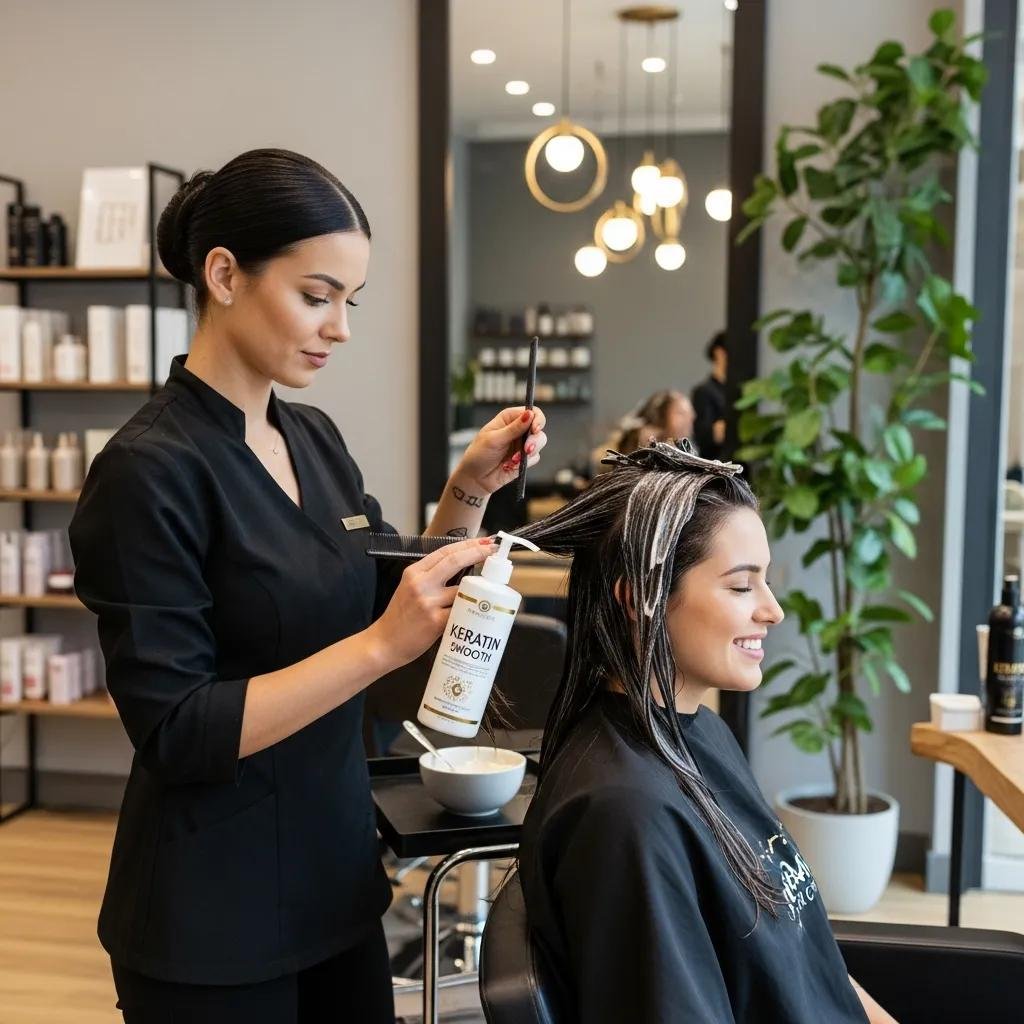
At Kylie Studio Salon, each keratin appointment starts with a one‑on‑one consultation and hair analysis to assess porosity, damage, and your styling goals — that determines the best formula and approach. The stylist applies a professional‑grade smoothing solution section by section, lets it penetrate the shaft, then heat‑seals with a stylist‑grade flat iron to align and bond the cuticle. We finish with a targeted rinse, expert blow‑dry, and clear aftercare instructions — focusing on sulfate‑free cleansing and gentle handling to keep results strong. You’ll leave with a personalized aftercare plan and a recommended timeline for follow‑ups so the smoothing and static control last as long as possible.
Our salon process prioritizes customization and technique, which reduces risk and improves longevity compared with DIY chemical attempts. Next, we’ll look at how salon blowouts can act as an immediate alternative or complement to keratin treatments.
How Can Salon Blowouts Provide Instant Hair Smoothing and Static Hair Prevention?
A professional blowout is a non‑chemical, immediate way to reduce static and achieve a polished, low‑frizz look. Stylists combine heat styling, smoothing products, and precise brushwork to align cuticles and decrease friction between strands. Protective serums and heat‑control products prevent damage while ionic dryers and professional brushes help neutralize charge and set the hair in a single direction to resist flyaways for a few days. Blowouts are perfect for events or short‑term styling needs and pair well with keratin services by providing instant smoothness while longer treatments settle in. The table below compares common blowout types, their finishes, and which hair textures they best serve.
A professional blowout is a smart immediate solution for controlling static and improving manageability before you commit to longer‑term smoothing.
What Types of Blowouts Are Best for Frizz Control?
Each blowout technique targets frizz differently: ionic blowouts use negatively charged ions to neutralize positive static and help close the cuticle for a smoother surface. Smoothing‑focused blowouts emphasize product systems and round‑brushing tension to flatten the cuticle and create a glossy finish. Classic blowouts blend volumizing and smoothing products to keep body while minimizing frizz — great if you want fullness without sacrificing manageability. Knowing these differences helps you choose a blowout that complements a keratin treatment or stands alone for immediate static reduction.
How Do Blowouts Enhance Hair Shine and Manageability?
Blowouts increase shine and manageability by applying heat‑protectant serums and lightweight finishing oils that smooth micro‑roughness and boost light reflection, while expert brushing aligns cuticles to reduce friction. Careful temperature control and a cool‑shot to set the style lock in the finish, which cuts static and helps hair resist humidity for several days. Stylists select complementary anti‑frizz emulsions and light silicones to create a temporary barrier against moisture exchange and static buildup. These techniques create a reliable short‑term improvement and make daily styling easier, and they can also prep hair for longer‑lasting treatments like keratin.
What At-Home Tips and Products Help Prevent Static Hair and Flyaways?
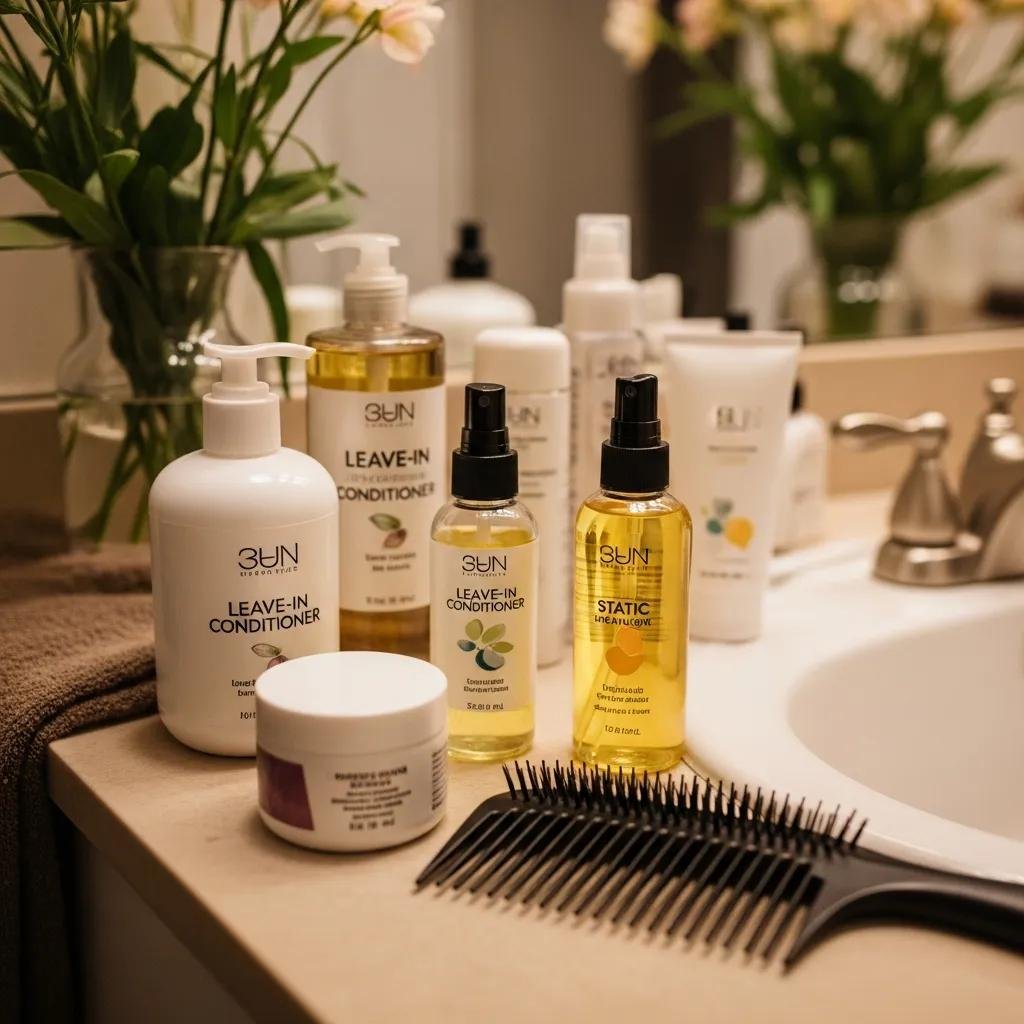
A practical at‑home routine focuses on hydration, gentle handling, and the right tools to reduce static and extend salon results. Use a leave‑in conditioner and lightweight oils to keep the surface hydrated and prevent charge separation, and choose sulfate‑free shampoos to protect smoothing layers. Small changes — air‑drying partway before using an ionic dryer, detangling with a wide‑tooth comb, and switching to silk pillowcases — cut friction and overnight static. The quick‑reference table below lists useful products and when to use them so you can build a routine that supports salon services.
Consistent at‑home care supports professional treatments and reduces the need for reactive fixes like heavy brushing or excessive heat.
Which Anti-Frizz Products and Hair Oils Are Recommended?
Focus on product types and ingredient profiles rather than brand names: lightweight oils like argan or fractionated oils work well for daily flyaway control, silicone serums are effective before heat styling, and leave‑ins with humectants help hold moisture. Use heavier serums sparingly on fine hair to avoid buildup, and apply leave‑ins to towel‑damp hair to lock in hydration. If you’ve had a smoothing treatment, stick to sulfate‑free cleansers and use protein treatments only as your stylist recommends to keep balance. Choosing products with these functional benefits reduces static and supports longer‑lasting salon results — and your stylist can suggest precise options for your hair.
A tailored at‑home plan that mirrors the salon’s focus on moisture, cuticle protection, and gentle handling delivers the best long‑term results.
What Daily Hair Care Practices Reduce Static and Frizz?
Daily habits matter: avoid over‑washing to preserve natural oils, detangle gently from ends to roots with a wide‑tooth comb, and finish styling with a cool‑shot to set the look and lower charge. When possible, swap synthetic scarves and sweaters for natural fibers, or use a static‑reducing spray before getting dressed to minimize fabric‑to‑hair friction. Sleep on silk or satin pillowcases to reduce nighttime abrasion and protect smoothing treatments, and schedule weekly deep‑conditioning masks for high‑porosity hair. These simple behavior changes reduce cumulative damage that leads to static and frizz, and they fit naturally into salon aftercare plans.
Before booking services, a consultation will personalize these at‑home steps to your hair’s porosity and treatment history so product choice and frequency match your goals.
Why Choose Kylie Studio Salon for Static Hair Solutions in Bethesda, MD?
Kylie Studio Salon pairs local expertise with one‑on‑one consultations to create static‑control plans that balance instant smoothing with long‑term hair health. Owner and stylist Ruth brings hands‑on experience and a client‑first assessment to every appointment, so treatments — from keratin smoothing to targeted blowouts — are chosen for your hair type, porosity, and lifestyle. We offer the services clients commonly seek for frizz control, including professional keratin treatments, Brazilian blowouts, and tailored salon blowouts, and we emphasize aftercare guidance so results last. Our Bethesda location makes it easy to start with a consultation and move toward dependable, sustainable static control.
These strengths explain why professional help is a good next step when home measures aren’t enough. Below we outline Ruth’s approach and typical client outcomes.
How Does Owner Ruth’s Expertise Enhance Your Hair Treatment Experience?
Ruth focuses on an individualized assessment and modern technique selection. She diagnostically checks porosity, damage patterns, and realistic styling goals before recommending a plan. Her toolkit includes contemporary smoothing and blowout methods that prioritize cuticle sealing and minimal long‑term damage, and she works with clients to set aftercare expectations that support longevity. That personalized approach reduces surprises and creates reliable results, especially for clients moving between short‑term blowouts and longer‑lasting keratin services. Clients benefit from this judgment because it matches treatment intensity to hair condition and daily routines.
This strengths‑based approach leads directly to the client‑reported improvements summarized next.
What Do Clients Say About Our Frizz Control and Keratin Treatments?
Clients often report smoother, shinier hair that needs less daily heat and shortens morning routines after professional smoothing services. Many notice a clear drop in flyaways and fewer breakage‑related frizz issues when they follow our aftercare plan and at‑home recommendations. We encourage prospective clients to read public reviews and view our transformation gallery to set realistic expectations before booking. The pattern is consistent: improved texture, less styling time, and brighter shine — especially when salon services are paired with recommended maintenance.
These positive outcomes are why a consultation is the best first step to decide which combination of blowout and keratin fits your goals.
How to Book Your Appointment for Hair Smoothing and Frizz Control Services?
Start by picking the right entry point: a consultation for first‑time smoothing clients, or a direct booking for a blowout or follow‑up keratin service. During your consultation the stylist will review your hair history, test porosity and damage, and outline a recommended treatment and aftercare timeline. Helpful pre‑appointment tips: come with hair free of heavy styling products so we can assess accurately, and allow enough time for a full application and heat‑sealing when booking keratin. For convenience, Kylie Studio Salon offers online booking through our site and local listings, and you can always call to check availability or request a consultation with Ruth.
These steps set you up for a productive consultation where we design the best path to long‑term static control.
What Is the Consultation Process for Tailored Static Hair Solutions?
The consultation covers your hair history, daily styling habits, and desired outcome, followed by a hands‑on check of porosity, elasticity, and existing damage. We discuss treatment options, outline realistic results, and create an aftercare plan that lists product types, recommended wash frequency, and follow‑up timing. Cost and time estimates are provided based on chosen treatment and hair length, and you’ll get guidance on how to prepare your hair for the appointment to maximize results. This structured approach aligns expectations and supports sustainable static control.
Knowing these consultation checkpoints helps you arrive ready and informed, which improves planning and long‑term success.
How to Schedule Your Keratin Treatment or Blowout at Kylie Studio Salon?
When booking, choose the correct service — consultation first for new smoothing clients, or a direct blowout for immediate styling needs — and confirm appointment length so we have time for thorough application and heat‑sealing. Tell us about any recent chemical services, color work, or sensitivities so we can prepare an appropriate formula and timeline. Keratin appointments typically take longer than a standard blowout; many clients schedule a follow‑up during the initial visit to maintain results. If you prefer help over the phone, call the salon to check availability and reserve a consultation or service with Ruth; let the team know any special requests so we can accommodate your goals.
This scheduling guidance completes the practical pathway from recognizing the problem to booking a tailored salon solution for static hair and persistent flyaways.
Frequently Asked Questions
What are the long-term effects of keratin treatments on hair health?
Keratin treatments can improve hair health by sealing the cuticle, which reduces moisture loss and provides protection from the elements. Over time, clients typically see more shine, less frizz, and easier styling. To keep these benefits, follow aftercare advice (use sulfate‑free shampoos and limit excessive heat). Regular, appropriately timed treatments can help strengthen high‑porosity hair and reduce breakage and static, supporting healthier hair overall.
How often should I schedule keratin treatments for optimal results?
Frequency depends on your hair type, porosity, and lifestyle. Most clients benefit from treatments every 6 to 12 weeks. Those with high porosity or persistent frizz may need sessions closer to the 6‑week mark. Your stylist will recommend a personalized timeline during your consultation to keep hair healthy between treatments.
Can I color my hair after a keratin treatment?
Yes — but we usually recommend waiting about two weeks after a keratin treatment before coloring. That gives the keratin time to fully bond to the cuticle so color application won’t interfere with the smoothing effect. Choosing semi‑permanent or ammonia‑free color options can also help preserve the keratin treatment.
What should I do if my hair still feels static after treatment?
If static persists, add more moisture into your routine: try a leave‑in conditioner or a lightweight oil, and confirm you’re using sulfate‑free shampoo. Avoid excess heat styling and check your at‑home tools (ionic dryers help). If static continues, talk to your stylist — we can adjust your aftercare or suggest a follow‑up service tailored to your hair.
Are there specific products I should avoid after a keratin treatment?
Avoid products with sulfates, sodium chloride, and high alcohol content, as they can strip oils and shorten treatment longevity. Choose sulfate‑free shampoos and conditioners made for treated hair, and steer clear of heavy, greasy styling products that cause buildup and weigh down the smoothing effect.
How can I maintain my keratin treatment at home?
Maintain your treatment by prioritizing hydration and gentle handling: use sulfate‑free cleansers, apply leave‑ins or lightweight oils as needed, and limit washing to two to three times a week when possible. Dry on lower heat and use a cool‑shot to set styles. Sleeping on a silk or satin pillowcase reduces friction and helps preserve smoothness and reduce static.
Conclusion
Sleek, manageable hair is achievable with the right mix of professional keratin treatments, targeted blowouts, and thoughtful at‑home care. Understanding why static and frizz happen — and using both salon services and simple daily habits to address the root causes — delivers longer‑lasting results and makes daily styling easier. Ready to start? Book a personalized consultation at Kylie Studio Salon and see how expert care can simplify your routine and restore smoothness.